
Updated October 2026
Corporate Event Photography a great way to make money as a photographer
For those of us who love to work behind the camera, corporate event photography is a huge source of income. They provide us with a steady stream of work and a creative outlet that we enjoy immensely. If you have a passion for photography and you enjoy working in front of a crowd, then a corporate event is for you!
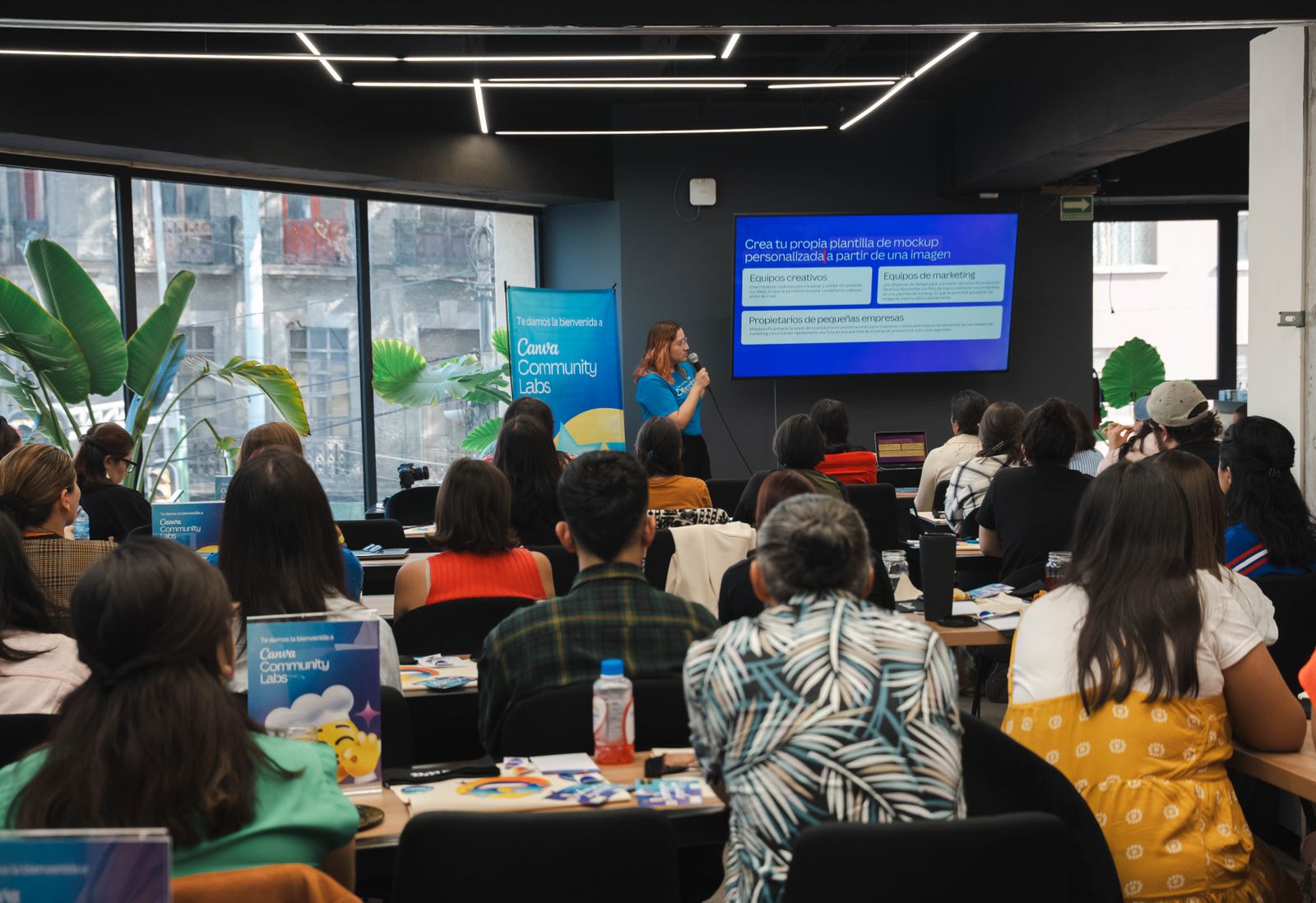
Corporate Event Photography
If you’re looking for a way to start building a portfolio and gain experience in your field, corporate events are the perfect place to start. In fact, many people prefer corporate events because it offers the opportunity to work with larger crowds and with companies and brands that they admire. It gives them an opportunity to see themselves through the lens of the camera and to have the chance to meet other professionals in their industry. It also allows them to network and make valuable contacts.
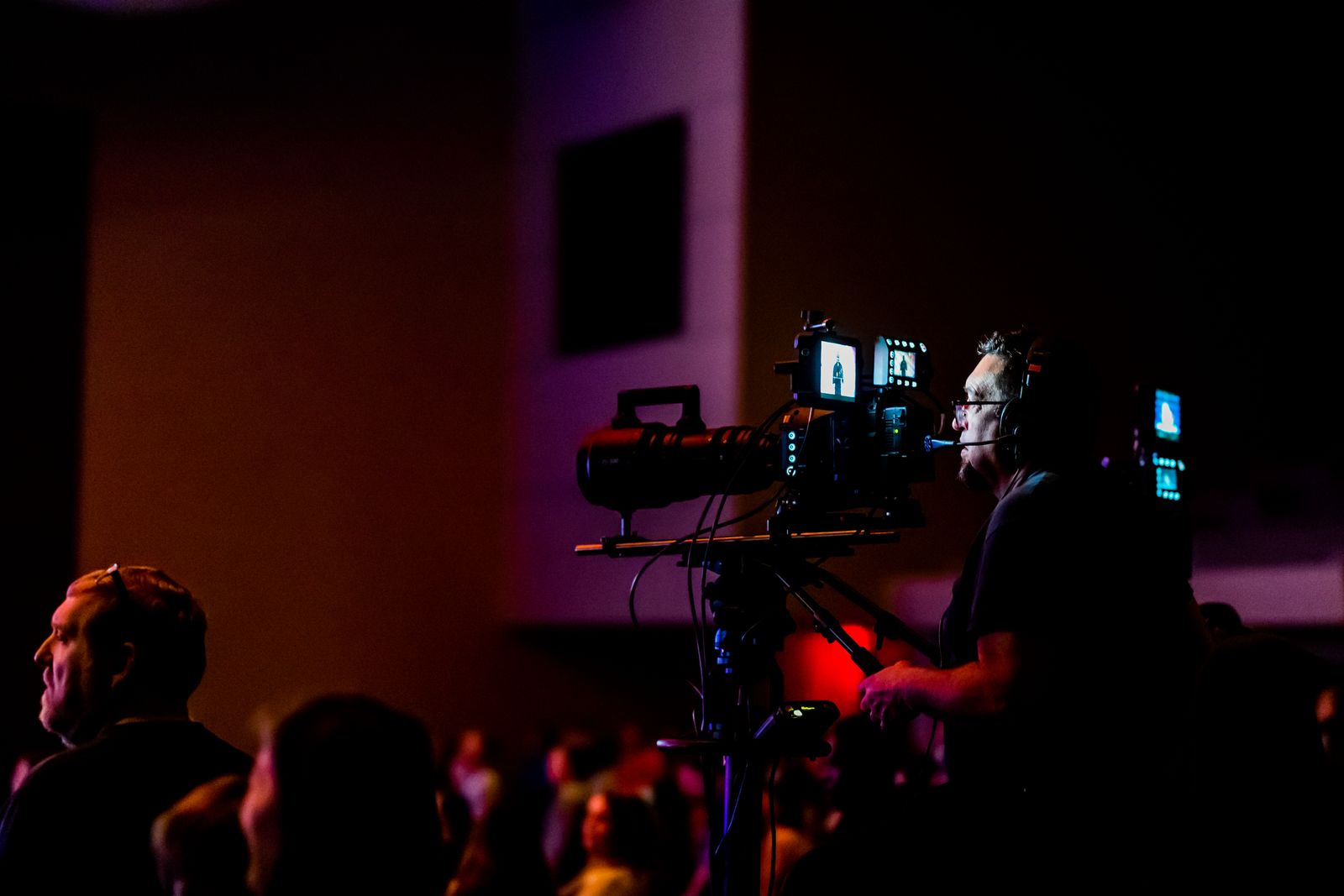
Corporate Event Photography and how to make money
Corporate events are one of the best ways to build your portfolio, but they can be challenging as well. It’s not uncommon for them to involve traveling, which can add to the stress and the time commitment involved. Also, some jobs are more challenging and require more skill than others, so it’s important to learn what you’re getting yourself into before signing up for a job. You want to make sure you’re choosing the right jobs that will allow you to grow in your field.
Corporate events come in all shapes and sizes, so it’s not always easy to know where to start.
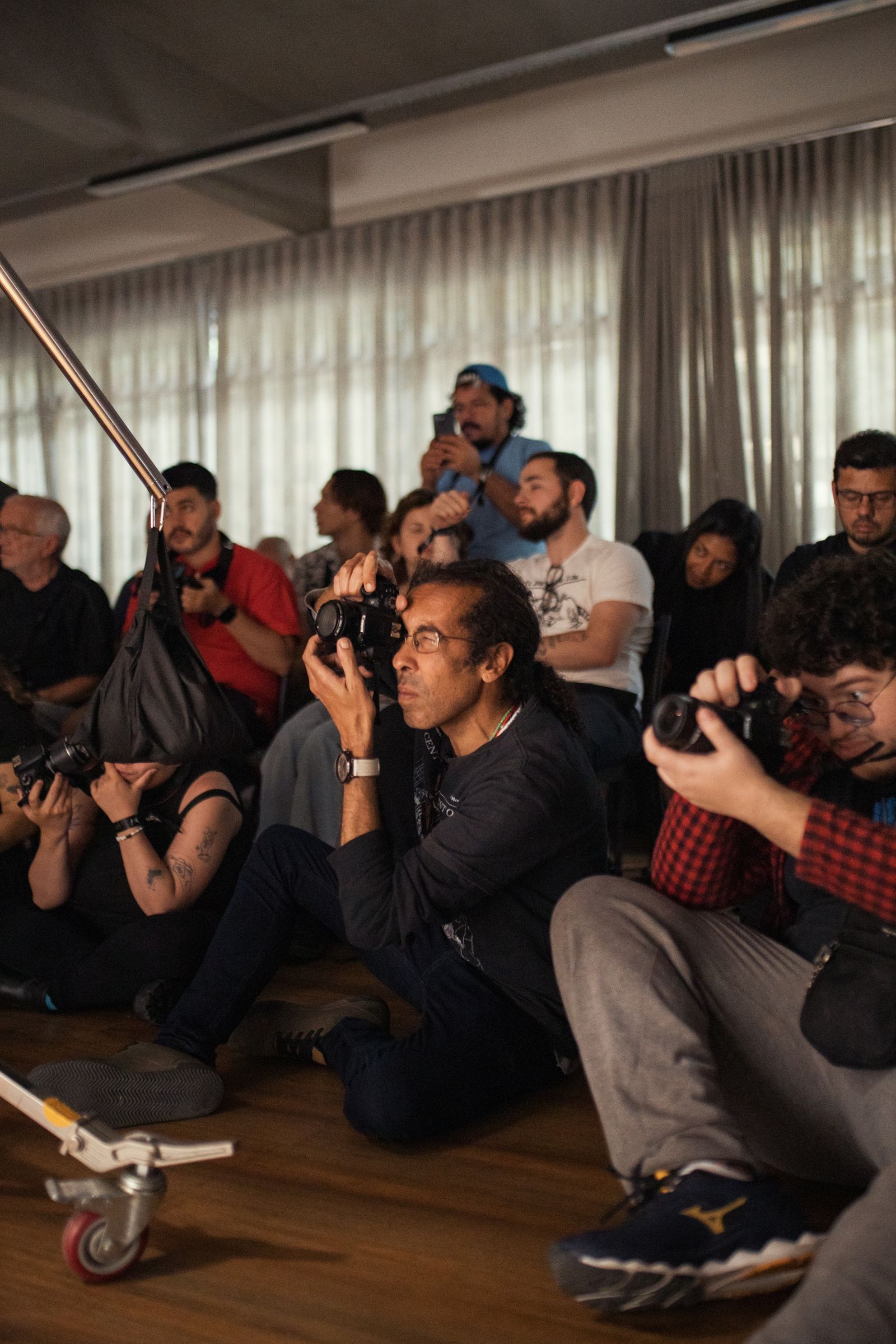
Corporate Event Photography and how to get started
To get started, here are some tips that will help you land more of the corporate events you want to work on.
First, you need to establish yourself as a professional event photographer. That means learning about the industry, getting your portfolio together, and developing a reputation.
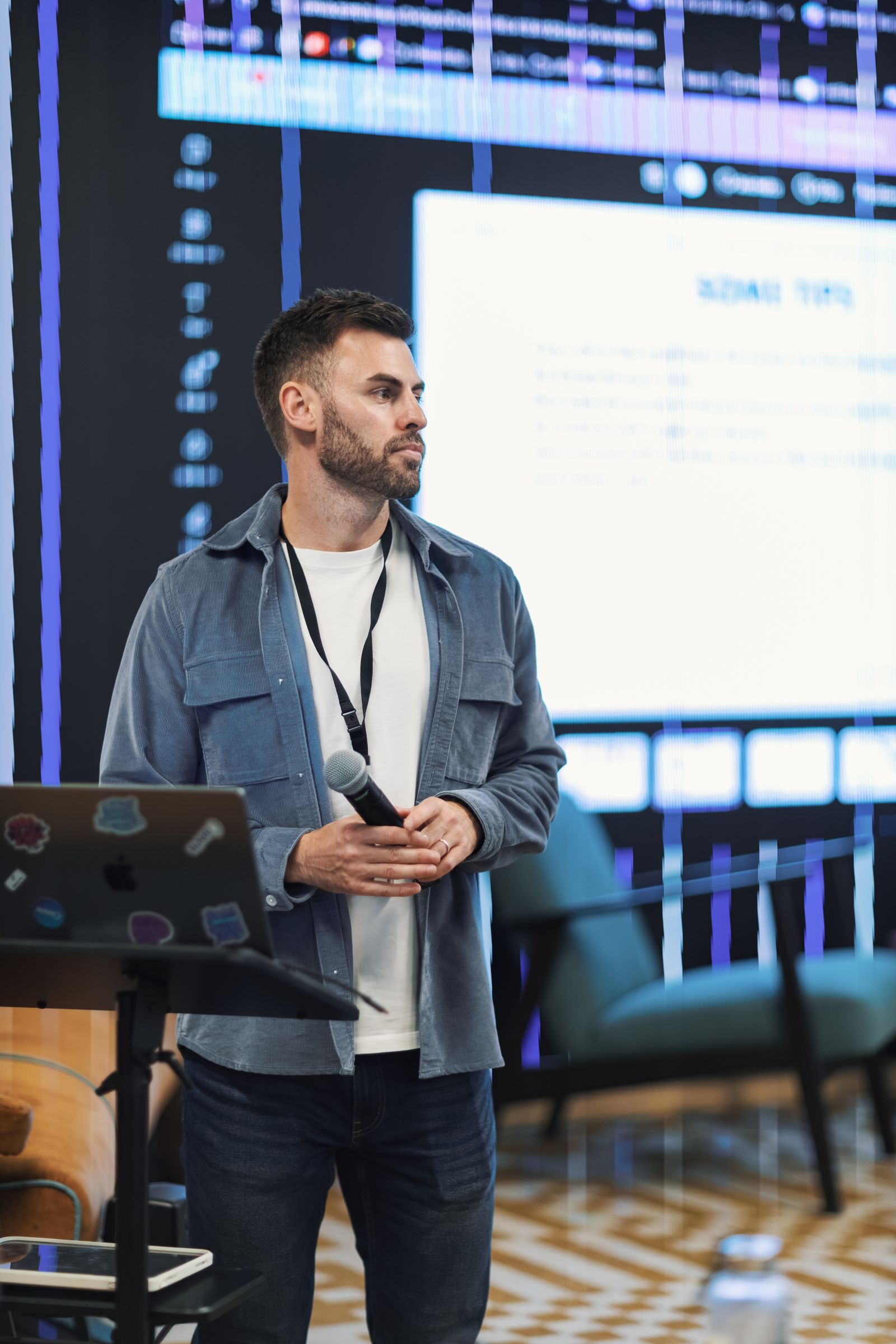
Second, you need to network. Join groups on LinkedIn and Instagram, attend local networking events, and get to know the event organizers.
Third, you need to think about your skills. What kind of equipment do you need to work with? for example, will you need lighting gear? Do you have experience working with certain types of events? Are there special skills that you can bring to the table?
Finally, you need to consider your pricing. How much does it cost to shoot an event? Will you charge by the hour or per image? Is there a minimum number of images you need to provide?
With a little bit of planning, you’ll be able to find corporate events that suit your needs and skill level.
What Corporate Event Photographers Actually Shoot
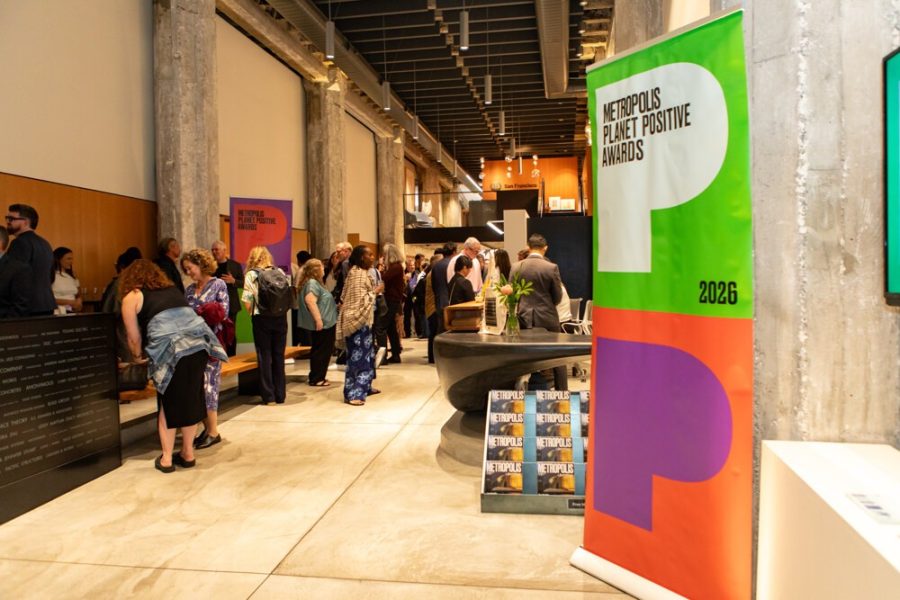
“Corporate event” covers a lot of ground. Knowing the common types helps you quote the job and pack the right gear.
- Conferences and keynotes. Speakers on stage, audience reactions, sponsor booths and networking breaks.
- Product launches. Brand moments, product displays, guests and press.
- Award dinners and galas. Formal portraits, stage moments and room atmosphere in low light.
- Trade shows. Booths, demos and crowds in a bright, busy hall.
- Team events and offsites. Candid group shots and activity photos.
- Headshot days. A quick portrait station for employees, often in a lobby or meeting room.
Each type has its own pace. A conference is a long day with many small moments. A gala has a few key moments you cannot miss. Ask the client what matters most before the day begins.
Before the Event: Questions to Ask the Client
Most problems on event day come from a gap in the planning. A short call or email saves you trouble later. Ask these questions:
- What is the purpose of the event, and how will the photos be used?
- What is the schedule, and which moments are must-have shots?
- Who are the key people, such as executives, speakers and sponsors?
- Is there a shot list or a brand style guide to follow?
- How many hours of coverage do you need?
- When do you need the images, and in what format?
- Are there places or people I should not photograph?
- Who is my point of contact on the day?
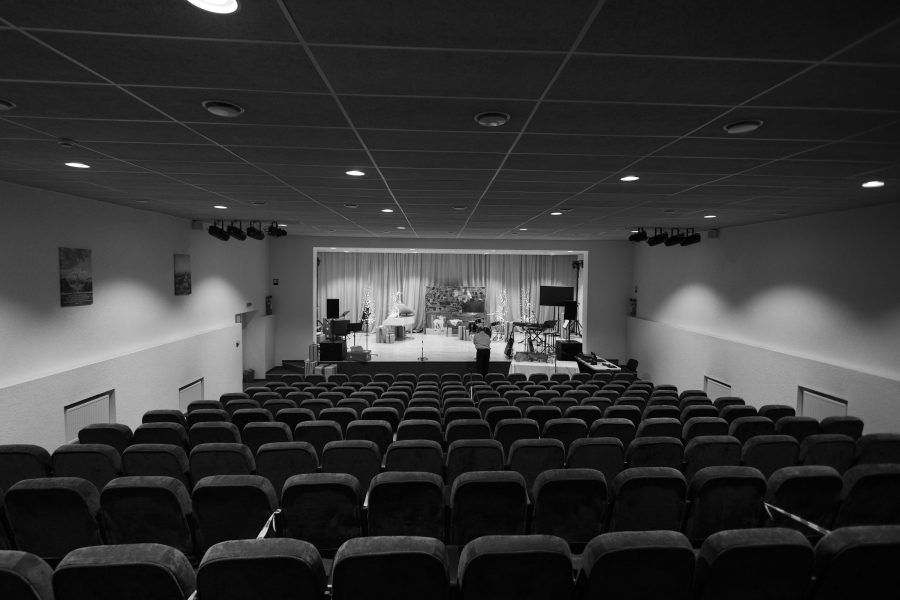
Visit the venue ahead of time if you can, or ask for photos and a floor plan. Look at the lighting, the stage, the exits and where you can move without blocking guests.
Gear for Corporate Event Photography
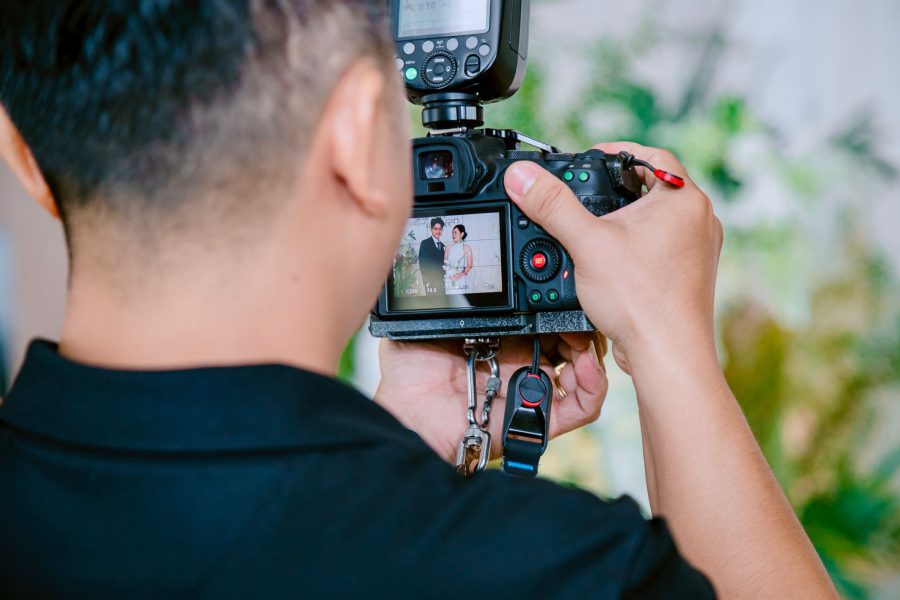
You do not need a huge kit, but you do need dependable gear and a backup. The usual setup is two camera bodies, a standard zoom, a fast prime or a wide zoom, and a telephoto zoom for stages. Add a flash, spare batteries and plenty of memory cards.
Low light is the main challenge
Conference rooms and ballrooms are often dim, and stage lighting can change from moment to moment. A camera with strong high-ISO performance and a fast lens make the work much easier. Shoot in RAW so you can fix white balance, since venue lights can mix colors. Use a flash with a diffuser or bounce it off a ceiling when the room allows, and keep the look natural.
Quiet shooting
Some talks are formal and quiet. If your camera has a silent or electronic shutter mode, it can help during speeches. Check your camera’s manual for how it behaves with artificial lights, since some lighting can cause banding at certain shutter speeds.
Shots to Capture at Every Event
- Wide establishing shots of the venue, signs and the crowd
- Speakers with clear faces and a good expression, not mid-blink
- Audience reactions such as laughing, listening and taking notes
- Networking moments with small groups in conversation
- Sponsor branding on banners, screens and booths
- Details such as food, table settings and name badges
- Group photos of teams and key guests
- Arrival and departure shots that show the energy at the start and end
Clients often need images quickly for social media, so deliver a small set of top picks soon after the event and the full gallery later. Say this in your agreement so expectations are clear.
How to Find Corporate Event Clients
Start with people who already know you. Former employers, friends in marketing and past portrait clients may need event coverage or know someone who does. From there, build a few simple channels:
- A portfolio page focused on events, with a few strong galleries
- A LinkedIn profile that clearly says what you do, plus regular posts of your work
- Introductions to event planners, venues and agencies
- Local business groups and chambers of commerce
- Past clients who can recommend you
If you do not have event work yet, offer to cover a small local event or a nonprofit gathering to build samples. Treat it as a real job: show up early, dress to fit the room and deliver on time. For more on turning photography into income, read my guide on becoming a professional photographer.
How to Price Corporate Event Photography
There is no single rate. Pricing varies by city, experience and the scope of the work. Common approaches include hourly rates, half-day and full-day packages, and project fees. Think about what goes into the price:
- Hours on site, plus travel time
- Editing and delivery time, which often equals or exceeds shooting time
- The number of photographers needed
- Usage rights, such as whether the client uses images in ads or only internally
- Gear, insurance and business costs
- Rush delivery
Put everything in a written contract: dates, hours, deliverables, payment terms, usage rights and what happens if the event is canceled. Ask for a deposit to hold the date.
Editing and Delivery Workflow
Event editing needs to be fast and consistent. Cull your images first, keeping the strongest frames and removing near duplicates. Then correct exposure and white balance on one image from each lighting situation and sync those settings to the rest. Crop for clean framing, straighten horizons and remove distracting details when needed. Export web-sized files for fast sharing and keep full-resolution files for the final gallery. My Lightroom guide covers a simple workflow you can adapt to event work.
Common Mistakes to Avoid
- Not asking what the client needs most
- Relying on one camera or one memory card with no backup
- Standing in the same spot all day instead of moving
- Over-using flash and making everyone look flat
- Missing the executive or sponsor shots that the client cares about
- Delivering late or with no clear gallery link
- Working without a contract
A Simple Event-Day Timeline
Having a rhythm for the day keeps you calm and helps you catch the moments that matter.
- Arrive early. Give yourself time to meet your contact, check the room and test your settings in the actual light.
- Shoot the empty room first. Before guests arrive, capture the venue, signs, décor and sponsor displays while they look their best.
- Cover arrivals. Greetings and registration give you natural, relaxed portraits and candid moments.
- Work the program. Move around during talks. Shoot wide from the back, then closer from the sides, without blocking the audience.
- Use breaks. Networking time is the best chance for candid groups and details.
- Capture the key people. Get the executives and speakers together with sponsors or guests before they leave.
- Stay to the end. Closing remarks and goodbyes often make good final frames.
- Back up right away. Copy your cards to two places before you leave the venue.
Running a Quick Headshot Station
Many companies ask for headshots at an event. A simple setup works well: a plain wall or backdrop, one light source such as a window or a softbox, and a spot about six feet from the background so it stays soft. Keep your settings fixed so every person matches. Give a few quick directions, such as chin slightly forward and a relaxed smile, and take several frames. Let people check a shot on the back of the camera if they want. Keep the line moving, aiming for a few minutes per person.
Working Politely in a Corporate Room
You are a guest in a professional space, so how you behave matters as much as your photos. Dress to match the event, usually business casual or darker clothing at formal events. Stay quiet and move with care during speeches. Introduce yourself with a smile when you ask for a group photo, and never hold up the program for a shot. If a guest asks not to be photographed, respect it and tell your contact if needed. Handle every image with discretion, since some events include confidential material on slides or screens.
Corporate Event Photography Questions
What camera is best for corporate event photography?
Choose a camera with strong low-light performance, reliable autofocus and dual card slots. Pair it with a standard zoom and a fast lens, and carry a backup body.
How do I start as a corporate event photographer?
Build a small portfolio of event work, network with planners and companies, and set clear pricing and contracts before you take paid jobs.
How much should I charge?
Rates vary by market and experience. Price by hours on site, editing time, number of photographers, usage rights and expenses, and put everything in a written contract.
Do I need flash for corporate events?
Often yes in dim rooms. A flash with a diffuser, or bounced off a ceiling, gives a natural look. Some venues restrict flash, so ask first.
How quickly should I deliver event photos?
Agree on a timeline in your contract. Many clients want a small set of top images quickly for social media and the full gallery afterward.
Learn faster with a plan. The ShutYourAperture Academy has 22 photography courses, from the fundamentals of aperture, shutter and ISO to genre courses like landscape, portrait and street.
Recommended Starting Points for Event Gear
These are options based on manufacturer specs, not a claim that I used them at events. Check the specs for card slots, low-light performance and battery life against your needs.
- Sony A7C II, compact full-frame with strong low-light capability: Sony A7C II on Amazon | on B&H
- Nikon Z8, a pro body with dual card slots: Nikon Z8 on Amazon | on B&H
For more options, see my camera buyer guide. Amazon and B&H links are affiliate links, and I may earn a commission at no extra cost to you. Photos are illustrative.