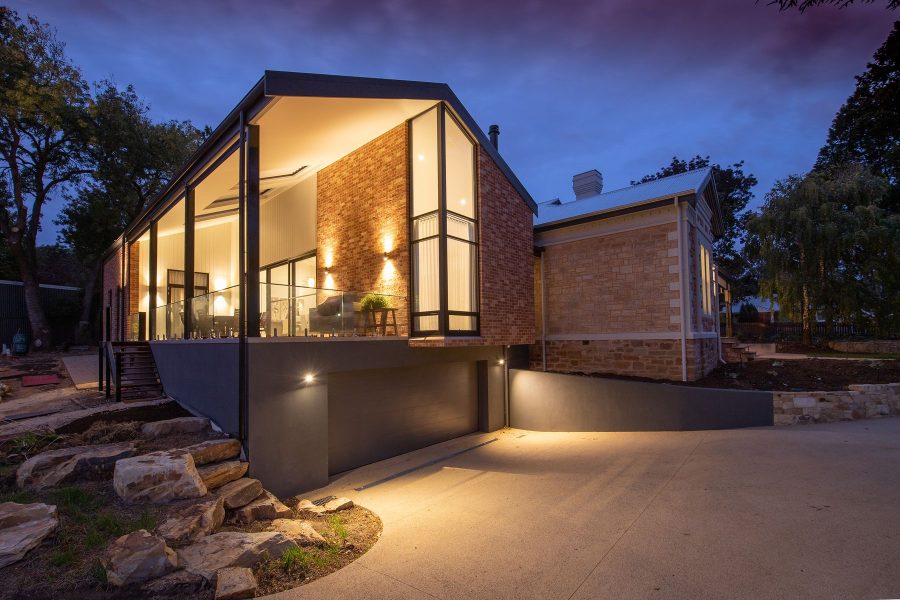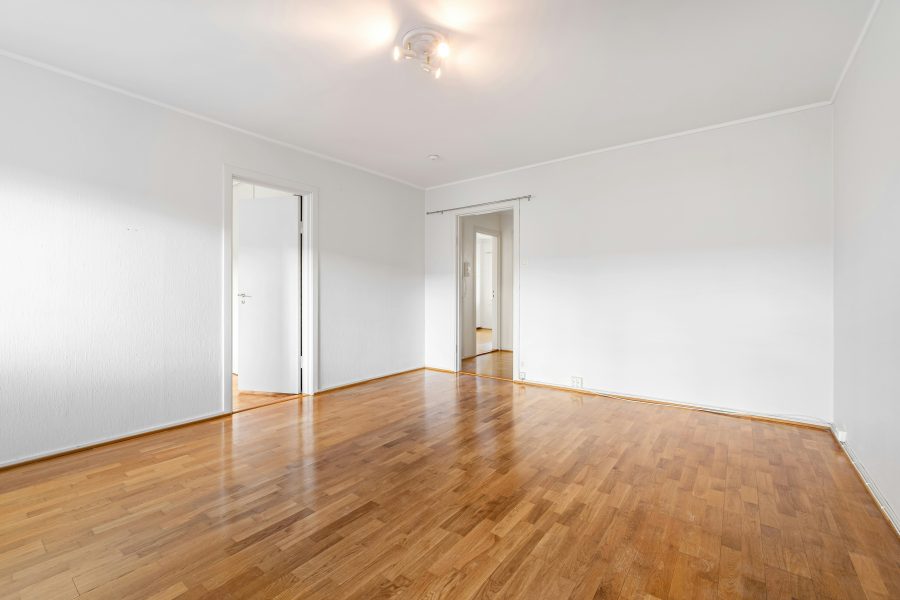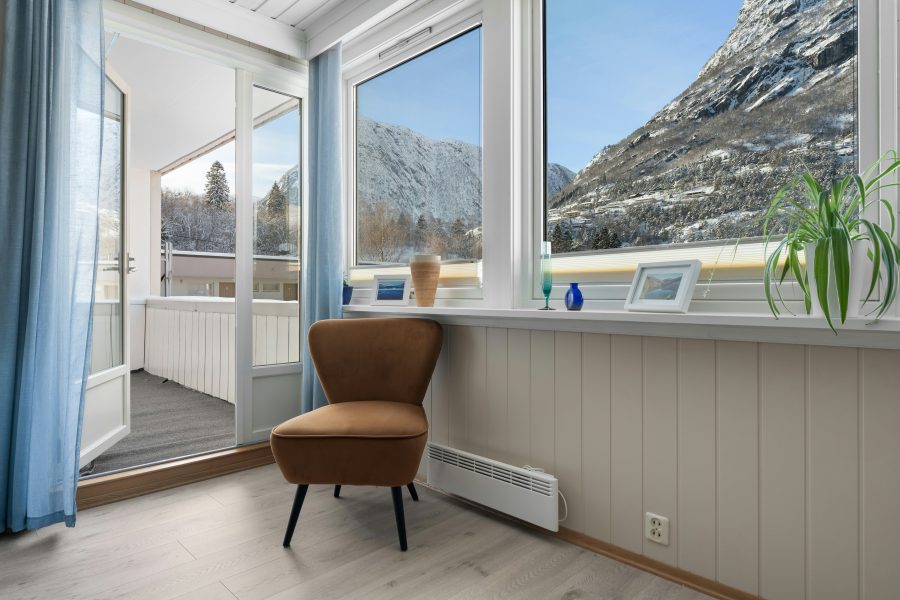

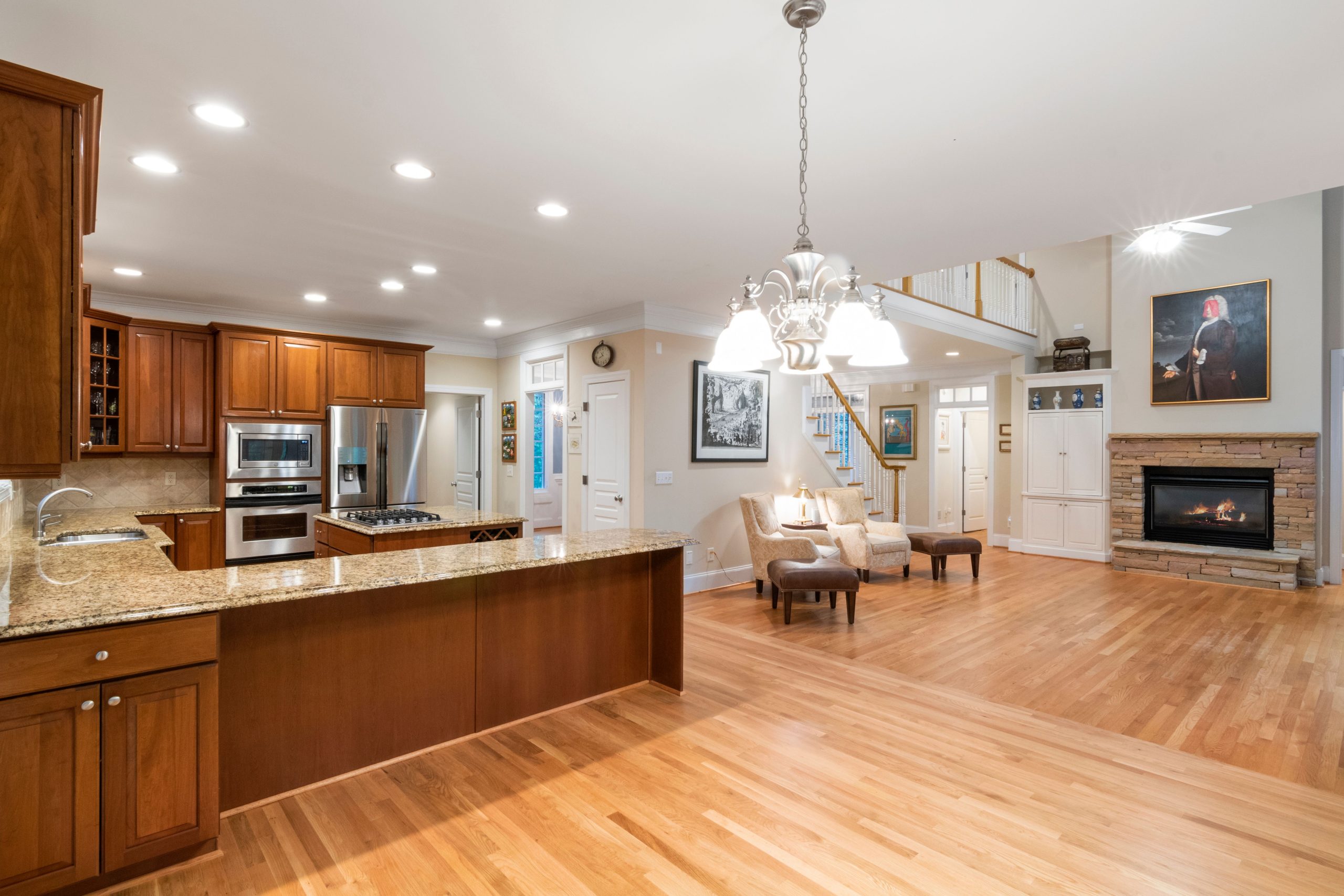
Featured photograph: Photo by Kindel Media via Pexels (source; Pexels license). (Stock photo, illustrative.)
Original date January 10, 2024. Updated November 2026.
Real estate photography marketing should explain your service, show representative work and make it easy for a suitable client to inquire. No channel guarantees a full calendar. Treat the website, portfolio, introductions and follow-up process as parts of a small system whose costs and results you can review.
1. Niche Identification and Market Research
Choose a group of prospective clients whose needs you can serve. A residential listing, rental apartment, builder portfolio and office letting can require different coverage and licenses. A focused offer makes the work easier to explain and estimate without preventing you from accepting a different suitable job.
Review public listings and brokerage sites, or MLS data only when you have the necessary access and permitted use. Note property types, coverage and service descriptions. Listing counts and asking prices do not establish a photographer's bookings or profit. Keep those limits visible in your research notes.
Turn the research into a working estimate. List possible shoots, acquisition costs, time per job and delivery capacity. Mark assumptions and test them against real inquiries. Less visible competition does not automatically mean more profit; it can also mean less demand or difficult access.
 Save
2. Brand Development and a Professional Portfolio
Use a consistent business name, contact route and service description across your website, proposals and galleries. A clear identity helps a prospect check who is answering an inquiry. It does not prove reliability on its own. Support the presentation with representative work, realistic delivery terms and a clear way to report an error.
Describe a service you can reliably deliver. A stated revision process or clear booking checklist may be useful. Delivery guarantees, included add-ons and no-surcharge promises need a capacity and cost check before publication. Explain exclusions as clearly as inclusions and review the promise when the workload changes.
Build the portfolio from relevant examples with permission for their marketing use. Show complete property coverage and explain the brief and delivered scope. Label personal projects, staged samples and stock illustrations honestly. Group examples by property type when it makes comparison easier, rather than collecting every image in one archive.
 Save
3. Social Media and SEO Optimization
Social media and search reach people in different situations. Use them as routes to a useful portfolio and inquiry process, not promises of bookings. Start with a channel your prospective clients use, then compare suitable inquiries, completed work, time and expense before adding more.
Publish work you have permission to share and explain the relevant brief. Ask before tagging a client, brokerage or occupied property. A tag may help viewers identify the people involved, but it does not guarantee distribution to every follower. Do not expose private addresses, tenants or unreleased listings to fill a posting schedule.
Search work starts with accurate service pages: explain the real service area, property types, scope, examples and contact route. Use descriptive titles and headings without repeating unrelated location terms. Google says local results mainly depend on relevance, distance and prominence. No profile edit guarantees a top-three result.
 Save
Check how a portfolio reads on a phone. The stock photograph below illustrates the device format, not a real estate portfolio or a completed marketing campaign.
 Save
4. Networking and Partnerships with Real Estate Agents
Relationships can make communication easier, but they require mutual usefulness and dependable delivery. Test introductions alongside referrals, search and other channels. Compare suitable inquiries and completed work with the time and expense involved instead of declaring one channel universally best for every photographer.
Look for appropriate introductions at brokerage meetings, industry events or open houses where vendors are welcome. Do not interrupt a client appointment or assume every visitor is a prospect. Ask permission for a follow-up and send the relevant portfolio example rather than a generic attachment bundle.
Build a proposed recurring arrangement around actual requirements: image use, booking notice, access, revisions, weather decisions and payment. A trial discount still needs a cost check and must not be tied to a positive review. A bundle is useful only when both parties understand what is included.
5. Keeping Pace with Innovation and Technology
Some clients need stills only; others need separately scoped aerials, video, tours or plans. Ask which deliverables solve a viewing need. Adding a tool is a service decision with training, capture, processing and support costs, not proof that the business has become more competitive.
Evaluate a tool with a representative test job. Check quality, time, revisions, export compatibility and hosting terms before promising it. In the United States, check the FAA’s commercial drone guidance and obtain the permissions required for the operation; owning equipment does not establish permission or competence for a particular job.
Review who you serve, which examples represent the offer, how a person can inquire and what happens next. Retain channels that produce useful conversations at an affordable cost. Change one part at a time when possible and keep a result log rather than promising a fixed growth curve.
Build a small marketing test you can review
Choose one service, one audience and one inquiry route for the first test. A residential photographer might prepare a complete interior and exterior gallery for a brokerage that welcomes supplier introductions. This is a test design, not a claim that a particular brokerage wants the service. State what is included, where you work and how someone can ask for a quote. Leave an obvious route for a person whose property does not fit the sample.
Write down the starting position before changing the offer. Record the portfolio version, service page, date, channel, time spent and cash cost. For an introduction, note whether a follow-up was welcomed and which example was relevant. Keep personal information limited to what the business needs. Protect the source log instead of publishing a prospect list or copying private client details into a shared marketing document.
Separate the stages: a portfolio visit, inquiry, quote, accepted booking and completed paid job are different outcomes. Count each once and note when the same person used several channels. More visits without suitable inquiries may mean the audience, page or offer needs work. It does not by itself establish that the photography is poor or the price should fall. A booking that exceeds delivery capacity is not automatically a good result either.
Review the inquiry itself. Was the property within the service area? Could you meet the date? Did the person need work outside the stated package? Record a reason for declining a quote when the person volunteers it, but do not invent a reason from silence. This separates a marketing issue from capacity, access or service fit. Keep the questions short enough that a prospective client can answer without completing a research project.
Make one useful change for the next test, such as replacing an unclear gallery description or simplifying the inquiry form. Keep the previous version and test dates. Avoid changing audience, price, offer and page together when you want to understand the result. Use the record to decide what to repeat, not to manufacture a success story. An inconclusive test can still show which information you need before spending more.
Make the portfolio match the booking promise
Select a property set that shows the work from arrival to delivery. Include representative rooms, relevant exterior angles and details that explain the space. State whether the example was a client assignment, personal project or staged demonstration. Do not imply the photographs caused a sale or achieved a particular listing result without evidence that supports that claim. A clear description of the brief is more useful than an invented performance statistic.
Check the permission for each example before publishing. Permission to deliver photographs to one client is not automatically permission to name tenants, show private possessions or describe the job publicly. Confirm the intended portfolio use and any restrictions. Keep a record of the approved set and remove an example when its permission expires. Stock illustrations can teach a point, but they must not be presented as completed client assignments.
Walk through the booking journey from the prospect’s side. Open the gallery on a phone, find the service area, read the scope and send a test inquiry through the form. Check what happens after submission, including whether a reply reaches the intended inbox. A missing confirmation or broken upload field can make an otherwise useful marketing test impossible to interpret. Do not ask a real prospect to diagnose a process you can test yourself.
A discovery conversation without a hard sell
Begin with the property and intended use rather than a list of equipment. Ask which views matter, where the photographs will appear and when the client needs them. Then explain which parts of your service address that brief. If the property needs a different specialist or a delivery you cannot meet, say so before quoting. The goal is a suitable job, not an acceptance that creates an avoidable delivery problem.
End with an agreed next step. That might be sending one relevant gallery, preparing a scoped estimate or leaving the conversation there. Confirm who will supply access information and who can approve changes. Do not treat a casual introduction as permission for a recurring email list. Keep the follow-up tied to what was discussed and stop when the recipient declines. Review the time spent as part of acquisition cost.
In the United States, promotional email can fall under CAN-SPAM even when it is a one-to-one business message. Read the FTC compliance guide before starting a campaign. Its requirements include accurate sender details and subject lines, a valid postal address, a clear opt-out and honoring opt-out requests. A welcomed conversation does not remove the rules that apply to a later promotional message.
Keep platform claims grounded. Google’s local-ranking guidance describes relevance, distance and prominence; it does not promise a position from a particular tactic. Its review policy prohibits incentives and selective requests for positive feedback. Invite genuine feedback consistently and do not attach a review condition to a trial offer.
For practical image preparation, our architectural editing guide covers a related workflow. Apply the client’s brief and applicable listing rules to the final delivery. Marketing should describe that service accurately, with examples a prospect can inspect, rather than promising that any photograph, tool or channel guarantees a booking.
For each accepted job, compare the promise with the completed delivery. Note whether the quote described the property accurately, whether access was ready and which revisions were requested. A repeated mismatch may call for a clearer brief rather than a different advertising channel. Keep the client-facing scope and internal checklist consistent so the next booking does not repeat the same avoidable misunderstanding.
Review acquisition effort alongside capacity. A channel that produces several urgent inquiries may be unsuitable if your work requires advance access planning. Describe realistic booking notice and weather decisions before a prospect invests time in a quote. The result you want is work that can be delivered well at an agreed cost, not a larger inquiry count that leaves both sides disappointed.
How do I market myself as a real estate photographer?
Choose a client group and real service area, show representative property sets, explain your scope and provide a working inquiry route. Test suitable introductions, referrals, search and social channels. Track qualified inquiries and completed work rather than treating likes or visibility as bookings.
What should a real estate photography portfolio include?
Show relevant complete property sets with permission for their marketing use. Explain the brief and delivered scope, label samples honestly and check the examples on a phone. Select work that represents the service you can reliably deliver.
Is social media worth it for real estate photographers?
It may be useful when its audience matches your service and the time spent produces worthwhile inquiries. Test one suitable channel, share only work you may publish and ask before tagging clients. No platform or posting schedule guarantees bookings.
How do real estate photographers get their first clients?
Begin with representative examples and useful conversations about coverage, access, delivery and workflow. Agree a clear scope for a trial and respect follow-up preferences. Evaluate the actual cost and result rather than assuming a discount or free shoot is necessary.
How much should real estate photographers charge?
Estimate preparation, capture, editing, travel, administration and overhead for the included work. Set terms and a margin your business can support, then review completed jobs. Public competitor menus are individual offers, not a market-wide rate or evidence of your profitability.