

Updated October 2026
July 24, 2018 was the day Nikon shooters stopped guessing. We had been waiting years for a full frame mirrorless body from Nikon, and that morning the company finally put out a video teaser and the first images of a camera that was real. This post keeps the original news as it landed, then tells you what the teaser turned into, because the story got a lot bigger than a short video.
What we saw on July 24, 2018
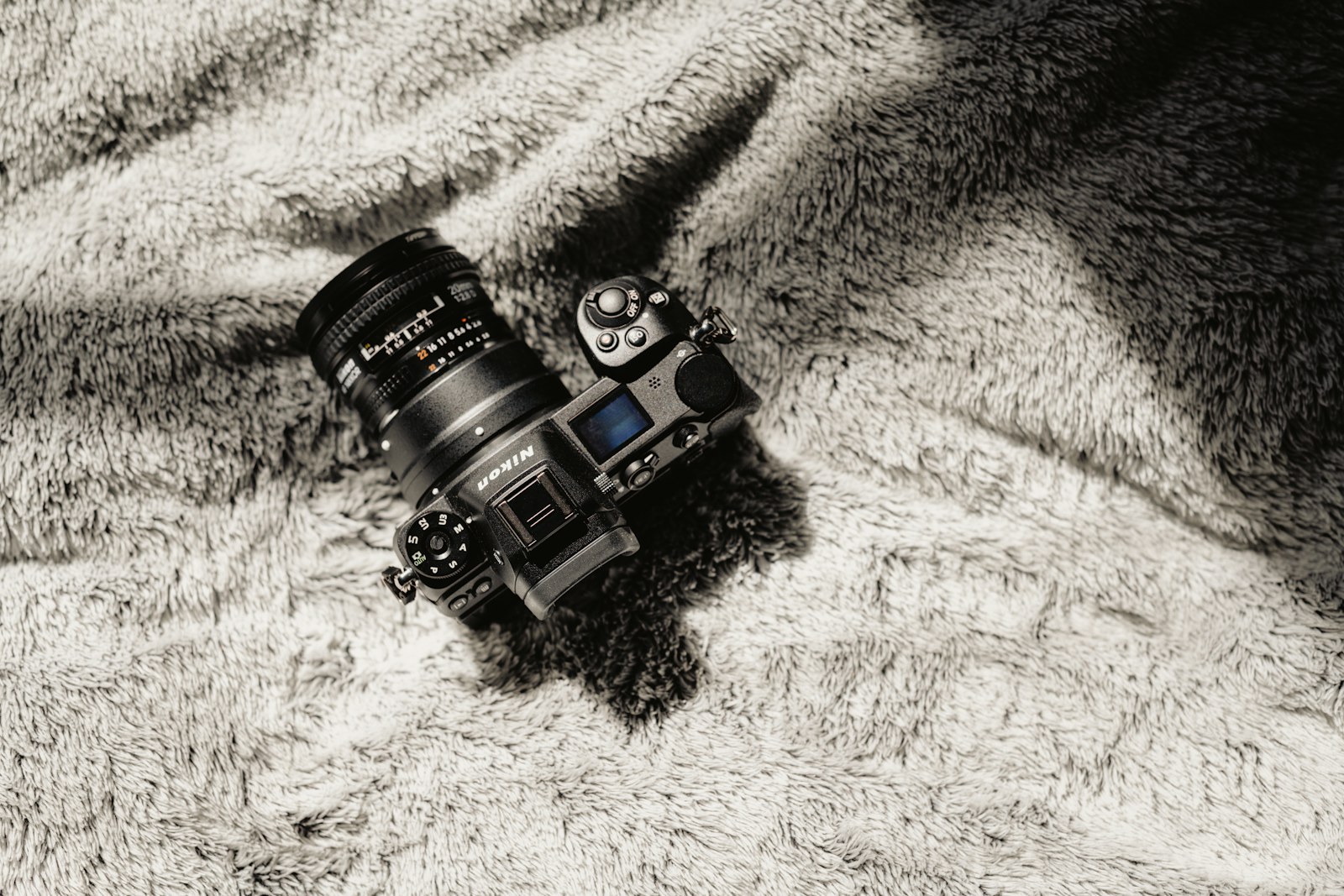
The new Nikon mirrorless full frame camera was on its way and it looked promising. Nikon gave us a short teaser and a few pictures of the body, but no release date, no price and no specs. All we could do was hope for great autofocus and fair pricing. The picture below is the image we ran with the original post.
And here is the teaser video itself.
There is not much to see in it. That was the point. It proved something was in the works, and every Nikon shooter out there knew it was time for Nikon to get in on the mirrorless game. Sony had been selling full frame mirrorless bodies for years, and Canon was close behind. Nikon needed to show up with something serious.
What Nikon actually announced a month later
On August 23, 2018, Nikon announced the Nikon Z 7 and the Nikon Z 6, along with a brand new lens mount called the Z mount. This is the camera the teaser was pointing at. According to Nikon’s own press release, both cameras use a new backside illuminated FX-format CMOS sensor with phase detection pixels on the sensor itself, and the EXPEED 6 image processor.
 Save
SaveHere is how the two bodies split up, using Nikon’s figures:
- Nikon Z 7: 45.7 effective megapixels, standard ISO 64 to 25,600, 493 focus points, up to about 9 frames per second.
- Nikon Z 6: 24.5 effective megapixels, standard ISO 100 to 51,200, 273 focus points, up to about 12 frames per second.
The Z 7 was the resolution camera, built for landscape, studio and anyone who crops hard. The Z 6 was the all-rounder, with better high ISO behavior, faster shooting and an easier workload for your computer. The Verge reported launch pricing of $3,399.95 for the Z 7 body and $1,995.95 for the Z 6 body.
Both cameras share a lot of design. Each has an electronic viewfinder with a 3.69 million dot OLED panel, a tilting 3.2 inch touchscreen of about 2.1 million dots, and the same dust and drip resistance level Nikon gave the D850. Both shoot full frame 4K UHD video at 30p, and Nikon put its first in-camera stabilization into the body: five axis vibration reduction rated at up to about 5 stops.
Why the Z mount was the real news
Bodies come and go. A mount is a ten year decision. Nikon went with a Z mount that has an inner diameter of 55 mm and a flange distance of just 16 mm. Compared with the old F mount that Nikon shooters had lived with for decades, that is a much wider opening sitting much closer to the sensor. Lens designers love that combination. It lets them build sharper wide angle lenses, faster apertures and cleaner corners without all the compromises older designs needed.
Nikon used the announcement to say it was developing a 58mm f/0.95 S Noct, which it described as the fastest lens in its history. That is a bold way to tell the world the new mount has room to grow.
The first lenses
Nikon launched the Z system with three S-Line lenses, which is the label it uses for its top optical grade:
- NIKKOR Z 24-70mm f/4 S: the standard zoom that covers landscapes, travel and general work.
- NIKKOR Z 35mm f/1.8 S: a wide prime for street, environmental portraits and low light.
- NIKKOR Z 50mm f/1.8 S: the classic normal view with a fast aperture.
That is a short list, and early buyers noticed. It is the main reason so many people leaned on the adapter in the first year.
The FTZ adapter
Nikon also released the Mount Adapter FTZ, which lets you attach F mount NIKKOR lenses to a Z body. With the adapter, the in-body stabilization works even on older lenses that never had vibration reduction. If you owned a bag of F mount glass, that single accessory turned the Z 7 and Z 6 from a gamble into a sensible upgrade. It is also why the camera in the photo above looks the way it does.
What this meant for real shooting
Let’s get practical. Here is how the new mirrorless Nikon changes the way you work, whether you are shooting a mountain at sunrise or a wedding in a dark hall.
You see the exposure before you press the button
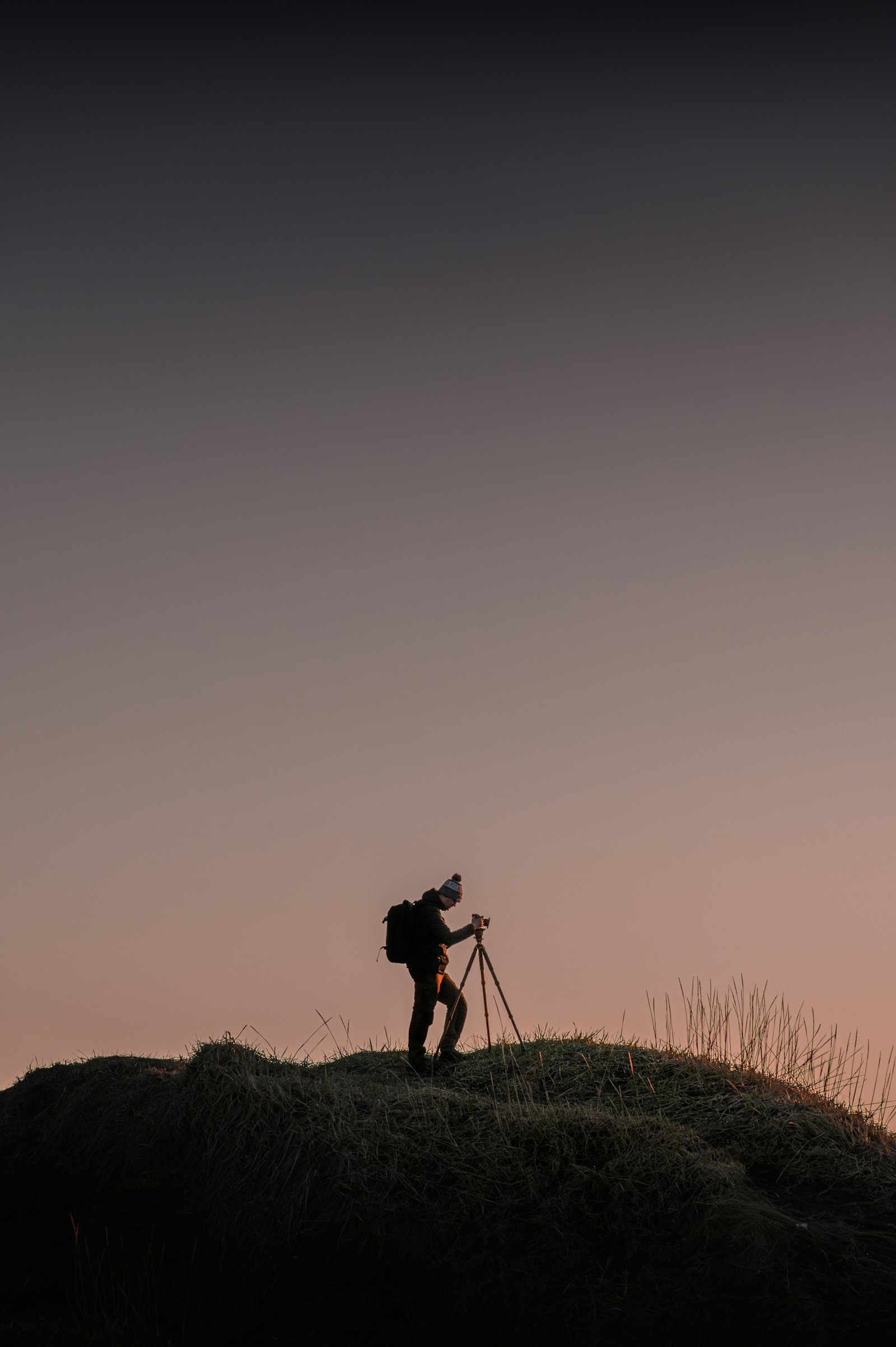
An electronic viewfinder shows you the picture the sensor will record. If you push exposure compensation down a stop to keep the highlights in a sunset, the viewfinder gets darker right then. No more chimping and re-shooting. This is one of the biggest reasons landscape shooters moved to mirrorless, and it is why this camera mattered for our readers.
 Save
SaveStabilization changes what you can handhold
With a five axis system in the body, you can shoot slower shutter speeds handheld. For landscapes, that means more freedom at dawn and dusk when you did not bring a tripod. A tripod still wins for long exposures and for the sharpest results, so keep carrying one when the shot is worth it. But the stabilized body gives you a safety net.
Silent shooting
Nikon included a silent photography function that removes shutter noise and the shake that comes with it. That helps at weddings, concerts, wildlife and anywhere a loud shutter ruins the moment. One caution: fast moving subjects can show distortion with an electronic shutter, so use it with care.
Focus that follows the frame
Focus points on the Z 7 and Z 6 cover about 90 percent of the image area, both horizontally and vertically. If you have been using a DSLR with a small cluster of focus points in the middle, you will notice the difference right away. You can place your subject where the composition wants it and still have a focus point there.
Is it right for you
It depends on what you shoot and what you already own. Here are some rules of thumb we gave readers at the time and still stand behind:
- You shoot landscapes and print large: look at the high resolution body. More pixels give you room to crop and print big.
- You shoot events, travel, low light or video: look at the 24.5 megapixel body. Cleaner high ISO files and the 12 frame per second rate fit that work.
- You own a bag of F mount lenses: buy the adapter and test your favorite lens before you sell anything.
- You shoot fast sports or wildlife for a living: be careful. Early mirrorless autofocus tracking was good but did not match the best DSLRs of the day in every situation. Rent first.
One more tip from us. A mirrorless camera sips battery faster than a DSLR because the screen and viewfinder run all the time. Carry a spare battery and turn on the power saving options in the menu.
How the teaser compares to the final product
In July we said we hoped for great autofocus and good pricing. Looking back, the autofocus hybrid system and in-body stabilization delivered on the first hope. On pricing, the Z 6 at under $2,000 body only was a serious offer for a full frame camera, and the Z 7 sat at a premium that matched its resolution. Whether you call the pricing good depends on your budget, but Nikon did not undercut itself or give the cameras away. They launched as properly specced tools.
 Save
SaveSetting up a new Z body: five things to do first
If you picked up one of these cameras, or you buy a used one today, spend ten minutes in the menu before you shoot anything that matters. These are the habits that save the most headaches.
- Update the firmware. Mirrorless cameras get real improvements through firmware, especially autofocus. Check Nikon’s support page before your first trip.
- Set a custom button for focus point mode. Switching between single point and wide area quickly beats diving into menus while the light is changing.
- Turn on the grid in the viewfinder. Horizons and verticals are easier to level, and it helps with composition from the first frame.
- Pick an exposure display you trust. Use the live histogram, and switch on highlight warnings so you know when the sky is blowing out.
- Save your user settings. Make one setup for landscapes on a tripod and another for walking around. Switching with one dial turn is faster than rebuilding settings in the field.
Testing your old lenses on the adapter
Do not sell your F mount glass the day the box arrives. Mount each lens on the adapter and shoot the same scene at the aperture you use most. Look at the corners at 100 percent. Check autofocus speed in dim light and test with the lens wide open and stopped down. Some of your lenses will be wonderful on the new body. A few will show their age on a high resolution sensor. Keep what works and replace what does not, one lens at a time.
If you shoot a lot of landscape, also try the stabilization with and without a tripod. Turn it off when the camera is locked down on legs and on when you are handholding. That one habit prevents the odd soft shot when the system tries to correct movement that is not there.
Keep learning
If you are making the jump to a new system, learn the basics first. Our school at learn.shutyouraperture.com covers exposure, focus and light step by step, so the camera is never what holds your photos back. Any body you pick up is only as good as the way you use it.
Frequently asked questions
When did Nikon announce its first full frame mirrorless cameras?
Nikon announced the Z 7 and Z 6 on August 23, 2018. The teaser in this post ran about a month earlier, on July 24, 2018.
What is the difference between the Nikon Z 7 and the Nikon Z 6?
The Z 7 has 45.7 effective megapixels and 493 focus points. The Z 6 has 24.5 effective megapixels, 273 focus points, a higher standard ISO range and a faster burst rate of about 12 frames per second.
Can I use my old Nikon F mount lenses on the Z cameras?
Yes, with the Mount Adapter FTZ. The in-camera stabilization also works with F mount lenses that have no vibration reduction of their own.
What is the Z mount?
It is Nikon’s mirrorless lens mount. It has an inner diameter of 55 mm and a flange distance of 16 mm, which gives lens designers more freedom for sharp, fast lenses.
Does the Nikon Z 6 shoot 4K video?
Yes. Both the Z 7 and the Z 6 record full frame 4K UHD video at 30p, and Full HD up to 120p, according to Nikon.
Gear box: Nikon Z system starting points
These are research starting points, not rankings. Check current models, reviews and prices before you buy.
- Nikon Z mirrorless bodies: See them at B&H or on Amazon.
- Mount Adapter FTZ for F mount lenses: See it at B&H.
- NIKKOR Z standard zoom: Browse at B&H.
- A sturdy travel tripod: See tripods on Amazon.
Affiliate disclosure: some links above are affiliate links. If you buy through them, Shut Your Aperture may earn a small commission at no extra cost to you.


