Featured image: Photo by Plato Terentev on Pexels. Pexels License. (Stock photo, illustrative.)
Candid photography is the practice of noticing a moment without forcing it into a pose. A gesture, a glance or the space between people can say more than a request to smile. But a natural-looking picture does not require a hidden camera. Being open about your presence and respecting the people in front of you are part of making a photograph worth keeping.
This guide follows one simple assignment: make a small, honest set of pictures during an activity you are allowed to photograph. That might be a gathering with willing friends, an agreed event assignment or a permitted public setting. Start with observation, prepare for the movement you see, then review both the picture and the effect of making it. Permission, access and publication are things to check, not assumptions built into the word candid.
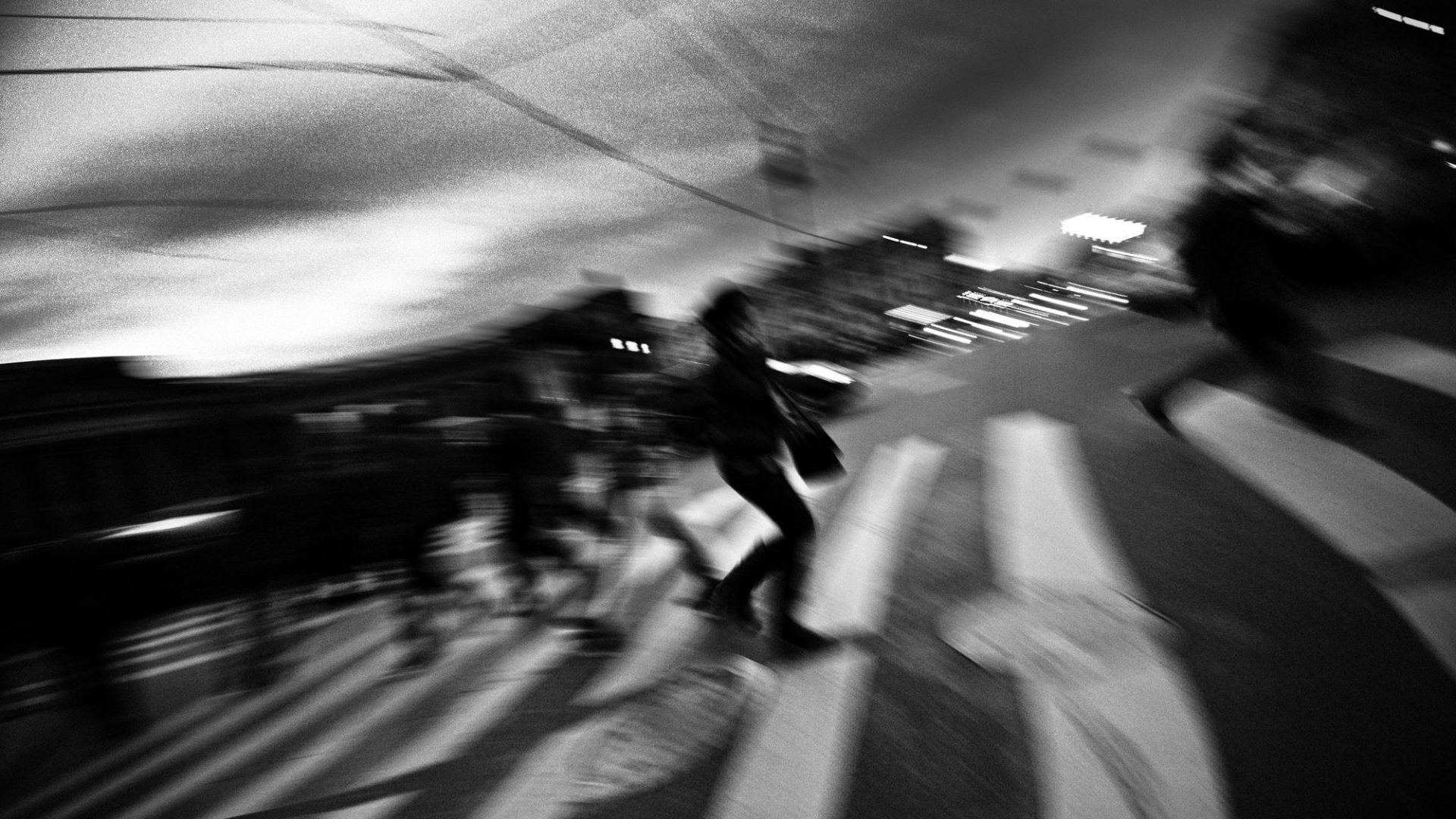
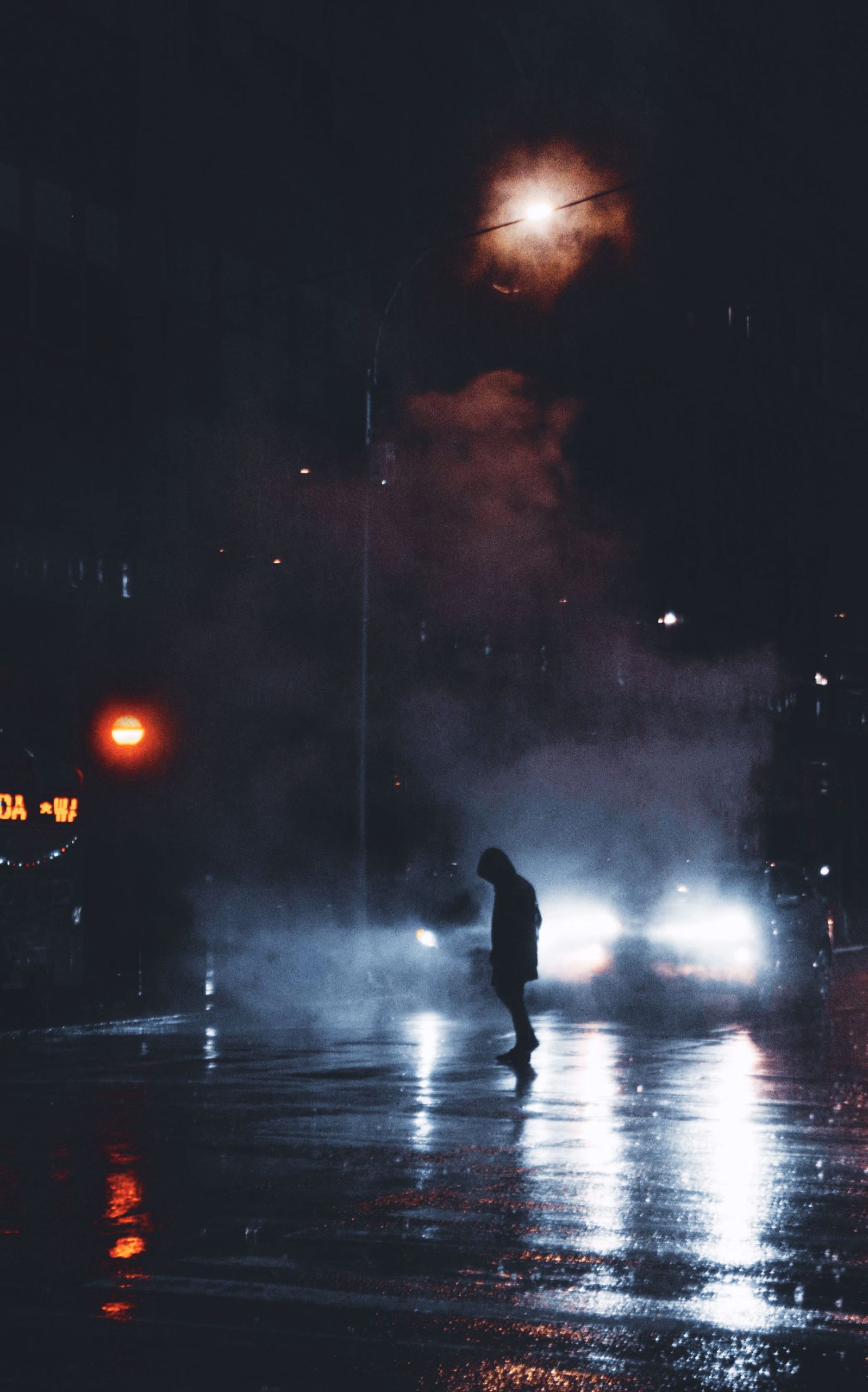
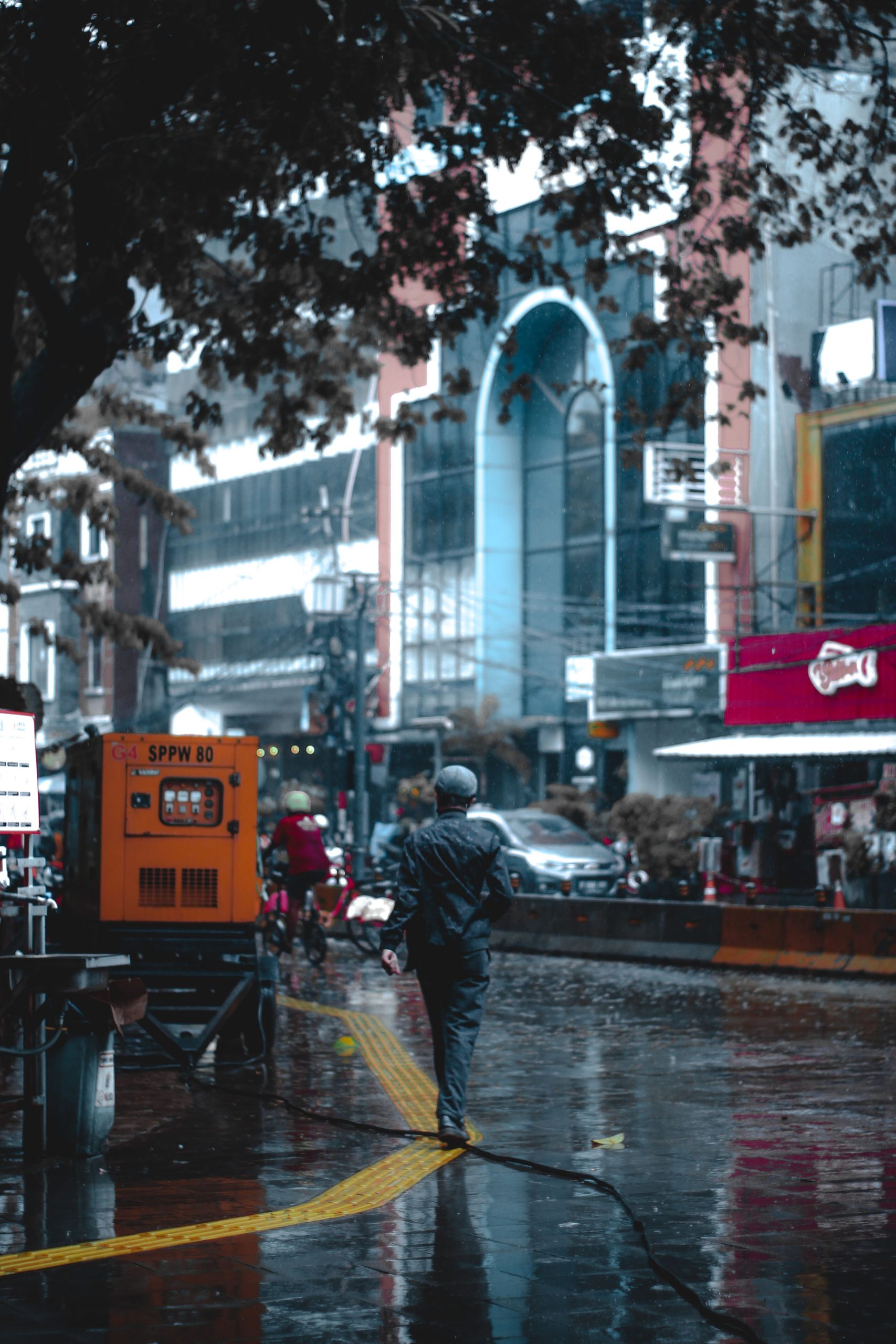
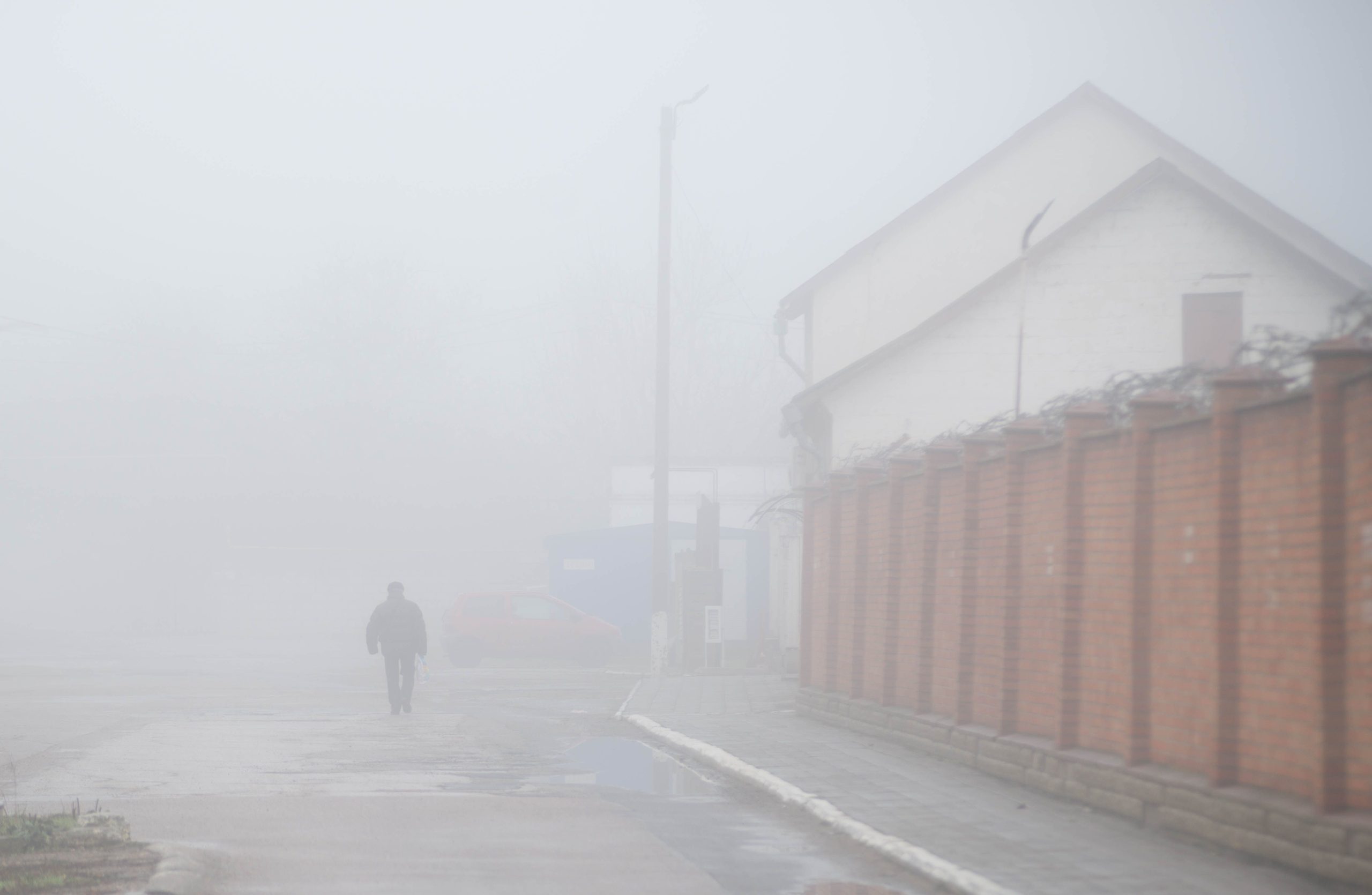
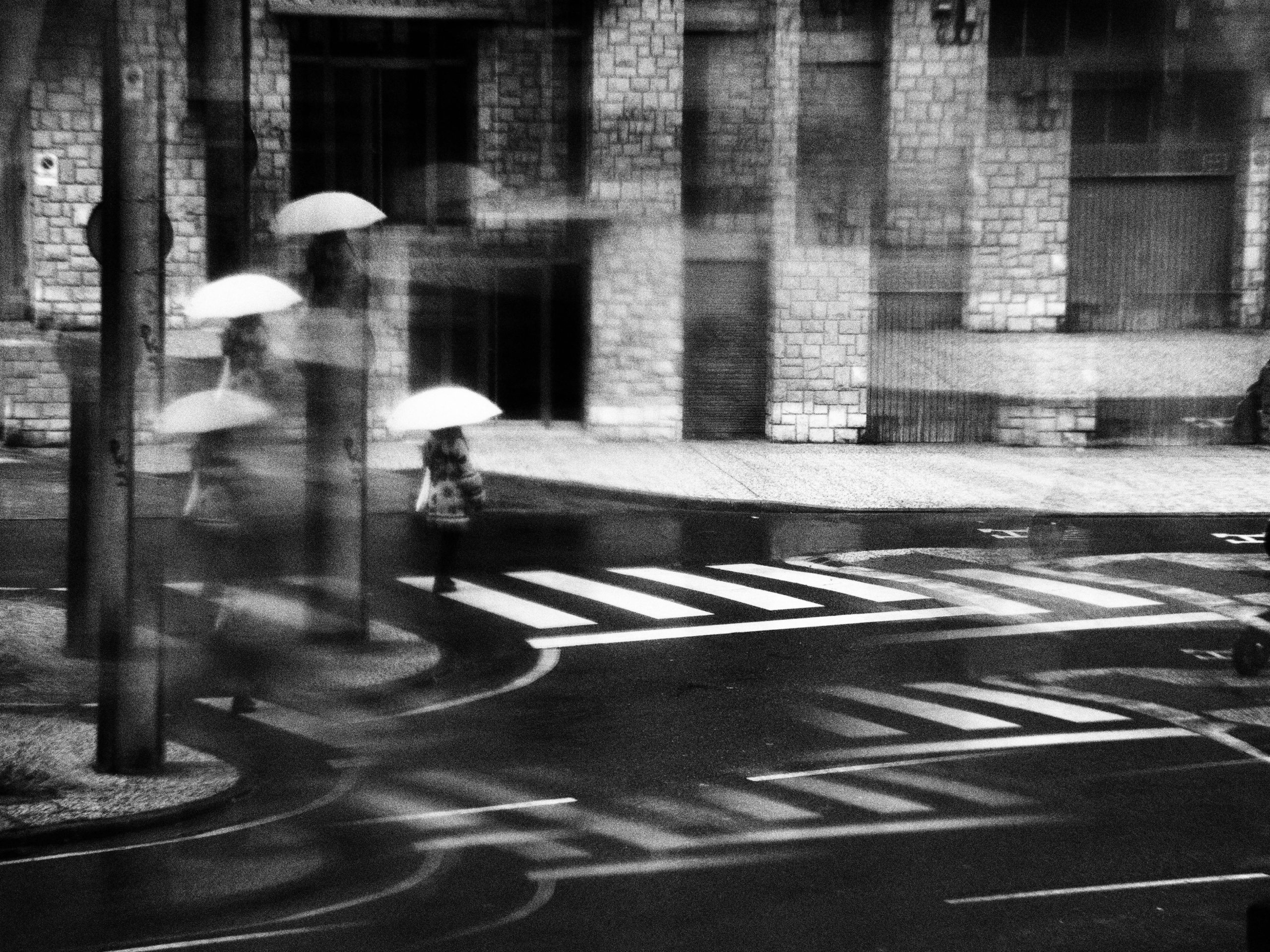
The credited stock photographs are illustrations of movement, distance and setting. They are not photographs by the author, records of this exercise or proof of how the photographers obtained permission. A silhouette or a blurred face in an example does not establish that a real subject was comfortable with being photographed. Apply the same care to your own work whether a face is clear or not.
Decide what you are there to photograph
Before raising the camera, write a short purpose for the session. “Show the teamwork during a shared meal” gives you something to notice. “Get some candid shots” leaves almost everything unresolved. A purpose helps you choose where to stand, which relationships matter and when a picture would be beside the point. It also makes your request for permission easier to explain.
At an organized event, agree on access and intended use with the organizer. Find out which areas and moments are off limits, whether flash is permitted and how people can decline photography. An organizer’s invitation does not erase an individual’s objection. If your assignment includes sensitive situations, children or a private setting, settle the appropriate permissions before beginning rather than relying on a general event label.
For an informal session, explain the idea in ordinary language. You can say that you want to photograph the activity naturally rather than ask everyone to pose. Give people a real chance to say no. Do not promise that nobody will notice you, and do not turn a refusal into a challenge to your technique. A missed picture is a small cost compared with making someone uncomfortable.
Keep the shooting arrangement separate from the sharing arrangement. Someone may be comfortable with a photograph for a private family album and uncomfortable with a public post. Check the intended audience and use, and revisit the question when that use changes. This is practical respect, not a claim that one permission rule covers every place and situation.
 Save
Observe the activity before chasing a moment
Spend a little time watching without photographing. Look for actions that repeat: a person reaching for a tool, friends turning toward the same speaker, or someone pausing at a doorway. Repetition gives you a chance to prepare a composition. It does not mean staging a fake moment and later describing it as something that happened spontaneously.
Notice the beginning, middle and end of an action. A hand about to reach an object can create anticipation. The point of contact can explain the activity. The reaction afterward can reveal a relationship. These are different possibilities, and the strongest one will depend on the story. Do not assume the loudest expression or most dramatic movement is the most meaningful frame.
Choose a safe, permitted position where you can see the relationship clearly. Avoid blocking a doorway, work area or another guest’s view. If your position interrupts the activity, move or stop. A candid assignment should not become the reason the activity can no longer happen naturally.
Look beyond the main person. Another participant’s gesture, a useful object or a bit of surrounding space may explain the scene. At the same time, remove information that only creates clutter. The goal is enough context to understand the moment, not a record of everything in the room.
Build a frame that can survive a little movement
A carefully chosen background gives an unposed moment somewhere to happen. Check for bright signs, branches, poles and strong lines behind the subject. Small movements can create awkward overlaps. Leave enough room that a natural turn or step will not immediately cut off the important part of the action.
Compare a wider frame with a tighter one when the situation allows it. The wider view can show what people are doing together. A tighter view can emphasize a gesture or expression. Neither is automatically more intimate or more honest. A distant frame can be intrusive, while a close frame can be welcome when the person understands the purpose.
Try changing your height rather than only zooming. A lower viewpoint may separate a hand from a busy table, while a higher one may show the arrangement of a group. Keep your footing secure and remain outside the activity’s working space. Do not climb on furniture or lean into someone else’s task for a marginally cleaner background.
Watch the edges of the frame before each short sequence. An accidental half-person or bright object can pull attention away from the main interaction. You cannot control every moving element, but you can choose a frame with fewer obvious problems. Good preparation leaves more attention available for the moment itself.
 Save
Choose motion before choosing an exposure formula
First decide whether the movement should appear sharp or visibly blurred. A conversation and a person walking quickly ask different things of the camera. If you want a gesture to be crisp, make a test frame and inspect it enlarged. If you want blur to express movement, check that the picture still has a clear structure rather than treating accidental softness as an artistic decision afterward.
There is no shutter speed that works for every candid scene. Subject speed, distance, focal length and camera movement all affect the result. Start with a setting suited to the movement you observe, then review and adjust. The shutter-speed tips explain the underlying choice between freezing motion and letting it show.
Do not protect a low ISO number at the expense of the moment you need. If the picture must be sharp and the light is limited, a higher ISO may be a better tradeoff than an exposure that records unwanted motion. Judge the file at its intended viewing size. Noise that looks obvious when enlarged may matter less than a missed expression or unreadable gesture.
Choose depth of field for the relationship, not a habit. A wide aperture can separate one person from a busy background, but it may leave a second participant soft. If both people are important, check their relative distance from the camera and the actual result. A picture of a relationship can fail when only one side of it is visually readable.
For a phone, make the same decisions in terms of the result you can inspect. Choose a useful camera view, give the device a steady hold and check movement in the saved picture. A bright preview does not prove that a moving hand or face will be sharp. If the light is too poor for the intended frame, change the plan rather than asking people to repeat a supposedly candid moment.
Set focus for where the moment is happening
Choose the important detail before selecting a focus method. For an expression-led portrait, an eye may be the priority. For an activity, the useful detail might be hands meeting an object. If the story depends on two people, check that the depth and focus choice support both. Automatic subject detection is an aid, not a replacement for deciding what matters.
A moving person may call for continuous focus and a suitable tracking area. A predictable action in a fixed place may let you prepare focus near that area and wait. Use the method you can operate confidently on your camera. Test it in a low-stakes moment so you do not spend the actual interaction trying to remember a menu setting.
After changing position or switching from a wide view to a close detail, reassess focus. The last successful setting may no longer suit the distance or background. Review a representative frame when the activity allows a pause. If the target is repeatedly missed, simplify the composition and focus task instead of only increasing the number of exposures.
Short bursts can help capture a fleeting gesture, but they create a review responsibility. Stop when the action is over, and do not fill every quiet moment with continuous shutter noise. Choose a drive mode that fits the pace and the people’s comfort. More files do not guarantee a more truthful or more considerate picture.
 Save
Use light without making your presence a problem
Available light can preserve the atmosphere of a room, but it is not a method for concealing the camera. Look for useful light where you are already allowed to work. A person near a window may have a clearer expression than someone under a mixture of ceiling lights, but moving them into a pose changes the nature of the photograph. Be honest about that choice.
Watch bright backgrounds that make a face or gesture difficult to read. A small change in your own position can sometimes improve the relationship without interrupting anyone. Check the important highlights as well as the shadows. A readable subject is more useful than a dramatic exposure that loses the detail carrying the story.
If flash is allowed, consider whether it is welcome and appropriate for this particular setting. Ask rather than assume. A quiet conversation, a performance or an activity requiring concentration may make flash a poor choice even when a camera is permitted. Respect the restrictions you were given and stop when the light becomes distracting.
When the light or access will not support the picture you imagined, find another honest frame. A wider scene, a detail of the activity or a pause between actions may work better. You do not need to manufacture intimacy or push past a boundary to return with a useful set of photographs.
Notice gestures that do not depend on a clear face
A story can be carried by hands, posture, distance or the way someone occupies a space. A pair of people leaning toward the same task may communicate cooperation without a face filling the frame. Look for the relationship between shapes and actions, not simply a way to avoid including a person’s identity.
Nonfacial pictures still require judgment. Clothing, a distinctive place or the surrounding context can identify someone. A back view is not a blanket privacy solution, and a silhouette does not automatically make a sensitive situation fair to photograph. Treat a refusal as a refusal to the picture, not an invitation to try a different angle.
Give these quieter frames a clear visual anchor. An empty-looking scene with a small distant figure needs a reason for the space around it. Lines, repeated shapes or a contrast in light can help organize the picture. Describe only what the photograph shows; do not invent loneliness, anxiety or another private feeling from posture alone.
 Save
Edit the sequence without changing what happened
Make the first edit for meaning. Which frame actually explains the interaction? A technically sharp picture can be weaker than a slightly imperfect one with a readable gesture, but do not use that idea to excuse a frame that says nothing. Compare nearby versions and choose deliberately rather than presenting every exposure.
Next check representation. Does the crop remove information that changes the apparent relationship? Does a blink make someone look distressed when the surrounding sequence shows an ordinary conversation? A single frame can be misleading without any digital manipulation. Keep context when it is necessary to understand the moment fairly.
Build a compact set with different roles: a setting, an interaction and a detail. Avoid repeating the same gesture at nearly the same scale. Keep the treatment consistent enough that the pictures belong together, but do not force every room or light source into an identical color effect. The edit should serve the activity you observed.
Before sharing, check the agreed audience, any restrictions and the comfort of the people involved. Honor an objection without arguing that a picture is too good to lose. Keep files securely and avoid posting identifying details that the story does not need. The care you take after shooting is part of the assignment, not a separate administrative chore.
Keep captions as honest as the frame
Write a caption from verified facts about the activity, not from a dramatic interpretation of a stranger’s expression. If you do not know a person’s name or the reason for a gesture, leave that gap visible. A simple description of the scene is better than a confident story that the person would not recognize.
If you asked someone to repeat an action or arranged where they stood, do not present that photograph as an entirely unprompted event. Directed portraits can be useful and expressive in their own right. Accurate labeling lets the viewer understand what kind of picture they are seeing and protects the trust of the people who helped you make it.
Repeat the exercise with a better question
After the session, write down one thing you anticipated well and one thing you missed. Perhaps the background was ready but the gesture happened outside the frame. Perhaps the camera settings worked but your position interrupted someone. Use that observation to choose the next exercise. Improve one part of the process instead of replacing the whole kit or chasing a more dramatic subject.
For more on working with people, see the portrait photography guide. Nikon’s portrait tips discuss connection and storytelling details, while its concert photography guide stresses working within agreed access. The equipment examples are not requirements for this practice session.
Want to go further? The ShutYourAperture Academy’s Street Photography: The Decisive Moment (7 modules, 28+ lessons) is built to help you capture life unscripted and learn to see the decisive moment.
Does candid photography require hiding the camera?
No. A natural moment does not require concealment. Explain your purpose, work within agreed access and respect anyone who objects.
Does an event invitation cover every photograph?
No. Confirm the event rules, individual restrictions and intended use. Stop when someone objects, even if an organizer invited you.
Which shutter speed should I use for candid photos?
Choose it for the movement and result you want, then inspect a test frame. Subject speed, distance, focal length and camera movement affect the result.
Should I always use the widest aperture?
No. Check whether enough of the important interaction is readable. A very shallow depth of field can leave a second participant soft.
Can a candid picture work without a clear face?
Yes. Hands, posture and relationships can carry a story. But a back view or silhouette does not remove the need for care about identity, context and permission.
What should I check before sharing a candid photograph?
Check the agreed audience and use, restrictions and whether the frame misrepresents or embarrasses someone. Honor an objection and avoid unnecessary identifying details.
Do the stock pictures prove how permission was obtained?
No. They are credited illustrations, not author photographs or records of this exercise. Their appearance does not establish the permission or camera settings behind them.
A carry option between candid frames
A black Peak Design Slide Lite camera strap is one carry option between frames. Check your camera attachment points, total camera-and-lens weight and the manufacturer instructions before buying. Inspect the anchors before use. A strap does not give permission to photograph or publish an image of someone, and this link makes no promise about capturing a moment. Compare the current retailer specifications; no hands-on test, price or stock promise is being made here.
Compare Peak Design Slide Lite Camera Strap Black on Amazon | Check Peak Design Slide Lite Camera Strap Black at B&H
Affiliate disclosure: We may earn a commission from qualifying purchases through these gear links at no extra cost to you. As an Amazon Associate, Shut Your Aperture earns from qualifying purchases.
Disclosure: Some links on Shut Your Aperture may be affiliate links. If you buy through those links, we may earn a commission at no extra cost to you. As an Amazon Associate, Shut Your Aperture earns from qualifying purchases. Credited stock photographs are illustrations, not our own candid session or evidence of permission.