
The Tokina opera 16-28mm f/2.8 FF is a full-frame wide-angle zoom for Canon EF and Nikon F cameras. Its appeal is straightforward: a useful ultra-wide range and a constant f/2.8 maximum aperture in a lens that was introduced as a lower-cost option for DSLR photographers. The trade-offs are equally important: substantial weight, a bulbous front element, no ordinary screw-in filter thread, and a mount choice that needs careful checking.
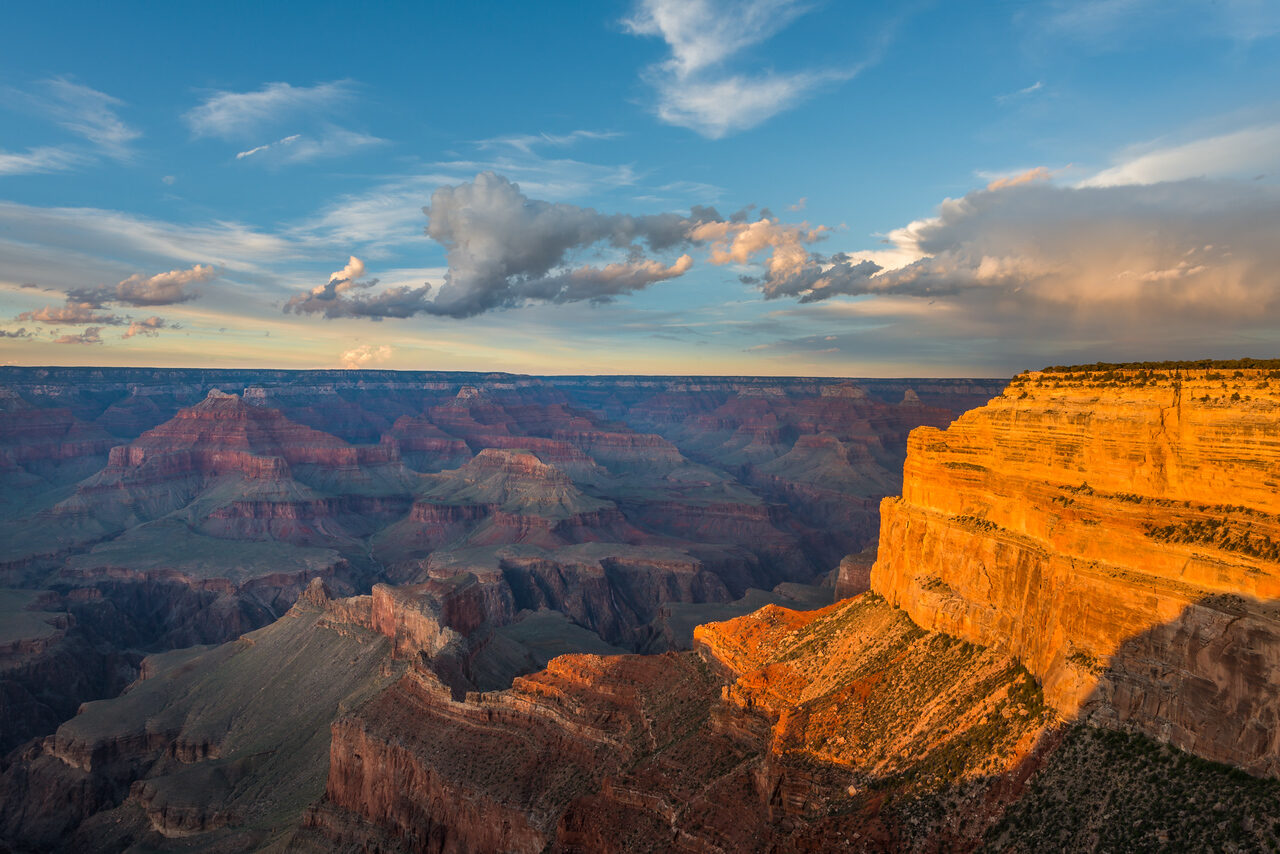
This updated Tokina 16-28mm review is a researched buying guide, not a claim that these photographs were made with this lens or that it has been tested here. The original February 2019 article covered the opera announcement. Manufacturer specifications and published independent testing now provide a clearer basis for deciding whether it belongs in your kit. The photographs illustrate landscape and architectural subjects, not optical performance samples.
Do not confuse the opera with the older AT-X 16-28mm f/2.8 PRO FX. They share a focal range and maximum aperture, but they are different models. Check the name on the barrel and the actual mount before comparing a listing. A cheap price is not useful if you receive the wrong version or a lens that does not work as expected with your camera.
Tokina opera 16-28mm f/2.8 FF: the important specifications
- Focal range: 16-28mm.
- Maximum aperture: constant f/2.8; minimum aperture f/22.
- Coverage and mounts: full frame, Canon EF or Nikon F.
- Optical design: 15 elements in 13 groups.
- Aperture blades: nine.
- Minimum focusing distance: 0.28m.
- Weight: 940g in Tokina’s specification.
- Dimensions: 89 x 133.5mm in Tokina’s specification.
- Focus switching: clutch-ring mechanism with internal focusing.
- Filters and stabilization: no normal front filter thread and no optical image stabilization.
Those numbers describe the opera model. The older AT-X has its own specifications, including a different listed weight. Resist the temptation to merge every online 16-28mm listing into one product. Used sellers sometimes abbreviate names, so photographs of the barrel and mount are worth more than a vague headline.
What the 16-28mm range gives you
On a full-frame camera, 16mm gives a very broad view. It can include a foreground and a distant landscape, show a room from a limited position, or place a building in its surroundings. At 28mm, the frame is less expansive and often easier to organize. That short zoom range gives you options without moving to a completely different style of lens.
Ultra-wide does not automatically mean epic. It can make a strong subject feel small if you stand too far away, and it can fill the frame with empty foreground. Start by deciding what the photograph is about. Then choose the focal length that supports that idea. Sometimes the better image is at 24mm or 28mm rather than at the widest setting.
 Save
SaveA broad landscape benefits from layers: something near, a clear middle distance, and a background worth including. Walk around before setting up. A foreground rock or shape should help lead attention into the scene, not merely prove that the lens can see it. Stay on safe, permitted ground and do not trade footing for a slightly stronger foreground.
Crop-sensor use changes the reason to buy it
B&H lists a 24-42mm equivalent range when the Nikon F version is used on a Nikon DX camera. That is useful, but it is not an ultra-wide field of view in that pairing. If your main goal is very wide interiors or expansive landscapes on a crop-sensor body, compare lenses designed for that format rather than buying from the full-frame number alone.
Other camera formats have their own crop factors. Confirm your actual body and coverage before translating focal lengths. The lens does not physically become a different focal length on a smaller sensor; the sensor records a narrower portion of its image. That distinction helps you compare the view you will actually get.
What f/2.8 helps with, and what it does not
The constant f/2.8 maximum aperture stays available across the zoom range. That matters when available light is limited or when you want to keep the same exposure settings while changing focal length. Night landscapes and some interior situations can benefit from that flexibility. It is a capability, not a guarantee of sharp corners or a successful handheld exposure.
For a daylight landscape or an architectural scene, you may stop down for depth of field or to improve performance across the frame. Choose the aperture for the subject, then choose shutter speed and ISO around the result you need. Do not keep f/2.8 simply because it is the feature that made the lens attractive.
There is no optical stabilization in the lens. Your body, technique, shutter speed, and support determine what is possible on the actual setup. A tripod can help with stationary scenes, but it does not freeze a moving person or wind-blown branches. Night-sky work also brings its own exposure limits. Test the full combination instead of trusting a slogan about low-light performance.
 Save
SavePublished image-quality findings: useful, not universal
Digital Camera World’s published opera review found very strong center sharpness and contrast at the wide end, including wide open. At middle and longer zoom settings, its testing favored stopping down to f/4 for strong center performance. It reported less impressive corner sharpness and visible lateral color fringing toward the corners.
That is a more useful description than calling the lens sharp everywhere. Landscape and architecture photographs often place important detail near the edges, so look at the whole frame when deciding. A lens can deliver an excellent center while needing more care elsewhere. Test apertures and focus positions on your own camera before an important assignment.
The same review found autofocus more consistently accurate than the older lens in its tests, but not a dramatic speed improvement. It described autofocus as slower and less quiet than some competing systems. Treat those as attributed test findings, not as a promise about every body, adapter, lighting condition, or used copy you might buy.
Do not judge a lens from a small web image
A reduced photograph can hide missed focus, corner softness, and chromatic aberration. Look at original-resolution files when available, and compare similar scenes at the focal lengths and apertures you plan to use. Check whether a sample has lens corrections applied. A polished photograph and an optical test answer different questions.
Keep the comparison fair. Different distances, light, camera bodies, processing, or sharpening can change the impression. If you rent or buy a returnable copy, make a repeatable set of photographs before drawing a conclusion. You do not need a laboratory, but you do need a method that separates a handling mistake from a lens limitation.
Architecture: watch perspective before blaming distortion
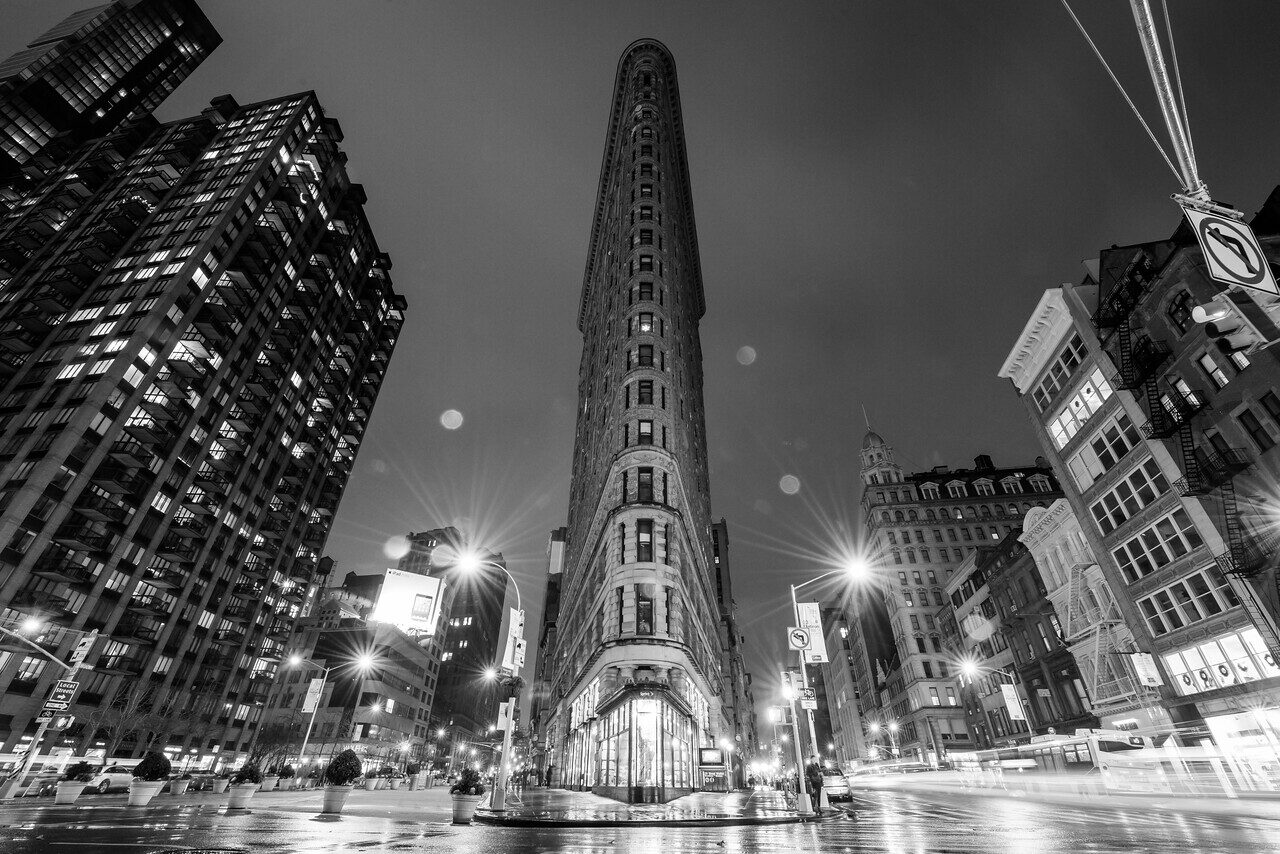
A wide lens makes it easy to include a tall building by tilting the camera upward. The resulting converging verticals are a perspective choice, not simply a defect that a better lens eliminates. Keep the camera more level when straight verticals matter, or make the upward view deliberate. Leave enough space for correction if the final photograph needs it.
Lens distortion and perspective convergence are separate problems. A lens profile may help with optical distortion, while perspective correction changes the geometry of the composition and can crop the image heavily. Check the result at the edges after editing. You may need to change your shooting position rather than rely on software to rescue a cramped frame.
 Save
SaveFor interiors, inspect the corners for furniture and people. A broad view can stretch shapes near the frame edge through perspective, even when the optics are doing their job. Step back if possible, use a less extreme focal length when it fits, and decide whether one wide photograph is really the clearest way to explain the room.
The front element changes your filter workflow
The opera’s bulbous front element and fixed hood mean you cannot treat it like a lens with a normal screw-in filter thread. B&H lists no filter size, and Tokina explains the need for a compatible holder system. Do not buy a random circular polarizer or neutral-density filter expecting to attach it directly to the front.
Tokina states that holders compatible with the AT-X 16-28mm f/2.8 PRO FX can also be compatible with the opera because the hood design and size match. That is a useful starting point, not permission to skip the holder maker’s fit list. Confirm the exact holder, lens model, required filters, and any vignette limitations before spending money.
A large holder and filters add cost, weight, storage space, and setup time. If you depend on a quick polarizer workflow, include that in the comparison with another lens. If you rarely use filters, the trade-off may matter less. Build the decision around how you actually shoot rather than around the initial price of the lens alone.
 Save
SaveHandling: carry weight and the focus clutch
At 940g, the opera is a substantial lens before adding the camera. Think about the complete bag on a long walk, not just the lens in isolation. Balance also matters on a small body or an adapted mirrorless setup. Handle the combination if you can, and check whether your support and carrying arrangement suit it.
The clutch ring changes between autofocus and manual focus. Learn its operation before working in low light or under time pressure. Confirm the ring position when focus seems unresponsive, and follow the lens and camera instructions. A system that feels obvious on the desk can be less obvious when you are wearing gloves or trying to work quickly.
Canon EF, Nikon F, and adapted mirrorless use
The opera is offered in Canon EF and Nikon F mounts. It is not a native Canon RF, Nikon Z, or Sony E lens. An adapter is a separate part of the decision. Confirm support for the exact lens, camera, adapter, and firmware combination through the relevant makers and a real test when possible.
Do not assume that mounting the lens proves every function works. Check autofocus behavior, aperture control, focus switching, and any limitations relevant to your work. If you are buying for a mirrorless system, compare the total adapted setup with native alternatives. An inexpensive DSLR lens can become a less convenient choice after adding an adapter and extra weight.
Buying used: check the copy, not just the model
Inspect the front element, coating, mount, contacts, hood, and caps. Ask for clear photographs of damage or marks rather than accepting a vague condition label. Test zoom and focus movement, autofocus, and aperture operation. Look for a return policy that lets you evaluate the lens on your own camera.
Make a test scene with detail across the frame at several focal lengths and apertures. Check whether one side is consistently much softer than the other after ruling out focus and subject alignment. Examine files for problems that matter to your work. A used lens’s individual condition can outweigh a favorable review of a different copy.
The original article’s $699 price and March 15 shipping note belong to the 2019 launch. They are not current price or availability claims. Compare present listings, mount, condition, warranty, return terms, and shipping before buying. Avoid paying for the wrong model simply because a search result uses the familiar 16-28mm name.
Who should consider it?
The opera makes the most sense for someone who wants a fast full-frame DSLR wide zoom, accepts the weight and filter arrangement, and can verify the right mount at a sensible current price. It is less compelling when compact size, native mirrorless operation, ordinary screw-in filters, or the widest possible field of view are the main priorities.
Good composition matters more than collecting another wide lens. The Academy’s Architectural Photography course is a useful next step for developing the decisions behind wide-angle building and interior photographs. Build your control of viewpoint, framing, and light so you can make the lens serve the photograph rather than let the focal length choose everything for you.
Tokina 16-28mm questions
Is this guide about the opera or the older AT-X?
It covers the Tokina opera 16-28mm f/2.8 FF introduced in 2019. The older AT-X 16-28mm f/2.8 PRO FX is a different model. Confirm the barrel name and mount when comparing listings.
Can I use normal screw-in filters?
No. The bulbous front element and fixed hood require a compatible holder system rather than a normal front filter thread. Check the holder maker’s exact compatibility list before buying.
Does the lens have image stabilization?
No optical image stabilization is listed for the opera. Your camera, technique, shutter speed, and support determine what is possible with the complete setup.
Will it work on a mirrorless camera?
It is a Canon EF or Nikon F lens, not a native mirrorless lens. Adapted use needs confirmation for the exact lens, body, adapter, and firmware combination, including autofocus and aperture behavior.
Were the photographs in this guide taken with the Tokina?
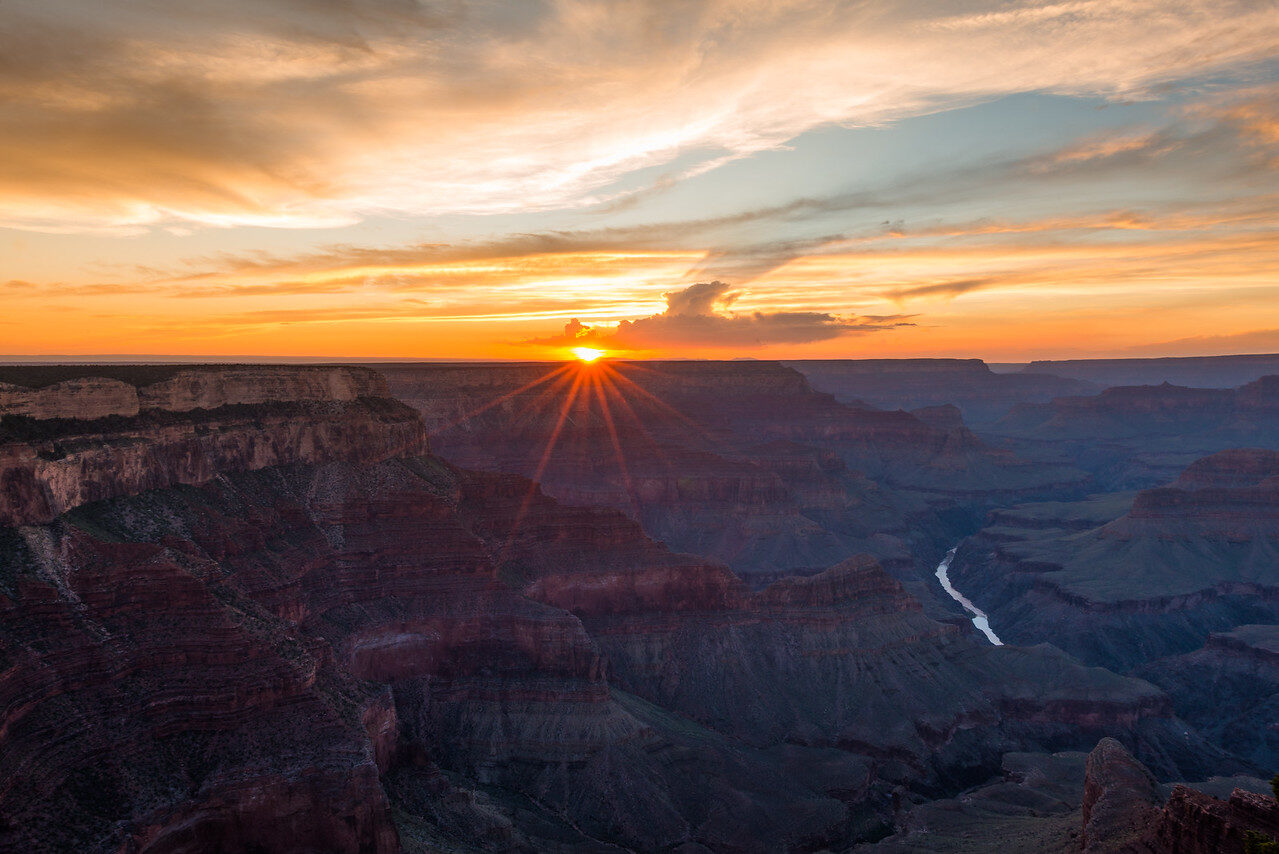
They are illustrative photographs of landscape and architectural subjects. They are not presented as Tokina lens test samples, and this guide does not claim a hands-on test of the lens.
Specifications checked against Tokina’s opera product page; image-quality findings attributed to the linked independent review. The 2019 launch price is historical.


