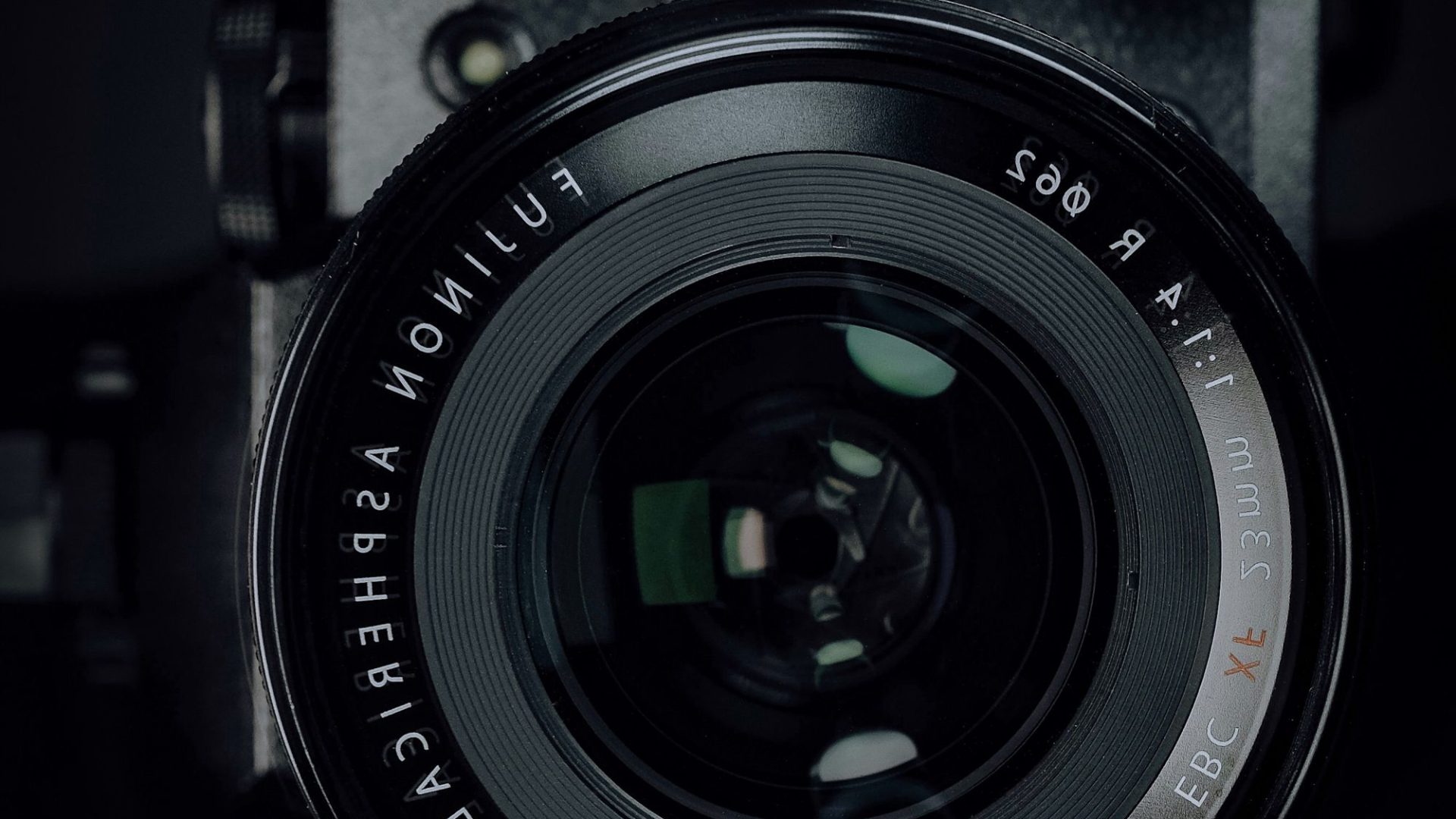
Featured illustration, not an H5D-60 or a Leica auction lot. Photo by Fariz Hermawan on Pexels. Pexels License. (Stock photo, illustrative.)
The most expensive camera question needs a category before it needs a number. A rare camera sold at auction, a new camera system ordered for a studio, and a used digital body are different purchases. Putting them in one list makes an eye-catching headline, but it tells you very little about what the buyer actually receives.
A documented auction benchmark is the Leica 0-series No. 105, which Leica reported sold for 14.4 million euros including buyer’s premium on June 11, 2022. Leica’s June 27, 2025 report still identified that sale as the world record while announcing a 7.2 million euro result for No. 112. Those are dated reported results, not a live ranking of every private sale or a retail shopping recommendation.
This article began in March 2017 as a short discussion of the Hasselblad H5D-60. Updated November 2026, it separates that production camera from rare auction objects and explains a more useful question: what would paying more actually change in your photographs? The credited photographs illustrate shooting needs and review exercises. None is presented as a Leica auction lot, an H5D-60 product image, or a sample made with either camera.
First decide what ‘most expensive’ means
An auction result is the amount reported for a particular object at a particular event. Its serial number, ownership history, condition and accompanying material can matter as much as its model name. You cannot take the price of one historically important camera and apply it to every example with a similar silhouette. A collector is buying an object with a documented story, not simply a way to expose a frame.
A retail price describes an offered product or package. It may refer to a body, a digital back, a lens kit or a larger system. Two apparently different prices can both be real while covering different things. Before comparing them, write down what is included. A body-only figure and a working studio kit are not equivalent just because the word camera appears beside each number.
A used listing is different again. It is an offer for one item, with its own condition and terms, rather than proof of a completed sale. An asking price does not tell you what the seller eventually received. This is why a sensible comparison labels its category and date instead of letting a large number float around without context.
The Leica sale that changed the scale
In its June 11, 2022 announcement, Leica reported that the 0-series No. 105 sold at the 40th Leitz Photographica Auction for 14.4 million euros, including buyer’s premium. The announcement identifies it as Oskar Barnack’s own camera and describes his name engraved on the viewfinder. That direct connection to the camera’s designer is central to the story. It is not a claim about an ordinary production camera being worth the same amount.
The same announcement describes the early 0-series prototypes as part of the development that preceded Leica serial production. That historical role helps explain why these objects belong in a collecting discussion. Their value is tied to what they represent in photographic history. You do not need to believe that a century-old prototype is the best practical tool for your next assignment to understand why someone might want to preserve it.
Leica’s June 27, 2025 report gives a useful second point of comparison. No. 112 achieved 7.2 million euros including premium at the 46th auction. Leica called it the second most expensive camera ever sold and referred back to No. 105’s 2022 result as the record. Keep that attribution and date attached. A documented public result is stronger evidence than an undated list, but it is not a promise about future auctions.
Read the price line before repeating it
The phrase including buyer’s premium matters. Leica’s 2022 announcement explains a surcharge of 20 percent of the hammer price. The hammer figure and the reported total are therefore different measures. If one article quotes a hammer price and another quotes a premium-inclusive result, treating them as interchangeable creates a false comparison before you even reach the currency column.
Use the original currency when discussing the historical result. A dollar conversion adds a rate and a date of its own, and a rounded conversion can travel much farther than its explanation. Here, the benchmark stays in euros as reported by Leica. That keeps the evidence easy to follow and avoids presenting an old exchange-rate conversion as a fresh valuation.
Also keep the estimate separate from the result. An estimate describes an expectation before a sale; a reported result describes what happened at the event. Neither is automatically the cost of buying a similar camera now. For a serious purchase, the relevant current lot conditions, fees, taxes, shipping and inspection arrangements would need their own checks. This article is not an appraisal or bidding advice.
Where the Hasselblad H5D-60 fits
The H5D-60 is a production medium-format digital camera, not the rare Leica prototype in the auction story. Hasselblad’s H5D specifications list a 60-megapixel sensor with 6708 by 8956 pixels and dimensions of 40.2 by 53.7 millimeters for this model. The archived Adorama description identifies it as a CCD sensor. These are useful technical details; none establishes a world-record selling price.
The original 2017 article quoted prices of $43,000 and around $32,000 and linked an Amazon listing. Those figures are preserved here only as part of the original post’s historical context, not as verified current offers, launch prices or completed sales. The old Amazon reference remains for continuity. Its stock, price and package have not been verified for this update.
The H5D documentation describes lossless-compressed Hasselblad 3FR files and 16-bit color definition. It also discusses the H System’s focusing and handling features. Do not turn those labels into a guarantee that every photograph will look better. A specification describes a capability or format. Focus placement, subject movement, lighting, processing and the final output still have to work together.
One particularly practical detail is the connection workflow. The H5D manual discusses FireWire and using a CompactFlash card reader to load captures. If an older camera interests you, ask how its actual files will reach your actual computer. A familiar brand name does not settle cable compatibility, software support or the condition of a used port. Verify the complete workflow before treating a low body price as a bargain.
 Save
Spend for a limitation you can name
Start with a photograph that did not work. Describe the failure without naming a new product: the subject moved out of focus, the highlights lost detail, the framing needed a longer lens, or the final print did not hold the detail you wanted. That sentence gives you a testable need. ‘I want the best camera’ does not.
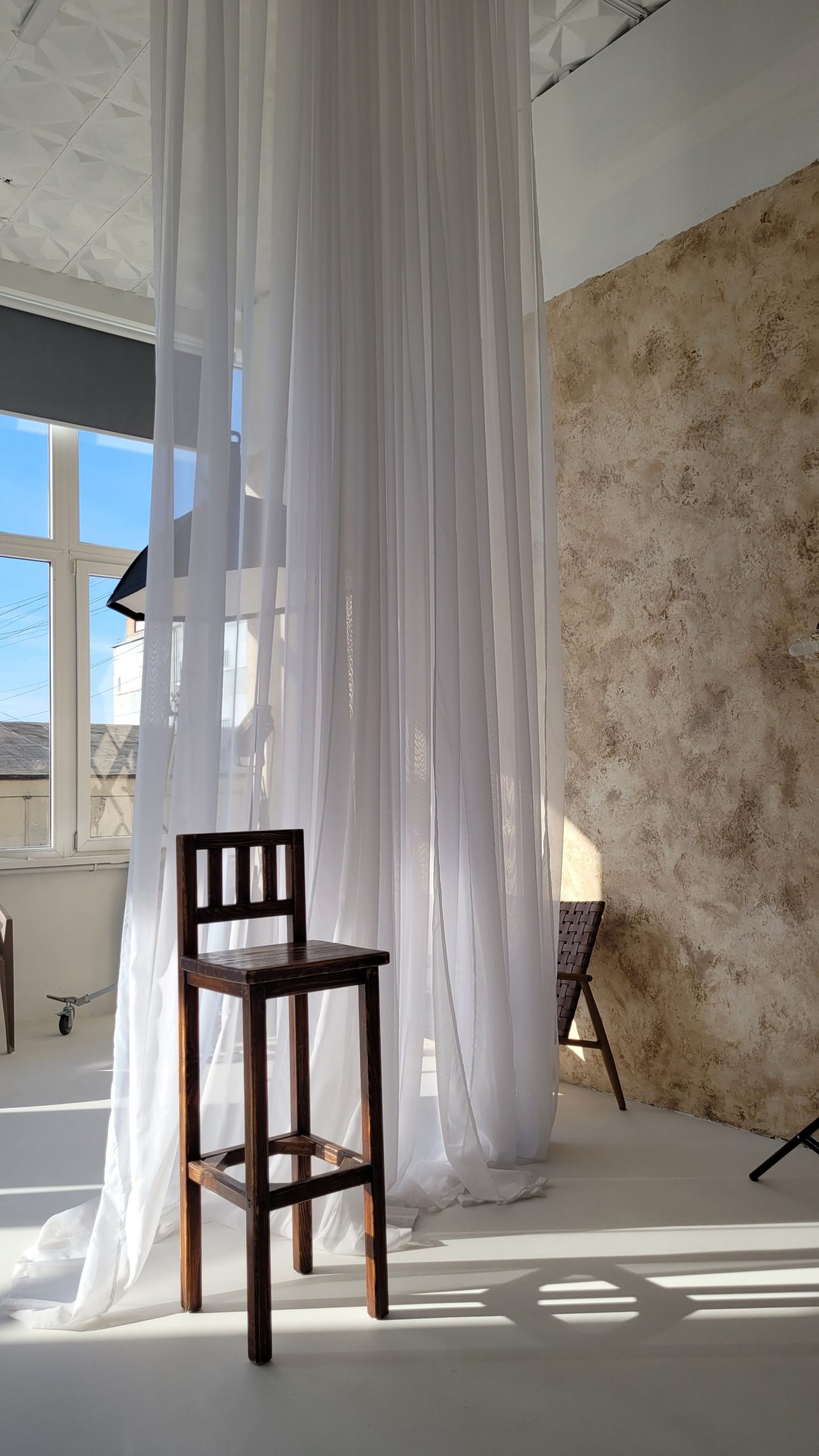
The window-light illustration makes this concrete. You can study the edge of the curtain, the chair’s dark shape and the bright floor with whatever camera you already have. Move your position, change the exposure and compare the results. If the weak picture comes from a distracting background or a careless frame edge, a more expensive body is unlikely to be the first useful change.
Separate a camera limitation from a technique limitation without turning the exercise into self-criticism. The point is to spend with a reason. Sometimes a different tool genuinely removes a repeated obstacle. Sometimes a small lighting change or more practice does more. Keep a short record of what fails across several shoots, rather than letting one frustrating afternoon become your whole buying case.
 Save
Test detail at the size you will use
Detail is easy to admire when a file fills a monitor at high magnification. It is more useful to ask what the photograph needs to do. A small web illustration, a carefully viewed print and a tightly cropped delivery place different demands on the source file. Choose a real output before deciding how much resolution you need.
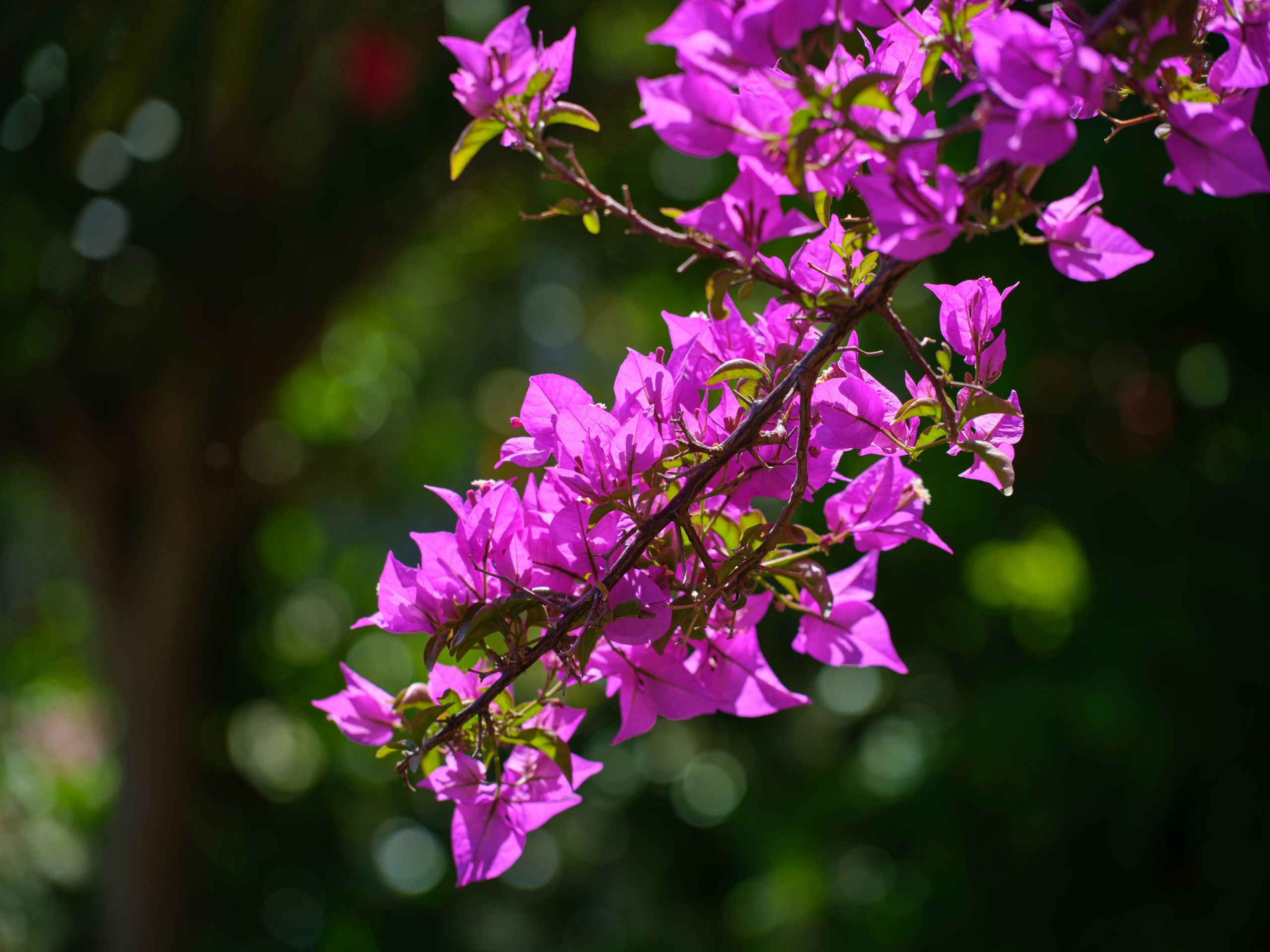
Use a flower or another still subject for a repeatable comparison. Focus on a specific edge, keep the framing deliberate, and look for movement as well as missed focus. Review one version at your intended display size and another close up. The flower illustration here is a visual prompt, not a controlled comparison between cameras. Its camera settings and capture equipment are not being used to make a performance claim.
If you borrow or rent a camera for a test, keep the comparison fair enough to answer your question. Record the lens, light, support, exposure choices and processing. You do not need a laboratory to notice a workflow problem, but you do need to know what changed. A different edit or a sharper focus point can easily be mistaken for a body upgrade.
 Save
Color and texture need a workflow
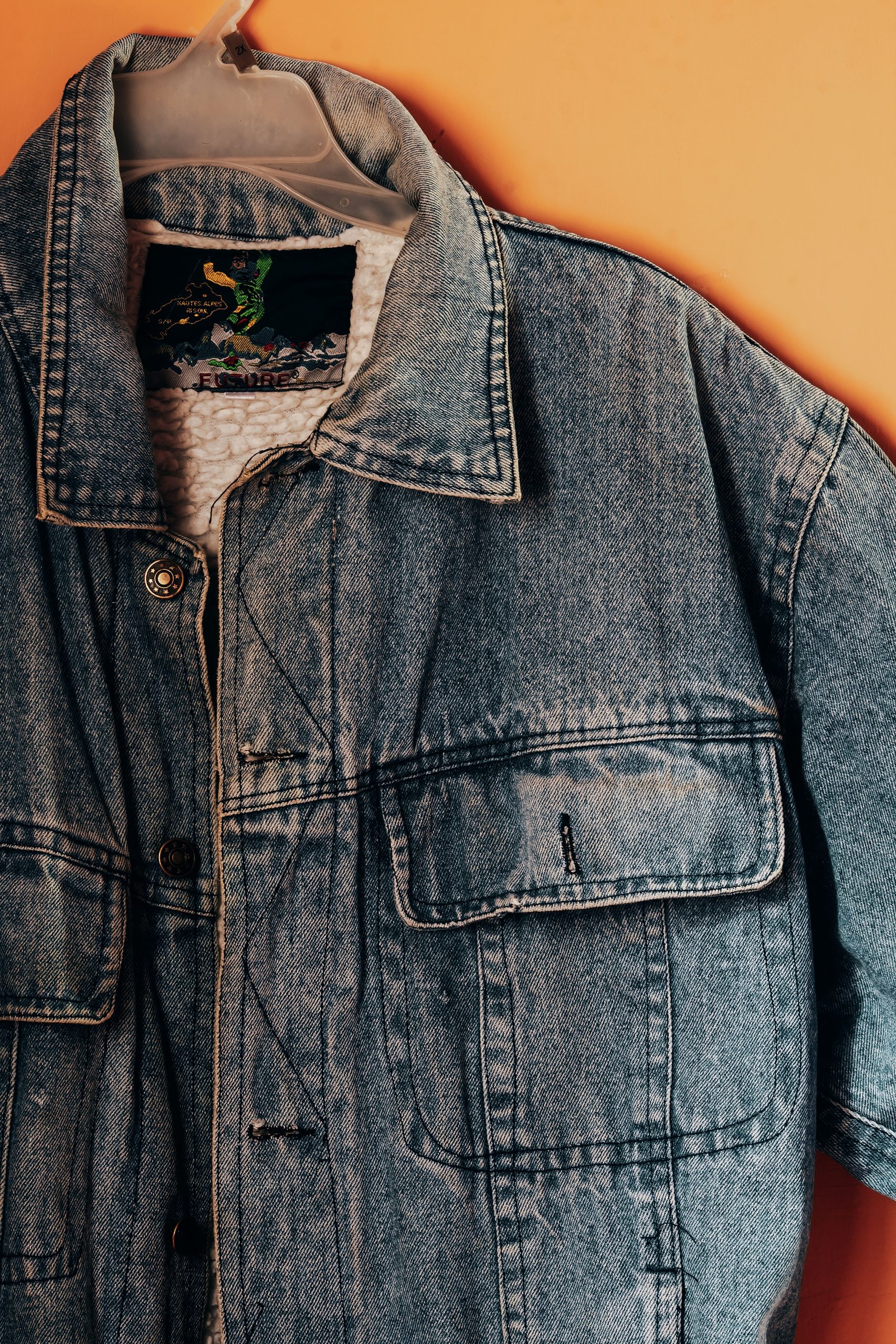
The denim illustration puts texture and color in the same frame. You can examine seams, fine fabric, bright backing and darker folds. Those are useful things to look at when reviewing a file, but the picture does not establish that any particular camera reproduced the original colors accurately. Without a reference and controlled conditions, visual appeal is not a measured color test.
For your own comparison, keep the light and processing choices consistent. Save the original files, note the changes you make, and compare versions at the same size. If you adjust white balance, contrast and saturation differently in each file, you are testing several decisions at once. That can be creative, but it is a weak basis for declaring one camera’s color superior.
The original article also linked our Lightroom learning section. Editing knowledge remains useful, but an old product description saying software was included does not prove a used purchase comes with a transferable license or a current subscription. Confirm software entitlement separately from the hardware. Being able to open, back up and deliver your files is part of using the camera, not an optional afterthought.
 Save
Include the work around the camera
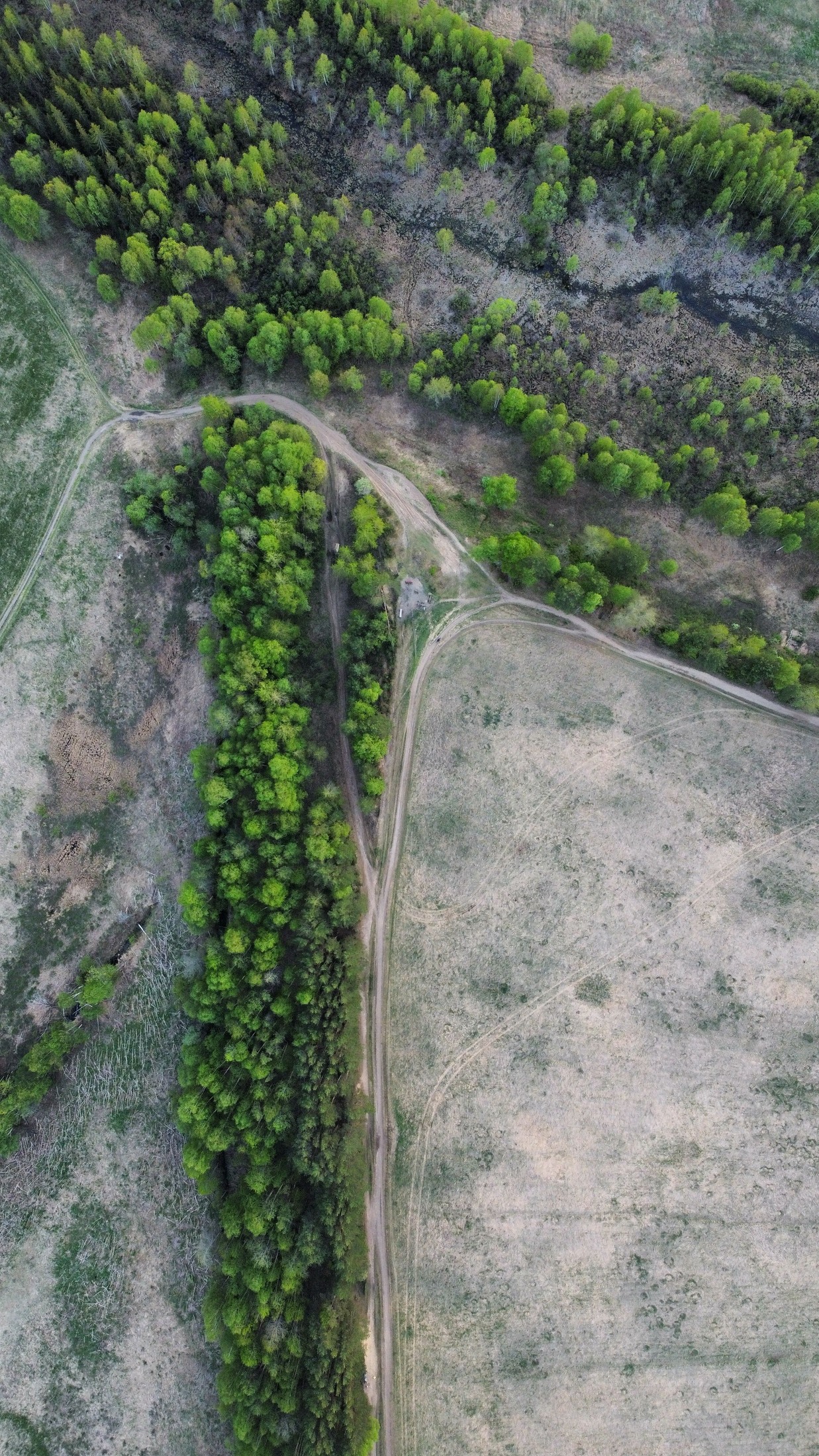
A landscape full of fine branches and separate shapes gives you another review prompt. Decide where you want the eye to go before you chase more pixels. At the intended output size, ask whether the main shapes stay clear and whether the crop supports them. More detail is useful when it helps the photograph do its job, not merely because there is more of it.
Then consider the whole system you would have to carry and maintain. A working setup may need suitable lenses, batteries, chargers, storage, support and a dependable transfer route. Write those items beside the camera body rather than remembering them after purchase. For older equipment, ask about service and test the controls, connections and file delivery instead of assuming the model’s original specification describes its present condition.
Time belongs in this comparison too. A tool that gives you files you cannot comfortably organize or process can change the pace of an assignment. Try a small real job from capture through backup and delivery before committing to a major switch. This is a practical evaluation plan, not a claim that the H5D-60 is unsuitable for every modern workflow or that a newer camera is automatically easier.
Make a small decision sheet
Before looking at another listing, make two columns. In the first, describe your present setup and the work it already completes reliably. In the second, describe the change you want and the evidence that would convince you it helps. Keep the language specific: a crop that survives the required delivery size, a transfer process that works on your computer, or a control you can use without missing the moment.
Leave a space for unresolved questions. A seller’s sample file may help you examine a file format, but it does not establish the condition of every part of the camera. An attractive product photograph does not answer whether the charger is included. An old manual explains the intended controls, not the remaining life of a particular used battery. Separate what you have checked from what you still need to ask.
Finish by writing what would make you keep the camera you already own. That is an honest option, not a failed upgrade. If the test shows that your current files meet the brief and the real difficulty is choosing stronger frames, spend your next outing on that skill. The decision sheet should make the choice clearer, even when its answer is to buy nothing.
A better answer than a shopping contest
If you mean a documented historical auction result, the Leica 0-series No. 105 sale is the benchmark discussed here: 14.4 million euros including premium in June 2022, reaffirmed as the record in Leica’s June 2025 report. If you mean the most expensive new production system, you need a different comparison with a defined package, region, tax treatment and date. This page does not pretend those are the same question.
If you mean the camera you should buy, begin with your photographs. Name the problem, choose an output, test a realistic workflow and compare complete costs. A collectible can be meaningful because of its history. A working tool can be valuable because it helps you deliver. Neither price alone tells you whether you will make a photograph worth keeping.
Source notes: Leica’s June 2022 sale report; Leica’s June 2025 follow-up; Hasselblad H5D manual; Hasselblad specification sheet, distributor-hosted copy; archived Adorama H5D-60 description. Sale figures are dated results, not live offers. Practice exercises are editorial guidance.
Which camera sale is the benchmark discussed here?
Leica reported that the 0-series No. 105 sold for 14.4 million euros including buyer's premium on June 11, 2022. Its June 27, 2025 report still identified that sale as the world record. These are dated reports, not a live ranking of private transactions.
Is the Hasselblad H5D-60 the same camera as that Leica?
No. The H5D-60 is a production medium-format digital camera. The Leica result concerns a specific early prototype, No. 105, with a documented connection to Oskar Barnack.
Are the old H5D-60 prices current offers?
No. The figures from the original 2017 post are historical context, not verified current prices, stock statements, launch prices or completed-sale values. The retained Amazon link is not a verified offer.
Does the reported auction total include buyer’s premium?
Yes. Leica labels the 14.4 million euro result as including buyer's premium. Its 2022 announcement describes a surcharge of 20 percent of the hammer price. Do not confuse the hammer figure with the premium-inclusive result.
Are the photographs camera performance samples?
No. They are separately credited stock illustrations for the review exercises. They are not H5D-60 samples, Leica auction-lot photographs, matched camera tests or endorsements.
What should I check before considering an older digital camera?
Check the specific item's condition, included lenses and accessories, power, file transfer, software compatibility and service options. Run a small capture-to-delivery test rather than assuming the original specification describes a used item's present condition.
Should I buy a more expensive camera to improve my photographs?
Only a test of your actual needs can answer that. Name the limitation, choose the intended output and compare a complete workflow. Better framing, light or practice may address the problem without a new body.
Gear and learning notes
The original H5D-60 Amazon reference is retained as a historical link, not a verified stock or price claim. Check the actual package, condition and terms before considering any used equipment. Our Lightroom learning section covers editing practice; it does not establish software entitlement with a camera purchase.