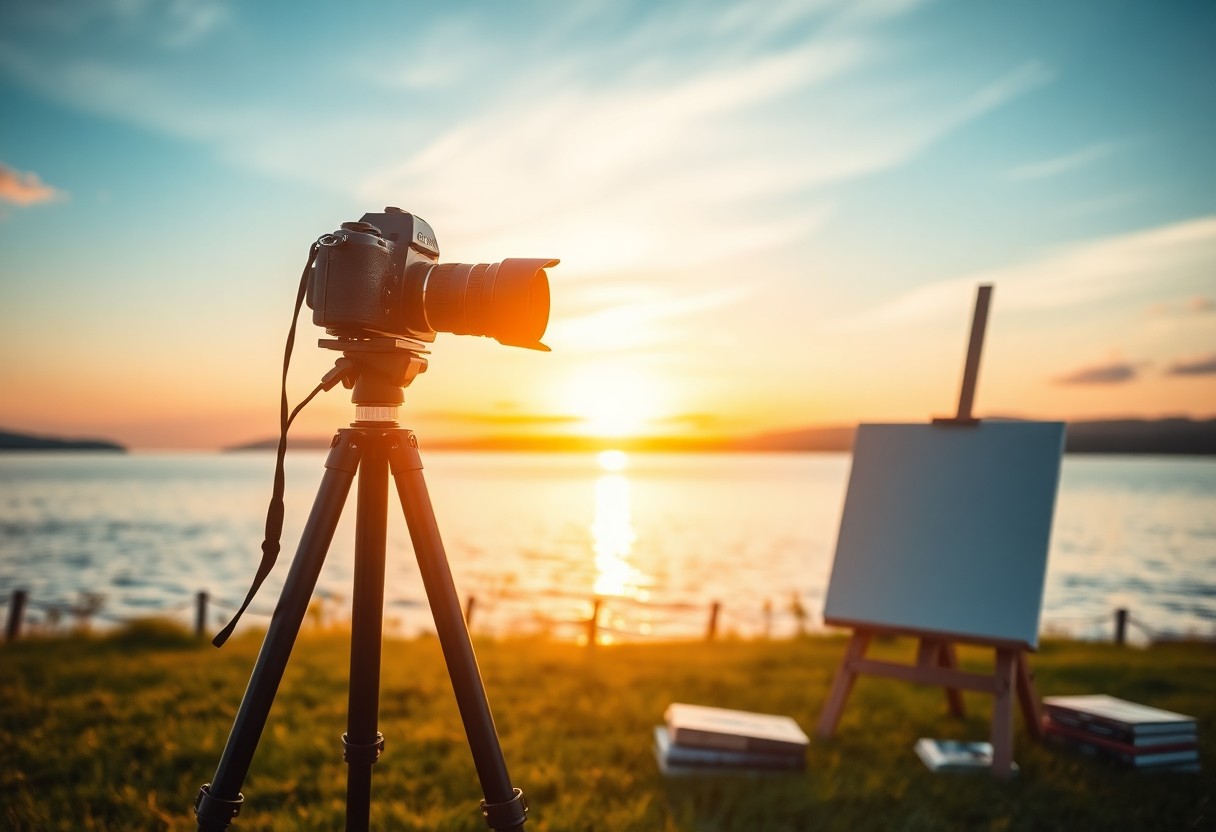
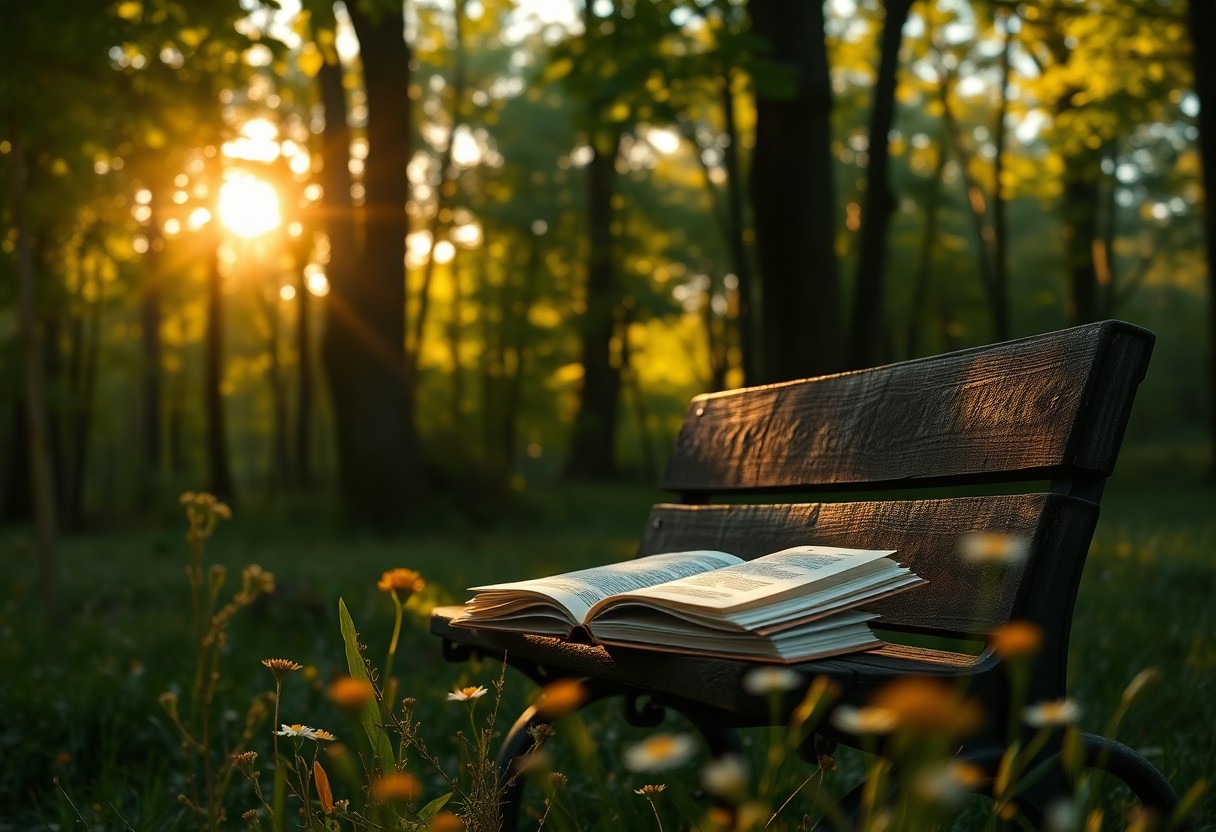
Natural light is your most powerful ally when creating poetic fine art photography. By understanding how to utilize ambient light, you can craft images that evoke emotion and tell a story. Focus on the time of day and the direction of light to enhance your compositions. Experimenting with shadows and reflections will add depth to your work, transforming ordinary scenes into enchanting visuals. With careful consideration of color palettes and textures, you can elevate your photography into a realm of art that resonates with viewers.
Whispers of light dance across your subject, transforming ordinary scenes into mesmerizing compositions. To create poetic fine art photography in natural light, you need to master the balance between light and shadow, allowing your vision to unfold authentically. Utilize the golden hours of dawn and dusk for their soft, flattering illumination. Embrace the beauty of the environment around you, and let your camera capture the intimate stories hidden within each frame. By honing your technique and trusting your artistic instincts, you can elevate your photography to a realm of elegance and depth.
Key Takeaways:
- Utilize natural light during the golden hours for soft and flattering illumination.
- Incorporate elements of nature to enhance the poetic quality of the composition.
- Experiment with depth of field to isolate subjects and create a dreamy effect.
- Pay attention to color palettes that evoke emotions and complement the subject matter.
- Focus on storytelling; capture moments that convey a narrative or evoke feelings.
- Use reflections and shadows to add depth and complexity to the images.
- Practice mindfulness in the shooting process to connect with the surroundings and subjects.
Key Takeaways:
- Utilize natural light at different times of day for varied effects.
- Focus on composition by incorporating leading lines and framing elements.
- Choose locations that enhance the mood and theme of the photograph.
- Experiment with depth of field to create romantic, ethereal images.
- Incorporate props or subjects that resonate with the poetic concept.
- Post-process images to enhance textures and colors while maintaining a soft aesthetic.
- Study and draw inspiration from classic and contemporary fine art photography.
Understanding Natural Light
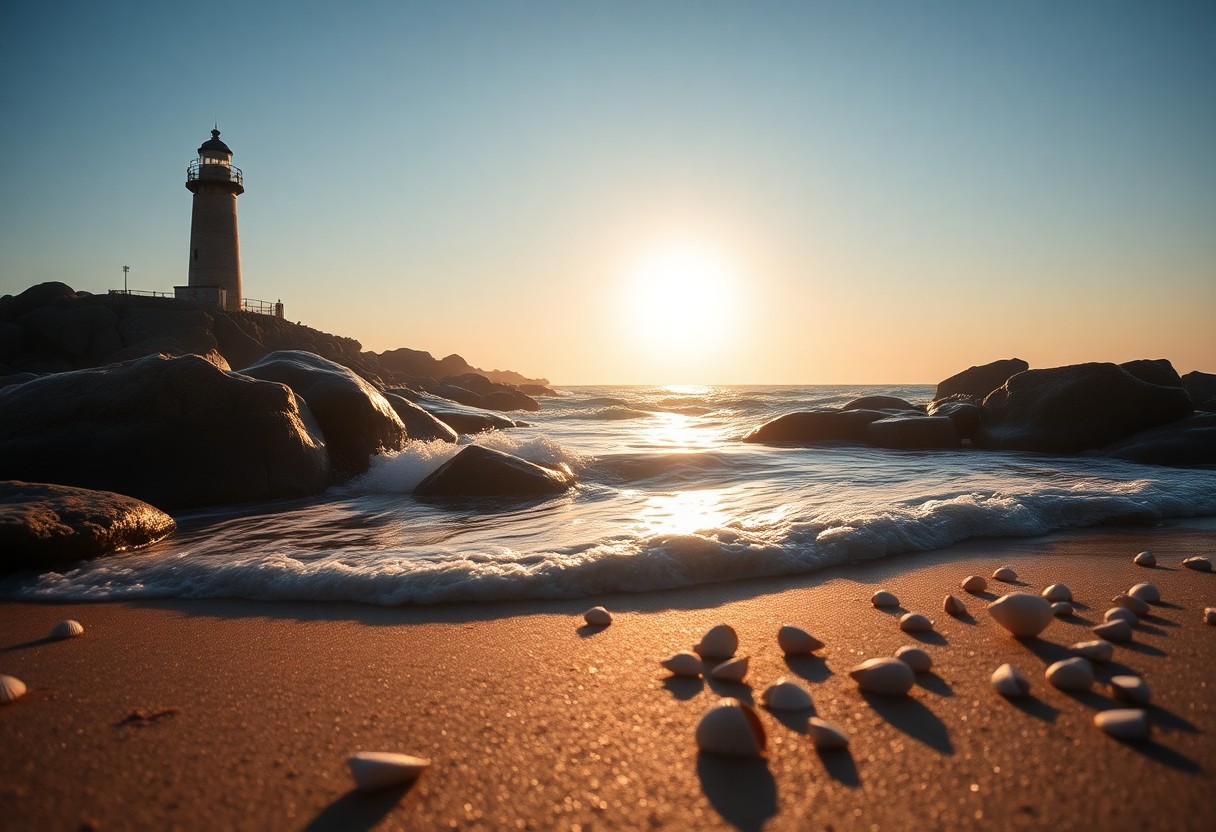
Mastering natural light is crucial for producing captivating poetic fine art photography. You must learn how to observe and manipulate the available light sources around you. This knowledge allows you to create mood and depth in your images, enhancing their emotional impact. Understanding different light qualities lets you decide the most suitable times and places for your photographic endeavors.
Types of Natural Light
Various types of natural light affect your photographs differently. Each type influences how the subject appears, the mood it conveys, and the overall aesthetic. The key is to identify which lighting conditions best suit your creative vision.
- Soft light – Diffused and gentle, often found during overcast days.
- Hard light – Sharp and defined, produced on sunny days.
- Golden hour – Soft light just after sunrise or before sunset.
- Blue hour – The cool, subdued light found just before dawn or after dusk.
- Shade – Provides even light, eliminating harsh shadows.
Assume that understanding these different light types will help you create more dynamic imagery.
| Type of Light | Description |
|---|---|
| Soft Light | Gentle, diffused light reducing harsh shadows. |
| Hard Light | Creates distinct shadows and vibrant colors. |
| Golden Hour | Warm, flattering light enhancing colors and contrasts. |
| Blue Hour | Cool tones providing a tranquil, moody atmosphere. |
| Shade | Softened light ideal for portrait photography. |
The Golden Hour Effect
The Golden Hour offers an exceptional window for stunning photography. Occurring shortly after sunrise and just before sunset, this period bathes your subjects in a warm, golden glow that enhances colors and textures. During this time, shadows are softer, and light is more flattering, making it ideal for capturing ethereal images that evoke emotion and beauty.
Taking advantage of the Golden Hour not only enhances visual appeal but can also convey a sense of nostalgia or tranquility in your work. The sky transforms into a palette of warm tones, creating an enchanting backdrop for your compositions. This fleeting time demands readiness and keen observation, ensuring you are set up to capture the ideal light before it fades. Use it to your advantage to create landscapes, portraits, or abstract fine art photographs that resonate deeply with viewers.
Understanding Poetic Fine Art Photography
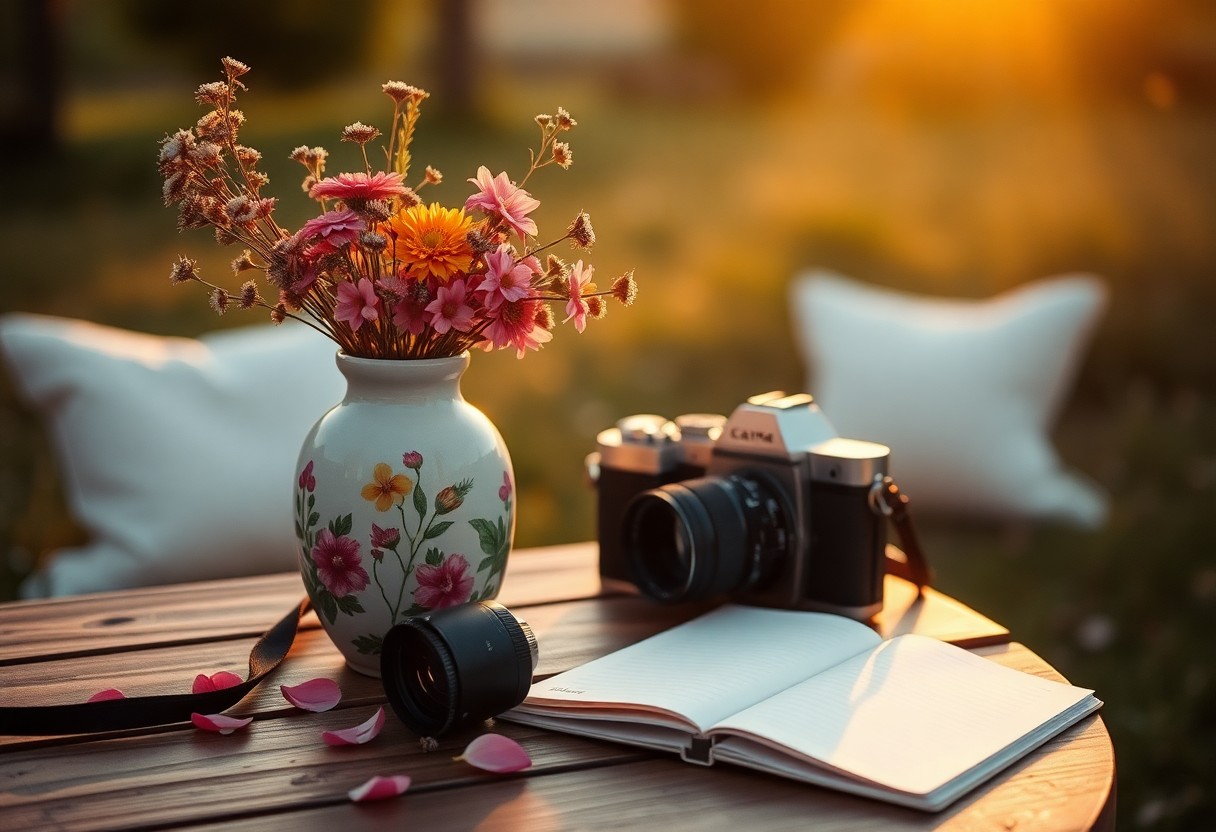
Capturing poetic fine art photography transcends mere documentation; it aims to evoke emotion and provoke thought. You engage in a creative process where aesthetics and narrative intertwine, inviting viewers to see the world through a different lens. This genre often relies on the subtle nuances of light, shadow, and composition to tell a story or convey a feeling, elevating your images into artistic expressions that resonate.
Defining Poetic Fine Art Photography
Poetic fine art photography is an exploration of visual storytelling that combines artistic expression with emotional depth. You create imagery that resonates beyond the surface, using elements of nature and human experience to generate a sense of wonder or introspection. Each photograph serves as a canvas, intimately capturing the essence of a moment while inviting interpretation and reflection from the audience.
Key Elements of Poetic Imagery
Creating poetic imagery requires a blend of thoughtful composition, striking use of natural light, and an emphasis on emotional resonance. You should focus on details that evoke a narrative, utilizing color, texture, and form to enhance the viewer’s experience. Every photograph should embody a sense of mood, drawing in your audience and prompting them to engage with the image on a personal level.
Key elements of poetic imagery include not just visual aesthetics, but also the underlying emotions they convey. The interplay of light and shadow can influence the mood significantly; golden hours provide warmth and softness, while contrast enhances depth. Textures and patterns in both natural and man-made elements can evoke familiarity and curiosity. Perspective is also vital—experimenting with angles or focal lengths can uncover hidden narratives. By consciously considering these aspects, you infuse your photographs with layers of meaning that invite the viewer to not just look, but to feel and reflect.
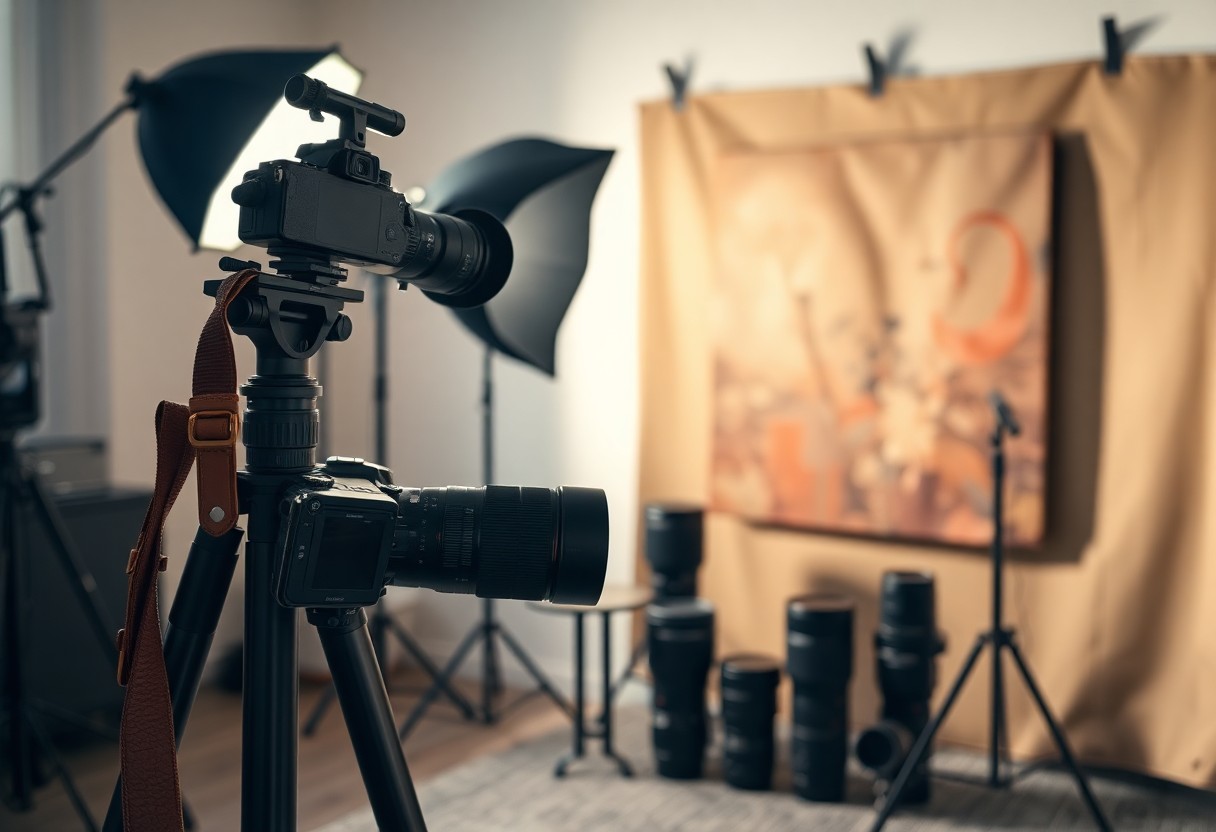
Essential Equipment for Fine Art Photography
Your journey into fine art photography begins with selecting the right equipment. While a professional camera will enhance your creative potential, remember that any camera capable of manual settings can work, including DSLRs, mirrorless systems, or high-end compact models. Quality lenses play a vital role, contributing to the overall aesthetic of your images. A sturdy tripod will support long exposures in natural light, ensuring you capture the subtle nuances of your environment without blur. Additional accessories, like reflectors and filters, can also help you manipulate and enhance light to achieve your artistic vision.
Camera Settings
Adjusting your camera settings is vital to capture the essence of natural light. Use a low ISO setting (100-400) to minimize noise and maintain image clarity, while choosing a wide aperture (f/2.8 to f/5.6) for beautiful bokeh and subject isolation. Set your shutter speed according to lighting conditions; slower speeds for low-light scenarios and faster speeds in bright daylight can draw out the subtleties in texture and tone. Live view and focus peaking features can aid in achieving critical focus on intricate details.
Lens Selection
Lens selection greatly impacts the emotional and visual storytelling in your fine art photography. A prime lens, such as a 50mm or 85mm, offers exceptional sharpness and depth, making it ideal for portraits or detailed close-ups. Zoom lenses provide versatility, allowing you to compose from various distances without changing locations, which is particularly useful in dynamic natural settings. Incorporating macro lenses can unveil hidden beauty in small subjects, amplifying their presence in your artwork.
Preferred by many fine art photographers, prime lenses are known for their superior image quality and wide aperture capabilities. This allows you to play with depth of field creatively. For example, using an 85mm f/1.8 can produce stunning, creamy bokeh that isolates your subject beautifully, while a 24mm wide-angle lens facilitates capturing vast landscapes infused with dramatic skies. Consider your subject matter and artistic intent when selecting lenses, as they profoundly influence how viewers interpret your visual stories.
Importance of Natural Light
Natural light plays a vital role in shaping the mood and tone of your photographic compositions. It enhances the depth, texture, and authenticity of your subjects, allowing for a more genuine representation of your artistic vision. The nuances of sunlight can create dramatic contrasts or soft shadows, influencing the emotional impact of your images. Utilizing natural light effectively can elevate your fine art photography beyond basic aesthetics, invoking a deeper connection for your audience.
Types of Natural Light
Recognizing the various types of natural light is fundamental for achieving distinct visual effects in your work.
| Golden Hour | Soft, warm light shortly after sunrise and before sunset ideal for portraits. |
| Blue Hour | Cooler tones just before sunrise and after sunset, perfect for moody landscapes. |
| Midday Sun | Bright and harsh, often requiring careful planning to avoid overexposure. |
| Overcast Skies | Diffused light that reduces harsh shadows, great for close-up detail work. |
| Filtered Light | Light passing through trees or buildings, creating unique patterns and textures. |
- Golden Hour
- Blue Hour
- Midday Sun
- Overcast Skies
- Filtered Light
Any type of natural light, if well understood, can significantly enhance your artistic expression.
Timing Your Shots
Timing your shots to coincide with specific lighting conditions maximizes the effectiveness of your fine art photography. Each part of the day offers distinct qualities of light that can transform your images, emphasizing textures, colors, and emotions. Observing how light shifts throughout the day will help you to make informed decisions about when to shoot for the best results.
For instance, the golden hour provides a soft, warm glow that flatters subjects, whereas the blue hour lends a tranquil, serene atmosphere. An understanding of these time frames allows for the strategic planning of your sessions. As the day progresses, experimenting with shadows and highlights can generate dramatic effects. Trust your instincts to seize the right moments as they unfold, adapting to the natural ebb and flow of light in your surroundings.

Composition Techniques
Effective composition enhances the storytelling aspect of your fine art photography by guiding the viewer’s eye and creating visual harmony. Techniques like the Rule of Thirds and Leading Lines can transform a visually appealing image into an evocative piece of art. Understanding how to manipulate these elements enables you to create photographs that resonate emotionally and aesthetically.
Rule of Thirds
Utilizing the Rule of Thirds helps you break your frame into a grid of nine equal parts, positioning key elements along these lines or at their intersections. This technique instills a sense of balance and draws the viewer’s attention to focal points within the image, creating a more dynamic and engaging composition. By avoiding centered subjects, you invite the audience’s eye to explore the entire scene.
Leading Lines
Incorporating Leading Lines effectively directs the viewer’s gaze toward your subject, creating depth and guiding emotional responses. These can be natural elements, such as roads, rivers, or tree branches, that create a pathway for the viewer’s eye. Positioning these lines thoughtfully within your frame enhances storytelling by inviting exploration and emphasizing the atmosphere of your photograph.
Leading Lines not only add depth but also create a compelling visual narrative. For instance, a winding road can signify a journey, while a series of wooden planks may evoke tranquility. These lines can be subtle or pronounced, depending on your vision; strong lines can create drama, while softer, curved lines often evoke calmness. Consider contrasting lines to emphasize a focal point, or use converging lines to draw attention to multiple subjects. By mastering this technique, your poetic fine art photography becomes a powerful medium for expression and interpretation.
Essential Tips for Capturing Poetry in Photography
To infuse a sense of poetry into your photography, focus on several key elements that enhance storytelling. Strive for emotion in your shots, capturing moments that resonate deeply. Pay attention to your composition, utilizing framing and negative space effectively. Consider your lighting choices, leveraging golden hour for a warm ambiance. Lastly, allow your subject to engage with the environment, creating a harmonious relationship within the frame. Any thoughtful approach to these aspects can elevate your work from ordinary to extraordinary.
Composition Techniques
Effective composition is vital in creating photographic poetry. Use the rule of thirds as a guiding principle, placing your subject off-center for a dynamic visual. Incorporate leading lines to draw viewers into the scene, guiding their eyes toward the focal point. Experiment with angles; shooting from unusual perspectives can add layers of meaning. Don’t shy away from negative space; it often emphasizes the subject’s solitude, evoking emotions that resonate with viewers.
Color Palette and Mood
Your choice of color palette significantly influences the mood of your photographs. Warm tones like reds and yellows can evoke feelings of passion and happiness, while cool shades such as blues and greens evoke calmness and tranquility. To create a unified look, select a limited color scheme that enhances your narrative. Consider how different hues interact; complementary colors can generate tension, while analogous colors promote harmony.
Pay attention to how the temperature and saturation of your colors reflect your artistic vision. A palette dominated by soft pastels might create a dreamy, nostalgic feel, whereas vibrant colors can inject energy and vibrancy into the scene. Think about the emotional responses you wish to invoke; for instance, low saturation can evoke melancholy, while high contrast can electrify the atmosphere. Any strategic use of color can deepen the poetic essence in your fine art photography.
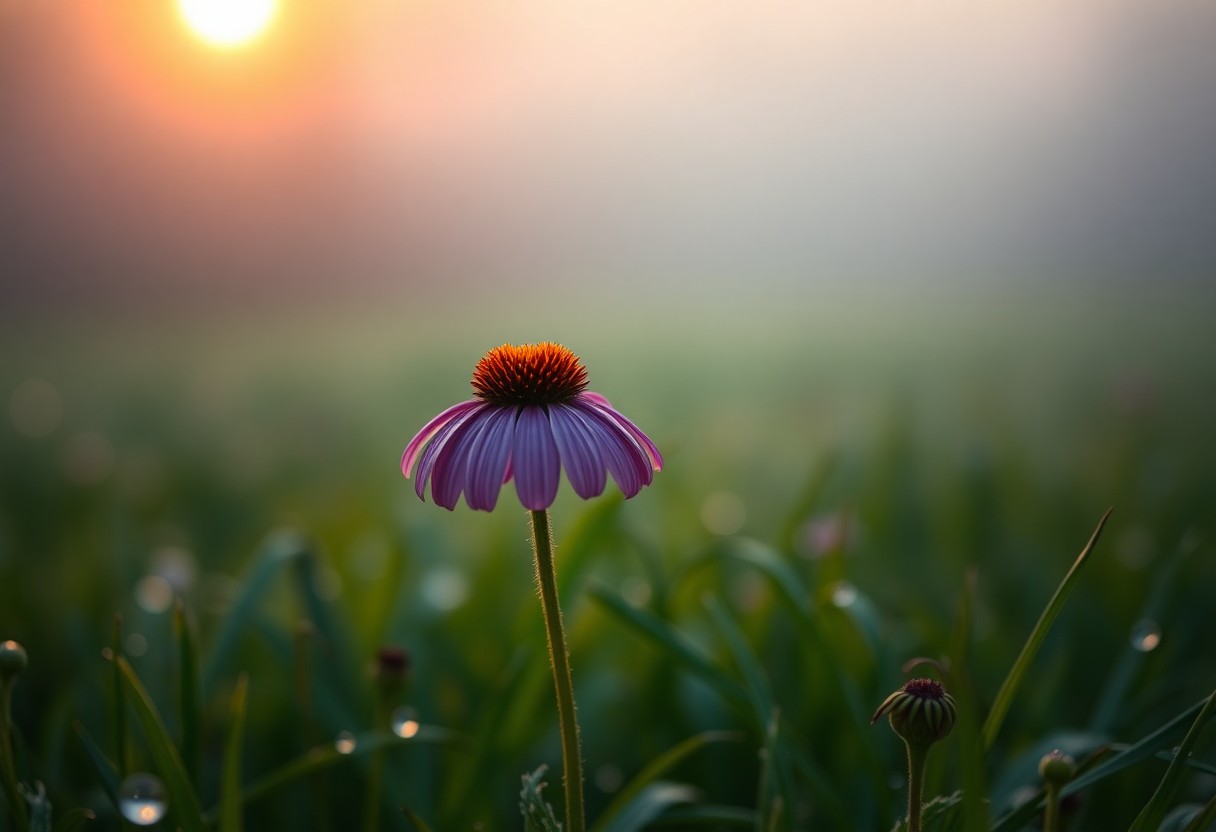
Tips for Capturing Emotion
To evoke genuine emotion in your fine art photography, connect deeply with your subject. Utilize body language and facial expressions to convey feelings. Consider the following strategies:
- Engage with your subject, whether it’s a person or a landscape.
- Utilize varying angles to create dramatic impact.
- Focus on candid moments to reveal authenticity.
- Incorporate natural elements that resonate emotionally.
The end goal is to create a narrative that resonates with viewers.
Use of Color
Color plays a pivotal role in setting mood and conveying emotion. Warm hues can evoke feelings of happiness, while cooler shades might reflect melancholy. Select your palette intentionally to underline the emotion you wish to capture. Strong contrasts can also elicit intense feelings, transforming an ordinary scene into a powerful statement.
Textures and Details
Incorporating textures and intricate details into your photography adds depth and intrigue, imperative for capturing emotion. Up-close shots of a rough surface or soft petals can contrast beautifully and evoke feelings. Pay attention to lighting as it enhances textures, creating a visual story that draws viewers into your work.
Exploring textures enhances the poetic nature of your fine art photography. For example, a close-up of weathered wood can reveal the passage of time, while the delicate softness of a flower may convey fragility. Using macro lenses allows you to capture stunning details, bringing them to life. The interplay of light and shadow will accentuate the textures, creating rich visual layers that invite contemplation and emotional response. By focusing on these details, you create a more immersive experience for the viewer, allowing them to connect with the underlying emotions of the image.
Factors Affecting Your Photography
Your photographic work is influenced by several key factors that shape the final outcome. Understanding these variables can drastically improve the quality of your images. Key considerations include:
- Lighting
- Environment
- Subject matter
- Composition
- Camera settings
Perceiving these elements and their interplay allows for a more profound creative expression in your art.
Environment and Location
The environment plays a pivotal role in the mood and atmosphere of your photographs. Locations like serene beaches, bustling city streets, or tranquil forests each convey distinct narratives. Natural light shifts throughout the day, affecting colors and shadows, making it vital to choose locations that enhance your artistic vision. Ideal spots may involve secluded parks or urban corners that reflect your thematic intentions.
Subject Selection
Selecting the right subject is integral to portraying your artistic intent. A compelling subject can evoke emotion and tell stories that resonate with viewers. You might focus on a solitary flower, a child’s candid moment, or even an old building with character. Each choice should align with the essence you wish to capture, ensuring that your narrative comes through clearly.
In-depth consideration of your subject can elevate your photography. Think about the emotional weight of a subject—an aged face may tell tales of resilience, while a fleeting scene of nature may capture transient beauty. Look for details that speak volumes; textures, patterns, and colors can transform an ordinary moment into a poignant visual. Spend time observing, engaging, and understanding your subjects to layer depth into your composition. Each selection has the potential to not only captivate but also invite the audience into a dialogue with your work.
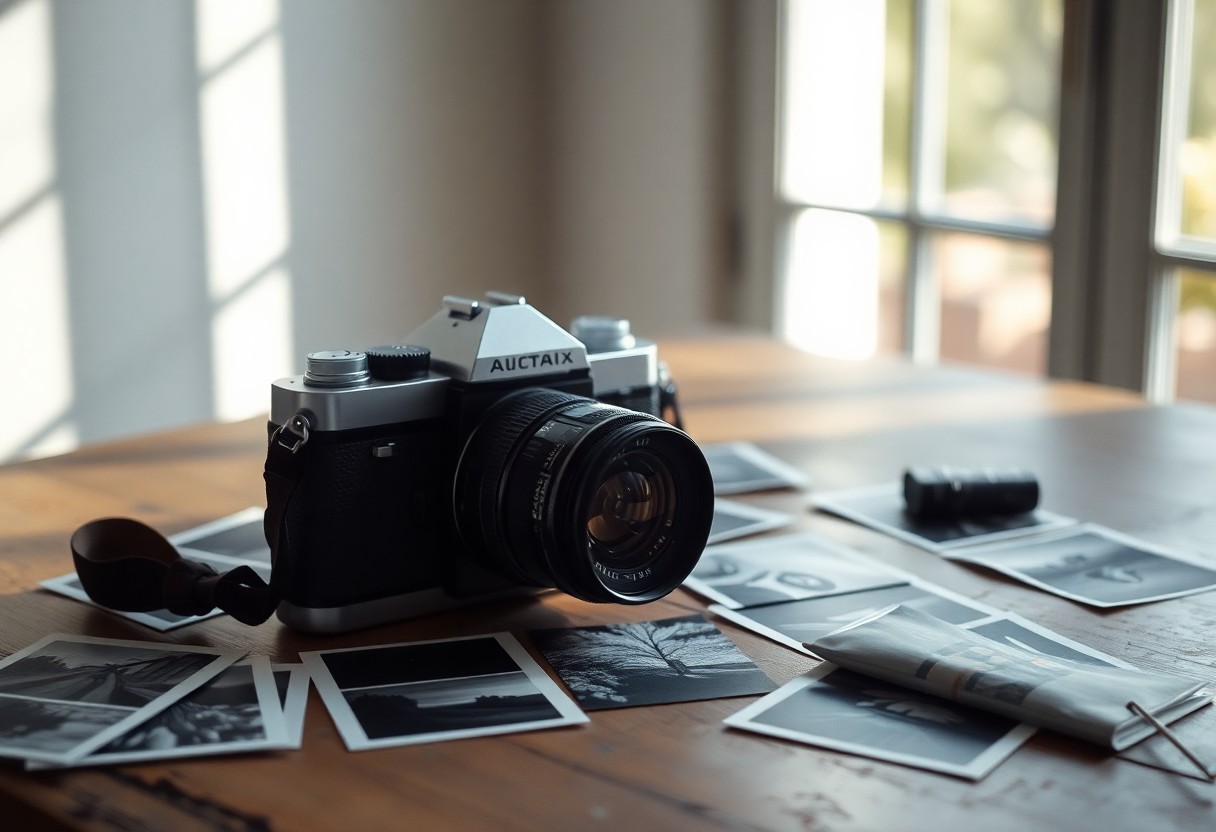
Post-Processing for Artistic Effect
Post-processing serves as a powerful tool in your creative arsenal, allowing you to refine the emotional and poetic qualities of your fine art photography. Utilizing software like Adobe Lightroom or Photoshop, you can manipulate elements such as light, contrast, and texture to elevate your images. Artistic effects can range from subtle adjustments to more dramatic transformations, enabling you to convey unique narratives and feelings. Explore various techniques to create a finished look that resonates with your artistic vision.
Basic Editing Techniques
Start your editing process with fundamental adjustments that enhance the overall mood of your photographs. Focus on cropping for better composition, straightening lines to achieve balance, and adjusting exposure for optimal brightness. Basic color grading can shift the emotional tone significantly, helping you convey warmth or coolness in the scene. Experiment with shadows and highlights to draw attention to key elements in your imagery, creating a more compelling visual narrative.
Enhancing Natural Colors
Transforming your natural colors is vital for achieving an artistic effect that resonates. Use tools like the HSL sliders to selectively enhance hues and saturation. Adjusting the vibrance can subtly uplift colors without overpowering the overall image, while careful adjustments to shadows and highlights can bring depth and dimension. Ensure you maintain a balance between realism and artistic exaggeration to cultivate the desired emotional response.
To enhance natural colors, consider how color theory plays a role in your composition. Adjusting the warmth or coolness of an image can evoke different feelings; warmer tones might suggest nostalgia or comfort, while cooler tones may impart a sense of calmness or distance. Leveraging tools like split toning can add a unique flair by infusing color into shadows or highlights differently, further differentiating your work. Explore these techniques thoughtfully, as they can dramatically impact how your audience perceives the essence of your photographs.
Practical Techniques for Shooting
Achieving poetic fine art photography in natural light hinges on mastering practical techniques. Pay attention to the time of day for optimal lighting; early mornings and late afternoons offer soft light that enhances mood. Use varying compositions to evoke emotions, employing the rule of thirds to create balance and tension. Experiment with depth of field to shift focus on your subject, allowing for visual storytelling. Incorporate natural elements for added texture and context, ensuring your surroundings contribute to the overall narrative.
Camera Settings
Adjusting your camera settings can significantly affect your images’ poetic quality. Use a low ISO for better dynamic range, keeping it as low as possible while managing light conditions. Set your aperture wide to achieve a shallow depth of field, allowing your subject to pop against a blurred background. A slower shutter speed can enhance movement and create a sense of fluidity, perfect for capturing the essence of nature.
Post-Processing Tips
Post-processing can elevate your fine art photographs by fine-tuning colors and enhancing contrast. Begin with basic adjustments, including exposure and white balance, to set the foundation. Employ selective editing techniques, such as gradient filters, to draw attention to specific areas and create depth. Utilize color grading to evoke emotions, harmonizing tones that resonate with the theme of your work. After, convert images to black and white for a timeless feel or apply subtle textures to enrich the visual narrative.
- exposure
- white balance
- filters
- color grading
Post-processing is a critical step that allows you to tailor the final look of your images while maintaining their original intent. Utilizing software like Adobe Lightroom or Photoshop offers robust tools for this purpose. Focus on enhancing textures to add depth, and consider adjusting the contrast to create visual interest and drama. Subtle adjustments in the highlights and shadows can make details pop, guiding the viewer’s eye where you want it to go. After refining these elements, your photographs will convey the poetic essence intended.
- Adobe Lightroom
- highlights
- shadows
- textures
Practical Tips for Outdoor Shooting
To elevate your poetic fine art photography, embrace these practical tips for outdoor shooting that leverage natural light. Always scout your locations in advance to find the best angles and lighting conditions. Keep an eye on the time of day to capture softer light and avoid harsh shadows. Use a reflector to bounce light onto your subject and enhance details. Invest in a good quality tripod to ensure stability, particularly in low-light situations. Perceiving the nuances of your environment can unlock unexpected photographic opportunities.
Weather Considerations
Weather impacts your shooting experience significantly. Overcast skies create a natural softbox effect, diffusing light and enriching colors. Conversely, direct sunlight can cast harsh shadows, altering the emotional impact of your images. Additionally, fleeting weather moments, like fog or rain, can add a layer of drama. You should always monitor weather forecasts, as changing conditions can either inspire your creativity or challenge your plans.
Locations and Scouting
Choosing the right locations requires thorough scouting. Identify areas that resonate with your artistic vision, whether it’s a serene forest or an urban landscape. Explore local parks, historical sites, or even unusual urban settings that offer diverse textures and compositions. Document your findings, and consider creating a mood board that includes not only images but also descriptions of how the locations change with different light and times of day. This preparation lays the groundwork for dynamic and engaging photography sessions.
Developing Your Unique Style
Your unique style will emerge from a blend of personal vision and technical mastery. Consider your emotional responses to various subjects and how they align with the themes you wish to explore. Identify recurring elements in your work, such as colors, compositions, or moods, and refine these to create a signature aesthetic. By focusing on what resonates with you, your artistry will naturally differentiate itself in the crowded field of photography.
Experimentation and Inspiration
Experimentation is a vital part of developing your style. Allow yourself to play with various techniques, subjects, and compositions without the pressure of achieving perfection. Visit art galleries, explore different cultures, and study the work of other photographers to fuel your inspiration. Embrace the unexpected; sometimes, the most powerful images arise from unplanned moments. Your exploration can serve as a powerful catalyst for innovation in your artistry.
Building Your Portfolio
Your portfolio should be a curated collection that reflects your unique vision and style. Select a cohesive series of images that convey your thematic interests and demonstrate technical skill. Organize these works thoughtfully, aiming for variety in subject matter while maintaining a consistent aesthetic. Including behind-the-scenes shots or sketches can provide context and deeper insight into your creative process, making your portfolio not just a display but a narrative of your journey.
To effectively build your portfolio, begin by focusing on a specific narrative that encapsulates your artistic voice. Use a combination of editing styles and subjects that resonate with you, ensuring that each piece tells part of a greater story. Aim for at least 10-15 high-quality photographs that showcase both your strengths and your versatile approach to photography. Regularly update your portfolio by removing older works that no longer align with your current direction, and always seek feedback from peers to refine your selections. Ultimately, your portfolio should invite viewers into your unique world, leaving a lasting impression that reflects who you are as an artist.
To wrap up
Presently, producing poetic fine art photography in natural light involves keen observation and meticulous planning. You should pay attention to the time of day and how light interacts with your subject, allowing you to capture evocative images that convey emotion. Utilize reflections, shadows, and depth to add layers to your compositions. By experimenting with your angles and framing, you can create a unique narrative within each shot. Ultimately, your ability to connect with the natural world and translate that into visual poetry will elevate your photography to a new level.
To wrap up
Drawing together the elements of poetic fine art photography in natural light, you should focus on understanding light dynamics, framing your subject thoughtfully, and evoking emotion through your compositions. Utilize the golden hours for soft illumination, and experiment with various angles to convey different moods. Pay attention to your surroundings and select locations that resonate with your vision. With practice and an open mind, you can create captivating images that blend art with the beauty of nature.
FAQ
Q: What is poetic fine art photography?
A: Poetic fine art photography emphasizes emotion, visual storytelling, and aesthetic beauty, often conveying feelings through subtle compositions and lighting.
Q: How can I utilize natural light effectively in my photography?
A: Utilize the golden hour, which occurs shortly after sunrise and before sunset, for softer light. Pay attention to the direction of light and adjust your angles accordingly.
Q: What settings are best for capturing fine art photographs in natural light?
A: Use a wide aperture (f/2.8 to f/5.6) for a shallow depth of field, a low ISO (100-400) to minimize noise, and adjust the shutter speed to match lighting conditions.
Q: How can I create a sense of mood in my photographs?
A: Use color palettes, shadow play, and textures to evoke emotions. Incorporate elements like fog, mist, or reflections to enhance mood and depth.
Q: What subjects work well for poetic fine art photography?
A: Subjects such as landscapes, abstract forms, portraits with expressive features, and everyday objects can all yield rich narratives and visuals.
Q: How can I enhance the storytelling aspect of my images?
A: Consider incorporating layers within the frame, using leading lines, and capturing candid moments to build a narrative and engage the viewer’s imagination.
Q: What post-processing techniques should I use after shooting in natural light?
A: Use tools like contrast adjustment, cropping for composition, and color grading to enhance mood. Subtle edits maintain the organic feel of the natural light captured.