Grab your coffee and keep your lens cap off. It’s Wednesday, April 22, 2026, and the world of pixels and frames is moving faster than a global shutter at 1/8000th of a second. If you’ve spent the morning actually shooting instead of scrolling through news feeds, don’t worry, I’ve got you covered.
Staying on top of the latest photography industry trends 2026 can feel like a full-time job. Between AI-integrated sensors, seismic shifts in tech leadership, and software updates that make yesterday’s "impossible" edits today’s "one-click" reality, there is a lot to unpack. Whether you are a seasoned pro or someone just starting to learn mastering photography 10 essential tips, this guide is your roadmap to what matters right now.
The Big Shake-Up: Apple’s New Era
The biggest news hitting the tech and creative world today isn't just a camera spec, it’s a leadership change at the top of the food chain. Tim Cook is officially stepping down as Apple CEO. Taking the reins is John Ternus, a mechanical engineer who has been a staple in Apple’s hardware engineering for years.
Why does this matter for us? Because Apple essentially dictates the "entry point" for mobile photography and mobile video editing. Under Cook, we saw the iPhone evolve into a legitimate filmmaking tool. With Ternus stepping in, a man deeply rooted in the engineering of the Mac and the iPhone, the buzz in the industry is that we might see a more aggressive push into "Ultra-Pro" hardware.
We are talking about rumors of the first truly modular camera systems for iPhone or perhaps a more integrated workflow between the iPad Pro and professional cinema cameras. For those of us using Apple devices to manage our shot compositions and buyer attraction in real estate, this leadership change could signal a decade of hardware-first innovation.
SEO Alt Text: High-tech futuristic camera lens reflecting a digital interface representing the future of photography technology 2026.
Sony and Canon: The AI Sensor War of 2026
If you’ve been looking for the best video cameras for professional videographers, the landscape just shifted again this morning. Sony has just dropped a firmware roadmap for their Alpha series that integrates "Neural Processing Units" (NPUs) directly into the sensor readout.
Instead of the camera just identifying "Subject: Human," the new update allows the camera to predict movement based on environmental lighting. This is massive for sports and wildlife photographers. Imagine a camera that knows exactly when a bird is going to take flight because it detects the shift in muscle tension through the lens.
Canon isn't sitting still, either. They’ve leaked details about a new "R1 Mark II" (yes, already) that focuses heavily on dynamic range expansion through AI. They are calling it "Luminous Logic." It essentially mimics the role of luminosity in real estate photography by automatically balancing extreme highlights and shadows in-camera before you even hit the SD card.
If you are currently building a professional workflow, checking out the latest gear on www.proshoot.io is a great way to see how these specs translate into real-world performance.
Software Update: Luminar and the Death of the "Bad Shot"
On the software front, the folks over at Skylum have released a massive update for Luminar. If you haven't touched your editing suite today, do this first: update your plugins.
The new version of Luminar introduces a feature called "Atmospheric Realism 2.0." It’s no longer just about adding a fake sky. The software now analyzes the light direction on your subject and reshades the entire scene to match the new light source perfectly. For those who study lessons in landscape photography from Peter Lik, you know that light is everything. This software is making it easier for those of us who didn't get that "golden hour" glow to recreate it with terrifying accuracy.
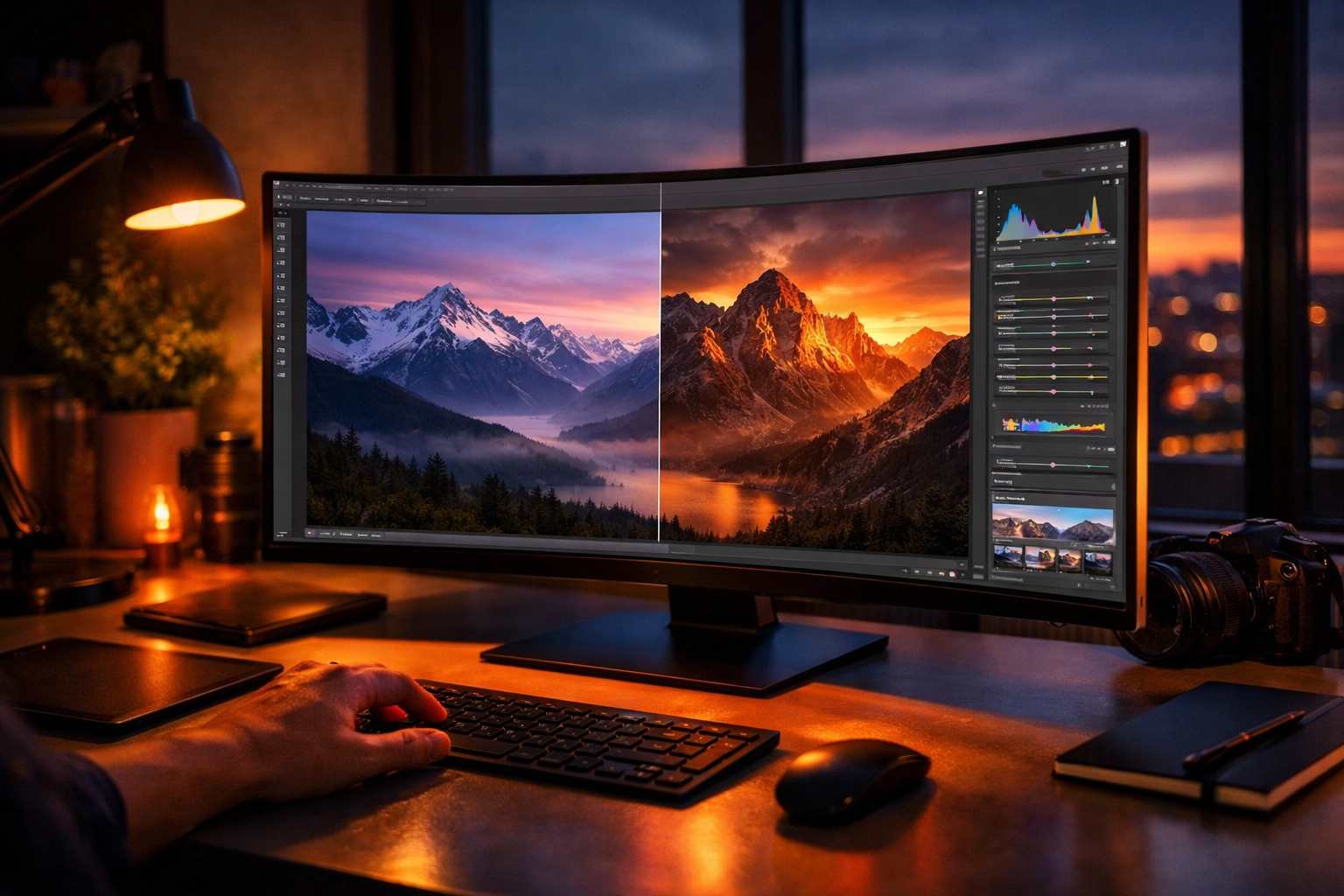
SEO Alt Text: A professional photographer editing a stunning landscape photo on a large monitor using advanced AI software.
The Trend Report: Why "Ethereal" is Winning
We are seeing a massive shift in what clients want in 2026. The "ultra-sharp, ultra-realistic" look is being pushed aside for something more… dreamy. High-end brands are looking for ethereal imagery to elevate listings and commercial campaigns.
This trend is largely a reaction to the perfection of AI-generated images. Humans are now craving "perfect imperfections." This means lens flares, soft focus, and organic grain are back in style. If you are a videographer, you might want to consider how cinematic techniques could transform your property showcases. Moving away from the "standard walk-through" and toward a more narrative, atmospheric style is what’s going to get you hired this year.
Real Estate Photography: Aerial is No Longer Optional
If you’ve been following the industry trends on blog.edinchavez.com, you know that the bar for real estate is higher than ever. As of today’s news, several major listing platforms have updated their algorithms to prioritize listings that include drone footage.
If you haven’t already, you need to elevate your real estate with aerial photography. It’s not just about the "bird's eye view" anymore. The latest DJI updates allow for "Cinematic FPV" modes that are stabilized to the point where they look like they were shot on a $50,000 dolly rig.
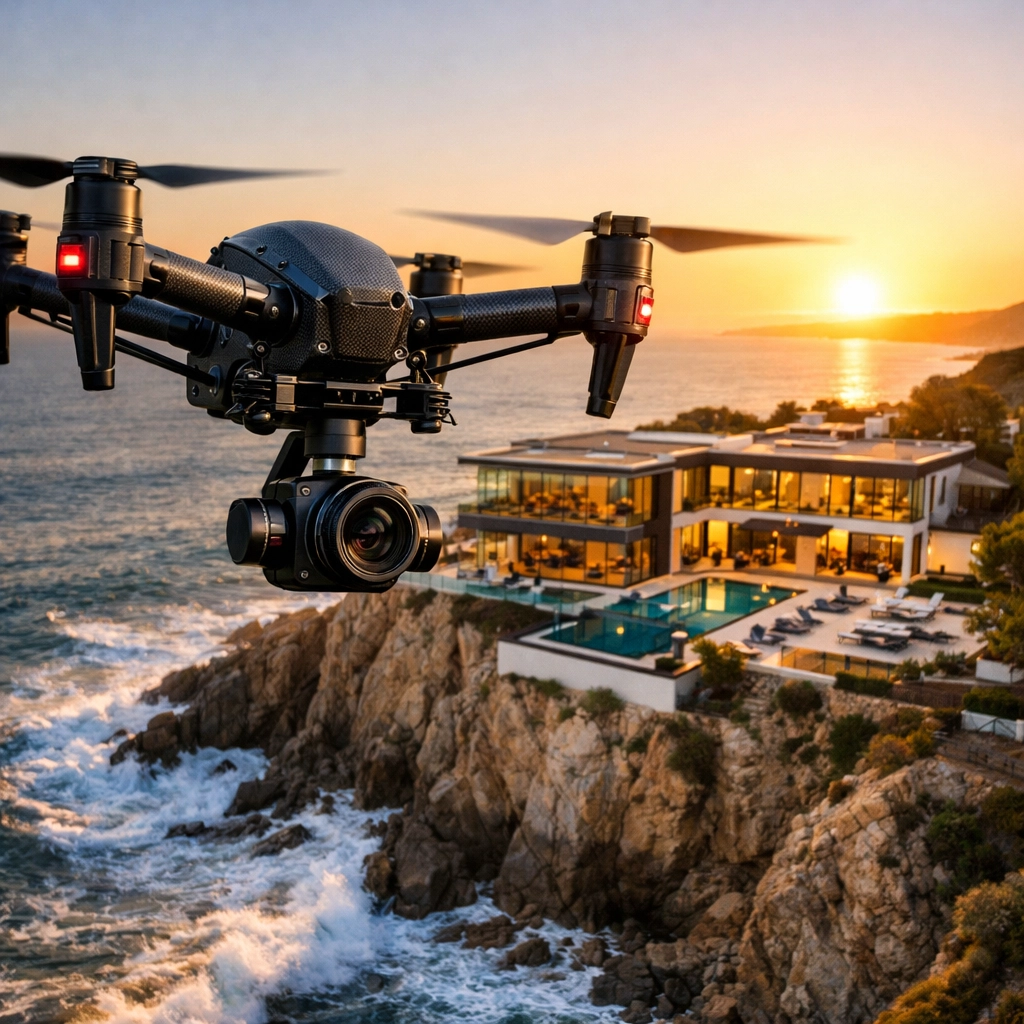
SEO Alt Text: A high-end drone capturing a luxury coastal estate at sunset for real estate marketing.
Do This First: Your 3-Step Morning Checklist
The news cycle can be overwhelming, so here is exactly what you should do right now to stay ahead of the curve:
- Update Your Firmware: Both Sony and Canon released stability patches this morning. Don't be the person whose camera freezes during a paid gig because you ignored a "critical update" notification.
- Check Your AI Assets: If you use Luminar, download the new lighting models. They will save you hours in post-production this week.
- Review Your Portfolio: Does your work look like 2024? If it does, it’s time to start experimenting with vistas and perspectives to manipulate perception. The market is moving toward a more artistic, less clinical aesthetic.
Industry Deep Dive: The Impact of New Sensors on Fine Art
For those who lean more toward the artistic side of the craft, the news from the Fine Art world is equally compelling. Today, a major gallery in New York announced an entire exhibition dedicated to "Sensor Art", images captured using the heat-mapping capabilities of the latest industrial-grade sensors.
It’s a reminder that photography is always evolving. Just as Peter Lik’s iconic works through the years pushed the boundaries of what large-format printing could do, the new generation of photographers is using "hidden light" to create art. You can see some of this inspiration over at www.edinfineart.com, where the bridge between technology and soul is always being explored.
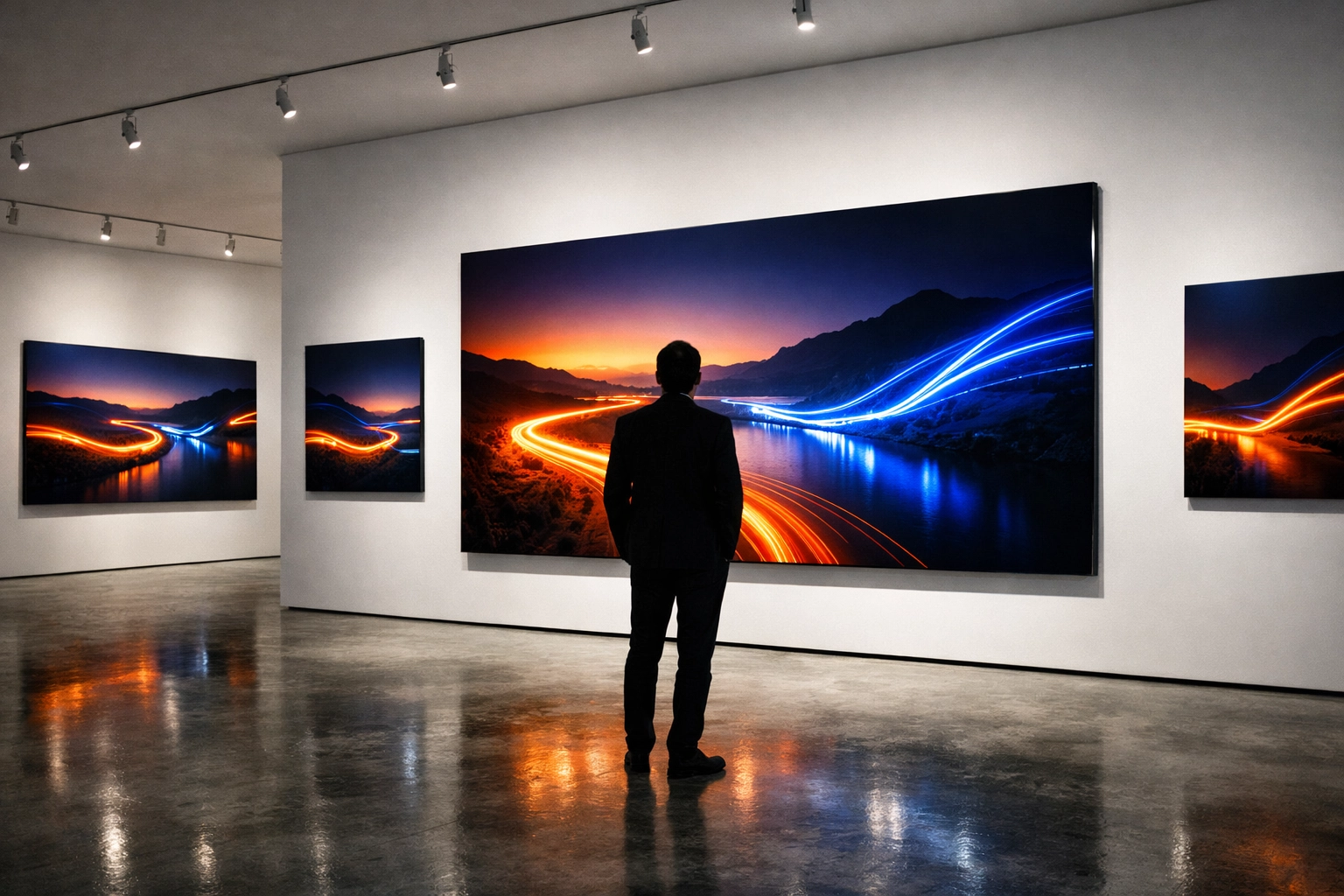
SEO Alt Text: An art gallery wall featuring large-format, vibrant landscape photographs with dramatic lighting.
The Business Side: Is Photography Still Essential?
With AI being able to generate images from thin air, a common question in today’s news forums is: is photography essential for real estate marketing or commercial work?
The answer from today’s market analysis is a resounding yes. While AI can create a "perfect" house, it cannot create that house. Authenticity is the most valuable currency in 2026. However, the type of photography that is essential has changed. You need to offer distinctive elements of real estate photography that AI can't replicate: like the "vibe" of a neighborhood or the specific way light hits a custom-built kitchen at 4:00 PM.
Technical Skills to Master This Week
If you have some downtime today, focus on these two technical skills that are dominating the photography news update forums:
1. Neural Masking
Forget the pen tool. The latest updates in most editing suites (including our favorite, Luminar) allow for semantic masking. You can now tell the software "mask only the reflection of the sun on the water," and it does it perfectly. Mastering the prompts for these masks is becoming more important than the manual brushing itself.
2. Variable Frame Rate (VFR) Management
With the new cameras coming from the Sony/Nikon/Canon camps, VFR is becoming the standard for mid-range bodies. Understanding how to interpret this in your NLE (Non-Linear Editor) without losing sync with audio is a must-have skill for 2026.
If you're feeling lost, check out PhotoGuides.org for some of the best deep-dives on these emerging technical standards.
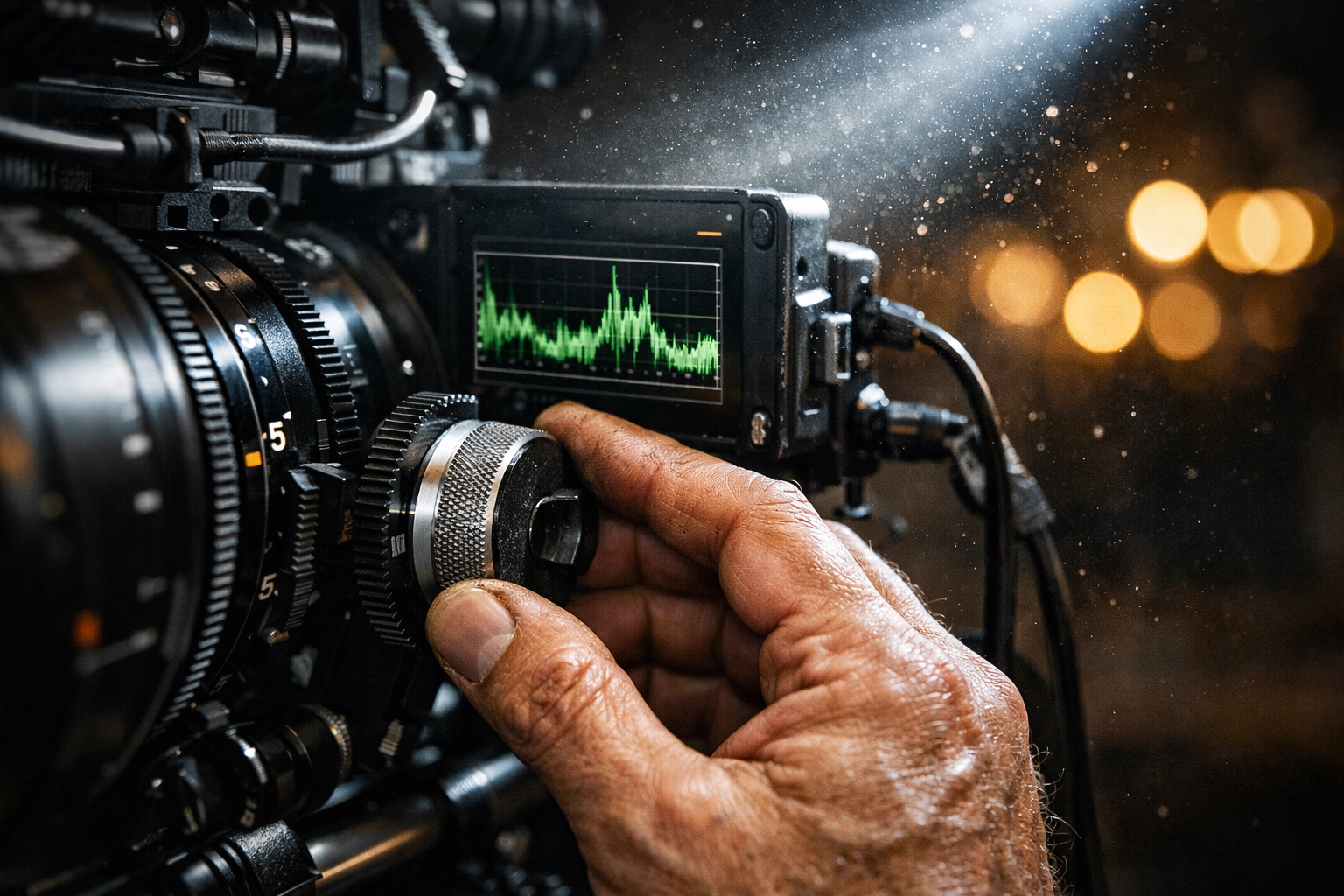
SEO Alt Text: Close up of a videographer's hands adjusting settings on a professional cinema camera.
Final Thoughts for the Day
The transition at Apple, the AI arms race between camera manufacturers, and the constant evolution of software like Luminar all point to one thing: the barrier to entry for "good" photos is disappearing, but the ceiling for "great" photography is getting higher.
Don't let the news overwhelm you. Pick one piece of tech: be it a new sensor feature or an AI editing tool: and master it. The goal isn't to own every piece of gear mentioned in today’s headlines; the goal is to understand how these tools can help you tell a better story.
If you want to stay ahead of the curve every single day, keep checking back here at Shut Your Aperture. We live for this stuff, so you don't have to spend your whole day in front of a screen. Now, get out there and shoot something beautiful.