Street photography is often misunderstood. People think it’s just about walking around with a camera and hoping someone famous or interesting-looking walks by. But if you’ve been doing this for a while, you know the "walk and hope" method eventually leads to a hard drive full of boring photos of people’s backs.
To get the shots that actually stop people from scrolling, you need a plan. You need to see the city differently. At Shut Your Aperture, we’re all about breaking out of that creative rut. Whether you're shooting in a massive metropolis or a quiet suburban block, these 25 ideas will help you see the world through a completely different lens.
1. The "Worm's Eye" View
Most people experience the world from five or six feet up. If you want a unique shot, get low. I mean, really low. Sit on the curb or put your camera directly on the pavement. This perspective turns ordinary pedestrians into giants and makes skyscrapers look like they’re reaching for another galaxy. It’s a great way to capture the "skin" of the city. For more on capturing those gritty details, check out our guide on using rare textures for tangible aesthetic photography.
2. Look Down from Above
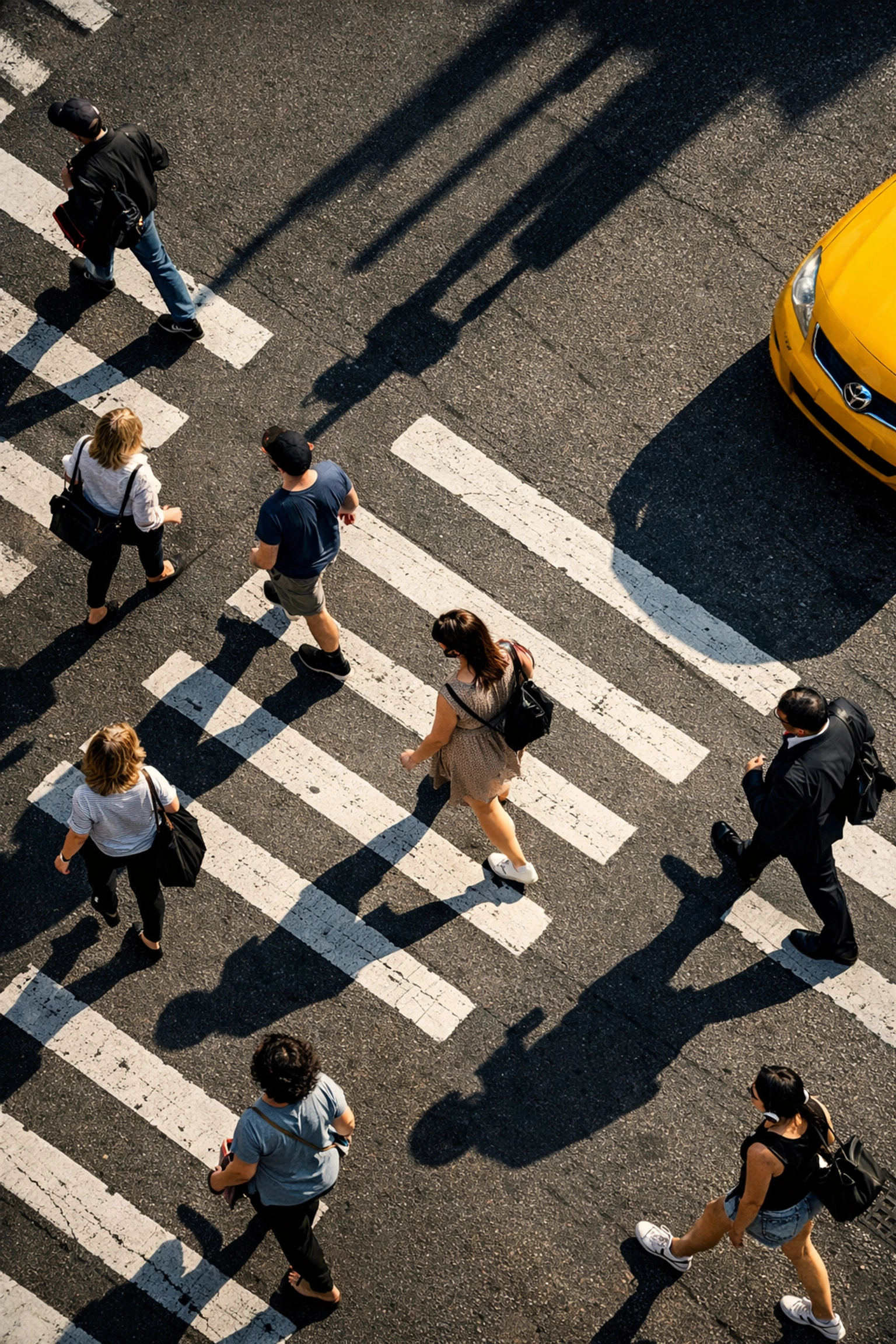
Find a bridge, a parking garage, or a balcony. When you look straight down, the world becomes a 2D map. People become shapes, and their shadows become longer than their bodies. It’s a fantastic way to simplify a chaotic street scene into a clean, graphic composition.
3. High-Contrast Silhouettes
Stop trying to get detail in everything. Find a spot where the sun is blasting between two buildings, creating a literal spotlight on the sidewalk. Expose for the highlights. When someone walks through that beam of light, they’ll turn into a perfect, dark silhouette against a bright background. It’s dramatic, moody, and honestly, pretty easy once you find the right light.
4. Backlighting (The Halo Effect)
Shoot toward the sun during the golden hour. When subjects walk between you and the sun, the light catches the edges of their clothes and hair, creating a "halo" or rim light. It adds a dreamlike quality to even the most mundane street scenes. If the flare gets too messy, you can always clean it up later using Luminar.
5. Nighttime Neon
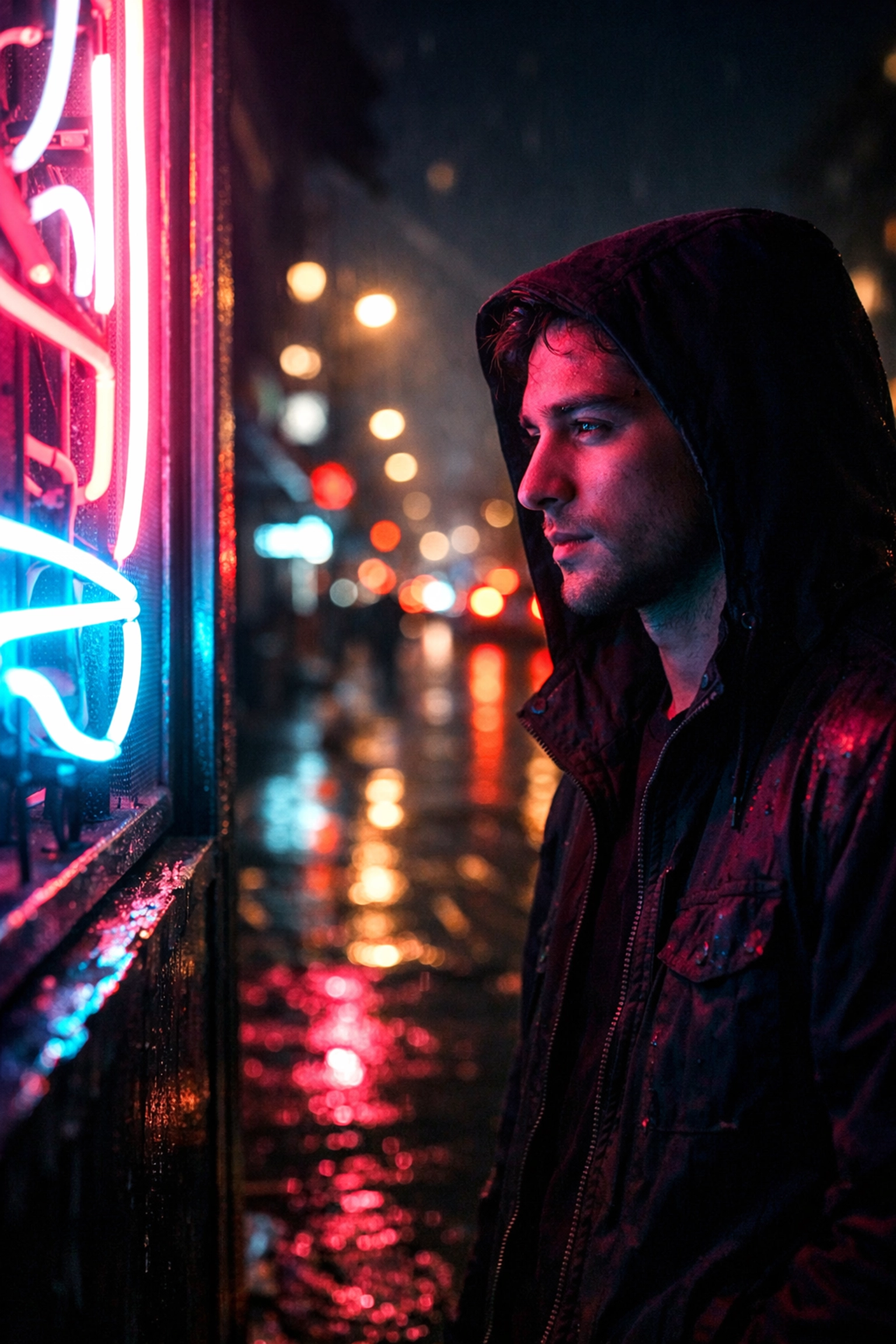
When the sun goes down, the city changes. Find a neon sign: a bar, a laundromat, a theater: and wait for someone to walk past. The colored glow hitting their face creates a cinematic look that feels like a still from a movie.
6. The "One Spot" Challenge
This is a great exercise for building patience. Pick one street corner and stay there for exactly one hour. Don’t move. Your goal is to find ten different stories in that one spot. You’ll start noticing the subtle things: the way the light moves, the regular characters who walk by, and the tiny interactions that most people miss because they’re too busy walking to the "next" spot.
7. Juxtaposition and Irony
Look for two things that don’t belong together. A person in a tuxedo walking past a trash heap, or a "Health" sign right next to someone smoking. These photos tell a story or tell a joke without saying a word. This is where street photography becomes high art. For more tips on finding these unique moments in new places, take a look at these hidden gem locations for travel photography.
8. Shooting Through Glass
Shop windows, cafe glass, or bus windows are your best friends. They allow you to capture layers. You get the person inside the shop, the reflection of the street behind you, and the texture of the glass itself. It’s like a double exposure, but you’re doing it all in one frame.
9. Reflections in Puddles
Don't stay inside just because it’s raining. Rainy days are the best for street photography. Get your lens as close to a puddle as possible. The reflection creates an "alternate universe" look. If you flip the photo in post-processing, it can look incredibly surreal. You can find more inspiration for these types of shots on blog.edinchavez.com.
10. In-Camera Double Exposures
If your camera supports it, try a double exposure. Layer a textured brick wall or a tree over a street portrait. It adds a layer of abstraction and mystery to your work that a standard portrait just can't match.
11. The "Reverse" Portrait
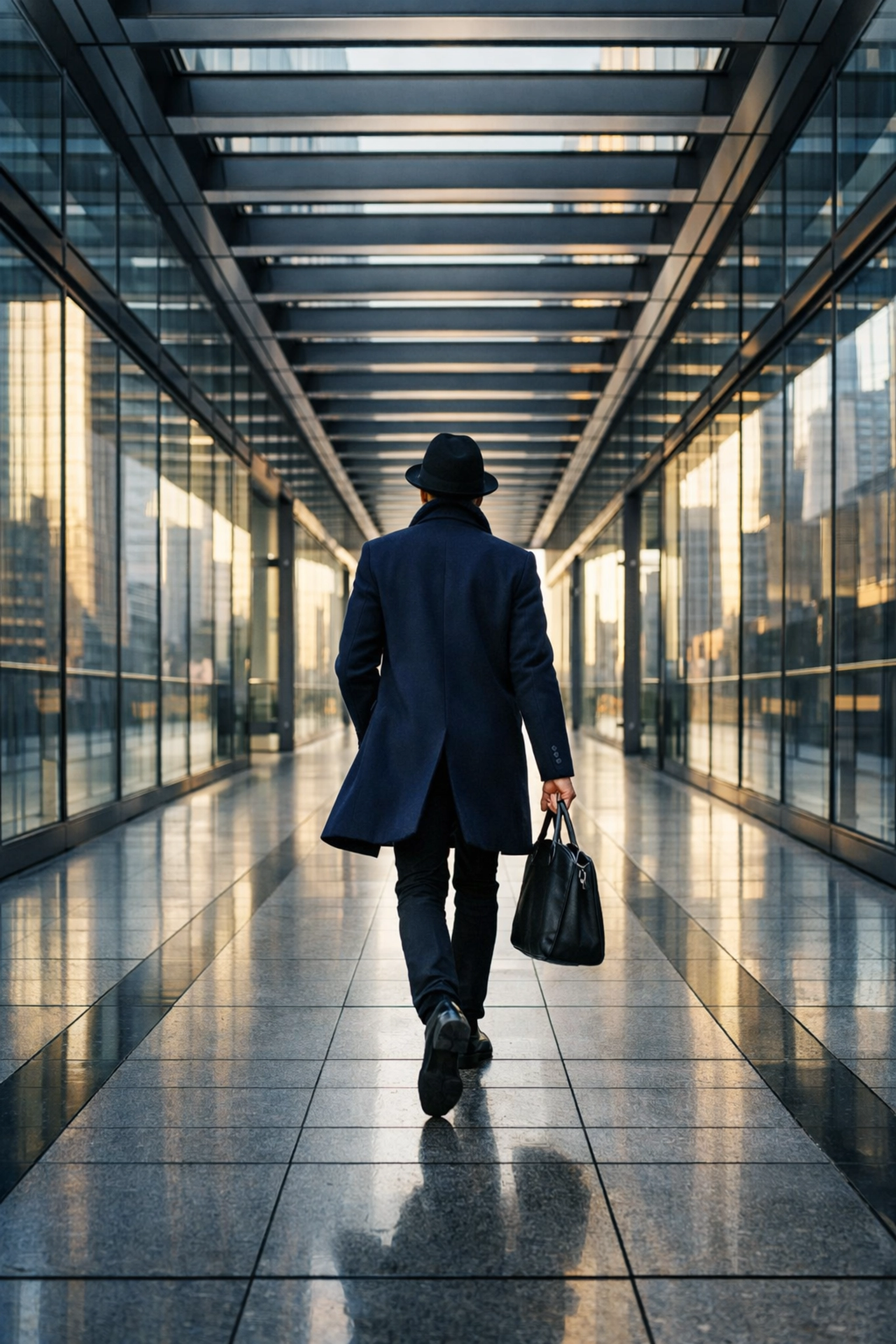
Who says you need to see someone's face? Photographing people from behind as they walk away into the distance creates a sense of longing or mystery. It makes the viewer wonder: Where are they going? What’s their story?
12. Focus on Motion Blur
Sometimes, sharpness is overrated. Set your shutter speed a bit slower (around 1/15th or 1/30th of a second) and pan with a moving subject, or keep the camera still and let the crowd blur past. It captures the "hustle and bustle" energy of the city perfectly. If you want to dive deeper into technical settings, check out PhotoGuides.org.
13. Photographing People Photographing
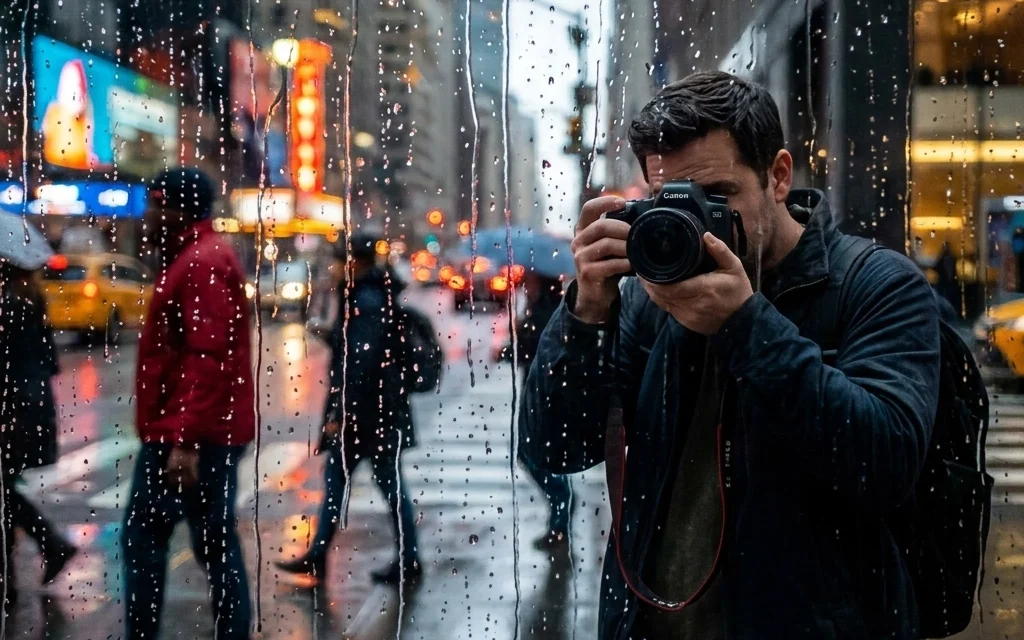
This is a fun one. In touristy areas, everyone has a camera out. Turn your lens on them. People are usually so focused on their own shot that they won't even notice you. It’s a meta-commentary on our modern world.
14. Monochrome Colors
Try to find a scene dominated by a single color. A red wall with someone wearing a red shirt walking by. It’s visually striking and forces you to look for color coordination in the wild.
15. The Urban Landscape (No People)
Street photography doesn't have to have people in it. Sometimes the empty street tells a louder story. Look for interesting architecture, shadows, or discarded objects. If you're looking for more inspiration on quiet, scenic spots, explore these top spots for stunning nature imagery.
16. Interesting Objects
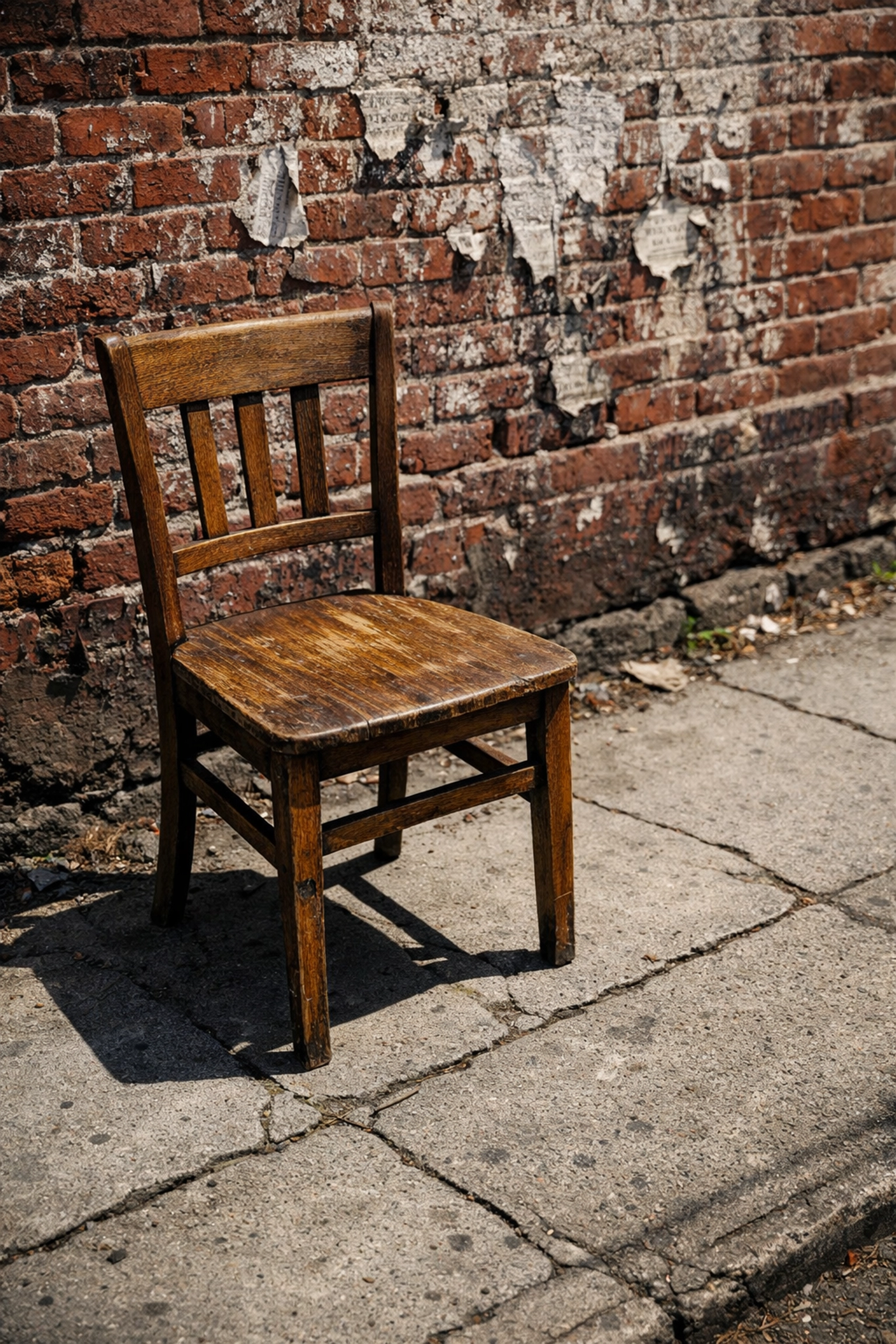
Fire hydrants, a lone chair on a sidewalk, a lost shoe. These objects are the leftovers of human existence. Treating them like portrait subjects can yield some very artistic results.
17. Minimalist Compositions
Find a giant, blank wall and wait for one person to walk into the frame. Use negative space to make your subject pop. It’s simple, clean, and very effective. It’s often about what you leave out of the frame rather than what you put in.
18. Fashion and Style
Street style photography is a genre of its own. Look for people with unique fashion choices. It’s not just about the clothes; it’s about how they carry themselves. If you're looking to professionalize your street style work, check out www.proshoot.io.
19. Abandoned Buildings and Structures
Documenting the decay of the city is a powerful form of street photography. It shows the passage of time. Just be safe and respectful of local laws when exploring these spots. You can find more enigmatic scenes in our post about lesser-known vistas for enigmatic photos.
20. Abstract Geometry
Forget that you’re looking at a street. Look for lines, circles, and triangles. The way a shadow hits a staircase or how windows line up on a building can become a beautiful abstract piece.
21. Shadows as the Subject
Sometimes the shadow is more interesting than the person casting it. Frame your shot so the shadow is the main focus, and the person is either cropped out or secondary. It creates a "film noir" vibe instantly.
22. Using Umbrellas
Rainy days bring out the umbrellas. They are great for adding a pop of color to a gray day. A bright red umbrella in a sea of black coats is a classic street photography trope for a reason: it works.
23. Storefront Narratives
Look through the windows of old shops: barber shops, tailors, or diners. There is usually a very specific atmosphere inside these places. It’s like looking back in time. For more tips on finding these "time capsule" spots, see finding hidden gems for stunning travel photography.
24. Pets on the Street
Dogs, cats, or even the occasional pigeon can be great subjects. They add a touch of humor and humanity to the urban environment. A dog waiting outside a shop is a classic shot that everyone loves.
25. Diptychs and Triptychs
Don't limit yourself to one photo. Sometimes two or three photos tell a better story when placed side-by-side. Maybe it’s a close-up of someone's hands followed by a wide shot of them walking away. It builds a narrative.
Leveling Up Your Street Game
Street photography is a muscle. The more you do it, the more you see. You'll start to predict where someone will walk or how the light will hit a certain corner before it even happens.
If you find that your raw files are looking a bit flat, don't be afraid to give them some life in post. I personally use Luminar to bring out the textures and fix the lighting in my street shots. It’s fast and keeps things looking natural, which is key for this genre.
For those of you looking to turn your street photography into fine art prints, check out www.edinfineart.com to see how we handle professional printing and curation. And if you’re looking for a studio space to work on your post-processing or host a gallery night, www.edinstudios.com is the place to be.
Street photography is about the journey, not just the destination. It’s about the miles you walk and the things you notice when everyone else is looking at their phones. So, grab your camera, get out there, and start seeing the unseen. Whether you're looking for ethereal landscapes or secluded paradises, the perfect shot is always just around the corner.