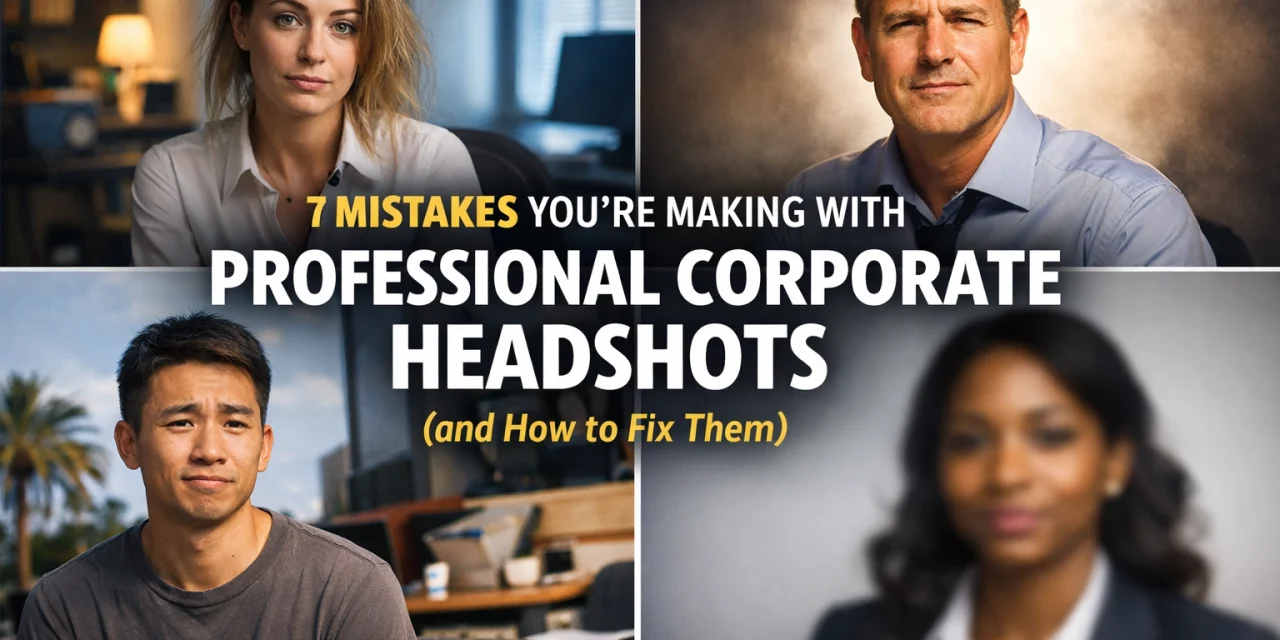
Let’s be honest: your LinkedIn profile is basically your digital lobby. It’s the first thing people see before they decide if they want to sit down and talk business with you. In a world where we’re all scrolling at light speed, your headshot is your one-second chance to say, "I’m a pro, I’m capable, and I didn't take this photo in a bathroom mirror."
As a photographer, I see a lot of people making the same blunders. They treat their corporate headshot like a chore: something to get over with like a dental cleaning. But here’s the truth: a bad headshot is worse than no headshot. It can actually cost you opportunities.
If you’re looking to level up, you need to know the pitfalls. Here are the 7 most common mistakes you’re making with your professional corporate headshots and, more importantly, how to fix them.
1. The "Ghost of Resume Past" (Using an Outdated Photo)
We’ve all seen it. You meet someone in person, and you have to do a double-take because their LinkedIn photo looks like it was taken during the Bush administration. Maybe you had more hair then, or maybe you didn’t have those distinguished "experience lines" around your eyes.
Using an outdated photo is the number one mistake in the book. It’s not just about vanity; it’s about trust. If your visual introduction doesn't match the person who walks into the boardroom, you’ve already created a disconnect. It feels a bit like catfishing, but for B2B.
How to Fix It:
Update your headshot every two years, or sooner if you significantly change your look (new hair color, glasses, or weight loss/gain). Your headshot should reflect who you are today. If you're ready to see what a modern, high-impact headshot looks like, check out Perfect Corporate Headshots.
2. The Fluorescent Nightmare (Poor Lighting)
Lighting is the difference between looking like a CEO and looking like you’re being interrogated in a spy movie. Many people try the "DIY" route by standing under office lights or, worse, sitting directly under a desk lamp. This creates "raccoon eyes": deep, dark shadows that make you look tired and unapproachable.
Finding the best lighting for executive portraits isn't just about brightness; it's about the quality of the light. Harsh direct sunlight or standard overhead office lights are your enemies.

Alt Text: A professional male executive in a well-lit studio environment showing soft, flattering light on his face.
How to Fix It:
If you aren't in a studio, look for soft, indirect light. North-facing windows are a photographer’s best friend because they provide consistent, soft light throughout the day. However, for a truly professional result, you need controlled studio lighting that fills in shadows and adds a "catchlight" to your eyes, making you look energized. To learn more about the technical side of this, you can check out our guide on mastering light and water for perfect shots, which covers the basics of illumination that apply to portraits too.
3. The "Where Am I?" Background
I love a good brick wall or a lush park as much as the next guy, but for a corporate headshot, your background shouldn't be the star of the show. A common mistake is choosing a background that is too busy, too bright, or just plain weird.
If you're part of a team, inconsistency is another killer. One person has a beach background, another is in a dark office, and someone else is in front of a bookshelf. It looks disorganized and unprofessional.
How to Fix It:
Stick to neutral, solid backgrounds. Greys, whites, or muted blues are timeless. They keep the focus where it belongs: on your face. While we’ve discussed how to unlock secrets to enchanting urban photography, those "urban" vibes are usually better for lifestyle shots than for your primary executive portrait. Keep it clean. Consistency across your team’s photos builds brand authority instantly.
4. Dressing for the Wrong Job
Clothing is a language. If you show up to a corporate headshot session in a neon green shirt or a t-shirt with a "funny" slogan, you’re telling the world you don't take your career seriously. On the flip side, ill-fitting suits or blazers that are three sizes too big make you look like you’re playing dress-up in your dad’s closet.
Patterns are another trap. Tiny checkers or stripes can cause a "moire effect" in digital photos: that weird vibrating pattern that hurts people's eyes when they look at the screen.

Alt Text: A woman wearing a perfectly fitted navy blue blazer for a professional corporate headshot.
How to Fix It:
When thinking about how to prepare for a headshot session, clothing should be your top priority. Choose solid colors that complement your skin tone. For men, a well-tailored navy or charcoal suit is a classic choice. For women, structured tops or blazers in bold, solid colors work best. Avoid "busy" patterns. If you need more inspiration on aesthetics and textures, read our piece on using rare textures for tangible aesthetic photography.
5. The "Pixelated Person" (Low Image Quality)
In 2026, there is zero excuse for a blurry, grainy, or pixelated headshot. Taking a screenshot of a group photo and cropping yourself out is a cardinal sin. It shows a lack of attention to detail and a lack of investment in your own personal brand.
If your photo looks "crunchy" on a high-resolution smartphone screen, it’s hurting your credibility. You want your image to be crisp, sharp, and high-resolution.
How to Fix It:
Always use a professional-grade camera or a very high-end modern smartphone in "Portrait Mode" if you're in a pinch (though a pro is always better). Ensure the focus is tack-sharp on the eyes. High-resolution files are essential for everything from LinkedIn to keynote presentations. For those looking for the ultimate quality, Perfect Corporate Headshots is the gold standard for high-res executive imagery.
6. The Cardboard Cutout (Stiff Posing)
Most people hate being in front of the camera. The result? They freeze up. They cross their arms so tightly they look angry, or they give a "forced" smile that doesn't reach their eyes. This is what I call "The Cardboard Cutout" look. It’s unapproachable and stiff.
Modern professional corporate headshot tips always emphasize authenticity. You want to look like someone people actually want to grab a coffee with.

Alt Text: A professional man leaning slightly forward with a natural, confident smile during a headshot session.
How to Fix It:
Relax your shoulders. Take a deep breath before the shutter clicks. Instead of a "cheese" smile, think of something genuinely funny or a person you enjoy talking to. Angle your body slightly: straight-on photos can make you look wider and more aggressive. Leaning slightly toward the camera communicates engagement and confidence. If you're feeling stuck, check out some PhotoGuides.org resources for posing tips.
7. The "Plastic Surgeon" Effect (Over-Retouching)
We all want to look our best. We want the stray hair gone and the blemish hidden. But there is a point where retouching goes too far. If you look like a CGI character or a smooth plastic doll, people will notice. Over-smoothing skin or drastically changing your facial structure creates a "fake" vibe that kills trust.
The goal of retouching should be to make you look like you on your very best day, not like a different human altogether.
How to Fix It:
Use subtle retouching. Clean up temporary imperfections (like a breakout or a stray hair), but leave the character lines that make you you. If you're doing your own light editing, I highly recommend using Luminar. It has some of the best AI-driven portrait tools that allow you to enhance features naturally without making them look artificial. You can learn more about professional gear and software at proshoot.io.
Why This Matters for Your Career
A headshot isn't just a photo; it’s an asset. Whether you’re a CEO, a freelancer, or a mid-level manager looking to climb the ladder, your image is part of your professional "package."
Think of it like this: if you were looking at two similar candidates for a high-level position, and one had a blurry photo from a wedding and the other had a sharp, professional executive portrait, who would you take more seriously?
How to Prepare for a Headshot Session
If you’ve booked a session (or are about to), here’s a quick checklist to ensure you don’t fall into these traps:
- Rest up: Get plenty of sleep the night before.
- Hydrate: It makes your skin look better than any filter ever could.
- Bring options: Bring 2-3 different outfits to see what looks best on camera.
- Communicate: Talk to your photographer about the "vibe" of your industry. A tech startup headshot looks different from a law firm headshot.

Alt Text: A group of diverse professionals showing consistent, high-quality corporate headshots for a company team page.
For those who want to see the pinnacle of what a professional session can achieve, I always point people toward Perfect Corporate Headshots. They understand the nuance of executive branding better than anyone.
Moving Beyond the Basics
Once you’ve mastered the headshot, you might start thinking about other areas of your visual brand. Maybe you need high-end prints for your office from Edin Fine Art or you want to see how the pros handle large-scale productions at Edin Studios.
If you're a photographer yourself trying to avoid these mistakes for your clients, keep practicing. Portraits are one of the hardest things to master because they involve human emotion and technical precision. Much like mastering water photography in any environment, headshots require you to adapt to the "flow" of the person in front of your lens.
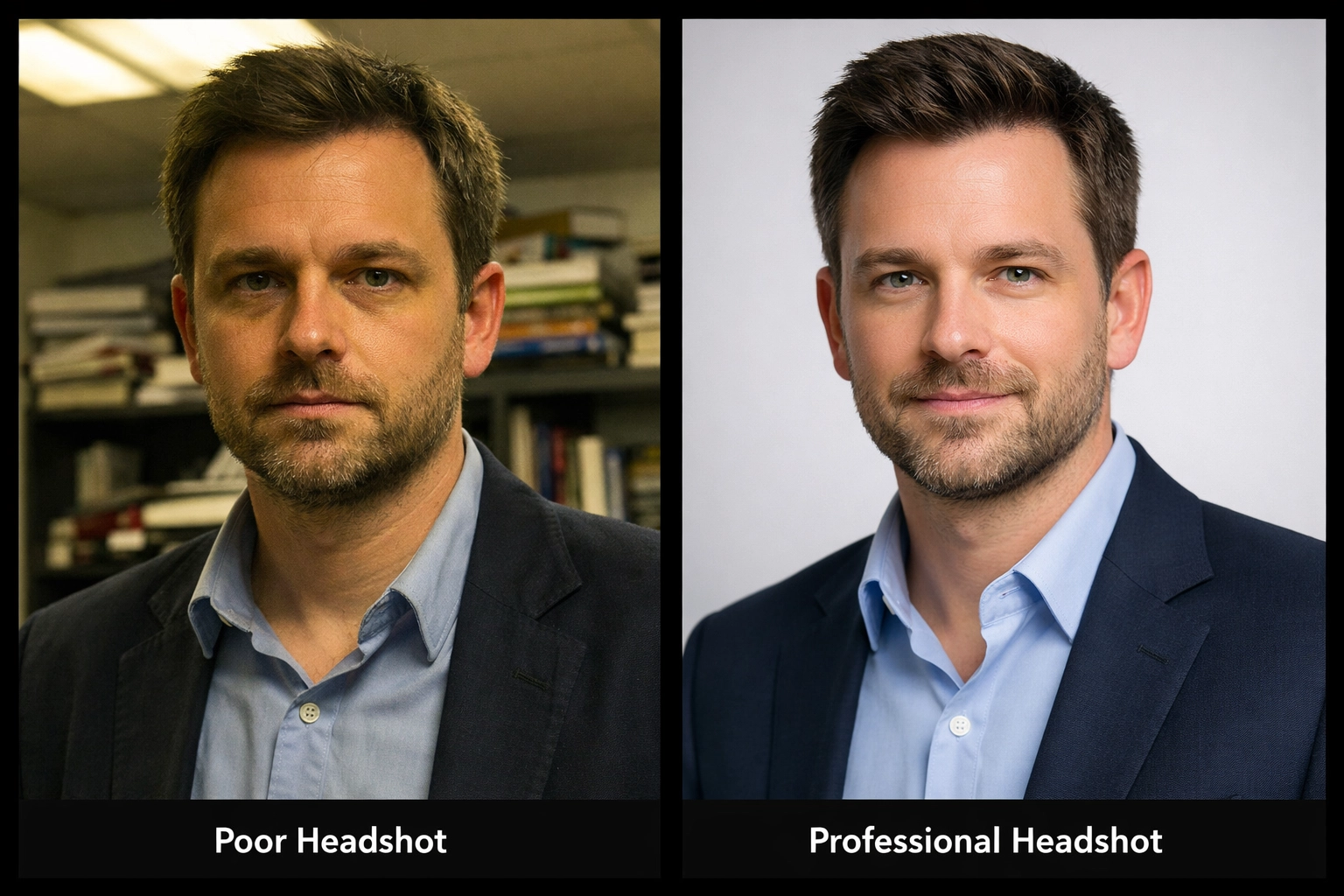
Alt Text: A side-by-side comparison of a "bad" headshot (poor lighting, busy background) vs a "good" professional headshot.
Final Thoughts
Don't let a bad photo hold back a great career. Fix these seven mistakes, and you'll find that people respond to you differently online. You’ll look more authoritative, more capable, and frankly, more like the professional you already are.
For more tips on photography, gear, and capturing the world around you, stick around Shut Your Aperture. We’ve got plenty of guides, from 7 mistakes you're making with landscape photography to finding hidden gem locations for travel photography. But for today, start with your face. It's the most important brand you'll ever manage.
If you need more deep dives into the world of professional imaging, check out blog.edinchavez.com for my personal takes on the industry. Stay sharp, keep your aperture in check, and get those headshots updated!