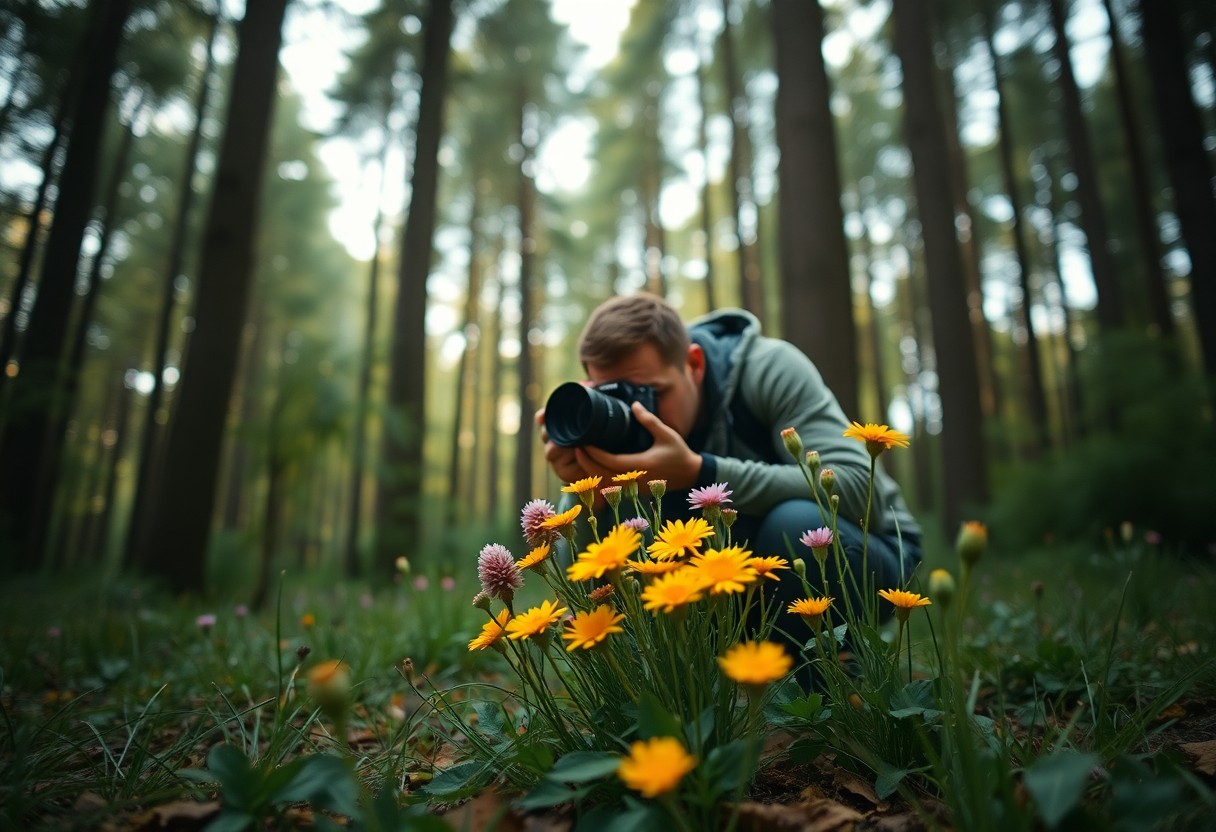
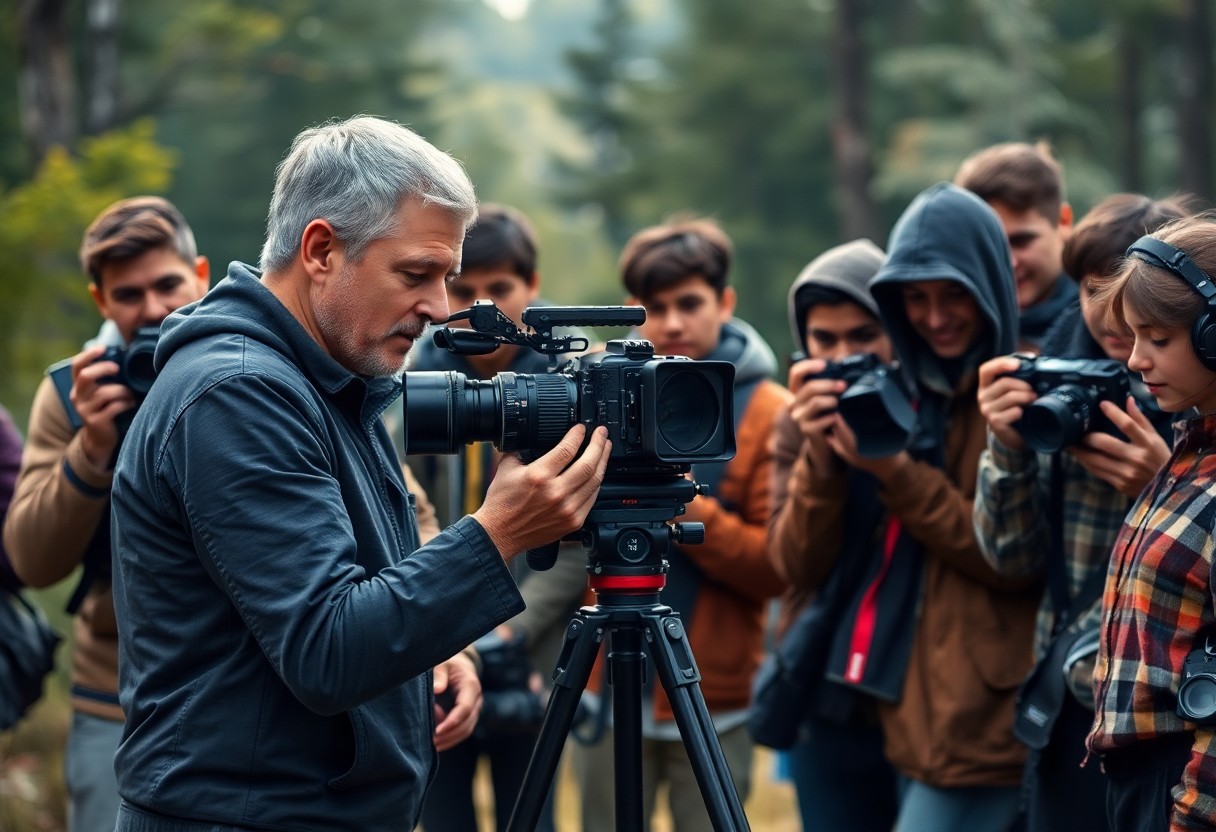
There’s a world of creativity waiting for you behind the lens, and honing your photography skills can lead to stunning images that tell powerful stories. Whether you’re a beginner or looking to refine your technique, these ten vital tips will help you elevate your photography game. From understanding composition to mastering lighting, these guidelines are designed to enhance your visual storytelling and inspire your creative journey. Get ready to explore the art of photography like never before!
Camera Settings and Controls
The mastery of camera settings and controls is vital for every photographer. Understanding how to manipulate these features allows you to take complete control of your images, making them as unique and expressive as your vision. From adjusting exposure to fine-tuning focus, getting familiar with your camera’s settings will enable you to capture the perfect shot in various lighting conditions and scenarios.
Master Manual Mode Settings
Now is the time to investigate manual mode settings, which gives you the flexibility to control aperture, shutter speed, and ISO independently. This hands-on approach allows you to fine-tune your exposure levels and achieve the desired artistic effect, ultimately enhancing your skills in photography. Allowing yourself to experiment with these settings will lead to a deeper understanding of how they interact with one another, giving you the confidence to shoot in any situation.
Learn Camera Button Functions
You’ll benefit greatly from understanding your camera’s button functions, as they enable quick adjustments and creative control. Each button serves a purpose, from changing modes to accessing your settings quickly, so familiarize yourself with their locations and effects. This knowledge will streamline your shooting process, allowing you to focus more on capturing the moment rather than fumbling with your gear.
The quick access to vital settings through camera buttons can significantly speed up your photography workflow. Once you know what each button does, you can navigate your camera more confidently and intuitively. Look for shortcuts and personalized settings that cater to your shooting style, as making these adjustments can reduce lag time in capturing spontaneous moments. The more familiar you are with these functions, the more seamless your photography experience will become, helping you seize the right moments effortlessly.
Composition Rules
You should familiarize yourself with different composition rules to elevate your photography. These guidelines will help you create balanced and impactful images, drawing the viewer’s eye exactly where you want it to go. Utilizing these principles can transform a simple photo into a visually stunning piece of art.
Rule of Thirds
Even the most basic images can benefit from the Rule of Thirds, which involves dividing your frame into a 3×3 grid. By positioning key elements along these lines or at their intersections, you create a more dynamic and interesting composition. This technique encourages you to break away from centering subjects, leading to a more engaging visual experience.
Leading Lines Technique
You’ll find that incorporating leading lines can significantly enhance your compositions. This technique uses natural lines within the scene—such as roads, fences, or rivers—to direct the viewer’s attention toward the main subject. By crafting your shot to include these lines, you can create depth, perspective, and a sense of movement, making your images more compelling and immersive.
Leading lines can guide the viewer’s eye through the photograph, creating a visual narrative that invites them to explore the scene. Look for various elements within your environment, whether they are organic, like tree branches, or man-made, like bridges. Positioning these lines to lead directly to your focal point can transform an ordinary composition into a captivating story. Experiment with different angles and perspectives to discover how leading lines can enhance the emotional impact of your images.
Lighting Techniques
Your mastery of lighting can elevate your photography, providing a unique mood and depth to your images. Understanding how to manipulate both natural and artificial light is important for creating stunning visuals. Experiment with various lighting conditions and sources to see how they influence your subject and overall composition.
Natural Light Understanding
Techniques for harnessing natural light include observing the golden hour when the sun is low in the sky, which creates soft shadows and warm tones. Utilize diffusers to soften harsh sunlight and reflectors to bounce light onto your subject, enhancing features and adding dimension.
Artificial Light Mastery
Some photographers lean exclusively on artificial light sources, providing control over their environment. Mastering this technique allows you to create stunning images regardless of natural conditions.
Plus, using artificial light gives you the versatility to shoot in various settings, whether indoors or at night. Experiment with different light sources such as flash, softboxes, or LED lights, adjusting their intensity and direction to see how they affect your images. Balancing artificial light with ambient light opens up limitless creative possibilities, allowing you to achieve the exact mood you desire.
Focus and Sharpness
After mastering exposure and composition, focus and sharpness are fundamental elements that can elevate your photography. A sharp image captures detail and draws your viewer’s attention to the subject. Learning how to control your camera’s focus system will help you achieve the desired level of sharpness, making your photographs more striking and professional.
Autofocus Points Usage
The use of autofocus points is imperative for ensuring precision in your images. By understanding and selecting the appropriate autofocus points, you can direct your camera to focus specifically on your subject. This feature allows for greater control in dynamic scenes, ensuring that your main subject remains sharp while possibly blurring less important elements in the frame.
Manual Focus Techniques
Any photographer can benefit from manual focus techniques. While modern cameras come equipped with advanced autofocus systems, manual focusing allows for greater control in certain situations, such as low light or when capturing detailed subjects. Learning to use your camera’s manual focus settings can enhance your composition and ensure the sharpness you envision.
A reliable technique for manual focus involves using your camera’s focus magnification feature. This allows you to zoom in on your subject in live view mode, making it easier to achieve precise focus. Additionally, practice using focus peaking, which highlights the edges of in-focus areas, providing you with visual cues for sharpness. By incorporating these techniques, you can refine your skills, leading to more controlled and impactful photography.
Exposure Triangle
Keep in mind that mastering the exposure triangle is vital for achieving the perfect photograph. This triangle consists of three fundamental elements: ISO, aperture, and shutter speed, each influencing the exposure and overall aesthetics of your image. Understanding how these three components interact allows you to manipulate light in your favor, ensuring your photos are neither too bright nor too dark.
ISO, Aperture, Shutter Speed
With a firm grasp of ISO, aperture, and shutter speed, you can control your camera’s sensitivity to light, depth of field, and motion blur. ISO adjusts your camera’s sensitivity, aperture controls the amount of light and depth of field, and shutter speed determines how long light hits the sensor. Balancing these elements will help you capture stunning images under various lighting conditions.
Exposure Compensation Understanding
Any photographer must comprehend exposure compensation to refine their skills and enhance the quality of their images. Exposure compensation allows you to adjust the auto-exposure settings of your camera, enabling you to make your photos brighter or darker without changing the camera settings directly.
A solid understanding of exposure compensation empowers you to adapt to challenging lighting situations. For instance, in scenes with high contrast—such as a bright sky against a darker foreground—your camera’s metering might misinterpret the exposure. By using exposure compensation, you can effectively correct the exposure, allowing you to capture the scene as you envisioned it. Experimenting with this feature will elevate your photography and help you gain full control over the final result.
Equipment Knowledge
Despite the common perception that great photography relies solely on talent, understanding your equipment plays a pivotal role in your growth as a photographer. Mastering your camera settings, features, and lenses allows you to fully harness your creativity and adapt to various shooting scenarios. Familiarity with your gear empowers you to make better choices when composing an image, ultimately elevating the quality of your work.
Lens Selection Principles
One of the most critical aspects of photography is selecting the right lens for your vision. Each lens has its unique characteristics, such as focal length, aperture, and depth of field. By understanding these parameters, you can manipulate the outcome of your imagery to match your intent, whether it’s capturing sweeping landscapes or intimate portraits.
Essential Accessories List
List the accessories that can significantly enhance your photography experience. Items like tripods, external flashes, and filters are not just add-ons; they can transform your shooting capabilities and expand your creative options.
A well-rounded collection of accessories can make a notable difference in your photography journey. A quality tripod stabilizes your camera for long exposures and landscapes, while a reliable external flash helps you control lighting in various environments. Additionally, polarizing and ND filters allow you to manage reflections and exposure, respectively, empowering you to achieve stunning visuals in challenging conditions. Don’t overlook these crucial tools as they play a significant role in elevating your work.
Post-Processing Skills
To truly elevate your photography, mastering post-processing is vital. This stage allows you to refine your images, enhance their impact, and bring your artistic vision to life. Familiarizing yourself with software tools like Adobe Lightroom or Photoshop can significantly expand your creative possibilities. Understanding how to manipulate exposure, contrast, and sharpness not only improves the aesthetics of your photos but also solidifies your personal style. A well-edited photograph can transform a good shot into a stunning masterpiece.
RAW Format Editing
With RAW format editing, you have greater control over your images, allowing for more extensive adjustments without losing quality. RAW files retain all the data captured by your camera’s sensor, providing a wider dynamic range and flexibility during editing. This means you can push shadows and highlights, correcting exposure and color balance more effectively than with JPEG files. Embracing RAW format will significantly enhance your post-processing workflow and the overall quality of your work.
Color Correction Basics
One of the key aspects of post-processing is mastering color correction. Achieving accurate colors in your photographs ensures that your images resonate with viewers while conveying your intended message. It’s important to understand the color wheel, as adjustments to hues can dramatically shift the mood of your photos. By utilizing tools like white balance adjustment and color grading, you can create a harmonious look that enhances your subject and brings your images to life.
Skills in color correction can be developed through practice and experimentation. Start by analyzing the colors in your images and using adjustment layers to tweak hues, saturation, and luminance. Pay attention to the emotional implications of color changes—warm tones can evoke comfort and vibrancy, while cooler tones often convey calmness and serenity. Additionally, you can use histograms and color channels to fine-tune your corrections. Over time, you will learn to recognize the subtle nuances that make a significant impact on your photography, elevating your work to a professional level.
Subject Matter Expertise
Unlike many creative fields, photography demands a deep understanding of your subject matter to capture compelling images. Familiarizing yourself with the nuances of your chosen genre will allow you to communicate stories through your lens effectively. Whether you are photographing landscapes, portraits, or events, in-depth knowledge about your subject enhances your ability to make informed decisions regarding composition, lighting, and emotion, ultimately leading to more impactful photography.
Portrait Photography Essentials
Little details can significantly affect the outcome of your portrait photography. Focus on establishing a connection with your subject and paying attention to their body language. Strong composition, effective use of natural light, and understanding your camera settings are vital to capturing personality and emotion. Always strive to create a comfortable environment that encourages genuine expressions, which will enhance the overall impact of your portraits.
Landscape Photography Fundamentals
For those venturing into landscape photography, mastering the fundamentals can elevate your images from ordinary to extraordinary. Start by scouting locations at different times of day to capture varying light conditions. Understanding your camera’s exposure settings, including aperture, shutter speed, and ISO, will enable you to showcase the natural beauty of your surroundings. Additionally, utilizing elements such as leading lines and foreboding skies can add depth and interest to your compositions.
Portrait photography complements landscape photography in its approach to light and composition. While landscapes capture the essence of a scene, portraits focus on the human element, making them vital storytelling tools. Emphasizing both the environment and the subject’s interaction with it can lead to stunning visual narratives. By altering your perspective and exploring different angles, you can create unique and powerful portrayals that resonate with viewers.
Technical Understanding
Once again, mastering photography requires a solid technical understanding of fundamental concepts such as exposure, shutter speed, and aperture. Familiarizing yourself with these elements empowers you to take control of your camera and make informed decisions that enhance your creative vision. Engaging with the manual settings of your_device will help you capture stunning images tailored to your specific style.
File Format Knowledge
There’s a significant difference between various file formats, and knowing them can enhance your photographic workflow. JPEGs are great for everyday use, but RAW files give you far more flexibility in editing. Understanding when to use each format based on your objectives can help you achieve the best results for your photos.
Memory Card Management
If you want to ensure the longevity and reliability of your photography, managing your memory cards effectively is important. This includes formatting your cards before each shoot and safely ejecting them from your device to avoid corruption.
File corruption can be a nightmare for any photographer, leading to lost images and wasted efforts. To mitigate this risk, always format your memory card in-camera to ensure compatibility and performance. Additionally, back-up your files regularly, ideally in multiple locations, to safeguard against accidental deletions or failures. A well-organized memory card management strategy helps maintain efficiency and preserves the memories you’ve captured.
Practice and Development
All photographers must embrace practice and development to hone their skills and nurture their creativity. Regularly engaging with your camera allows you to experiment with different techniques, settings, and environments, ultimately elevating your photography game. Whether you’re a beginner or looking to refine your expertise, consistent practice will facilitate steady growth and confidence in your abilities.
Daily Photography Exercises
Any photographer can benefit from daily photography exercises that challenge your perspective and encourage creativity. Dedicate time each day to take photographs, focusing on various subjects, lighting conditions, and compositions. Try different techniques such as macro, landscape, or portrait photography to diversify your skill set and develop a unique style.
Portfolio Building Tips
Little thought goes into your portfolio can lead to a less impressive presentation of your work. Curating a strong portfolio showcases your abilities and unique perspective, important for attracting potential clients or opportunities. Consider the following tips:
- Select your best work, balancing quantity with quality.
- Group images by theme to create a cohesive visual narrative.
- Stay updated with good editing practices while maintaining your style.
Recognizing your growth over time is vital for building a compelling portfolio that reflects your evolution as a photographer.
To create a lasting impression with your portfolio, it’s important to focus on presentation and accessibility. Utilize a clean layout that highlights your images without distractions. Consider both physical and digital portfolios, ensuring high-quality prints for in-person showcases. Online platforms can broaden your reach, so optimize images for web use without sacrificing quality. Connecting with other photographers for feedback will also provide invaluable insights. Ultimately, recognizing that your portfolio is a living document that evolves with your skills will help you adapt as you grow as a photographer.
Final Words
So, by implementing these 10 vital tips, you can elevate your photography skills and create stunning images that resonate with your audience. Focus on mastering your camera settings, understanding lighting, and composing your shots to reflect your unique vision. Embrace practice and experimentation, as these are key to growth. With dedication and a keen eye, you can truly master the art of photography and capture moments that matter.