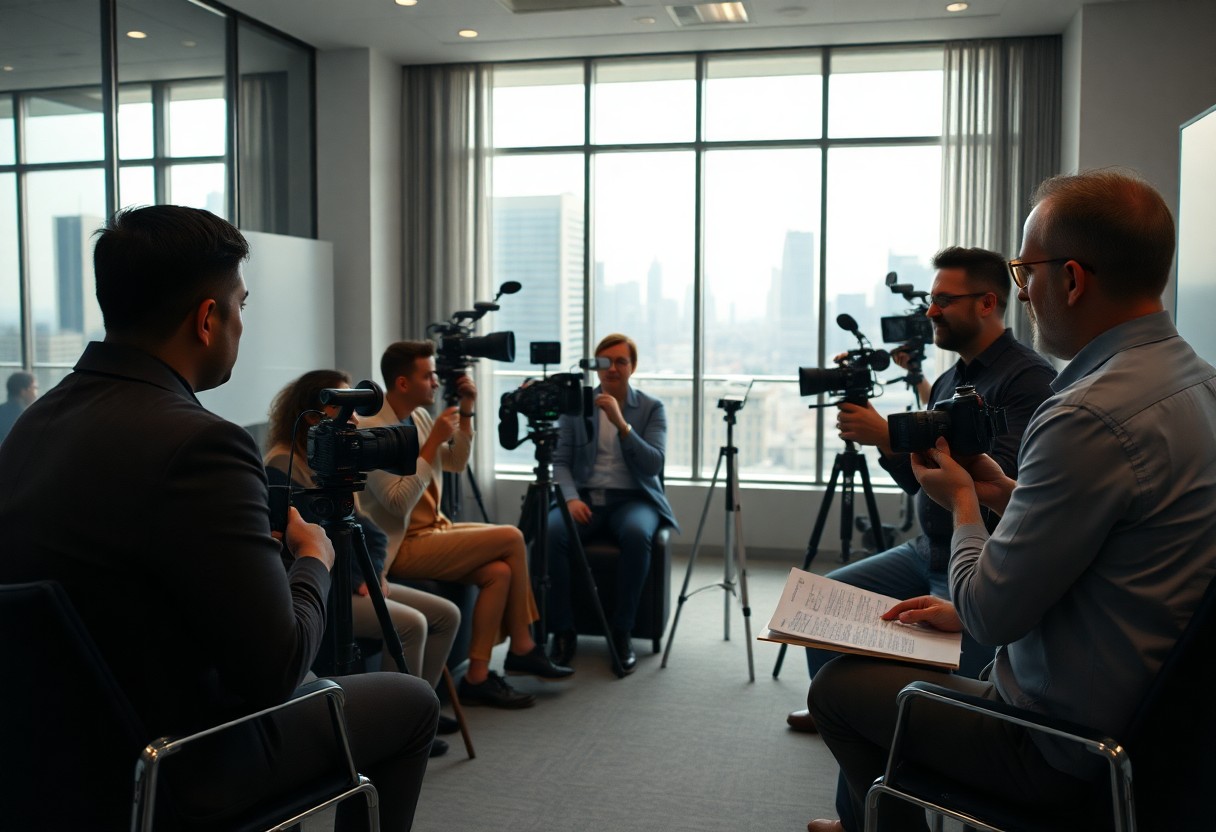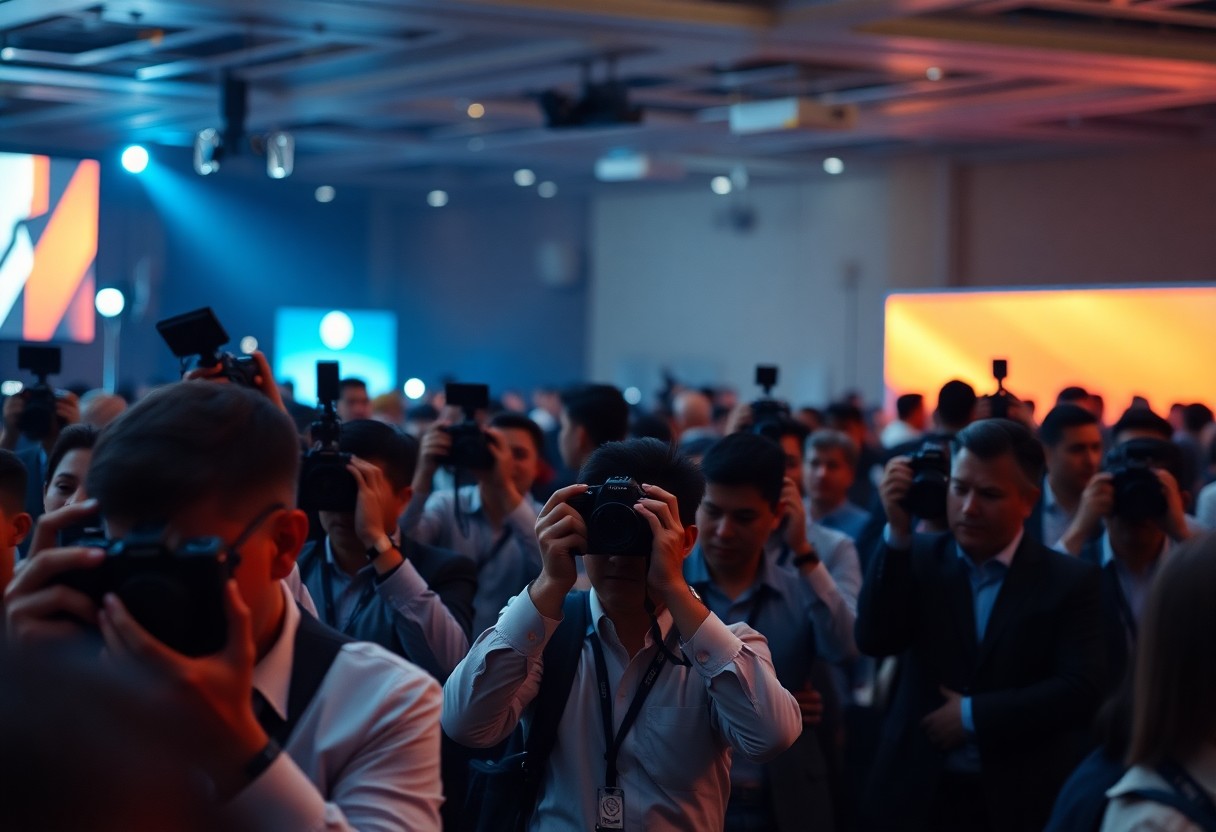

Tips for capturing memorable moments at corporate events can elevate your photography skills and create lasting impressions for your clients. Whether you’re a beginner or an experienced photographer, understanding the vital techniques, equipment, and approaches will help you develop stunning images that truly represent the spirit of the occasion. In this guide, we’ll explore tried-and-true methods and best practices tailored specifically to corporate event photography, ensuring you leave with a portfolio that highlights your professional expertise and creativity.
Understanding Corporate Event Photography
Before you probe the world of corporate event photography, it’s important to grasp its unique characteristics. This genre of photography focuses on capturing the essence of a brand through professional events, meetings, and conferences. Your goal is to showcase the atmosphere, highlights, and interactions that reflect your company’s values and message.
Types of Corporate Events
On entering corporate events, you’ll encounter various types that require specific photographic approaches. Each event type presents unique opportunities for storytelling through your lens.
| Event Type | Description |
| Conferences | Large gatherings focused on knowledge sharing. |
| Corporate Retreats | Events aimed at team building and relaxation. |
| Product Launches | Showcases for new products or services. |
| Trade Shows | Exhibitions to promote products and services. |
| Networking Events | Opportunities for professionals to connect. |
This gives you a well-rounded perspective on the variety of events you might cover.
Key Objectives of Corporate Event Photography
Any successful corporate photographer understands the primary goals of documenting events. Your images should not only capture moments but also serve specific objectives that benefit your organization.
A key objective is to build brand recognition and provide visual narratives that can be utilized for marketing and PR efforts. High-quality images can be leveraged for social media campaigns, website content, and reports, reinforcing your company’s brand identity. Additionally, capturing candid moments fosters relationships and showcases the atmosphere, engaging both your employees and clients. Ultimately, you want your photographs to create lasting impressions that communicate your company’s message effectively.
Essential Tips for Successful Event Photography
There’s no substitute for preparation when it comes to capturing stunning event photographs. To ensure your success, consider the following tips:
- Scout the venue in advance
- Communicate with event organizers
- Prepare a shot list
- Arrive early to set up your gear
- Be adaptable to the event’s flow
Thou shall equip yourself with both technical skills and an eye for detail to create beautiful memories.
Pre-Event Planning
Little effort goes a long way when it comes to pre-event planning. By discussing the event details with your client, you can identify specific moments they want captured and establish a timeline for the day’s activities. Additionally, visiting the venue beforehand allows you to visualize potential shots, ensuring that you are well-prepared to capture the essence of the event.
Engaging with Clients and Guests
The key to successful event photography lies in your ability to engage with clients and guests. Building rapport helps to create a comfortable environment, allowing everyone to relax and be themselves in front of the camera. This friendly interaction not only enhances the overall atmosphere but also results in more authentic and captivating images that truly reflect the occasion.
Photography thrives on the connections you forge with your subjects. When you actively engage with guests, they feel more at ease, leading to genuine expressions and candid moments. Ask questions, participate in conversations, and be approachable. This individual attention cultivates an inviting atmosphere, which ultimately translates into meaningful photographs capturing the energy and joy of the event.
The Step-by-Step Guide to Capturing Moments
| 1. Outline your shots: | Decide on key moments and people to photograph before the event. |
| 2. Communicate with clients: | Understand their expectations and any specific moments they want to capture. |
| 3. Be observant: | Look for spontaneous moments and interactions throughout the event. |
| 4. Engage with guests: | Build rapport and make them feel comfortable in front of the camera. |
Preparing Your Equipment
Step-by-step, you should check your camera gear before the event to ensure everything is functioning properly. Pack your lenses, ensure you have sufficient memory cards and batteries, and clean your equipment. This preparation will enable you to focus on capturing the essence of the event rather than worrying about gear malfunctions.
Real-Time Photography Strategies
One of the keys to effective event photography is adapting your approach in real time. This means staying alert and ready to capture candid moments as they unfold. Use a fast lens to take advantage of low light settings, and choose the right shutter speed to freeze action while maintaining clarity.
Plus, anticipate interactions, such as laughter, speeches, or dance-offs, by positioning yourself proactively. This means observing the environment and understanding the flow of the event, allowing you to be in the right place at the right time. Don’t hesitate to move around and change your angles to get the best compositions. This proactive mindset ensures you capture authentic and memorable moments that showcase the event’s energy.
Factors Influencing Event Photography Success
Despite the best intentions, several factors can influence the success of your corporate event photography. Key considerations include:
- Lighting conditions
- Venue layout and design
- Guest engagement
- Equipment readiness
- Timing of key moments
Thou will find that understanding these elements can significantly enhance your photography outcomes.
Lighting Conditions
You should assess the lighting conditions at your venue to achieve the best results. Utilizing natural light when possible can elevate your photos, while artificial lighting may need adjustments to avoid harsh shadows. Familiarize yourself with the equipment that best suits the environment, and be prepared to adapt swiftly for optimal image quality.
Venue Layout and Design
Factors such as the layout and design of the venue play a significant role in your photography outcomes. The arrangement of tables, stages, and seating can affect your access and angles, ultimately influencing the composition of your shots.
Photography flows more smoothly when you understand the venue’s spatial dynamics. Plan your shots proactively by identifying vantage points that capture the essence of the event. Highlighting the venue’s aesthetics enhances the narrative of your photographs, encapsulating both the atmosphere and the interactions between attendees.
Pros and Cons of Corporate Event Photography
Once again, understanding the advantages and disadvantages of corporate event photography can help you make informed decisions for your next event. Below is a breakdown of the pros and cons to consider:
| Pros | Cons |
|---|---|
| Captures key moments that can enhance company image | Can be costly, especially for high-quality services |
| Professional equipment ensures high-quality images | Requires careful planning and coordination |
| Conveys a sense of professionalism | Not every event needs professional coverage |
| Can be used for marketing and promotional materials | Potential for limited candid moments |
| Allows for creative storytelling | Logistical challenges on event day |
Advantages of Professional Photography
There’s no denying that hiring a professional photographer brings a host of benefits to your corporate event. With their expertise, they can effectively tell your brand’s story through captivating visuals, ensuring that the essence of the occasion is well captured. You’ll gain stunning images that can elevate marketing efforts, foster brand loyalty, and serve as a reminder of the event’s success.
Challenges and Considerations
Now, although corporate event photography has its perks, it also comes with challenges you must consider. Proper communication, a clear timeline, and understanding the photographer’s shooting style are crucial factors that can impact the overall experience and outcome of your event documentation.
Considerations for corporate event photography extend beyond just hiring someone with a camera. You need to think about the location, the type of event, and the message you want to convey. It’s advisable to have clear discussions with your photographer about your vision, including the style of photos you desire. Additionally, scheduling and coordinating with various stakeholders can be time-consuming. Ensuring that everyone is on the same page will help achieve cohesive results and maintain the event’s flow.
Post-Event Best Practices
To make the most of your corporate event photography, implementing post-event best practices is important. This phase involves not only delivering high-quality images but also fostering client relationships and ensuring their satisfaction. By following key steps, you can solidify your reputation as a reliable photographer and pave the way for future collaborations.
Editing and Delivering Photos
Editing images is a key step in ensuring that your photos meet professional quality standards. Take the time to enhance colors, adjust lighting, and apply any necessary corrections to create polished final images. Once completed, deliver the photos promptly in a format that makes it easy for your client to access and share them, whether through a private online gallery or a downloadable file link.
Following Up with Clients
On a successful note, follow-up communication is vital after delivering your photos. It helps strengthen the connection you’ve built during the event and ensures that your clients are satisfied with the results. A simple email or call to discuss their thoughts and obtain feedback will show your commitment to quality service.
This proactive approach not only demonstrates your professionalism but also opens doors for future opportunities. You can also take this chance to request testimonials or referrals, further enhancing your portfolio and expanding your network. By being attentive and approachable, you will leave a lasting impression, encouraging your clients to return for their future photography needs.
To wrap up
From above, capturing memorable moments at corporate events involves more than just clicking a button; it requires a strategic approach and an understanding of your audience. By applying the tips in this guide—such as planning, engaging with attendees, and utilizing the right equipment—you can enhance your photography skills and deliver impactful images that reflect the essence of the occasion. By focusing on these elements, you ensure that your photographs not only document the event but also tell a compelling story that resonates with viewers long after the event concludes.