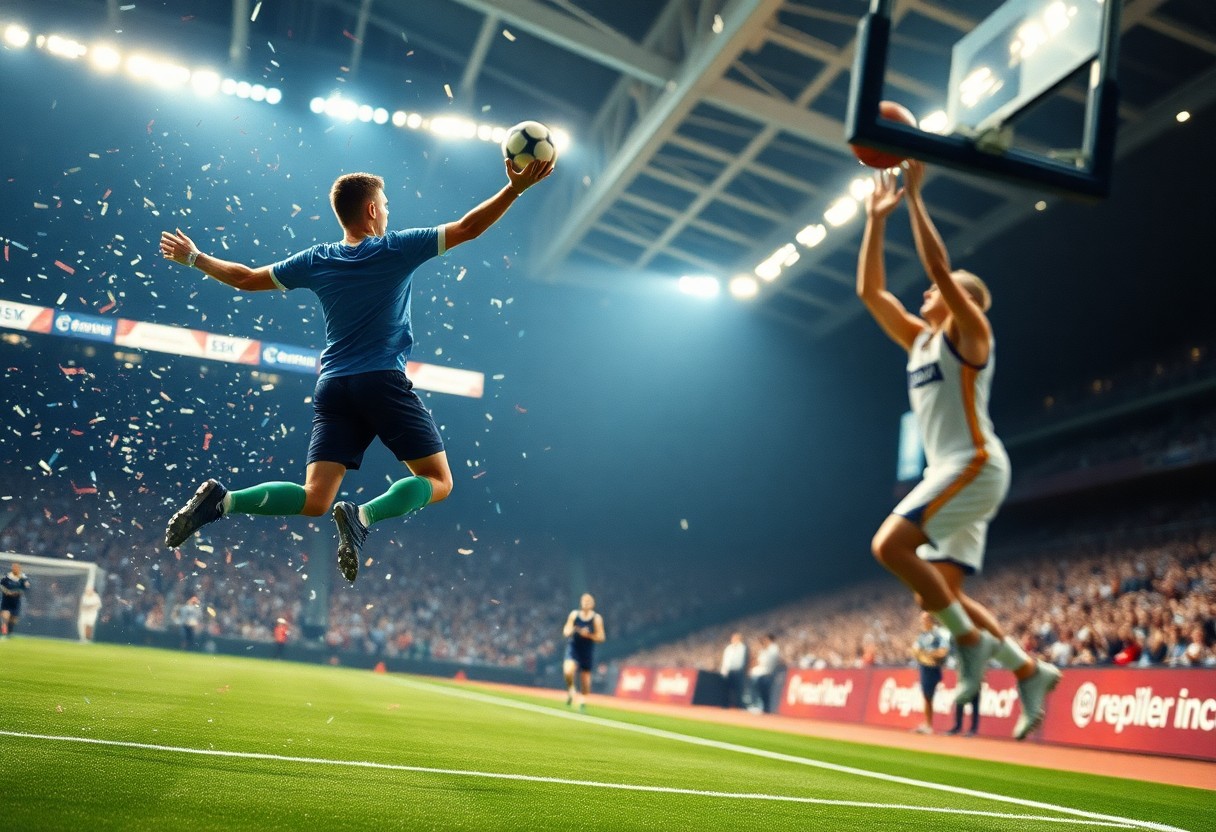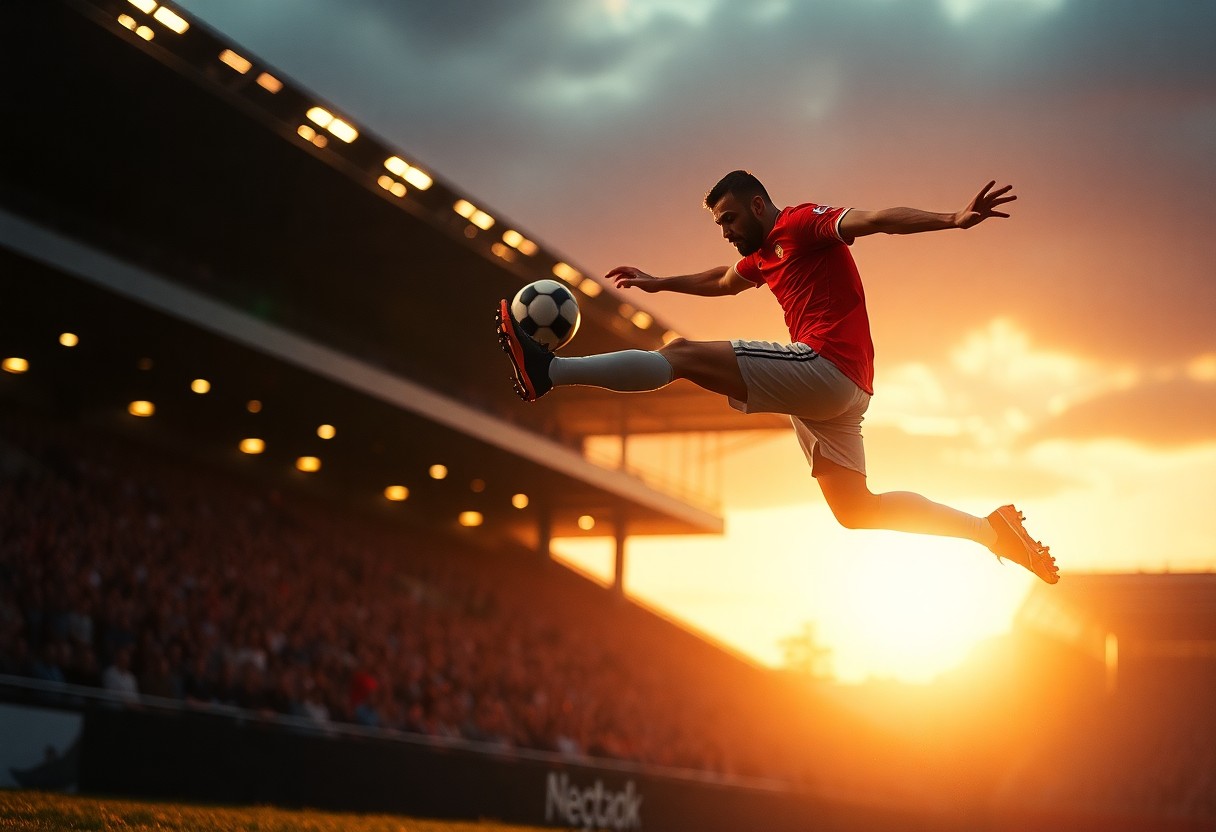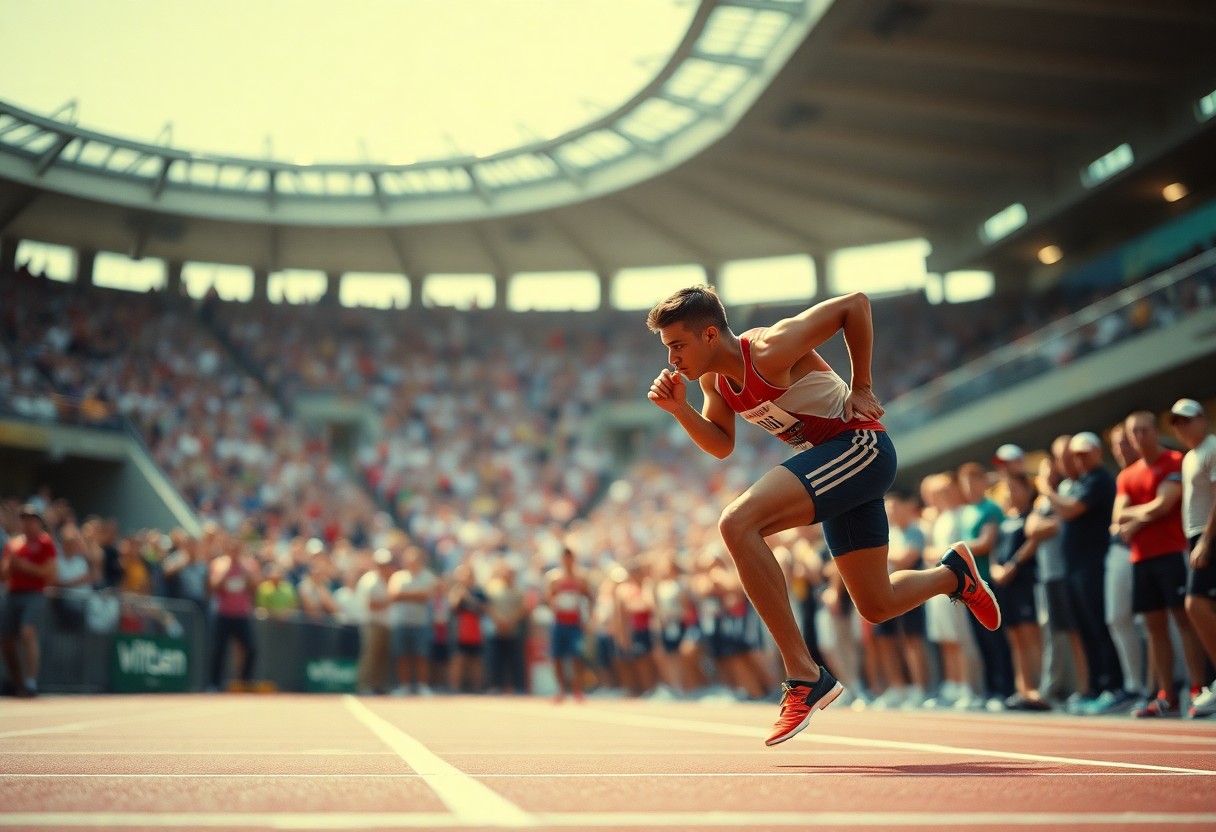
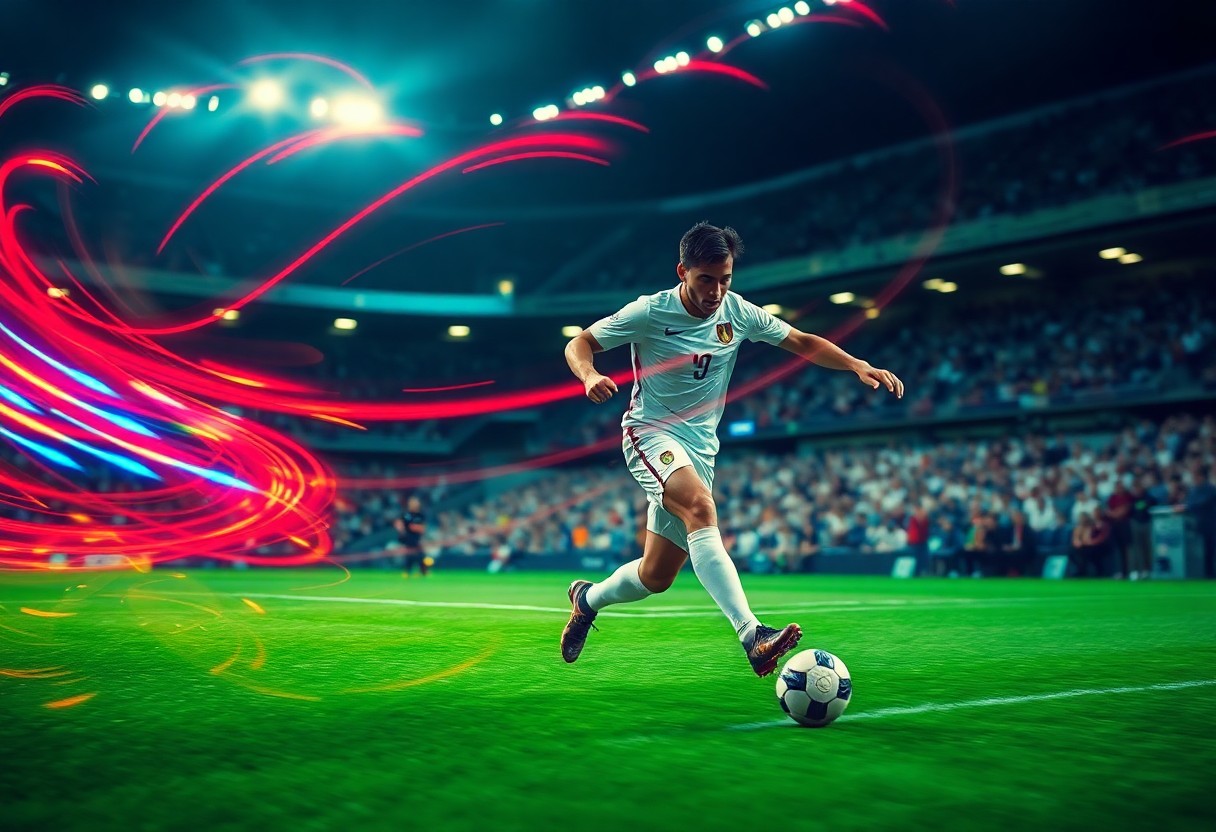
It’s imperative to explore innovative post-processing techniques that can elevate your sports imagery to new heights. By harnessing advanced editing methods, you can enhance the dynamism and emotional impact of your photographs. Techniques such as high dynamic range imaging, selective color adjustments, and motion blur effects can truly transform how your audience perceives the intensity of sporting events. In this blog post, you’ll discover how these cutting-edge approaches can help you achieve stunning visuals that captivate viewers and showcase the athleticism of your subjects.
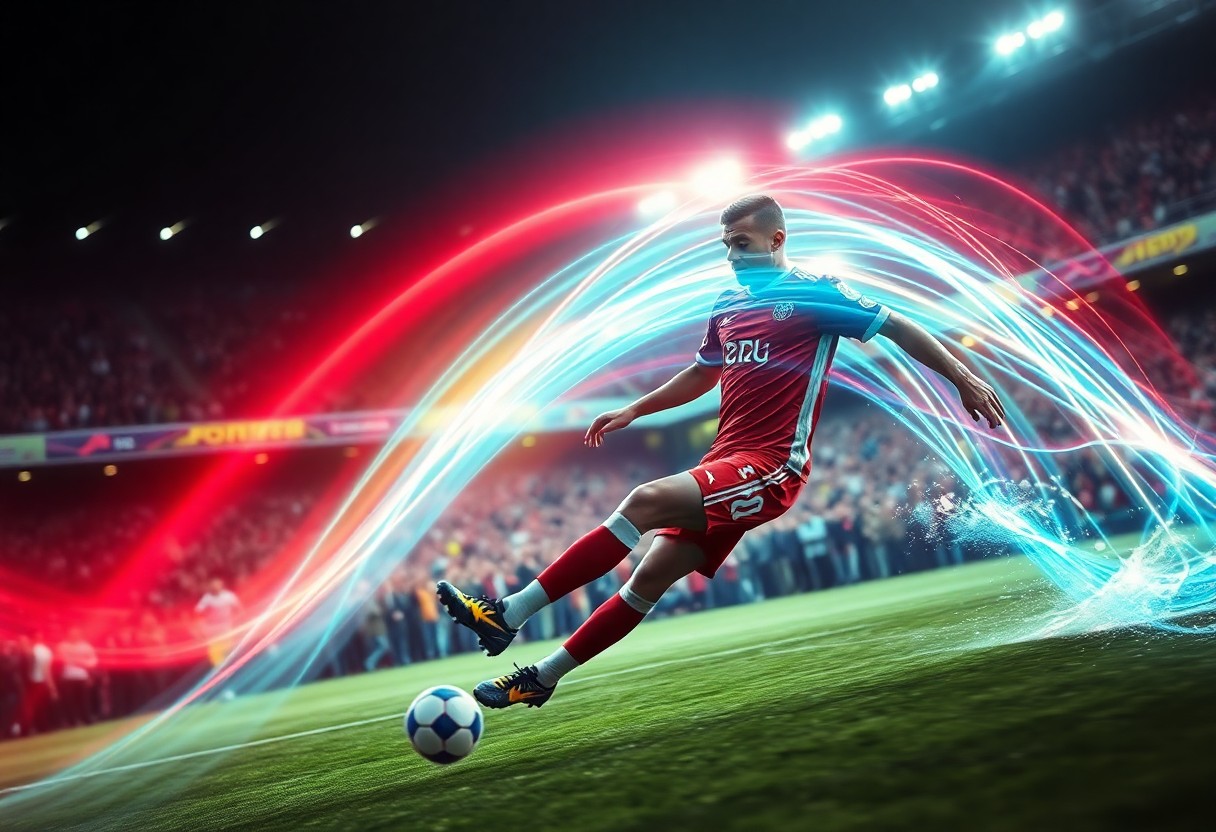
Understanding Post-Processing in Sports Imagery
Before submerging into the innovative techniques, it’s important to understand the role of post-processing in sports imagery. This phase is where your raw photographs transform into striking visuals that capture the dynamics of athletic performance. By refining colors, enhancing sharpness, or adding stylistic effects, you can elevate the emotional impact of your images and engage your audience more effectively.
Definition and Importance
Beside capturing the action, post-processing is integral to achieving that professional look in your sports photography. It allows you to correct imperfections, create a unique style, and emphasize the energy and emotion present in sports. By mastering this stage, you can significantly enhance your storytelling ability, making your images resonate with viewers.
Key Software and Tools
Software options abound for post-processing, but knowing which ones align with your artistic vision is important. Programs like Adobe Lightroom and Photoshop are industry standards, offering robust editing features, while specialized tools like Capture One provide tailored solutions for sports photographers seeking premium output.
Indeed, choosing the right software can dramatically influence your post-processing workflow. Lightroom is particularly beneficial for batch editing and color correction, enabling you to manage large volumes of sports photos efficiently. Meanwhile, Photoshop excels at more intricate edits, such as retouching or composite images. Other alternatives, like Luminar and ON1 Photo RAW, also offer powerful capabilities tailored to different editing needs. Prioritizing familiarity with these tools will empower you to execute your creative vision seamlessly.
Enhancing Colors and Contrast
One of the most effective ways to elevate your sports imagery is by enhancing the colors and contrast, which can transform a good shot into a stunning visual experience. Utilizing advanced post-processing techniques allows you to emphasize the vibrancy of jerseys, the dynamic movements of athletes, and the overall energy of the scene. By applying thoughtful adjustments, you can create engaging imagery that draws viewers in and captures the spirit of the action.
Color Correction Techniques
Beside adjusting brightness and contrast, applying color correction techniques is vital for conveying the right mood in your sports imagery. You should ensure that the colors remain true to life, while still enhancing the vibrancy of the shot. Consider these key techniques:
- White Balance Adjustment
- Saturation and Vibrance Tweaks
- Selective Color Adjustments
Advanced Contrast Adjustments
Adjustments in contrast can deeply influence the perception of your sports images, helping to highlight details and create visual depth. By varying the contrast levels selectively or globally, you can guide your audience’s attention to specific aspects of the scene. Here are some advanced techniques you can explore:
| Technique | Description |
|---|---|
| Clarity Adjustment | Enhances midtone contrast for added texture. |
| Dynamic Range Expansion | Boosts details in shadows and highlights. |
| Local Contrast Enhancements | Targets specific areas for greater emphasis. |
At the core of advanced contrast adjustments lies the need to balance aesthetics with clarity. By skillfully using tools such as curves and levels, you can create dramatic effects or subtle enhancements depending on the narrative you wish to portray. Implementing these techniques will ensure your images are not only captivating but also professionally refined. Consider the following approaches:
- Utilize the Tone Curve Tool
- Experiment with Gradient Filters
- Layered Contrast Techniques
Utilizing HDR Imaging
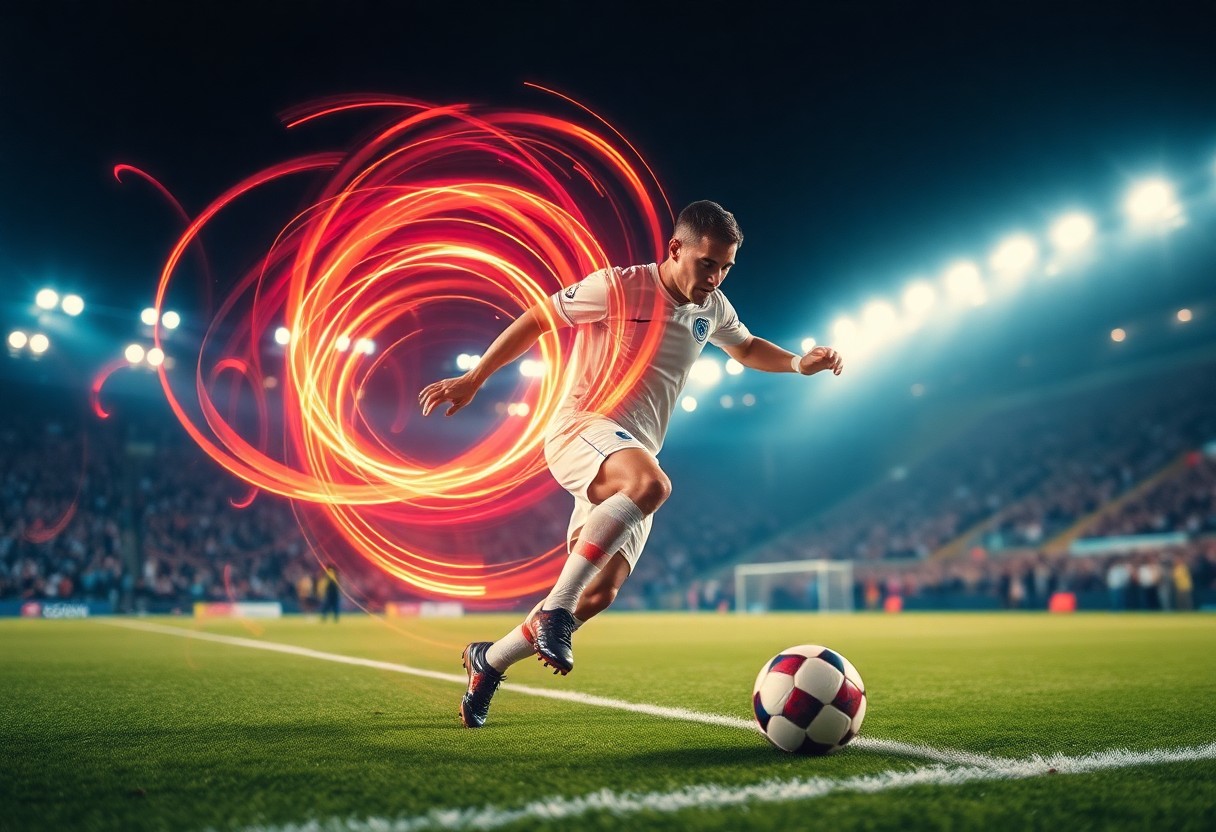
Even in the high-energy world of sports photography, HDR imaging can transform your shots into dynamic visual storytelling. By blending multiple exposures, you enhance the details in both shadows and highlights, allowing your images to pop with vibrancy and depth. This technique is particularly advantageous for capturing the fast-paced action of sports events, as it ensures that every element of the scene is well-defined and impactful.
What is HDR?
Beside traditional photography, High Dynamic Range (HDR) is a method that involves merging several images taken at different exposure levels. This approach allows you to create a single image that captures the full tonal range of a scene, resulting in a striking visual that showcases both the minute details and the dramatic contrasts often found in sports settings.
Best Practices for Sports Photography
Best practices for sports photography using HDR include ensuring that your camera is stable, often through the use of a tripod, to avoid motion blur while capturing multiple exposures. Additionally, you should select the right moments—ideally during critical action sequences when lighting can vary greatly—to maximize the benefits of HDR. It’s also recommended to shoot in RAW format to retain the most detail for post-processing.
Sports photography often involves unpredictable lighting and rapid movements, making HDR a valuable tool for you. If you master the technique of capturing multiple exposures effectively, you can elevate your imagery substantially. Pay attention to the timing of your shots, and minimize camera shake for optimal results. Using image editing software to blend exposures will allow you to fine-tune contrasts and enhance colors, ultimately leading to images that are as exhilarating as the sports themselves.
Creative Effects for Dynamic Movement
After capturing the energy of athletic performance, enhancing your sports imagery with creative effects can bring the dynamic movement to life. By incorporating innovative post-processing techniques, you can emphasize the action and intensity of the moment, creating images that not only tell a story but also resonate with your audience. This chapter will investigate into various approaches that make your sports photography stand out.
Motion Blur Techniques
Along with traditional photography, motion blur techniques can simulate speed and dynamism within your images. By intentionally blurring the background while keeping the subject in focus, you can enhance the feeling of movement. This technique draws attention to the athlete and emphasizes their powerful motions, making your images feel more alive and impactful.
Freeze Frame Techniques
To capture a moment in time and showcase the pinnacle of action, freeze frame techniques can be utilized to highlight critical instances during a sporting event. This approach not only emphasizes the athlete’s form and skill but also allows viewers to appreciate the nuances of motion that unfold in a split second.
Due to the fast-paced nature of sports, freeze frame techniques require precision and timing. You can achieve this effect by selecting moments of peak action, such as a basketball shoot or a runner hitting their stride. Leveraging high shutter speeds or utilizing specialized software can allow you to freeze those decisive moments, enabling fans to fully appreciate the athlete’s talent. This technique creates striking images that evoke emotion and excitement, ultimately enhancing your storytelling capabilities in sports photography.
Composite Imaging in Sports Photography
Despite the fast-paced nature of sports photography, composite imaging allows you to combine multiple elements into a single, dynamic shot. This technique not only enhances the storytelling aspect of your images but also lets you highlight various actions or moments from an event. By seamlessly blending different images, you can create unique and compelling photographs that capture the spirit of the sport in a way that a single image may not convey.
Layering Techniques for Depth
Techniques such as layering can add significant depth to your sports imagery. By stacking different exposures or moments within your frame, you can create a more immersive viewing experience. Adjusting the opacity and blending modes of each layer enhances the visual interest, drawing the viewer’s eye through the composition while maintaining focus on the action. This method not only emphasizes movement but also adds a rich textural quality to your photographs.
Creating Action Sequences
One effective way to tell a story through sports photography is by creating action sequences that visually narrate a specific movement or play. This involves capturing multiple frames of an athlete in motion and then combining them into a single image. By doing so, you can illustrate the athletic prowess or tension of a moment, making it more relatable and exciting for your audience.
Further, integrating action sequences into your work allows you to explore various techniques, such as motion blur and varying levels of detail, to enhance the viewer’s engagement. By showcasing the evolution of a movement—from the buildup to the climax—you create an arresting composition that not only captures the intensity of the sport but also invites viewers to feel as though they are experiencing the action firsthand. This storytelling approach elevates your sports imagery, transforming it from static moments into dynamic narratives.
The Role of Textures and Filters
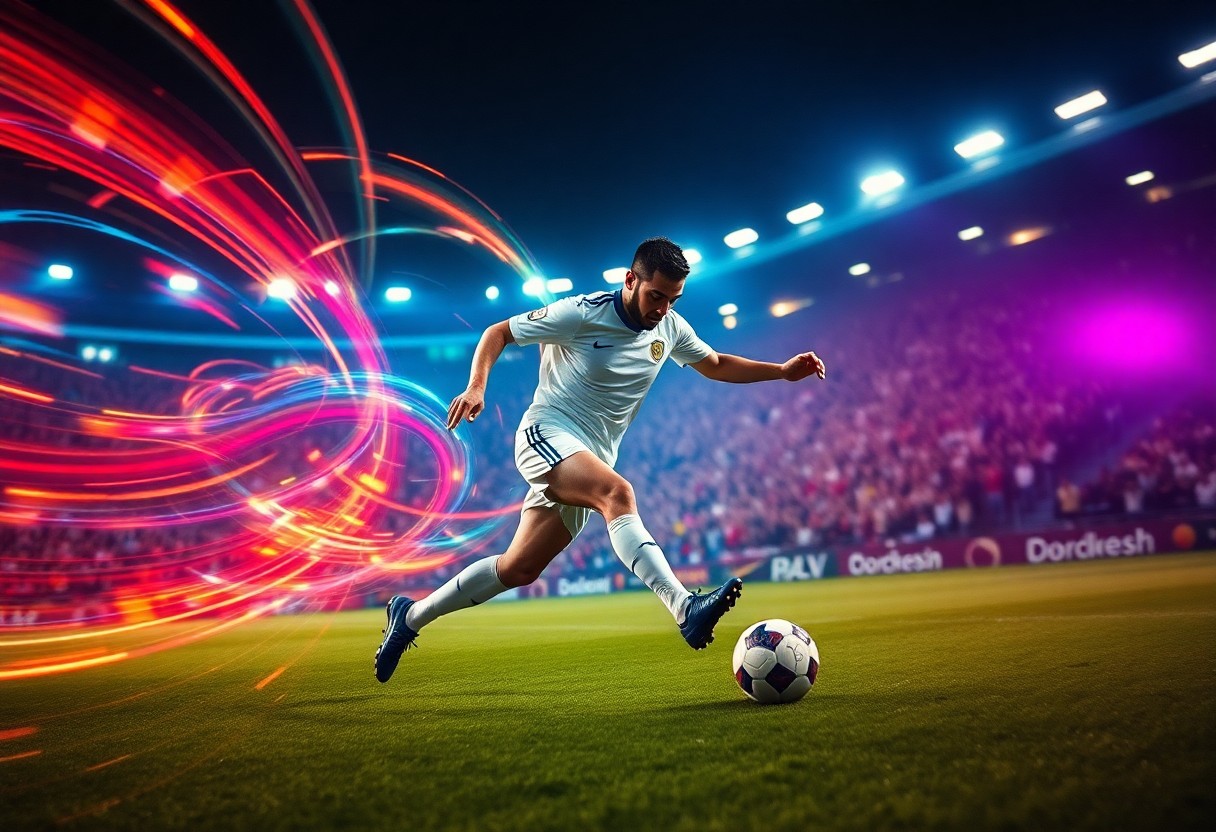
Unlike traditional photography, the use of textures and filters in post-processing can significantly transform your sports imagery. By incorporating these elements, you can enhance depth, add artistic flair, and evoke emotions that resonate with viewers. This not only makes your images stand out but also allows you to tell a compelling story through your photographs.
Adding Texture for Impact
Behind each impactful sports image, textures serve as a powerful tool to add depth and interest. You can experiment with various overlays, such as gritty surfaces or soft patterns, to create a mood that complements the action. Textures can accentuate movement, emphasize emotion, or even highlight the intensity of the moment, making your photographs more engaging.
Effective Filter Usage
Along with textures, the strategic use of filters can significantly enhance your sports images by adjusting mood and atmosphere. By tweaking color saturation, contrast, and brightness, you can create a distinctive style that resonates with your audience.
Another way to effectively use filters is by experimenting with various effects, such as vignette for focus or gradient filters for dynamic skies. Play with black and white or sepia tones to evoke nostalgia or drama. Ultimately, filters allow you to guide the viewer’s eye and highlight specific aspects of the scene, creating a lasting impression that elevates your work.
Summing up
The innovative post-processing techniques discussed can significantly elevate your sports imagery, allowing you to transform ordinary shots into compelling visual stories. By mastering techniques such as HDR, motion blur, and color grading, you can enhance the emotional impact of your images and better convey the intensity of the moment. Utilizing these tools not only sharpens your skills but also sets your work apart in a competitive field. Embrace creativity and let these methods guide you toward stunning, professional-quality sports photography.