Just as athletes train their bodies to improve performance, you can enhance your sports photography skills by developing an eye for the unseen. This involves honing your ability to identify unique moments and subtle details that others may overlook. In this post, we will explore practical techniques and tips to help you capture dynamic, compelling images that tell a story beyond the standard action shots. By embracing creativity and observation, you can elevate your photography and connect more deeply with the essence of the sport.
Understanding the Essence of Sports Photography
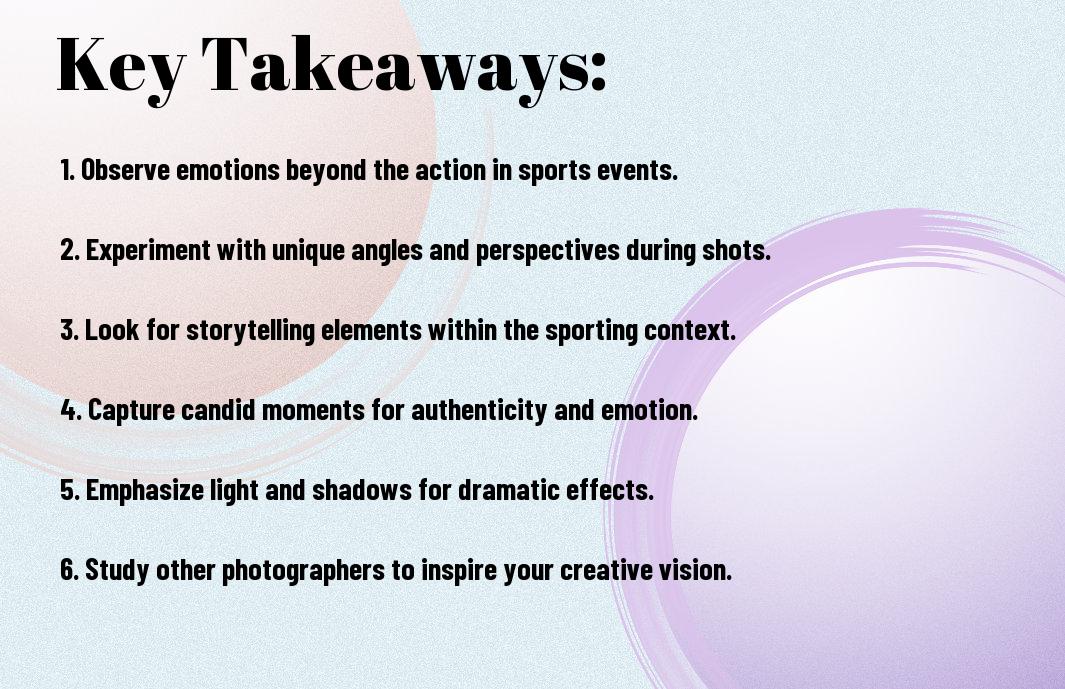
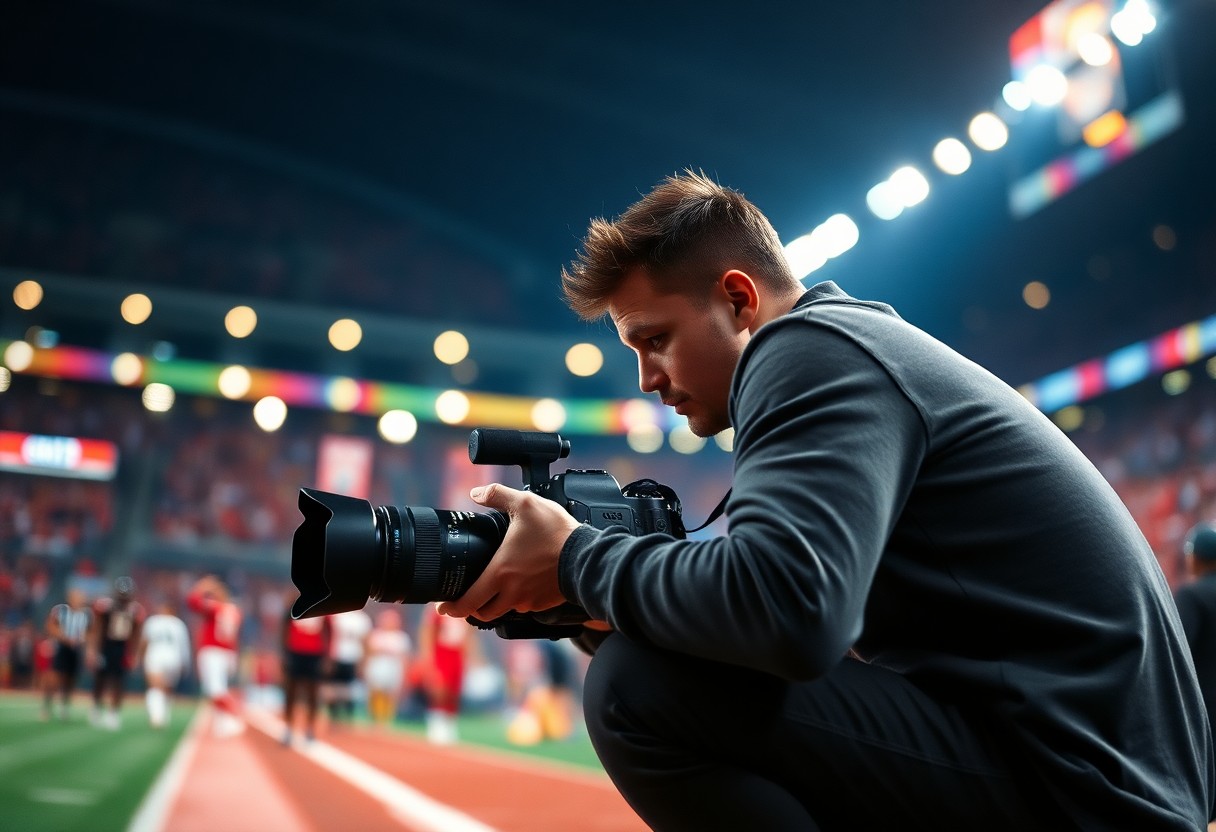
For any aspiring sports photographer, understanding the essence of the genre goes beyond merely capturing players in action. It encompasses the dynamics of movement, the spirit of competition, and the significance of the moments that unfold in front of you. By delving into these elements, you can develop your unique perspective and enhance your ability to convey the energy and excitement inherent in sports.
The Importance of Timing
With sports photography, timing is everything. The brief moments that define a game, such as a goal being scored or an athlete crossing the finish line, require you to be both patient and quick. The ability to anticipate these pivotal instances can result in breathtaking images that immortalize the thrill of victory or the agony of defeat.
Capturing Emotion and Storytelling
Understanding the emotional landscape of sports can elevate your photography to new heights. It’s not just about the action but the human experiences that unfold within it. Intense concentration, relief, joy, and despair are all part of the narrative that surrounds any sporting event, and capturing these emotions can tell a compelling story.
Hence, your focus should be placed on the athletes’ faces, their body language, and the reactions of the crowd. By observing these elements, you can research deeper into the emotional narrative of the game. The best sports photographs often evoke a visceral response, transcending the mere visual and resonating with viewers on a personal level, thereby strengthening their connection to the sport and the athletes involved.
Developing a Unique Perspective
Any sports photographer has the opportunity to stand out by cultivating a unique perspective in their work. This involves not only mastering technical skills but also developing a distinct style that reflects your vision. By seeing beyond the ordinary, you can capture the essence of athleticism and emotion in ways that speak to your audience, making your images memorable and impactful.
Experimenting with Angles and Compositions
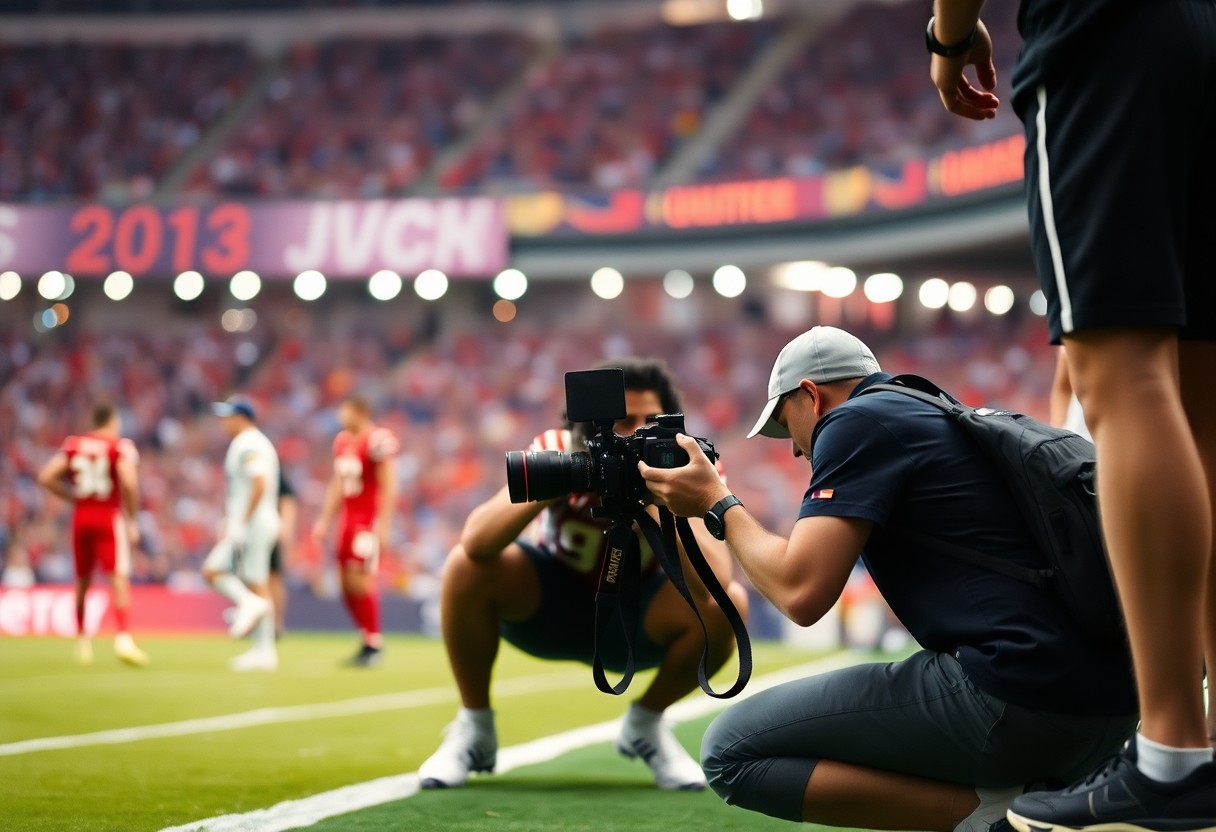
An effective way to enhance your photography is through experimentation with angles and compositions. By shooting from different heights, distances, and perspectives, you can discover fresh ways to convey action and emotion, bringing a new layer of storytelling to your images.
The Role of Lighting in Creating Mood
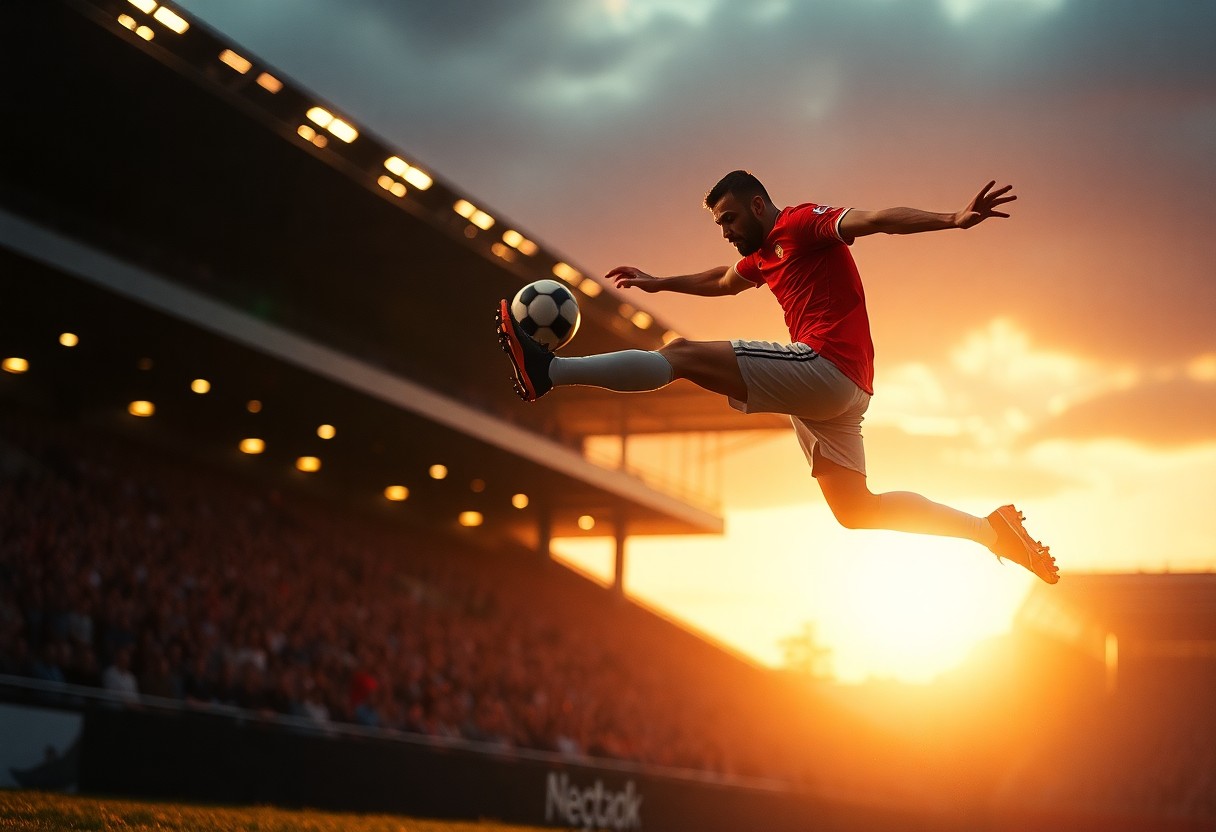
To achieve dynamic images, understanding the role of lighting is vital. The interplay between light and shadow can dramatically affect the mood of your photographs, enhancing the emotions of the moment. Utilize natural light during golden hours or experiment with artificial lighting to set the atmosphere that speaks to the story behind the sport.
Angles and light interact seamlessly to define the mood of your photographs. Soft, diffused light can evoke feelings of nostalgia, while harsh shadows can impart drama and intensity. Adjusting your shooting position in relation to the light source can amplify these effects, allowing you to manipulate how your viewers perceive the scene. By considering both elements together, you can create striking images that resonate with your audience and bring the unseen aspects of sports to life.
The Art of Anticipation
Despite the fast-paced nature of sports, cultivating an anticipated eye can greatly enhance your photography skills. Understanding when and where to capture a moment requires keen observation and an innate sense of timing. This art of anticipation allows you to freeze significant events that might otherwise go unnoticed, providing depth and narrative to your sports imagery.
Observing Patterns in the Game
Anticipation leads you to observe repeated plays and strategies during a game. By recognizing these patterns, you can predict key moments that will unfold, such as a player gearing up for a shot or a team preparing for a unique play. This foresight enables you to position yourself advantageously, resulting in powerful and evocative images that capture the essence of the sport.
Reading the Athletes’ Body Language
About understanding the subtle cues conveyed by athletes, you can enhance your photography by analyzing their body language. Each gesture, posture, and expression conveys emotion and intent, providing you insights into their mindset and interactions during the game.
Consequently, by honing in on athletes’ body language, you can learn to foresee moments of tension, triumph, or disappointment. Observing their facial expressions and movements will help you recognize the buildup to pivotal events, ensuring you’re poised to capture powerful imagery that tells a compelling story. Paying attention to these non-verbal signals gives you a significant advantage in understanding the flow of the game.
Techniques for Shooting the Unseen Moments
Keep your eyes peeled for moments that tell a story beyond the game itself. Incorporate innovative techniques to capture the emotion, intensity, and unexpected occurrences that may easily be overlooked. By being aware of your surroundings and anticipating the action, you can align yourself with the unseen elements that elevate your sports photography to a higher level.
Utilizing Burst Mode and Continuous Shooting
Against the unpredictable flow of sports, utilizing burst mode or continuous shooting allows you to capture multiple frames in quick succession. This technique ensures you don’t miss fleeting moments filled with emotion or unexpected gestures. By holding down the shutter button, you can document those split-second events that truly convey the spirit of the game.
Mastering Post-Processing to Enhance Details
Among the strategies that elevate your sports photography, mastering post-processing is important for enhancing the details that might be lost in the heat of action. Fine-tuning your images allows you to bring out the vibrancy and emotion, making each shot more impactful and engaging.
Hence, post-processing serves as a valuable tool to refine your images. Using software like Adobe Lightroom or Photoshop, you can adjust exposure, contrast, and sharpness to highlight the unseen details. Cropping can also help focus on emotional expressions or decisive moments, giving your photographs a professional edge. Spend time learning these techniques to transform your sports shots into powerful visual narratives that resonate with your audience.
Building Your Portfolio
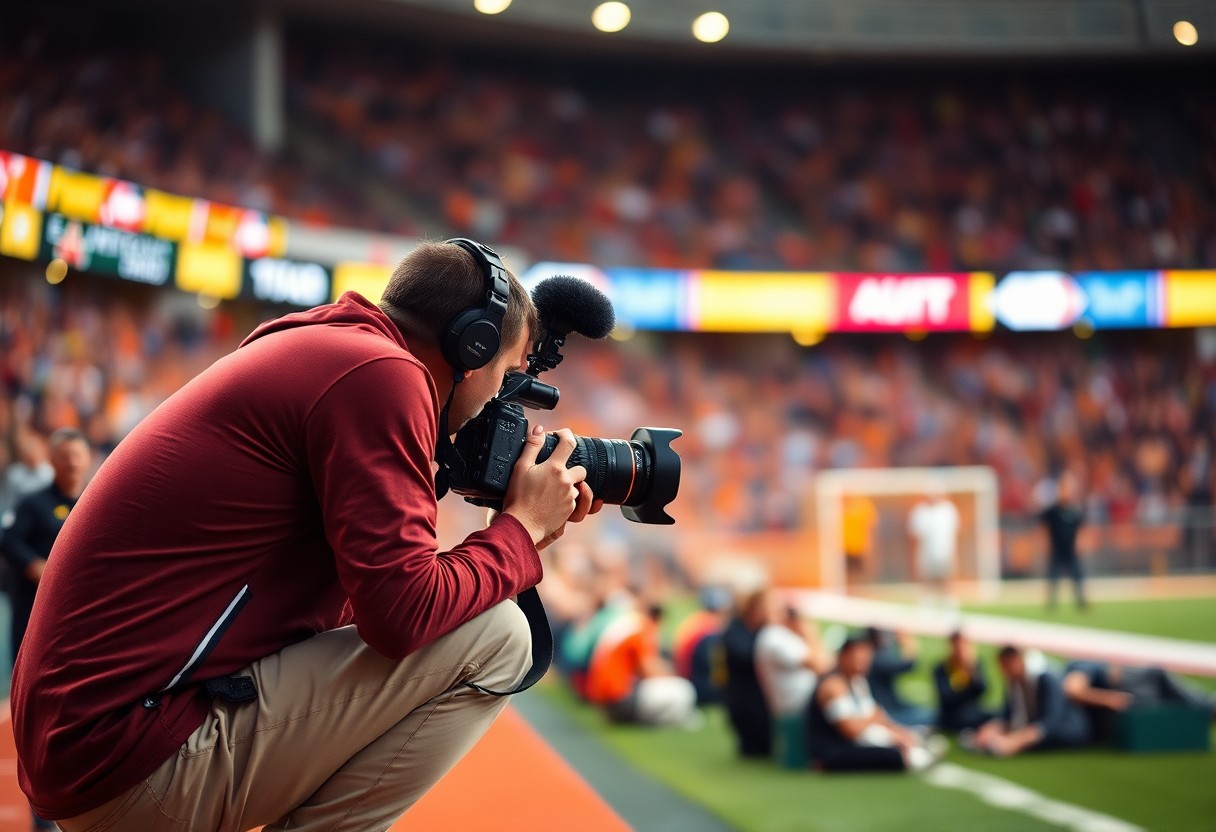
Now, as you strive to cultivate an eye for the unseen, building an engaging portfolio is crucial. Your collection should not only showcase your best work but also reflect your unique perspective as a sports photographer. Curate images that capture the intensity, emotion, and energy of the sport, highlighting your ability to tell a compelling story through your lens.
Curating a Body of Work that Stands Out
The key to a standout portfolio lies in selecting images that resonate with your audience. Focus on variety while maintaining a cohesive theme that speaks to your vision. Whether it’s candid moments, dynamic action shots, or striking portraits, choose images that evoke emotion and convey the narrative of the sport.
The Importance of Personal Style
Below, having a distinct personal style in your photography sets you apart from others in the field. Your style is an extension of your creativity, allowing you to express your individual perspective and approach to sports. This uniqueness not only enhances your portfolio but also helps you connect with your audience on a deeper level.
That connection is vital, as it encourages viewers to engage with your work. Developing your personal style involves experimenting with various techniques, compositions, and editing styles until you find what resonates with you. This exploration ultimately shapes your artistic voice, making your portfolio a true reflection of your passion and vision as a sports photographer.
Networking and Sharing Your Work
All photographers benefit from networking and sharing their work within the community. Engaging with like-minded individuals can open doors to new opportunities, collaborations, and the sharing of valuable insights. Attend photography workshops or events, join local or online groups, and connect with other sports photographers to exchange ideas, experiences, and feedback. Building strong relationships within this community will enrich your creative journey and help you gain inspiration from different perspectives.
Engaging with the Photography Community
Any interaction you have with fellow photographers, whether online or in-person, can significantly impact your growth and development. By joining photography clubs or participating in competitions, you will not only showcase your own work but also learn from others. Sharing experiences and techniques fosters collaboration and enriches your understanding of the field.
Leveraging Social Media Platforms
An effective way to showcase your sports photography is through social media platforms. They offer a vast audience that can appreciate and engage with your work while connecting you with other talented photographers and potential clients.
Even more, by consistently posting your unique shots on platforms like Instagram, you can attract followers who share your passion for sports photography. Utilize hashtags relevant to your niche, participate in photography challenges, and engage with your audience through comments and messages. This authentic interaction not only builds your network but also enhances your visibility as a photographer, ultimately leading to more opportunities in the industry.
To wrap up
With these considerations, you can cultivate an eye for the unseen in sports photography by honing your observational skills and embracing spontaneity. Engage deeply with the sport to understand its nuances, allowing you to anticipate moments that others may overlook. Experiment with varied angles, lighting, and compositions to discover fresh perspectives. Ultimately, your ability to capture the emotion and energy of the scene will deepen your connection to the sport and enhance your photographic storytelling.