Most photographers struggle to tap into their full creative potential, often feeling restricted by technical limitations. In this guide, you will discover how to unlock your creative photography skills in just minutes, enhancing your work and elevating your unique style. You’ll learn vital tips that focus on composition, lighting, and experimenting that will unleash your imagination and turn ordinary pictures into stunning visuals. Get ready to transform your photography journey and take stunning images that truly resonate with your vision.
Key Takeaways:
- Experiment with different angles and perspectives to find unique compositions.
- Understand the basics of lighting and how it affects the mood of your photos.
- Practice using manual settings on your camera to gain full control over your shots.
- Incorporate storytelling into your images to engage your audience more effectively.
- Continuously analyze and critique your work to identify areas for improvement.
Capturing the Moment: The Art of Observation
Developing your eye for detail transforms mere photography into a storytelling art form. Observation is not just about seeing; it’s about *noticing* the subtleties within your environment. As you venture into the world of photography, learn to identify patterns, colors, and emotions that can add depth to your images. Whether it’s the way light creates shadows, the symmetry in architecture, or the candid expressions of people, training yourself to see beyond the obvious opens a wealth of photographic opportunities. This practice will not only improve your skills but also heighten your appreciation of everyday life.
Techniques for Enhancing Visual Awareness
To enhance your visual awareness, take time to explore your surroundings with new eyes. Establish a practice of *deliberate observation*, where you focus on a specific subject or scene for an extended period. This not only sharpens your focus but also helps you identify details you might typically overlook, like unusual textures or compelling color contrasts. Utilizing tools such as sketching, journaling, or even meditative practices can heighten your engagement with the world around you, resulting in photographs infused with a richer narrative quality.
Practicing Mindfulness with Your Camera
Integrate mindfulness into your photography by slowing down and connecting with the moment. Instead of rushing to capture an image, take a few moments to inhale deeply, observe the scene, and assess how you want to frame your shot. Allow yourself to become part of your environment, tuning into ambient sounds, smells, and feelings. By fully immersing yourself, you not only enhance your photographs, but you also cultivate a sense of peace and clarity that can radically influence your creative output.
Practicing mindfulness with your camera involves creating a ritual around your photography sessions. Start by setting intentions before you head out. This can include focusing on a theme or a particular emotion you wish to convey. During your shoot, keep checking in with yourself—how does the scene feel? What captures your attention? By consistently engaging with these questions, you cultivate a heightened state of awareness that allows for spontaneous, authentic captures. This deeper connection to your surroundings can yield stunning results, paving the way for photographs that go beyond mere documentation and reflect a piece of your experience.
Light: The Photographer’s Secret Weapon
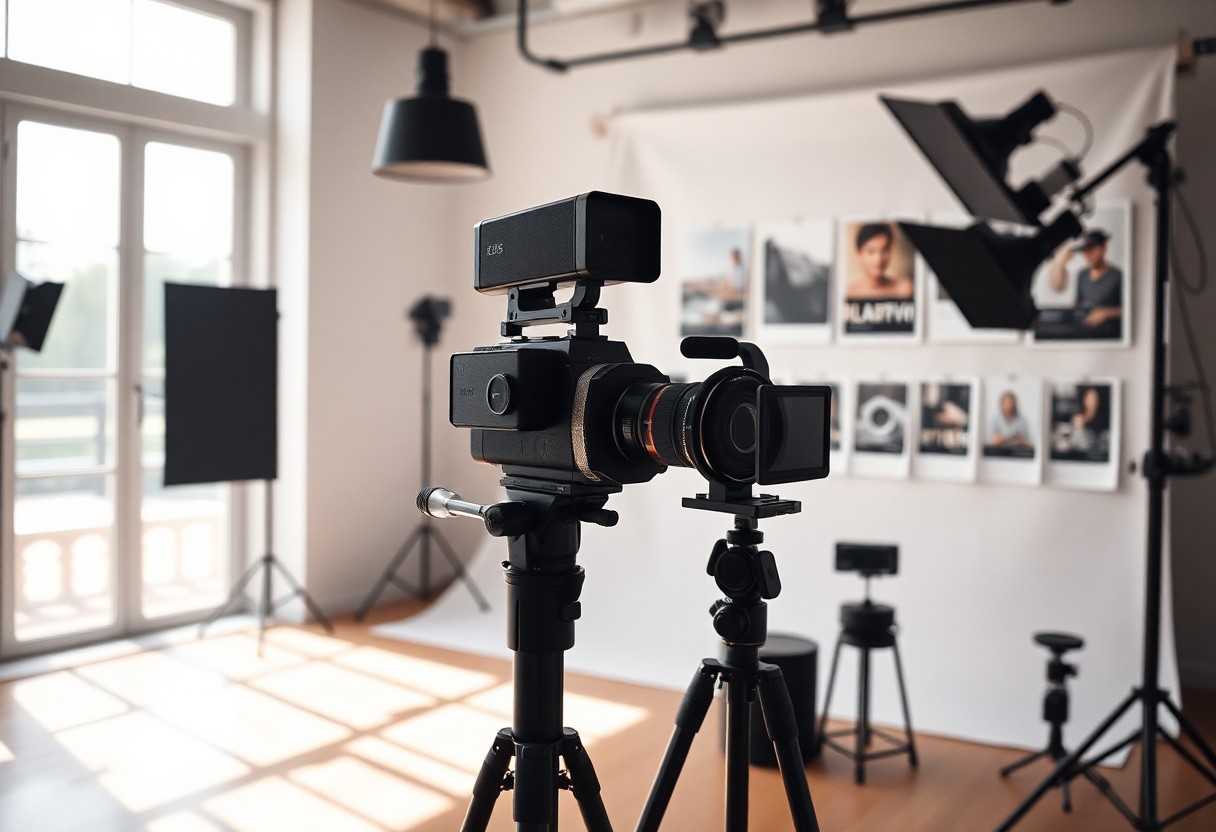
Mastering light can elevate your photography from simple snapshots to captivating art. Natural and artificial light play pivotal roles in shaping your images, and understanding their nuances opens a world of creative possibilities. You can manipulate light to emphasize textures, enhance colors, and evoke emotions, allowing your photographs to tell compelling stories that resonate with viewers.
Understanding Natural vs. Artificial Light
Natural light, sourced from the sun, offers a dynamic range of color temperatures that change throughout the day, creating soft or harsh shadows. In contrast, artificial light provides greater control in terms of intensity and direction, allowing you to create specific moods and effects. By discerning the qualities of both, you can make informed decisions about when and how to use each type effectively in your photography.
Utilizing Available Light to Create Depth and Emotion
Available light introduces unique challenges and opportunities in photography. Harnessing it effectively can infuse your images with powerful emotional undertones, drawing viewers into a visual narrative. Experiment with shadow and highlight to enhance texture and dimension, making your subjects appear more lifelike. Think about how light interacts with your environment: a soft glow filtering through trees can evoke tranquility, while dramatic contrasts during golden hour can inject urgency and passion into your images.
Available light not only defines the aesthetic of your shots but also adds a layer of storytelling that static scenes can’t convey. Consider how the quality and direction of light interact with your subject’s features; for example, side lighting can highlight facial contours and textures, enhancing emotional expressions. Moreover, shooting during dawn or dusk creates a magical atmosphere, with warm colors occupying the frame. This transformative quality of light encourages you to capture moments that feel intimate and engaging, driving a deeper connection between the viewer and the subject. Leveraging these principles allows you to create powerful narratives grounded in the interplay of light and settings.
Composition Mastery: Framing Your Vision
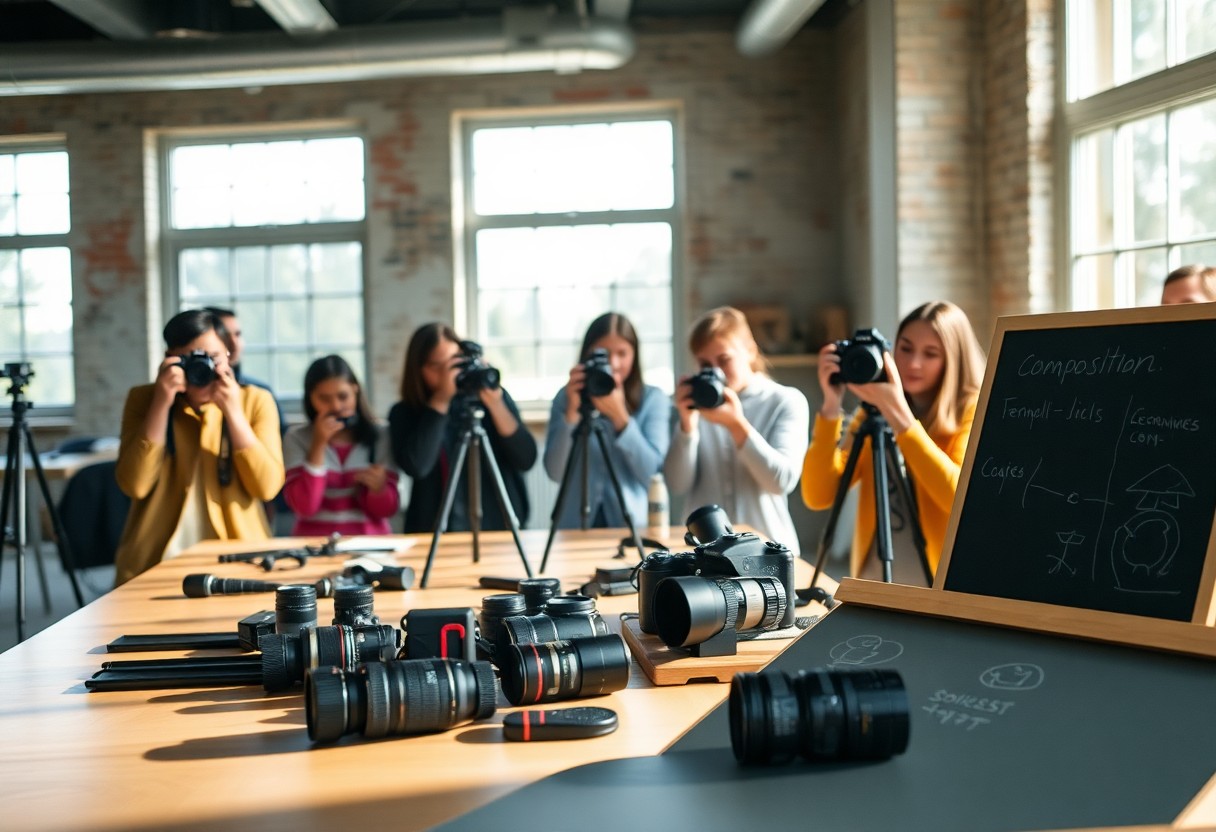
Mastering composition is imperative for creating impactful photographs. It’s not just about what you include in the frame, but how you structure the elements to convey your artistic vision. Your ability to compose a shot can dramatically influence mood, focus, and storytelling within your images. By employing techniques like the rule of thirds, leading lines, and strategic perspectives, you empower your photography to connect more deeply with viewers.
The Rule of Thirds and Beyond
Utilizing the rule of thirds can instantly elevate your photography. By dividing your frame into nine equal parts with two vertical and two horizontal lines, you position key elements along these lines or at their intersections. This not only enhances balance but also guides the viewer’s eye to focal points in your image. However, don’t hesitate to explore “beyond” this guideline, experimenting with symmetry or minimalism for unique results.
Leading Lines and the Power of Perspective
Leading lines draw the viewer’s eye into the image, creating a sense of depth and dimension. They can be natural elements like roads, rivers, or fences, or even architectural features. Using these lines effectively helps to guide the viewer’s gaze toward the main subject, establishing a connection and improving the engagement of your composition.
Incorporating leading lines requires an acute awareness of your surroundings. For instance, a road winding through a landscape can lead to a stunning mountain backdrop, creating a narrative that invites exploration. The perspective shifts you choose—high, low, wide, or narrow—can either emphasize or soften these leading lines. By enhancing the journey within your frame, you draw your viewer into the story, making it memorable and visually arresting.
Experimenting with Camera Settings: Quick Tweaks for Major Impact
Unlock the full potential of your photography by experimenting with different camera settings. Small adjustments in your aperture, shutter speed, and ISO can create dramatic changes in your images. By dedicating a few minutes to play around with these settings in varying conditions, you can dramatically enhance the overall quality of your shots. The exploration not only improves your skill set but also encourages a greater understanding of how each setting affects your final image.
Essential Settings to Know for Stunning Shots
Familiarize yourself with the trifecta of exposure: aperture, shutter speed, and ISO. The aperture controls the depth of field, which affects how much of your image is in focus; a wider aperture (smaller f-stop number) creates a blurred background, while a smaller aperture increases depth. Shutter speed determines how motion is captured, with faster speeds freezing action and slower speeds introducing blur. Adjusting your ISO controls sensitivity to light; lower ISO yields less noise in bright conditions, while higher ISO helps in low light scenarios, albeit at the expense of clarity.
How to Adapt Settings Based on Your Environment
Knowing how to adjust your settings based on specific environments can elevate your photography game. The key is to observe lighting conditions, movement within the scene, and the overall mood you wish to convey. Bright sunlight? Lower your ISO and use a faster shutter speed to avoid overexposure. Shooting in a dimly lit room? Open up your aperture and increase the ISO. By being adaptable and responsive to your surroundings, you ensure that your photos maintain the desired clarity, emotion, and vibrancy.
For example, during golden hour—that magical time just after sunrise or before sunset—opt for a wide aperture to soak up the soft light and create a dreamy background blur. Conversely, if you’re photographing fast-moving subjects, such as athletes, use a high shutter speed to capture their motions sharply. Assessing your environment’s lighting and dynamic elements allows you to make informed decisions that significantly enhance your final results, making the most of the moment while you shoot.
Mastering Post-Processing: Transforming Your Images
Post-processing can elevate your photography from good to outstanding by enhancing colors, correcting imperfections, and adding your unique touch. Utilizing software like Adobe Lightroom or Photoshop allows you to manipulate various aspects of your images, from lighting adjustments to creative filters. With a few simple adjustments, you can transform a standard shot into a captivating work of art that reflects your vision and style.
Essential Editing Tools and Techniques
Familiarizing yourself with crucial editing tools can streamline your editing process and maximize your creativity. Begin by mastering basic adjustments such as exposure, contrast, and saturation. Explore filters and presets that can help you achieve a specific mood or style quickly. Additionally, learn about cropping and straightening tools to enhance composition, allowing you to highlight the most compelling aspects of your image effortlessly.
Final Touches That Elevate Your Photography
The final touches you add can significantly enhance the overall quality and appeal of your images. Consider sharpness and clarity adjustments to bring out fine details, while subtle vignette effects can focus attention on the subject. Implementing noise reduction ensures your images remain crisp, even at high ISO settings. These small enhancements, when applied thoughtfully, result in photographs that truly stand out and resonate with viewers.
Applying these final touches demands a keen eye for detail; for instance, adding a slight vignette can guide the viewer’s gaze towards the focal point, creating a more engaging composition. Adjusting sharpness doesn’t just affect edges; it can dramatically alter the mood and texture of an image. By fine-tuning these aspects, you’re not just enhancing quality, but you’re also creating an emotional connection through your work. Keep in mind that subtlety is key—too many adjustments can distract from your original vision, so aim for a refined and polished final product that embodies your style.
Final Words
Conclusively, unlocking your creative photography skills doesn’t have to be a lengthy process. By experimenting with different techniques, understanding your camera settings, and embracing various perspectives, you can enhance your capabilities in just a short time. Engage with local photography communities or online forums to gain insights and inspiration from others. As you practice and explore, you’ll discover your unique style, transforming everyday moments into captivating images. Take these steps, and you’ll find yourself capturing stunning photographs in no time.
FAQ
Q: What are the basic principles of creative photography?
A: The foundational principles of creative photography include understanding composition, light, and perspective. Composition refers to how subjects are arranged within the frame, which can dramatically change the photo’s impact. Exploring natural and artificial light sources greatly influences mood and clarity. Perspective and angles can provide a unique viewpoint, transforming a simple scene into a compelling image. Mastering these elements can enhance your creative outcomes.
Q: How can I quickly improve my photography skills without extensive training?
A: You can enhance your photography skills by practicing key techniques like experimenting with different settings on your camera, using varied light conditions, and exploring various subjects. Online tutorials, photography challenges, and peer feedback can also provide valuable insights without the need for formal training. Engaging in practice sessions focused on specific skills, such as framing or exposure, can lead to rapid improvement.
Q: What role does editing play in creative photography?
A: Editing is a significant part of the creative photography process. It allows you to enhance your images, correct exposure issues, and adjust colors to better convey your creative vision. Familiarizing yourself with editing software can help you refine your work, adding effects or removing distractions to focus attention on your main subjects. Developing your editing skills can elevate your photography and create a distinctive style.
Q: How important is it to study the work of renowned photographers?
A: Studying the work of established photographers can offer inspiration and insight into different styles, techniques, and concepts. Analyzing their compositions, use of light, and subject matter can spark new ideas and help you identify elements that resonate with your artistic vision. It’s beneficial to keep a balanced approach, combining inspiration from others with your personal experimentation and creativity.
Q: Can I use my smartphone for creative photography, or do I need a professional camera?
A: Smartphones are crafted with advanced cameras that can achieve stunning results, making them excellent tools for creative photography. Utilizing various built-in features and apps can help you experiment with angles, lighting, and editing. Many successful photographers have created impactful images using just their phones. Explore their capabilities and techniques, and don’t hesitate to push your smartphone’s limits for creative expression.