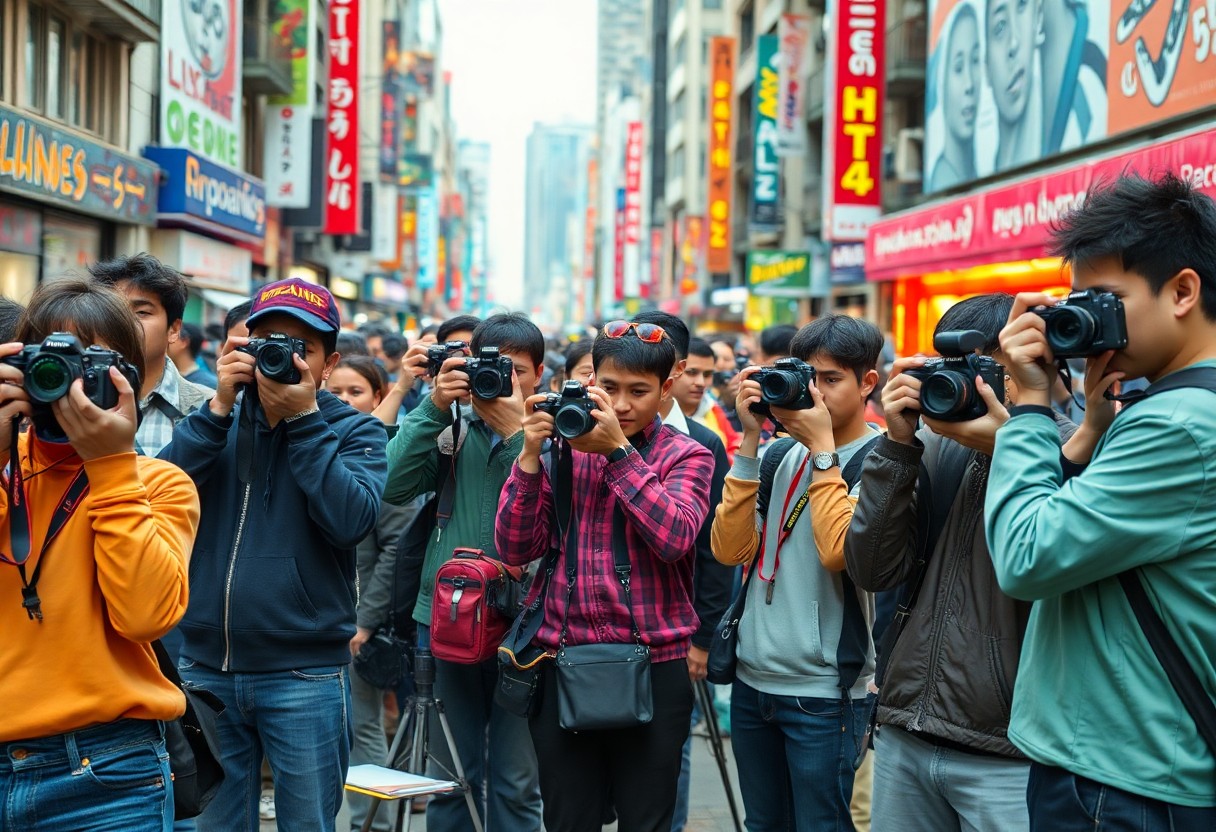
Photography is an art form that allows you to express your unique perspective and capture the beauty in the world around you. To build a creative eye, you must develop your own style—one that resonates with your vision and distinguishes you from others. In this guide, you’ll discover necessary techniques, tips for nurturing your creativity, and ways to explore different styles, empowering you to take your photography to the next level.
Key Takeaways:
- Understand the fundamentals of composition, lighting, and exposure to enhance your photography skills.
- Experiment with different techniques and subjects to discover your unique creative vision.
- Analyze the work of other photographers to gain inspiration and insight into various styles.
- Practice regularly to refine your skills and develop confidence in your artistic choices.
- Seek feedback from peers and mentors to improve and evolve your photographic style.
Understanding the Basics of Photography
Familiarizing yourself with the fundamentals of photography is vital for growth. Mastering the core elements—such as exposure, composition, and lighting—sets the stage for you to create impactful images. As you examine deeper, you’ll discover how these components work together to enhance your storytelling through visuals, making your work not only technically sound but also emotionally resonant.
How to Choose the Right Camera and Equipment
Selecting the right camera and equipment is pivotal to your photographic journey. Whether you opt for a DSLR or a mirrorless system, it’s vital to consider your personal needs and style. Look for features that align with your intended photography niche—like high ISO performance for low-light conditions or fast autofocus for action shots. Equipment that complements your vision can significantly elevate your creative output.
Tips for Mastering Exposure, Composition, and Lighting
Effective mastery of exposure, composition, and lighting can transform your photography. Start by understanding the exposure triangle—aperture, shutter speed, and ISO—as they collectively influence the light that reaches your sensor. Compose your shots using the rule of thirds and leading lines to create visual interest. Experiment with sources of natural and artificial light, adjusting how they interact with your subjects. Knowing how to manipulate these elements can drastically improve your craft.
- Exposure triangle
- Composition techniques
- Natural lighting
- Artificial lighting
To enhance your understanding, consider the effect of light direction on your subject. Front lighting can reduce shadows, while side lighting can add depth and texture. Using reflectors or diffusers can help manipulate natural light for desired effects. Experimenting with different compositional methods and exposure settings in various lighting conditions is key. Knowing how to effectively balance these aspects will lead to a more refined and unique style.
- Light direction
- Depth and texture
- Reflectors and diffusers
- Compositional methods
Developing Your Creative Eye
Enhancing your creative eye involves constant observation and practice. You must train yourself to notice details that others might overlook, including shadows, textures, and colors. This practice helps you see beyond the obvious, allowing your photographs to convey a deeper narrative. Pay attention to your surroundings and analyze how different elements interact with light. Through this process, you’ll naturally cultivate a more discerning perspective over time.
Factors Influencing Perspective and Vision
Your perspective and vision are shaped by various factors, including your personal experiences, cultural background, and emotional state. Each of these elements impacts how you interpret and capture the world. Consider the following:
- Emotional state influences subject choices.
- Cultural background affects aesthetic preferences.
- Personal experiences shape your storytelling.
- Art influences can inspire unique interpretations.
Knowing these factors can help you communicate more authentically through your photography.
How to Experiment with Different Styles and Techniques
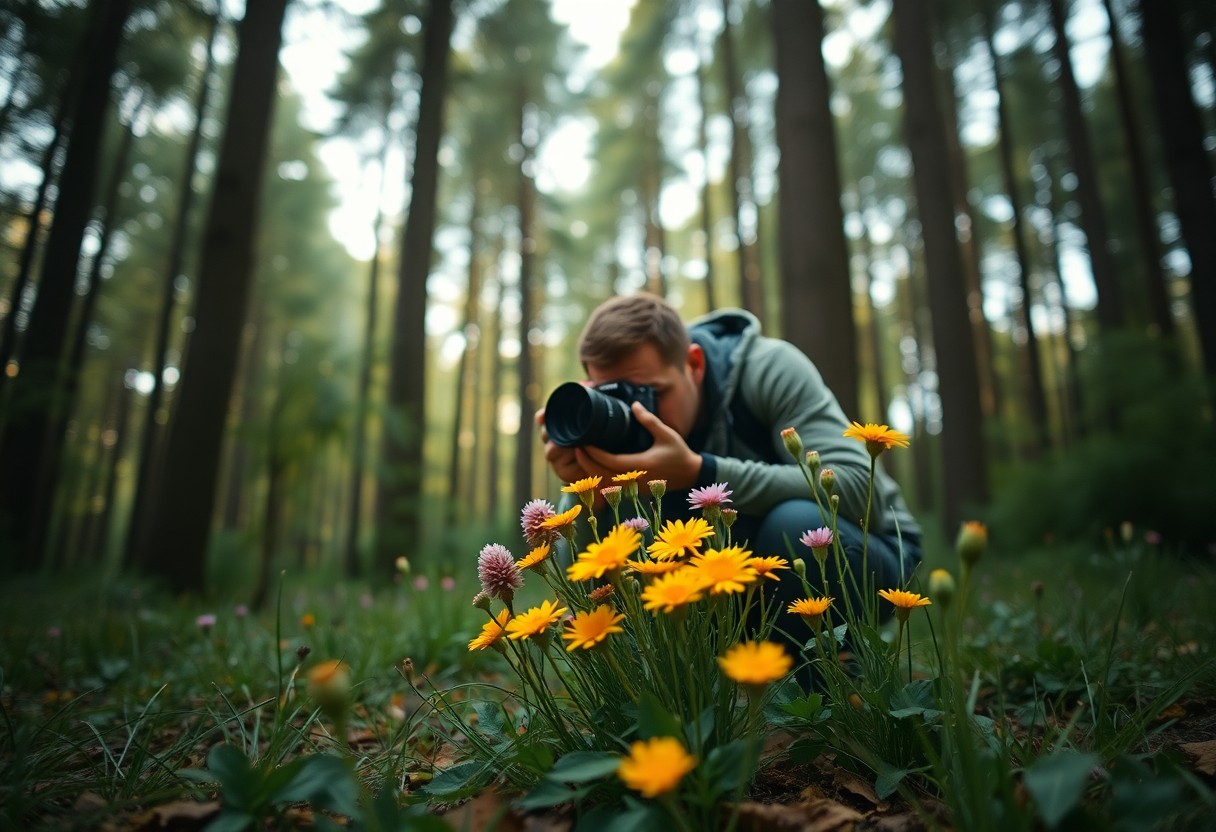
Experimentation is vital for developing your photographic style. Try shooting in various environments, such as urban settings versus nature, and utilize diverse techniques like long exposure or macro photography. This exploration can reveal hidden interests or strengths that enhance your creative vision. Use tools, such as editing software or filters, to further manipulate images and see how they affect your artistic expression.
Consider your approach: take a series of photos in a familiar setting with varying focal lengths or compositions. Alternatively, join photography challenges or communities that encourage you to tackle specific themes or styles. For instance, partaking in challenges like taking portraits or landscapes under ambient light conditions can push your boundaries. Engage with different mediums—try film photography, digital, or even smartphone photography. This well-rounded experimentation allows you to discover what resonates with you, contributing significantly to your evolving style.
Building Your Unique Style
Developing your unique style is a journey that reflects your personality and vision. This evolution stems from your experiences, interests, and the subjects that resonate with you. Experiment with different techniques and themes, allowing your creativity to shape your artistic identity. Embrace the process of finding what makes your work distinct, as your individuality is your greatest asset.
Tips for Finding Inspiration and Building a Portfolio
To cultivate your creative eye, gather inspiration from various sources and compile a portfolio that showcases your best work. Explore different photography genres to discover what captivates you, and study the styles of influential photographers. Participate in local photography clubs or online communities to exchange ideas and feedback. Make a habit of documenting your progress and reflecting on your journey.
- Explore diverse photography genres
- Study influential photographers
- Join local photography clubs or online communities
- Document your progress
Any chance you get to connect with fellow photographers can enrich your experience and offer fresh perspectives.
How to Engage with the Photography Community
Engagement with the photography community is important for growth and learning. Attend local workshops, exhibitions, and meetups to network with like-minded individuals. Utilize social media platforms to share your work, solicit feedback, and participate in challenges. Collaborate with other photographers on projects or joint shoots, as these interactions can ignite creativity and help you build lasting relationships.
Involvement in online forums and groups can also provide valuable insights and support. Platforms like Instagram and Reddit have vibrant photography communities where you can post your work, receive constructive criticism, and find inspiration in others’ creations. Actively commenting on others’ posts is a great way to foster connections, learn new techniques, and keep up-to-date with current trends. These interactions not only enhance your skills but can also motivate you to push the boundaries of your style.

Post-Processing Techniques
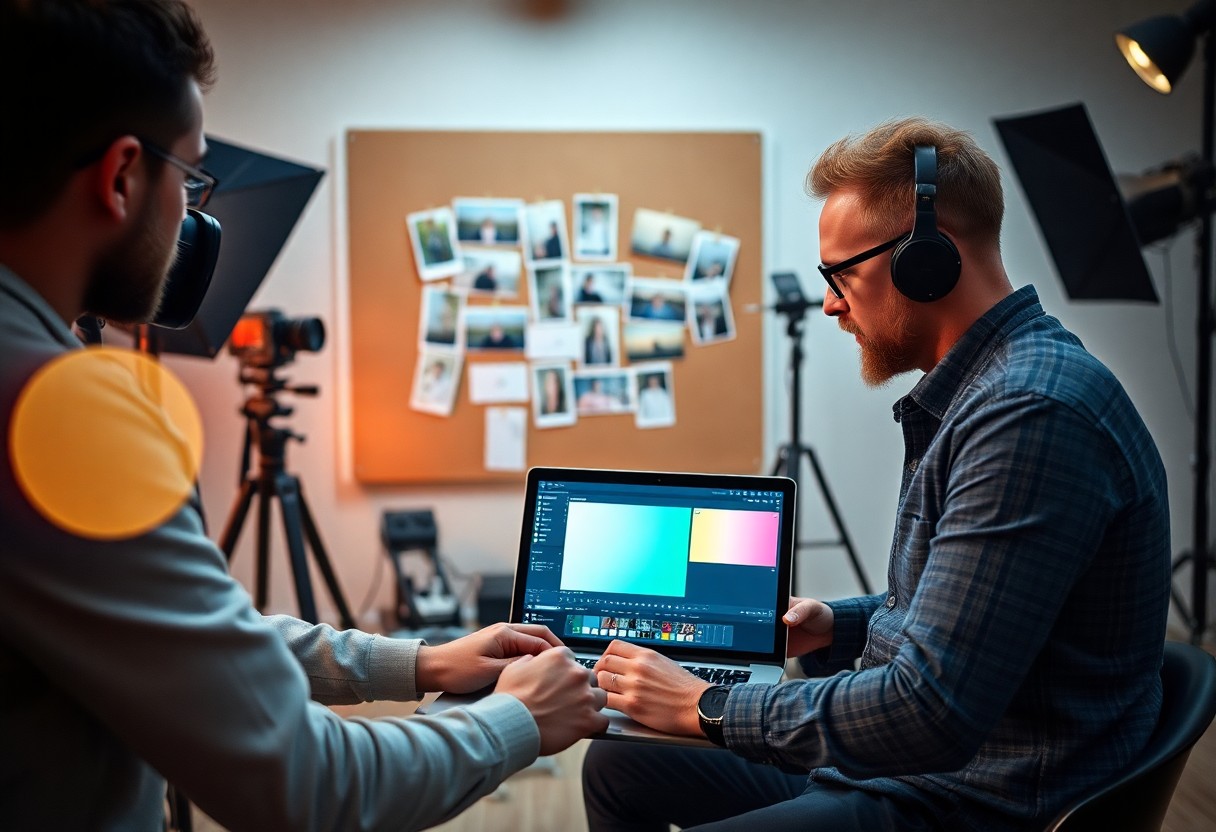
Post-processing is where your images can truly come alive. Using editing software effectively allows you to enhance colors, improve sharpness, and correct exposure issues. Familiarizing yourself with tools like Lightroom or Photoshop can significantly elevate the quality of your work. Pay attention to how adjustments can transform the mood and message of your photographs, accentuating the unique aspects of your style.
How to Enhance Your Images with Editing Software
Editing software offers a range of options for improving your images. You can adjust the exposure to brighten shadows, modify the saturation to make colors pop, and apply filters to convey a particular vibe. Mastering these features empowers you to create the visual narrative you envision. Through practice, these editing techniques will become second nature, allowing you to focus on creativity.
Tips for Maintaining Your Style During Editing
It’s important to keep your unique style in mind while editing. Choose a consistent color palette that reflects your vision and ensure your editing techniques are aligned with the aesthetic you aim to achieve. Avoid over-processing to preserve the authenticity of your work. Finding this balance during editing helps to maintain the integrity of your personal style.
- fluidity of style
- staying true to your vision
- consistent color grading
Establishing guidelines for your editing process is vital for maintaining a cohesive body of work. Create a set of preset filters or styles that align with your vision, and practice applying them consistently across different images. Experiment with various adjustments, but always refer back to your established aesthetic principles. Getting these elements right will reinforce your signature style. Knowing these strategies can elevate your post-processing skills and enhance your overall photographic identity.
- preset filters
- guidelines for editing
- cohesive body of work
Overcoming Creative Blocks
Creative blocks can be frustrating, hindering your ability to shoot and express your vision. Recognizing the patterns that lead to these moments can aid in breaking through them. Return to the fundamentals of photography; explore different subjects, or simply step outside your usual environment. Engaging with new concepts can awaken the inspiration needed to foster creativity once again.
Factors that Contribute to Creative Lapses
Understanding the factors that disrupt your creativity is vital. Common triggers include:
- Stress from deadlines or personal issues
- Repetitive routines that stifle innovation
- Perfectionism that paralyzes progress
- Self-doubt that diminishes confidence
After identifying these factors, it’s easier to confront them head-on and motivate yourself back into a productive mindset.
How to Reignite Your Passion for Photography
Reigniting your passion for photography can involve revisiting what initially drew you to the craft. Whether it’s experimenting with new techniques, collaborating with other creatives, or even engaging in different artistic disciplines, try to foster a sense of curiosity. Exploring different genres or subjects can also replenish your enthusiasm. Take a moment to reflect on your previous work; it may remind you of the magic that inspired you in the first place.
Diving deeper into the world of photography can unveil new passions. Attend workshops, join photography communities, or follow inspiring photographers on social media. Embrace challenges like a 365-day photo project to instill consistency and reawaken your creativity. Involving friends or family can make the process more enjoyable, while experimenting with unconventional locations or underrated subjects can spark fresh inspiration in your photographic journey.
Sharing Your Work
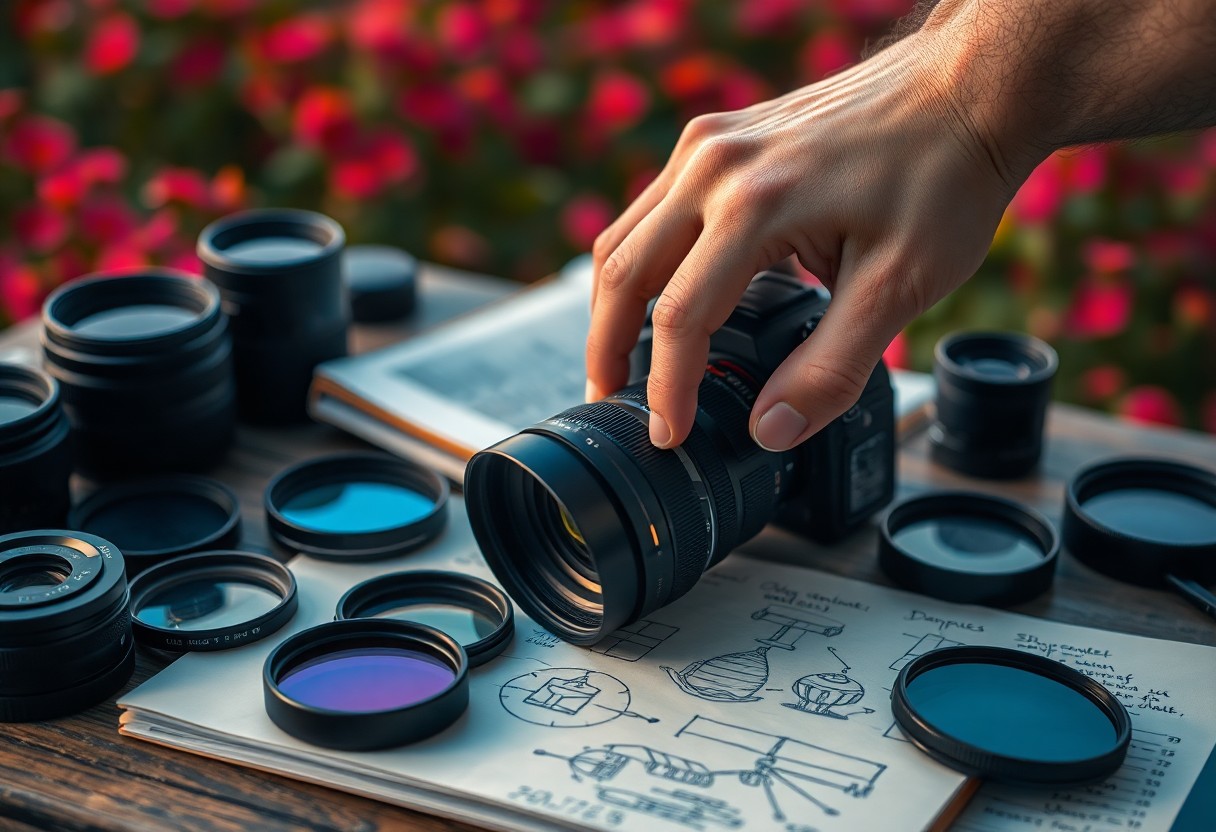
Sharing your photography is important in showcasing your unique perspective and connecting with a broader audience. Whether you prefer online platforms or physical exhibitions, displaying your work increases visibility and invites feedback. Engaging with others can lead to collaborations and growth in your artistic journey.
Tips for Presenting Your Photography Online and Offline
When showcasing your work, presentation matters significantly. Focus on these tips:
- Use high-quality images to create a strong first impression.
- Engage your audience with captivating descriptions.
- Curate your portfolio to highlight your style and strengths.
- Network with local galleries for offline exhibits.
- Leverage online platforms for increased exposure and visibility.
This approach not only elevates your work but also establishes your presence in the photography community.
How to Use Social Media to Connect with Others
Utilizing social media effectively can significantly expand your reach and foster connections. Platforms like Instagram and Facebook allow you to share your work instantly, reaching diverse audiences. Regularly engage with your followers and participate in photography challenges to increase visibility and interaction.
You can use hashtags strategically to broaden your reach, making your images discoverable by those interested in your niche. Following and engaging with other photographers creates a supportive network that encourages growth and collaboration. Share behind-the-scenes content to offer insight into your process and invite your audience into your creative journey. This builds authenticity and can solidify loyal supporters. Your genuine interactions will attract like-minded individuals and inspire meaningful conversations.
Final Words
To wrap up, developing your creative eye and personal style in photography is an ongoing journey that requires practice and exploration. By experimenting with different techniques, studying diverse works, and continually reflecting on your own images, you will refine your unique perspective. Embrace the process, challenge yourself to step outside of your comfort zone, and let your passion drive your creativity. With dedication, your photography can evolve, capturing your vision with clarity and authenticity.
FAQ
Q: What is the main focus of Photography 101?
A: Photography 101 emphasizes building a creative eye and developing a unique photographic style through practice, observation, and experimentation with different techniques.
Q: How can I improve my composition skills?
A: To enhance your composition, study the rule of thirds, leading lines, and framing techniques. Practice by taking photos from various angles and perspectives to find what works best for your subject.
Q: What equipment do I need to start with?
A: Start with a digital camera that allows manual settings, a sturdy tripod, and a basic lens. As you progress, consider additional lenses and external lighting equipment for greater creative options.
Q: How do I find my own photography style?
A: Explore different genres, analyze the work of photographers you admire, and take a variety of photos. Reflect on your preferences and what aspects resonate with you to develop your distinct style over time.
Q: What are some tips for effective post-processing?
A: Start with basic adjustments like exposure, contrast, and color balance. Use editing software to enhance your photos while maintaining natural appearance. Experiment with filters and presets to discover your editing preferences.