It’s Sunday morning, March 22, 2026. While most people are still nursing their first cup of coffee and scrolling through mindless social media feeds, you’re here. That tells me one thing: you’re ready to take your photography game to the next level. Whether you’re a professional looking to dominate the local real estate market or a hobbyist trying to capture the magic of the night sky, this morning’s news cycle has something major for you.
We’ve got a celestial event happening tonight that you cannot afford to miss, some massive updates in the world of AI editing, and a look at how the industry is shifting as we head into the second quarter of the year. Grab your gear, clear your SD cards, and let’s dive into everything you need to succeed today.
The Main Event: The Moon Meets the Seven Sisters
If you haven’t looked at the astronomical forecast for tonight, you’re in for a treat. This evening, we have a stunning celestial alignment. An 18%-illuminated waxing crescent moon is going to position itself just below the Pleiades (the Seven Sisters, or M45) in the southwestern sky.
For those who don't know, the Pleiades is an open star cluster located in the constellation Taurus. It’s one of the nearest star clusters to Earth and is incredibly photogenic. When you pair that distinctive "mini-dipper" shape with a thin, sharp crescent moon, you have the recipe for a portfolio-defining shot.
How to Capture the "Earthshine" Effect
One of the coolest things about a thin crescent moon is a phenomenon called Earthshine. You might have heard it called the "Da Vinci Glow." It’s that faint, ghostly light visible on the dark part of the moon. It happens when sunlight reflects off the Earth and back onto the lunar surface.
To capture this tonight, you’re going to need more than just a smartphone. Here’s the setup:
- A Solid Tripod: This is non-negotiable. You’ll be shooting longer exposures, and any camera shake will ruin the sharpness of the star cluster.
- Long Focal Length: A 300mm lens is the sweet spot here. It gives you enough compression to make the moon and the Pleiades look like they’re dancing together without losing the context of the sky.
- Manual Settings: Start with an aperture of f/2.8 or f/4 to let in as much light as possible. Set your ISO between 800 and 1600. Your shutter speed will be the variable, try starting at 1 or 2 seconds. If you go too long, the stars will start to trail, and the moon will lose its crisp edge.
If you’re looking for more technical breakdowns on night sky composition, check out the resources over at PhotoGuides.org. They have some of the best deep-dives on astrophotography basics that still hold up in 2026.
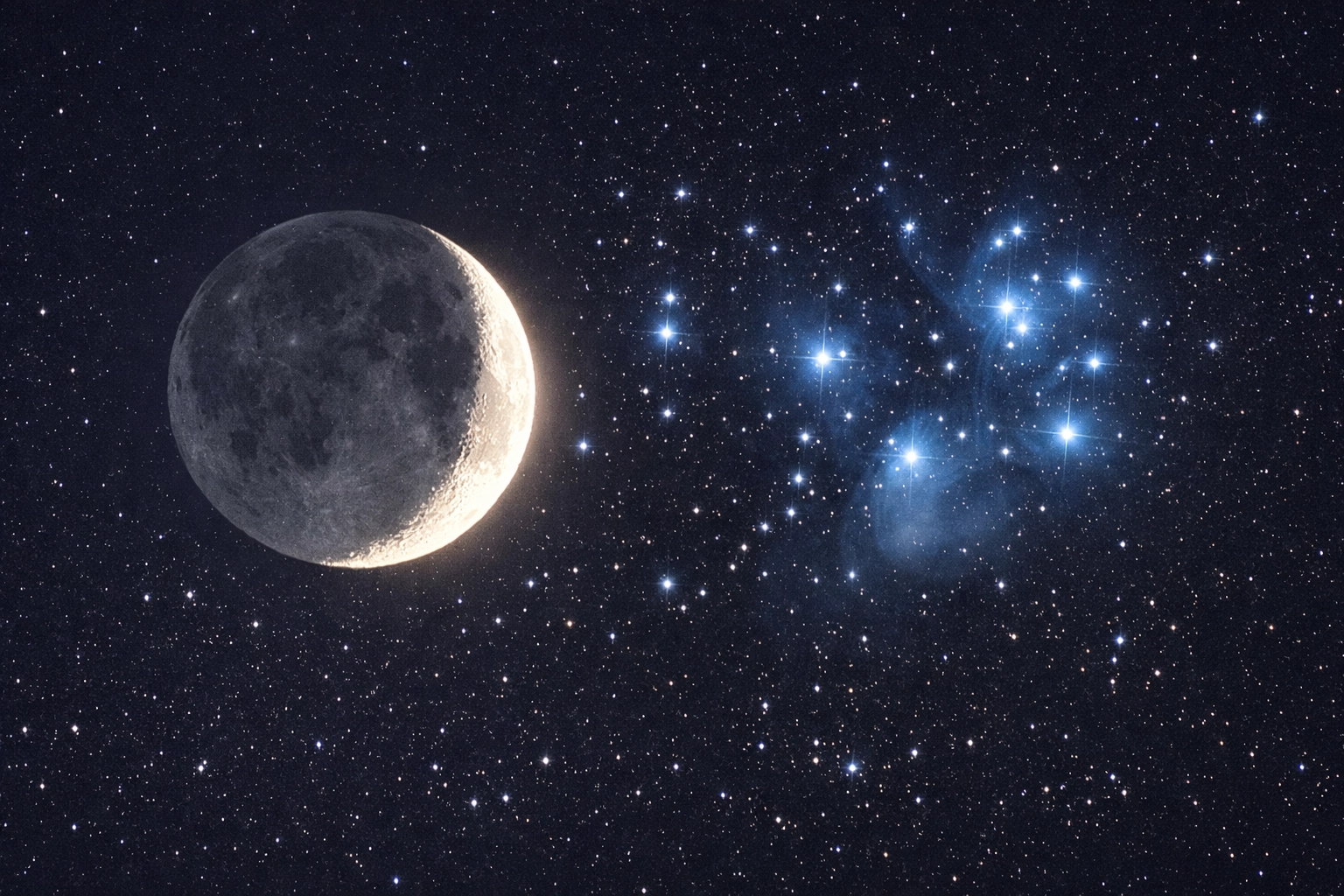
Alt Text: A high-resolution telephoto shot of a waxing crescent moon positioned near the Pleiades star cluster in a deep blue twilight sky.
Software News: AI is Getting Smarter (and Easier)
The software world isn't slowing down. This morning, we’re seeing new ripples in the AI editing space. If you’ve been following the blog at Shut Your Aperture, you know we’re big fans of tools that save time without sacrificing the soul of the image.
The latest updates to Luminar have introduced a more refined "Gen-Erase" tool that uses predictive mapping to remove distractions from your landscape shots. Imagine shooting that moon/Pleiades alignment tonight and finding a pesky power line cutting through the frame. In the past, that was a tedious clone-stamp job. Now, with the AI power inside Luminar, you can zap those distractions in seconds.
The key to succeeding with AI in 2026 isn't letting the computer do the work; it’s using the computer to handle the "grunt work" so you can focus on the creative vision. Whether you are retouching a portrait or cleaning up a landscape, these tools are becoming essential.
Industry Trends: From Landscapes to Luxury Real Estate
While we love a good star trail, a lot of you are looking to turn your passion into a paycheck. One of the biggest trends this morning is the continued convergence of cinematic filmmaking and real estate photography.
Property buyers in 2026 aren't satisfied with flat, wide-angle shots anymore. They want an emotional connection to a space. We’ve seen a massive uptick in photographers using landscape techniques, like waiting for the "blue hour", to shoot high-end listings.
Speaking of landscape techniques, we can actually learn a lot from the masters. For example, lessons in landscape photography from Peter Lik emphasize the importance of scale and light. When you apply those same principles to a living room or a backyard pool, the results are transformative.
If you’re wondering how to bridge that gap, you should ask yourself: could cinematic techniques transform your property showcases? The answer is almost always yes. Using slow, stabilized pans and focusing on the "story" of a home is what separates the $100-per-shoot beginners from the $2,000-per-day professionals.
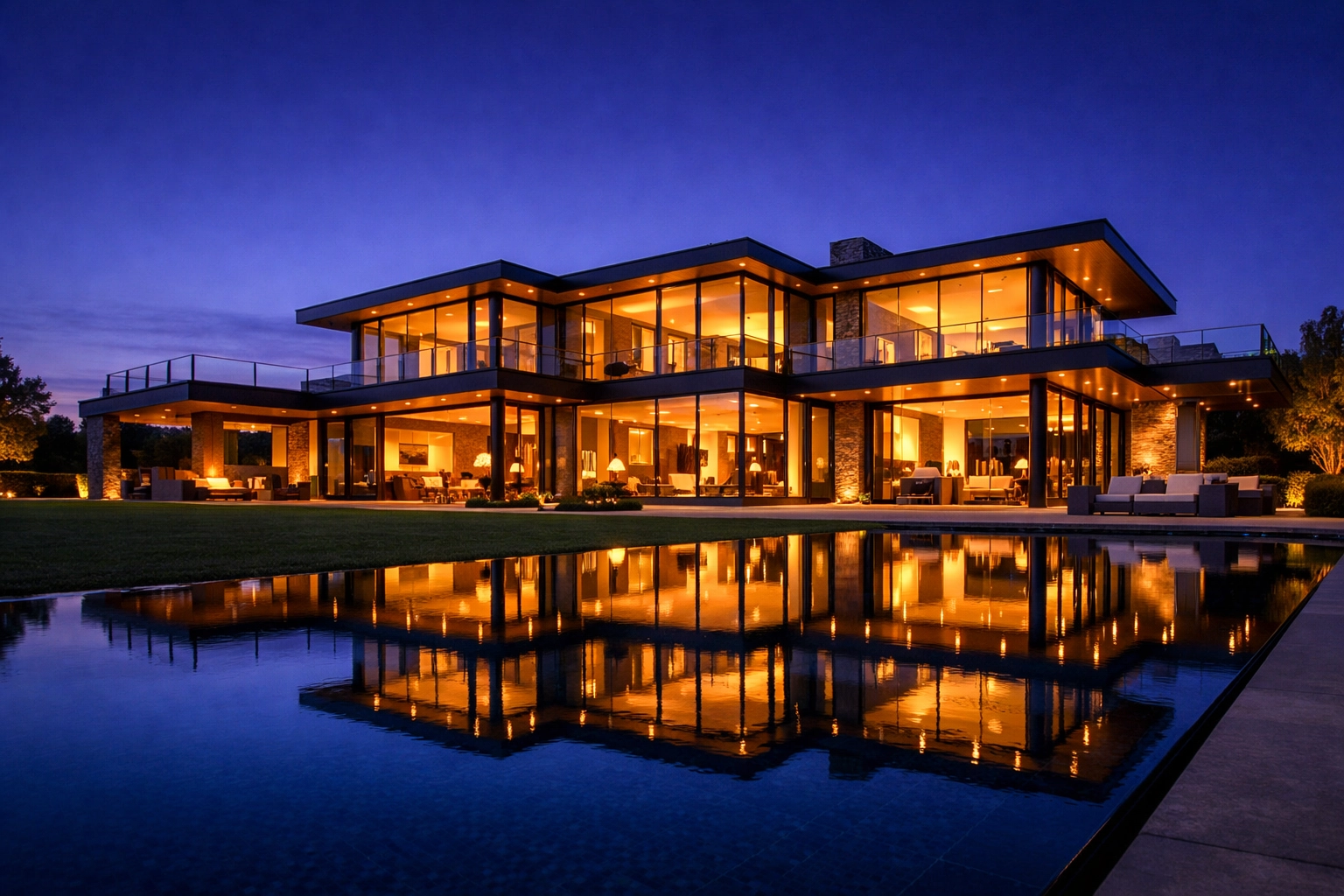
Alt Text: A modern luxury home photographed at dusk using cinematic lighting and high dynamic range techniques to highlight the interior and exterior glow.
The Role of Luminosity in Your Workflow
One of the most overlooked aspects of photography news this morning is the advancement of luminosity masking in post-processing. It sounds technical, but it’s actually the secret sauce for that "expensive" look.
In real estate and landscape photography, balancing the bright light from a window with the shadows in a corner is a constant battle. The role of luminosity in real estate photography cannot be overstated. By targeting specific brightness ranges, you can create images that look natural yet hyper-real: exactly what high-end clients are looking for on platforms like www.proshoot.io.
Gear Update: What’s in the Bag for 2026?
It’s Sunday, so it’s the perfect time to talk gear. We’re seeing a shift away from the "megapixels at all costs" race. Instead, manufacturers are focusing on internal AI processing and connectivity.
The newest mirrorless bodies hitting the shelves this month feature "Predictive Focus 3.0," which can actually track a celestial body's movement and compensate for the Earth's rotation during shorter long exposures. It’s essentially a built-in star tracker for your camera. This is a game-changer for casual astrophotographers who don't want to lug around a bulky equatorial mount.
If you’re looking to upgrade, don't just look at the sensor. Look at the workflow. How fast can you get that image from your camera to your phone, edit it in Luminar, and get it over to your client or social media manager? In the fast-paced world of 2026, speed is a feature.
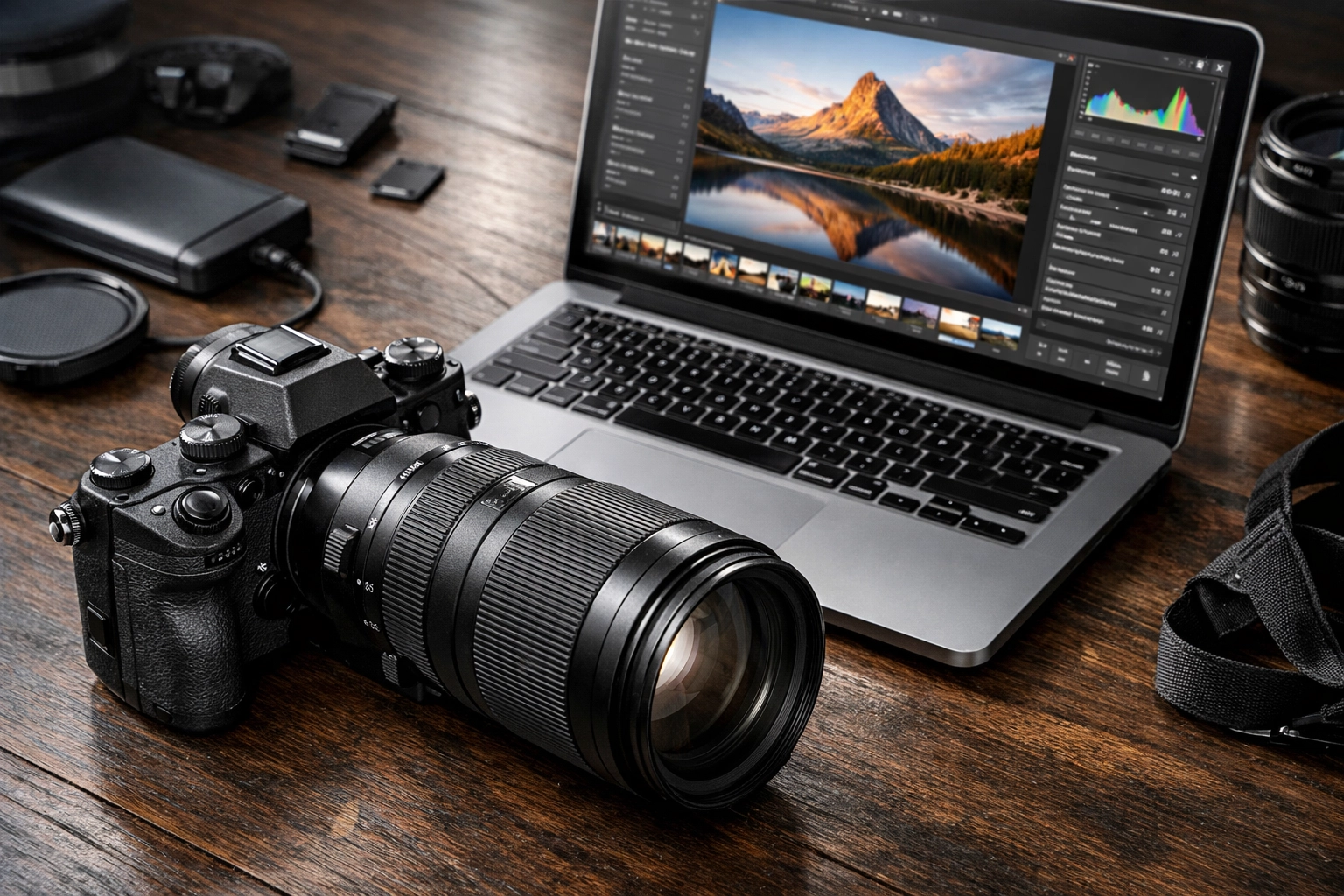
Alt Text: A photographer’s desk featuring a modern mirrorless camera, a 300mm lens, and a laptop showing advanced AI photo editing software.
Sunday Morning Motivation: Don't Wait for the "Perfect" Shot
A common mistake I see photographers make is waiting for the perfect conditions. They wait for the perfect gear, the perfect weather, or the perfect lighting. Here’s the truth: the "perfect" shot is the one you actually take.
Tonight’s crescent moon and Pleiades alignment is a great example. Even if it’s a little cloudy in your area, get out there. Use the clouds to add mood. Use the "Earthshine" to practice your dynamic range blending.
If you’re feeling stuck creatively, I highly recommend checking out Edin Chavez’s personal insights over at blog.edinchavez.com. He’s been in the trenches for years and always has a way of simplifying the complex world of professional photography. Sometimes you just need a reminder that this is supposed to be fun.
Building a Sustainable Photography Business
For those of you using this morning to plan your business week, remember that your portfolio is your most valuable asset. But a portfolio is more than just a collection of pretty pictures; it’s a demonstration of your problem-solving skills.
Can you shoot in low light? Tonight’s celestial event is your chance to prove it. Can you make a boring house look like a dream home? That’s where ethereal imagery can elevate your real estate listings.
If you want to stay ahead of the curve, make sure you’re checking www.edinstudios.com for the latest in commercial production trends. The industry is moving toward a hybrid model where photographers are expected to provide stills, video, and even drone coverage as a standard package.
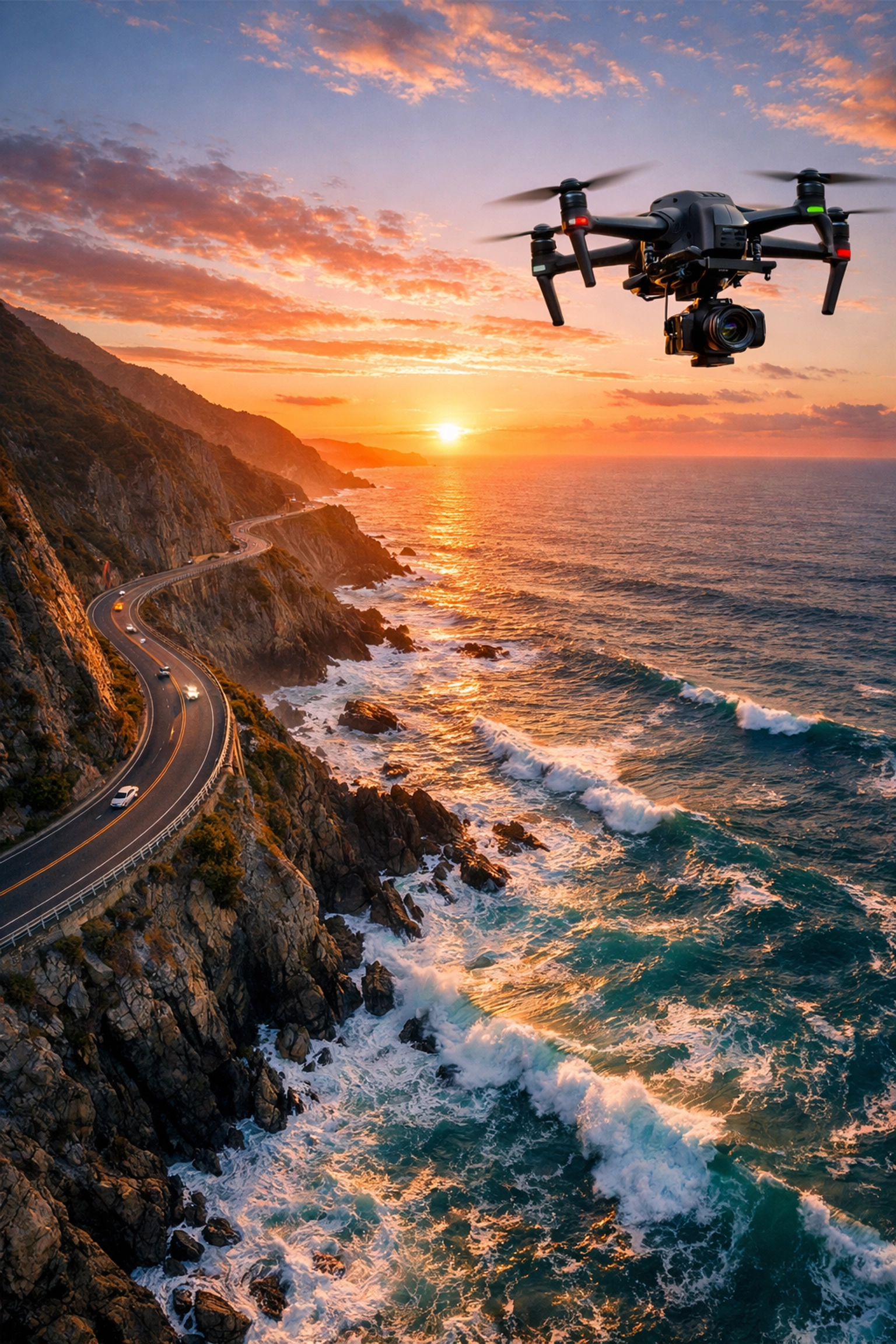
Alt Text: A drone hovering over a coastline at sunset, capturing professional aerial photography for a commercial project.
Final Thoughts for This Sunday
As we wrap up this morning’s news guide, here’s your checklist for the day:
- Check the Southwestern Sky: Find a clear spot with a low horizon for tonight’s Moon/Pleiades show.
- Update Your Software: Make sure your copy of Luminar is up to date to take advantage of the latest AI masking features.
- Think Business: If you’re a pro, look at your recent work. Are you using cinematic techniques? If not, it’s time to start.
- Stay Inspired: Browse through www.edinfineart.com to see how high-end landscape work is being presented in the gallery world. It might give you some ideas for your own framing and composition.
The world of photography moves fast, but that’s what makes it exciting. Every morning brings a new opportunity to see the world differently. Whether you’re looking up at the stars or through the windows of a luxury estate, keep your eyes open and your aperture ready.
Happy shooting!