Let’s be honest: street photography can be a bit of a grind. You head out with your camera, walk five miles, and come home with twenty photos of people looking at their phones. We’ve all been there. It’s easy to get stuck in a rut where everything starts to look like a mediocre version of a Henri Cartier-Bresson shot.
But street photography isn't just about capturing people walking past a wall. It’s about seeing the world through a lens that others ignore. It's about finding the weird, the beautiful, and the downright hilarious in the middle of a crowded sidewalk. If you're feeling uninspired, you don't need a new camera; you just need a new perspective.
Here are 25 creative street photography ideas to get your creative juices flowing and help you see your city in a whole new light.
1. Shooting from the Hip
This is a classic for a reason. Instead of bringing the camera to your eye, which screams "I am taking a photo of you", keep it at waist level. It’s much less intrusive and leads to a more natural, candid vibe. It takes practice to nail the framing, but once you do, you’ll capture moments people usually hide when they see a lens. It’s a great way to avoid that "deer in the headlights" look.
2. Master Zone Focusing
Stop relying on your autofocus. In the fast-moving world of the street, even the best AF can hunt and miss. Use zone focusing. Set your aperture to something like f/8 or f/11, set your focus to a specific distance (say, 8 feet), and anything that walks into that "zone" will be sharp. This allows you to react instantly without waiting for the lens to beep. It’s the secret sauce for those "blink and you miss it" moments.
3. Reflections and Puddles
Rainy days are actually a gift. Puddles turn boring asphalt into mirrors. Instead of shooting the street, shoot the reflection in the water. It creates a dreamlike, upside-down world. You can also use store windows to layer the inside of a shop with the movement of the street outside. For some inspiration on how we view ourselves and our surroundings, check out our post on what you see in the mirror.
4. Silhouette Hunting
Look for strong backlighting. During the golden hour, find a spot where the sun is behind your subjects. Underexpose your shot so the people become pitch-black shapes against a bright background. This strips away the detail and focuses purely on the form and the story. It turns a regular person into a mysterious character.
5. The Fishing Technique
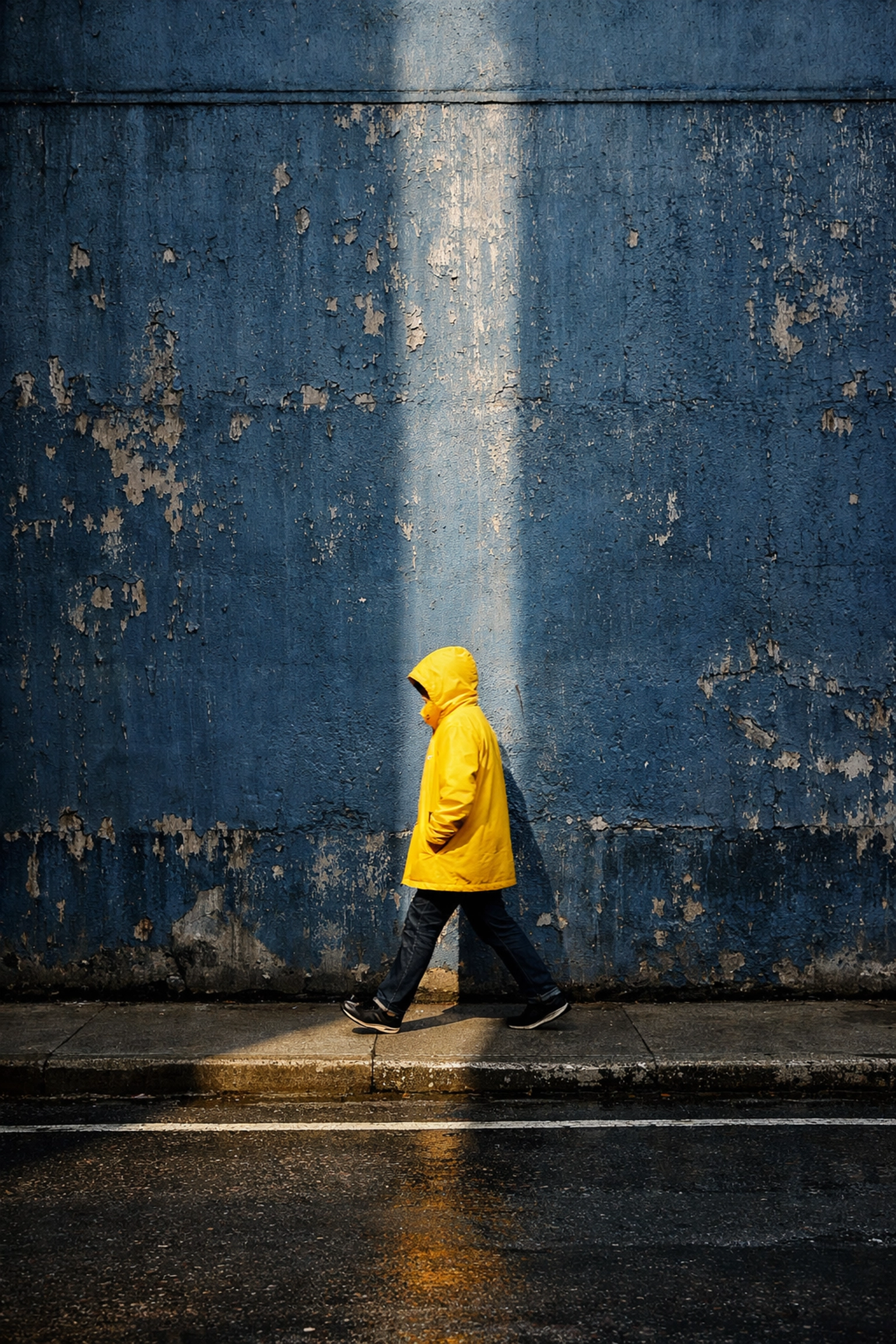
Most street photographers are hunters, they walk and look. Try being a fisherman instead. Find a visually stunning background, maybe a colorful mural or a doorway with great light, and just stay there. Wait for the right person to walk into your frame. It requires patience, but the composition is usually much tighter because you’ve already pre-visualized the shot.
6. Framing within Frames
Architecture is your best friend. Use windows, arches, or even the space between two parked cars to frame your subject. This draws the viewer's eye exactly where you want it to go. It adds a layer of depth that makes the photo feel more professional and thought-out rather than just a lucky snap.
7. Motion Blur and Panning
Who says everything has to be tack-sharp? Sometimes, blur tells a better story. Use a slow shutter speed to capture the rush of a commuter or the speed of a cyclist. If you want to get fancy, try "panning", move your camera at the same speed as the subject while taking the shot. The subject stays relatively sharp while the background turns into a streak of colors. For more on handling fast movement, read our guide on low light action photos.
8. Focus on Urban Textures
Sometimes the street doesn't need people at all. Focus on the grit. The peeling paint, the rusted pipes, the cracked pavement. These elements tell the story of a city’s age and personality. If you’re looking to improve the technical side of these shots, PhotoGuides.org has some killer tips on composition.
9. A "Color Walk"
Pick one color, let’s say red, and only photograph things that are red. You’ll be surprised how much your brain starts to filter out everything else. This exercise trains your eye to see patterns and details you would normally walk right past. It’s a great way to turn a boring neighborhood into a scavenger hunt.
10. High-Contrast Shadows
Go out at noon. Most photographers hate the midday sun, but for street photography, it’s gold. The harsh shadows create bold, geometric shapes. Look for "pockets" of light where only a sliver of the street is illuminated. This "chiaroscuro" effect adds a ton of drama to your work.
11. The Pavement Perspective
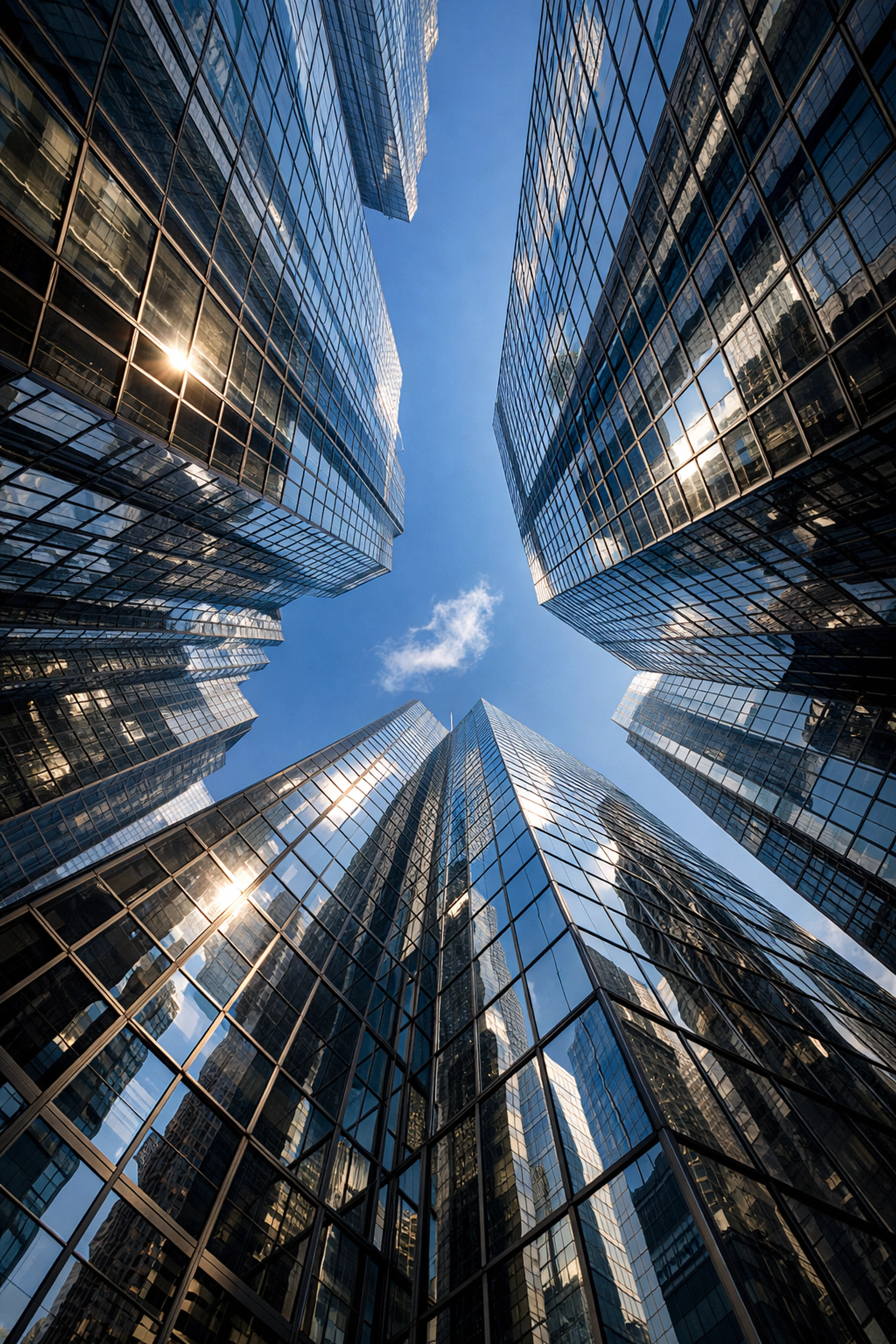
Most street photos are taken from eye level. Boring. Get low, like, "your chin is touching the sidewalk" low. Shooting from a worm’s eye view makes buildings look taller and people look like giants. It changes the scale of the city and makes even a mundane sidewalk look epic.
12. Look Up
We spend so much time looking at what's in front of us that we forget the sky. Architecture often looks most interesting where it meets the clouds. Look for the way skyscrapers frame the sky or how power lines create a chaotic web over the street.
13. Street Portraits (The 180-second Challenge)
Asking a stranger for a portrait is terrifying, but it’s the best way to grow. Try the "3-minute portrait" challenge. Ask someone if you can take their photo and try to get a great shot in under 180 seconds. It forces you to work fast and build a quick rapport. For a masterclass in this, check out how Chase Jarvis handles a 180-second shoot.
14. Backlighting Everything
Don't just use backlighting for silhouettes. Use it to create a "halo" effect around people’s hair or to make smoke and steam from manhole covers glow. It adds a cinematic quality that you just can't get with front lighting.
15. Weather Wonders (Rain and Fog)
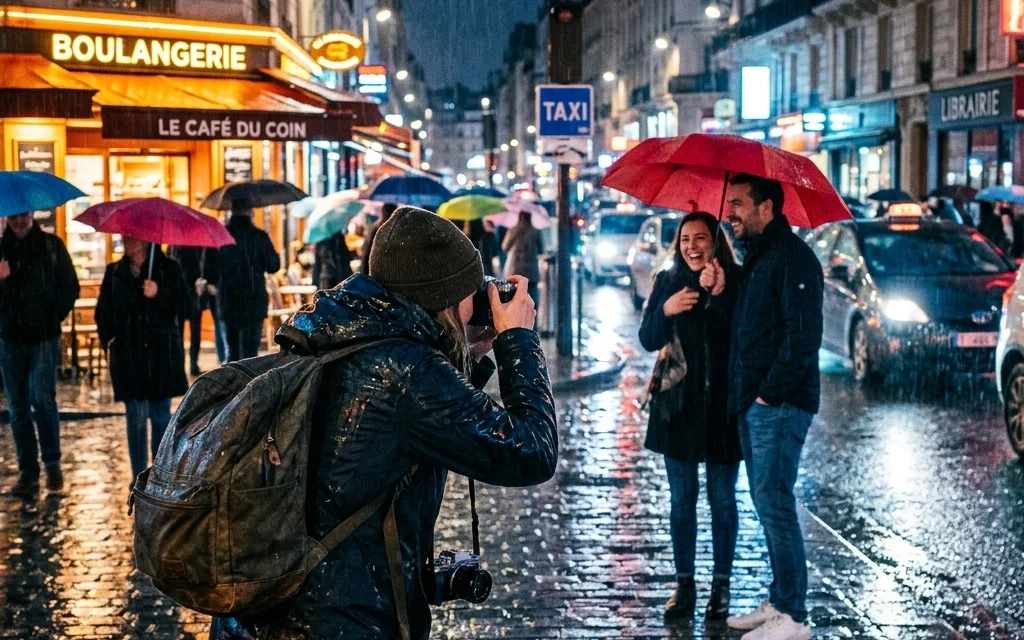
When everyone else is staying inside because it's "bad out," that’s when you should be heading out. Rain adds reflections, umbrellas add color and shape, and fog adds mystery. A city in the fog looks like a scene from a noir film. Just make sure your gear is protected: or don’t, if you’re feeling brave.
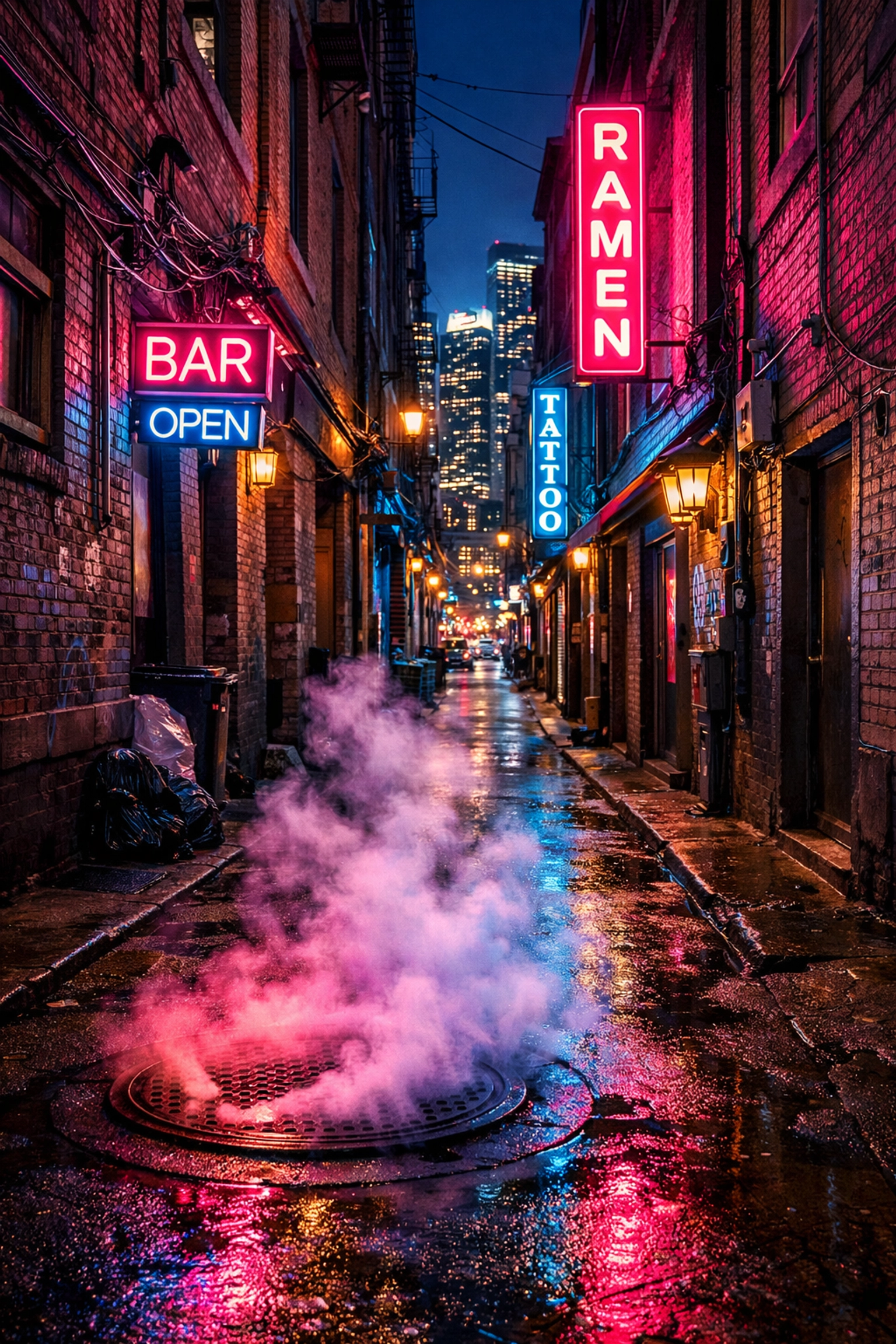
16. Nightlife and Neon
The street doesn't sleep. Night street photography is all about finding artificial light sources. Use neon signs, street lamps, or even the glow from a phone screen to light your subjects. It creates a mood that is totally different from daytime shots. If you're struggling with the settings, our post on low light action is a lifesaver.
17. Miniature World Look
You can make a bustling city look like a toy set. While tilt-shift lenses are expensive, you can achieve a similar "miniature" look through post-processing or specific shooting angles from high up. It’s a fun way to play with the viewer’s sense of scale. Check out this miniature look at Girona for some inspiration.
18. Leading Lines
Use the environment to point at your subject. Railway tracks, rows of street lights, or even the painted lines on the road can serve as leading lines. They create a sense of movement and direction in your frame, pulling the viewer into the story.
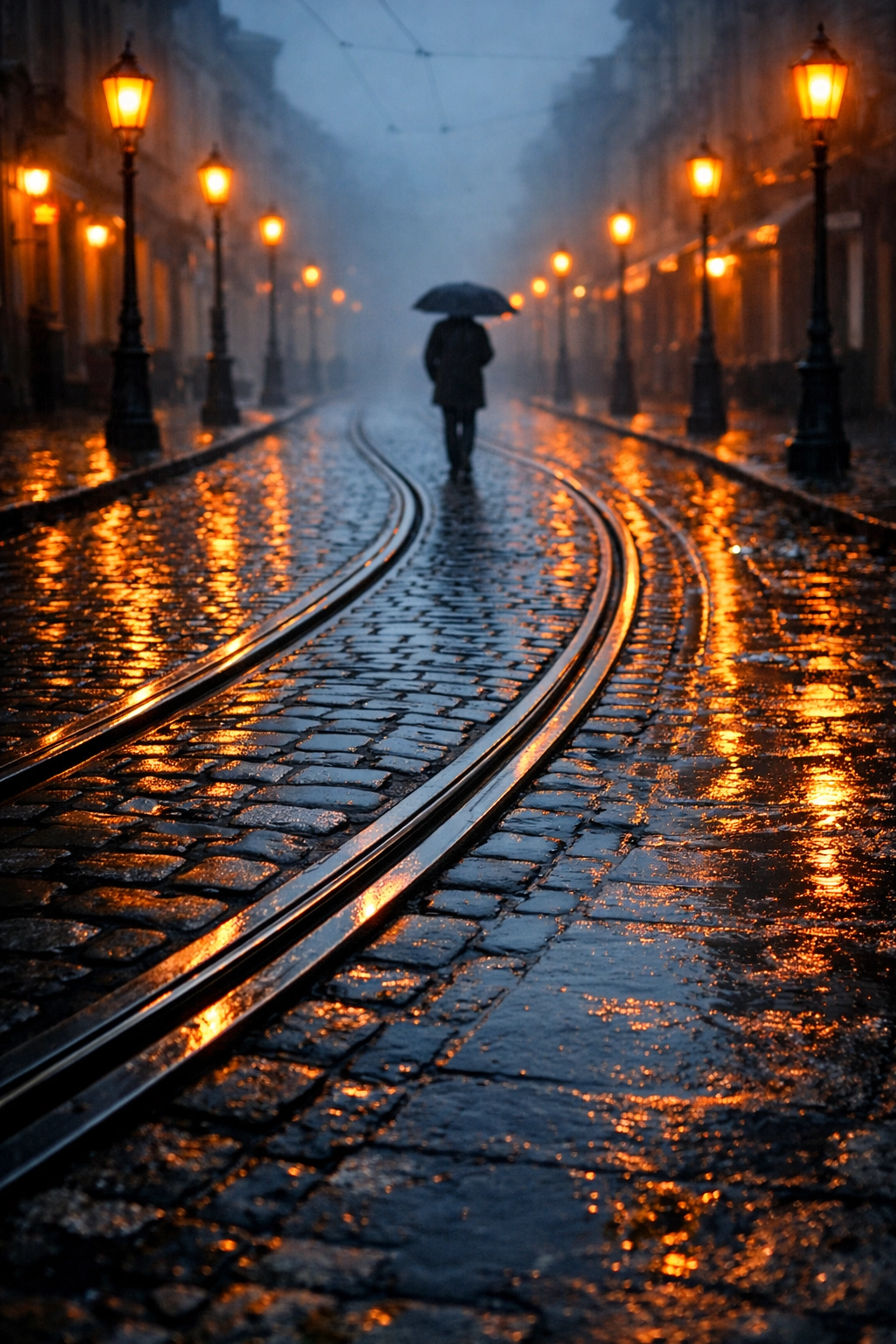
19. Layering for Depth
Don't just have one subject. Try to have something in the foreground (close to the lens), the midground (your main subject), and the background. This "layering" makes the photo feel three-dimensional. It’s a technique used by the greats to make complex scenes feel organized. You can find more gear and inspiration over at blog.edinchavez.com.
20. Street Food and Action
The street is a sensory experience. Focus on the vendors, the steam rising from a hot dog stand, or the hands of a cook at work. These shots are full of life and texture. For more food-specific tips, check out our section on food photos.
21. Animals in the City
Street photography isn't just for humans. Stray cats, dogs on leashes, or even the pigeons that everyone else ignores can be great subjects. They often have more personality than the people walking by. We even have a weirdly fascinating post about moths if you want to get really niche.
22. Abstract Geometry
Strip away the context. Look for shapes, lines, and shadows that don't immediately look like "a street." This moves your work into the realm of fine art. When you stop seeing "a building" and start seeing "a triangle of light," your photography will change forever.
23. HDR Cityscapes
Sometimes the dynamic range of a street scene is too much for a single exposure. This is where HDR comes in. By blending multiple exposures, you can capture the detail in the dark shadows of an alley and the bright lights of the city skyline. It’s a bit controversial in some circles, but when done right, it’s stunning. Check out our HDR tutorial to get started.
24. Innuendo and Irony
Keep an eye out for visual jokes. Maybe a person is standing in front of a billboard that makes it look like they have wings, or a "No Parking" sign is surrounded by parked cars. These shots are the "dad jokes" of photography, and people love them. We have a whole collection of innuendo in photography that’ll give you a laugh.
25. Post-Processing Mastery
The shot you take in the camera is just the beginning. The real magic happens in the edit. Whether you're cleaning up a portrait or making colors pop, the right software makes a world of difference. We recommend using Luminar for its intuitive AI tools that can transform a flat street shot into something cinematic in seconds. If you're a Lightroom fan, learn how to clean up a portrait to give your street subjects that polished look.
Putting it into Practice
Street photography is a muscle. The more you use it, the stronger it gets. You don't need to fly to New York or Tokyo to get great shots; your local neighborhood is full of stories if you’re willing to look for them.
The most important thing is to keep it simple. Don't carry three lenses and a tripod. Take one camera, one prime lens, and a comfortable pair of shoes. Street photography is about being mobile and observant.
If you're looking for more gear reviews or inspiration from the pros, head over to ProShoot.io or see some world-class examples at EdinFineArt.com.
Now, quit reading this and go outside. The light is probably perfect right now, and you’re missing it. Go grab that shot that no one else has thought of yet.