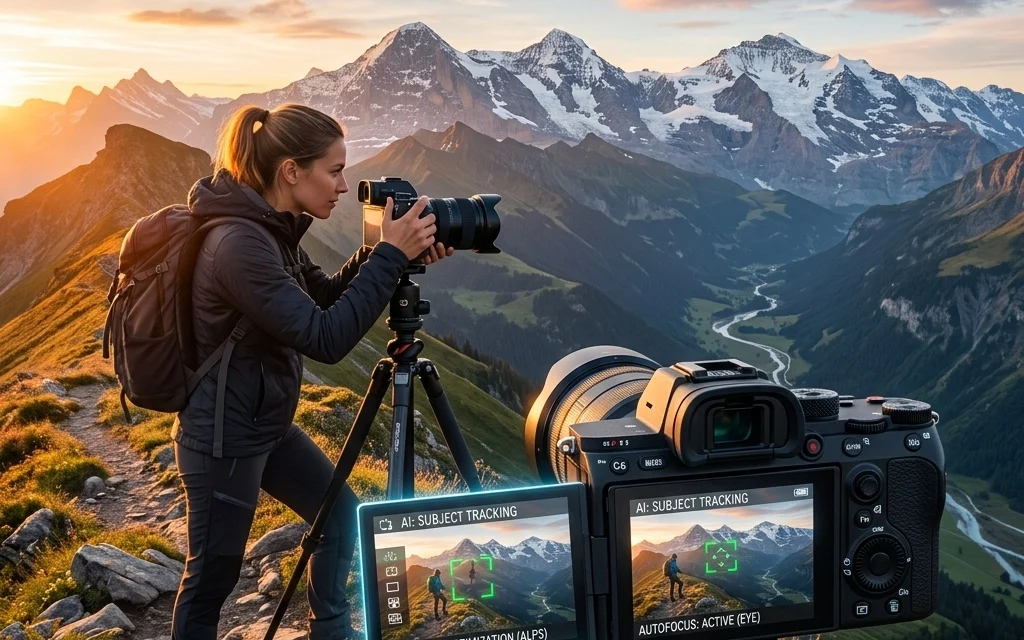
If you’ve been hanging around the photography world for more than five minutes lately, you’ve probably heard the buzz. It’s not just about more megapixels or faster frame rates anymore. The conversation has shifted. Everyone is talking about AI-integrated mirrorless cameras, and no, we aren't just talking about the autofocus that recognizes a cat’s eye from fifty paces.
We are talking about a fundamental shift in how we capture, process, and think about images. It’s April 2026, and the "dumb" camera is officially a relic of the past. If your camera doesn’t have a brain capable of real-time generative processing, are you even shooting?
Okay, that’s a bit dramatic, but at Shut Your Aperture, we love a bit of drama, especially when it involves tech that makes our lives easier. Let’s dive into why this AI revolution is actually worth the hype and why you might want to start clearing some space in your gear bag.
The Evolution: From "Smart" to "Genius"
For years, we’ve had "AI" in our cameras. It was basic. It helped with face detection, maybe it guessed the white balance correctly once in a while, and it helped track subjects. But that was "narrow AI." It was programmed for a specific, singular task.
What we are seeing now in 2026 is the rise of generative AI baked directly into the hardware. We’re moving from cameras that simply record light to cameras that understand the scene. Thanks to a new wave of processors like the Google Coral Edge TPU and specialized Qualcomm Snapdragon chips, mirrorless cameras are now performing tasks on-device that used to require a $3,000 MacBook Pro and three hours of frustration in post-production.
Companies like Camera Intelligence and Caira are leading the charge, and even the "old guard" like Canon and Panasonic are pivoting faster than a sports photographer at the Olympics. They aren't just making cameras; they’re making creative partners.
Why the Hype is Real: Real-Time Generative Editing
Imagine you’re out at one of these hidden gem locations for travel photography. The light is perfect, the architecture is stunning, but there’s a giant, ugly trash can right in the corner of your frame.
In 2024, you’d take the shot, go home, open up Luminar, and use their AI Erase tool to fix it. That’s still a great workflow, but in 2026? You just tell your camera, "Hey, remove that trash can," and it’s gone before you even click the shutter.
This isn't science fiction. Voice-controlled, real-time editing is the biggest game-changer since the digital sensor replaced film. You can issue commands like "make it night," "apply a moody cinematic grade," or "soften the lighting on the subject’s face." The camera’s on-board AI processes the raw data and applies these changes instantly.
For content creators, this is a godsend. You’re no longer just a photographer; you’re a director with a digital assistant living inside your magnesium-alloy body.
The Hardware Powering the Revolution
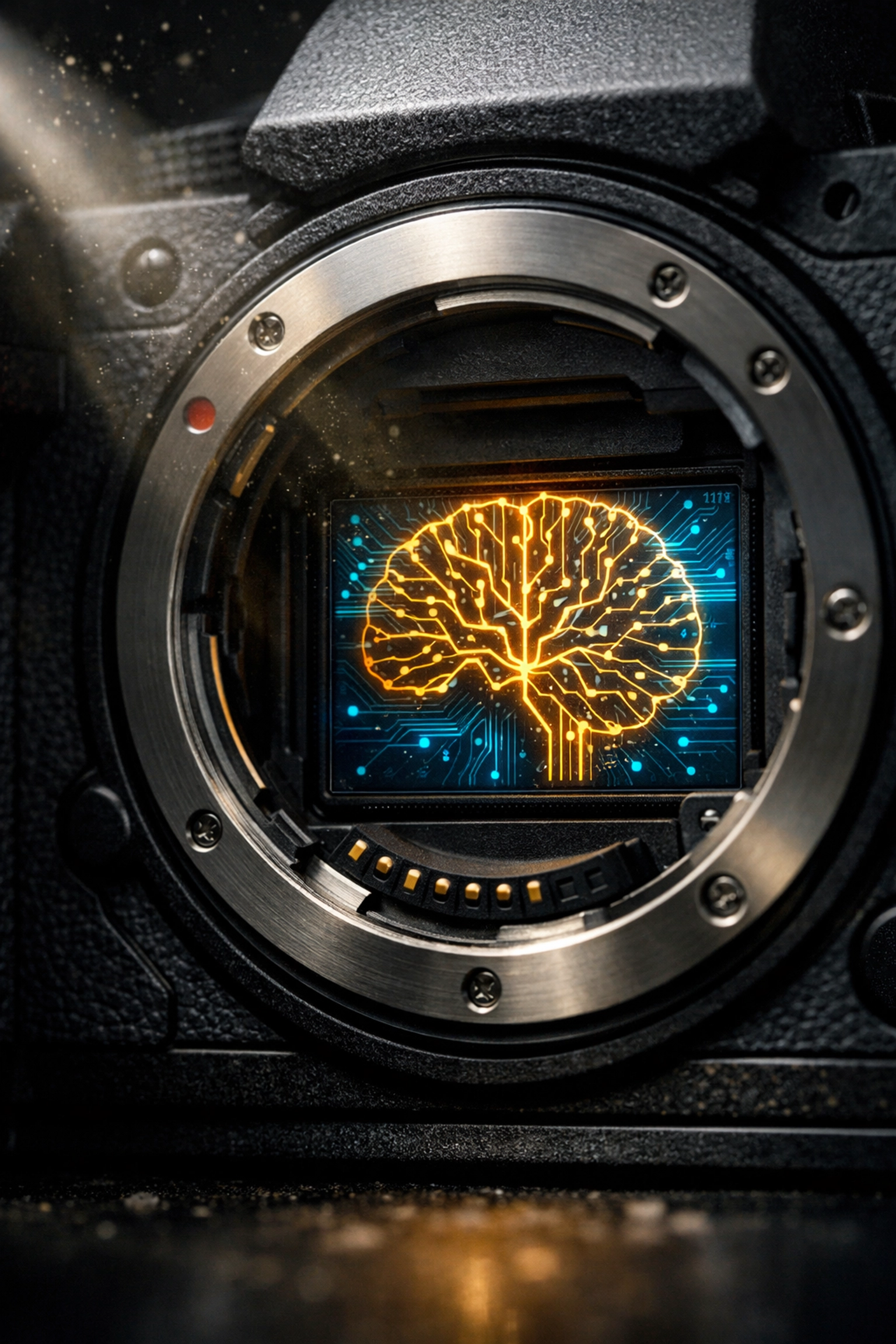
To make this happen, camera manufacturers have had to stop thinking like optical companies and start thinking like silicon companies. The internal architecture of a modern AI-integrated mirrorless camera looks more like a high-end smartphone than a traditional DSLR.
The integration of Neural Processing Units (NPUs) allows the camera to handle billions of operations per second without draining the battery in twenty minutes. This hardware allows for:
- Semantic Segmentation: The camera knows what is sky, what is skin, and what is fabric. It can apply different sharpening and noise reduction algorithms to each part of the image simultaneously.
- Predictive Motion: AI doesn't just track where a subject is; it predicts where they will be based on their skeletal movement.
- Computational Lighting: If you’re shooting in a harsh midday sun, the AI can "re-light" the scene by analyzing the 3D depth map of the image, essentially acting as a virtual fill light.
If you’re interested in the technical side of how these images are structured, you might want to check out some proshoot.io resources for a deeper dive into modern sensor tech.
Content Creators are Winning Big
The market data is clear: sales for mirrorless cameras with AI-driven capabilities are surging, with some reports showing a 50% increase in demand among content creators. Why? Because time is money.
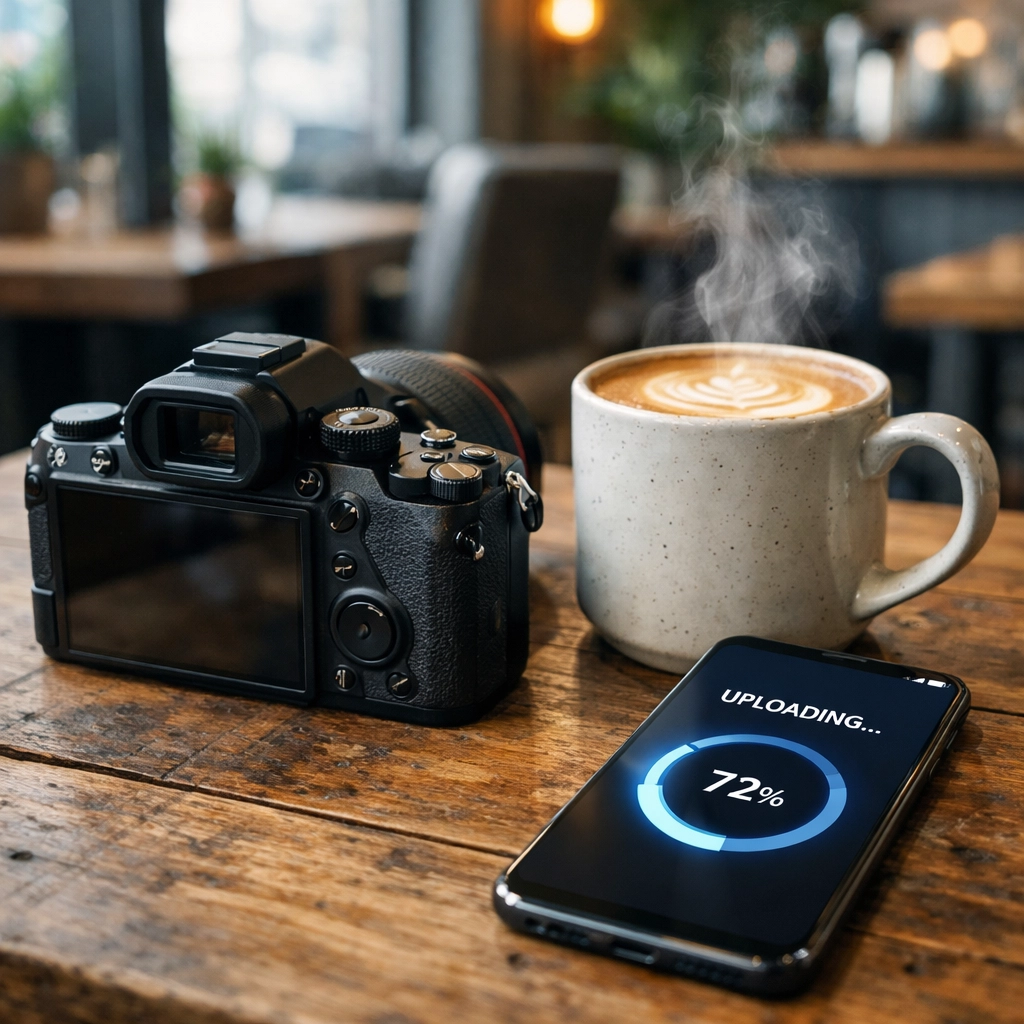
If you’re a solo creator, the bottleneck is always post-production. By the time you’ve offloaded your cards, culled 500 photos, and color-graded the keepers, the "moment" on social media has passed. AI-integrated cameras allow you to shoot, edit, and publish in a fraction of the time.
Sonny, our Social Media Manager, has been hounding me to write this because he’s seeing a massive shift in how influencers are working. They aren't carrying laptops anymore. They are carrying a camera and a 5G link. The camera does the heavy lifting, the AI applies the "vibe," and the photo is on the feed before they’ve even left the location. It’s a seamless workflow that allows for more creativity and less "computer time."
Democratizing the "Pro" Look
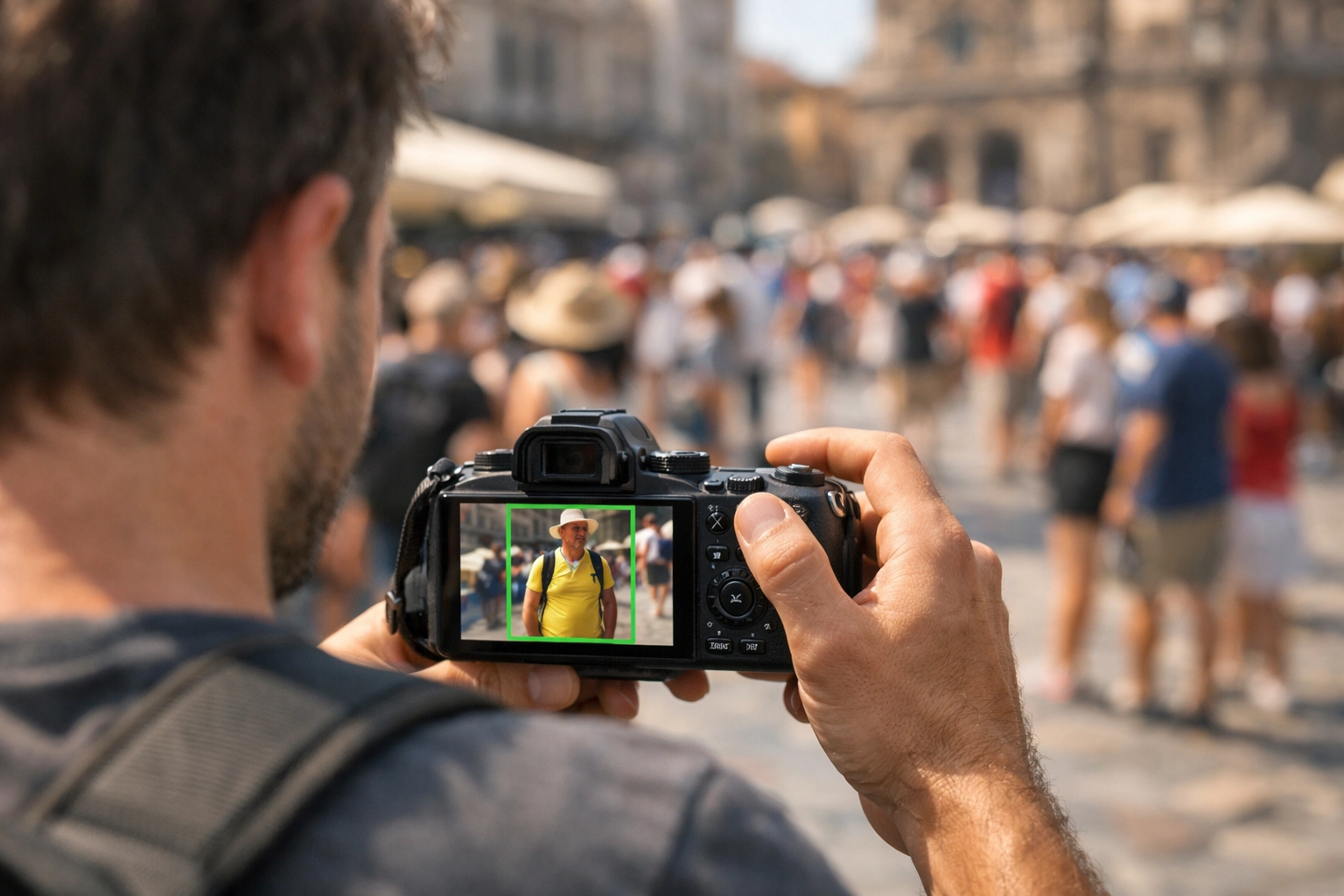
One of the coolest (and most controversial) things about AI-integrated cameras is how they democratize high-end photography. Tasks that used to require a degree from a specialized school: or at least a lot of time on PhotoGuides.org: are now accessible to everyone.
You don't need to know the intricacies of the Zone System if the camera is automatically balancing the dynamic range for you in real-time. You don't need to master complex frequency separation for portraits if the AI is handling skin texture with a subtle, professional touch.
This doesn't mean the "pro" is dead. It just means the barrier to entry has moved. The "pro" of 2026 is someone who knows how to direct the AI, how to find the secluded paradises to enhance your photography portfolio, and how to tell a story. The technical "grunt work" is being handled by the machine.
Is It Still Photography?
Here’s where things get spicy. We get a lot of emails from purists asking, "If the AI is adding light and removing objects, is it even a photograph anymore?"
It’s a fair question. At what point does a photograph become "digital art"? But here’s my take: photography has always been about manipulation. Whether it was choosing a specific film stock, dodging and burning in a darkroom, or sliding bars in Luminar, we’ve always altered reality to fit our vision. AI is just a more efficient brush.
If you’re capturing the essence of a moment at one of those lesser-known vistas for enigmatic photos, the tool you use shouldn't matter as much as the result. The AI is there to remove the technical obstacles between your eye and the final image.
Enhancing Your Workflow with AI Software
Even with all this on-camera power, there’s still a place for dedicated software. Sometimes you want to sit down and really craft an image. That’s where tools like Luminar come in.
The synergy between an AI camera and AI software is where the real magic happens. You might use the camera’s AI to get 90% of the way there while you're in the field, then bring it into a dedicated suite to add those final, ethereal touches. If you're looking to discover ethereal landscapes for captivating shots, having a workflow that starts with AI and ends with AI ensures your images have a consistent, high-end look.
For those who want to see the pinnacle of what this looks like, I always recommend checking out edinfineart.com. You can see how modern technology can be used to create timeless, stunning pieces that don't look "AI-generated," but rather "AI-enhanced."
The Practical Benefits: AF and Beyond
Let’s step back from the generative stuff for a second and look at the practical, everyday benefits of AI.
- Indestructible Autofocus: We’re past the point of just tracking eyes. New systems can track specific parts of a car, a bird’s wing, or even a person's posture to predict where they will move if they go behind a tree. This means your "keeper" rate goes from 60% to 99%.
- Auto-Culling: Some of the newest AI mirrorless cameras will actually "cull" your photos as you shoot. If a subject’s eyes are closed or the focus is slightly off, the camera can flag those images for deletion, saving you hours of looking at blurry photos on your computer later.
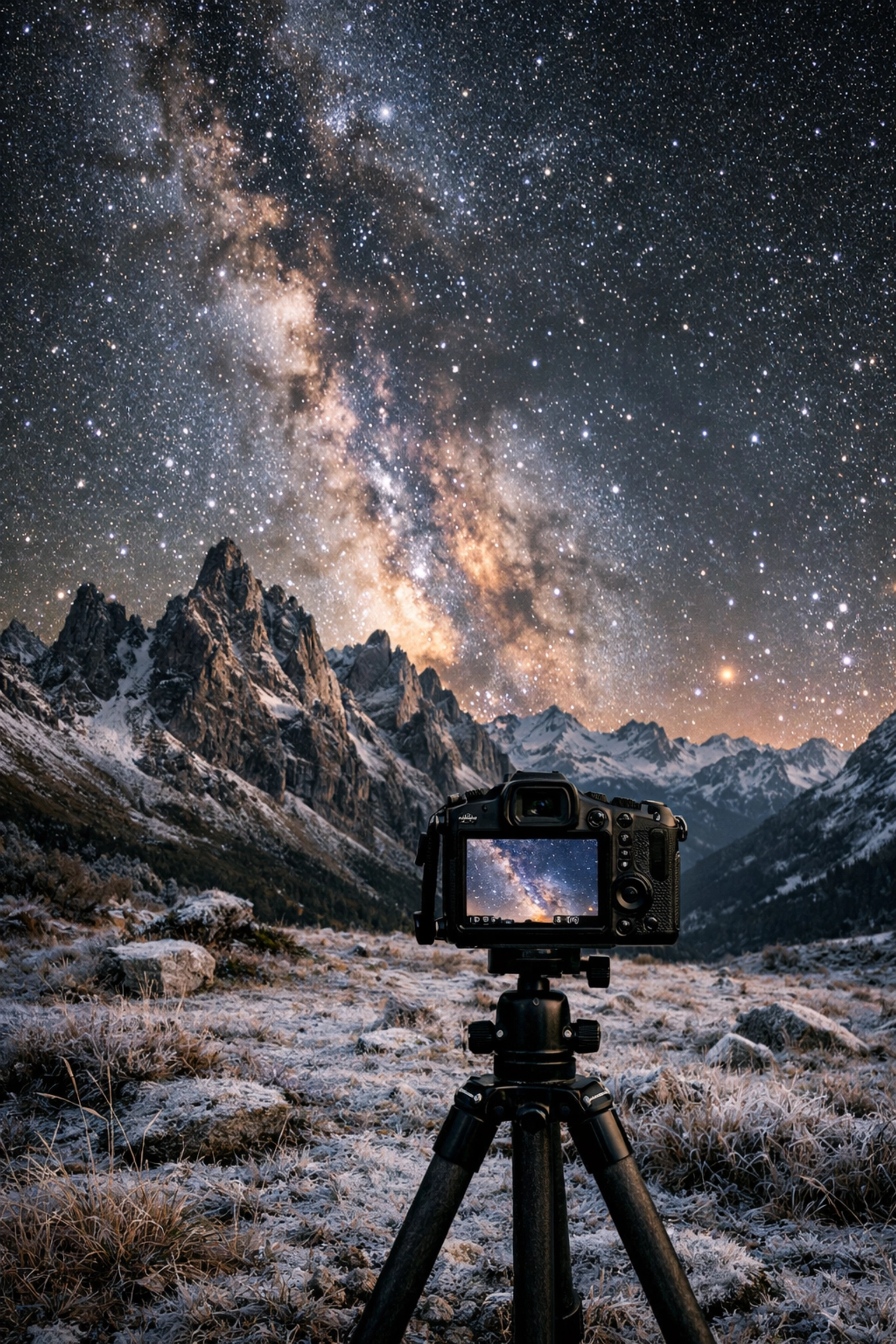
- Low-Light Mastery: AI noise reduction on-device is getting scary good. We’re reaching a point where shooting at ISO 25,600 looks as clean as ISO 400 did five years ago. This opens up entirely new worlds for urban photography at night.
Where to Go From Here?
If you’re feeling overwhelmed, don't worry. You don't have to trade in your current gear tomorrow. But you should start paying attention. The gap between AI-integrated cameras and traditional mirrorless ones is growing every month.
If you want to stay ahead of the curve, I recommend reading up on some of the tutorials over at blog.edinchavez.com. We’re constantly testing the latest firmware and hardware to see what actually works and what’s just marketing fluff.
Whether you're looking for top spots for nature imagery or trying to figure out how to find hidden gems for stunning travel photography, the goal is the same: take better photos and have more fun doing it.
The Industry Shift: Canon, Panasonic, and Startups
The traditional hierarchy of the camera world is being shaken up. Startups are moving faster because they don't have the "legacy baggage" of old lens mounts and traditional mindsets. However, the giants aren't sleeping.
Canon’s recent investments in generative AI startups show they realize that the future isn't just in the glass: it's in the code. Panasonic has been leaning heavily into "computational video," using AI to stabilize footage in ways that make gimbals almost unnecessary.
This competition is great for us, the photographers. It means better tech, lower prices (eventually), and more creative freedom. If you’re looking to rent some of this new tech before you buy, edinstudios.com is a great place to start looking at what’s available in professional circles.
Final Thoughts on the AI Mirrorless Revolution
The era of the AI-integrated mirrorless camera isn't coming; it’s already here. It’s changing how we shoot, how we edit, and how we share our world. While it might feel a little "cheaty" at first, the reality is that these tools allow us to spend less time fighting our gear and more time finding stunning nature imagery.
Don't be afraid of the AI. Embrace it as the most powerful assistant you’ve ever had. Whether you're using Luminar to fix a sky or using your camera’s voice command to change a color grade on the fly, you’re still the artist. The AI is just the brush.
Keep your eyes on the horizon (and maybe let the AI help you level it). Happy shooting!