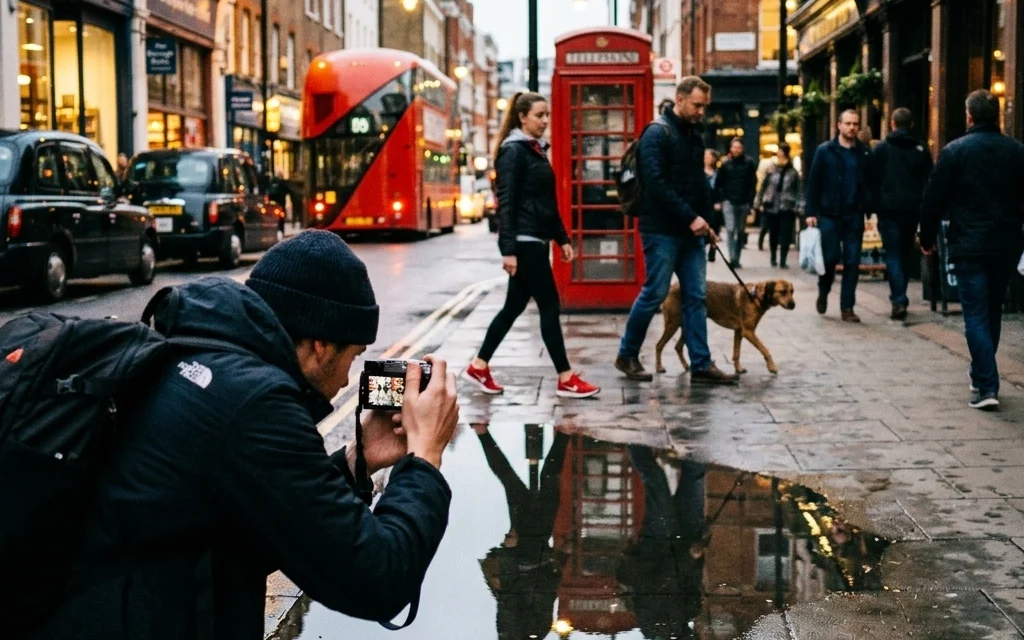
Street photography is the ultimate test for any photographer. It’s fast, it’s unpredictable, and frankly, it can be a little intimidating. We’ve all been there: walking around a city for three hours, camera in hand, only to come home with fifty photos of blurry pigeons and a very tired pair of legs.
At Shut Your Aperture, we believe the best street shots don't just happen; they are hunted. But sometimes, your "hunting" instincts need a little creative jolt. Whether you’re shooting in the heart of New York or a quiet suburban corner, you need a fresh perspective to stop taking snapshots and start making art.
Here are 25 creative street photography ideas that will help you see the world differently.
1. The "Worm’s Eye" Perspective
Most people experience the world from five to six feet off the ground. If you want your photos to stand out, you need to change your altitude. Get down. I’m talking about sitting on the curb or placing your camera directly on the pavement.
When you shoot from a low angle, pedestrians look like giants, and buildings take on a heroic, looming scale. It turns a mundane walk to the subway into an epic journey. If you’re worried about getting your pants dirty, remember: the best shots usually require a little grit.
2. High-Contrast Silhouettes
Stop trying to get "perfect" exposure. Instead, look for those harsh slices of light that happen when the sun sits between two tall buildings. Dial your exposure down so the highlights are crisp, and let the shadows fall into total darkness. When a person walks through that beam of light, they become a striking silhouette. It’s a classic look that never goes out of style, and it’s a great way to practice seeing light instead of subjects.
3. The "One Spot" Challenge
This is an exercise in patience. Find a single street corner, park bench, or bus stop. Sit there for exactly one hour. Do not move. Your goal is to find ten different stories in that one spot. You’ll start to notice the subtle interactions: the way the light shifts on the brickwork, the recurring characters, and the small moments of human connection that most people walk right past. It’s a great way to sharpen your "street eye."
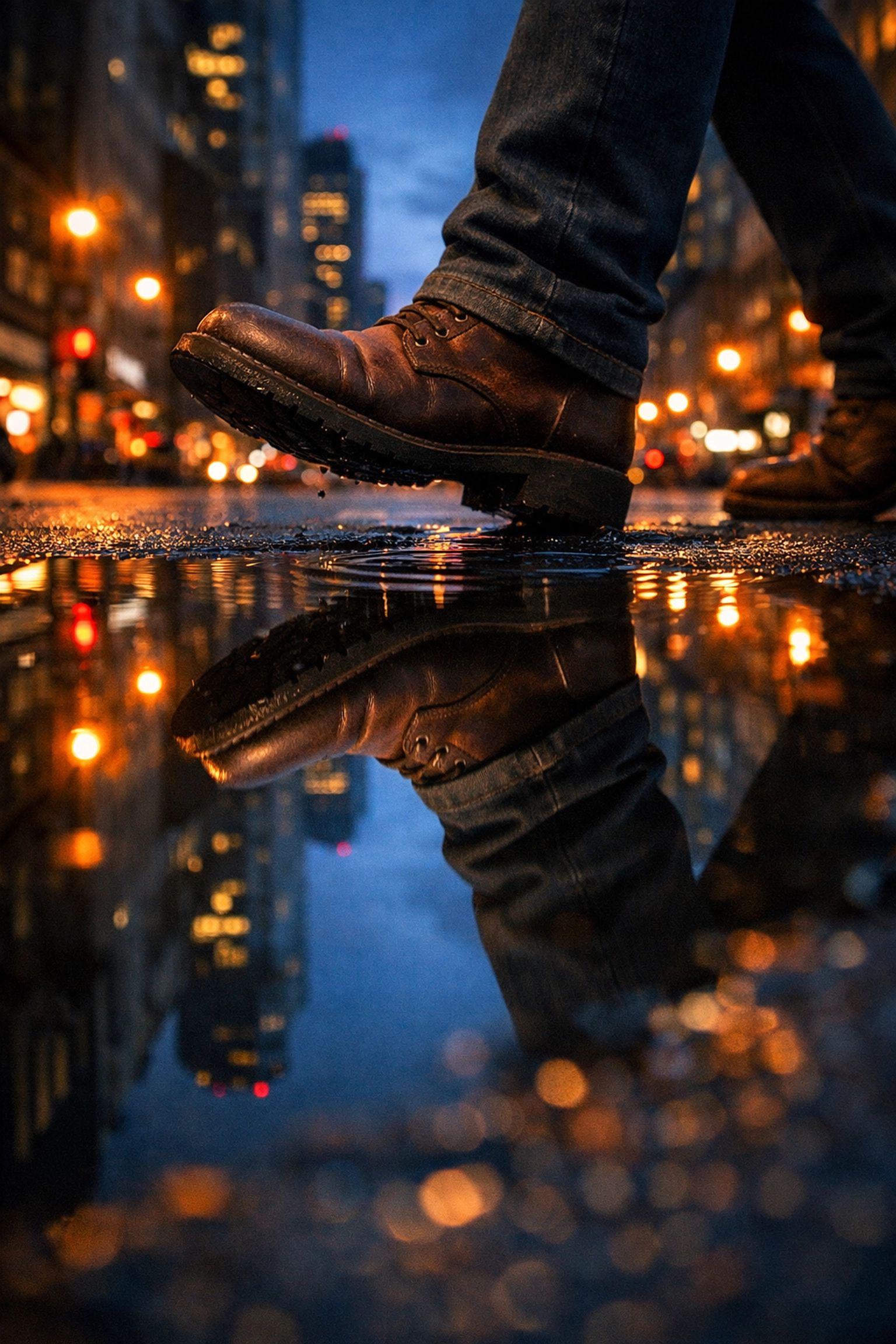
4. Puddle Reflections (The Upside Down)
Rainy days are actually a gift. Look for uneven pavement where puddles form. By getting your lens as close to the water as possible, you can capture a symmetrical "alternate universe." It’s a dreamlike way to view the city. For some extra polish on these reflections, using a tool like Luminar can help you bring out the clarity and color in the water.
5. Rare Textures and Urban "Skin"
Street photography isn't always about people. Sometimes, the city itself is the subject. Look for the "skin" of the urban environment: peeling paint, rusted metal, layers of weathered posters, or cracked concrete. These textures tell a story of time and decay. They add a raw, realistic layer to your portfolio that balances out your more "human" shots.
6. Nighttime Neon Vibes
When the sun goes down, the city transforms. Neon signs are your best friends. They provide a cinematic, almost "Blade Runner" atmosphere. Position yourself near a bright sign and wait for someone to walk past. The colored light washing over their face creates a mood you just can’t get during the day. If you’re interested in how light affects the "feel" of a space, you might enjoy our look at the role of luminosity in photography.
7. The Empty Urban Landscape
Try telling a story through emptiness. Photograph busy intersections at odd hours or quiet alleys where the only "character" is a discarded coffee cup or a lonely shadow. Capturing the city without its inhabitants can feel eerie and profound. It forces the viewer to look at the architecture and the environment as a living thing. This technique is similar to how we approach vistas and perspectives in real estate.
8. Mastering Juxtaposition
Juxtaposition is just a fancy word for "two things that don't belong together." Look for irony. A person in a tuxedo walking past a trash heap. A "Sale" sign next to an empty storefront. An elderly person standing in front of a giant, colorful graffiti mural. These photos often tell a story with a bit of humor or social commentary.
9. Shooting Through Glass
Shop windows, bus windows, and cafe glass are gold mines for street photographers. You get a layered effect: the person inside the glass mixed with the reflection of the world behind you. It creates a natural double-exposure effect that feels complex and surreal. It’s a great way to add depth to your compositions.
10. The Halo Effect (Backlighting)
During the golden hour, shoot directly toward the sun. When a person walks between you and the light source, you get a beautiful "rim light" or halo effect around their hair and clothes. It’s a poetic way to capture commuters or tourists. For more on mastering light, check out PhotoGuides.org for some solid technical breakdowns.
11. In-Camera Double Exposures
Many modern cameras allow you to overlay two images. Try combining a shot of a textured stone wall with a street portrait. Or a shot of city traffic with a close-up of a flower in a park. This moves your street photography into the realm of fine art. If you need inspiration for this kind of artistic elevation, look into how Peter Lik’s photographs inspire art lovers.
12. The "Reverse" Portrait
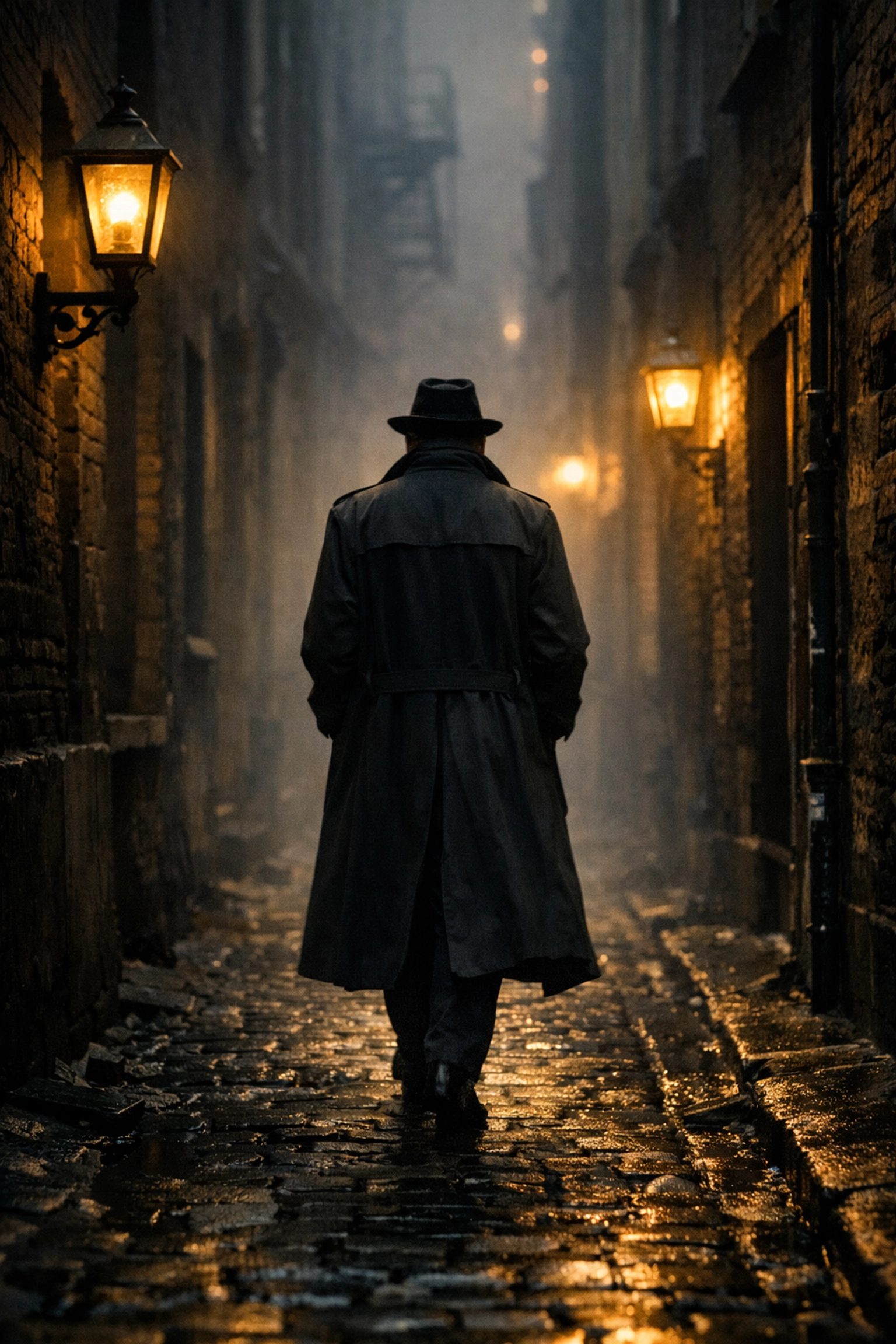
Most street photographers want to see the face. Try the opposite. Photograph people from behind as they walk away into the distance or look out over a view. This creates a sense of mystery. Where are they going? What are they thinking? It leaves the story open for the viewer to finish.
13. Elevated Vantage Points
Get high up. Find a parking garage, a bridge, or a rooftop lounge. Looking down on the city allows you to see patterns that aren't visible from the ground. You can capture the geometric shapes of crosswalks, the flow of traffic, and the long shadows cast by pedestrians. It’s like being a bird watching a very busy ant colony.
14. Theme: Single Color
Challenge yourself to only photograph one color for an entire afternoon. If you choose red, look for red umbrellas, red cars, red hats, and red signs. This "forced" focus trains your brain to scan the environment more efficiently. You’ll start to see details you would have ignored if you were just looking for "anything interesting."
15. Photograph People Photographing
In the age of the smartphone, everyone is a photographer. Capturing people lost in the act of taking a photo: whether it’s a tourist with a DSLR or someone taking a selfie: is a meta-commentary on our modern world. They are usually so focused on their own screen that they won't even notice you.
16. Diptychs and Triptychs
Sometimes one photo isn't enough to tell the story. Start thinking in pairs or threes. Maybe you have a shot of a street musician’s hands, followed by a shot of their hat on the ground, followed by a shot of their face. Combining these into a single layout creates a narrative flow that a single image can't match.
17. Intentional Motion Blur
Freeze-framing is great, but movement is the soul of the city. Use a slower shutter speed (try 1/15th or 1/30th of a second) and pan your camera with a moving subject, or keep the camera still and let the subjects blur past. This adds a sense of energy and chaos that perfectly reflects urban life.
18. Shadow Puppetry
Forget the person; photograph their shadow. Long afternoon shadows on a flat wall can look like abstract art. Sometimes the shadow of a person interacting with the shadow of a lamp post or a bicycle creates a much more interesting composition than the physical objects themselves.
19. Looking Straight Up
We spend so much time looking at eye level that we forget to look up. Stand in the middle of a cluster of skyscrapers and point your lens at the sky. The way the buildings converge creates powerful leading lines and geometric shapes. It’s a great way to capture the "weight" of the city.
20. Interacting with Public Art
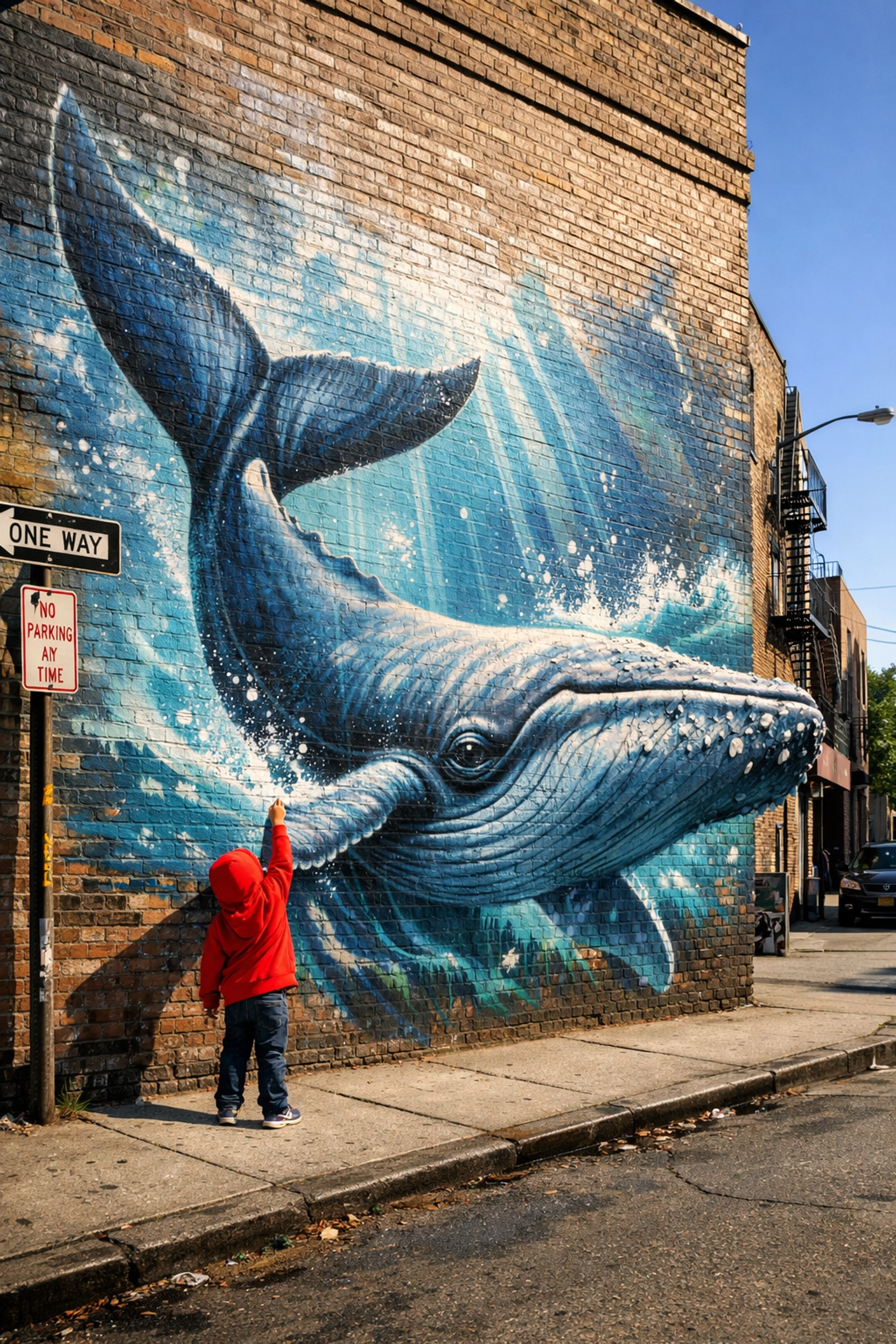
Statues, murals, and installations are part of the street’s identity. Don't just take a picture of the art: wait for a person to interact with it. A businessman sitting on a statue’s lap or a child trying to mimic a mural’s pose turns a static object into a dynamic scene.
21. The "Ask for a Portrait" Challenge
This is the hardest one for introverts. If you see someone with a fascinating look, walk up and ask, "Can I take your portrait?" Most people are flattered. This isn't strictly "candid" street photography, but it results in powerful, intimate street portraits that you simply can't get by sneaking around. For more on professional-grade portraits, you can browse through blog.edinchavez.com.
22. Extreme Close-ups
Macro on the street? Why not? Focus on the small details: a hand gripping a subway pole, the steam rising from a street food cart, or the eyes of a person lost in thought. These tight shots bring a sense of intimacy to the normally "cold" city environment.
23. Shooting in "Bad" Weather
Snow, fog, and heavy rain are a street photographer’s best friends. Fog creates a natural isolation for your subjects, while snow adds a clean, minimalist aesthetic to dirty city streets. Don't leave your camera at home just because the sky is grey. If you want to see how mood can elevate an image, look at our piece on ethereal imagery in listings.
24. Public Transport Life
Subways, buses, and trains are microcosms of society. People are in "transit mode," often staring out windows or lost in books. The lighting is usually moody and cinematic. Just be respectful of people's space: it’s a small area, and nobody likes a lens in their face at 7:00 AM on a Monday.
25. Framing within Frames
Look for natural frames in the environment. Archways, fences, windows, or even the space between two parked cars. By "framing" your subject within another element in the scene, you create a sense of depth and focus the viewer’s eye exactly where you want it to go. It’s a simple trick that makes your shots look significantly more professional.
Bringing It All Together
Street photography is about more than just having a fast lens; it’s about having a curious mind. The city is constantly changing, offering a million different shots every single minute. The key is to stop looking for the "perfect" shot and start looking for the "weird" shot, the "quiet" shot, or the "dynamic" shot.
Once you’ve captured your street gems, don't forget the importance of post-processing. A little bit of work in Luminar can turn a grey afternoon shot into a moody, high-contrast masterpiece.
If you're looking to dive deeper into the world of photography gear or professional services, head over to proshoot.io or check out www.edinstudios.com for more inspiration. Street photography is a journey, not a destination. So, grab your camera, get out there, and start seeing the unseen.
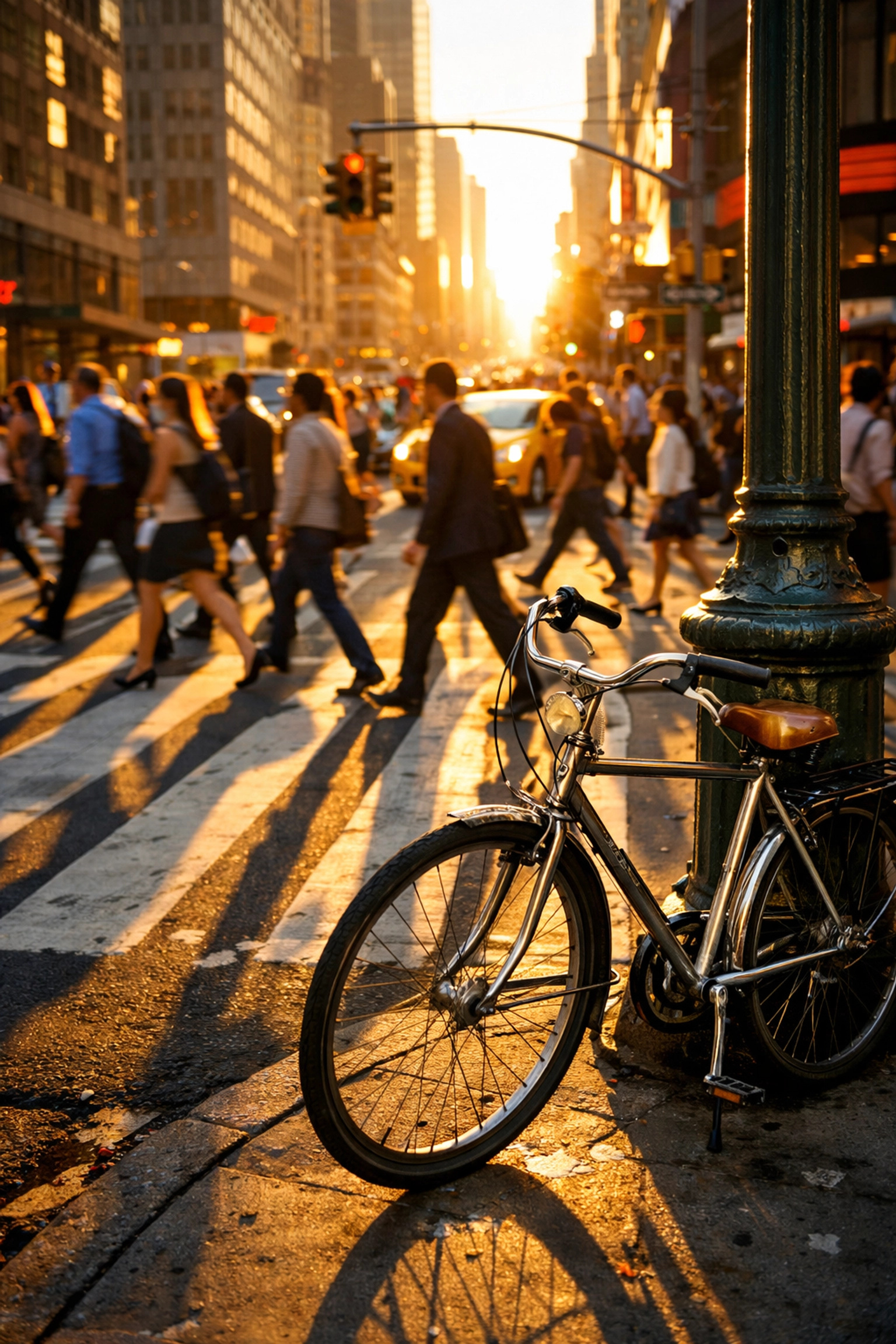
Whether you're following lessons in landscape photography or hunting for the perfect urban silhouette, the most important thing is to keep shooting. The city is waiting.