Street photography is the ultimate test of a photographer's reflexes and vision. It’s about more than just walking around with a camera and hoping someone does something interesting. It’s about seeing the extraordinary in the mundane. Most people think street photography is just candid shots of strangers on a sidewalk, but it can be so much more than that.
If you’ve been feeling like your urban shots are getting a bit stale, you’re not alone. Every photographer hits a wall where every street corner starts looking the same. To break out of that funk, you need to change your perspective, literally and figuratively.
We’ve put together 25 creative street photography ideas to help you see the world through a different lens. Whether you're shooting in a bustling metropolis or a quiet suburban neighborhood, these ideas will challenge you to think outside the box.
1. The "Worm’s Eye" View
Most street photos are taken from eye level. It’s comfortable, but it’s also what everyone else sees. To make your photos stand out, get low. We’re talking "camera on the pavement" low. This perspective makes buildings look like giants and gives ordinary pedestrians a heroic, larger-than-life scale. It’s a great way to turn a standard sidewalk scene into something epic. If you’re worried about getting your clothes dirty, many modern cameras have flip-out screens that make this much easier.
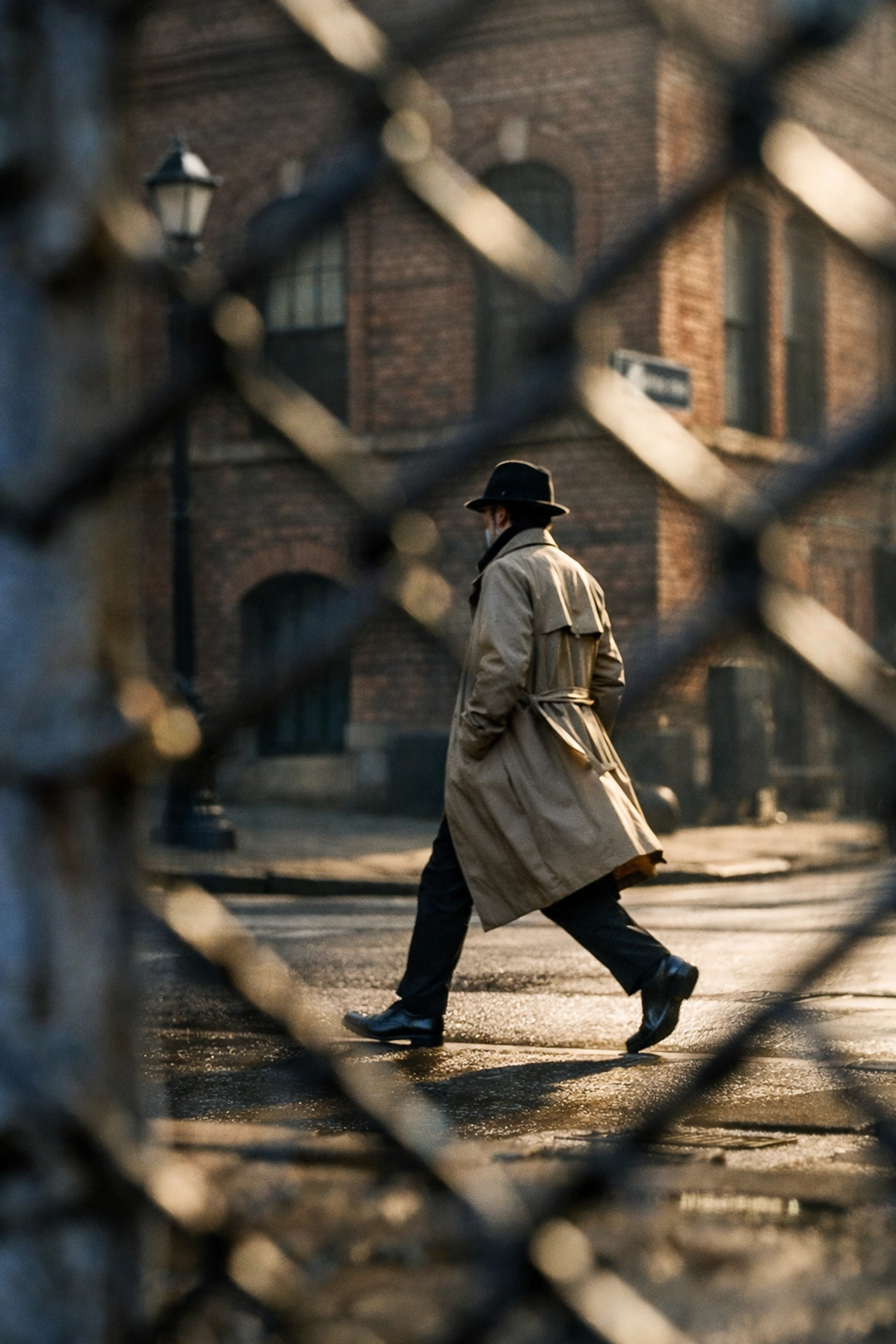
2. Shooting Through Obstructions
One of the best ways to create depth in your photos is to shoot through something. Use a fence, a gap between two buildings, or even the leaves of a stray city tree. This creates a "layered" composition that makes the viewer feel like they are peeking into a private moment. It adds a sense of voyeurism and mystery that clean, open shots often lack. You can find some incredible spots for this by exploring hidden gem locations for travel photography.
3. The Hip Shot
Candid photography is all about being a fly on the wall. The moment people see a camera pointed at them, they change their behavior. To capture truly authentic moments, try shooting from the hip. This means holding your camera at waist level and snapping photos without looking through the viewfinder. It takes practice to nail the framing, but the results are often much more raw and honest.
4. High-Contrast Silhouettes
Light is your best friend in street photography. Find a spot where the sun is peaking between two tall buildings, creating a natural "stage" of light on the ground. Set your exposure for the highlights so that the background stays bright, but anyone walking through the light becomes a dark, mysterious silhouette. This minimalist approach focuses on shape and movement rather than detail.
5. Nighttime Neon
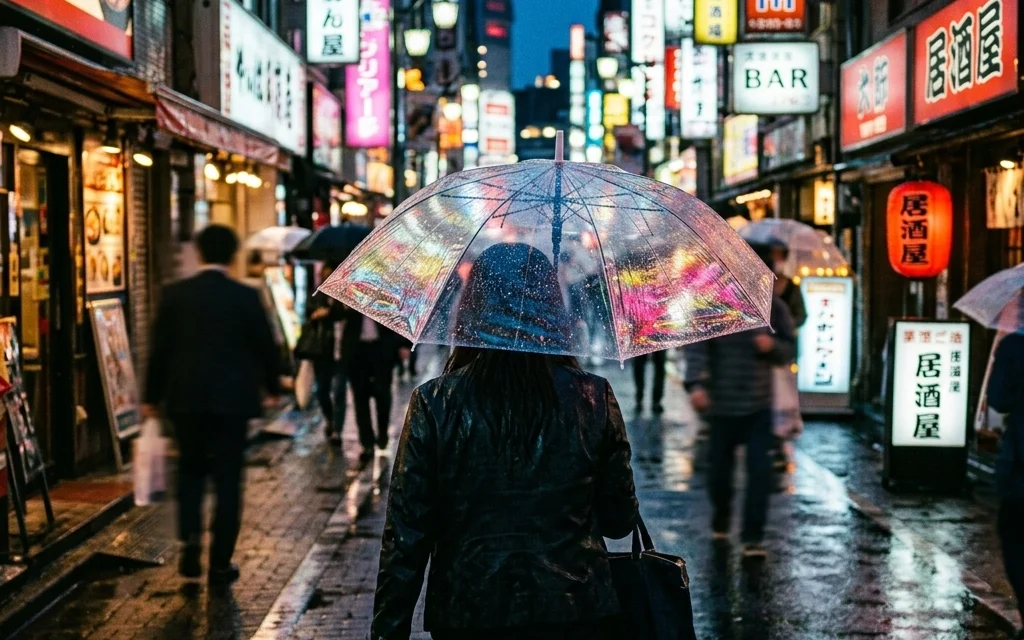
When the sun goes down, the city changes. Forget the "golden hour" for a second and look for the "neon hour." Position your subjects near neon signs or brightly lit storefronts. The vibrant colors will wash over their faces, creating a cinematic, almost Blade Runner-like atmosphere. It’s a great way to experiment with color theory and mood. If you're struggling with noise in your night shots, tools like Luminar have incredible AI-driven noise reduction that can save your images.
6. The "One Spot" Challenge
We often think that to find better shots, we need to keep moving. The One Spot Challenge proves the opposite. Pick a single street corner and stay there for one full hour. Don't move your feet. Your goal is to find at least ten different stories or compositions from that one exact spot. It forces you to look closer and notice the subtle changes in light, people, and interactions that you would normally walk right past.
7. Reflections in Puddles
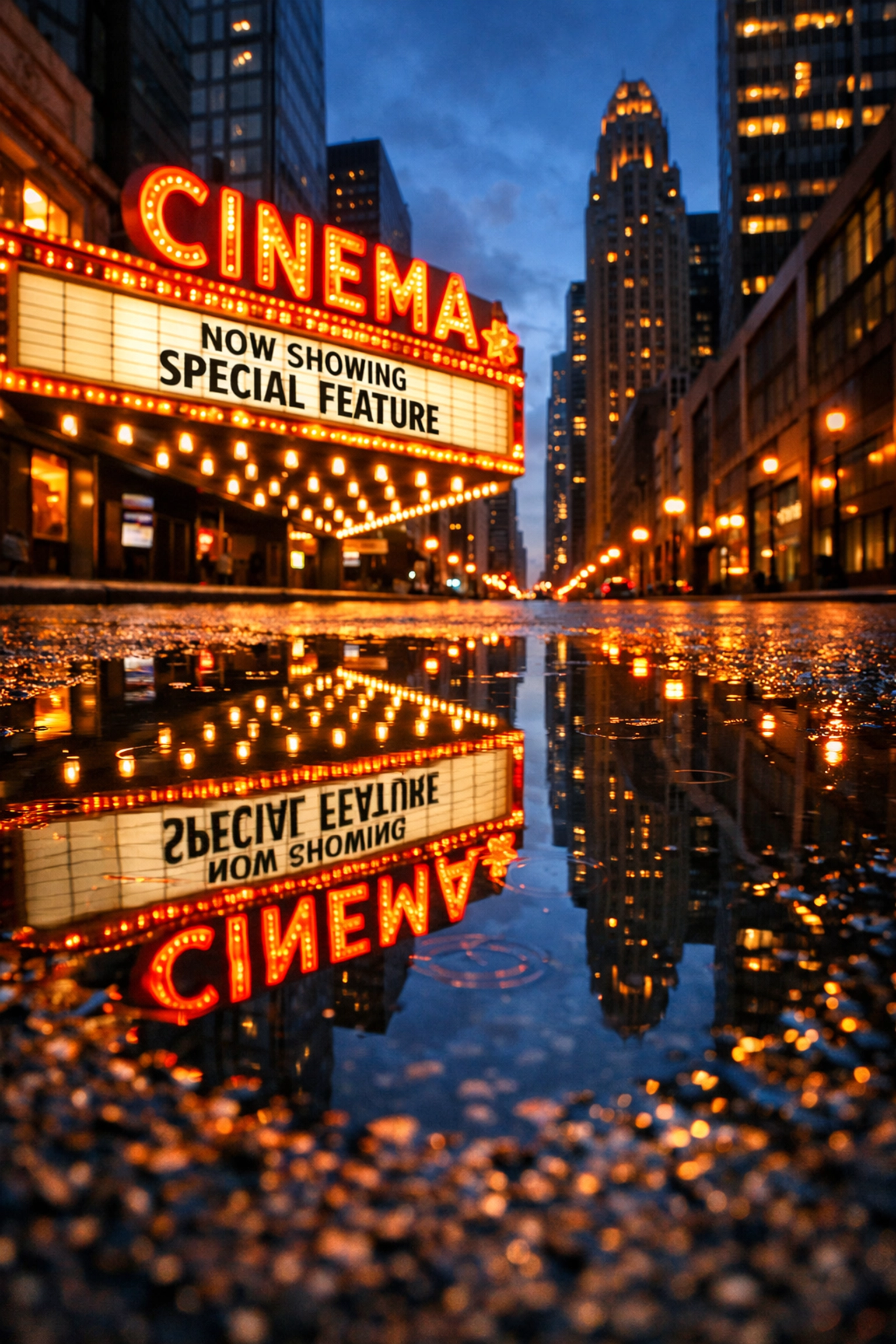
Rainy days are a gift to street photographers. After a downpour, the city is filled with temporary mirrors. Get your lens as close to a puddle as possible to create symmetrical, "alternate universe" compositions. If you flip the photo upside down in post-processing, it can create a surreal effect where the reflection becomes the reality. For more tips on finding the perfect environment for these shots, check out our guide on discovering ethereal landscapes.
8. Shooting Through Glass
Shop windows, bus windows, and cafe glass are fantastic for adding layers to your work. You get a mix of what’s inside the building and the reflections of the street behind you. This creates a natural double-exposure effect that feels complex and artistic. It’s also a great way to capture people in their "natural habitat" without being intrusive.
9. Juxtaposition and Irony
Keep an eye out for things that don’t quite belong together. Maybe it’s a person in a high-end suit sitting next to a "Sale" sign at a thrift store, or a child standing next to a massive, serious statue. Juxtaposition is about telling a story through contrast. It adds humor, irony, and social commentary to your work. This is a staple technique for legendary street photographers and is often discussed on sites like PhotoGuides.org.
10. The Urban Landscape (No People)
Who says street photography needs people? Sometimes the most powerful stories are told through emptiness. Focus on the architecture, the way shadows fall across an alleyway, or inanimate objects left behind. An empty street can feel eerie, peaceful, or lonely. By removing the human element, you allow the viewer to focus entirely on the environment. If you’re looking for places that feel like a world of their own, look into lesser-known vistas for enigmatic photos.
11. Focus on Rare Textures
The city is a playground of textures. Look for peeling paint, rusted metal, or weathered posters on a brick wall. These elements add grit and a sense of history to your photos. Macro street photography is a niche that many people ignore, but focusing on the small details can be incredibly rewarding. You can learn more about how to use these in your work by reading about using rare textures for tangible aesthetic photography.
12. The "Reverse" Portrait
Most portraits are about the face, but sometimes the back of a person tells a more interesting story. Photograph people as they walk away into the distance or as they stare out at a view. It creates a sense of mystery. Where are they going? What are they thinking? It allows the viewer to project their own narrative onto the subject.
13. Intentional Motion Blur
The street is a place of constant movement. Instead of freezing it with a fast shutter speed, try slowing things down. Use a slower shutter speed and pan your camera with a moving subject (like a cyclist or a car). This keeps the subject relatively sharp while blurring the background into a series of streaks. It conveys energy and the fast pace of urban life.
14. In-Camera Double Exposures
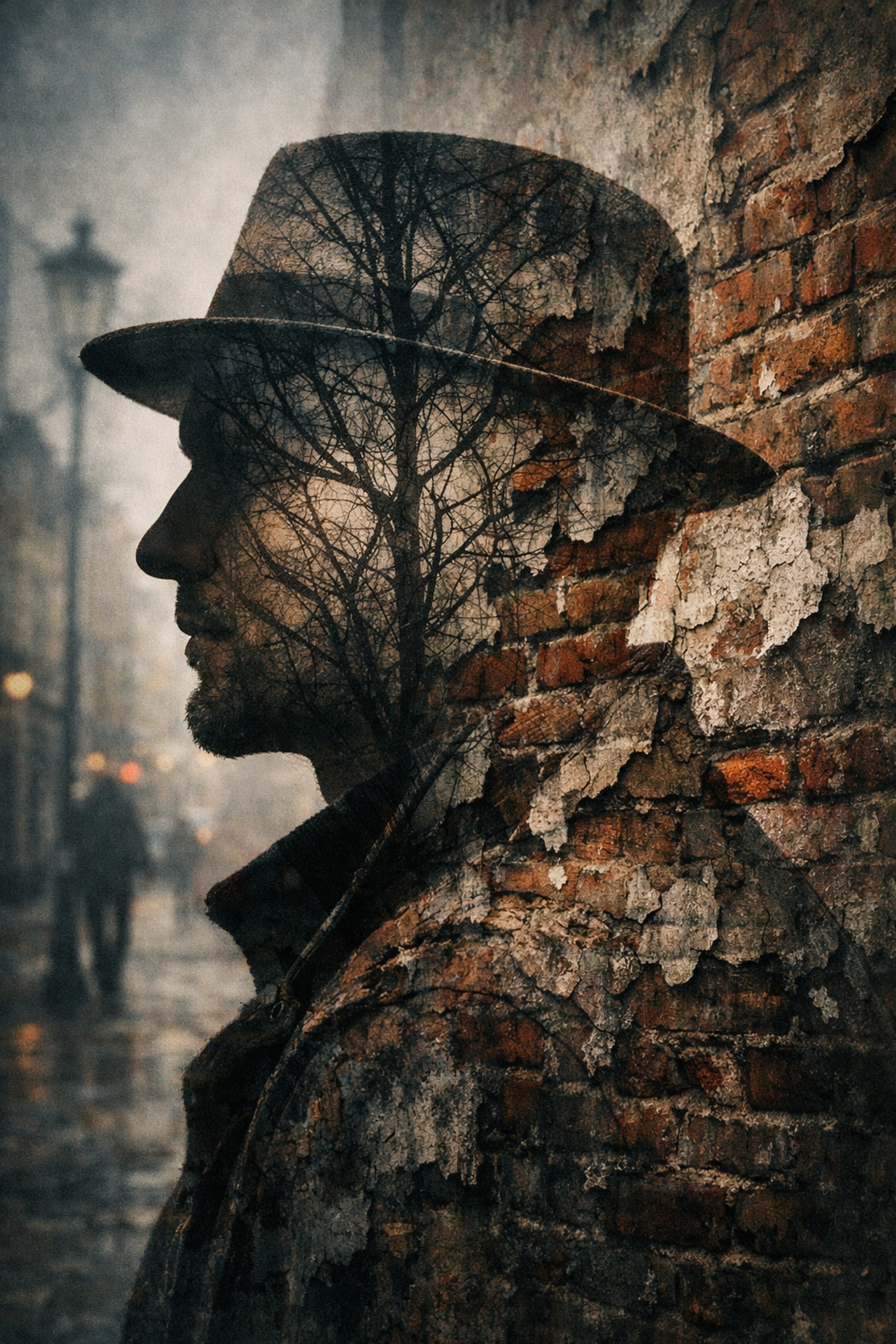
Many modern cameras allow you to overlay two images in-camera. Try combining a shot of a textured brick wall or a leafy tree with a street portrait. It creates a dreamlike, surreal quality that moves your work away from documentation and into the realm of fine art. For high-quality prints of this style of work, you can see how professionals handle it at Edin Fine Art.
15. Photograph People Photographing
This is a "meta" approach to street photography. People are often at their most natural when they are focused on taking their own photos. They are distracted and unselfconscious. Capturing another photographer or a tourist struggling with a selfie stick can be a funny and relatable way to document modern life.
16. Go for a Mono-Color Theme
Challenge yourself to only take photos that feature a specific color. Maybe today is "Red Day." You only look for red cars, red jackets, or red storefronts. This forces you to scan the environment differently and helps you notice details you would have otherwise ignored. It’s a great exercise for training your eyes to see composition over subject matter.
17. The Halo Effect (Backlighting)
During the golden hour, position yourself so the sun is directly behind your subject. This creates a "halo" or rim light effect around their hair and clothes. It’s a beautiful, ethereal look that adds a touch of magic to a standard street scene.
18. Nature’s Resilience in the City
Look for the juxtaposition of nature and urbanity. A wildflower pushing through a crack in the pavement or a single tree standing against a backdrop of cold, glass skyscrapers. These shots highlight the resilience of nature and create a powerful visual contrast between the organic and the man-made. You can find more inspiration for blending nature and urban shots by looking at the top spots for stunning nature imagery.
19. Utilize Mirrors and Metal
Urban environments are full of reflective surfaces beyond just windows. Look for side-view mirrors on cars, shiny metal sculptures, or even the chrome on a vintage motorcycle. These can provide unique, distorted perspectives of the street that feel more like abstract art than traditional photography.
20. Follow the Lines and Curves
Architecture is full of leading lines, curves, and symmetry. Use these elements to guide the viewer’s eye through your frame toward your subject. A person walking down a perfectly symmetrical staircase or standing at the end of a long, narrow alleyway creates a very satisfying and professional-looking composition.
21. Look for Fashion and Style
The street is the world’s longest runway. Instead of focusing on faces, focus on the details of what people are wearing. A pair of eccentric shoes, a colorful hat, or a unique piece of jewelry can tell a story about a person’s personality without ever showing their face. This is often a great way to build a portfolio for commercial or editorial work, similar to what you might see at ProShoot.io.
22. Capture People Engaging with Art
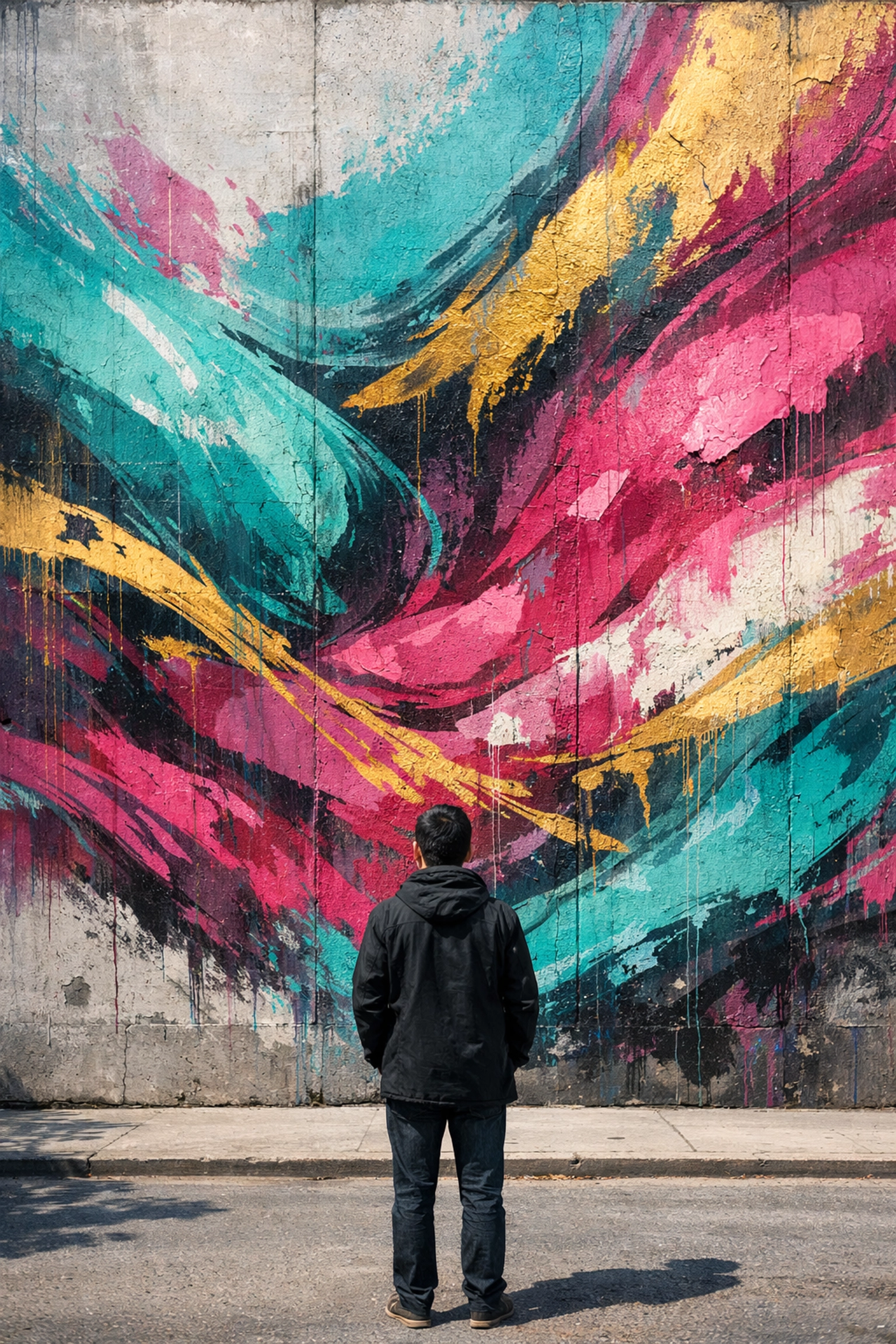
Whether it's someone staring at a museum piece through a window or a person walking past a massive piece of street graffiti, capturing people interacting with art is a classic street photography trope for a reason. It creates a dialogue between the art and the person, often leading to deep, thoughtful images.
23. Shadow Puppets
Sometimes the shadow is more interesting than the person casting it. On a bright day, look for long, elongated shadows on the pavement or walls. Frame your shot so the person is out of view, and only their shadow is visible. It creates an anonymous, ghostly feeling that is perfect for storytelling.
24. Zoom Bursts
If you have a zoom lens, try a "zoom burst." Use a slower shutter speed and, while the shutter is open, quickly zoom your lens in or out. This creates a radial blur effect that makes it look like the world is exploding outward from the center of your frame. It’s a high-energy technique that works incredibly well in busy city centers.
25. Finding Secluded Paradises
Even in the busiest cities, there are quiet pockets: hidden gardens, abandoned courtyards, or forgotten train tracks. Finding these secluded paradises to enhance your photography portfolio gives you a chance to capture a side of the city that most people never see. It’s about finding the "secret" version of your town.
Bringing it All Together
Street photography is as much about your mindset as it is about your gear. You don't need the most expensive camera in the world to take a great street photo; you just need to be present and observant.
Once you’ve captured your shots, don’t be afraid to experiment in post-processing. A little bit of color grading or contrast adjustment can take a good photo and make it great. If you want to speed up your workflow, we highly recommend trying out Luminar. Its AI tools are perfect for street photographers who want to spend more time shooting and less time sitting in front of a computer.
For more professional insights and gear tips, you can always check out Edin Studios or dive into the personal blog of our CEO at blog.edinchavez.com.
The most important thing is to keep shooting. The street is constantly changing, which means there is always a new story waiting to be told. Grab your camera, head outside, and see what you can find. Your next masterpiece might be just around the corner.