Let’s be honest: street photography is tough. You’re out there, dodging commuters, trying not to look like a weirdo, and hoping for that "decisive moment" that Henri Cartier-Bresson always talked about. But after a while, you might feel like you’ve shot every alleyway, every street performer, and every pigeon in a five-mile radius.
The "photographer’s block" is real. You start seeing the same patterns, the same shadows, and the same tired compositions. If you find yourself reaching for the same old shots, it’s time to shake things up. Whether you’re shooting in a bustling metropolis or a quiet suburb, there is always a fresh perspective waiting: if you know where to look.
Here are 25 creative street photography ideas to help you see the world through a brand-new lens.
1. The Worm’s Eye View
Most street photography is shot at eye level. It’s the default human perspective. If you want to make a scene feel monumental, get low. Sit on the curb, or better yet, place your camera directly on the pavement. This angle makes pedestrians look like giants and gives ordinary skyscrapers a heroic, towering presence. It’s a great way to discover lesser-known vistas for enigmatic photos right under your feet.
2. The One-Spot Challenge
We often think the best shots are "over there." We keep walking, hoping the next corner will be better. Stop. Find a single street corner with decent light and stay there for exactly one hour. Don’t move. Your challenge is to find ten completely different stories in that one spot. You’ll start noticing the subtle way the light hits a brick wall or how people interact with a specific sign.
3. High-Contrast Silhouettes
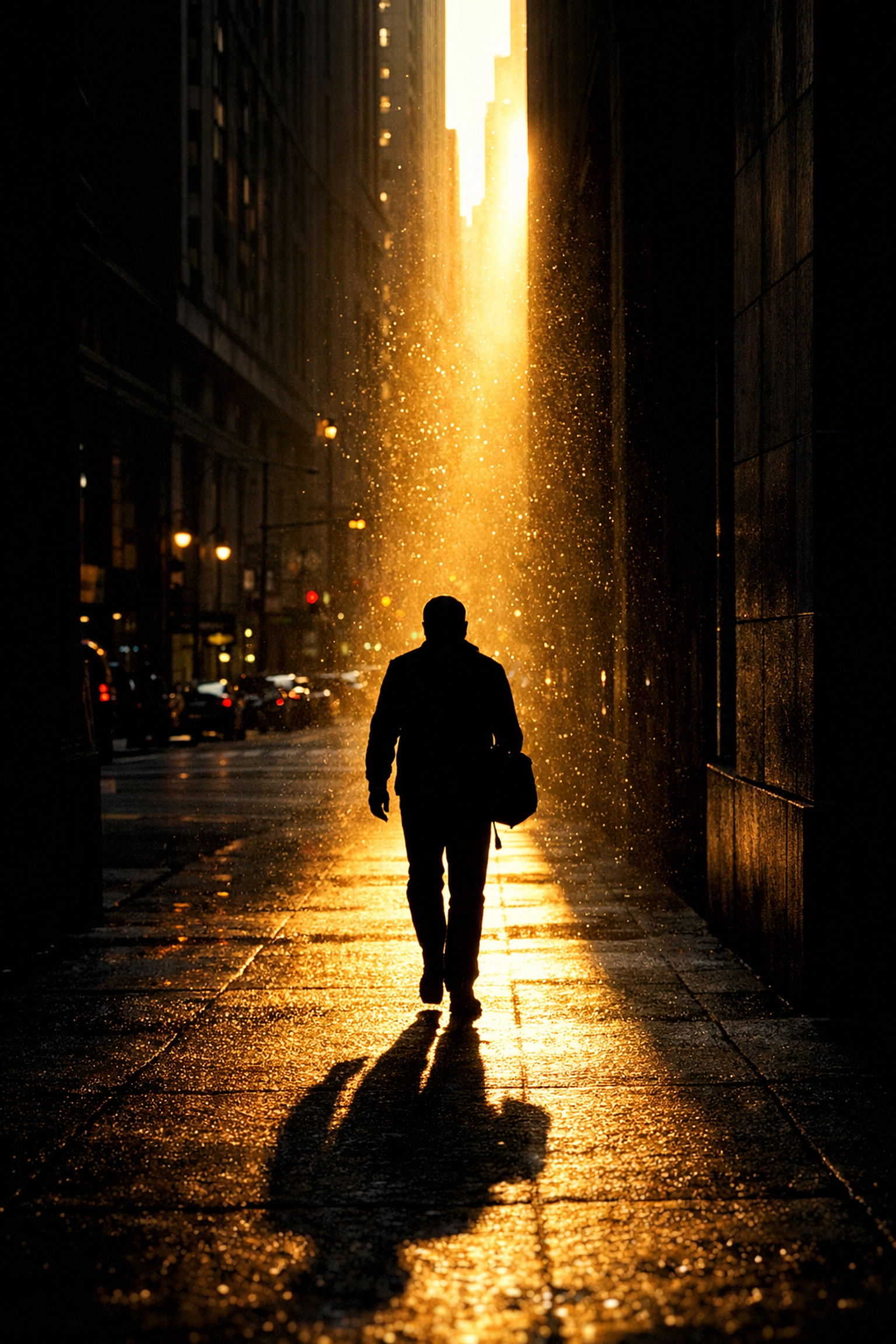
Find a "stage" of light. This is usually a gap between two tall buildings where a single beam of sunlight hits the sidewalk while the rest is in deep shadow. Set your exposure for the highlights. When someone walks into that beam, they’ll turn into a crisp, dark silhouette. This creates a dramatic, cinematic feel that strips away distracting details and focuses on the human form.
4. Shooting Through Glass
Windows are your best friend. Cafes, bus stops, and shopfronts offer a layered reality. You get a mix of what’s inside (the subject) and what’s behind you (the reflection). This creates a surreal, double-exposure effect in a single frame. It adds depth and mystery to your work, making the viewer work a little harder to understand the scene. If the colors feel a bit flat afterward, you can always use Luminar to bring back that punch and clarity.
5. Focus on Rare Textures
The city isn't just people; it’s a living, breathing organism with "skin." Look for peeling paint, rusted metal, or weathered posters. These elements add a grit and realism to your portfolio that most people ignore. Focusing on the tactile nature of the urban environment can be just as powerful as a portrait. If you want to dive deeper into this style, check out our guide on using rare textures for tangible aesthetic photography.
6. Puddle Portals
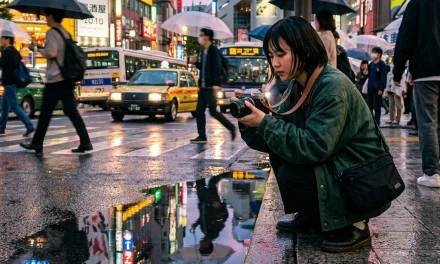
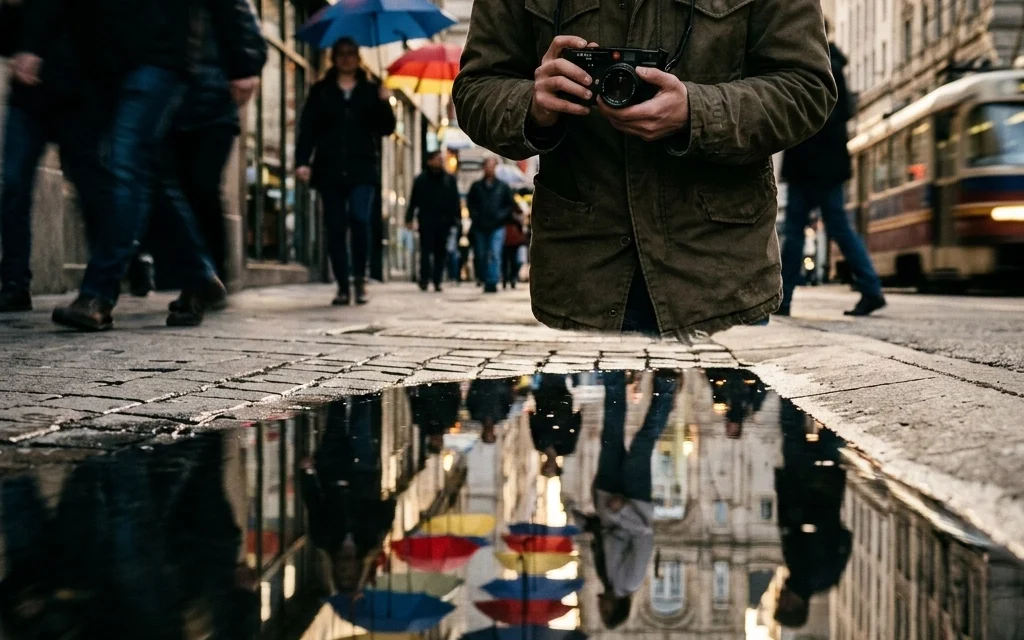
Rainy days are the best days for street photography. Don’t hide inside. Look for puddles on uneven pavement. Get your lens as close to the water as possible without getting it wet. The reflection creates a symmetrical "alternate universe." It flips the world upside down and adds a dreamlike quality to even the grittiest city streets.
7. The Reverse Portrait
We’re conditioned to look for faces, but sometimes the back of a person tells a better story. Photographing someone as they walk away into the distance creates a sense of longing or mystery. Where are they going? What are they thinking? It’s an easy way to build a narrative without the awkwardness of a direct confrontation.
8. Intentional Motion Blur
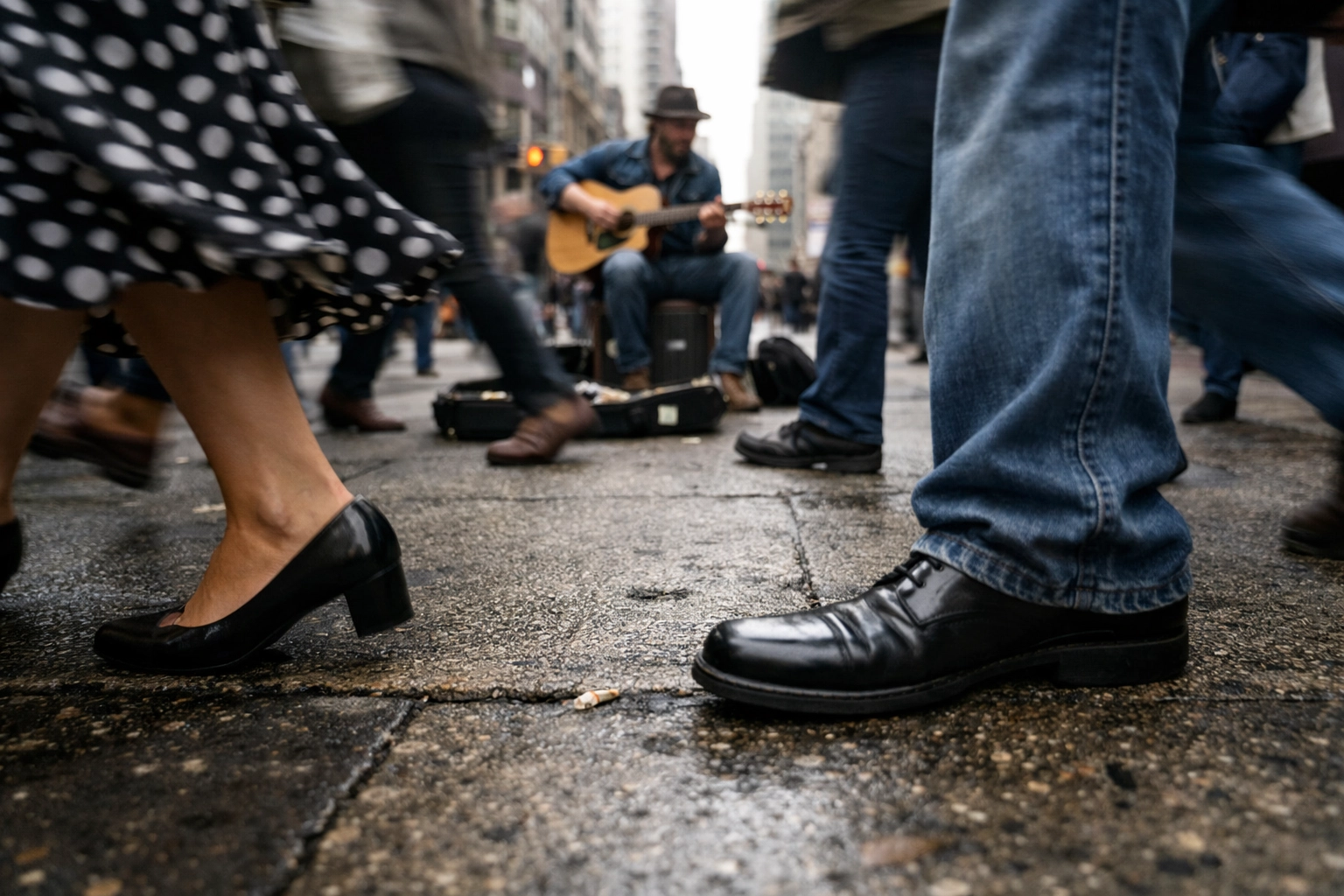
Street photography doesn't always have to be sharp. Sometimes, the chaos of the city is best represented by a blur. Slow your shutter speed down to 1/15th or 1/10th of a second and pan your camera with a moving subject. Or, keep the camera still and let the crowd blur past a stationary object. This technique captures the "vibe" of the city rather than just the facts.
9. Nighttime Neon
When the sun goes down, the neon signs come out. Use these as your primary light source. Position yourself so the glow of a red or blue sign washes over a passerby’s face. It creates a mood that feels like a scene from a sci-fi noir film. For more tips on finding these types of cinematic spots, look at finding hidden gems for stunning travel photography.
10. Shooting from the Hip
If you’re feeling shy or want truly candid moments, try shooting from the hip. Hold your camera at waist level and use a wide-angle lens. This allows you to capture people in their most natural state because they don’t realize a photo is being taken. It takes practice to frame shots without looking at the viewfinder, but the results are often raw and honest. You can find more gear tips for this style over at ProShoot.io.
11. The "Halo" Effect
This is all about backlighting. During the golden hour, shoot directly toward the sun. When someone walks between you and the light, a "halo" or rim light will wrap around their hair and clothes. It’s a beautiful, ethereal way to separate your subject from a busy background.
12. Juxtaposition and Irony
Keep an eye out for visual jokes. A person walking past a billboard that seems to interact with them, or a "No Parking" sign surrounded by bicycles. These shots require a quick eye and a bit of a sense of humor. They are the bread and butter of classic street photography and never fail to engage an audience.
13. Focus on Hands
Sometimes a person’s hands tell more about their life than their face. A craftsman at work, an elderly person clutching a cane, or two people holding hands on a park bench. Zoom in on these details. It’s a more intimate, quiet form of street photography that often goes overlooked.
14. Architecture as a Frame
Use the environment to box in your subject. Archways, doorways, and even the gaps between parked cars can serve as natural frames. This draws the viewer's eye directly to the subject and adds a sense of structure to the often-chaotic street scene.
15. The "People Photographing" Meta-Shot
In the age of the smartphone, everyone is a photographer. Capture people in the act of taking their own photos: especially tourists. There’s something fascinating about the way people pose or the "behind the scenes" of a selfie. It’s a commentary on our modern culture and usually makes for a very relatable image.
16. Urban Greenery
Look for the clash between nature and concrete. A single flower growing through a crack in the pavement or a massive tree overshadowed by a skyscraper. These images highlight the resilience of nature and provide a nice break from the grey tones of the city. For inspiration on nature-meets-urban shots, browse through top spots for stunning nature imagery.
17. Following a Color
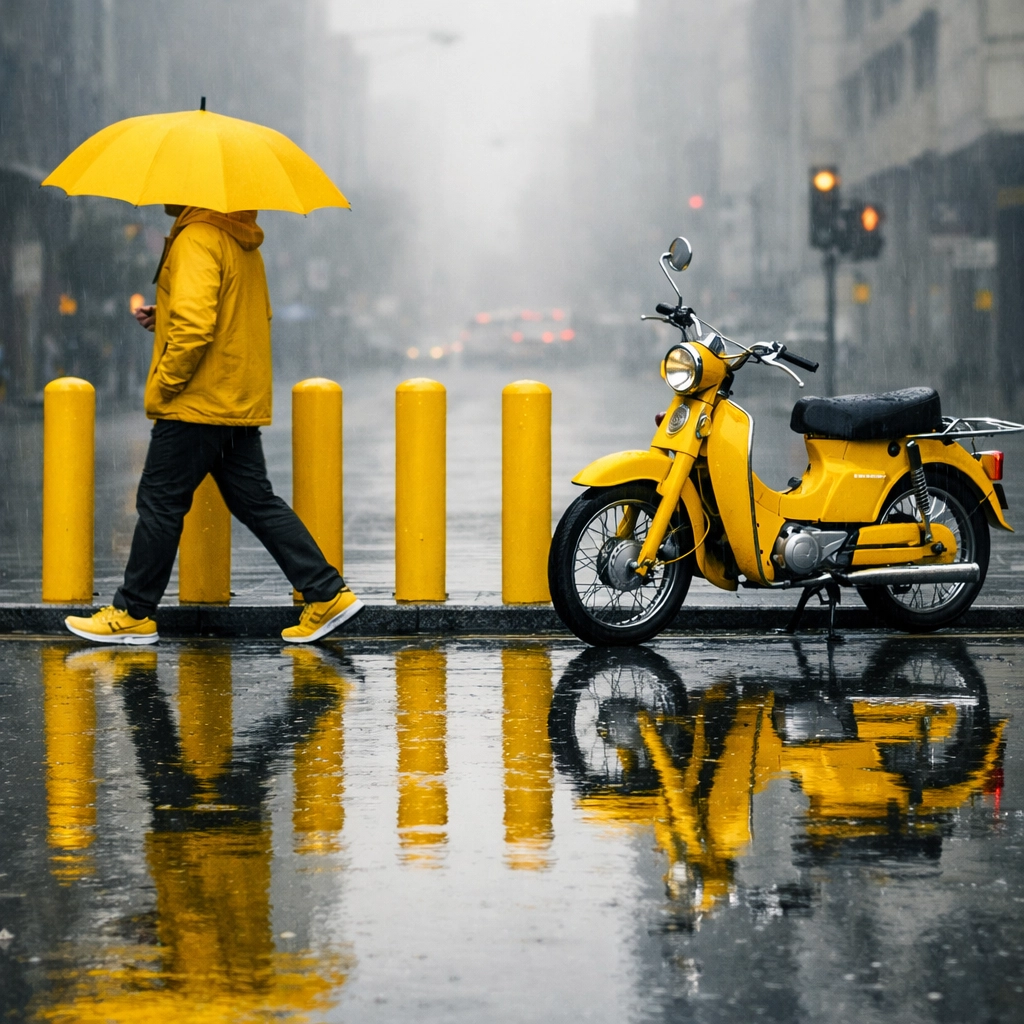
Pick a color: let’s say, yellow. Spend your entire walk only looking for things that are yellow. A yellow taxi, a yellow umbrella, a yellow fire hydrant. This "color-matching" forces you to look at the street in a more abstract way, focusing on composition and palette rather than just subjects.
18. Shadow Play
Sometimes the shadow is more interesting than the object casting it. Look for long, distorted shadows during the late afternoon. You can even compose a shot where the person is out of frame, and only their shadow is visible on a wall or the ground. It creates a ghostly, minimalist aesthetic.
19. Street Portraiture (With Permission)
Move beyond the candid and actually talk to people. If you see someone with an interesting look, ask to take their portrait. Most people are flattered if you’re polite. This allows you to control the background and the light while still capturing the essence of the street. If you're looking for examples of high-end portrait work, EdinFineArt.com has some incredible inspiration.
20. Empty Streets
Street photography doesn't always need people. Sometimes the absence of life tells a louder story. An empty playground at dawn or a deserted financial district on a Sunday can feel eerie and profound. It’s about the "ghosts" of the city. Check out secluded paradises to enhance your photography portfolio for ideas on capturing quiet beauty.
21. Use a Prism or Crystal
Hold a small prism or a piece of glass in front of your lens. This will catch light and reflections from outside the frame and bleed them into your shot. It’s a great way to add a bit of "organized chaos" and "flair" to an otherwise boring street scene.
22. Leading Lines
The street is full of lines: power lines, crosswalks, train tracks, and curbs. Use these to lead the viewer’s eye toward your subject. It’s a fundamental rule of composition that works incredibly well in the geometric world of urban architecture.
23. Vertical Panoramas
We usually think of panoramas as wide, but try shooting a vertical one. Start at the street level and pan up to the top of a skyscraper. This captures the scale of the city in a way that a single wide-angle shot often can’t.
24. Look for Patterns
Bricks, windows, tiles, even a row of parked scooters. The city is repetitive. Find a pattern and then wait for someone to "break" it: like a person wearing a bright red coat walking past a row of grey buildings.
25. The Double Exposure
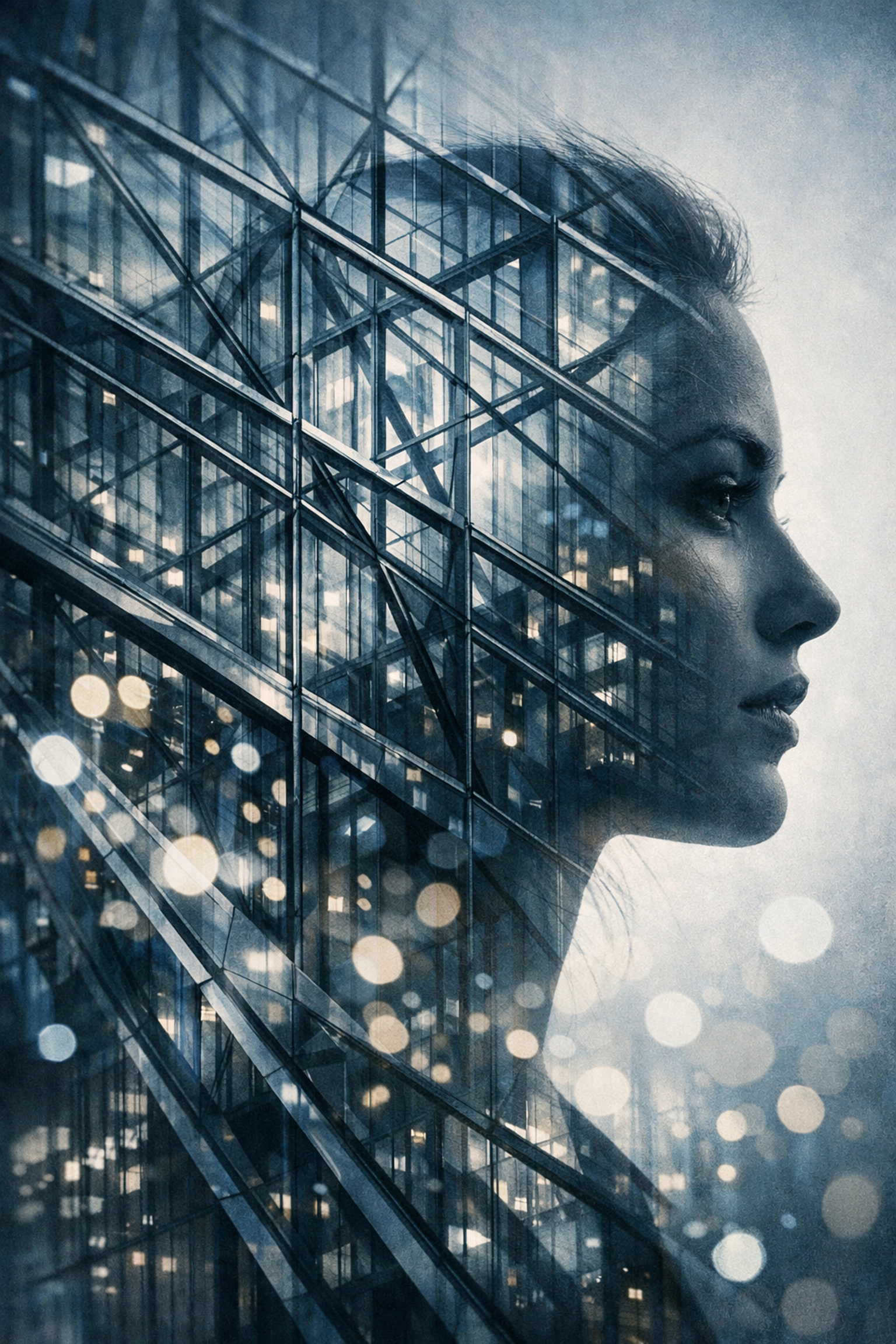
Many modern cameras have a built-in double exposure mode. Try overlaying a textured wall or a leafy tree with a street scene. It creates a layered, artistic look that feels more like a painting than a photograph. If your camera doesn't do it, you can easily replicate this look in post-production using tools like Luminar.
Leveling Up Your Street Game
Street photography is more than just "pointing and shooting." It's about anticipation. You have to be a bit of a mind reader and a bit of a ninja. If you're looking to dive deeper into the technical side of things, I highly recommend checking out PhotoGuides.org for some deep dives into specific camera settings.
Remember, the best camera is the one you have with you, but the best "eye" is the one you’ve trained to see what everyone else misses. Don't be afraid to fail. For every great street shot, there are a thousand bad ones: even for the pros. The goal is to keep experimenting.
If you’re traveling and looking for the perfect place to test these ideas, take a look at our list of hidden gem locations for travel photography. Sometimes a change of scenery is exactly what you need to get the creative juices flowing again.
Stop overthinking it. Grab your gear, head outside, and start looking for the stories that are waiting to be told. Whether it's a reflection in a puddle or a splash of neon light, the street is always giving you something to work with. You just have to be ready to catch it. You can see more of my personal street work and musings over at blog.edinchavez.com or check out the commercial side of things at EdinStudios.com.
Now, get out there and shut your aperture!