It is Monday, April 6, 2026, and if you haven’t seen a photo editing tutorial lately, you might be living under a very large, very un-edited rock. The photography world has shifted. We aren't just talking about megapixels and lens flares anymore; we’re talking about algorithms, neural engines, and generative fill.
Photography has always been a blend of art and tech, but today, the tech side is doing some heavy lifting. Everyone: from your neighbor with an iPhone to the seasoned pro with a bag full of the best mirrorless cameras: is obsessed with AI. Why? Because AI photo editing tutorials are teaching us how to do the impossible in seconds.
Let’s dive into why this trend is exploding and why you need to jump on the bandwagon if you want your shots to stand out in a world saturated with imagery.
The Democratization of the "Pro Look"
For a long time, getting that "professional look" was a gatekept secret. You needed to spend years learning the curves tool in Photoshop or mastering the nuances of light. While those skills are still incredibly valuable, AI has kicked the door down for everyone.
Today, photography for beginners looks very different than it did ten years ago. You don’t need to spend a decade mastering color theory to get a cinematic grade. With modern photo editing tutorials, beginners are learning how to use AI to analyze a scene and apply professional-grade adjustments instantly.
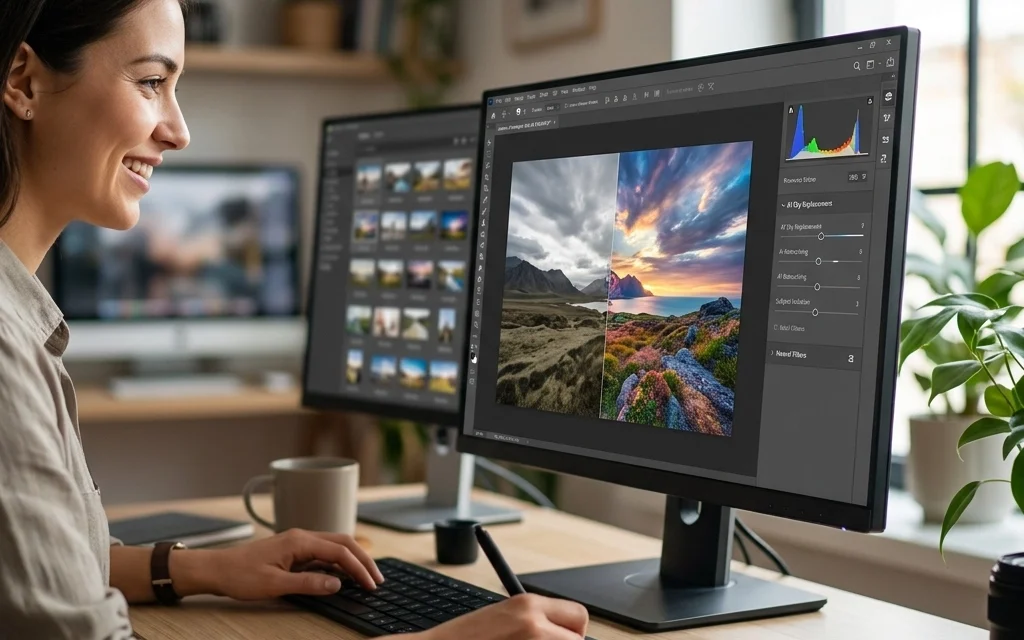
Tools like Luminar have led the charge here. By using Luminar, photographers can replace entire skies, enhance skin texture, and even relight a scene without ever touching a mask or a brush. It’s not just about "cheating"; it’s about efficiency. When the AI understands lighting physics: as the latest 2026 models do: it can apply changes that look natural, not "Photoshopped."
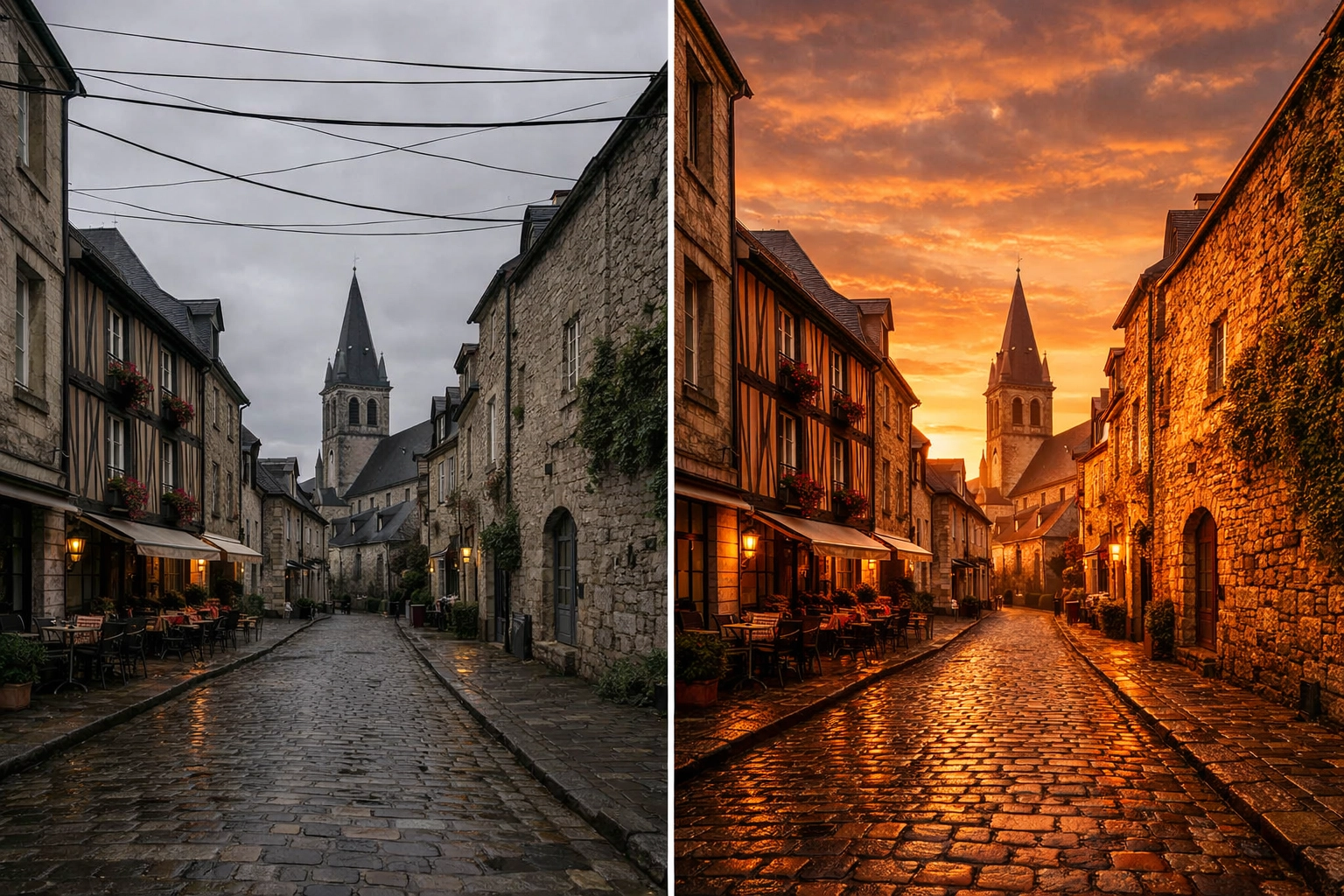
Alt text: A before and after comparison of a street photography shot where AI has removed distracting power lines and improved the color grading for a cinematic look.
High Customization and the Creative Co-Pilot
The buzz around AI tutorials isn't just about "one-click" filters. In fact, it’s the opposite. The tutorials everyone is sharing right now focus on high customization. We are seeing a move toward using AI as a "creative co-pilot."
Imagine you’re out shooting and you have some great street photography ideas, but the weather isn't cooperating. In the past, you’d just have a gray, boring photo. Now, through advanced photo editing tutorials, you can learn how to use generative AI to adjust the mood, add a light mist, or even change the outfit of your subject to better fit the "vibe" of the street.
This level of control is unprecedented. You can define the storytelling elements of your photo after the shutter has clicked. This is a huge topic in current photography news, as it challenges our idea of what a "real" photo is. But for most creators, it’s just another tool in the box, much like moving from film to digital was.
Authenticity with Enhancement: The "Identity Preservation" Trend
One of the biggest reasons everyone is talking about these tutorials is a concept called "AI Identity Preservation." We’ve all seen those AI avatars that look nothing like the person. They’re too perfect, too plastic.
The 2026 trend in photography tutorials is about keeping it real while making it better. People want to look like themselves, just on their best day. Tutorials are popping up everywhere teaching users how to maintain their actual facial features and "human" imperfections while using AI to fix the lighting, enhance the background, and sharpen the focus.
This is particularly huge for portrait photography techniques. If you can keep the soul of the person but give the image a "magazine-style" editorial finish in thirty seconds, you’ve won. Check out ProShoot.io for more insights on how professionals are balancing this line between reality and AI enhancement.
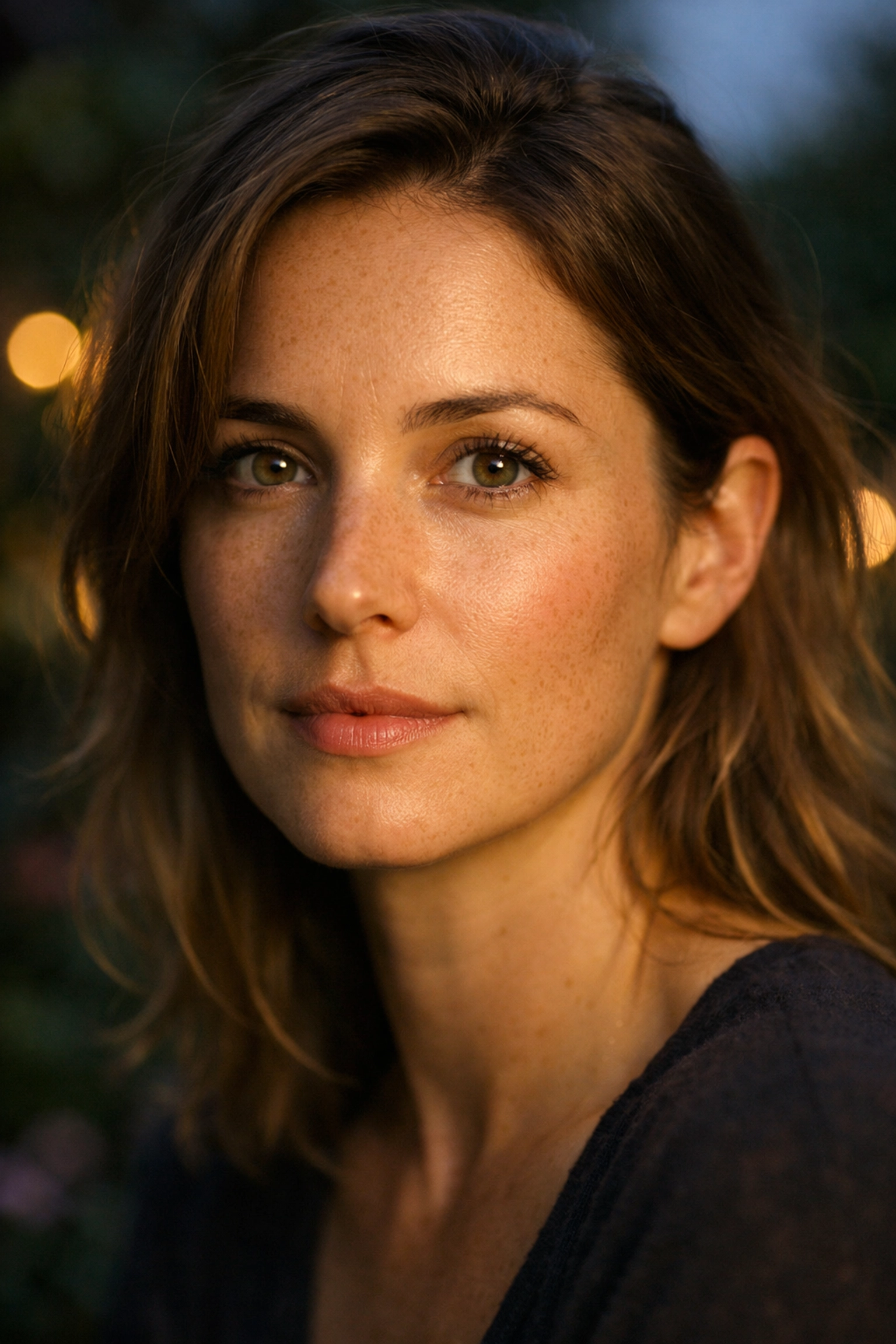
Alt text: A close-up portrait of a woman with natural skin texture, enhanced by AI relighting to create a soft, professional studio glow.
Revolutionizing Landscape Photography
If there’s one group that has embraced AI with open arms, it’s the landscape community. Getting the perfect light in nature is a game of patience, often requiring you to sit on a mountain for six hours waiting for the "golden hour."
With modern AI, landscape photography tips now include how to use AI to enhance the natural glow that was already there. You can take a raw file and use Luminar to accentuate the way the sun hits the peaks of a mountain range.
We’ve seen a lot of inspiration lately from the techniques behind Peter Lik’s landscape photography. While Lik is a master of the traditional shot, current AI tutorials show us how to achieve that high-impact, ethereal look by manipulating luminosity and color balance in ways that were previously impossible for the average hobbyist.
For more inspiration on how to make your landscapes pop like fine art, you should definitely browse the collections at Edin Fine Art.
Why "How to Use Manual Mode Camera" Still Matters
You might think that with all this AI, we can just throw our cameras on "Auto" and let the computer handle it. But that’s a trap. If you follow the best photography news, you’ll see that the most successful AI editors are also the ones who understand their gear.
Knowing how to use manual mode camera settings is actually more important now. Why? Because AI works best when it has a high-quality "base" image to work with. If you understand ISO, aperture, and shutter speed, you can provide the AI with a clean, well-composed file.
The tutorials that are really gaining traction in 2026 aren't just "how to use this AI tool," but "how to shoot specifically for AI post-processing." It’s a hybrid workflow. You shoot with the intent to edit. If you know you’re going to use AI to replace a sky, you might expose the foreground differently than you would have in 2015.
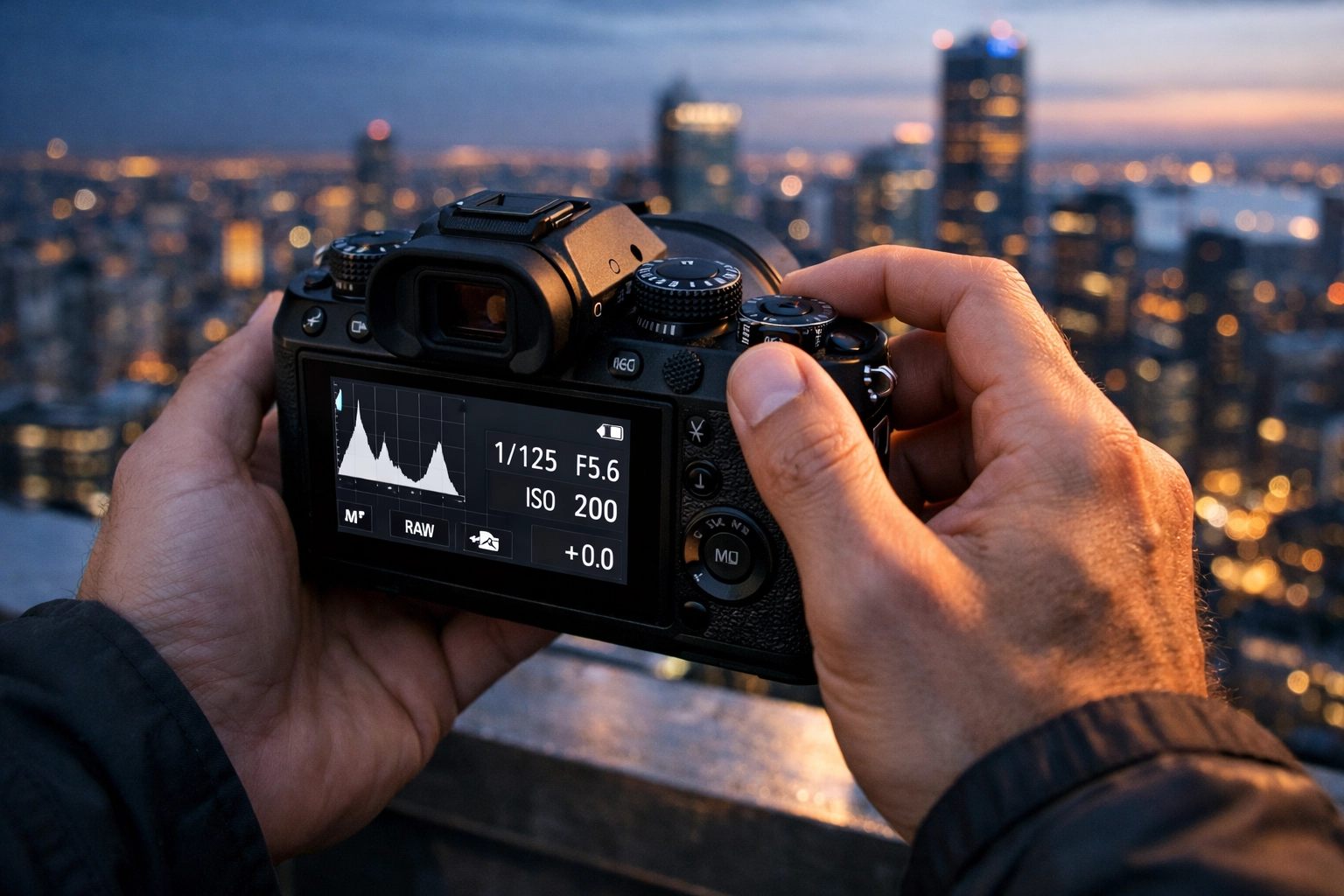
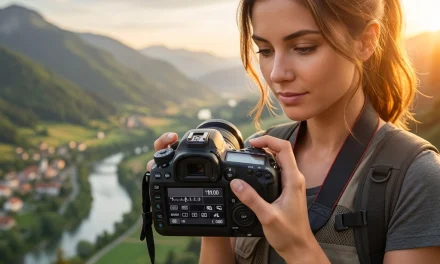
Alt text: A photographer holding a high-end mirrorless camera, adjusting the manual dials while looking at a sunset over a city skyline.
AI and Real Estate: A Match Made in Heaven
Beyond the artistic world, AI photo editing tutorials are a gold mine for industries like real estate. If you’ve ever wondered, "is photography essential for real estate marketing?", the answer is a resounding yes: and AI is making it cheaper and faster.
Real estate photographers are using AI to:
- Virtually stage empty rooms.
- Turn daytime exterior shots into "twilight" shots.
- Fix the weird "yellow" glow from indoor light bulbs.
- Enhance the view through windows without getting a blown-out white mess.
These tutorials are allowing realtors to create ethereal imagery that elevates listings without needing a $500-per-hour professional for every single small condo.
Street Photography and the "Eraser" Revolution
Street photography is often messy. You have the perfect shot of a vintage car in Havana, but a tourist in a neon green shirt walked into the frame. In the past, that photo was destined for the trash.
Current street photography ideas now revolve around the "Generative Erase" tools. Tutorials are showing people how to remove distractions while the AI "reimagines" what was behind the object. This isn't just a simple clone stamp; the AI looks at the surrounding architecture and textures to rebuild the scene perfectly.
It has changed the way we shoot. We can be more spontaneous, knowing that we have the tools to clean up the "noise" of the city later. If you are looking for fresh ideas on how to capture the soul of a city, check out some of the mastering photography tips we’ve put together.
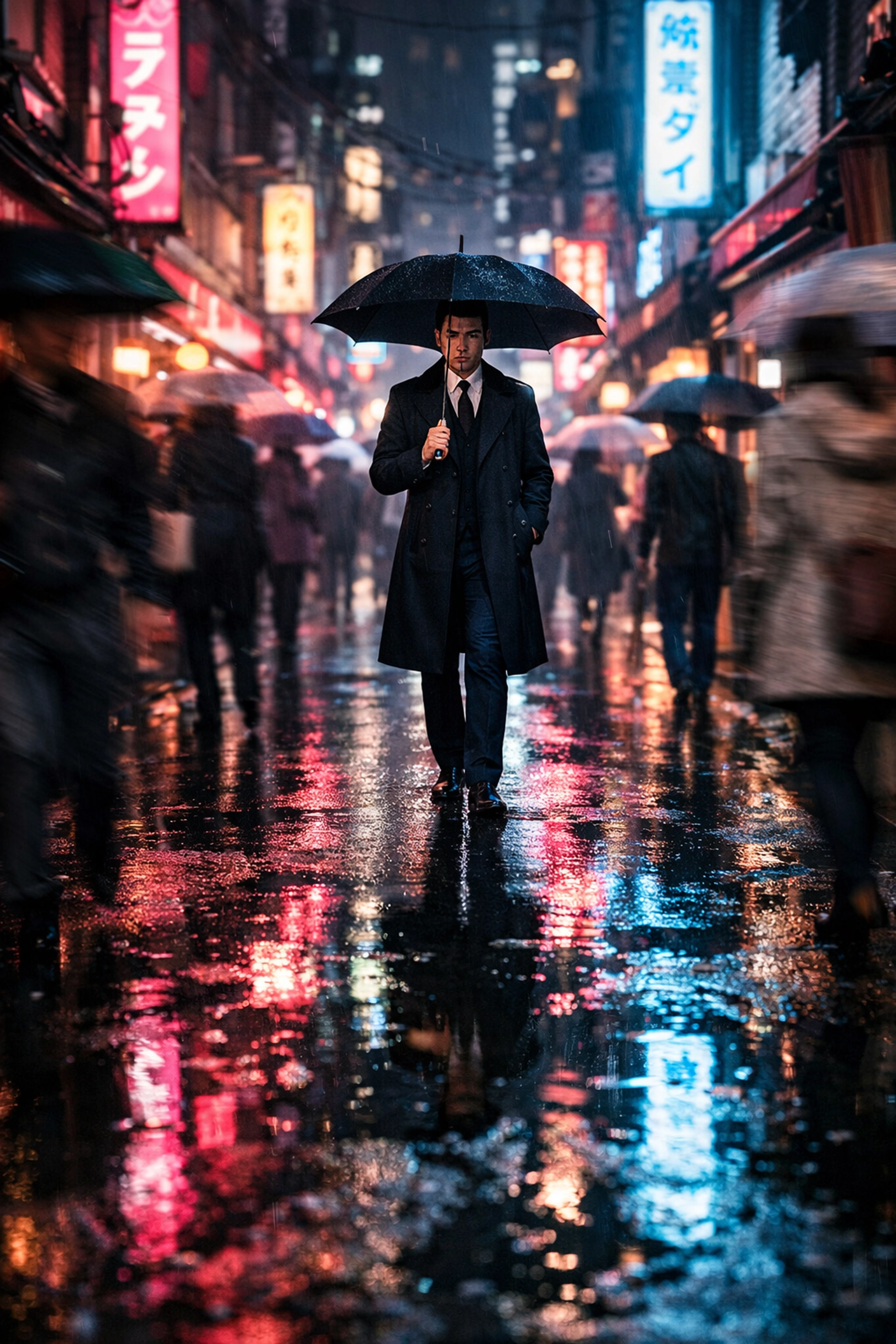
Alt text: A busy street scene in Tokyo at night with neon lights, showing how AI focus tools can highlight a single subject amidst the chaos.
Best Mirrorless Cameras for the AI Era
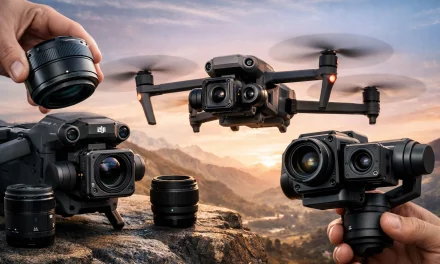
Hardware is catching up to software. The best mirrorless cameras of 2026 now come with AI chips built directly into the body. These cameras don't just "detect" a face; they recognize humans, animals, planes, and trains, and they predict movement based on deep learning.
When you see a camera gear review today, half the review is about the sensor and the other half is about the processing engine. Cameras are becoming like smartphones: computational power is becoming as important as glass.
Using these advanced cameras in tandem with Luminar creates a workflow that is incredibly fast. You can go from a raw shoot to a finished, professional-looking gallery in a fraction of the time it took just a few years ago.
Keeping it Simple: The Shut Your Aperture Philosophy
At Shut Your Aperture, we’ve always believed that photography should be accessible. The surge in AI photo editing tutorials aligns perfectly with our "simple" brand tone. We don't want to overcomplicate things with "lofty" artistic jargon.
We want you to take better photos. Period.
Whether you are looking for landscape photography tips or you want to know which photo editing tutorials are worth your time, the goal is to enjoy the process. AI takes away the "drudgery" of editing: the hours of clicking spots and fixing lens distortions: and leaves you with the fun part: the creativity.
How to Get Started with AI Editing
If you’re feeling overwhelmed by all the AI talk, here is a simple roadmap to get you started:
- Don't Fear the Tech: Download a trial of an AI-heavy editor like Luminar. Just play with the sliders. You’ll be amazed at what happens when you hit "AI Enhance."
- Watch One Tutorial a Week: You don't need to go to film school. A 10-minute video on photo editing tutorials can save you hours of frustration.
- Learn Your Gear: Even if the AI is smart, you need to be smarter. Learn how to use manual mode camera basics. Understanding light is the foundation of everything.
- Experiment with Street and Portraiture: Use AI to try out different styles. Want to see what your portraits look like in a 1940s film noir style? There’s an AI for that. Want to turn your backyard into a Peter Lik-inspired landscape? You can do that too.
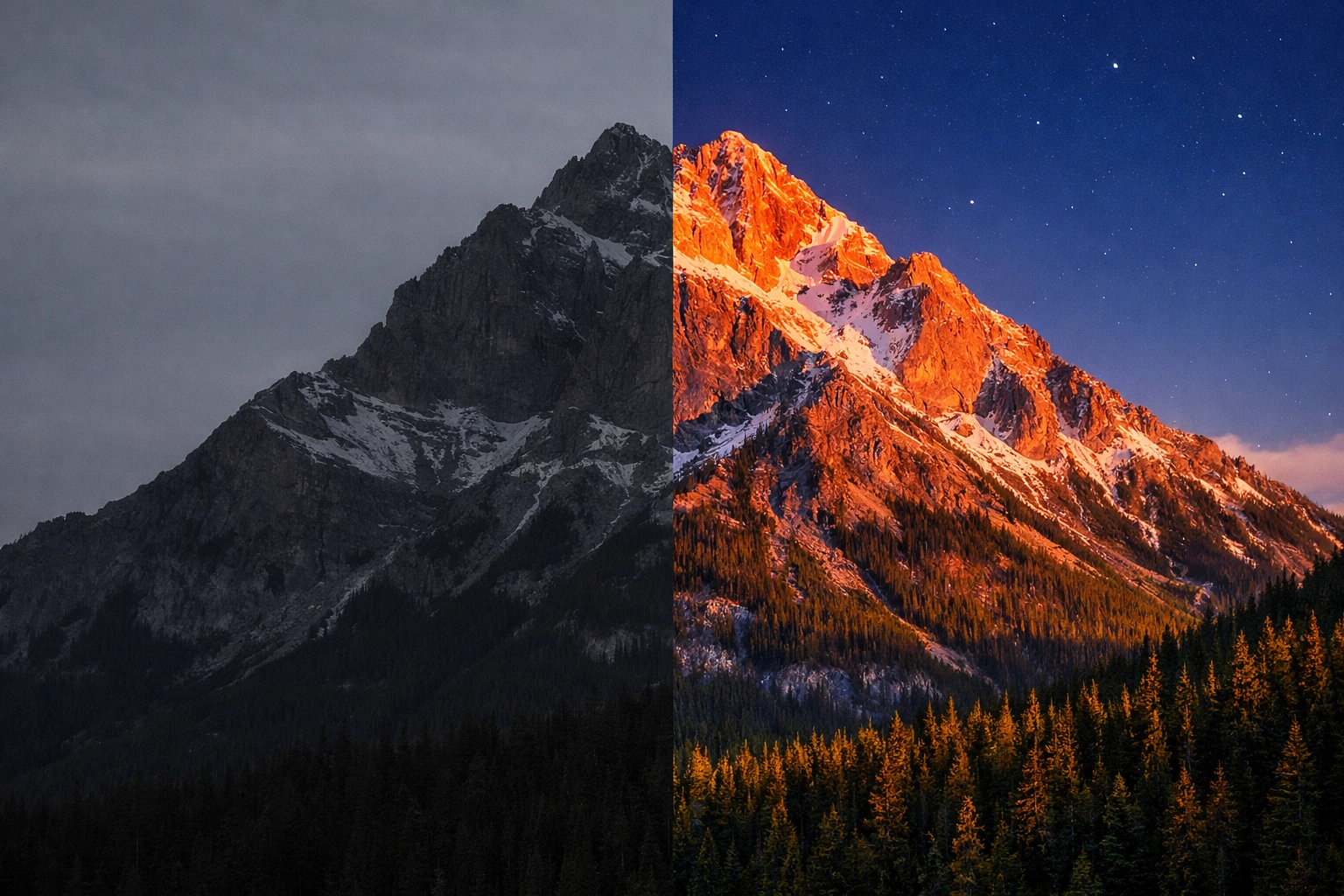
Alt text: A split-screen visual showing a dark, underexposed raw file on the left and a vibrant, correctly exposed, and color-balanced AI-edited version on the right.
Final Thoughts on the AI Shift
The conversation around AI in photography isn't going away. If anything, it’s only going to get louder. By 2026, the distinction between "taking" a photo and "making" a photo has blurred.
AI photo editing tutorials are the bridge between your vision and the final result. They allow you to overcome the limitations of your gear, the weather, or your current skill level. They aren't a replacement for a "good eye," but they are an incredible amplifier for one.
So, the next time you see a tutorial popping up in your feed, don't scroll past. Click on it. See what’s possible. Whether you are doing photography for beginners or you’re a pro looking for a faster workflow, there is something in the AI world for you.
Check out more of our guides, from camera gear reviews to real estate photography tips, and let’s keep making better images together. The future is here, and it looks pretty spectacular( especially after a quick AI pass.)