So, you’ve got a camera, a pair of hiking boots, and a sudden urge to capture the great outdoors. Maybe you’ve seen those mind-blowing shots on Instagram or at www.edinfineart.com and thought, "I want to do that." But then you get out there, and your "epic" mountain vista looks more like a flat, blurry hill in a postcard your grandma would reject.
Don't sweat it. Landscape photography isn't just about having an expensive piece of glass; it’s about how you see the world. It’s about patience, planning, and a little bit of technical wizardry. At Shut Your Aperture, we’re all about making the complex simple. I’ve been chatting with Sonny, our social media guru, and we’re aligning our upcoming posts to showcase your progress, so pay attention.
Here is everything you need to know to go from "shaky snapshot" to "epic nature shot."
1. The Gear: You Don’t Need a Second Mortgage
One of the biggest myths in photography is that you need the latest $6,000 body to take a good photo. You don’t. What you need is gear that allows you to control the basics: Aperture, Shutter Speed, and ISO.
If you are looking to upgrade, you might be debating between the big hitters. Check out our breakdown of the Nikon Z6 III vs Sony A7 IV to see which fits your style better.
The Essentials:
- A Wide-Angle Lens: Generally, anything between 14mm and 35mm. This allows you to cram that massive vista into one frame.
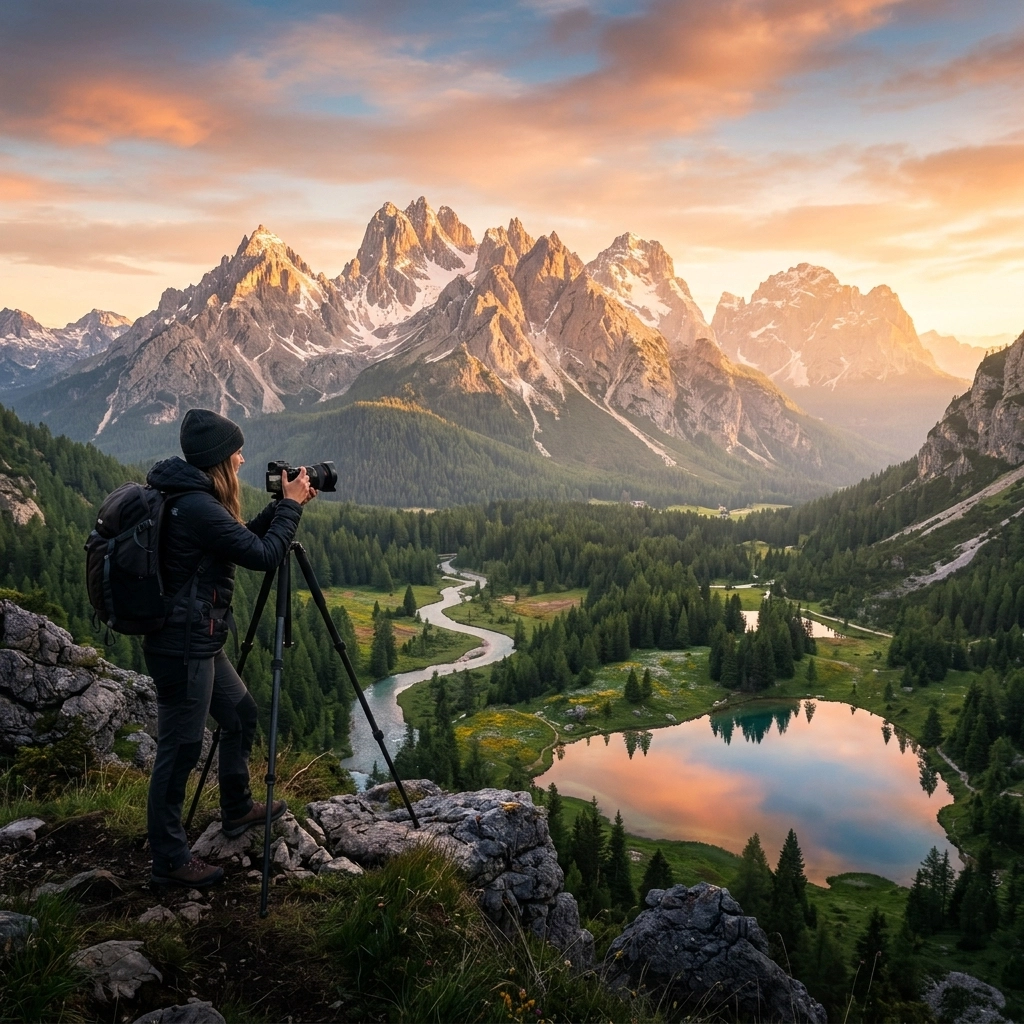
- A Sturdy Tripod: In the world of landscapes, your tripod is your best friend. It allows for long exposures and sharp shots. Check out Shut Your Aperture for some solid gear reviews.
- Filters: A Circular Polarizer is a game-changer for cutting glare on water and making clouds pop.
- A Remote Shutter Release: Or just use the 2-second timer on your camera. This prevents "camera shake" when you press the button.
2. Composition: Building the Scene in Layers
Composition is where most beginners fail. They see a pretty mountain and put it right in the middle of the frame. Boom. Boring.
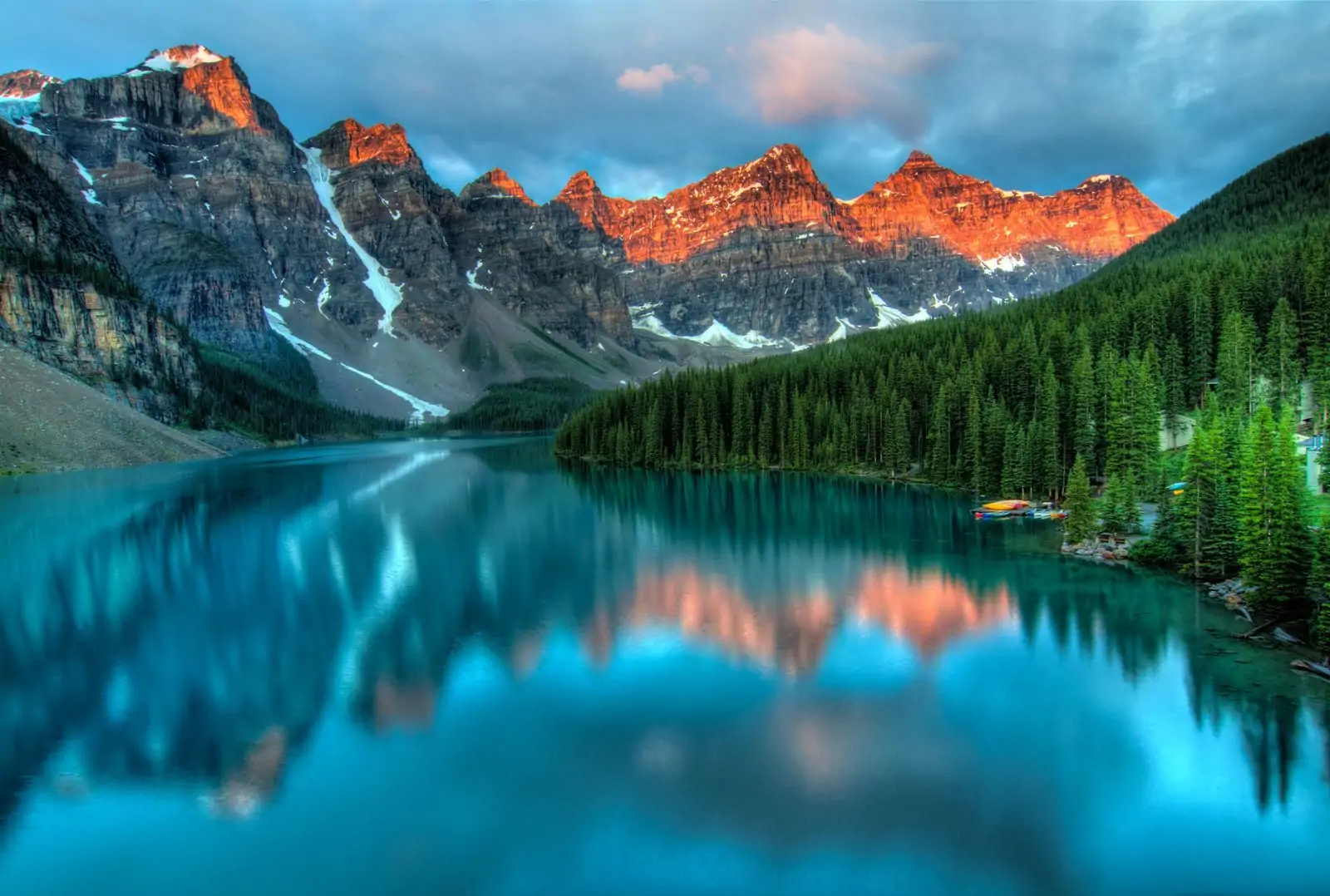
To create "depth," you need to think in layers. Imagine your photo has three parts:
- The Foreground: Something close to you (a rock, a flower, a weird-looking log).
- The Mid-ground: The main subject (a lake, a valley).
- The Background: The "wow" factor (the mountain, the sky).
When you have all three, the viewer’s eye "walks" through the photo. It feels three-dimensional. You can even experiment with using rare textures for tangible aesthetic photography to make that foreground really pop.
The Rule of Thirds (and when to break it)
Imagine a grid on your screen (two vertical lines, two horizontal). Place your horizon on the top or bottom line, not in the middle. Place your main subject where the lines intersect. It’s a simple trick that instantly makes your photos look more professional.
3. Mastering the Technicals: Sharpness is Key
Nobody likes a blurry landscape. To get that "tack sharp" look from the grass at your feet to the peak in the distance, you need to understand your settings.
Aperture (The f-stop)
For landscapes, you generally want a "deep depth of field." This means using a higher f-number like f/8, f/11, or f/16. Avoid f/22 if you can, as it can actually make your photo softer due to something called diffraction.
The Hyperfocal Distance
This sounds like a sci-fi term, but it’s easy. It’s the point you focus on to ensure the maximum amount of your scene is sharp. A good rule of thumb? Focus about one-third of the way into the frame. Don't focus on the distant mountain, or your foreground will be a blurry mess.
ISO
Keep it low. ISO 100 is your target. Higher ISO adds "noise" (grain), which ruins the clean, crisp look of a nature shot. This is where your tripod comes in: it allows you to use a slow shutter speed so you don't have to crank up the ISO.
4. The Magic of Light: Timing is Everything
You could be at the most beautiful place on Earth, but if you’re shooting at high noon, your photos will probably look flat and harsh.
The Golden Hour
This is the hour after sunrise and the hour before sunset. The light is soft, warm, and creates long shadows that give the landscape texture. If you're looking for the top spots for majestic sunset photography, you’ve got to be there early to set up.
The Blue Hour
This happens just before sunrise or just after sunset. The sky turns a deep, moody blue. It’s perfect for capturing ethereal landscapes.
5. Capturing Water: Beauty in Motion
Water is one of the most dynamic elements in landscape photography. Whether it’s a crashing wave or a still lake, you need a strategy.
If you want that silky-smooth waterfall look, you’ll need a long exposure. This means a slow shutter speed (usually 1 second or longer). Since that much light will blow out your photo during the day, you’ll need an ND (Neutral Density) filter: essentially sunglasses for your lens.
For more deep dives on this, check out our essential water photography gear guide or learn the best camera settings for water landscapes.
6. Finding Your Location: Go Beyond the Tourist Traps
Everyone has a photo of Horseshoe Bend. If you want to stand out, you need to find the hidden gem locations for travel photography.
Use tools like Google Earth to scout areas that haven't been over-photographed. Look for lesser-known vistas or secluded paradises. Sometimes the best shot is just 200 yards off the main trail where everyone else stops.
7. Post-Processing: Bringing the Vision to Life
Taking the photo is only 70% of the job. The other 30% happens at your computer. RAW files (which you should definitely be shooting) are designed to be flat so that you have the most data to work with.
I personally use Luminar for a lot of my landscape edits because it’s intuitive and the AI tools for sky replacement and sun rays are actually useful when used subtly.
The Goal of Editing:
- Correct the White Balance: Make sure the snow is white, not blue.
- Enhance Contrast: Make the shadows deep and the highlights pop.
- Selective Saturated: Don't just slide the "Saturate" bar to 100. Be surgical. Enhance the greens of the forest or the blues of the water individually.
- Masking: Edit the sky and the ground separately. Often the sky needs to be darker while the foreground needs to be brighter.
For more technical tutorials on pro-level editing, swing by www.proshoot.io.
8. Developing Your Eye and Perspective
Landscape photography is a patient man's (or woman's) game. Sometimes you'll hike four miles, set up your gear, and then the clouds will move in and ruin everything. That’s okay. That’s part of the story.
Try different angles. Don’t just shoot from eye level. Get low to the ground to make those water photography techniques look more immersive. Or find a high vantage point to show the scale of a valley.
If you're stuck in the city, don't think you're left out. You can unlock secrets to enchanting urban photography using the same principles of light and composition.
9. Planning and Safety
Before you head out to find stunning nature imagery, check the weather. Use apps like Clear Outside to see cloud cover layers. High clouds are great for sunsets; thick low clouds usually mean a gray, flat day.
Also, tell someone where you’re going. Nature is beautiful, but it doesn't care about your Instagram feed. If you're heading to picturesque coastal escapes, be mindful of the tides.
10. Practice Makes Perfect
The best way to get better is to shoot often. Don't wait for the "perfect" trip to Iceland. Go to your local park. Practice mastering water photography at a nearby creek.
Check out Edin’s personal blog at blog.edinchavez.com for more behind-the-scenes stories on how he captures his world-class shots. And if you’re looking for a professional space to hone your craft, www.edinstudios.com is always there to help you take that next step.
Landscape photography is a journey. It’s about the quiet moments at 5:00 AM when the world is still asleep and the first light hits the peaks. It’s about the frustration of a dead battery and the triumph of finally nailing that long exposure.
So, pack your bag, charge your batteries, and go shut your aperture. We can’t wait to see what you create. Don’t forget to keep an eye on our social channels: Sonny and I will be looking for the best student shots to feature!
Luminar Neo’s Sky AI, atmosphere AI and SuperSharp are designed for landscape work — replace flat skies, add depth, and recover detail in seconds. Tagged as affiliate per FTC.
Related photo spot guides
What to Pack
A focused landscape kit handles every shot at Landscape 101 without breaking your back. Here is the working photographer's pack list — every link goes to B&H Photo Video (our primary supplier) or Amazon (for accessories and same-day delivery in the US).
| What & Why | B&H | Amazon |
|---|---|---|
Wide-angle zoom (14-35mm range) The single most important lens for sweeping vistas. Pair with a circular polarizer for skies and water. | Shop B&H → | Shop Amazon → |
Sturdy travel tripod Carbon fiber, packs to 15 inches, holds steady in wind off the coast. Essential for blue-hour and long-exposure work. | Shop B&H → | Shop Amazon → |
Circular polarizer (77mm or 82mm) Cuts haze, deepens sky, reveals texture in water. Non-negotiable for landscape work. | Shop B&H → | Shop Amazon → |
10-stop ND filter For 30-second exposures that turn moving water and clouds into silk. | Shop B&H → | Shop Amazon → |
Extra batteries (3 minimum) Cold weather and long exposures eat batteries. Carry triple what you think you need. | Shop B&H → | Shop Amazon → |
Fast SD/CFexpress cards V90 or CFexpress depending on your body. Two cards minimum so a failure mid-trip is recoverable. | Shop B&H → | Shop Amazon → |
Microfiber lens cloths Salt spray, mist, and dust will ruin every shot if you don't carry a cloth. | Shop B&H → | Shop Amazon → |
B&H and Amazon links are affiliate links. We earn a small commission on purchases at no extra cost to you. We only recommend gear we use or would buy ourselves.