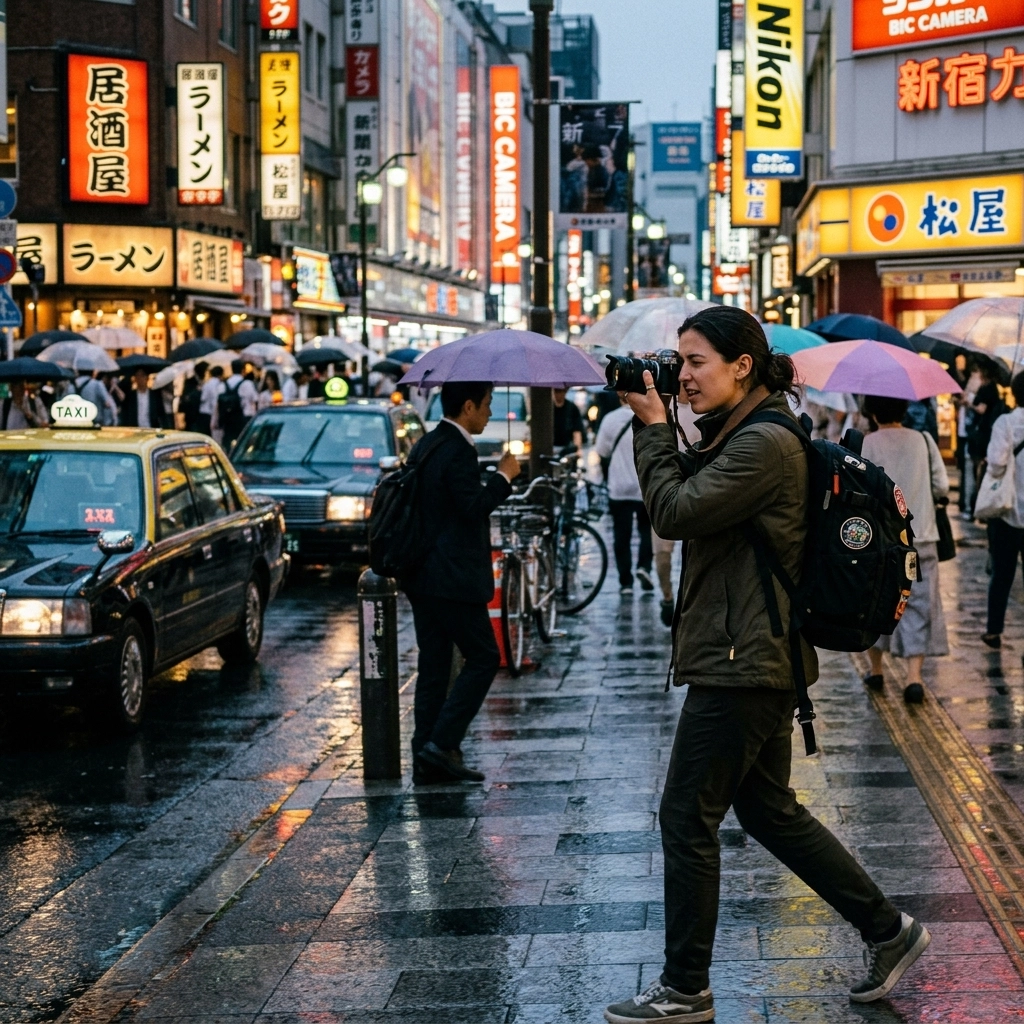
Street photography is the wild west of the camera world. There are no stylists, no lighting assistants, and definitely no "can you do that again?" moments. It’s just you, your camera, and the unpredictable rhythm of the world moving around you. It’s raw, it’s frustrating, and when you finally nail that one shot, it’s the biggest hit of dopamine you’ll ever get from a piece of glass and a sensor.
But how do you go from taking snapshots of random people to creating art that actually says something? Whether you’re trying to capture the soul of a city or just trying not to get yelled at by a stranger, this guide covers everything you need to know to master the art of the street.
What Exactly is Street Photography?
Before we dive into the gear and the "how-to," let’s clear one thing up: street photography isn't just taking photos of people on the street. It’s about documenting the human condition in public spaces. It’s candid, it’s unplanned, and it’s usually unposed.
Think of it as visual sociology. You’re looking for those "decisive moments", a term coined by the legendary Henri Cartier-Bresson, where the elements of a scene come together in perfect harmony. It could be a shadow falling just right, a weird look between two strangers, or a lone figure in a massive architectural space. If you want to see how this translates to world-class travel and street work, check out our piece on Varanasi, India.
The Best Gear for the Street
Let’s be real: the best camera is the one you have with you. But if you’re serious about street photography, you want something small, fast, and unobtrusive. Carrying a massive DSLR with a battery grip and a 70-200mm lens is basically wearing a neon sign that says "I AM A PHOTOGRAPHER, PLEASE STOP ACTING NATURALLY."
Mirrorless is King
The rise of mirrorless cameras changed the game for street shooters. They are quiet, compact, and packed with tech.
- Sony Alpha a6000: This remains one of the most popular entry points for street photography because of its size and lightning-fast autofocus. You can read our full thoughts on the Sony Alpha a6000 here.
- Olympus E-M10: Another fantastic, compact option that doesn't scream "professional" but delivers professional results. Check out the Olympus E-M10 specs.
- Fujifilm X-Series: Known for their tactile dials and "film-like" look, many street photographers swear by Fuji.
The Magic of Prime Lenses
Ditch the zoom. Seriously. A 24-70mm lens is versatile, but a prime lens (a lens with a fixed focal length) forces you to move your feet. It makes you a better photographer because you have to learn the "frame" in your mind before you even lift the camera.
- 35mm: The classic. It’s wide enough to show the environment but tight enough to keep the subject prominent.
- 50mm: The "Nifty Fifty." It mimics the human eye and is great for portraits and tighter street scenes. If you’re looking to pick up glass, keep an eye on this Nikon lens sale for some steals.
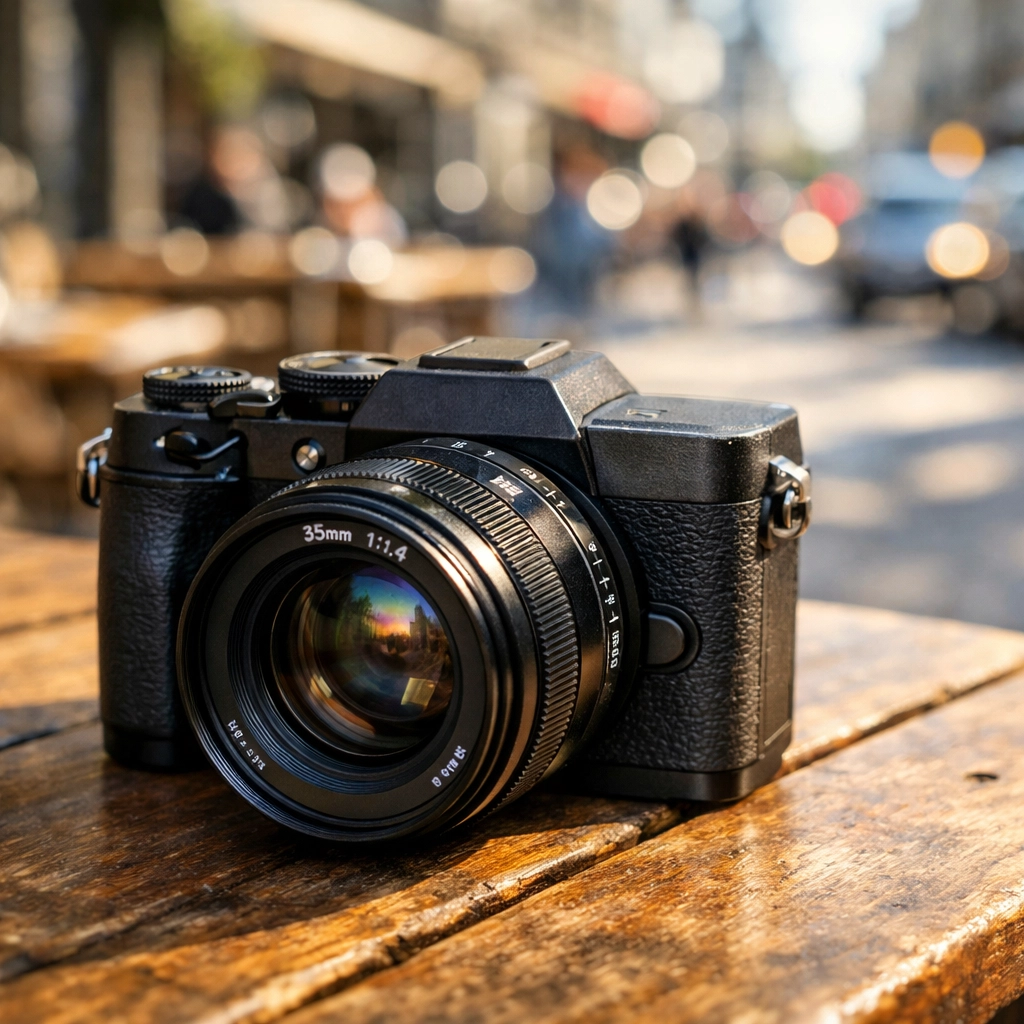
Technical Settings: Set It and Forget It
In street photography, things happen fast. If you’re busy fiddling with your ISO while a guy in a tuxedo rides a unicycle past you, you’ve already lost the shot.
Shutter Priority (Tv or S)
Most of the time, movement is your biggest enemy (or your best friend). Setting your camera to Shutter Priority allows you to ensure a fast enough speed to freeze motion, usually 1/250s or 1/500s. The camera handles the rest.
Aperture and Zone Focusing
If you want to go old-school (and fast), try zone focusing. Set your aperture to something like f/8 or f/11. This creates a deep depth of field where everything from, say, 5 feet to 15 feet is in focus. Now you don't even have to wait for your autofocus to lock on. Just point and shoot.
Auto ISO
Don't be afraid of a little grain. Digital noise is much better than a blurry, unusable photo. Set your Auto ISO with a cap (maybe 3200 or 6400) and let the camera balance the exposure while you focus on the composition.
Finding Your Style: Hunting vs. Fishing
There are two main ways to approach a street session. Both are valid; it just depends on your mood and the location.
The Hunter
This is the active approach. You’re walking, observing, and reacting. You’re looking for interesting characters, weird light, or "the moment." It’s exhausting but keeps your eyes sharp. This is where a photographic memory for locations really helps.
The Fisherman
This is for the patient souls. You find a great background, maybe a cool piece of street art, a dramatic shadow, or a doorway, and you wait. You wait for the right person to walk into your frame. This allows you to perfect your composition beforehand so all you have to do is click when the "fish" bites.
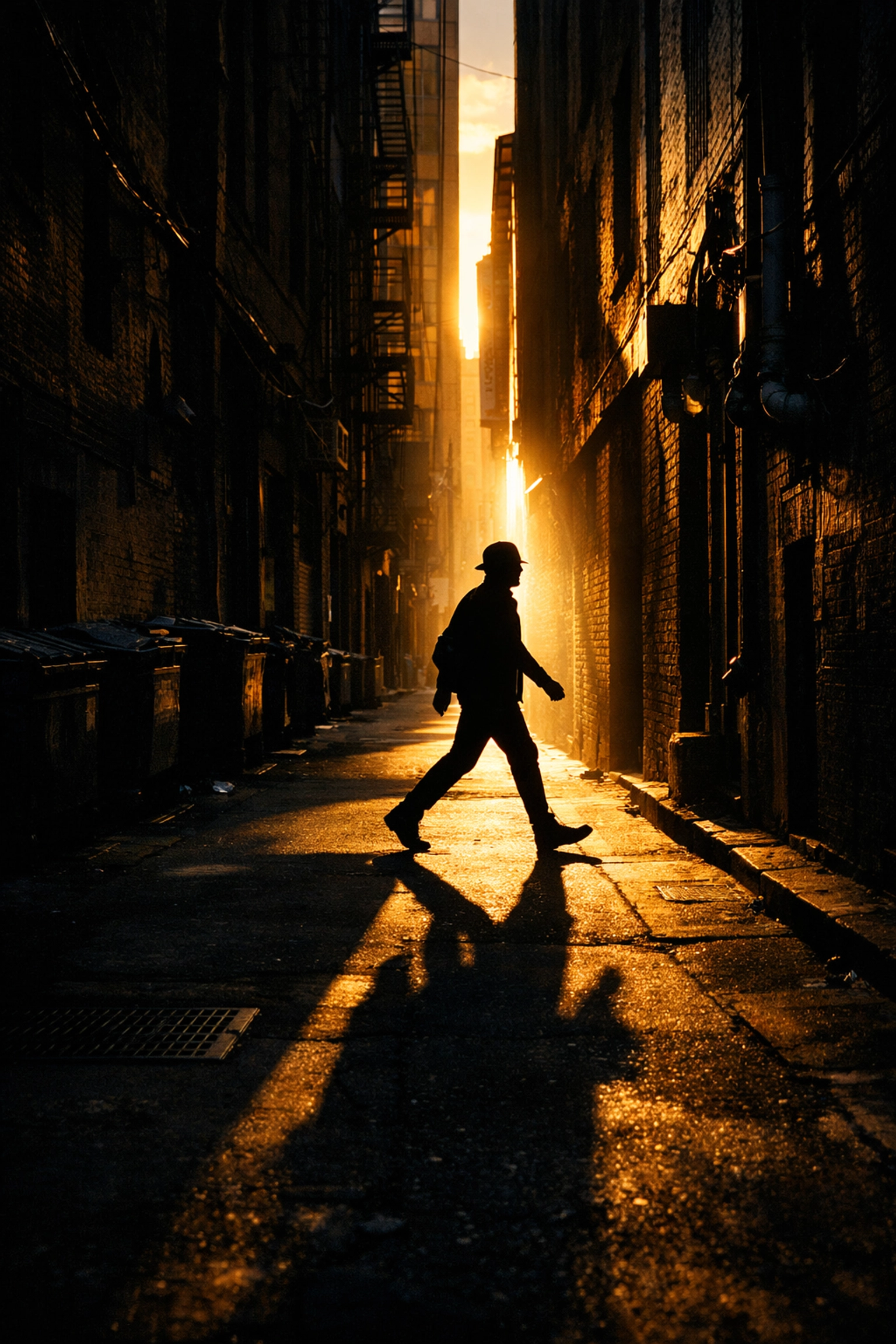
Composition: Beyond the Rule of Thirds
Great street photography uses geometry to tell a story. Look for these elements:
- Juxtaposition: Placing two contrasting things in the same frame (e.g., a wealthy person walking past a sign for a sale, or a child next to a giant statue).
- Leading Lines: Use sidewalks, railings, or shadows to point the viewer’s eye toward your subject.
- Framing: Use windows, arches, or even other people to create a "frame within a frame."
- Negative Space: Don't be afraid of emptiness. Sometimes a tiny person in a giant sea of concrete says more than a close-up.
For more inspiration on composition that defies the norm, check out these classical sculptures that defy logic.
The Elephant in the Room: The Fear
Let’s address the biggest hurdle for every beginner: the fear of taking a stranger's photo. It feels intrusive, right? Like you’re doing something wrong.
Here’s the secret: most people don't care. And the ones who do usually just want to know what you’re doing.
- Smile: A smile is the universal "I'm not a creep" signal. If someone catches you taking their photo, smile and nod.
- Don't hide: If you act like you’re doing something sneaky, you look sneaky. Own your space.
- The "Look Past" Trick: Take the photo, then keep the camera to your eye as the person walks past, as if you were actually photographing the building behind them.
If you ever feel discouraged, remember that even pros have bad days. Some shoots are just weird, like the time a bride sued her videographer. At least on the street, you aren't on the hook for a $122,000 lawsuit!
Lighting: Embracing the "Bad" Light
Landscape photographers obsess over the "Golden Hour," but street photographers can shoot all day.
- Midday Sun: Harsh shadows are great for high-contrast black and white shots. Look for "pockets" of light where the sun hits a sidewalk between tall buildings.
- Night: Neon signs, street lamps, and car headlights create a cinematic, noir vibe. This is where a fast prime lens really shines.
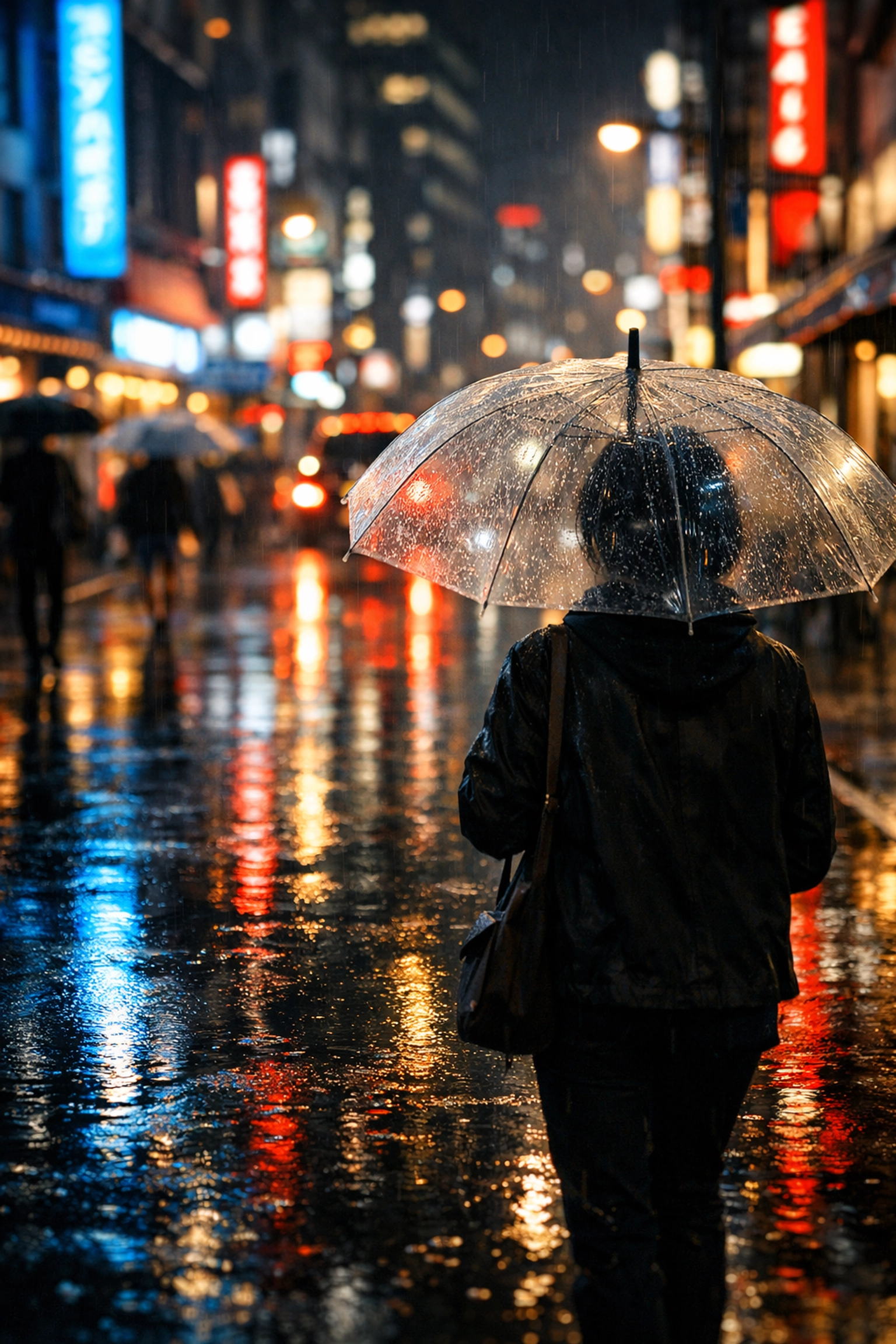
- Rain: Puddles provide reflections, and umbrellas add color and shape to an otherwise grey scene.
Post-Processing: Bringing the Vibe to Life
Editing is where you define your "look." For street photography, you generally want to enhance the mood rather than "fix" the reality.
I’m a huge fan of using Luminar for street shots. Its AI-powered tools are great for quickly pulling detail out of shadows or adding a gritty texture to an urban scene. Whether you want that high-contrast monochrome look or a moody, desaturated film vibe, Luminar makes the workflow incredibly simple.
When editing, ask yourself:
- Does this crop improve the story?
- Does the color distract from the subject? (If yes, try Black & White).
- Am I over-editing? (Keep it natural-ish).
Street Photography Ethics and Legality
In most Western countries, you have a legal right to take photos in public spaces. However, "legal" and "ethical" aren't always the same thing.
- Respect Privacy: Avoid taking photos of people in vulnerable situations.
- Kids: Be extra careful. Always ask parental permission if you’re doing a close-up portrait of a child.
- Commercial Use: You can usually display street photos as art or in a blog, but you can't use someone’s face to sell a product without a model release.
For more deep dives into the legal and professional side of photography, PhotoGuides.org is an excellent resource to keep bookmarked.
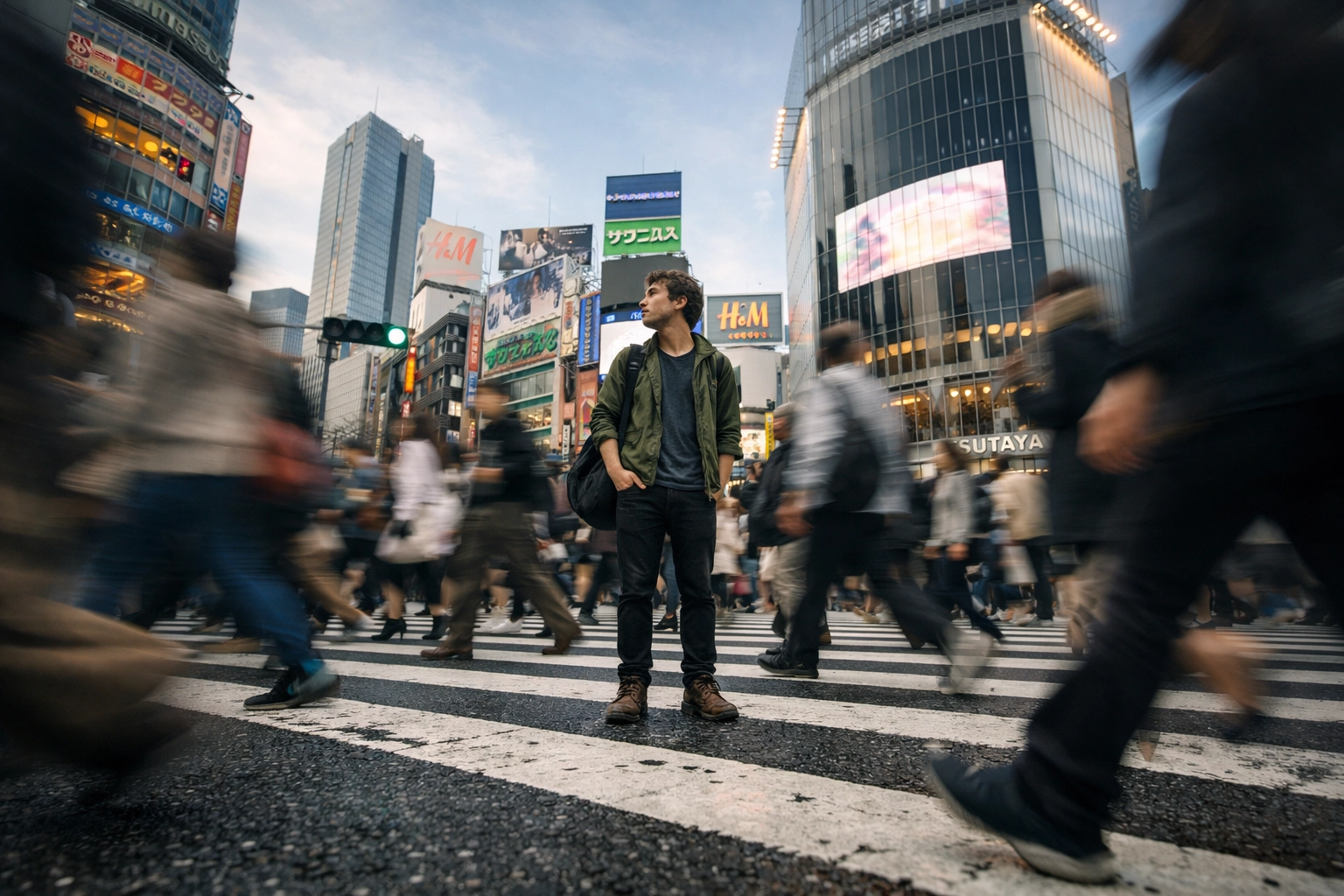
Keep Pushing Your Boundaries
The best way to succeed in street photography is to shoot consistently. Don't wait for a trip to Paris or New York. Your local grocery store, the bus stop, or a nearby park are all full of stories waiting to be told.
Check out some of our Photographer of the Week features to see how different artists tackle the world around them. You’ll see that everyone started somewhere, and everyone has their own unique way of seeing.
If you’re looking for more technical guides or gear reviews, head over to the Edin Chavez Blog or browse the fine art collections at EdinFineArt.com for inspiration.
Street photography isn't about the gear you own or the settings you use: it's about how you see the world. So, grab your camera, hit the pavement, and start capturing those moments. The street is waiting.