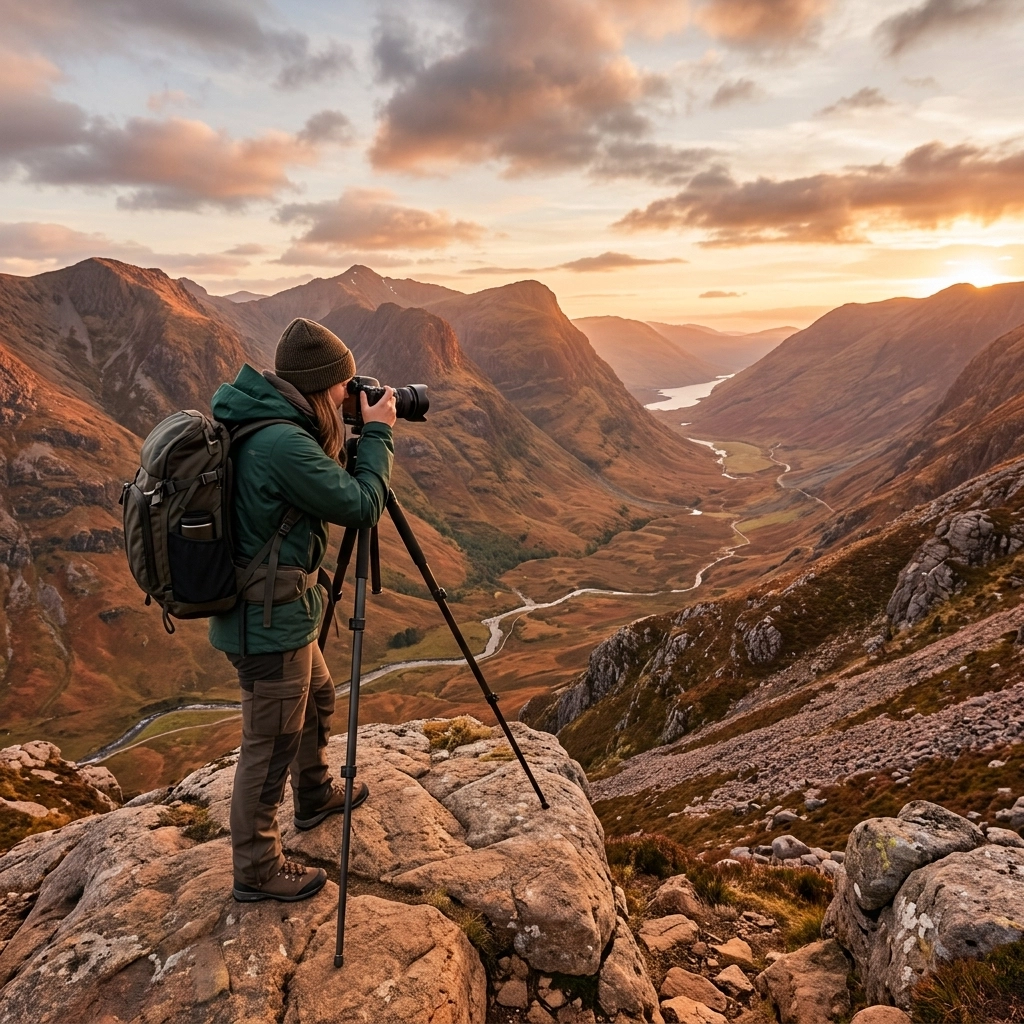
Landscape photography is more than just standing in front of a big mountain and pressing a button. It’s an obsession. It’s about waking up at 3:00 AM, hiking through the mud, and waiting for that one fleeting second when the light hits the peaks just right. It’s about patience, sweat, and sometimes a little bit of luck.
If you’ve ever looked at a stunning mountain range and wondered why your photo looks like a flat, grey mess, you’re in the right place. This guide is going to break down everything, from the gear that actually matters to the settings that will make your images pop. We’re keeping it simple, casual, and straight to the point. No fluff, just the good stuff.
Why Landscape Photography?
There is something visceral about being out in the wild. Whether it’s the quiet of a forest at dawn or the roar of the ocean, landscape photography forces you to slow down. In a world that’s constantly moving at a million miles an hour, taking the time to compose a single shot is a form of meditation. Plus, who doesn't want an epic shot of a sunset to hang on their wall? For some inspiration on what a truly finished, high-end piece looks like, check out www.edinfineart.com.
The Gear You Actually Need (and the Stuff You Don’t)
Let’s get one thing straight: you don't need a $10,000 setup to take a great photo. But you do need the right tools for the job.
1. The Camera
A mirrorless or DSLR camera with a decent sensor is great, but honestly, even a high-end smartphone can do wonders these days. If you are serious about it, you want a camera with a high dynamic range, this helps you capture the details in the brightest clouds and the darkest shadows in one shot. To stay up to date on what’s happening in the camera world, keep an eye on our latest gear and software updates.
2. The Wide-Angle Lens
When you’re shooting landscapes, you usually want to see everything. A wide-angle lens (anything from 14mm to 24mm) is your best friend. It lets you capture the vastness of the scene and can make foreground elements look huge and dramatic.
3. The Telephoto Lens (The Secret Weapon)
Don't sleep on the telephoto lens (like a 70-200mm). Sometimes, the best landscape isn't the whole mountain; it’s a tiny detail on the peak or a layer of trees in the distance. Telephotos compress the scene, making everything look tight and powerful.
4. The Tripod
This is non-negotiable. If you want those silky water shots or sharp stars, you need a tripod. Period. It keeps your camera steady during long exposures and forces you to slow down and think about your composition.
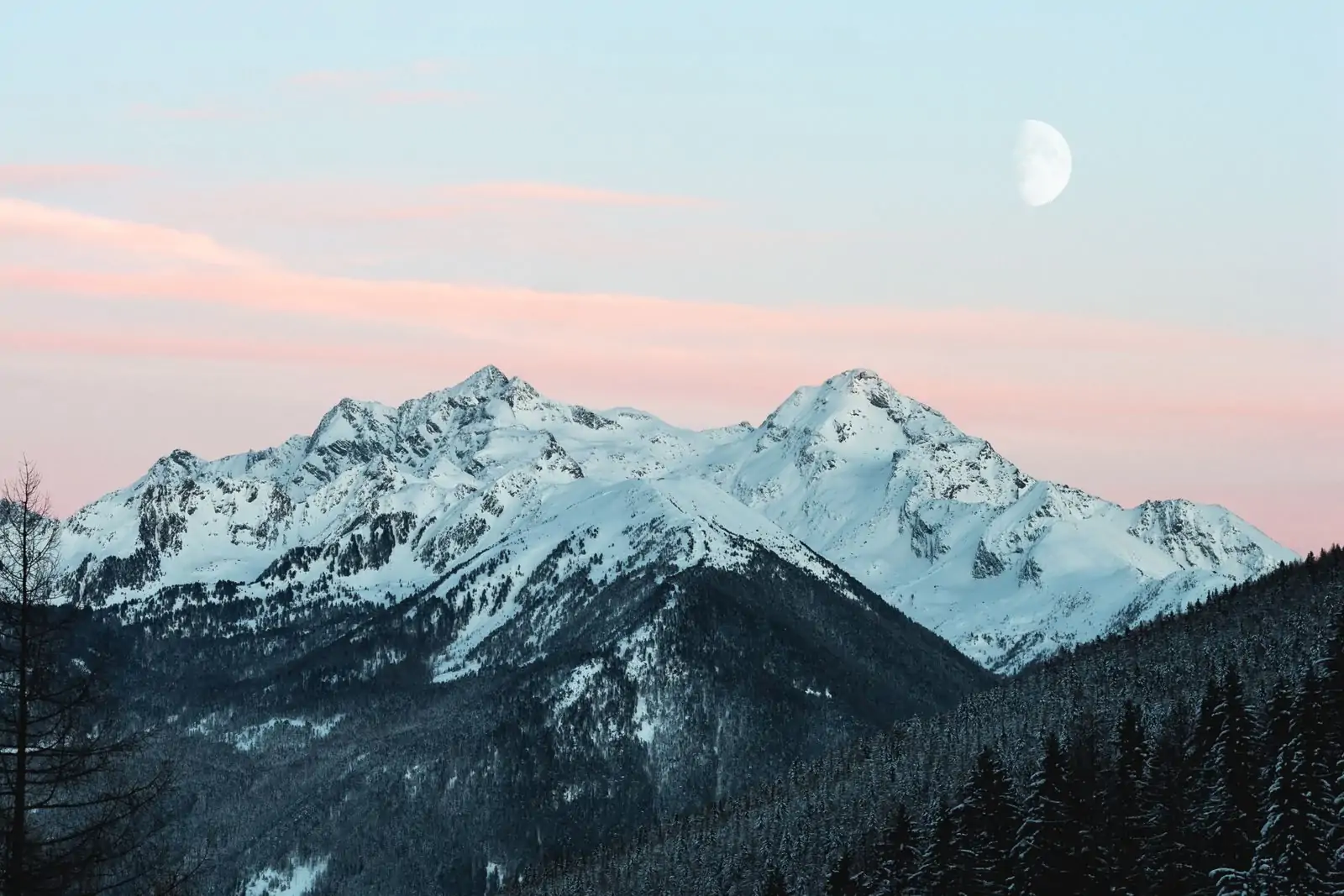
Nailing the Camera Settings
Settings can feel intimidating, but in landscape photography, we usually stick to a few "golden rules."
Aperture (The Depth Maker)
Most landscape photographers live between f/8 and f/16. This is the "sweet spot" for most lenses where everything from the blade of grass in front of you to the mountain in the distance stays sharp. This is called deep depth-of-field. Avoid going to f/22 if you can help it, as "diffraction" can actually start making your image look soft.
ISO (The Quality Control)
Keep your ISO as low as possible (usually ISO 100). This ensures your image is clean and free of "noise" (that grainy look). Since you're using a tripod, you don't need to worry about a slow shutter speed, so keep that ISO down.
Shutter Speed (The Storyteller)
Your shutter speed is how you tell the story of movement. Want to freeze a crashing wave? Use a fast shutter speed (1/500s or faster). Want that "dreamy" waterfall look? Use a slow shutter speed (1/2s to 30 seconds).
Composition: How to Build an Image
Composition is the difference between a "snapshot" and a "photograph." It’s how you lead the viewer’s eye through the frame.
The Rule of Thirds
Imagine your frame is divided into a grid of nine squares. Try placing your horizon on the top or bottom line rather than right in the middle. Place your main subject (like a lone tree) on one of the four points where the lines intersect. It feels more natural and balanced to the human eye.
Leading Lines
Use roads, rivers, or even fallen logs to lead the viewer’s eye into the image. If you have a path winding toward a mountain, the viewer will naturally follow that path into the distance. It creates a sense of journey.
Foreground Interest
This is the one thing most beginners forget. Find something interesting to put right in front of your lens, a cool rock, some wildflowers, or a patch of ice. This creates a sense of depth, making the viewer feel like they could step right into the photo.
Light is Everything
You can have the best gear and the best composition, but if the light is bad, the photo is bad.
The Golden Hour
This is the hour after sunrise and the hour before sunset. The light is soft, warm, and creates long, dramatic shadows. It’s the "cheating" hour of photography because almost everything looks good in this light.
The Blue Hour
This happens just before sunrise and just after sunset. The sky turns a deep, moody blue. It’s perfect for cityscapes or scenes with water where you want a calm, ethereal vibe.
Don't Fear "Bad" Weather
Some of the best landscape photos happen during storms. Dramatic clouds, fog, and rain add mood and atmosphere that a clear blue sky just can’t provide. If you’re heading out in rough conditions, make sure you check out Shut Your Aperture for tips on keeping your gear safe in the elements.
Planning and Scouting
Spontaneity is great, but planning gets the shot. Use apps like Google Earth to scout locations before you even leave your house. Apps like PhotoPills or The Photographer's Ephemeris can tell you exactly where the sun (or moon) will rise and set at any given location.
I often talk with Sonny, our Social Media Manager, about the planning phase because it makes for great behind-the-scenes content. He loves linking back to these guides when he shows off the "expectations vs. reality" of a shoot on our socials. If you want to see more of the "day in the life" stuff, keep an eye on blog.edinchavez.com.
Post-Processing: Making It Pop
The shot you take in the camera is just the beginning. To get that professional look, you need to edit. Whether you use Lightroom or Luminar, the goal isn't to fake the scene, but to bring back the colors and details that your eyes saw but the camera couldn't quite capture.
The Power of RAW
Always shoot in RAW format. A RAW file contains way more data than a JPEG. It allows you to recover details from dark shadows or bright skies during the editing process without the image falling apart.
Editing with Luminar
One of our favorite tools for quick but powerful edits is Luminar. It uses AI to help with things like sky replacement or enhancing natural light, which can save you hours in front of the computer. It’s especially great for landscape photographers who want to spend more time outside and less time clicking buttons in a dark room.
Staying Inspired and Keep Shooting
The best way to get better at landscape photography is to keep doing it. You will fail. You will hike for four hours only for the clouds to cover the sun at the last second. You will forget your tripod plate. You will get wet.
But that one time when everything aligns, the light, the weather, the composition, is worth all the failed attempts. It’s a rush like no other.
Landscape photography is a journey. It’s about exploring the world and bringing a piece of it back with you. Don't worry about being "perfect" right out of the gate. Focus on the feeling of being out there. The technique will follow.
Pro Tips for the Wild
- Clean Your Lens: A tiny smudge of thumb grease can ruin a $2,000 shot. Carry a microfiber cloth.
- Check Your Corners: Before you click the shutter, look at the edges of your frame. Is there a random branch sticking in? A piece of trash? Re-compose and clean it up.
- The Polarizing Filter: This is the one filter you actually need. It cuts glare on water and makes the clouds pop against a blue sky. It’s like sunglasses for your camera.
- Comfort is Key: If you’re cold and hungry, you’re going to rush the shot. Pack extra layers and some snacks. A comfortable photographer is a creative photographer.
Final Thoughts
Landscape photography isn't about the destination; it’s about the experience. It’s about those quiet moments in nature where it’s just you and the horizon. So grab your gear, get out there, and start shooting. The wild is waiting, and honestly, that mountain isn't going to photograph itself.
Remember to keep checking back here at Shut Your Aperture for more tips, gear reviews, and stories from the field. We’re here to help you turn those "okay" snapshots into "wow" images. Now go hit the trail.
Luminar Neo’s Sky AI, atmosphere AI and SuperSharp are designed for landscape work — replace flat skies, add depth, and recover detail in seconds. Tagged as affiliate per FTC.