These ideas land harder once you’ve internalized the basics in our landscape photography guide.
shutyouraperture-20). Buying through these links costs you nothing extra and helps fund our free guides.
Look, I get it. Walking into a camera store: or more likely, scrolling through a digital one: in 2026 feels a lot like trying to choose a favorite child, except the children are made of magnesium alloy and cost four thousand dollars.
The gear landscape has shifted. We aren't just talking about megapixels anymore; we’re talking about AI-driven autofocus that can track a hummingbird’s eyeball from fifty paces and global shutters that make the old "rolling shutter" jelly effect a relic of the past. If you’re feeling overwhelmed, don’t worry. I’ve put together a framework that cuts through the marketing fluff and helps you find the best mirrorless cameras for your specific style without blowing your retirement fund.
The "Why" Before the "What"
Before you drop your credit card on the table, we need to talk about what you’re actually shooting. The biggest mistake people make in photography for beginners is buying a camera because a YouTuber said it was "the best," only to realize it’s a five-pound brick that stays in the closet.
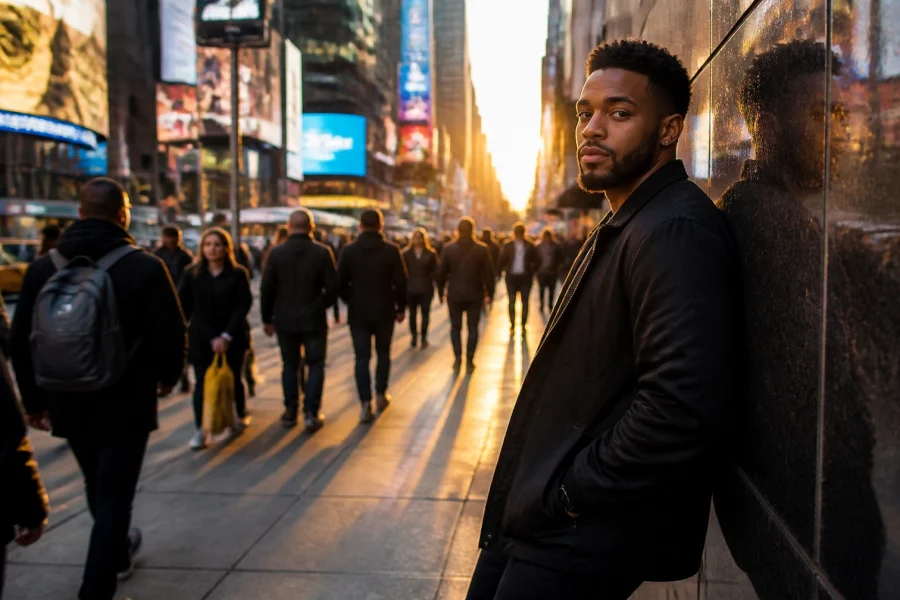
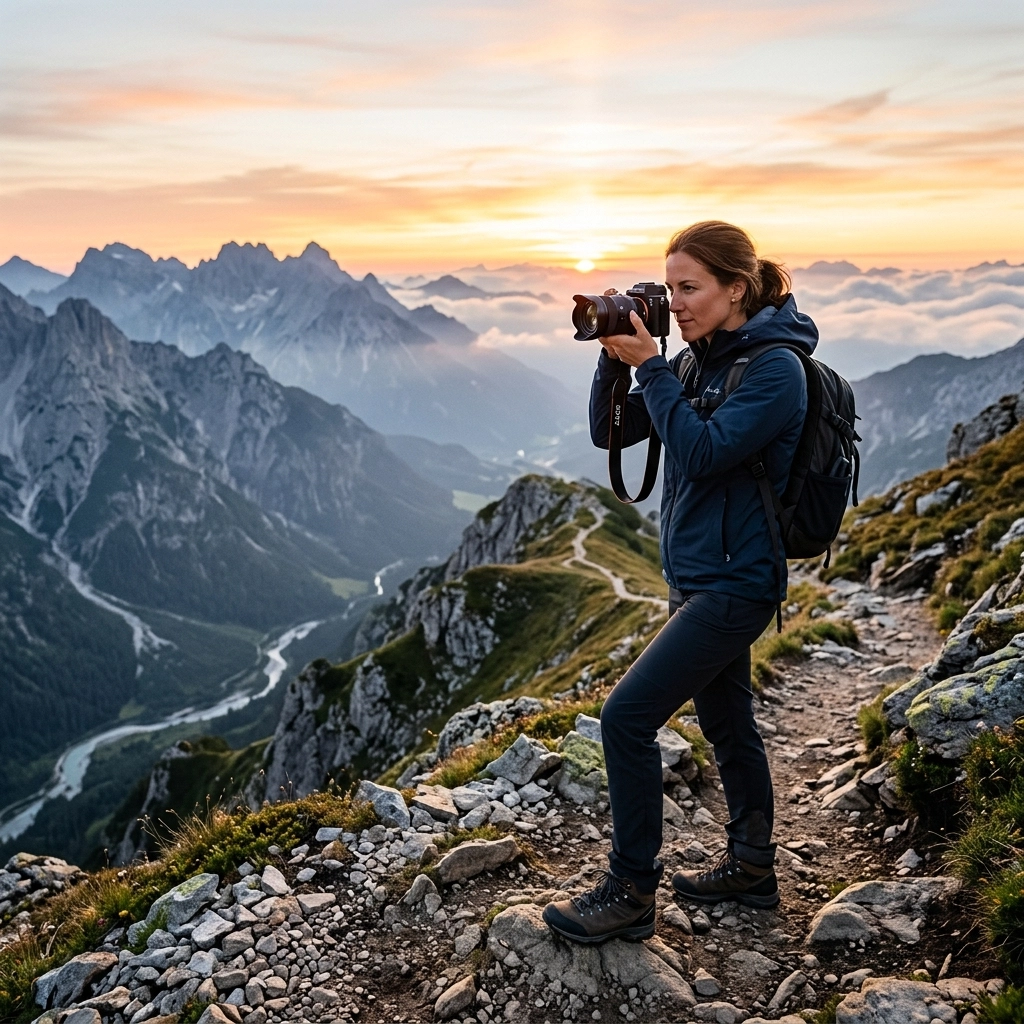
Are you hiking up mountains for that perfect sunrise? Then you need landscape photography tips and a high-resolution monster like the Sony A7R V. Are you hitting the pavement in NYC? You’ll want something small and discrete for those street photography ideas.
Step 1: The Sensor Size Debate
In 2026, the gap between Full-Frame and APS-C (crop sensor) has narrowed in terms of quality, but the physical laws of light haven't changed.
- Full-Frame: The gold standard for low light and depth of field. If you’re doing professional work or want the absolute best dynamic range, this is your lane.
- APS-C / Micro Four Thirds: These are the unsung heroes of 2026. They are smaller, lighter, and the lenses won't break your back. For wildlife, something like the OM System OM-1 Mark II is a beast because of the 2x crop factor.
 Save
Save
Alt text: A comparison layout of a professional full-frame mirrorless camera and a compact APS-C camera on a wooden desk with photography lenses.
The 2026 Gear Breakdown: Who Wins?
If you’ve been keeping up with photography news, you know that the big three (Sony, Canon, Nikon) are in an absolute arms race. But "best" is subjective. Let’s break it down by use case.
For the Landscape Obsessed
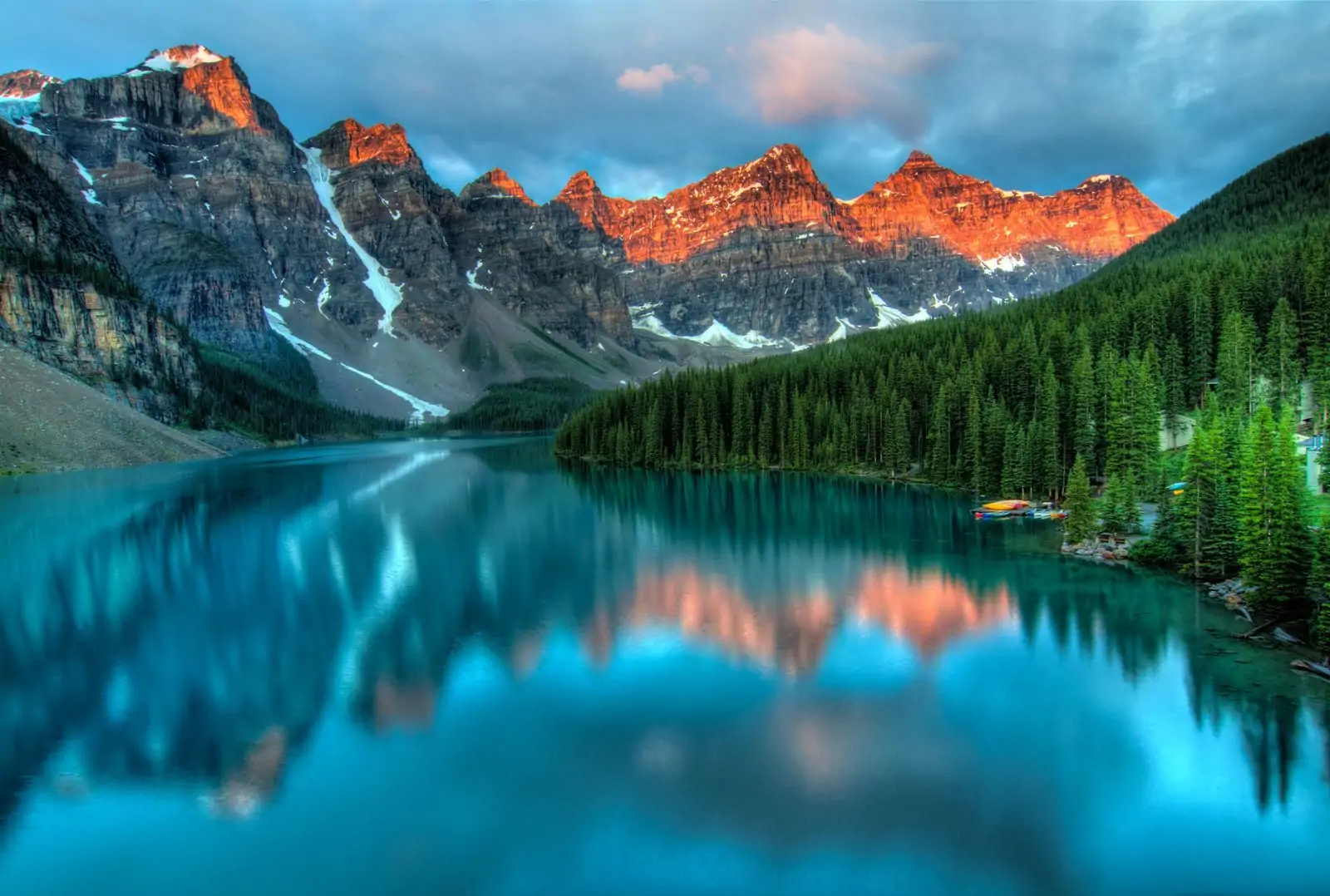
If you live for golden hour, you need resolution. You want to be able to print your photos large enough to cover a wall. The debate usually settles between the Canon EOS R5 vs Sony A7R V.
The Sony A7R V remains a favorite for its 61MP sensor and incredible screen articulation. If you’re just starting out, check out these top 10 landscape photography tips to make sure you’re actually getting the most out of those megapixels. It’s not just about the gear; it’s about how you use it.
For the Action and Wildlife Junkies
Speed is king here. You need a camera that can fire off 30+ frames per second without breaking a sweat. The OM System has carved out a massive niche here. If you’ve grabbed one, you’ll definitely want to dial in your OM System OM-1 Mark II settings for wildlife photography.
The computational photography built into these cameras in 2026 is insane. We’re talking about "Live ND" filters and "Pro Capture" modes that basically let you travel back in time by half a second to catch the bird taking flight.
The Best "All-Rounders"
Most of us shoot a bit of everything. You want to take nice photos of your kids, maybe a few portraits, and some vacation shots. This is where the Sony A7 IV vs Canon EOS R6 Mark II fight happens. These are the workhorses of the industry. They do everything well without being overly specialized.
Save
Alt text: A photographer capturing a fast-moving mountain biker in a forest using a modern mirrorless camera with advanced tracking autofocus.
The AI Elephant in the Room
We can’t talk about gear in 2026 without mentioning AI. It’s everywhere. It’s in the autofocus, it’s in the noise reduction, and it’s in the way the camera processes colors.
Some purists hate it, but honestly? It makes life easier. You can now focus (pun intended) on composition and lighting while the camera handles the technical heavy lifting. However, you don't want your photos to look like a Pixar movie. Learning how to integrate AI into your photography workflow without it looking like a robot did it is a vital skill this year.
Photography for Beginners: Don't Get Gear GAS
"Gear Acquisition Syndrome" is real. You think a new camera will make you a better photographer. Spoiler: it won't. If you’re just starting, I always recommend spending less on the body and more on education and glass.
One of the first things you should master is how to use manual mode camera. Relying on "Auto" is like buying a Ferrari and only driving it in a school zone. You need to understand the exposure triangle: Aperture, Shutter Speed, and ISO. Once you get that, the world opens up. You can find some killer photography tutorials that break this down into plain English.
Quick Manual Mode Cheat Sheet:
- Aperture: Controls depth of field (blurry backgrounds). Lower number = more blur.
- Shutter Speed: Controls motion. Higher number = frozen action.
- ISO: Controls light sensitivity. Higher number = more noise (grain).
The Importance of the Lens Ecosystem
When you buy a mirrorless camera, you aren't just buying a box; you’re marrying an ecosystem. If you go Sony, you have access to a massive library of third-party lenses from Sigma and Tamron. If you go Canon or Nikon, you're mostly stuck with their (admittedly amazing) proprietary glass, which can be pricier.
For portrait photography techniques, a 85mm f/1.8 is basically a rite of passage. It gives you that creamy "bokeh" that makes your subjects pop. If you're into specialized fields, your gear needs to reflect that. For instance, if you're shooting homes, you'll need specific Nikon Zf settings for real estate photography paired with a wide-angle lens.
Save
Alt text: A close-up of a high-quality 85mm prime lens on a mirrorless camera body, showing the detailed glass elements and wide aperture.
Editing: The Second Half of the Photo
The camera gear reviews you read usually focus on the RAW files, but nobody shares RAW files. You have to edit. In 2026, photo editing tutorials are less about moving sliders for hours and more about using smart masks.
I’m a huge fan of using Luminar for a quick and powerful workflow. It uses AI to handle things like sky replacement or skin retouching in seconds. It’s a lifesaver when you have a thousand photos from a wedding and want to go to sleep before 3 AM. If you’re looking for more inspiration or want to see what high-end results look like, check out Edin Fine Art or browse some PhotoGuides.org for deep dives into specific styles.
Specialized Frameworks for 2026
If you’ve already picked your brand, you need to optimize it. One camera can behave like five different tools depending on the settings. We’ve spent a lot of time at Shut Your Aperture breaking down exactly how to set up the most popular models for different gigs:
- For the Pros: If you’re doing high-stakes work, look at the OM System OM-1 Mark II settings for wedding photography.
- For the Content Creators: If you’re vlogging or doing product shots, the Sony ZV-E10 II settings for product photography are a game changer.
- For the Weekend Warriors: Heading to a game? Check the Sony ZV-E10 II settings for sports photography.
The "Shut Your Aperture" Selection Framework
So, how do you actually choose? Follow this path:
- Define your 80/20: What will you be shooting 80% of the time? Don't buy a wildlife camera if you only see a squirrel once a year.
- Set a "System Budget": Calculate the cost of the body PLUS two lenses.
- Hold it in your hand: Ergonomics matter. If the buttons feel weird, you won’t want to use it.
- Check the Video Specs: Even if you’re a "stills only" person, 2026 is the year of the hybrid. You’ll want decent 4K video eventually.
If you’re still lost, head over to Edin Chavez’s blog where we talk about the soul of photography, not just the specs. Gear is great, but vision is better.
Save
Alt text: An overhead flat-lay of a complete photography kit including a mirrorless camera, three lenses, a tripod, and a camera bag.
Final Thoughts on the 2026 Gear Race
Choosing the best mirrorless cameras in 2026 isn't about finding the one with the most buttons. It's about finding the tool that disappears when you put it to your eye. Whether you’re a pro looking for the perfect OM System OM-1 Mark II settings for portrait photography or a hobbyist just trying to understand how to use manual mode, the tech is finally at a point where it works with you, not against you.
Stop pixel peeping and start shooting. The best camera in the world is the one you actually have with you when the light hits the trees just right. Now get out there and shut your aperture!
Quick Amazon shortcuts for the camera categories covered in this guide. Use them if Prime shipping or your existing Amazon credit makes more sense than B&H. As an Amazon Associate ShutYourAperture earns from qualifying purchases.