The year is 2026, and the world of photography has shifted beneath our feet like sand in a desert gale. For years, the debate between the DSLR (Digital Single-Lens Reflex) and the Mirrorless system has raged in camera bags and online forums alike. But as we stand here today, the dust has largely settled, revealing a landscape where technology and tradition dance a complex tango.
If you are a creative professional: or an aspiring one: standing at the crossroads of a major purchase, you might be asking: "Where should I invest my hard-earned cash?" Is the "clack" of a physical mirror still the heartbeat of a pro, or has the silent, digital precision of a mirrorless sensor become the only way forward?
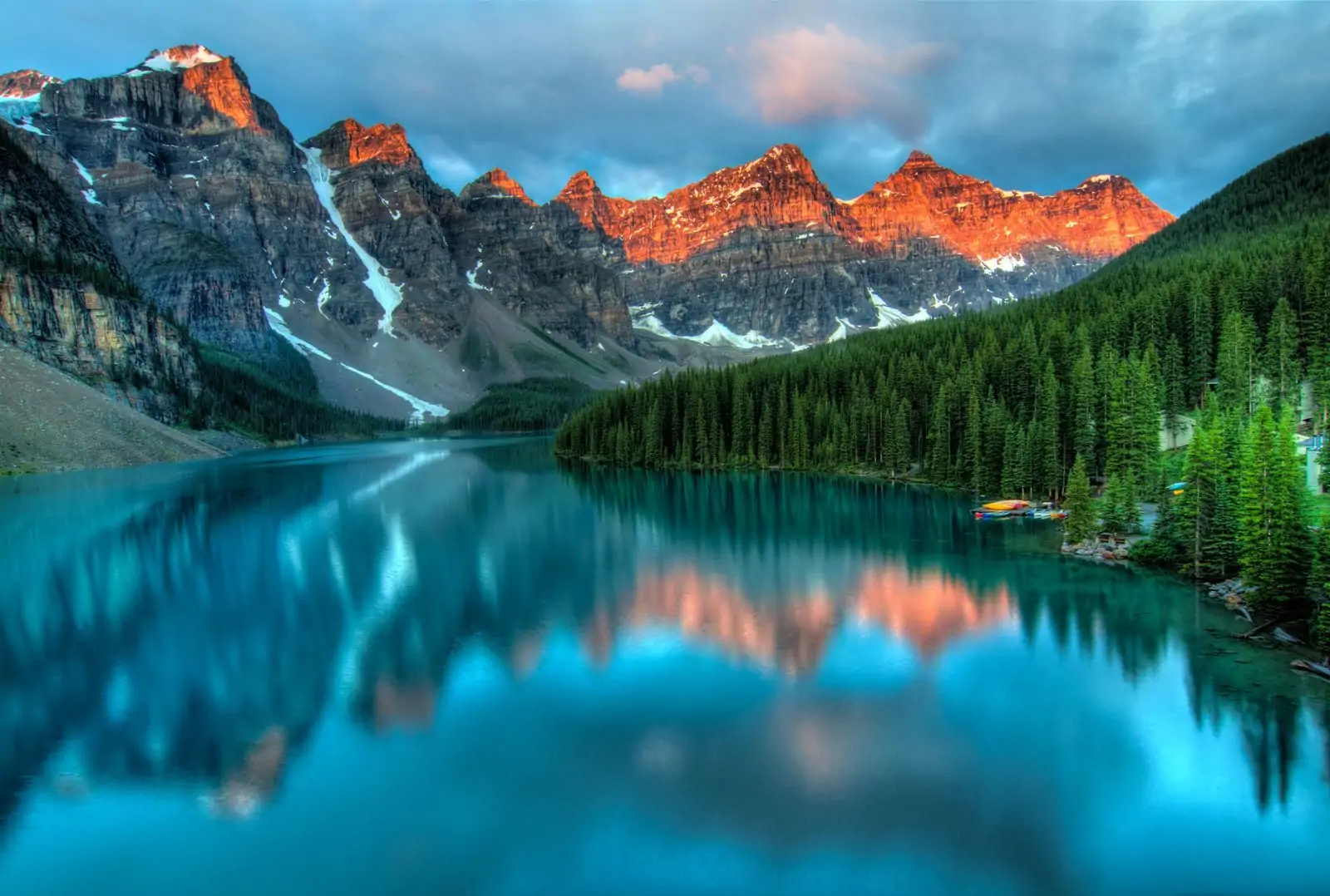
At Shut Your Aperture, we believe that your gear should be an extension of your soul. Whether you are chasing the ethereal light of a mountain sunrise or documenting the grit of urban life, your camera is the unsung hero of your creative journey. Let’s dive deep into the state of the industry and find the right tool for your specific path.
The Mirrorless Metamorphosis: A Glimpse into the Future
In 2026, it is no secret that the best mirrorless cameras have become the industry standard. For those of us who have spent decades lugging around heavy bags, the mirrorless revolution feels like a breath of fresh air. By removing the bulky mirror box and optical viewfinder, manufacturers have created instruments that are lighter, faster, and arguably more "intelligent" than anything we’ve seen before.
The primary charm of the mirrorless system lies in its ability to show you the world exactly as your sensor sees it. When you look through an Electronic Viewfinder (EVF), you aren't just seeing a reflection; you are seeing the final exposure, the white balance, and the depth of field in real-time. It’s like having a digital paintbrush that shows you the stroke before you even touch the canvas.
SEO Alt Text: A sleek, modern mirrorless camera capturing a vibrant sunset with real-time exposure preview on the screen.
For the modern creative, speed is everything. Mirrorless systems now feature AI-driven autofocus that can track a subject’s eye with a tenacity that feels almost supernatural. Whether you’re shooting a wedding or a fast-paced sports event, the "stickiness" of modern autofocus ensures that the ephemeral moment is never lost to a soft focus.
If you are looking for high-end production gear, I always suggest checking out proshoot.io for insights into professional-grade equipment that can elevate your commercial work.
The Stoic DSLR: A Relic or a Reliable Workhorse?
While the industry has pivoted toward mirrorless, we must maintain a sense of reverence for the DSLR. There is something intrinsically satisfying about the tactile nature of a DSLR. The optical viewfinder offers a clear, lag-free window into reality that some "old school" enthusiasts still prefer.
Take, for example, the legendary Nikon D850. Even in 2026, this camera remains a beast for landscape and studio photographers. Why? Because it is stoic. It is built like a tank, and its battery life remains vastly superior to most mirrorless counterparts. When you are deep in the wilderness, miles away from a charging port, that extra battery endurance isn't just a spec: it’s a lifeline.
However, we must be honest in our camera gear reviews. Most major manufacturers have ceased production of new DSLR bodies and lenses. Choosing a DSLR in 2026 is a choice to lean into a mature, stable system with a massive (and now affordable) used market. If you are just starting out and your budget is tight, a used DSLR might be the smartest way to get professional-grade glass without the mirrorless "tax."
Cinematic Soul: Why Video Professionals Have Moved On
If your creative career involves even a shred of video work, the debate is already over. Mirrorless cameras have won the war for the "cinematic soul." In 2026, the integration of 6K and 8K video, internal RAW recording, and In-Body Image Stabilization (IBIS) has turned small camera bodies into powerhouse cinema machines.
The transition from photo to video on a mirrorless body is seamless. With the flick of a switch, your paintbrush becomes a movie camera. The ability to use the EVF while filming: something impossible on a DSLR due to the mirror needing to stay up: allows for much better handling in bright daylight.
I’ve spent countless hours working on projects like Dubai Timelapse and Biolapse, and I can tell you that the electronic tools available in mirrorless systems are absolute game-changers for hybrid creators. If you're looking to expand your skills, venture forth into our category of tutorials to see how to maximize these digital features.
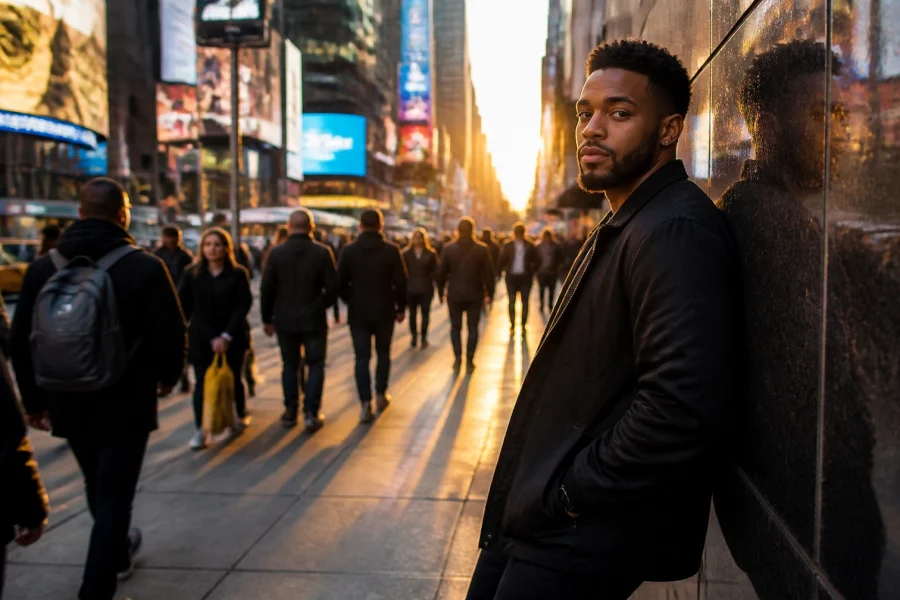
SEO Alt Text: A photographer using a mirrorless camera on a gimbal to film a cinematic street scene in a bustling city.
The Weight of the World: Portability and Travel
For those who live a nomadic lifestyle, every gram counts. I’ve traveled from the streets of Barcelona to the harbor of Sydney, and I can tell you: your back will thank you for choosing mirrorless.
A mirrorless setup with a couple of prime lenses is significantly smaller than a comparable DSLR kit. This isn't just about comfort; it’s about accessibility. A smaller camera is less intimidating to subjects in street photography and easier to fit into a carry-on bag for those international assignments. When the environment is your canvas, you don't want to be weighed down by heavy machinery.
If you are a travel photographer, you might also find great inspiration at photoguides.com, which offers fantastic resources for those who carry their "unsung heroes" across borders and time zones.
The Lens Investment: Adapting to Change
One of the biggest hurdles for long-time photographers is the "mount change." Mirrorless cameras use wider lens mounts, allowing for optics that were previously impossible to design. These lenses are sharper, faster, and more corrected than their predecessors.
However, don't throw away your old glass just yet! One of the best parts about the mirrorless transition is the availability of high-quality adapters. You can easily use your favorite DSLR lenses on a new mirrorless body. While it might add a bit of length to the setup, the performance is often better than it was on the original DSLR.
For those of us obsessed with image quality, like the fine art prints you see at edinfineart.com, the new mirrorless glass is a revelation. The corner-to-corner sharpness and lack of chromatic aberration are essential for creating large-scale masterpieces.
SEO Alt Text: A macro shot of a high-quality camera lens showing the intricate glass elements and light reflections.
Battery Life: Powering the Passion
If there is one area where the mirrorless system still struggles to find its footing compared to the "stoic" DSLR, it is battery life. Powering a high-resolution EVF and a sensor that is "always on" is a hungry task.
In 2026, battery technology has improved significantly, but a DSLR will still outlast a mirrorless camera in a marathon session. Dear hobbyists, if you choose mirrorless, the solution is simple: buy three extra batteries. It is a small price to pay for the technological advantages, but it is a "brass tacks" reality you must prepare for.
A Decision Framework for Your 2026 Career
Now that we’ve delved into the philosophy and the technicalities, it’s time to get down to the practical decision-making. Which path should you take?
Choose Mirrorless if:
- Video is essential: You are a hybrid creator who needs top-tier video features.
- You value autofocus: You shoot moving subjects, pets, children, or sports.
- Portability is key: You travel often or shoot long street sessions.
- You want the latest tech: You enjoy firmware updates that add new features over time.
- You are starting fresh: If you don't have a lens collection, the mirrorless ecosystem is the most future-proof investment.
Choose a DSLR if:
- Budget is your priority: You want the best bang for your buck in the used market.
- Battery life is a dealbreaker: You shoot in extreme cold or off-grid locations.
- You love the optical view: You prefer the "analog" feel of looking through real glass.
- Your subjects are static: You primarily shoot landscapes, architecture, or still life where lightning-fast tracking isn't required.
For more technical advice and personal takes, check out Edin’s personal thoughts at blog.edinchavez.com or see his commercial work at edinstudios.com.
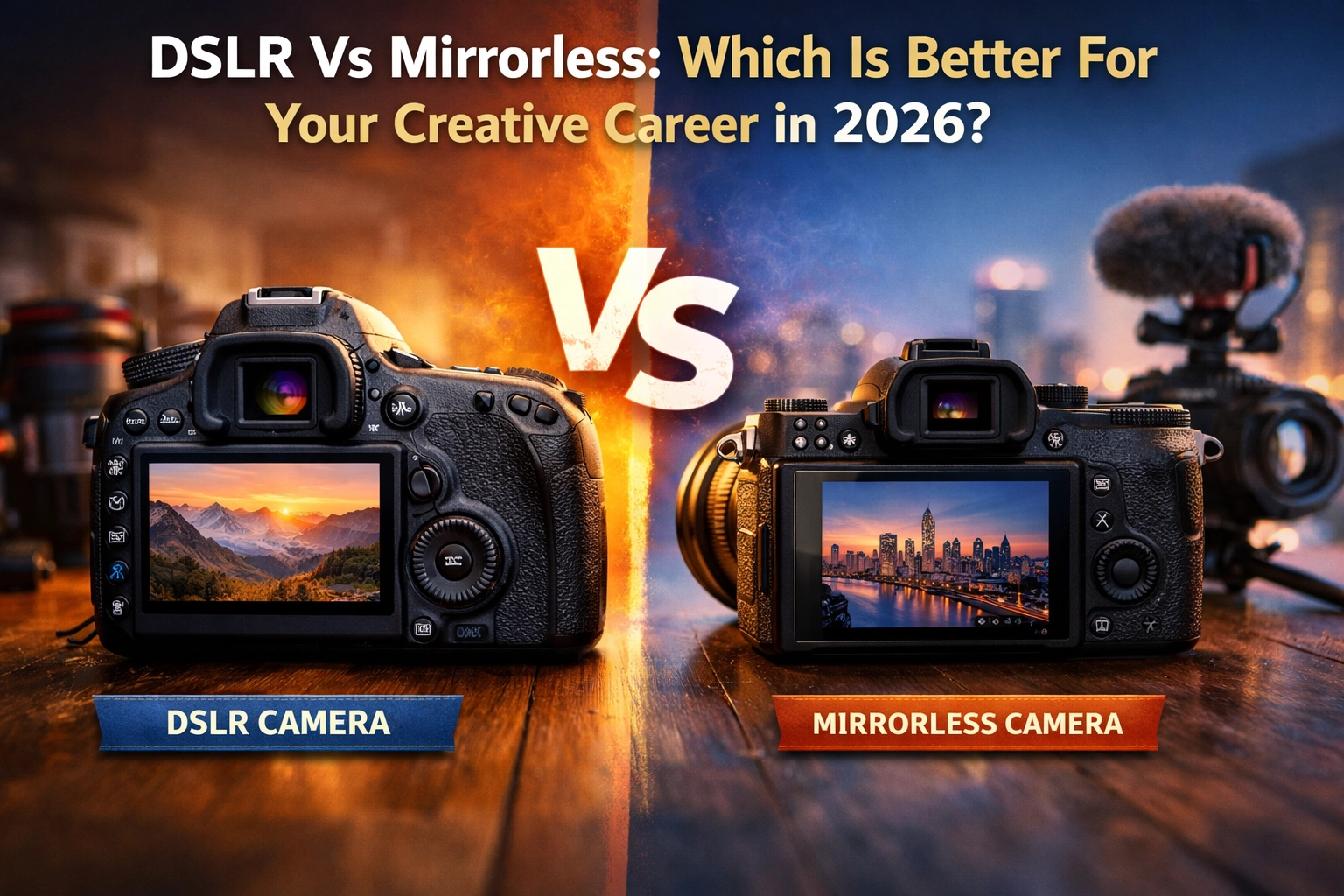
SEO Alt Text: Two cameras, a DSLR and a Mirrorless, sitting side-by-side on a wooden table in a professional photography studio.
The Soul Behind the Sensor
Regardless of which tool you choose, never forget that the camera is merely a vessel for your vision. The sun dances with the landscape whether you are holding a 20-year-old DSLR or the latest mirrorless flagship. The weather whispers its secrets to those who are willing to listen, not just those with the most expensive sensor.
Great creative work is born from a reverence for the craft and a stoic dedication to finding beauty in the ephemeral moments of life. Whether you are experimenting with an HDR tutorial or capturing abstract shapes, the heart of the image remains the same.
Seize these moments! Venture forth and capture the world in your unique way. If you feel you have captured something truly special, don't forget to head over to our submissions page to share your vision with our community.
Final Philosophical Thoughts
The transition from DSLR to mirrorless is much more involved than a change in gear; it is a shift in how we interact with the world. Mirrorless technology removes the barriers between our eyes and the final image, allowing for a more fluid and immediate creative process.
However, there is a certain "intrinsic" value in the DSLR that should not be dismissed: a connection to the history of the medium. As you build your career in 2026, let your choice be guided not just by specs, but by how the tool feels in your hands and how it inspires you to see the world.
If you're still on the fence or have questions about a specific model, drop me a line below! I'd love to help you navigate this transition. And for those looking to jumpstart their editing workflow, don't miss our downloads section for presets and tools that work perfectly with both systems.
The world is your canvas. What will you create today?