It is March 2026, and if you are still rocking a DSLR, I have some news for you: the mirror is officially a relic of the past. Don’t get me wrong, those old tanks still take great photos, but the world has moved on to smarter, faster, and lighter tech. Choosing the best mirrorless camera today isn't just about megapixels anymore: it’s about AI-driven autofocus, insane video specs, and finding a tool that doesn’t get in the way of your creativity.
At Shut Your Aperture, we get asked this question daily: "What camera should I buy?" The answer used to be simple. Now? It depends on whether you're shooting backyard birds, high-fashion editorials, or vlogging your way across Europe.
In this guide, I’m going to break down the heavy hitters of 2026, from the high-end monsters to the budget-friendly gems that actually punch above their weight.
The State of Mirrorless in 2026
We’ve hit a point where technology has plateaued in the best way possible. Even "entry-level" cameras now come with autofocus systems that can track a hummingbird’s eye through a thicket of branches. The competition between Sony, Canon, Nikon, and Fujifilm has pushed prices down while shoving professional features into smaller bodies.
When you’re looking at these options, you need to think about three things:
- Budget: What can you actually afford after buying a lens?
- Use Case: Stills, video, or a messy mix of both?
- Ergonomics: Does it feel good in your hand, or is it a chore to carry?
The Professional Powerhouses: No Compromise
If money is no object and you need a camera that can do literally everything, 2026 has delivered two absolute titans.
Sony a1 II: The Speed Demon
The Sony a1 II remains the benchmark for "do-it-all" performance. At around $7,000, it’s a massive investment, but you get what you pay for. With its advanced AI autofocus and 8K video capabilities, it’s the camera of choice for sports and wildlife pros. The pre-capture shooting mode ensures you never miss the moment the ball hits the bat or the bird takes flight.
If you’re moving from a lower-end Sony body, the transition is seamless, but the sheer amount of data these 50MP files produce means you’ll want to check out some high-end post-processing tools. I personally love using Luminar to handle the heavy lifting when it comes to AI-enhanced editing.
Canon EOS R5 II: The Versatile Workhorse
For those who prefer the Canon ecosystem, the R5 II is the sweet spot. It offers a 45-megapixel sensor and up to 40 FPS shooting. It’s slightly more affordable than the Sony flagship (around $4,300), making it the "sensible" choice for wedding photographers and studio pros.
Canon’s color science remains legendary. If you’re looking to create pictures from Ireland or other lush landscapes, the way this sensor handles greens and blues is unmatched. Plus, the ergonomics feel like an extension of your arm.
The Mid-Range Sweet Spot: Professional Results, Human Prices
Most of us don’t need a $7,000 body. We need something that can survive a hike, capture a wedding, and look good doing it. This is where the competition is fiercest.
Nikon Z6 III: The Value King
Nikon really stepped up their game with the Z6 III. For around $2,500, you get a camera that rivals the autofocus of the flagship Z9. It’s the perfect hybrid. It’s small enough for travel but powerful enough for a professional gig. If you are just starting to build a professional portfolio, this is likely where you should start. You can see how these kinds of sensors perform in real-world scenarios over at Edin Fine Art.
Canon EOS R6 II: The Reliable Choice
The R6 II is the direct competitor to the Nikon, and it’s a beast. 40 FPS electronic shutter and dual memory card slots make it a reliable companion for any event. It’s lower resolution (24MP) than the R5 II, which is actually a blessing if you don’t want your hard drives to explode with massive files. It’s plenty for large prints, which you can learn more about at Edin Studios.
Best for Beginners and Content Creators
If you’re just getting into photography, don’t let the big numbers intimidate you. You don’t need a full-frame sensor to take world-class photos.
Nikon Z50 II
This is currently the best entry-level APS-C camera on the market. It’s priced around $1,000, which leaves you plenty of room in the budget for a couple of nice lenses. It uses the same AI autofocus tech as its bigger brothers, meaning you won’t be fighting the camera to get sharp shots of your kids or pets.
Sony A6700
Sony’s A6xxx line has been the king of the "vlogger" space for years, and the A6700 keeps that crown. It’s compact, has incredible video features, and the lens selection for Sony’s E-mount is massive. If you’re traveling light and want to keep your gear minimal, this is the way to go. For more tips on how to keep your travel photography sharp, check out PhotoGuides.org.
The Niche Pick: Fujifilm X100VI
I can’t write a 2026 guide without mentioning the Fujifilm X100VI. It’s a fixed-lens camera, meaning you can’t zoom or change lenses. So why is it so popular? It’s because it’s beautiful. It looks like a vintage film camera, fits in a jacket pocket, and features Fujifilm’s famous film simulations.
It’s the ultimate "everyday" camera. If you want to make photo look like ansel adams masterpiece, the monochrome simulations in this camera get you 90% of the way there before you even touch a computer.
Understanding the Specs: What Actually Matters?
When you’re browsing sitemaps and tech specs, it’s easy to get lost in the weeds. Here is the "no-nonsense" breakdown of what you should actually care about.
Sensor Size: Full-Frame vs. APS-C
Full-frame sensors are larger and generally better in low light. They give you that shallow "bokeh" look more easily. APS-C (crop sensors) are smaller, which makes the cameras and lenses smaller and cheaper. For 90% of hobbyists, APS-C is more than enough.
Autofocus
In 2026, if a camera doesn't have "Subject Detection" (Humans, Animals, Vehicles), don't buy it. All the cameras mentioned above have it. It’s a game-changer that allows you to focus on composition rather than fighting with focus points.
In-Body Image Stabilization (IBIS)
This allows you to shoot at slower shutter speeds without a tripod. It’s a lifesaver for handheld video and low-light street photography. Most mid-range and high-end mirrorless cameras now include this feature.
How to Choose the Right Ecosystem
When you buy a camera, you aren’t just buying a box; you’re buying into a lens system.
- Sony has the most third-party lenses (Sigma, Tamron), which saves you money.
- Canon has some of the best high-end glass (RF lenses) but can be more expensive.
- Nikon has made a massive comeback with their Z-mount lenses, which are incredibly sharp.
Before you pull the trigger, look at the lenses you might want a year from now. If you’re interested in professional shooting, check out ProShoot.io for insights into what gear the pros are actually using in the field.
The Software Side: Don't Forget the Edit
A great camera is only half the battle. To really make your images pop, you need a solid workflow. Whether you're shooting on a Sony a1 II or a Nikon Z50 II, how you process your RAW files matters.
I’ve spent a lot of time testing different software, and for a simple, AI-driven workflow, Luminar is hard to beat. It handles those modern high-resolution files with ease and lets you fix lighting or sky issues in seconds rather than hours. If you're looking for free alternatives, you might remember when Google's Nik Collection now free was the big news: there are still plenty of ways to edit without breaking the bank.
Final Thoughts for Your 2026 Purchase
The "best" camera is the one you actually have with you. Don't buy a Sony a1 II if it's going to sit in a safe because you're too afraid to take it to the beach.
- If you're a professional: Go for the Canon R5 II or Sony a1 II.
- If you want the best bang for your buck: The Nikon Z6 III is the winner.
- If you're a traveler: The Fujifilm X100VI or Sony A6700 will be your best friends.
Photography is about the stories you tell. Whether you’re capturing making love car concepts or the instagrams of the week, the tech is just there to help you express your vision.
Take your time, hold the cameras in a store if you can, and then get out there and start shooting. The light won't wait for you to find the perfect spec sheet.
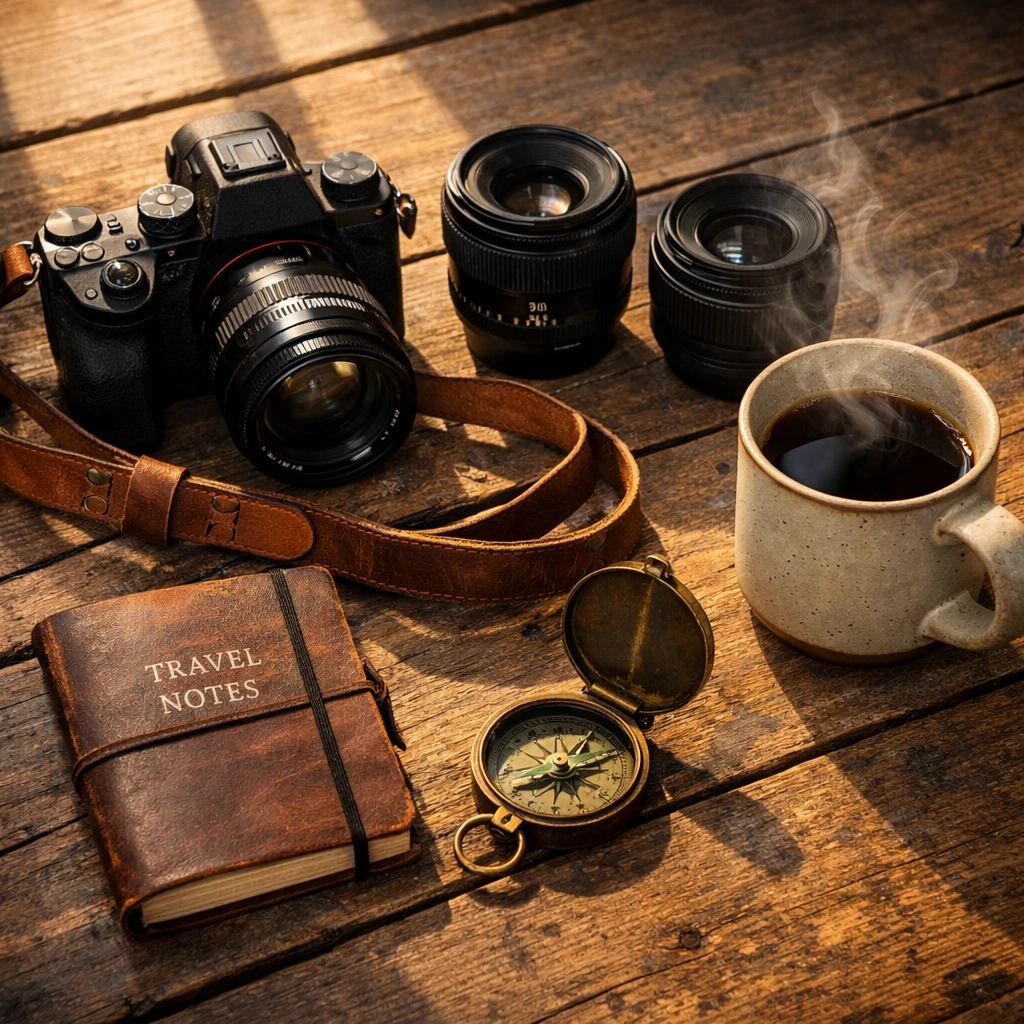
For more guides on specific locations or techniques, feel free to browse our category sitemap or check out the latest photo series. Happy shooting!
Categories: News, PHOTO SERIES, TUTORIALS, TRAVEL
Tags: News, PHOTO SERIES, TUTORIALS, TRAVEL