Listen, choosing a camera in 2026 isn't like it was ten years ago. Back then, you had to choose between a bulky DSLR that weighed as much as a small bowling ball or a tiny point-and-shoot that took photos your phone could beat. Today, mirrorless cameras have completely taken over. The "mirror" is dead, and honestly, we don't miss the clacking sound.
But with so many options from Sony, Canon, Nikon, and Fujifilm, how do you actually pick one? Whether you are just getting started with photography for beginners or you’re a pro looking for the latest camera gear reviews, this guide is going to break down the best mirrorless cameras on the market right now.
Why Mirrorless is the Only Way Forward
If you’re still holding onto a DSLR, it’s time to let go. Mirrorless technology has peaked in 2026. We now have AI-driven autofocus that can track a bird’s eye through a forest and sensors that see in the dark better than we do.
The main perk? You see exactly what you’re going to get before you press the shutter. No more guessing. If your exposure is off, the electronic viewfinder (EVF) shows you a dark image. It’s the ultimate way to learn how to use manual mode camera because the feedback is instant.
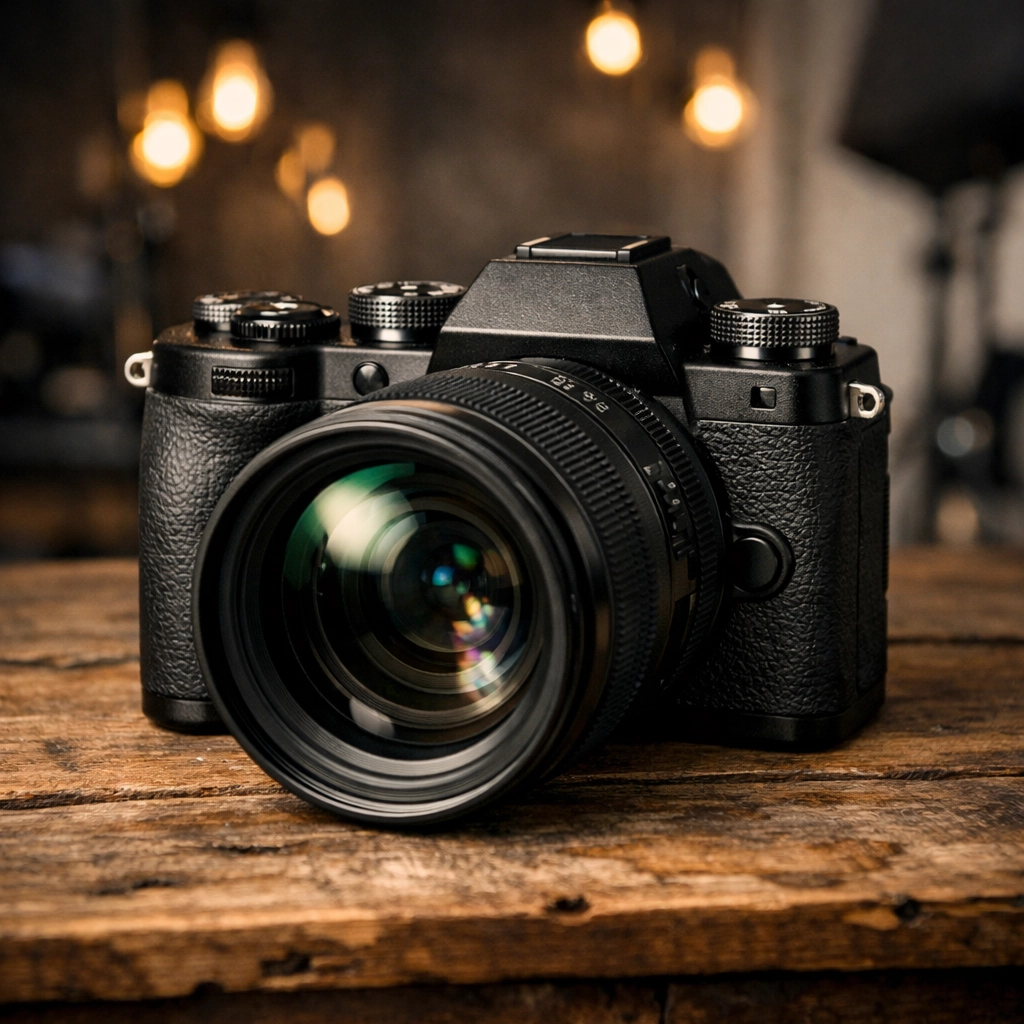
Alt text: A sleek, modern mirrorless camera sitting on a wooden table with a blurred background of a photography studio, showing off its compact design.
Best Mirrorless Cameras: The 2026 Heavyweights
Choosing the "best" camera depends on what you’re shooting. A wedding photographer needs different specs than someone trying to capture landscape photography tips in the middle of a desert.
1. The All-Rounder: Canon EOS R6 Mark II
The R6 Mark II remains the "Goldilocks" camera. It’s not too expensive, it’s not too complicated, and it does everything well. With AI-powered subject detection, it’s a favorite for both portraits and fast action. If you are looking for photography tutorials that focus on versatility, this is the body most people point to.
2. The Resolution King: Sony A7R V
If you want to see every single leaf on a tree from a mile away, the Sony A7R V is your beast. It’s perfect for those seeking discover ethereal landscapes for captivating shots. Its 61-megapixel sensor gives you room to crop until your heart is content.
3. The Speed Demon: Nikon Z9
For wildlife and sports, the Nikon Z9 is still the king. It has no mechanical shutter. It’s all electronic, all the time. It’s fast, rugged, and has a battery life that seems to last forever. If you’re checking photography news, you’ll see Nikon’s firmware updates have kept this camera at the top of the food chain.
Photography for Beginners: Where to Start?
I get it. Looking at a $5,000 camera body is enough to make anyone want to stick to their iPhone. But you don't need to mortgage your house to get started.
For those just diving into photography for beginners, the Nikon Z50 II or the Canon EOS R10 are fantastic entry points. They are lightweight and use APS-C sensors, which means the lenses are cheaper and smaller. You can learn the basics, like the exposure triangle and composition, without the overwhelming complexity of a pro-level rig.
If you’re looking for a great place to start learning the ropes, check out PhotoGuides.org for some solid walkthroughs.
Landscape Photography Tips and Gear
Landscape photography is all about dynamic range and weather sealing. You’re going to be out in the elements, sometimes in places like picturesque coastal escapes, and you need a camera that won't die the second a raindrop hits it.
When choosing a mirrorless camera for landscapes:
- Look for high megapixel counts: This allows for large prints. You can see some of Edin’s high-res work at Edin Fine Art.
- Dynamic Range: You want to be able to recover shadows without a ton of noise.
- Battery Life: Mirrorless cameras eat batteries. If you're shooting majestic sunsets, bring extras.
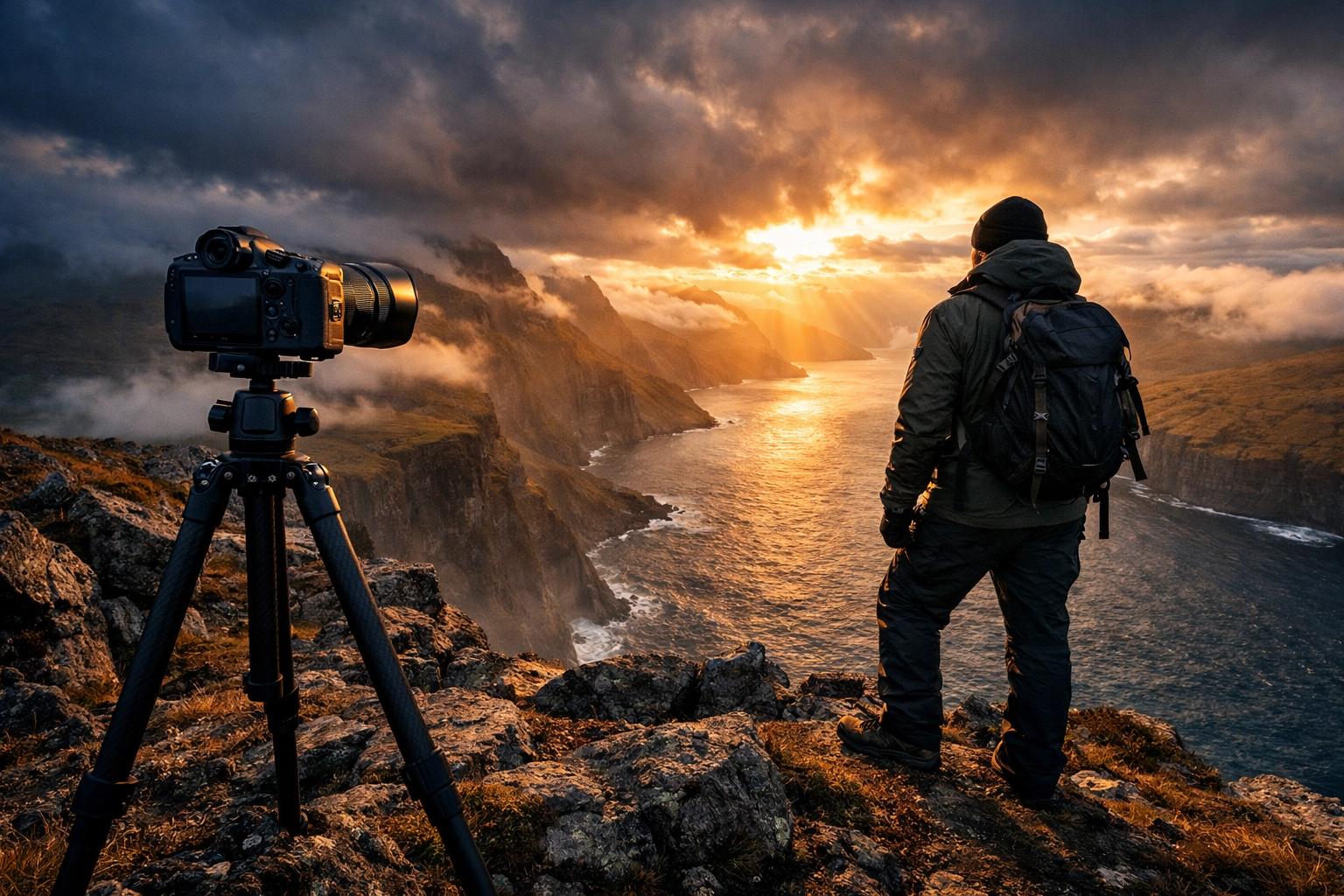
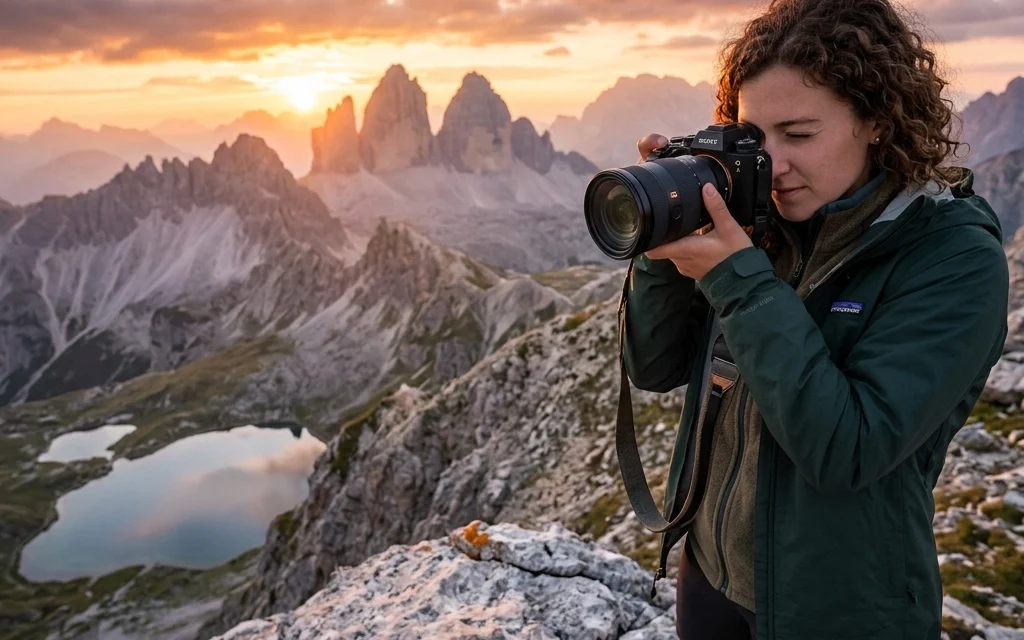
Alt text: A photographer standing on a cliffside during golden hour, holding a mirrorless camera on a tripod overlooking a vast mountain range.
Portrait Photography Techniques: The Mirrorless Advantage
The biggest game-changer for portrait photography techniques has been Eye-Autofocus. In the old days, you’d pray the camera hit the eye and not the tip of the nose. In 2026, mirrorless cameras lock onto the iris and never let go.
If you’re doing studio work, consider the ecosystem of lenses. Sony’s E-mount has the most variety, but Canon’s RF glass is legendary for its "look." You can see professional studio setups in action at Edin Studios.
Street Photography Ideas: Small is Better
For street photography, you want to be a ghost. You don't want a giant lens in people's faces. This is where cameras like the Fujifilm X100 series (if you can find one in stock) or the Sony A7C II shine. They are compact, have silent shutters, and don't scream "I am a professional photographer."
Using a smaller camera helps you unlock secrets to enchanting urban photography because people react to you differently. You're just a person with a camera, not a "paparazzo."
How to Use Manual Mode Camera in 2026
I know, "Manual Mode" sounds scary. But with a mirrorless camera, it’s actually the best way to learn. Since you see the exposure change in real-time in the viewfinder, you can finally understand the relationship between ISO, Shutter Speed, and Aperture.
- Aperture: Controls your depth of field. Want a blurry background? Go for a low number like f/1.8.
- Shutter Speed: Controls motion. Want to freeze a bird? 1/2000s. Want to blur a waterfall? Try 1/2s. For more on this, look at our long exposure techniques in water photography.
- ISO: Controls light sensitivity. Keep it as low as possible for the cleanest images.
Learning these basics is much easier when you’re not shooting blind. For a deeper dive, blog.edinchavez.com has a ton of articles on mastering the technical side of the craft.
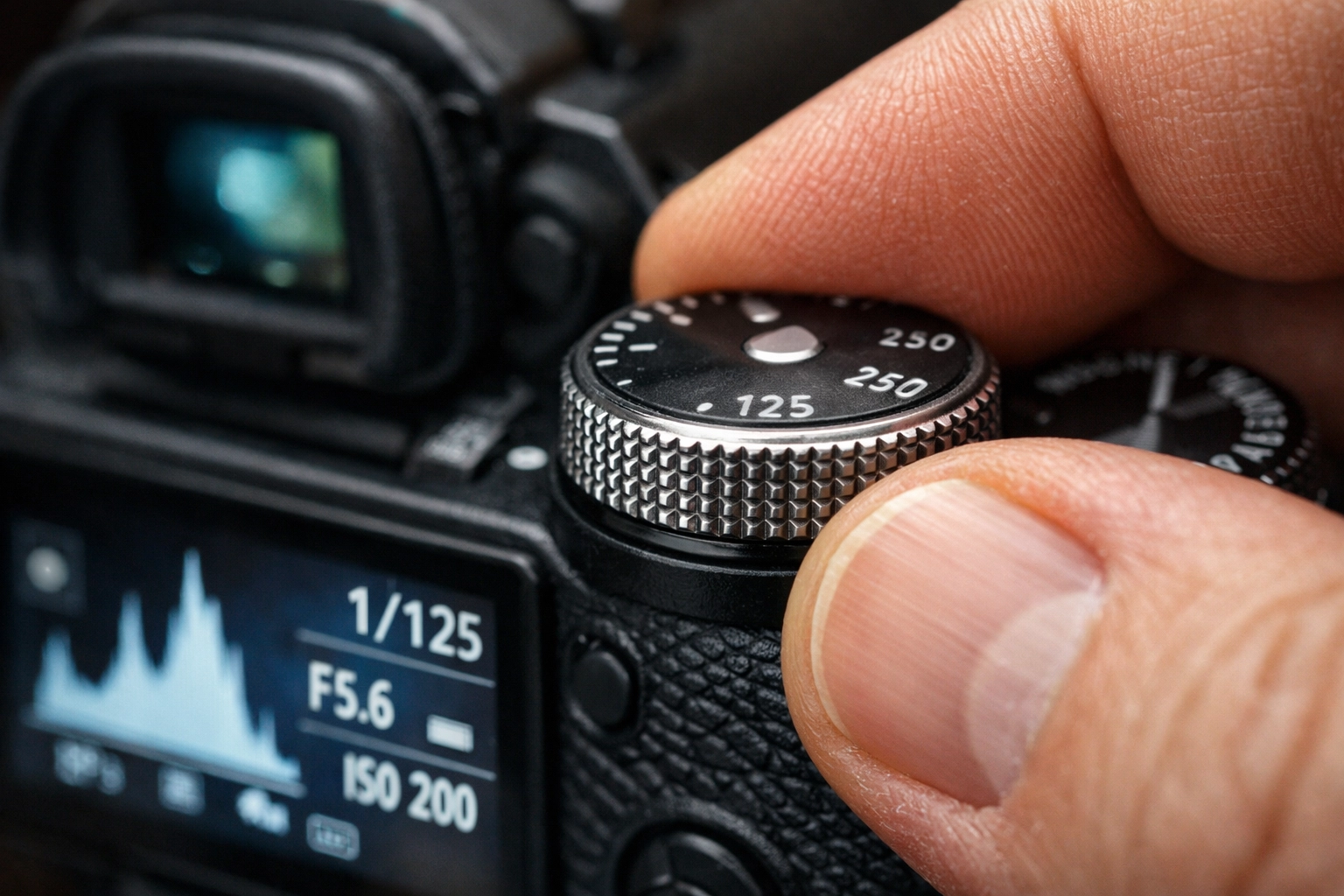
Alt text: A close-up of a camera dial being turned by a hand, focusing on the manual mode setting with a soft-focus background.
Photo Editing Tutorials and Software
The job isn't done when you click the shutter. In 2026, post-processing is half the battle. Whether you're doing photo editing tutorials for the first time or you're a seasoned editor, the software you use matters.
One of our favorite tools for quick, AI-powered edits is Luminar. It simplifies complex tasks like sky replacement or skin retouching into a few clicks. While we love a deep dive into Photoshop, Luminar is great for getting professional results without spending four hours at your desk.
If you are looking for professional-grade assets or presets to speed up your workflow, check out Pro Shoot.
Mastering the Elements: Water and Motion
If your goal is to capture beauty in motion, you need to understand how your mirrorless camera handles high-speed data. Modern mirrorless bodies can shoot upwards of 20 to 30 frames per second. This is essential for water photography, where the "perfect" splash happens in a fraction of a second.
Check out the best camera settings for stunning water landscapes to see how to dial in your new mirrorless rig for those epic ocean shots.
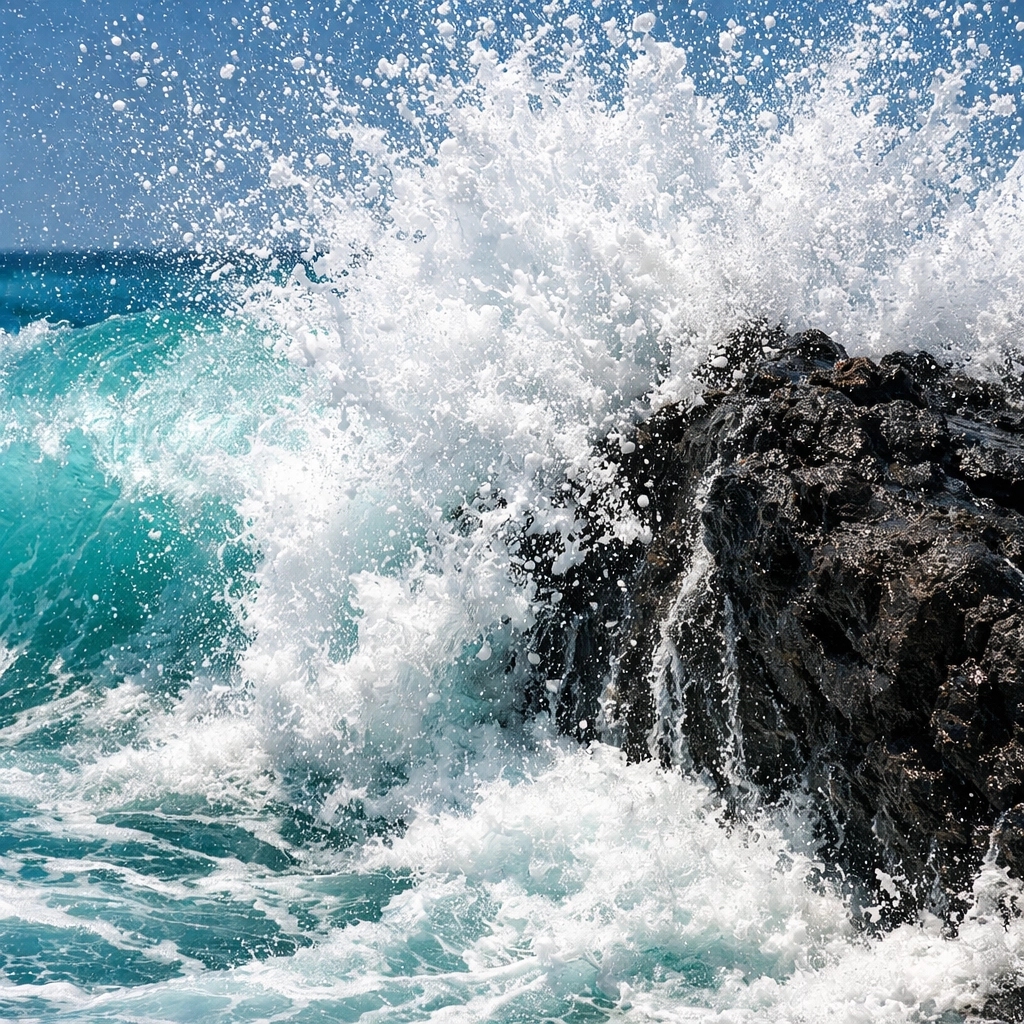
Alt text: An ultra-realistic shot of a wave crashing against rocks with high detail in the water droplets, showcasing the power of high-speed mirrorless shutters.
The Lens Dilemma: What Should You Buy First?
A camera is only as good as the glass you put in front of it. When you're browsing camera gear reviews, you'll see a lot of talk about "kit lenses."
- The Kit Lens (24-70mm f/4 or similar): Good for starting out, but you'll outgrow it quickly.
- The Nifty Fifty (50mm f/1.8): Every photographer should own one. It’s cheap, sharp, and great for portraits.
- The Wide Angle: Essential for hidden gem locations for travel photography.
Don't buy everything at once. Start with one versatile zoom or a solid prime and build your kit as you discover what you actually like to shoot.
Photography News: What’s Next?
The world of mirrorless is moving fast. We’re seeing rumors of global shutters becoming standard and even more integration with cloud-based AI. Keeping up with photography news is part of the hobby. But remember: the best camera is the one you actually have with you.
Don't get so caught up in the "Ultimate Comparison" that you forget to go outside and actually take photos. Whether you're exploring secluded paradises or just your backyard, the gear is just a tool.
Final Thoughts on Choosing Your Mirrorless Camera
Choosing a mirrorless camera in 2026 comes down to three things:
- Budget: Don't spend so much on the body that you can't afford a lens or a plane ticket to go somewhere cool.
- Ergonomics: Go to a store and hold the camera. If it doesn't feel good in your hand, you won't use it.
- Purpose: Are you shooting your kids' soccer games or professional fashion? Be honest about your needs.
If you need more inspiration for your next trip, check out our guide on the best time for USA road trips.
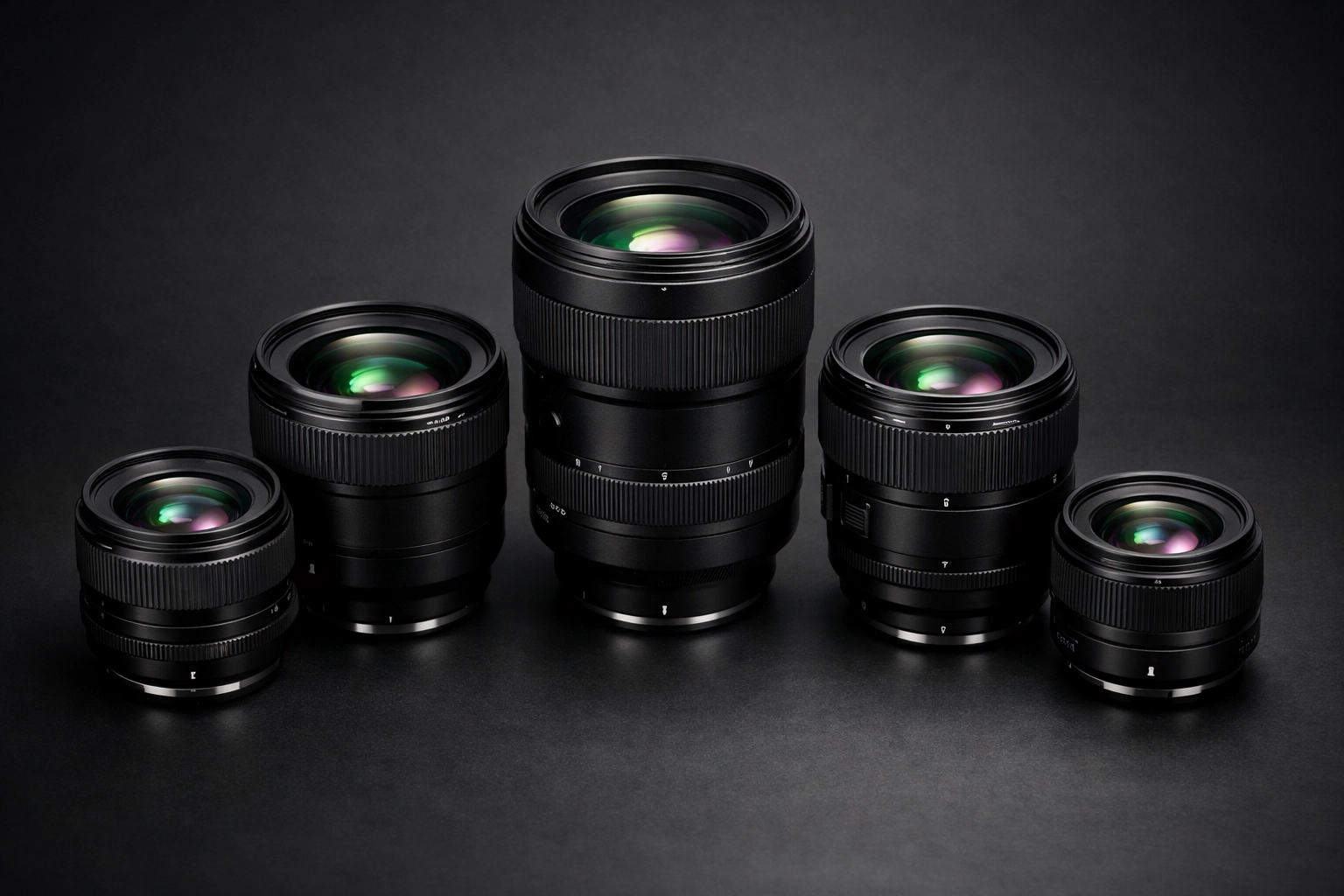
Alt text: A collection of various mirrorless camera lenses of different sizes arranged neatly on a dark surface, symbolizing the variety of choices for photographers.
Now, stop reading and go shoot something. Your mirrorless journey is just beginning, and the world looks a lot better through a high-quality EVF. Just make sure you've got your settings dialed in and your Luminar subscription ready for those final touches.
Whether you are looking for top spots for stunning nature imagery or just trying to figure out how to use manual mode camera, the most important thing is to keep pressing that shutter button. Mirrorless technology is here to help you, not get in your way. Stay creative!