
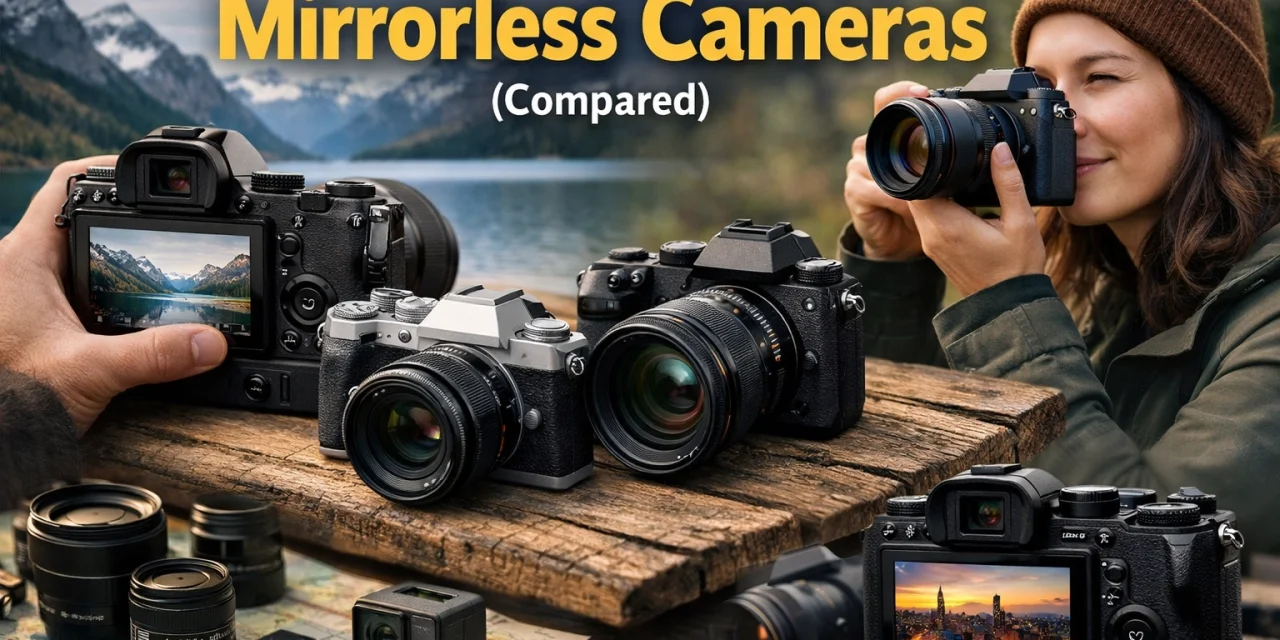
Choosing a camera used to be a simple affair of picking the biggest, heaviest DSLR you could carry. But the tides have turned, dear hobbyists. We are living in a golden age of technology where the "best mirrorless cameras" aren't just tools; they are the unsung heroes of our creative journeys. They are the conduits through which we capture the ephemeral dance of light and the stoic beauty of the world around us.
If you’ve been standing on the shoreline, wondering if it's time to dive into the mirrorless sea, let me tell you: the water is fine. Actually, it's perfect. Transitioning from a classic like the Nikon D850 to a modern mirrorless system is like trading a heavy suit of armor for a pair of wings. It’s an intrinsic shift in how we relate to our canvas.
In this guide, we’re going to break down how to find your perfect match, comparing the heavy hitters and the hidden gems. Whether you’re chasing sun-drenched landscapes or the frantic pulse of street photography, there’s a mirrorless body waiting to become an extension of your vision.
The Mirrorless Magic: Why Make the Switch?
Before we get into the "which," we must understand the "why." A mirrorless camera, at its core, removes the internal mirror mechanism found in DSLRs. This isn't just a weight-saving measure; it changes the very nature of how we see.
When you peer through an Electronic Viewfinder (EVF), you aren't looking at a reflection; you’re looking at the sensor’s interpretation of reality. You see the exposure, the white balance, and the depth of field in real-time. It’s an ethereal experience: knowing exactly how your "paintbrush" of light will hit the "canvas" of the sensor before you even press the shutter.
Speed and Silence
Without a physical mirror flapping up and down, these cameras can achieve frame rates that were once the stuff of science fiction. We’re talking 20, 30, even 120 frames per second. For the fellow enthusiasts who find themselves in the middle of a forest trying to capture a bird in flight, this silence is a game-changer. It allows us to move with reverence through nature without the jarring clack-clack-clack of a traditional shutter.
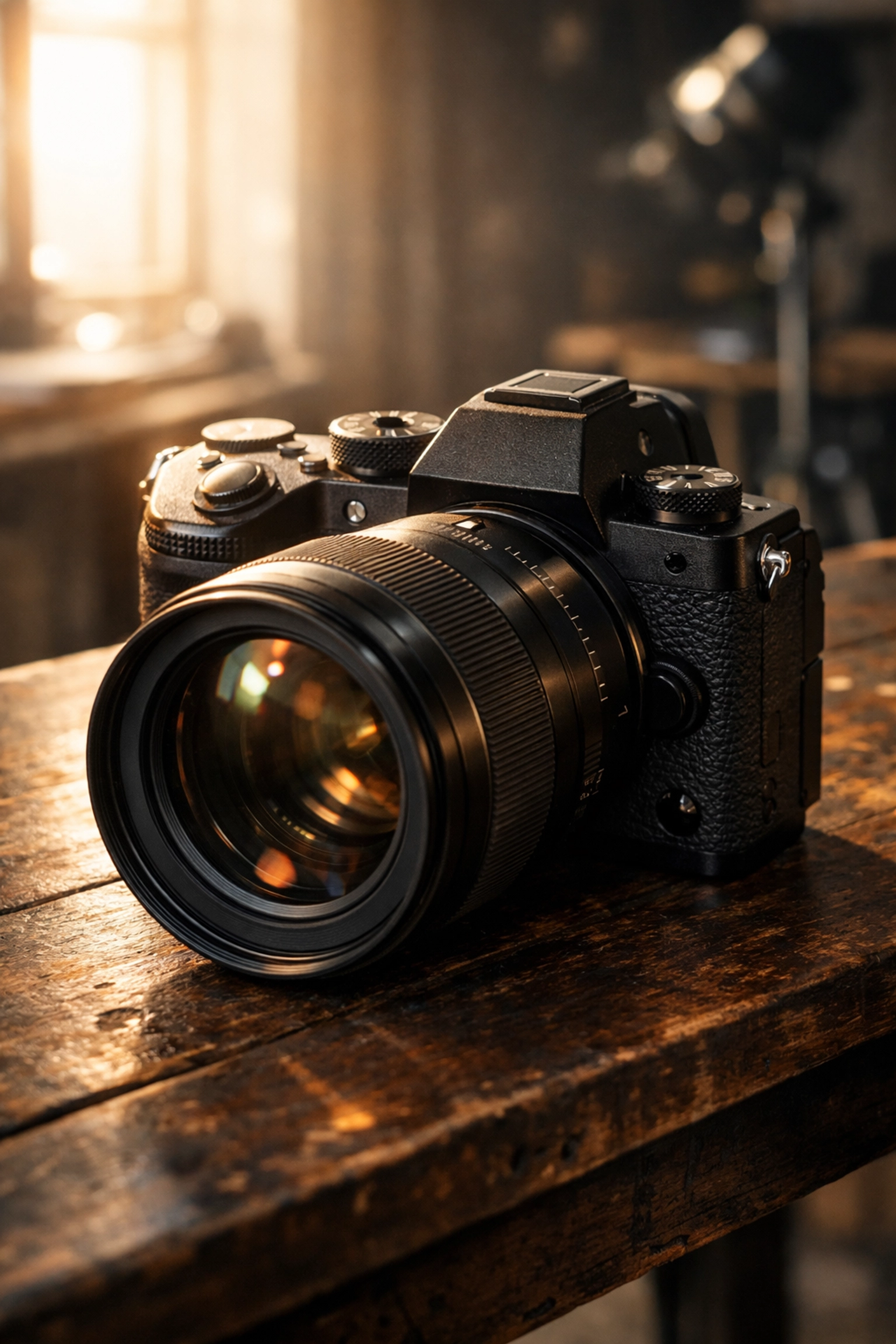
Alt-text: A sleek, professional mirrorless camera sitting on a wooden table with a high-end lens attached, capturing the morning light.
Defining Your Purpose: The Artist's Intent
To find the best mirrorless cameras for your specific needs, you must first ask: what stories am I trying to tell? The environment is your canvas, and different tools serve different artistic expressions.
Wildlife and Action: The Pursuit of the Ephemeral
If your heart beats for the split-second moment: the splash of a whale or the sprint of an athlete: you need speed and a tenacious autofocus system.
- The Canon EOS R5 II: This is a powerhouse. With 45 megapixels and AI-powered autofocus, it tracks subjects with an almost psychic ability. It’s one of those rare tools that feels like it’s working with you, not just for you.
- The Nikon Z9: A true flagship. It’s a stoic companion in harsh conditions, offering a practically unlimited buffer. If you’re serious about never missing a shot, this is the one.
Landscapes: Honoring the Stoic Earth
Landscape photography requires a deep reverence for detail. We want to see every grain of sand and every leaf on a distant tree. Here, resolution is king.
- Sony a7R V: With a staggering 61 megapixels, this camera captures textures that are almost tactile. When you print these images large via Edin Fine Art, the detail is simply breathtaking.
- Nikon Z8: It’s essentially a Z9 in a smaller, more nimble body. It’s perfect for those long hikes into the beautiful mountains where every ounce of weight counts.
Video and Motion: The Fluid Canvas
For those who prefer the moving image: the Dubai timelapse creators and the biolapse dreamers: internal stabilization and high bitrates are non-negotiable.
- Panasonic Lumix S5II: This camera changed the game for Panasonic by finally adding phase-detect autofocus. Its in-body image stabilization is legendary, making handheld shots look like they were filmed on a gimbal.
- Sony A7S III: The low-light king. It sees in the dark with a grace that is truly ethereal.
Breaking Down the Budget: From Entry-Level to Pro
I have tried every camera system under the sun, and I can tell you that "expensive" doesn't always mean "better for you." You have to find the value that aligns with your current journey.
The Entry-Level Enthusiast ($800 – $1,200)
You don't need to spend a fortune to start your journey. Modern entry-level cameras are more capable than the professional rigs of a decade ago.
- Nikon Z50 II: A fantastic entry point that brings AI-powered autofocus to the masses.
- Canon EOS R10: Small, punchy, and incredibly user-friendly.
The Mid-Range Workhorse ($1,500 – $2,500)
This is the "sweet spot" for many. You get professional features without the professional price tag.
- Sony A7 IV: This is arguably the most popular mirrorless camera in the world right now. It does everything well. Whether you're shooting portraits or street scenes in Barcelona, it’s a reliable partner.
- Canon EOS R6 II: Its autofocus rivals cameras twice its price. It’s a speed demon that feels great in the hand.
The Professional Powerhouse ($3,500+)
These are the "game-changers." Built for those whose livelihood depends on the shot.
- Sony a1 II: The pinnacle of Sony technology. It’s fast, high-resolution, and built like a tank.
- Nikon Z9: As mentioned before, it’s a beast. It’s for the photographer who refuses to compromise.
Alt-text: A photographer standing on a cliffside at sunset, using a mirrorless camera on a tripod to capture the vibrant orange and purple sky.
The Technical Unsung Heroes: Sensors and Glass
When discussing the best mirrorless cameras, we often get bogged down in megapixels, but there are other factors that are just as intrinsic to the final image.
Full-Frame vs. APS-C
Full-frame sensors are larger, offering better low-light performance and a shallower depth of field. They are the choice for "purists" and professionals. However, APS-C sensors (like those in the Fujifilm X-series) allow for smaller, more portable kits. Don't be a gear snob: some of the best street photography I've ever seen came from "tiny" cameras. Check out some abstract category shots to see how the eye matters more than the sensor size.
The Lens Ecosystem
A camera body is just a box; the lens is the soul. Before committing to a brand, look at their glass. Sony has the most mature mirrorless lens lineup, while Nikon and Canon are catching up rapidly with some of the most optically perfect lenses ever made. If you're looking for professional kits, I always recommend checking out ProShoot for the latest gear insights.
Practical Advice: How to Choose Your Camera
Now that we’ve delved into the technical and the ethereal, it’s time to get down to the brass tacks. How do you actually pick one?
- Go to a shop and hold it. You cannot judge ergonomics from a YouTube video. Does the grip feel natural? Do your fingers reach the dials without straining? The camera should be an extension of your hand.
- Check the menu system. Some people love Sony’s complexity; others prefer the simple, intuitive nature of Canon or Nikon. If the menu frustrates you, you won’t want to shoot.
- Think about the future. Are you planning on moving into video? Do you want to start a Fine Art business? Buy into a system that can grow with you.
- Don't forget the extras. Budget for extra batteries (mirrorless cameras eat them for breakfast), high-speed memory cards, and maybe a Luminar 4 subscription for post-processing.
For those looking to dive deeper into the technical side of things, our tutorials category is a treasure trove of information. Whether you want to learn about HDR or mastering the art of the Nature Photography, we've got you covered.
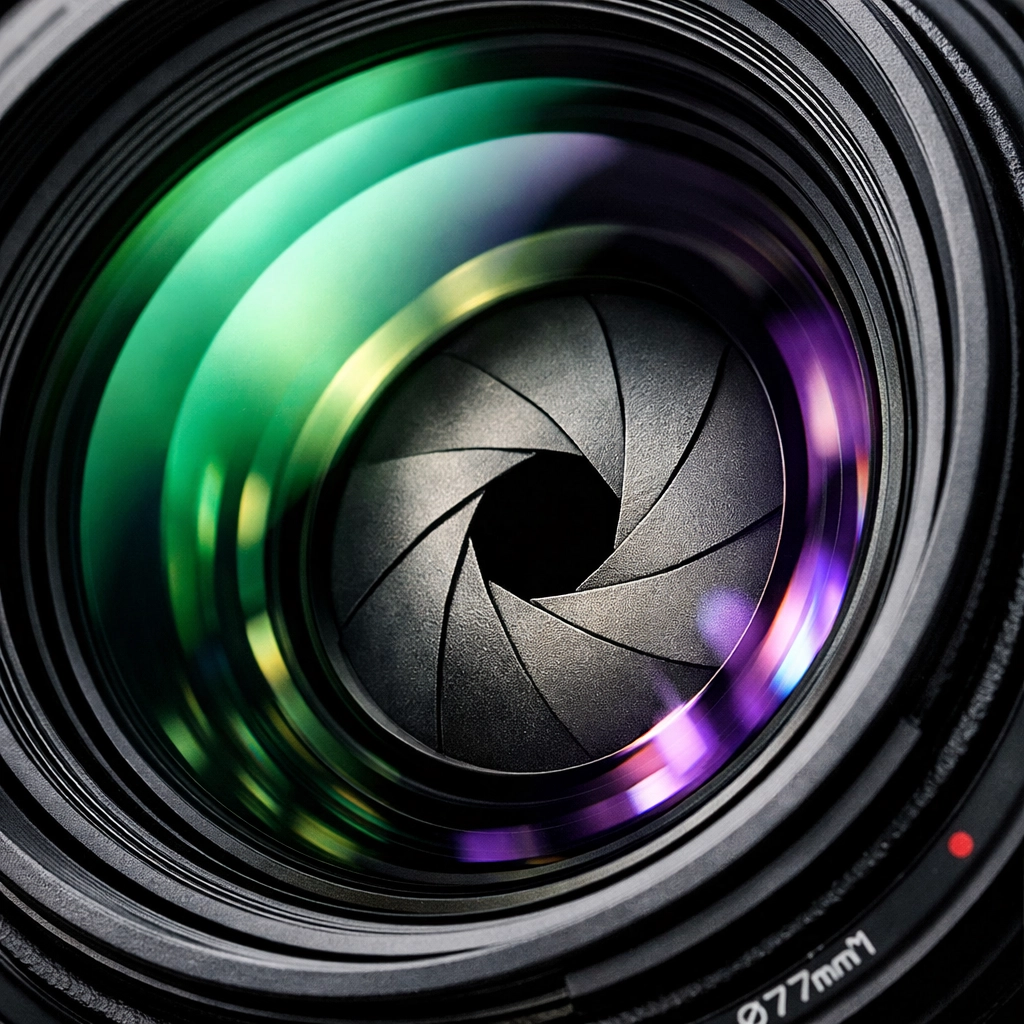
Alt-text: A close-up of a high-quality mirrorless lens showing the intricate glass elements and aperture blades, symbolizing precision and clarity.
The Communal Journey
Venture forth! The world is waiting to be captured through your unique lens. Choosing from the best mirrorless cameras is just the beginning of a much larger adventure. It’s about the mornings you spend waiting for the sun to dance across a valley and the evenings you spend chasing the blue hour brilliance.
I’ve spent years exploring different setups, from the streets of Vienna to the heights of Sydney. What I’ve learned is that the gear is only as good as the passion behind it. Nothing compares to the feeling of nailing a shot you’ve visualized for weeks.
If you’re still feeling stuck, don’t hesitate to reach out. Check out more guides at PhotoGuides or read more of my personal thoughts on my personal blog.
We also love seeing what our community creates. If you’ve captured something special with your new mirrorless rig, feel free to head over to our submissions page and share your work with us.
Final Philosophical Summary
In the end, a camera is a bridge between the seen and the unseen. It allows us to pluck a moment from the stream of time and hold it forever. Whether you choose a Sony, Canon, Nikon, or Fujifilm, remember that you are not just buying a piece of electronics: you are investing in your ability to see the world with more clarity and reverence.
The gear may be complex, but the goal is simple: to tell your truth. So, grab your gear, step outside, and seize these moments! The light is changing, and the canvas is waiting.
Drop me a line below if you have any questions about specific models or if you're stuck between two choices. I'm always here to help a fellow enthusiast find their way. Happy shooting!




