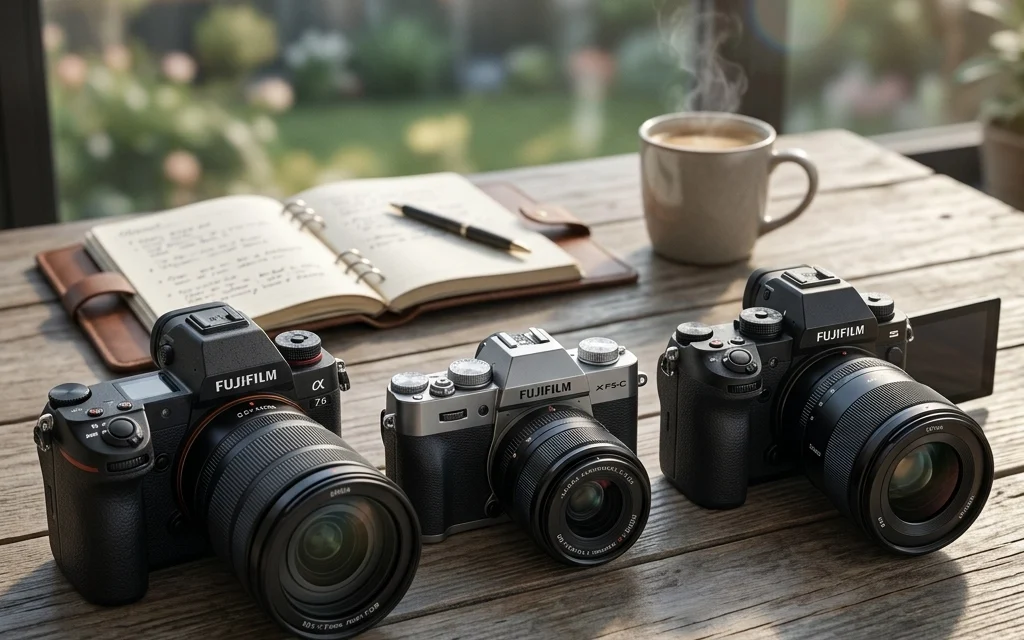
It is 2026, and if you are still lugging around a DSLR with a mirror that flips up and down like a screen door, we need to talk. The photography world has moved on, and mirrorless technology is no longer the "future": it is the present. But here is the problem: there are too many choices. Every month there is a new "flagship" or a "game-changer" hitting the market.
If you are looking for the best mirrorless cameras to level up your game, you are in the right place. Whether you are just diving into photography for beginners or you are a seasoned pro looking for the latest camera gear reviews, this guide will cut through the marketing fluff. We’re going to look at what you actually need, what you should ignore, and how to spend your hard-earned cash wisely.
Why Mirrorless is King in 2026
Back in the day, mirrorless cameras were the "small, mirrorless alternatives" to DSLRs. Today, they are powerhouses. They are faster, have better autofocus, and the electronic viewfinders (EVF) let you see exactly what your photo will look like before you even press the shutter.
The biggest leap we’ve seen in the last year is the integration of AI. We’re not talking about robots taking over; we’re talking about autofocus that can recognize the eye of a bird through branches or track a car moving at 200 mph without breaking a sweat. If you want to learn how to use manual mode camera settings effectively, having a camera that handles the technical heavy lifting of focusing allows you to focus on the art.
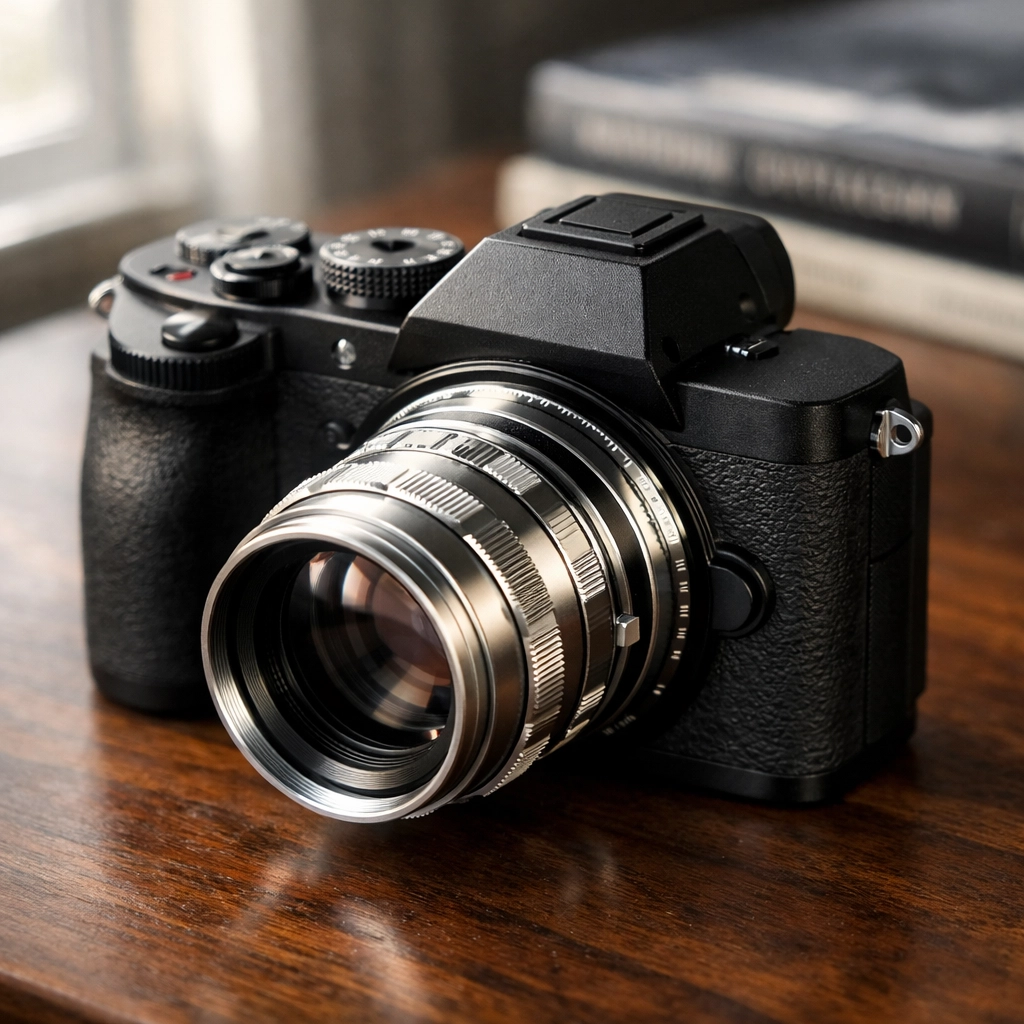
Alt text: A sleek, modern mirrorless camera sitting on a wooden desk with a vintage lens attached, representing the blend of new technology and classic photography.
Best Mirrorless Cameras for Beginners
If you are just starting out, don't go buy a $7,000 camera. You don't need it yet. You need something that teaches you the ropes without being a brick in your backpack.
1. Nikon Z50 II
The Nikon Z50 II has become a fan favorite for those entering the ecosystem. It’s an APS-C (crop sensor) camera that’s incredibly light. It features AI-powered autofocus ported down from Nikon’s high-end models, making it one of the best choices for photography for beginners. It’s simple, affordable (around $1,000), and gets the job done.
2. Canon EOS R7
Canon’s R7 is a beast for the price. It’s great for anyone interested in wildlife or sports because of its fast burst rate. If you are looking for photography tutorials to get started, the R7’s menu system is famously intuitive. It’s one of those cameras that just feels right in your hand.
3. Fujifilm X-S20
For those who care about style and "film looks" without the hassle of actual film, Fuji is the way to go. The X-S20 is compact and perfect for travel. It makes choosing the best camera easy if you want great colors straight out of the camera.
The Enthusiast Tier: The Sweet Spot
This is where most of us live. You know your way around an f-stop, and you want a camera that won't limit your creativity.
Sony A7 IV
The Sony A7 IV remains the gold standard for all-around performance. It’s a 33-megapixel full-frame workhorse. Whether you are shooting weddings or looking for landscape photography tips, this camera can handle it. The lens ecosystem for Sony is also the largest on the market, which means you can find a lens for every budget at ProShoot.io.
Canon EOS R6 Mark II
This is Canon’s answer to the A7 IV. It is incredibly fast, shooting up to 40 frames per second. If you are into portrait photography techniques, the eye-tracking on this camera is almost telepathic. It’s a versatile tool that bridges the gap between hobbyist and professional perfectly.
Nikon Z6 III
Nikon really stepped up with the Z6 III. It’s weather-sealed, rugged, and has a video spec that rivals dedicated cinema cameras. It’s a great choice if you’re looking for camera comparison insights and want something that feels "pro" without the "pro" price tag.
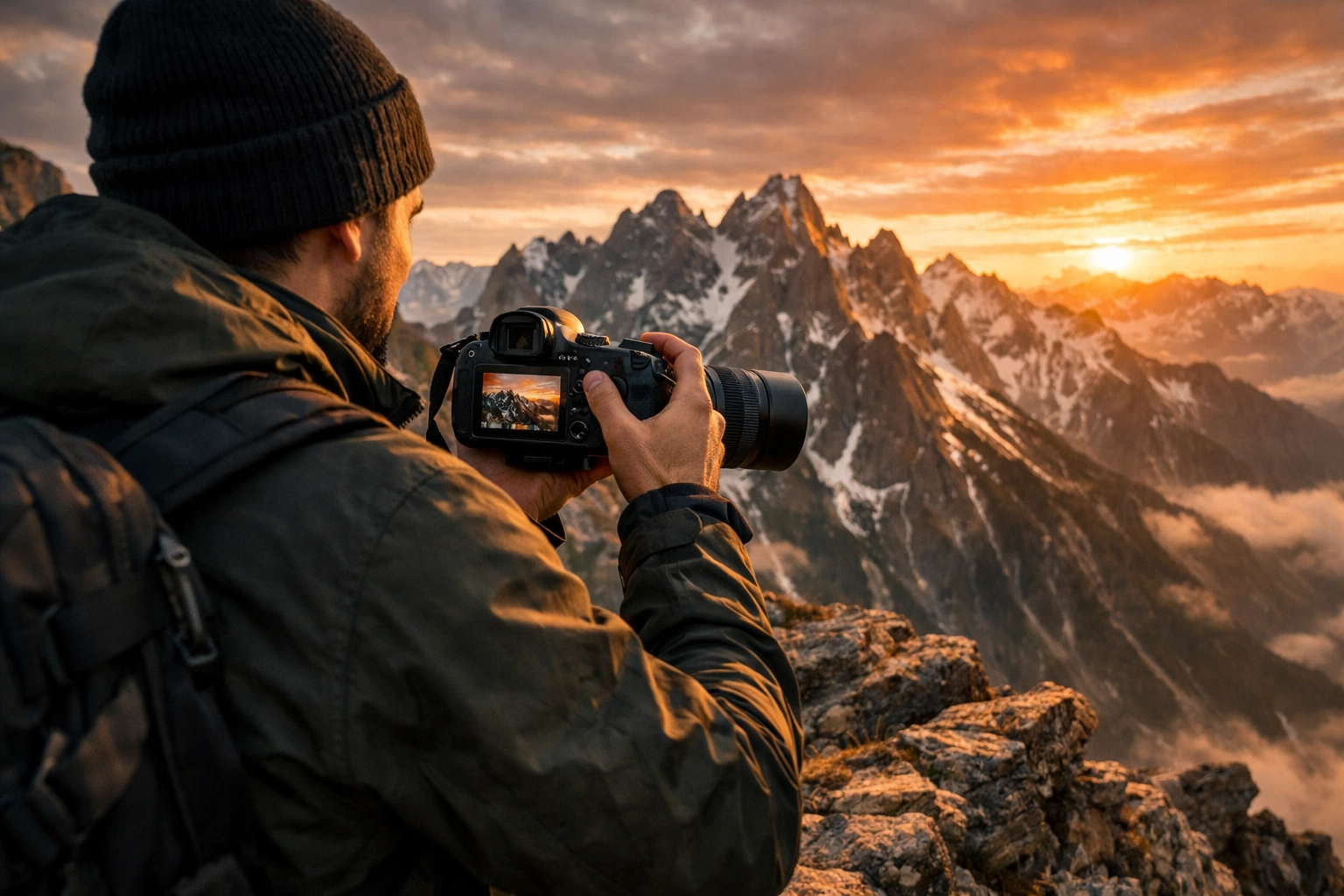
Alt text: A photographer using a full-frame mirrorless camera to capture a mountain landscape during golden hour.
Professional Powerhouses: When Only the Best Will Do
If photography is your career, or you just have a very healthy gear budget, 2026 has delivered some incredible flagships.
Sony a1 II
The Sony a1 II is currently the king of the mountain. It’s a $7,000 piece of engineering that does everything. 8K video? Check. 50-megapixel stills? Check. It’s the ultimate tool for professional photography cameras. It’s overkill for most, but if you need to shoot a high-speed car chase and then print a billboard, this is it.
Nikon Z9
The Nikon Z9 is a tank. It doesn't even have a mechanical shutter anymore because it doesn't need one. It’s the go-to for many wildlife pros. If you want to see some incredible examples of what high-end gear can do, check out the galleries at Edin Fine Art.
Canon EOS R5 II
The R5 II is the high-resolution darling for landscape and studio photographers. With a 45-megapixel sensor and improved heat management for 8K video, it’s a massive upgrade over the original. For those pursuing landscape photography tips, the dynamic range on this sensor is legendary.
What Technical Specs Actually Matter?
When you’re looking at camera gear reviews, it’s easy to get lost in the "spec sheet wars." Here is what you should actually care about in 2026:
1. Autofocus (AF)
In 2026, if a camera doesn't have AI-subject detection, don't buy it. You want a camera that can identify humans, animals, and vehicles. This allows you to focus on composition while the camera handles the sharpness.
2. Resolution (Megapixels)
Don't get tricked into thinking more is always better. 24 to 33 megapixels is plenty for 95% of photographers. You only need 45+ megapixels if you are doing large-scale printing or heavy cropping for wildlife.
3. In-Body Image Stabilization (IBIS)
This allows you to shoot at slower shutter speeds without a tripod. It’s a lifesaver for street photography ideas where you are moving fast and don't want to carry extra gear.
4. Video Specs
Even if you are "just a photographer," having 4K 60fps is the baseline now. If you're into vlogging, check out our guide on the best vlogging cameras.
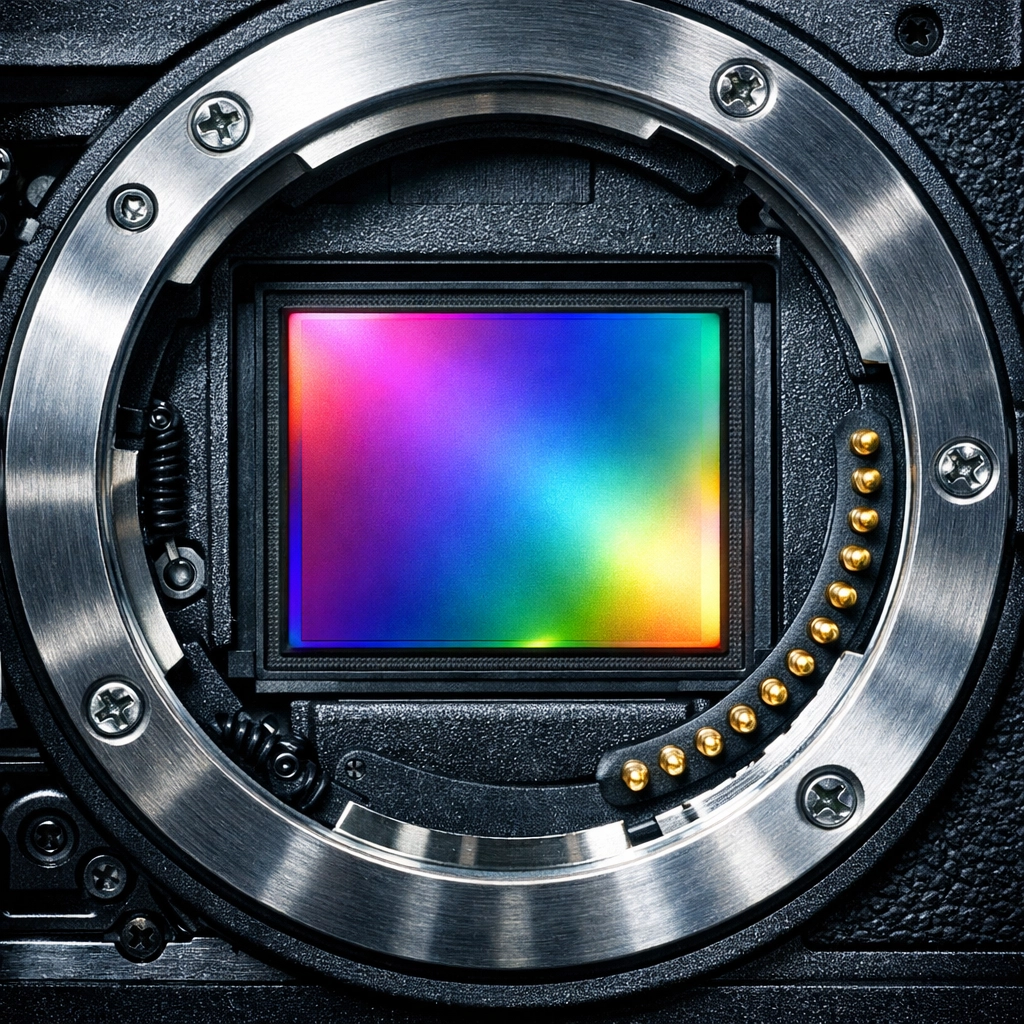
Alt text: Close up of a camera sensor and mount, showing the complex technology inside a modern mirrorless system.
The Lens Ecosystem: Why It Matters
You aren't just buying a camera; you are buying into a "mount."
- Sony E-Mount: The most third-party options (Sigma, Tamron). Great for saving money.
- Canon RF-Mount: Some of the best glass ever made, but often more expensive.
- Nikon Z-Mount: Incredible sharpness and rapidly growing.
- Fujifilm X-Mount: The best for APS-C enthusiasts.
Before you pull the trigger, look at the lenses you'll want to buy in six months. A great body with a bad lens will always produce mediocre photos. For more on glass, check out PhotoGuides.org.
Post-Processing: Making Your Photos Pop
The best mirrorless camera in the world still requires a good workflow. Once you’ve captured your raw files, you need to edit them. We always recommend Luminar for its AI-driven editing tools that make complex tasks: like sky replacement or skin retouching: take seconds rather than hours. Whether you are following photo editing tutorials or just winging it, having the right software is half the battle.
If you are looking for high-end production for your projects, Edin Studios offers professional services that take your raw vision to the finish line.
Matching Your Camera to Your Style
Different genres require different tools. Here’s a quick breakdown:
- Landscape Photography: Prioritize resolution and dynamic range. Look at the Nikon Z7 II or Canon R5 II. For more help, see our guide on mastering canyon and gorge travel photography.
- Street Photography: You want small and stealthy. The Fujifilm X-T5 or Sony A7C II are perfect. You need something that doesn't scream "I'M A PHOTOGRAPHER."
- Portrait Photography: Focus on eye-autofocus and lens quality. A full-frame sensor will give you that beautiful blurry background (bokeh) everyone loves.
- Sports and Wildlife: It’s all about speed. Frames per second (FPS) and buffer size are your best friends.
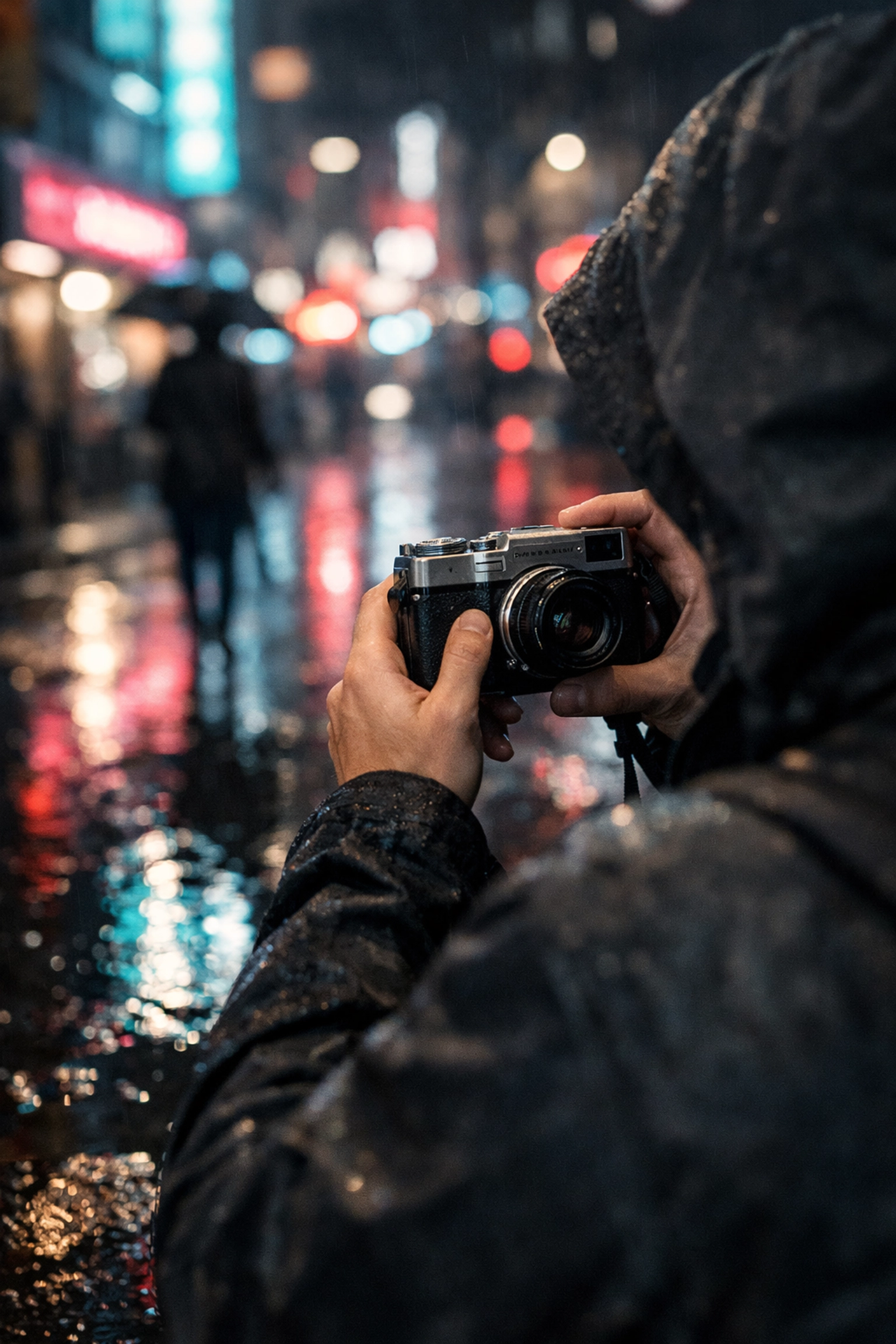
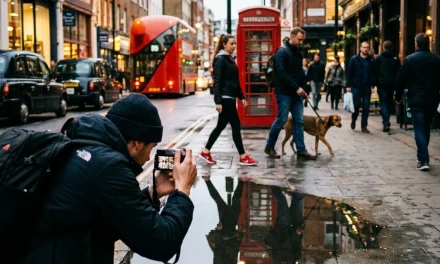
Alt text: A street photographer in a busy city, holding a small, compact mirrorless camera, demonstrating the "stealth" of modern gear.
How to Save Money on Gear
Look, cameras are expensive. But you don't always need to buy the newest model. The "2024" or "2025" models are often significantly cheaper in 2026 and still perform at 90% of the capacity of the new stuff. Check out top camera deals to see where you can snag a bargain.
Also, don't forget the accessories. A $5,000 camera is useless if your SD card is too slow to save the images. Make sure you budget for essential camera accessories.
Maintenance: Keeping Your Tech Alive
Mirrorless sensors are more exposed to dust than DSLRs because there is no mirror in the way. Learning how to keep your gear clean is vital. Check out our camera maintenance guide to ensure your investment lasts for years.
If you are more interested in security than art, we also have resources on IP and analog security cameras.
Practical Tip: Mastering Manual Mode
Regardless of which camera you choose, the best way to improve is to learn how to use manual mode camera settings. Even the Sony a1 II can't read your mind. It doesn't know if you want a long exposure for a waterfall or a fast shutter to freeze a bird.
Start by understanding the exposure triangle: Aperture, Shutter Speed, and ISO. Once you master these, any camera becomes an extension of your arm. For deeper dives, check out the latest photography news to stay updated on new techniques and software.
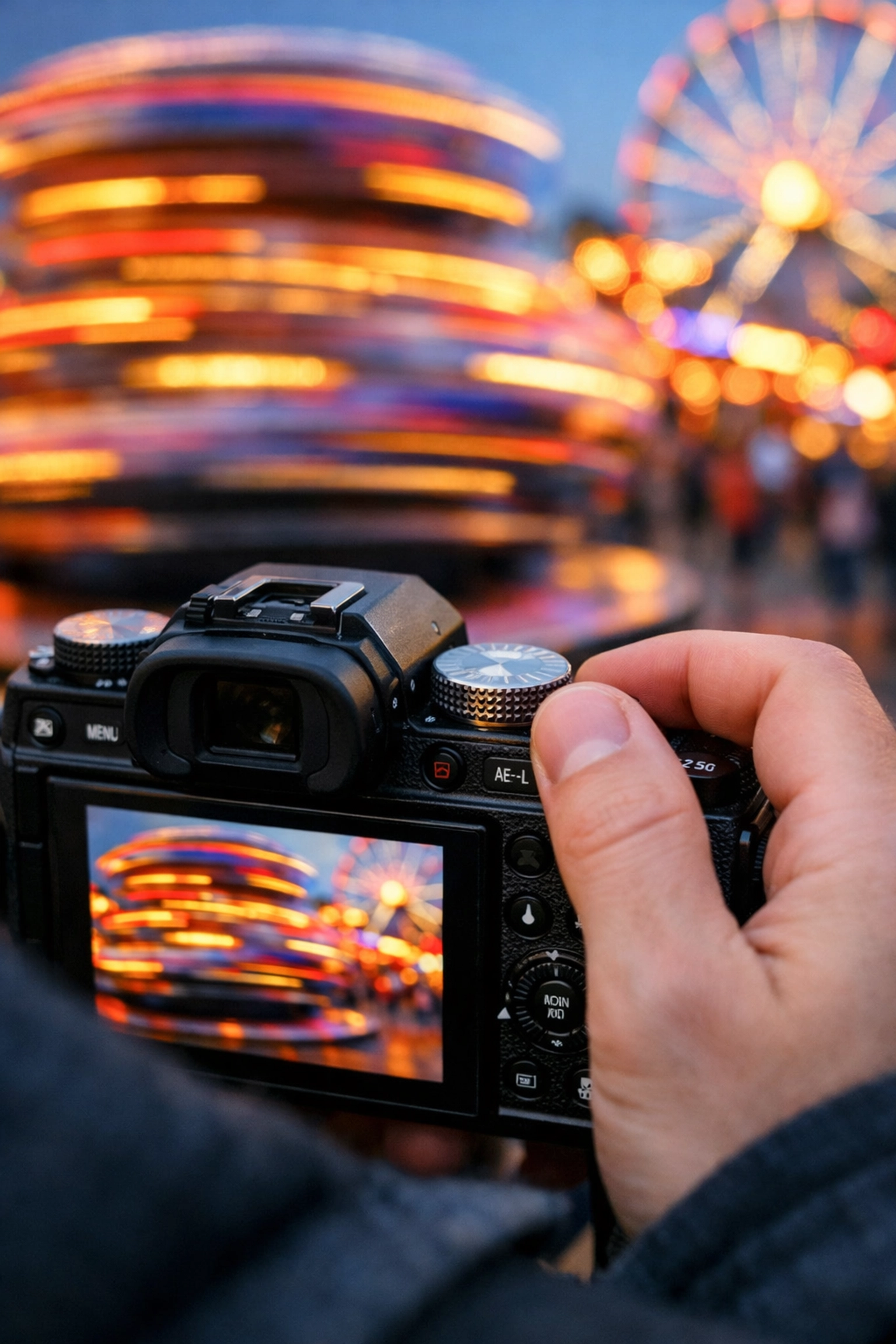
Alt text: A diagram showing the exposure triangle (Aperture, Shutter Speed, and ISO) on a camera screen, helping beginners understand manual settings.
Final Thoughts on Choosing a Camera in 2026
The "best" camera is the one that you actually want to take out of the house. Don't buy a camera so heavy that it sits in your closet. Don't buy a camera so expensive that you’re afraid to use it in the rain.
The mirrorless market in 2026 is incredible. We have reached a point where even the "entry-level" cameras are better than the professional DSLRs of a decade ago. Focus on the features that match your style: whether that’s speed for wildlife, resolution for landscapes, or portability for travel.
If you're still undecided, read more of our camera gear reviews or browse the sitemap for specific topics. Photography is about the story you tell, not just the box you use to tell it. Now, get out there and start shooting.