Photography isn’t just about pointing a piece of glass at something pretty and pressing a button. It’s a mix of science, art, and occasionally, pure luck. Whether you are a weekend warrior with a smartphone or a seasoned pro lugging around a medium-format monster, the learning never really stops. At Shut Your Aperture, we believe that staying sharp means keeping up with the latest tutorials and staying in the loop with industry news.
The world of digital imaging moves fast. One day we are talking about the latest DSLR specs, and the next, we are discussing how AI is literally rebuilding pixels in post-processing. To help you navigate this ever-changing landscape, we’ve put together this deep dive into the tutorials that actually matter and the news stories that are shaping how we see the world.
The Fundamentals: Why You Still Need to Learn the Basics
In an era where "Auto Mode" is incredibly smart, you might wonder why you should bother learning the manual settings. The truth is, if you don’t understand the exposure triangle, you’re letting the camera make the creative decisions for you.
Mastering the Exposure Triangle
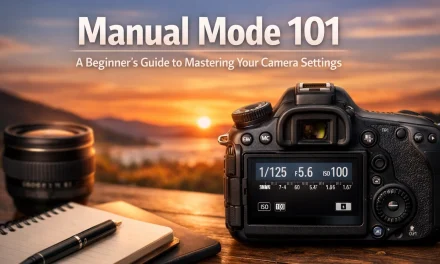
The exposure triangle is the foundation of all photography tutorials. It consists of three elements: Aperture, Shutter Speed, and ISO.
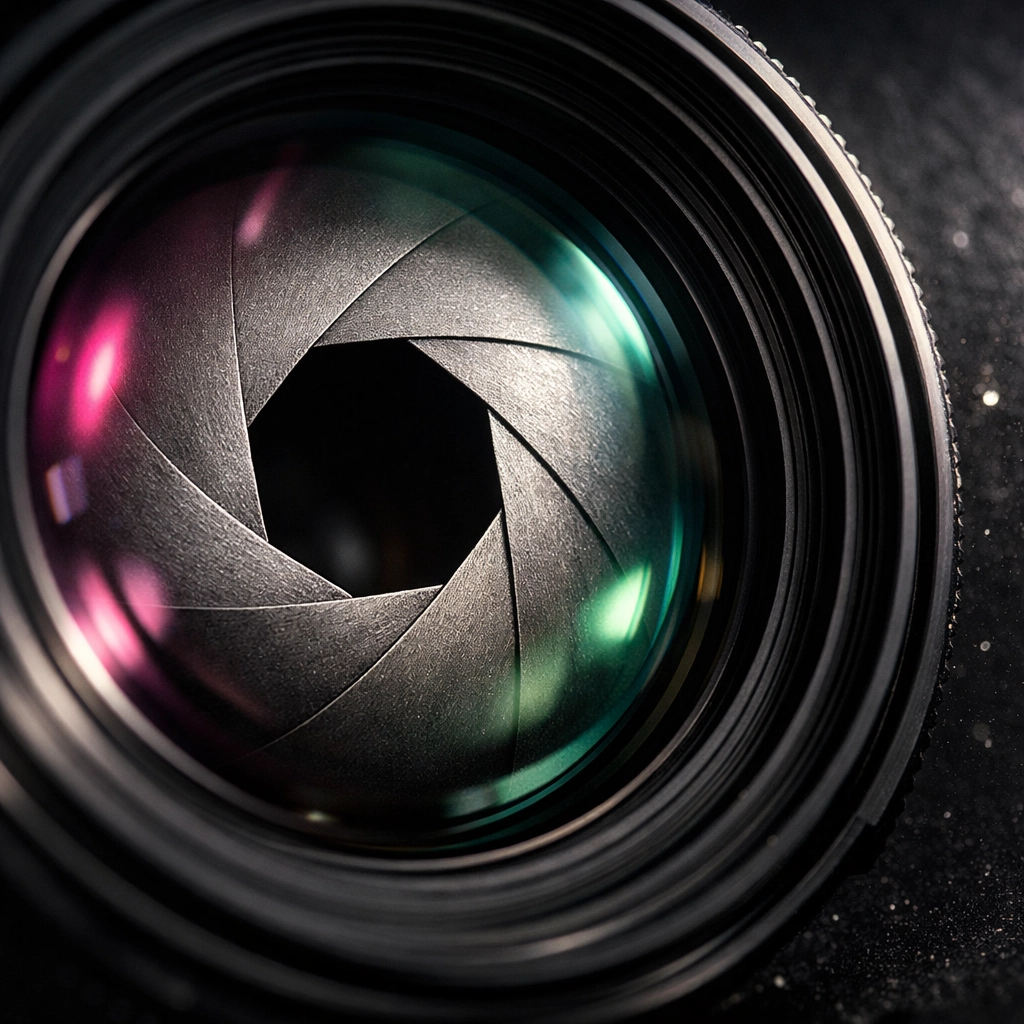
- Aperture: This controls the depth of field. If you want that creamy, blurred background (bokeh) for a portrait, you need a wide aperture (low f-stop).
- Shutter Speed: This controls how motion is captured. Want to freeze a bird in mid-flight? You need a fast shutter speed. Want to make a waterfall look like silk? Go slow.
- ISO: This is your camera’s sensitivity to light. Lower is usually better for quality, but sometimes you have to bump it up when the sun goes down.
Understanding these basics allows you to move beyond the limitations of your gear. If you're looking for more structured guidance, checking out PhotoGuides.org is a great place to start your journey into technical mastery.
Gear News: The Classics vs. The New Wave
Keeping up with gear news is a full-time job. While everyone is chasing the latest mirrorless tech, there is still immense value in "older" professional bodies. For instance, the Nikon D4s remains a workhorse for sports and wildlife photographers who need speed and durability.
On the mirrorless side, the Sony Alpha a6000 changed the game for travel photographers by offering professional-grade specs in a tiny package. It’s a reminder that great photography doesn't always require the most expensive setup. Sometimes, finding a Nikon lens sale can do more for your creativity than buying a brand-new body.
Even the heavy hitters are always evolving. When Hasselblad announces a new camera, the entire industry stops to look. These high-end machines push the boundaries of resolution and color science, trickling down tech that we eventually see in our everyday gear.
The Art of Post-Processing: Bringing Your Vision to Life
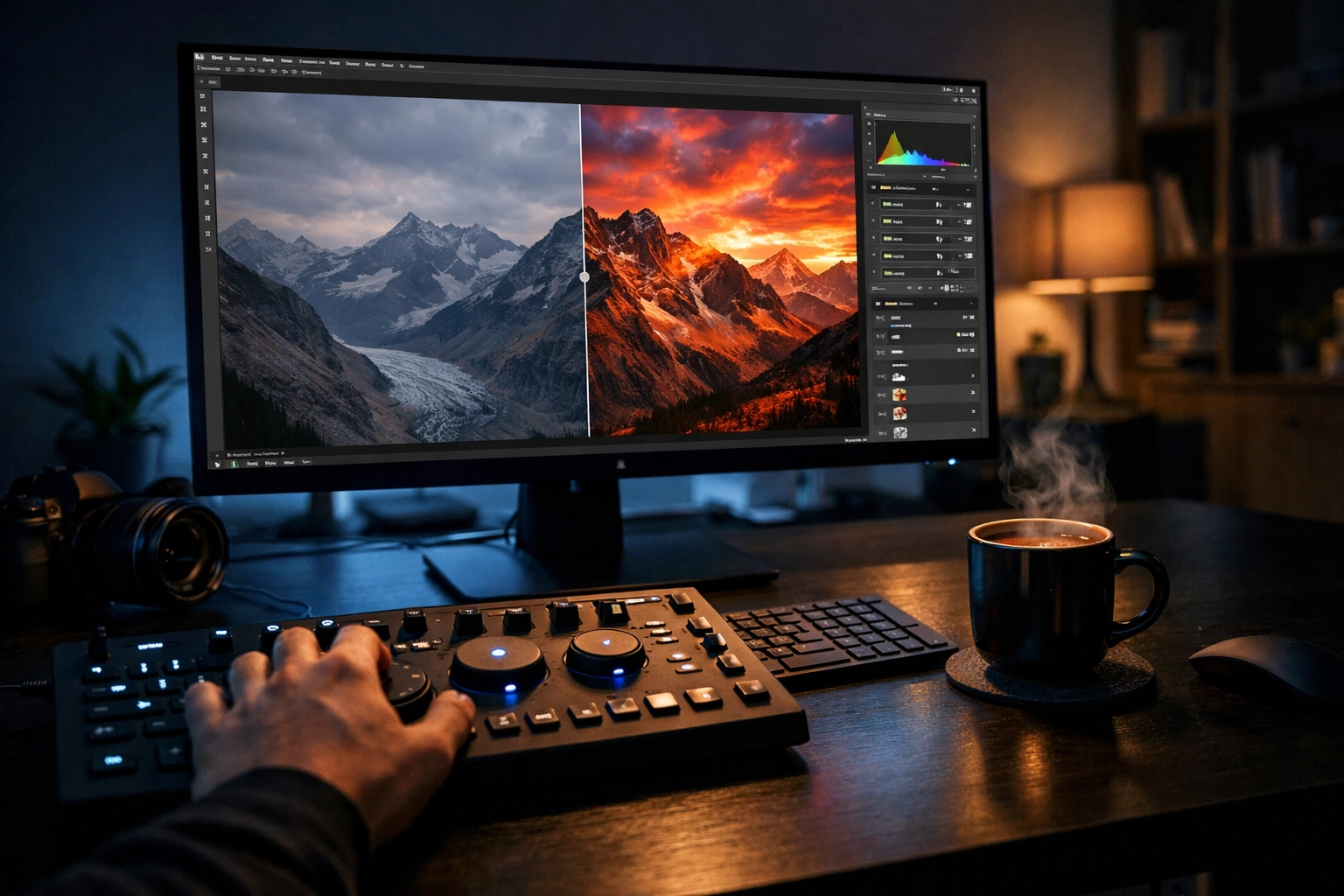
A raw file is like an undeveloped roll of film. It’s the "recipe," but you still have to cook the meal. This is where editing tutorials become essential. While Photoshop and Lightroom are the industry standards, many photographers are moving toward tools that simplify the workflow without sacrificing power.
One of the most impressive tools on the market right now is Luminar. It uses AI to handle the tedious parts of editing: like masking sky replacements or enhancing skin tones: leaving you more time to focus on the creative side. If you want to learn more about professional workflows, Edin Chavez often shares his personal editing tips over at blog.edinchavez.com.
Drones: A New Perspective
The "news" in photography isn't just about cameras we hold in our hands; it's about the ones we fly. Drones are the skies of tomorrow, and they have completely revolutionized landscape and commercial photography.
Capturing an image from 400 feet in the air provides a perspective that was previously only available to those with a helicopter budget. However, drone photography comes with its own set of tutorials. You have to learn about airspace regulations, battery management, and how to compose an image when you’re looking straight down. It’s a completely different mental "muscle" compared to street or portrait photography.
Travel Photography: Telling a Global Story
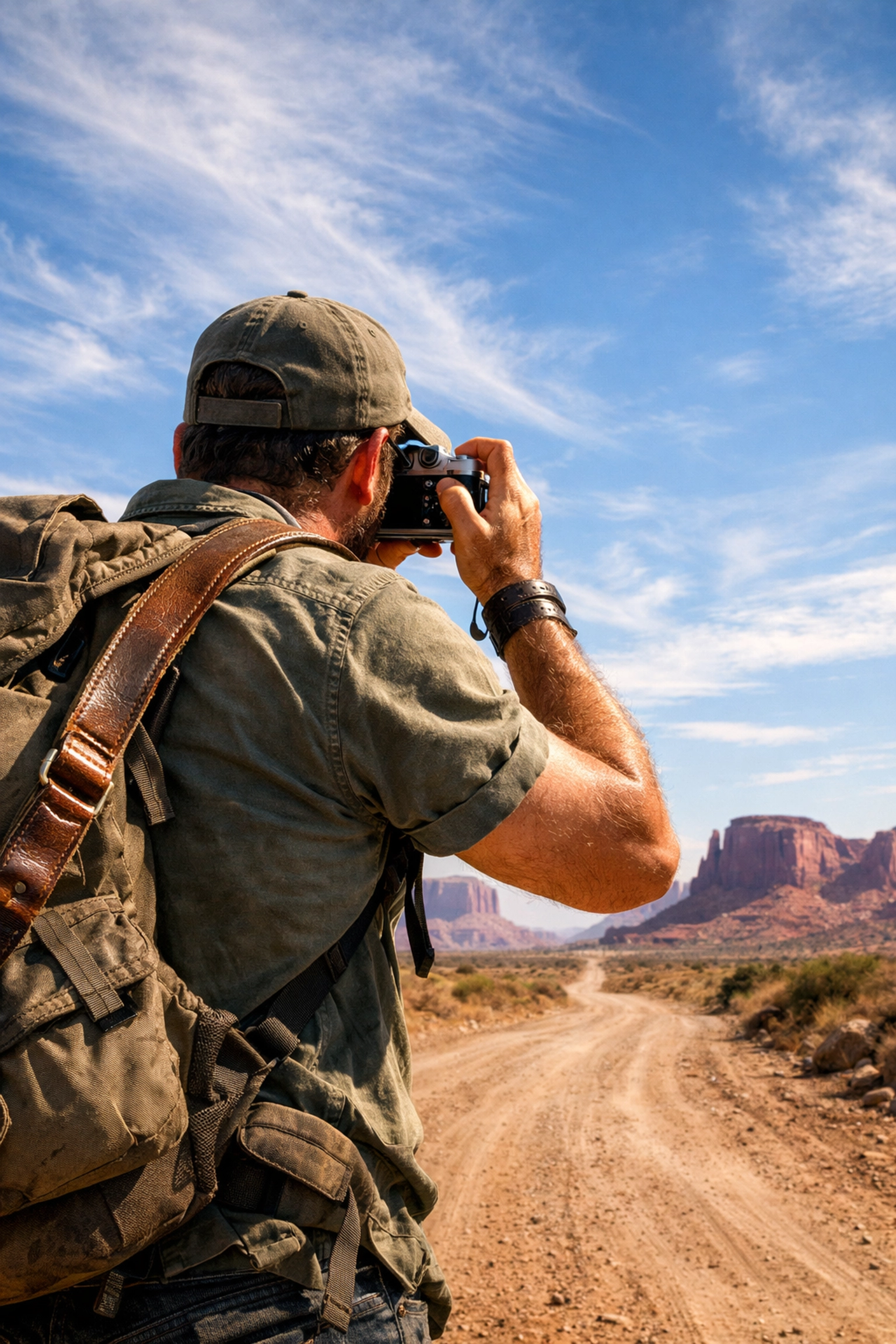
Travel is perhaps the most popular niche in the photography world. It’s about more than just "I was here" shots; it’s about capturing the soul of a location. For example, our guide on Varanasi, India and beyond explores the complexities of shooting in one of the most vibrant and challenging environments on Earth.
When you’re on the road, your gear needs to be reliable. We often recommend the Fujifilm X-T1 mirrorless digital camera or the Olympus E-M10 for travelers because they don’t weigh you down.
And if you’re staying closer to home, there’s plenty to see. If you're in the US, knowing the best time for USA road trips can be the difference between a grey, flat landscape and the golden hour glow of your dreams. Travel photography helps create a photographic memory that lasts long after the trip is over.
Specialized Tutorials: Leveling Up Your Skills
Once you’ve mastered the basics, it’s time to specialize. Many photographers find their niche by experimenting with specific styles that require unique technical setups.
High-End Product Photography
Ever wonder how those clean, crisp shots of watches or perfumes are made? A hi-end product shoot made easy is all about light control and precision. It’s less about the camera and more about the modifiers, reflectors, and "flags" used to shape the light.
Conceptual and Surreal Art
Sometimes photography moves away from reality and into the surreal. Artists like Erik Johansson show us how to blend reality with imagination. Taking a look at Cut & Fold: Behind the Scenes by Erik Johansson is a tutorial in itself on how to pre-visualize complex composites. Similarly, seeing how classical sculptures defy logic through photographic manipulation can spark new ideas for your own work.
Photography News: The Wild and the Weird
The photography world is never short on drama or bizarre headlines. Staying updated isn't just about tech; it's about the culture surrounding the lens.
Take, for instance, the story where a bride sues a videographer for $122,000 over what was called the "worst wedding video ever." It serves as a cautionary tale for both clients and creators about the importance of contracts and managing expectations.
Then there are the viral moments that define an era. Who could forget the internet's obsession with the girl behind the attractive woman's mugshot? Or the viral marketing brilliance of the Pepsi Max and Jeff Gordon test drive? These stories remind us that images have power: the power to go viral, the power to start conversations, and the power to change lives.
The People Behind the Lens
Tutorials are great, but sometimes the best way to learn is to watch how others work. We love highlighting the "Photographer of the Week," such as Poliana DeVane. Seeing their process, their gear choices, and their philosophy on art provides a different kind of education: one that’s rooted in inspiration rather than technical steps.
If you’re looking to take your professional presence to the next level, checking out www.proshoot.io can help you understand the business side of things. It’s one thing to take a great photo; it’s another to build a career out of it.
Beyond the Digital Screen: The Importance of Print
In our world of Instagram and digital galleries, we often forget that photography was meant to be printed. There is something tactile and permanent about a physical print that a screen simply cannot replicate.
If you want to see how high-end photography looks when it’s treated as fine art, visit www.edinfineart.com. Seeing the final destination of a well-shot and well-edited image can give you a better perspective on why we obsess over details during the tutorial phase. Furthermore, for those looking for professional studio spaces to execute these high-level visions, www.edinstudios.com provides the environment needed for perfection.
Final Thoughts on Constant Learning
The journey of a photographer is a marathon, not a sprint. The "news" will continue to cycle, and new "tutorials" will emerge as technology evolves. The key is to stay curious. Don't be afraid to try a new piece of software like Luminar, and don't be afraid to go back to the basics when you feel stuck.
Whether you are looking at the post-sitemap10.xml or post-sitemap11.xml to find older gems in our archives, or you are waiting for the next big camera announcement, remember that the best tool you have is your own eye.
Keep shooting, keep learning, and most importantly, keep your aperture open (or shut, depending on the shot).