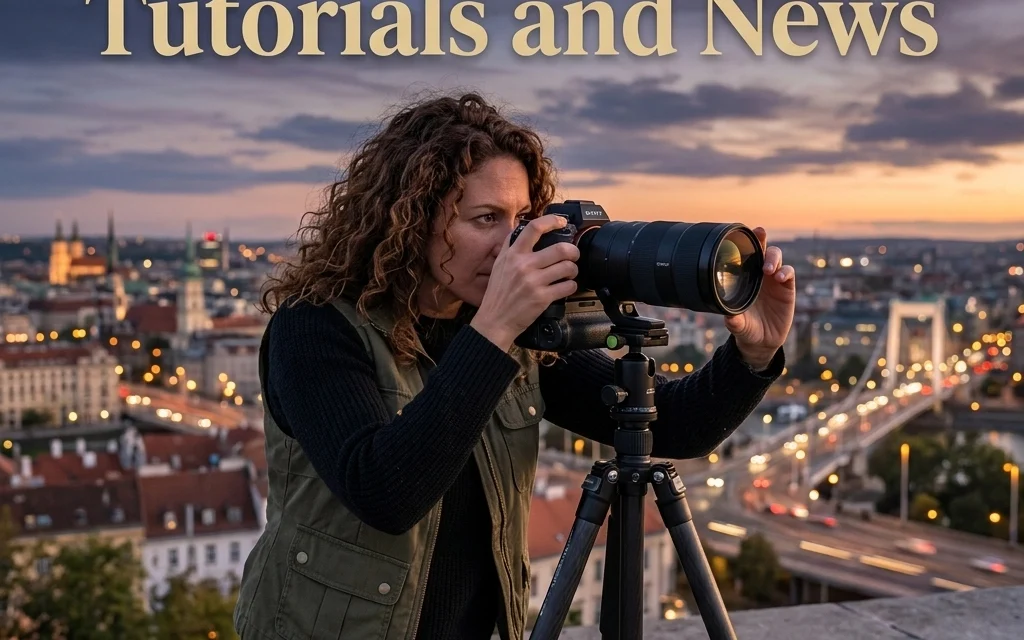
Welcome to the digital darkroom of the future. If you’ve been following Shut Your Aperture for a while, you know we aren’t just about pretty pictures, though we have plenty of those. We’re about the craft, the gear, and the constant evolution of how we capture the world. Whether you’re a hobbyist trying to figure out why your sunset photos look like a blurry orange blob or a seasoned pro looking for the latest industry shake-ups, you’re in the right place.
Photography is a fast-moving target. Just when you think you’ve mastered your mirrorless setup, a new firmware update drops, or a new AI-driven editing tool changes the game. That’s why we’ve put together this comprehensive guide. We’re diving deep into the latest photography tutorials and news to keep your skills sharp and your gear bag relevant.
I was chatting with Sonny, our Social Media Manager, the other day about how fast trends are cycling on TikTok and Instagram. He’s seeing a massive resurgence in "authentic" film-style digital photography, and that’s exactly the kind of stuff we’re going to cover here. So, let’s get into it.
The State of the Industry: 2026 Photography News
The photography world in 2026 is a wild place. We’ve moved past the "is mirrorless better than DSLR?" debate (spoiler: yes, it is) and into the era of computational photography and AI integration.
AI is No Longer a Buzzword
It’s the backbone of modern imaging. From autofocus systems that can predict where a bird is going to fly before it even moves, to post-processing software that can relight a scene in seconds, AI is everywhere. If you haven’t tried Luminar yet, you’re missing out on some of the most advanced AI-driven editing features available. It’s not about "faking" the photo; it’s about removing the technical hurdles so your creativity can take the lead.
The Return of Tactile Gear
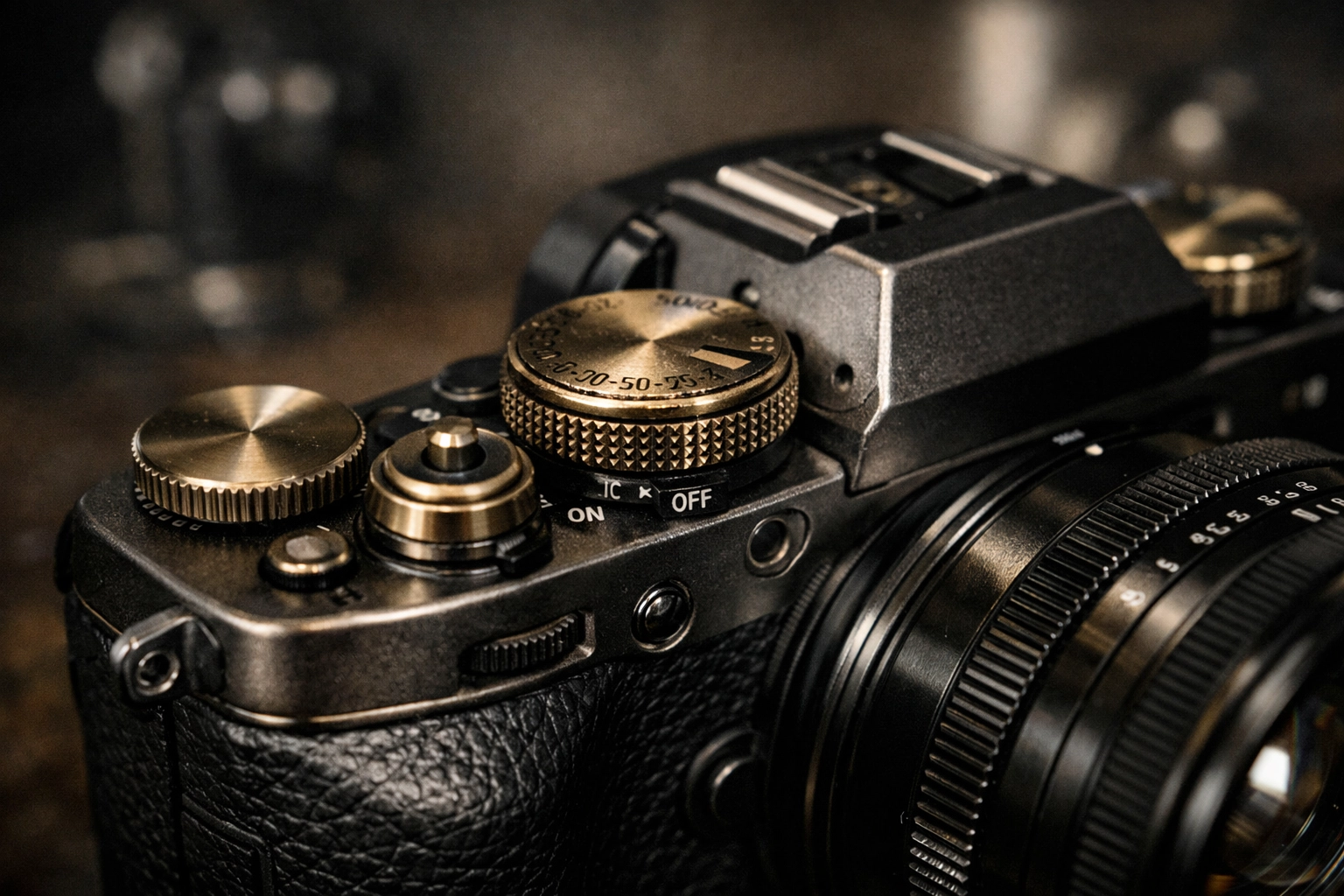
Interestingly, as everything becomes more digital, photographers are craving the physical. We’re seeing a huge spike in "retro-modern" cameras: digital internals with dials, levers, and magnesium alloy bodies that feel like the old Nikon F3 or Leica M series. People want to feel the click. It’s a reminder that even in a high-tech world, the soul of photography remains in the hands of the person holding the camera.
Master Your Gear: The Basics Still Matter
You can have a $10,000 setup, but if you don’t understand the exposure triangle, you’re just carrying a very expensive paperweight. Let’s do a quick refresher on the fundamentals because even the pros need a reset sometimes.
1. Aperture (The "A" in SYA)
Aperture controls your depth of field. A wide aperture (like f/1.8) gives you that creamy, blurred background: perfect for portraits. A narrow aperture (like f/16) keeps everything from the foreground to the horizon in sharp focus, which is essential for landscape work. For more on how this impacts specific niches, check out our piece on vistas and perspectives.
2. Shutter Speed
This is how you control motion. High shutter speeds (1/1000s and up) freeze action: think sports or a splashing drink. Long shutter speeds (anywhere from 1/2 second to 30 seconds) create that silky water effect or light trails in the city. If you’re looking to get into the nitty-gritty of professional motion capture, ProShoot.io has some incredible resources.
3. ISO
ISO is your camera’s sensitivity to light. In 2026, cameras are so good that we can push ISO to 6400 or higher with minimal noise. But remember, the lower the ISO, the cleaner the image. Use it as a last resort when your aperture and shutter speed can’t get the job done.
The Art of Composition: Beyond the Rule of Thirds
Tutorials often start and end with the Rule of Thirds. It’s a good starting point, but if you want your work to stand out, you need to break the rules: or at least learn the more advanced ones.
Leading Lines and Natural Frames
Use the environment to guide the viewer's eye. A road curving into the distance or a doorway framing a subject adds depth. In real estate photography, this is a game-changer. Using "natural frames" can make a space feel more inviting and layered. For a deeper dive into this, see how ethereal imagery can transform a simple listing into a work of art.
The Power of Symmetry
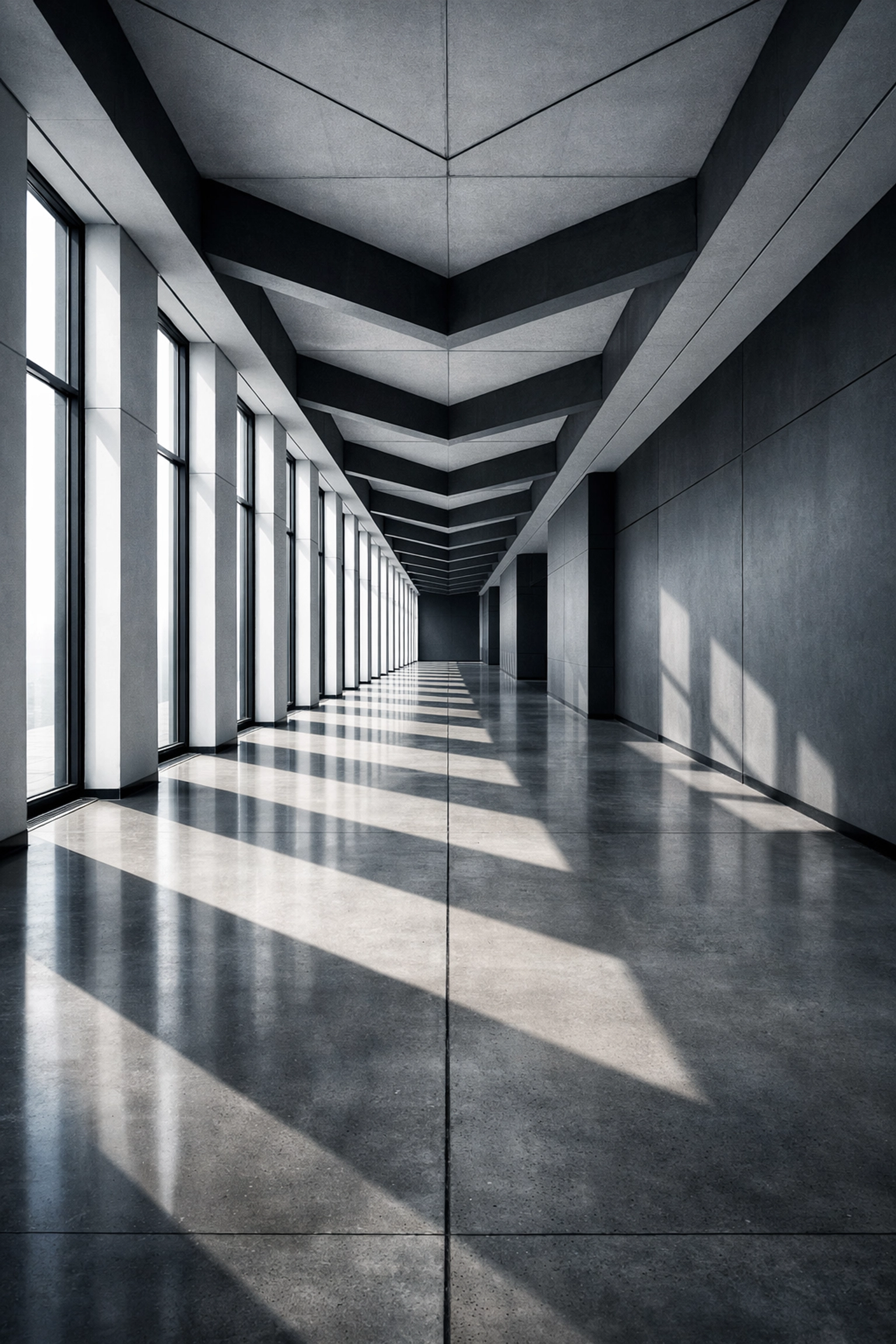
Symmetry creates a sense of harmony and balance. It’s particularly effective in architectural and street photography. Don’t be afraid to put your subject dead center if the surrounding environment supports it.
Lighting: The Soul of Your Image
You can have the best composition in the world, but if the light is flat and boring, the photo will be too. We talk a lot about the role of luminosity because it truly is the difference between a "snapshot" and a "photograph."
Golden Hour vs. Blue Hour
Every landscape photographer lives for the Golden Hour: that hour after sunrise or before sunset when the light is warm and soft. But don’t pack up your gear once the sun goes down. The Blue Hour (just after sunset) offers a cool, moody palette that is incredible for cityscapes and luxury real estate.
Working with Natural Light Indoors
If you’re shooting interiors or portraits at home, windows are your best friends. North-facing windows provide the softest, most consistent light. If the light is too harsh, a simple sheer white curtain can act as a massive softbox.
Post-Processing: Where the Magic Happens
The "straight out of camera" (SOOC) purists are a dying breed, and for a good reason. RAW files are designed to be edited. They hold a massive amount of data that your eyes can't see until you pull it out in post.
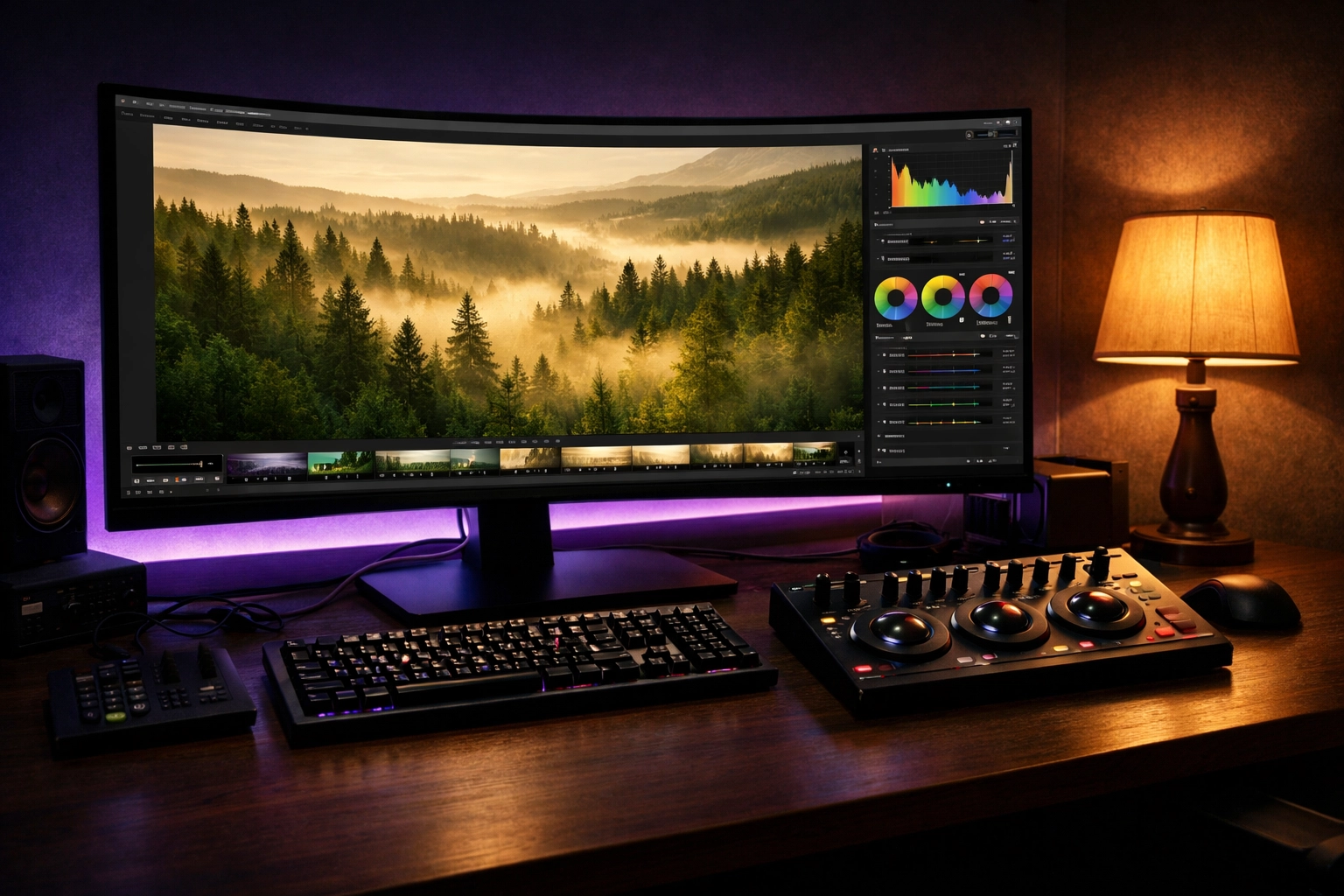
Using a tool like Luminar allows you to enhance the natural beauty of an image without making it look "photoshopped." Focus on these three things during your next editing session:
- White Balance: Get your colors right first. Is the scene too yellow? Too blue? Fix it before you touch anything else.
- Contrast and Highlights: Don't just crank the contrast. Pull down the highlights to recover detail in the sky and lift the shadows to see what’s hiding in the dark.
- Color Grading: This is where you develop your "style." Maybe you like warm, moody tones, or perhaps you prefer a bright, airy look. If you need inspiration, look at the gallery at Edin Fine Art to see how professional color grading creates an emotional impact.
Niche Spotlight: Landscapes and Real Estate
At Shut Your Aperture, we have a soft spot for two specific genres: the grand scale of nature and the intricate details of architecture.
Learning from the Greats
If you want to master landscapes, you have to look at the work of Peter Lik. His ability to capture scale and light is legendary. We’ve even broken down some lessons in landscape photography from Peter Lik to help you find that same epic feel in your own work. It’s about patience: sometimes waiting hours for that one minute of perfect light.
The Real Estate Boom
Real estate photography has become one of the most profitable niches for photographers. But it’s not just about wide-angle lenses anymore. People want to see the lifestyle. This is where cinematic techniques come into play. Using movement, shallow depth of field, and thoughtful lighting can make a property feel like a movie set.
Turning Your Passion into a Business
If you’re reading these tutorials because you want to quit your 9-to-5, listen up. The technical skills are only 50% of the equation. The rest is business.
- Portfolio: You need a clean, professional website.
- Networking: Talk to other photographers. Join communities like PhotoGuides.org to learn from people who have already made the mistakes you’re trying to avoid.
- Workflow: Use professional tools to manage your clients and shoots. ProShoot.io is a great resource for streamlining the "un-fun" side of being a professional photographer.
Staying Inspired
The biggest killer of creativity is burnout. When you feel like you’re just taking the same photos over and over, it’s time to change your environment.
Go travel. Even if it’s just to a different part of your city. Look at things from a different angle, literally. Get low to the ground or find a rooftop. Read up on luxury dining and go shoot some high-end food photography. The skills you learn in one genre will always bleed into and improve your work in another.
Keep an eye on blog.edinchavez.com for more personal stories and gear reviews from the field. Photography is a lifelong journey, and there’s always something new to learn.
Whether it's a new AI feature in Luminar or a breakthrough in sensor technology, we’ll be here to break it down for you. So, grab your camera, get out there, and remember to shut your aperture every once in a while to see the world in a different way.
Don't forget to check out our sitemap if you're looking for something specific. We’ve got years of tutorials and news archived just for you. Happy shooting!