There is something inherently sacred about the human face. It is a landscape of stories, a canvas of fleeting emotions, and a mirror to the soul. In the world of photography, capturing a person isn’t just about clicking a shutter; it’s about a momentary dance between light and life. Here at Shut Your Aperture, we believe that every click should be an act of reverence for the subject standing before you.
Whether you are a seasoned pro or a fellow enthusiast just starting your journey, mastering portrait photography techniques is a lifelong pursuit. It requires a blend of technical precision: the "brass tacks" of the craft: and an ethereal touch that brings out the intrinsic beauty of your subject.
In this guide, I’m going to share 20 professional ideas that I have honed over years of trial and error. Nothing compares to the feeling of nailing that perfect shot where the light "whispers" across a subject's features, creating a moment that feels both stoic and alive. Let’s dive in and transform your portraits from simple snapshots into works of art.
1. Establishing Ethereal Rapport
Before you even think about your ISO or aperture, you must connect with the person in front of your lens. Trust is the invisible thread that holds a great portrait together. If your subject feels stiff or awkward, the camera will ruthlessly expose that discomfort. Spend ten minutes just chatting. Share a coffee. Make them laugh. When they stop seeing the camera as a machine and start seeing it as an extension of your conversation, that is when the magic happens. You can find more on building client relationships over at www.proshoot.io.
2. The Prime Power: Lens Selection
I have tried every focal length under the sun, but for portraits, nothing compares to a high-quality prime lens. While zooms offer convenience, primes offer a soul. A 50mm or 85mm lens on a full-frame body is the gold standard for portrait photography techniques. These lenses provide a natural perspective that doesn't distort the face, and their wide maximum apertures allow for that creamy, buttery background blur we all crave. If you're looking for gear inspiration, check out the fine art work on www.edinfineart.com.
 Save
Save
3. Aperture Artistry and Background Blur
To make your subject truly "pop," you need to embrace a shallow depth of field. Setting your aperture between f/1.8 and f/4 is a game-changer. This isolates the subject, turning a cluttered street or a busy park into an ethereal wash of color and light. However, be careful: at f/1.2, the depth of field is so thin that if the person blinks, their eyelashes might be sharp while their pupils are soft. For more technical deep-dives, check out our tutorials category.
4. The Eyes: Windows to the Soul
If the eyes aren't sharp, the portrait is a failure. It’s that simple. Most modern mirrorless cameras have "Eye-AF" which is an absolute unsung hero in the field. If you’re shooting manually, always focus on the eye closest to the camera. That singular point of sharpness creates a "reverence" for the subject's gaze that draws the viewer in immediately.
5. Golden Hour Glory
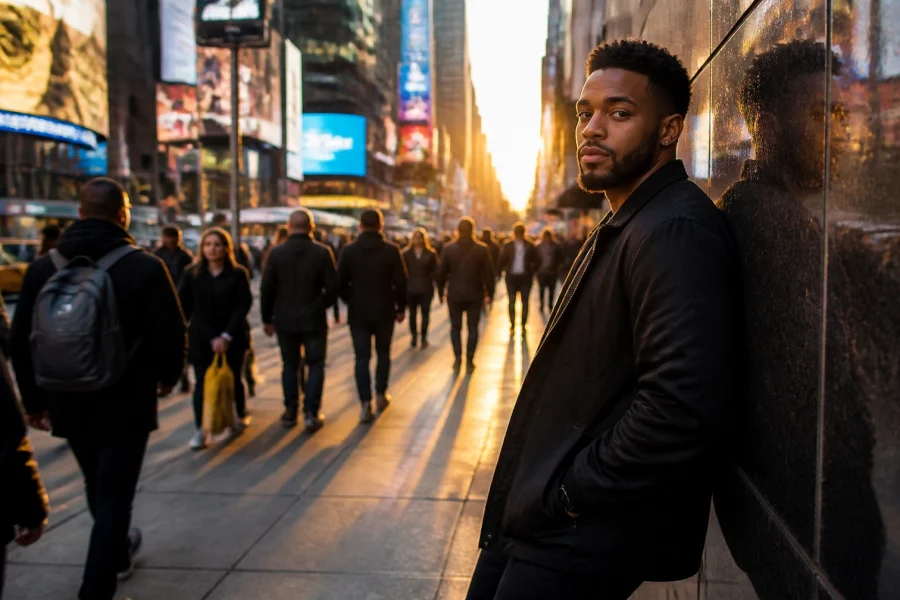
Natural light is your most versatile paintbrush. The hour just after sunrise or just before sunset: the "Golden Hour": is when the sun dances with the atmosphere to create a warm, soft glow. This light is incredibly flattering, as it hides skin imperfections and bathes everything in a nostalgic, ephemeral light. Seize these moments! They are fleeting, but the results are eternal.
6. Diffused Delights: Softening the Blow
If you find yourself shooting in the harsh midday sun, don't panic. Look for "open shade": the area just under a tree canopy or the shadow of a building. This creates a natural softbox effect. If you're working in a studio environment like www.edinstudios.com, use large softboxes or octaboxes to mimic this gentle light. Soft light is the "secret sauce" for professional-grade headshots.
7. Short Lighting for Dramatic Depth
Short lighting is one of those portrait photography techniques that instantly adds a "pro" feel. It involves lighting the side of the face that is turned away from the camera. This leaves the side closest to the lens in shadow, which narrows the face and adds a sense of mystery and drama. It’s perfect for more stoic or moody character portraits.
Save
8. Broad Lighting for Approachability
Broad lighting is the opposite of short lighting. Here, you light the side of the face facing the camera. It’s a very safe, flattering, and approachable style often used in corporate headshots or family photography. It tends to make a face look a bit fuller, so use it intentionally depending on your subject's features.
9. The 45-Degree Flourish
A person standing square to the camera can look like a passport photo or a mugshot. It lacks energy. Instead, ask your subject to turn their shoulders about 45 degrees away from the lens while keeping their head turned back toward you. This "S-curve" in the body is slimming and creates a more dynamic, engaging silhouette.
10. The Forward Lean
When people are nervous, they tend to lean back, away from the camera. This creates a "double chin" effect and makes them look disinterested. Encourage a slight "lean in" toward the lens. It conveys engagement and confidence, making the viewer feel like the subject is actually speaking to them.
11. Catchlights: The Spark of Life
A portrait without catchlights: those tiny reflections of light in the eyes: can look "dead" or flat. Ensure there is a light source (even just a white wall or a reflector) in front of your subject to put that little sparkle in their pupils. It’s a small detail that makes a massive difference in the "ethereal" quality of the shot.
12. Using Reflectors as a "Fill"
Shadows are great for drama, but sometimes they can be too "inky" and lose detail. A simple gold or silver reflector can act as a secondary paintbrush, bouncing light back into the shadows under the chin and eyes. It’s a cheap, portable, and effective tool that should be in every photographer's bag. For more gear tips, visit www.photoguides.com.
13. High-Key Happiness
High-key photography involves using lots of light and light-colored backgrounds to create an upbeat, airy, and clean look. It’s fantastic for children’s photography or "lifestyle" branding shots. It removes the "weight" of shadows and replaces it with a sense of pure, unadulterated light.
14. Low-Key Mystery
Conversely, low-key photography is all about the "stoic" shadows. By using a dark background and a single, controlled light source, you can create portraits that feel like Rembrandt paintings. This is where you really learn to see how light "wraps" around a human form. If you want to see how this translates to gear, read my thoughts on the Nikon D850.
Save
15. The Rule of Thirds (and When to Break It)
Compose your shot so the subject's eyes fall on the upper horizontal line of your grid. Off-centering your subject can give the image "room to breathe" and create a sense of environment. However, for powerful, symmetrical portraits, don't be afraid to put the subject dead center. Rules are meant to be understood so they can be broken with intention.
16. Leading Lines and Framing
Use the environment to lead the viewer’s eye toward your subject. This could be a fence, a hallway, or even the branches of a tree. Natural frames: like an archway or a window: help encapsulate the subject and provide a sense of place. For examples of environmental storytelling, check out the work at blog.edinchavez.com.
17. Depth Through Layers
Don't just think about the subject and the background. Think about the foreground too. Shooting through some out-of-focus flowers or leaves can create a sense of "peeking in" on a private moment. It adds a layer of "ethereal" mystery to the composition.
18. Wardrobe Wisdom
As a photographer, you are also a director. Advise your subjects on what to wear. Solid colors and neutral tones usually work best because they don't distract from the face. Avoid "loud" patterns or logos that scream for attention. You want the viewer to look at the eyes, not the t-shirt.
19. Post-Processing: The Digital Darkroom
The shot is only 70% finished when you press the shutter. The remaining 30% happens in post-processing. Use tools like Luminar 4 to enhance the "intrinsic" glow of the skin, sharpen the eyes, and color grade the image to match the mood you felt during the shoot. Remember: less is more. You want to enhance reality, not replace it.
Save
20. Motion and Spontaneity
The best portrait photography techniques often involve not posing at all. Ask your subject to walk, spin, or look away and then look back. Capturing a "candid" moment of laughter or a pensive gaze into the distance often results in the most "ephemeral" and honest images. Venture forth and let the moments happen naturally!
Final Thoughts: The Soul of the Craft
Portraiture is a journey into the heart of the human experience. It’s about more than just settings; it’s about that "reverence" for the person standing in front of your lens. Now that we’ve delved into the technical and artistic side of things, it’s time to get down to practice. Take these ideas, find a willing subject, and start creating.
If you’re looking to push your skills even further, don't forget to check out our Downloads section for presets and guides that will help streamline your workflow.
Dear hobbyists and fellow enthusiasts, photography is a shared journey. We are all trying to capture a sliver of the "ethereal" in a world that moves too fast. Drop me a line below if you have any questions or want to share your latest portrait wins!
Seize these moments!
Edin Chavez CEO, Shut Your Aperture
Skylum’s Aperty is purpose-built for portrait retouching with AI skin, eye and detail enhancement. Luminar Neo’s Portrait AI complements it for full-body and editorial work. Tagged as affiliate per FTC.