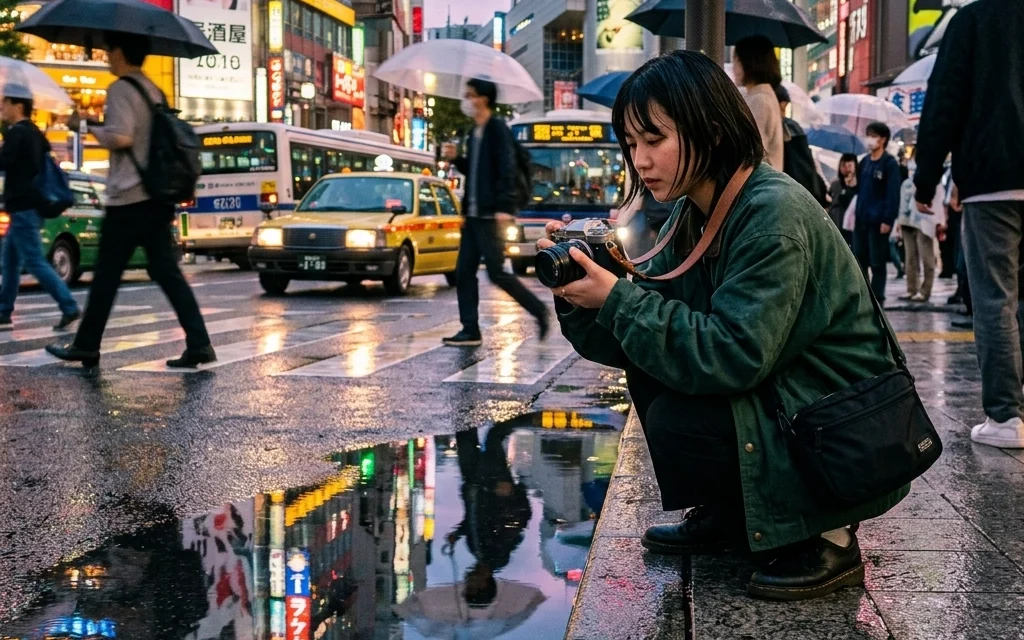
Street photography can be a grind. You walk for miles, your feet hurt, and sometimes it feels like you're just taking the same photo of a person walking past a wall over and over again. We’ve all been there. Creative ruts are part of the process, but they don't have to last.
If you’re looking to spice up your portfolio and see the city through a fresh lens, you need to change your approach. It’s not just about what you’re shooting; it’s about how you’re seeing. At Shut Your Aperture, we believe the best shots happen when you stop looking for the "perfect" moment and start creating it through unique perspectives.
Here are 25 creative street photography ideas to get you out of your comfort zone and back behind the shutter.
1. The Worm’s Eye View
Most street photographers shoot from eye level. It’s natural, but it’s also predictable. To change the game, get low. I mean really low. Sit on the curb or place your camera directly on the pavement.
This "worm's eye view" makes ordinary pedestrians look like giants and gives city skyscrapers a heroic scale. It’s a fantastic way to emphasize the relationship between people and the massive urban environment they inhabit.
2. High-Contrast Silhouettes
Look for "stages" of light. This usually happens between tall buildings when a narrow beam of sunlight hits the sidewalk while everything else is in deep shadow.
Expose for the highlights so the shadows go completely black. When a subject walks into that beam of light, they become a crisp, dark silhouette. This creates a dramatic, cinematic feel that strips away distractions and focuses on form. If the shadows aren't dark enough in-camera, a quick edit in Luminar can help you crush those blacks and make the subject pop.
3. Nighttime Neon Vibes
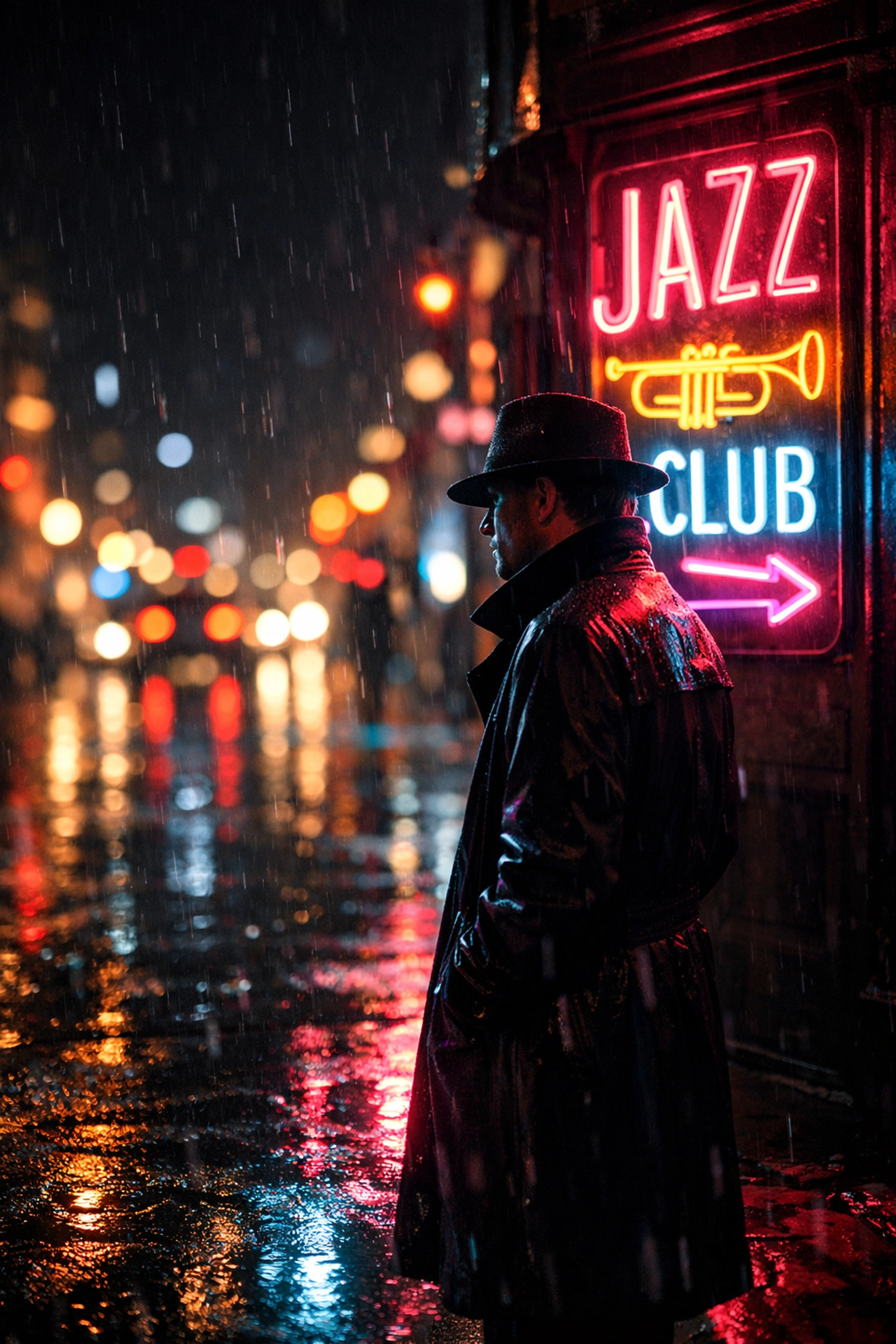
Don't pack your gear away when the sun goes down. In fact, that’s when the city gets interesting. Find a bright neon sign, a diner, a bar, or a theater, and wait. Use the neon light as your primary light source. The colorful glow creates a moody, Blade Runner-esque aesthetic. It adds a layer of mystery and color theory that you just can't get during the day.
4. The Halo Effect (Backlighting)
During the golden hour, shoot directly toward the sun. This is usually seen as a "no-no" in basic photography, but in street photography, it’s a secret weapon. When the sun is behind your subject, it creates a "halo" or a rim of light around their hair and clothes. It separates them from the background and adds a dreamlike quality to the grit of the street.
5. Juxtaposition for Humor
Street photography is often serious, but it doesn't have to be. Look for juxtaposition: two things that don't belong together but create a story when framed in the same shot. This could be a wealthy person walking past a sign for a sale, or a very tall person standing next to a very short one. It creates irony, humor, and social commentary. For more on the technical side of framing these moments, check out PhotoGuides.org.
6. Shooting Through Glass
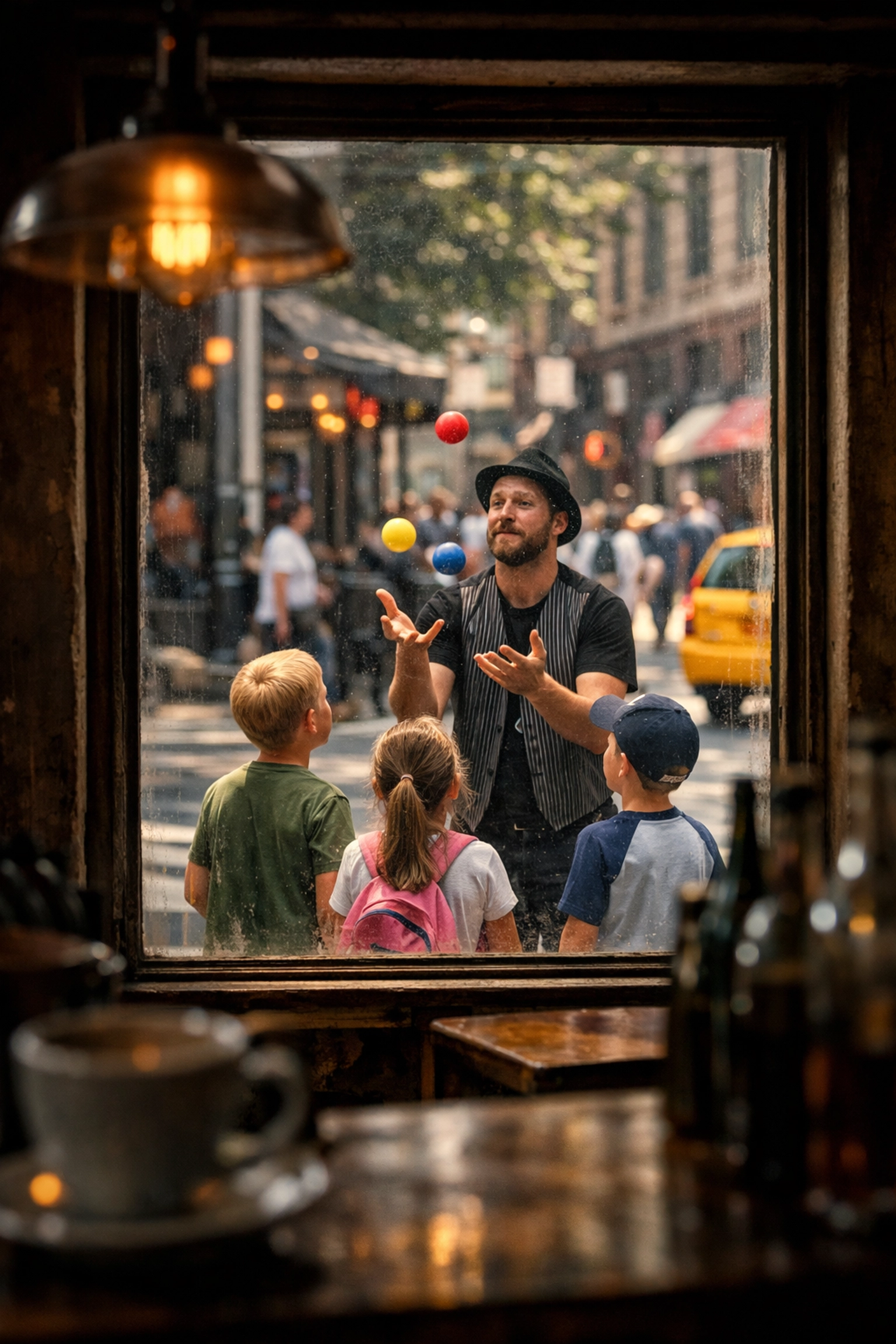
Windows are your best friend. Whether it’s a coffee shop window, a bus window, or a storefront, shooting through glass adds layers. You get the subject inside the building plus the reflections of the street behind you. It creates a natural double-exposure effect that feels complex and artistic.
7. Puddle Reflections
Rainy days are actually the best days for street photography. Look for deep puddles on uneven pavement. Get your lens as close to the water as possible without getting it wet. The reflection creates a symmetrical "alternate universe" that turns a boring sidewalk into a work of art.
8. Rare Textures and Surfaces
Focus on the "skin" of the city. Forget the people for a second and look at peeling paint, rusted metal, weathered posters, or cracked concrete. These textures tell the story of the city’s age and character. These shots work great as background layers for composite work or as a standalone series on urban decay.
9. Focus on Hand Gestures
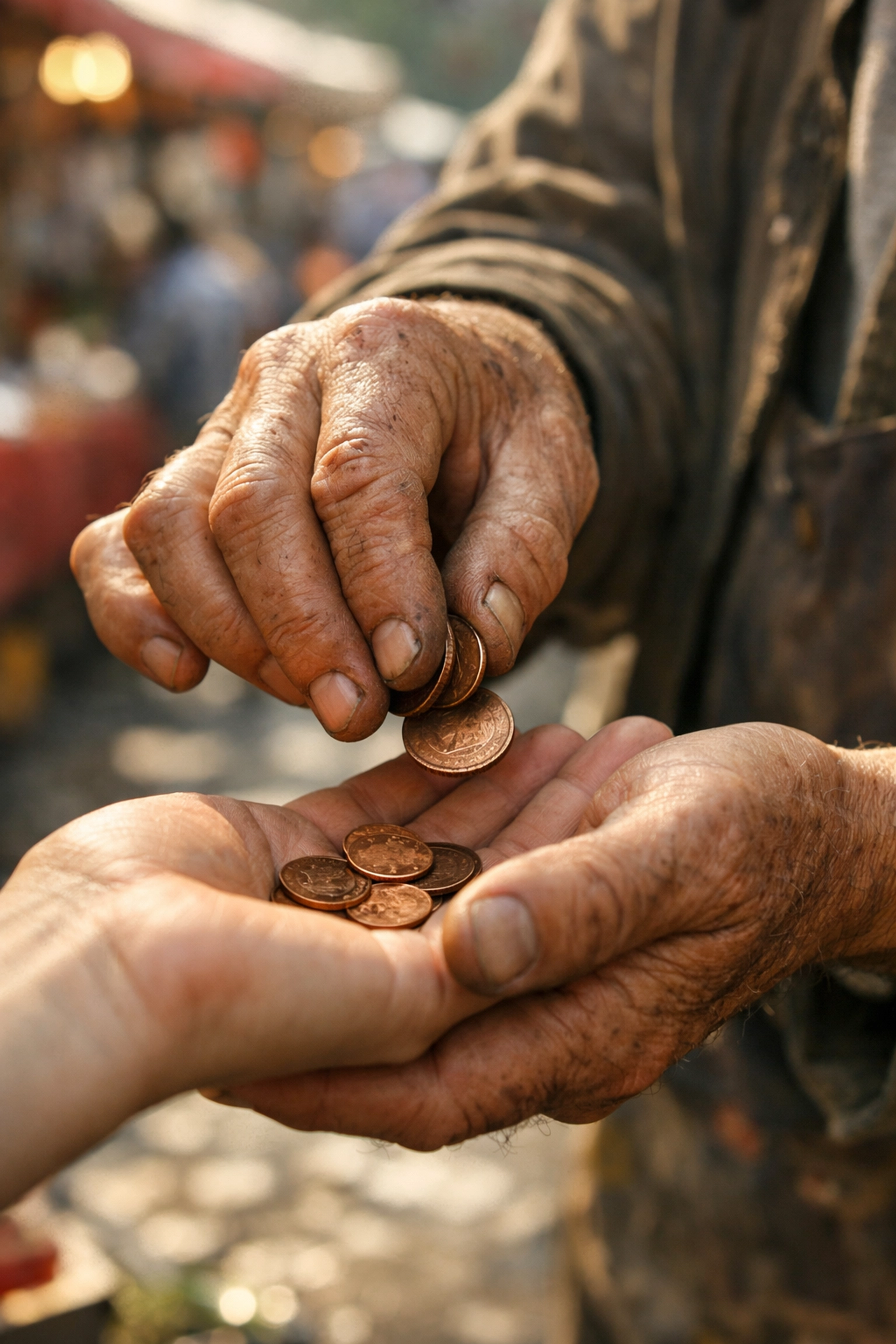
Faces tell stories, but hands tell secrets. Sometimes a person’s hands are more expressive than their eyes. Look for people touching their faces in contemplation, shielding themselves from the sun, or gesturing wildly during a phone call. It’s an intimate way to capture human emotion without the "mugshot" feel of a standard portrait.
10. The "One Spot" Challenge
This is a great exercise for those days when you feel uninspired. Pick one street corner and stay there for exactly one hour. Don't move. Your goal is to find ten different stories in that one spot. It forces you to notice the subtle changes in light, the different types of people walking by, and the tiny interactions you would usually miss if you were moving.
11. Return to the Same Location
Pick a spot you love and go back to it at different times of the day, in different weather, and in different seasons. A sunny Monday morning at a train station looks completely different than a rainy Friday night. This turns a single location into a multi-dimensional project.
12. Shooting from the Hip
If you’re struggling with being too shy to take photos of strangers, try shooting from the hip. Keep your camera around your neck and fire the shutter without looking through the viewfinder. It results in incredibly candid, unposed moments. It takes practice to get the framing right, but the results are often more "real" than anything you’d get with the camera to your eye.
13. In-Camera Double Exposures
Many modern mirrorless cameras allow you to overlay two images in-camera. Try taking a photo of a textured wall or a pattern of city lights, and then overlay a street portrait on top of it. It creates a dreamlike, surreal vibe that moves street photography toward fine art. If you're interested in the business of selling these kinds of prints, you should browse ProShoot.io for professional tips.
14. The "Reverse" Portrait
Who says you have to see the person's face? Photographing someone from behind as they walk away into a long alleyway or toward a bright light creates mystery. The viewer starts to wonder where they are going and what their story is. It’s a powerful storytelling tool.
15. Forms and Colors
Spend an entire day looking for just one color. If you choose red, only take photos where red is the dominant element. This trains your brain to filter out the noise of the city and focus on specific graphical elements. It turns the chaotic street into a curated collection of shapes and hues.
16. People Photographing People
This is a "meta" approach. Look for tourists taking selfies, photographers setting up tripods, or kids with disposables. People are usually so focused on their own cameras that they won't notice you taking a photo of them. It’s a fun way to comment on our modern obsession with capturing every moment.
17. The Urban Landscape
Street photography doesn't always need a person in it. Look for interesting architecture, the way shadows fall on a staircase, or a lone bicycle leaning against a wall. If the composition is strong enough, the human element isn't strictly necessary. The "presence" of people is often felt even when they aren't in the frame.
18. Motion Blur and Panning
If the city feels too static, add some movement. Set a slow shutter speed (around 1/15th or 1/30th of a second) and pan your camera along with a moving subject, like a cyclist or a car. The subject will stay relatively sharp while the background blurs into streaks of color. It captures the frantic energy of city life perfectly.
19. Minimalism in the City
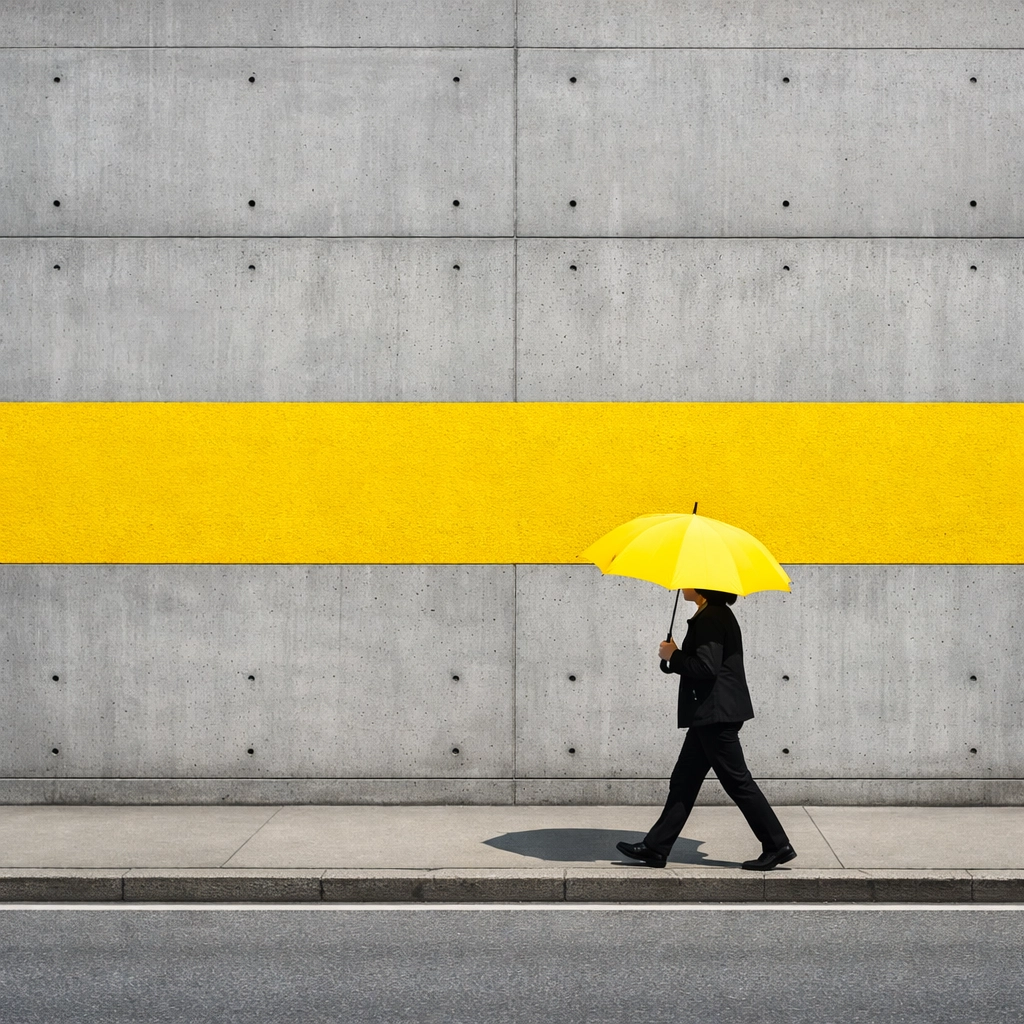
Cities are cluttered, which makes minimalism hard to pull off: but when you do, it’s stunning. Look for large areas of negative space, like a giant blank wall with a single person walking past the bottom corner. It creates a sense of scale and isolation that is very powerful.
20. Frame Within a Frame
Use the environment to frame your subject. Look through doorways, under arches, or between two parked cars. This creates a sense of depth and leads the viewer’s eye directly to what you want them to see. It’s a classic compositional technique that never goes out of style.
21. Leading Lines
Sidewalks, power lines, and shadows all create lines that lead the eye. Use these to your advantage. Wait for a subject to walk to the point where all those lines converge. It creates a balanced, satisfying image that feels intentional and professional. For more inspiration on professional framing, you can see some of Edin's personal work at blog.edinchavez.com.
22. Candid Humor and "Glitch" Moments
Sometimes the world just looks weird. A person’s head might align perfectly with a poster behind them, making it look like they have dog ears. Or someone might be carrying a giant mirror that reflects something unexpected. These "glitch in the matrix" moments are the holy grail of street photography. Keep your eyes peeled for the absurd.
23. Pets of the City
People love their pets, and dogs in the city are a character study in themselves. From a tiny dog in a designer bag to a massive hound waiting outside a bodega, animals add a layer of warmth and unpredictability to your street shots.
24. Look Up (Architecture Symmetry)
In most cities, if you look straight up while standing between skyscrapers, you’ll see incredible geometric patterns. When you catch a bird or a plane flying through that small patch of sky, you have a winner. It’s a perspective most people miss because they’re too busy looking at their phones.
25. The Weather as a Subject
Don't just shoot in the weather; make the weather the subject. Capture the steam rising from manhole covers on a cold day, the heavy fog rolling between buildings, or the way people huddle under umbrellas during a downpour. Weather changes the mood of the city instantly, and your photos should reflect that.
Putting it All Together
Street photography isn't just about having the best camera; it’s about having the most curious mind. Whether you're trying to fix 7 mistakes you're making with professional corporate headshots or just trying to capture a stranger on the subway, the goal is the same: tell a story.
Next time you head out, don't just walk aimlessly. Pick two or three of these ideas and focus on them. You might find that the "boring" street you’ve walked a thousand times is actually full of creative possibilities you’ve never thought of.
If you find yourself with a great shot that needs a little extra punch, remember that post-processing is half the battle. Tools like Luminar can help bring out those textures and colors you worked so hard to find.
Go out there, shut your aperture (or open it wide!), and start shooting. The city is waiting. For more fine art inspiration, don't forget to check out edinfineart.com or see the latest from the studio at edinstudios.com.