Street photography is a game of fractions: fractions of a second, fractions of a meter. Your camera settings must be set before you raise the camera to your eye, not after. The greatest street photographers, Cartier-Bresson, Vivian Maier, Garry Winogrand, pre-set their cameras and trusted the settings. Here is what those settings should be on a modern digital camera.
The Core Street Photography Setup
Aperture: f/8 for Zone Focusing
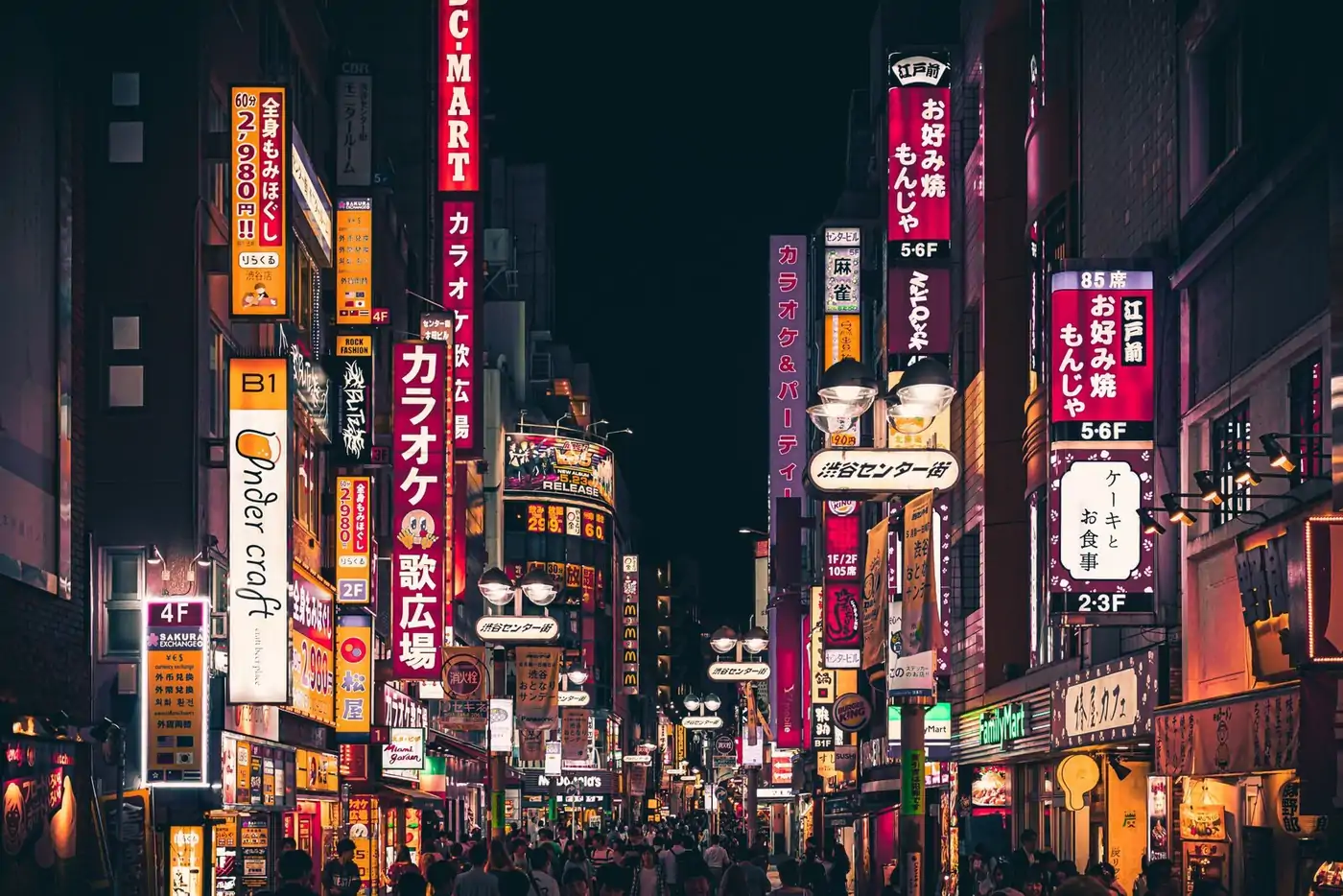
f/8 is the classic street photography aperture because it provides a deep depth of field at moderate distances. At f/8 on a 35mm full-frame lens focused at 3 meters, everything from approximately 1.8 to 8 meters is in acceptable focus. Walk into a street scene, and anything within that range will be sharp, you do not need to focus at all. This is the zone focusing technique.
 Save
Savef/5.6 reduces your depth of field but may be necessary in lower light. f/11 extends the depth of field further but requires more light. f/8 is the equilibrium for daylight street work.
Shutter Speed: 1/250s Minimum
Street photography involves people walking, gesturing, turning, laughing. Any shutter speed slower than 1/250s risks motion blur on moving subjects. 1/250s freezes normal walking speed cleanly. 1/500s stops fast movement (running, cycling). For Cartier-Bresson’s style of photographing the decisive moment in a continuous flow of movement, 1/500s or faster gives you more latitude.
In lower light where 1/250s requires ISO 6400 or above, you have two options: accept the noise (grain looks natural in street photography and many photographers prefer it), or open up to f/5.6 to gain a stop of light.
Zone Focusing: Pre-Focus at 3 Meters
Zone focusing is the technique of pre-focusing your lens at a specific distance and using depth of field to keep subjects sharp without autofocusing in real time. This is faster than any autofocus system for street work.
Here is how to set it up:
- Switch to manual focus
- Focus at 3 meters (the typical conversation/shooting distance on the street)
- Mark this position on your lens if it does not have distance markings (tape or a thin marker line)
- Calculate your depth of field range for your aperture and focal length using PhotoPills or a DOF chart
- At f/8, 35mm, focused at 3 meters on full-frame: DOF is approximately 1.8m to 7m, everything in that range is sharp
With zone focus, you raise the camera, frame, and shoot without any autofocus delay. The entire process takes 0.1 seconds rather than the 0.3–0.5 seconds a camera needs to focus and confirm.
Auto ISO: Maximum 6400
Light changes constantly on the street, bright sun, open shade, shop interiors, covered markets. Auto ISO handles this automatically. Set:
- Minimum shutter speed: 1/250s
- Maximum ISO: 6400 on full-frame, 3200 on APS-C
- ISO stepping: 1/3 EV for smooth transitions
With this configuration, your camera maintains 1/250s at f/8 and adjusts ISO from 100 (bright sun) to 6400 (deep shadow) automatically. You never touch the ISO dial.
Focal Lengths for Street Photography
| Focal Length | Field of View | Working Distance | Character |
|---|---|---|---|
| 28mm | Very wide | Very close (1-2m) | Immersive, environmental, confrontational |
| 35mm | Wide | Close (1.5-3m) | The most natural human field of view, classic street |
| 50mm | Normal | Moderate (2-4m) | Neutral, versatile, slightly compressed perspective |
| 85mm | Short telephoto | Distant (4-8m) | Compressed backgrounds, candid from a distance |
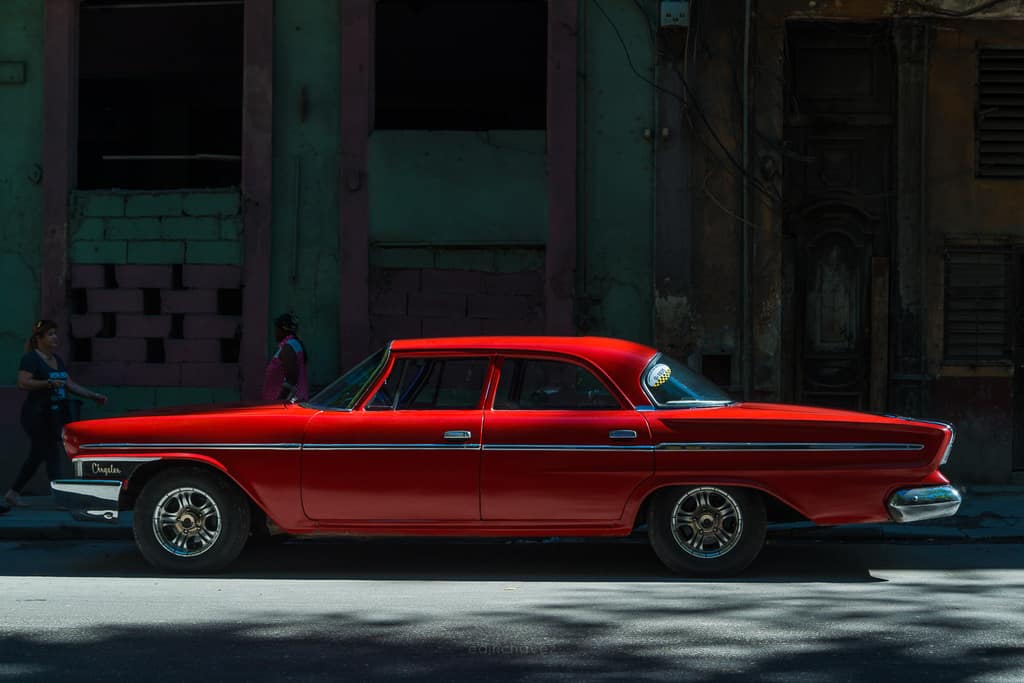
35mm is the all-time classic street focal length. It matches the natural human field of view, allows close working distance without requiring the photographer to be uncomfortably close to subjects, and produces a perspective that feels true to life. Henri Cartier-Bresson used 50mm; Garry Winogrand predominantly used 28mm. Try each and see which one matches your visual instincts.
 Save
SaveHip Shooting Technique
Hip shooting, holding the camera at waist level without looking through the viewfinder, allows you to photograph people without the psychological barrier of a camera raised to your eye. Many subjects behave naturally when they do not notice a camera pointed at them.
With zone focusing at 3 meters and f/8, hip shooting is accurate enough to produce sharp, well-framed street photographs without viewfinder feedback. Turn on your grid display so you have reference lines if you look down at the LCD. Practice the shot angle, a camera at waist height pointed at 15 degrees upward usually captures the subject and some sky or background.
Ethical Considerations
Street photography legality varies by country. In the United States, photographing people in public spaces is generally protected under the First Amendment when there is no reasonable expectation of privacy. In the EU, GDPR and national laws are more restrictive, some countries (Germany, Austria) have stronger portrait rights requiring consent for images used commercially.
For editorial, personal, and portfolio use: photograph freely in public. For commercial use (advertising, stock): obtain model releases. When someone asks you not to photograph them, honor the request. Street photography is about observation and empathy, not extraction and confrontation.
 Save
SaveEditing Your Street Work
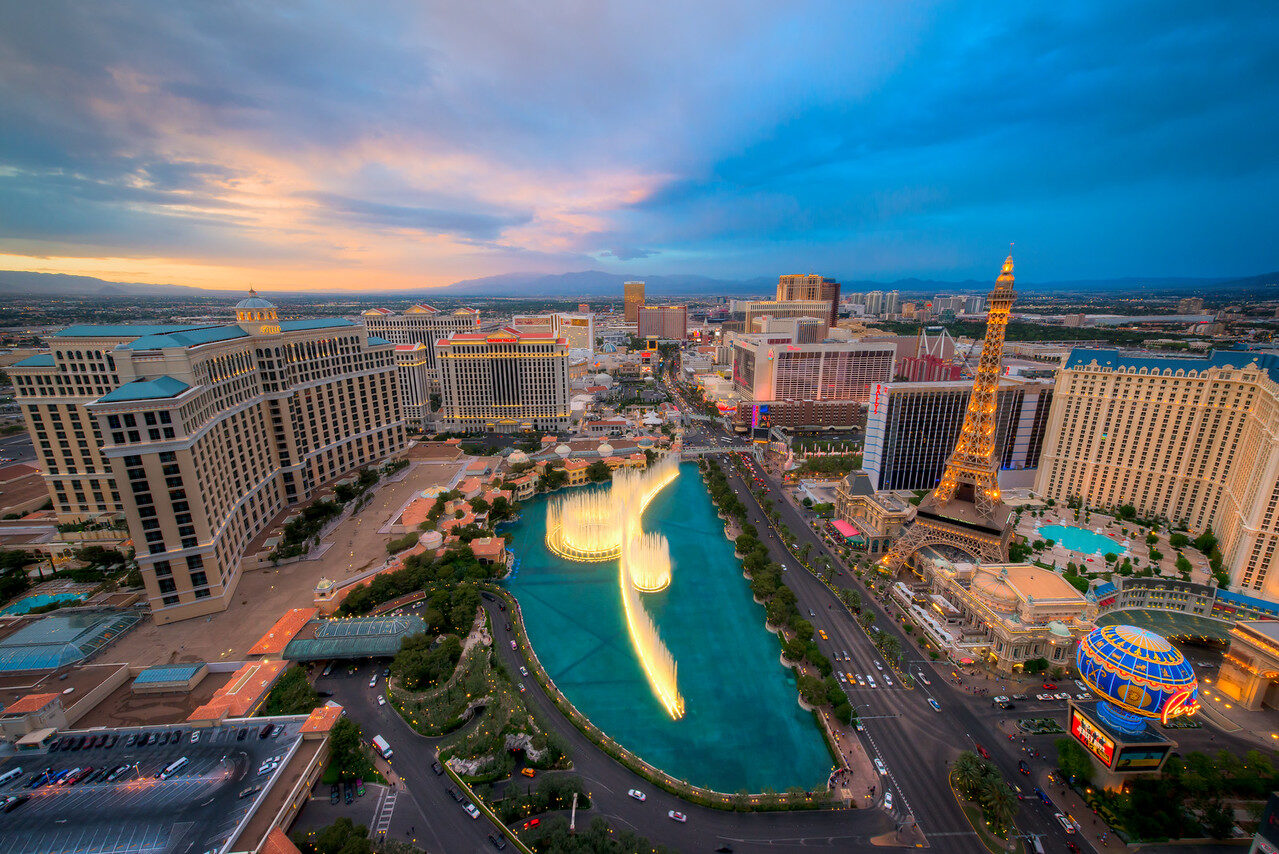
Once the settings are dialed in and the frames are sharp, the edit gives a set its voice. Street scenes are urban, and the cityscape looks in our Landscape, Cityscape and Drone Preset Pack, including night neon, moody color, and contrasty black and white, adapt well to street work. The free starter pack in our Lightroom presets guide is the no-cost way to test a look across your own set, and our night photography guide covers the low-light side of street shooting.
Want to go further? The ShutYourAperture Academy’s Street Photography: The Decisive Moment (7 modules, 28+ lessons) is built to help you capture life unscripted and learn to see the decisive moment.
Frequently Asked Questions
What is zone focusing in street photography?
Pre-focusing your lens at a specific distance (typically 3 meters) and using f/8 to create enough depth of field that subjects at that distance are sharp without autofocusing. Faster than any AF system for quick street captures.
What is the best focal length for street photography?
35mm full-frame equivalent is the classic choice, it matches natural human field of view and requires a working distance of 1.5–3 meters. 28mm is more immersive; 50mm is more neutral.
What shutter speed should I use for street photography?
1/250s minimum to freeze normal walking. 1/500s for faster subjects. Set this as the minimum in Auto ISO to ensure the camera never drops below it in changing light.
Should I use auto or manual focus for street photography?
Zone focus (manual, pre-set distance) is faster for intuitive shooting. Modern Eye AF is excellent for a more deliberate, observational approach. The choice depends on your personal shooting style.
Is it legal to photograph strangers on the street?
In the US, generally yes for personal, editorial, and journalistic use in public spaces. For commercial use, model releases are required. EU countries have stronger portrait rights under GDPR, research local laws for your specific country and intended use.
Gear for reviewing a street sequence
Keep the original street sequence so you can compare focus, shutter speed and timing across more than one keeper. A Samsung T7 Shield 1TB portable SSD is one option for a working copy. Check capacity, computer ports and cables, then open copied files to verify them. Keep another backup separate and control access to the archive. Storage does not change consent, privacy or publication rules. Compare the current retailer specifications; no hands-on test, price or stock promise is being made here.
Compare Samsung T7 Shield 1TB on Amazon | Check Samsung T7 Shield 1TB at B&H
Affiliate disclosure: We may earn a commission from qualifying purchases through these gear links at no extra cost to you. As an Amazon Associate, Shut Your Aperture earns from qualifying purchases.