Grab your coffee and get comfortable. The gear world is moving fast this morning, and if you blinked, you probably missed three new lens announcements and a camera drop that’s going to make street photographers very happy.
At Shut Your Aperture, we know you don’t have all day to scroll through spec sheets. You want to know what’s new, why it matters, and if it’s worth your hard-earned cash. Today, April 2, 2026, we’ve got news from Fujifilm, Nikon, Sigma, and even a specialized rig for the stargazers. Let’s break down the headlines.
The Street Photography King Returns: Fujifilm X-E5
Fujifilm has finally pulled the curtain back on the X-E5. For a while there, we weren't sure if the X-E line was going to survive, but Fuji has positioned this as something more than just a successor to the X-E4.
The X-E5 is effectively an interchangeable-lens version of the wildly popular X100VI. It’s got that rangefinder style we love, but without the fixed-lens limitation. If you’ve been looking for the best mirrorless cameras for travel, this is a massive contender.
Accompanying the camera is a brand-new 23mm f/2.8 lens. It’s tiny, sharp, and mimics the field of view that made the X100 series famous. This is the ultimate "toss it in your jacket pocket" setup. Whether you are a pro looking for a daily carry or a beginner trying to find the best cameras for beginners, the X-E5 simplifies the process of getting great shots without a massive rig.

SEO Alt Text: A sleek Fujifilm X-E5 camera with a 23mm f/2.8 lens sitting on a wooden cafe table, illustrating compact street photography gear.
Nikon’s New Workhorse: The NIKKOR Z 70-200mm f/2.8 VR S II
Nikon isn’t letting the "compact" trend distract them from the pros. They’ve announced the NIKKOR Z 70-200mm f/2.8 VR S II. The original Z 70-200mm was already a beast, but the "Mark II" focuses on weight reduction and even faster autofocus tracking.
For wedding photographers and sports shooters, this is the lens that stays on the body 90% of the time. If you’re currently choosing the best camera in 2024 (or looking at the 2026 upgrades), the lens ecosystem is usually the deciding factor. Nikon’s Z-mount glass continues to be a reason to stay in the ecosystem. This lens pairs perfectly with their high-end bodies, making it a staple for professional photography cameras.
Sigma is Changing the Cinema Game
Sigma has been busy. They are releasing the AF Cine 28-105mm T3 FF cinema lens on April 16. What’s the big deal? It has autofocus. For a long time, "true" cinema lenses were manual focus only. But as the line between solo content creators and high-end production blurs, Sigma is giving us the best of both worlds.
This lens is built for hybrid creators who need that "cine look" but might be operating a gimbal or a drone where manual pulling isn't an option. If you’re building out a kit for the best 4k video cameras, this Sigma glass should be at the top of your list.
Wait, there’s more from Sigma. They also dropped a compact 15mm f/1.4 DC Contemporary for APS-C users. At $579, it’s an absolute steal for vloggers and wide-angle enthusiasts. If you are looking for best vlogging cameras and need a lens that sees everything, this is it.
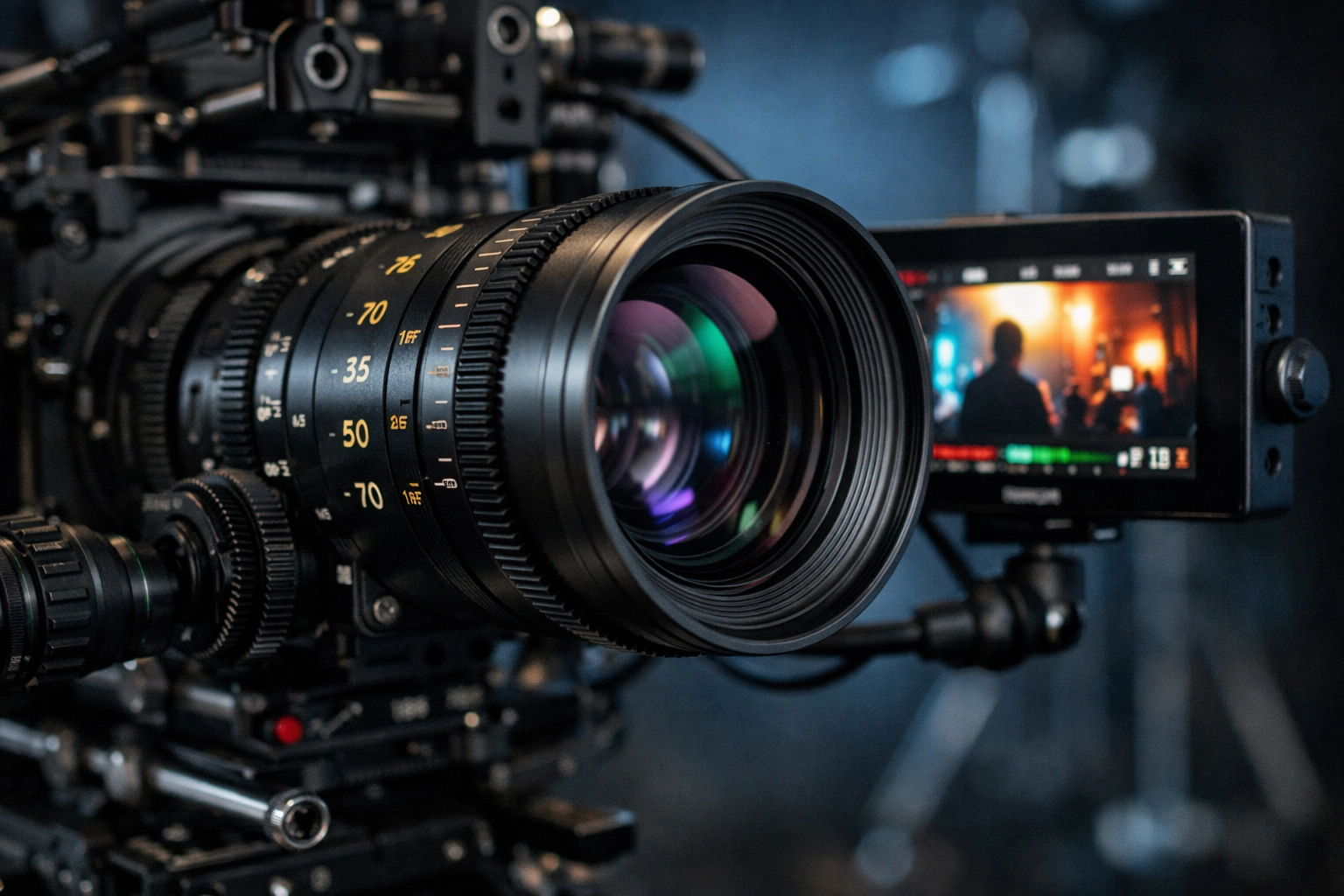
SEO Alt Text: A high-end Sigma cinema lens mounted on a professional video rig with a follow-focus system and external monitor.
Tamron and Zeiss: Quality Meets Affordability
Tamron's 35-100mm f/2.8 Di III VXD is officially hitting the shelves for Sony E-mount and Nikon Z-mount. Priced between $899 and $929, it’s a direct shot at the more expensive first-party lenses. Tamron has mastered the "lightweight and fast" niche, and this zoom is no exception.
Meanwhile, ZEISS is completing its Otus ML manual focus prime lineup with a 35mm f/1.4. This joins the 50mm and 85mm. These lenses are for the purists. They are big, heavy, and expensive, but the image quality is unmatched. If you are doing professional photography and need every bit of micro-contrast and color accuracy, ZEISS is still the gold standard.
Specialized Gear: Stargazing with OM System
The OM System OM-3 ASTRO is perhaps the most niche announcement of the week. It’s a specialized astrophotography camera with a modified IR filter. This allows it to capture red emission nebulae that standard cameras usually filter out.
While it’s not for everyone, it shows that the industry is moving toward highly specialized tools. If you’ve been following our top photography tips, you know that having the right tool for the job is half the battle.
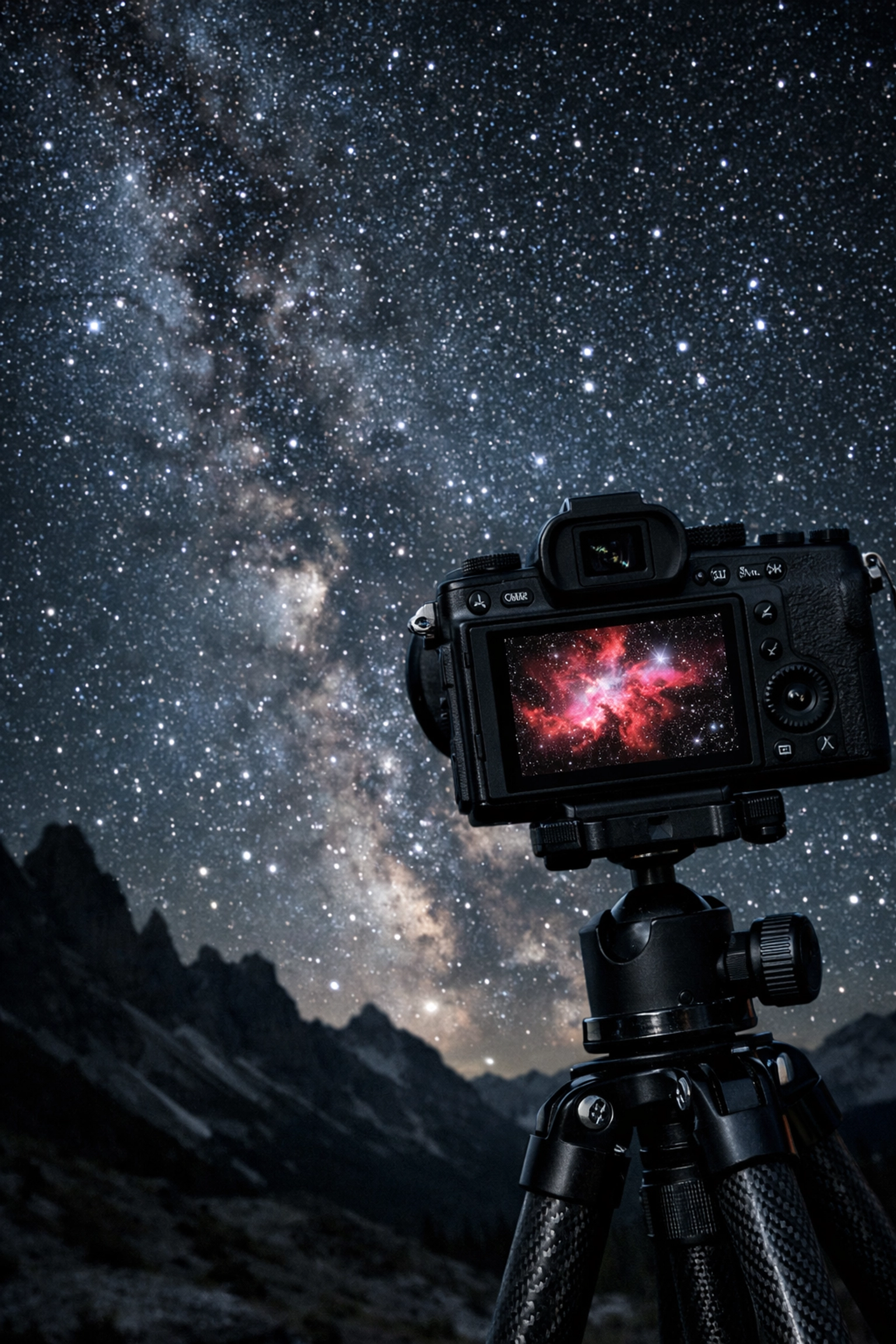
SEO Alt Text: The OM System OM-3 ASTRO camera pointed at a clear night sky, capturing the Milky Way and deep space nebulae.
Why Software is Just as Important as Gear
You can have the best camera in the world, but if your workflow is slow, your photos won’t see the light of day. We’ve been seeing a massive shift toward AI-assisted editing. Tools like Luminar are making it easier for photographers to spend less time in front of a screen and more time behind the lens.
Whether you need to swap a sky, enhance skin tones, or fix lighting in a pinch, Luminar has become an essential part of the modern digital darkroom. As we see more cameras like the X-E5 hit the market, the sheer volume of photos we take is going to skyrocket. Fast, intelligent editing software isn't a luxury anymore; it’s a necessity.
Managing Your New Gear
With all this new glass and tech, keeping your equipment in top shape is crucial. We always recommend checking out our camera maintenance guide to ensure your sensors stay clean and your lenses stay fungus-free.
And if you’re looking to showcase your new work, check out www.proshoot.io for professional portfolio tips. Building a strong brand is just as important as the gear you use to create the images.
Trends to Watch: Hybrid is the New Standard
Looking at today’s news, a few things are clear:
- Size Matters: Manufacturers are pushing for smaller, lighter kits (Fuji X-E5, Sigma 15mm).
- Autofocus Everywhere: Even cinema lenses are ditching the "manual only" elitism.
- Third-Party Dominance: Sigma and Tamron are no longer just "budget" options; they are often the preferred choice for professionals.
If you are just starting out, don't get overwhelmed by the specs. Check out our camera comparison insights to see how these new releases stack up against the classics.
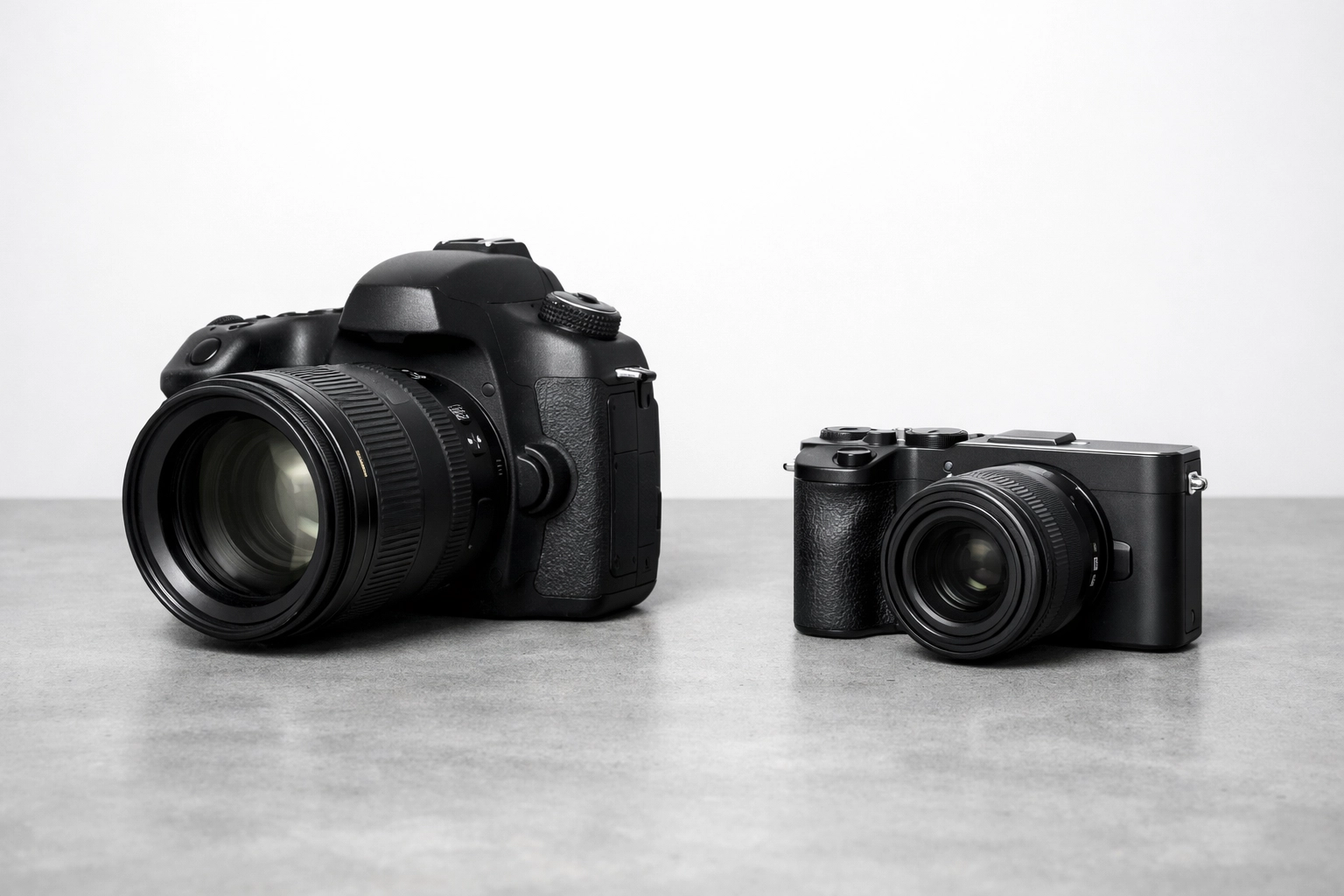
SEO Alt Text: A side-by-side comparison of a modern mirrorless camera and a traditional DSLR, showing the size and design differences.
Essential Accessories for 2026
Manfrotto also launched the ONE Photo tripod this week. It’s a hybrid support system designed for people who switch between photo and video constantly. No more swapping plates or carrying two tripods. As we move further into 2026, the essential camera accessories for 2024 are being updated with smarter, more versatile designs.
Final Thoughts on the Morning News
The photography world hasn't slowed down, and neither should you. Whether you’re interested in the specialized sensors of the OM-3 ASTRO or the pocketable power of the Fujifilm X-E5, there has never been a better time to be a creator.
Make sure you're keeping an eye on the latest top camera deals for every photographer as these new models hit the shelves: older models usually see a nice price drop right about now.
If you want to dive deeper into specific techniques, like mastering canyon and gorge travel photography, or if you’re just looking for more best cameras for photography, we’ve got you covered.
Stay tuned for more updates. We'll be back tomorrow with more gear news, software tips, and industry insights. In the meantime, get out there and shoot something amazing.
For more inspiration, you can always visit PhotoGuides.org or check out the latest work at www.edinfineart.com.
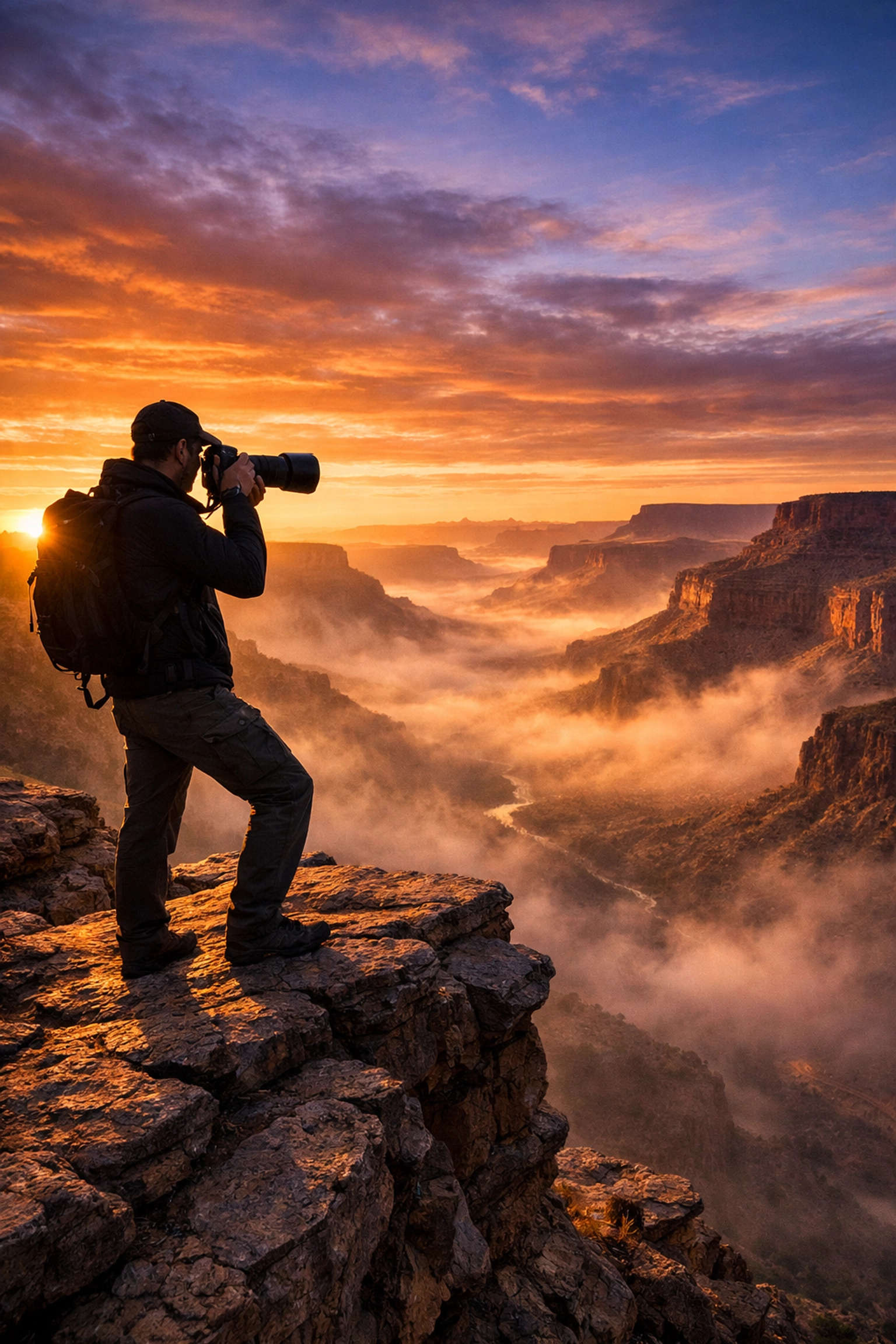
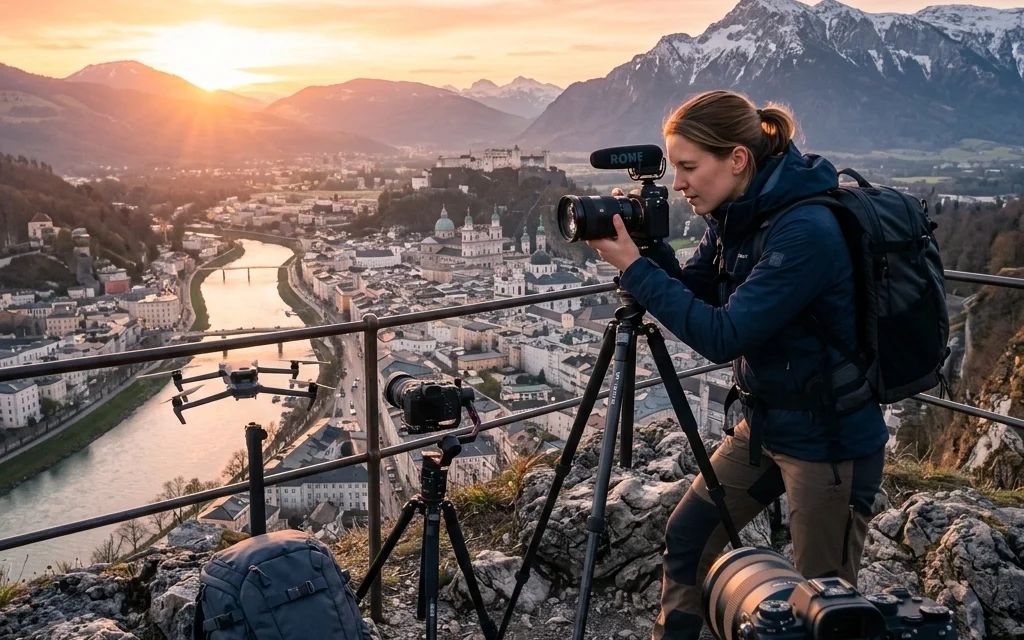
SEO Alt Text: A photographer standing on a mountain peak at sunrise, holding a modern mirrorless camera and looking at the view.
The gear is just the tool. The vision is yours. Keep your aperture open and your shutter speed fast. We’ll see you in the next update.