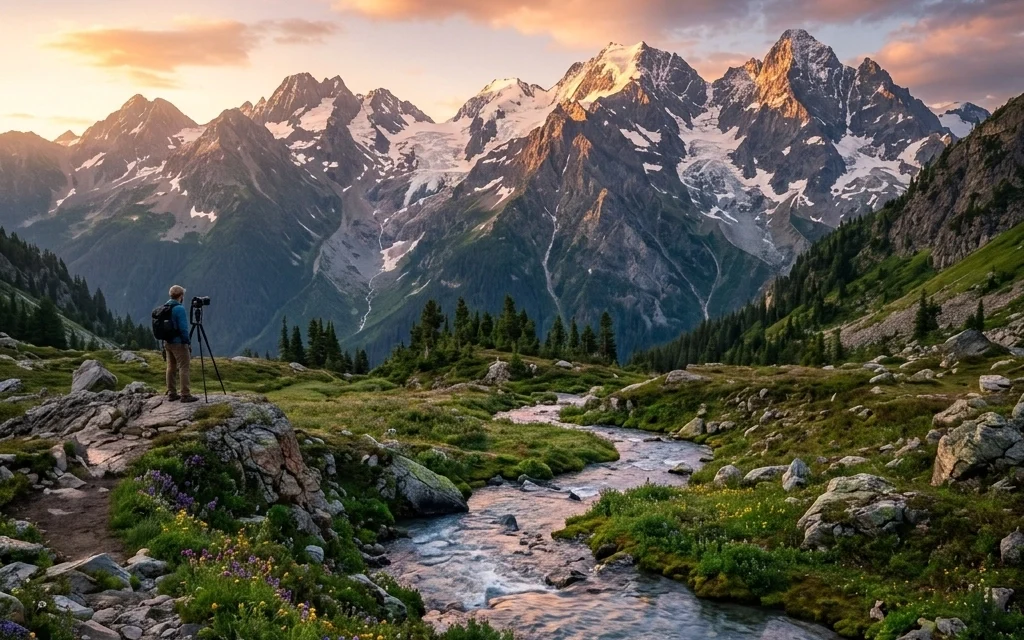
Landscape photography is more than just pointing your camera at a pretty mountain and clicking a button. If it were that easy, everyone would be a pro. It’s about patience, gear that doesn't quit on you, and a little bit of luck with the weather. Whether you’re standing on a cliff edge in Hawaii or a local park in the suburbs, the goal is the same: to capture a moment that makes people stop scrolling and actually feel something.
In this guide, we’re going to break down everything from the gear you actually need (and what you don't) to the secret settings that make your photos pop. We’re going to talk about light, composition, and why you should probably stop shooting in Auto mode immediately.
1. Mastering Composition: The Skeleton of Your Shot
Composition is the foundation. You can have the world's most expensive camera, but if your composition is messy, your photo is going to look like a tourist snapshot.
The Rule of Thirds (And When to Break It)
Most beginners center their subject right in the middle. It’s a natural instinct, but it often leads to a static, boring photo. Imagine your frame is divided into a 3×3 grid. The Rule of Thirds suggests placing your main subject, a lone tree, a mountain peak, or a person, on one of those four intersections.
For the horizon, don't put it in the middle. If the sky is epic, put the horizon on the bottom third. If the foreground is full of cool textures (like those you can find in our guide on using rare textures for tangible aesthetic photography), put the horizon on the top third.
Leading Lines
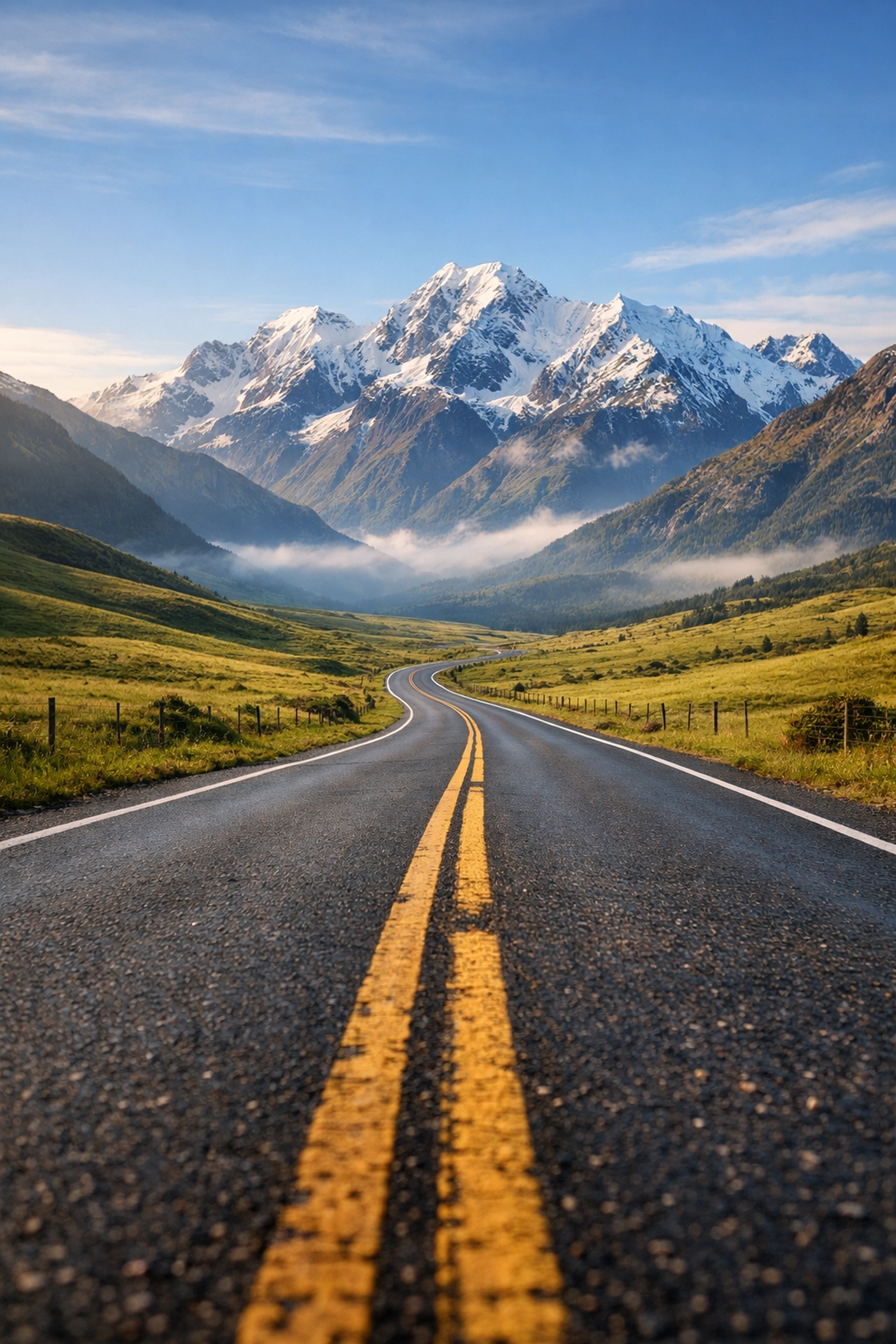
Leading lines are like a visual roadmap for the viewer. They guide the eye from the bottom of the frame toward your main subject. This could be a winding road, a shoreline, a fence, or even a row of trees. When you find a line that points into the distance, you’ve found a way to create depth.
Creating Depth with Foreground Interest
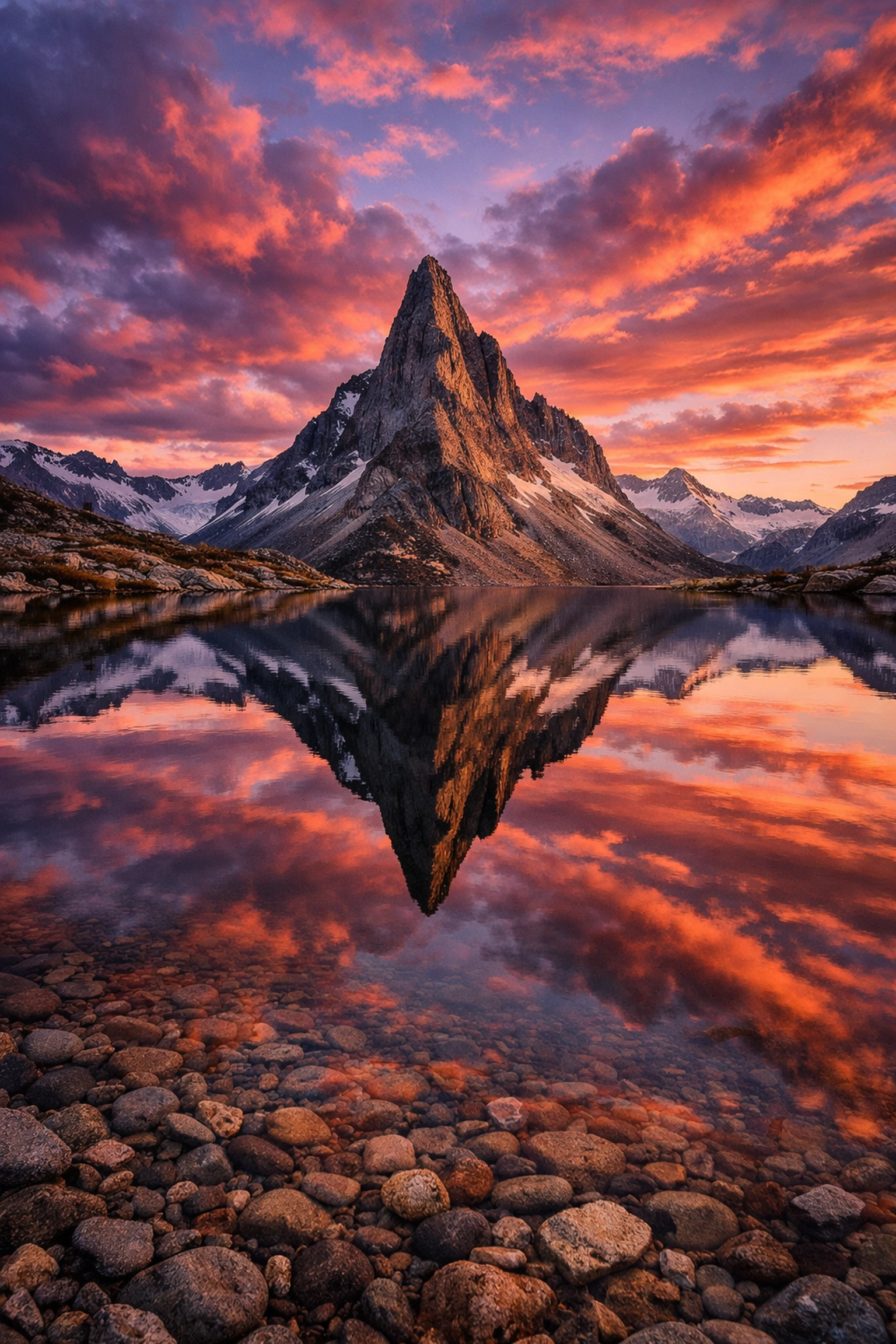
One of the biggest mistakes in landscape photography is forgetting the foreground. Without something close to the lens, a vast landscape can feel flat and two-dimensional. Look for rocks, flowers, or even a patch of moss to ground the image. This is how you discover ethereal landscapes for captivating shots that feel like the viewer could step right into them.
2. The Essential Gear: What’s Actually in the Bag?
You don't need to spend $10k to get a great shot, but you do need the right tools for the job.
- A Solid Tripod: This is non-negotiable. If you want sharp photos, especially during the "Golden Hour," you need a tripod. It allows you to use longer shutter speeds without the blur from your hands shaking. If you're serious about your craft, check out some recommendations over at PhotoGuides.org.
- Wide-Angle Lenses: Most landscape photographers swear by wide-angle lenses (anything between 14mm and 35mm). They allow you to capture the scale of a scene. However, don't sleep on telephoto lenses for compressing a landscape and making distant mountains look massive.
- Filters: Circular Polarizers (CPL) are great for cutting reflections on water and making the sky a deeper blue. Neutral Density (ND) filters are essential for those silky-smooth waterfall shots.
- Reliable Camera Body: Whether you shoot mirrorless or DSLR, make sure it has good dynamic range. If you're looking for professional-grade prints of high-end gear in action, you can see what the end result looks like at Edin Fine Art.
3. Camera Settings for Epic Landscapes
If you’re still shooting in "Auto," we need to talk. To get the most out of your sensor, you need to take control.
Aperture (The F-Stop)
For landscapes, you usually want everything from the flowers at your feet to the mountains in the distance to be sharp. This means using a higher F-stop, typically between f/8 and f/16. Avoid going all the way to f/22, as "diffraction" can actually start to make your image softer.
ISO
Keep it low. ISO 100 is the goal. Higher ISO introduces "noise" or grain, which ruins the clean look of a landscape. This is where your tripod becomes your best friend; it allows you to keep your ISO low even when the sun starts to dip.
Shutter Speed
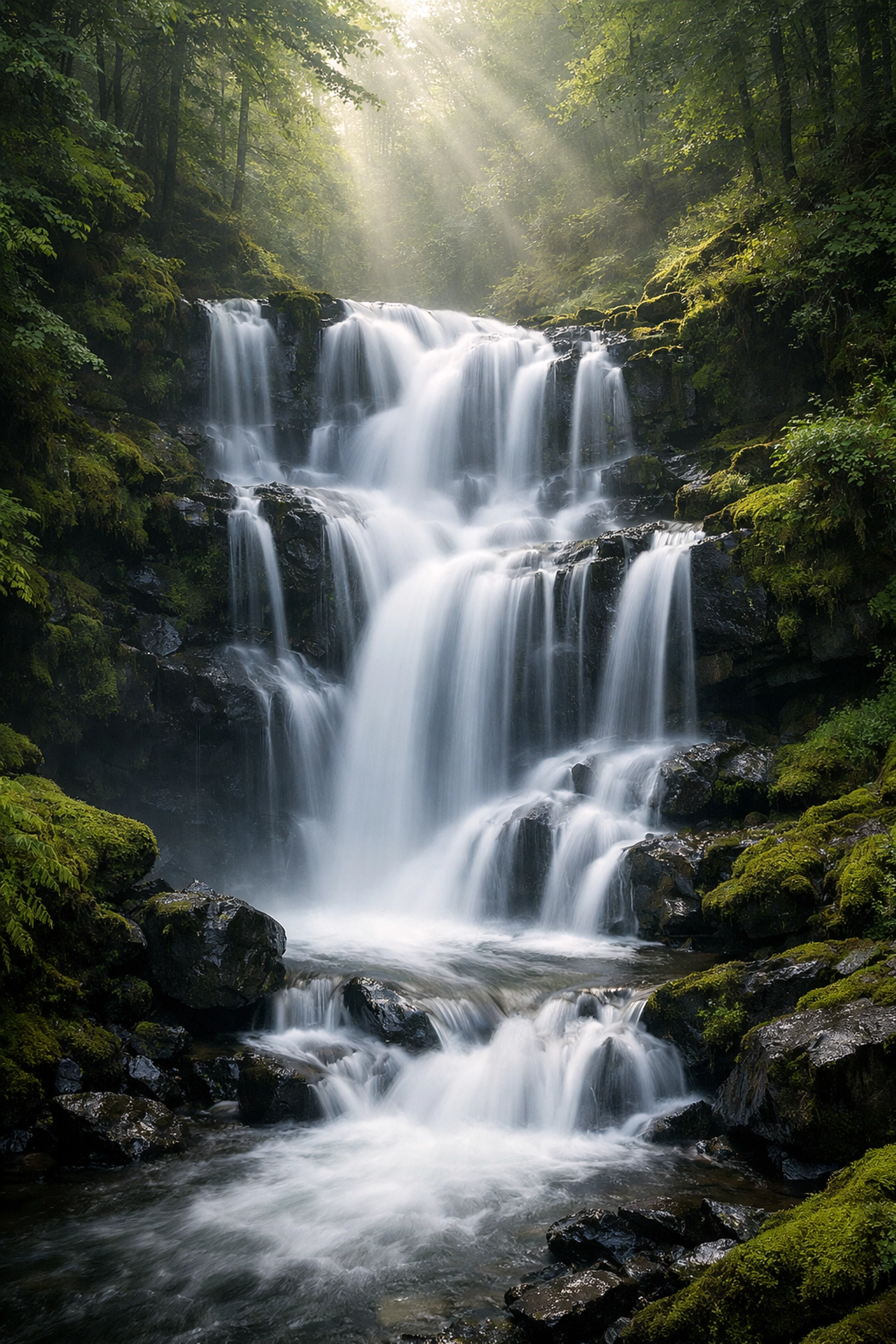
In landscape photography, shutter speed is often dictated by your Aperture and ISO. If you're shooting moving water and want that misty look, you'll need a slow shutter speed (0.5 seconds or longer). For more on this, dive into our best camera settings for stunning water landscapes.
4. The Magic of Light: Timing is Everything
You could have the most beautiful location on earth, but if the light is flat and gray, the photo will be "meh."
The Golden Hour
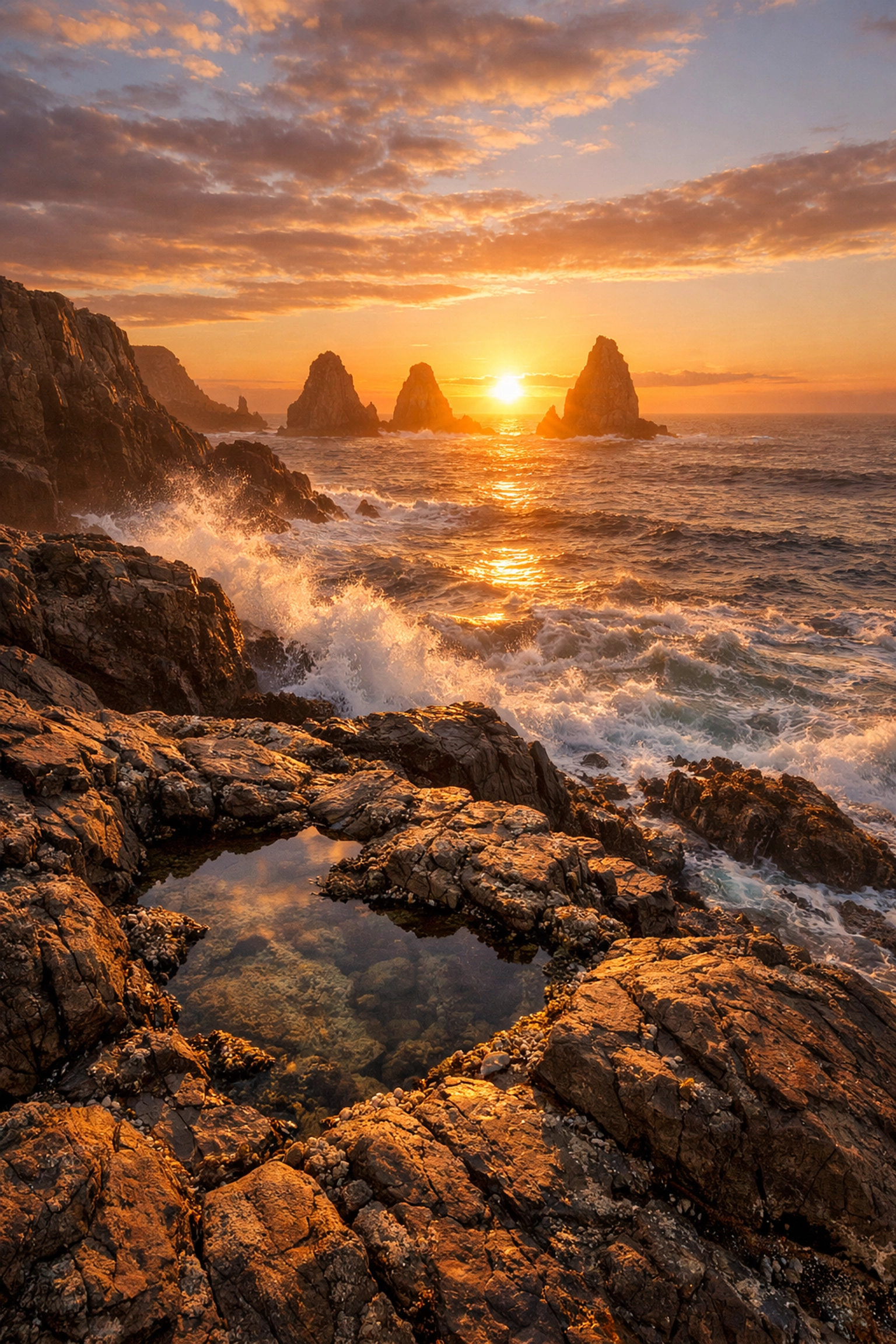
This is the hour just after sunrise and just before sunset. The light is warm, soft, and creates long, dramatic shadows. This is the peak time for majestic sunset photography. If you aren't waking up at 4:00 AM to catch the light, you’re missing out on the best opportunities.
The Blue Hour
Don't pack up as soon as the sun goes down. The 20-30 minutes after sunset provide a cool, blue light that is incredibly moody. It’s perfect for unlocking secrets to enchanting urban photography or capturing the stillness of a lake.
Weather is Your Friend
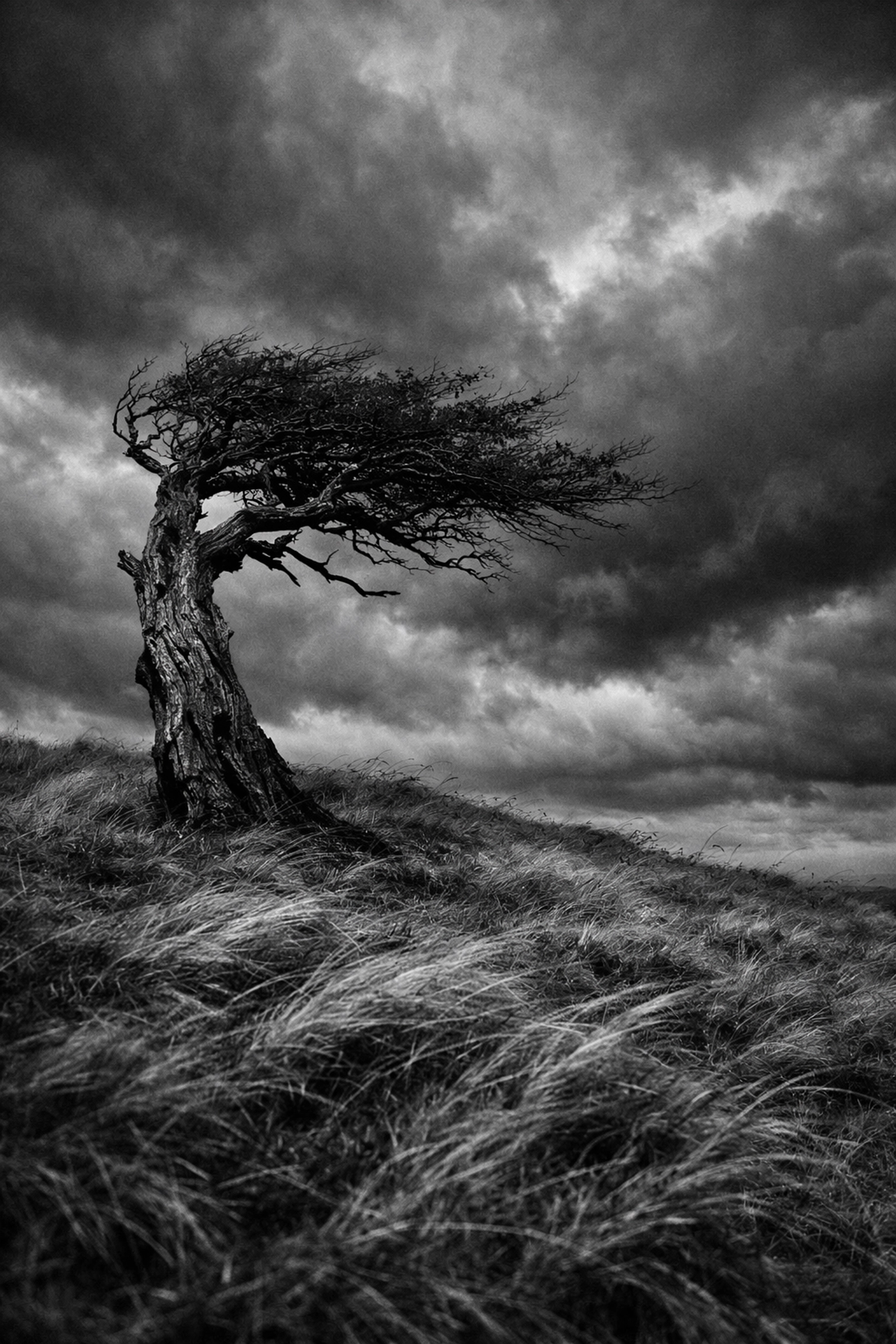
Blue skies are actually kind of boring for landscape photographers. We want drama. Storm clouds, mist, and fog add character and mood. A "bad" weather day usually results in the most interesting photos.
5. Water Landscapes: Capturing Beauty in Motion
Water is one of the most dynamic elements in landscape photography. Whether it’s a calm lake reflecting the sky or a powerful ocean wave, water adds life to a frame.
Mastering water requires a mix of technical skill and creative vision. If you’re at the coast, you should check out our guide on picturesque coastal escapes for discerning travelers to find the right backdrop.
To get those ethereal, milky-water shots, you’ll need to master long exposure techniques in water photography. By slowing down your shutter speed, you turn chaotic waves into a soft, dreamlike mist. This technique is a game-changer for anyone looking to level up their portfolio.
For more specific tips on gear for these wet environments, don't miss our essential water photography gear guide.
6. Planning and Scouting: Don't Just Show Up
The best shots are rarely accidental. Professional landscape photographers spend hours, if not days, scouting.
Use Technology
Apps like PhotoPills or The Photographer’s Ephemeris are vital. They tell you exactly where the sun and moon will rise and set at any given location. You can plan your composition weeks in advance by knowing where the light will hit the mountains.
Finding the Hidden Gems
Everyone goes to the famous spots they see on Instagram. If you want your work to stand out, you need to find the lesser-known vistas for enigmatic photos. Look for secluded paradises that haven't been over-photographed. Sometimes the best view is just a mile further down the trail than everyone else is willing to hike.
If you’re traveling, it pays to do your homework. We’ve compiled lists of hidden gem locations for travel photography to help you get started.
7. The Power of Post-Processing
Raw photos from a camera often look a bit flat. That’s because the camera is capturing all the data without adding any "style." Post-processing is where you bring the scene to life, as long as you don't overdo it.
We highly recommend using Luminar for its intuitive AI tools. It’s a massive time-saver for enhancing skies, bringing out details in shadows, and adding that final "oomph" to your landscapes. You can easily fix a dull sky or enhance the foliage without needing a PhD in Photoshop.
Keep your edits natural. The goal is to recreate how the scene felt when you were standing there, not to make it look like a neon alien planet (unless that's your vibe, then go for it).
8. Common Mistakes to Avoid
Even pros mess up sometimes. Here are a few things to keep an eye on:
- Crooked Horizons: There is nothing more distracting than a slanted ocean. Use the level tool in your camera or fix it in post.
- Too Much Stuff: Sometimes, less is more. If the frame is too cluttered, the viewer doesn't know where to look. Simplify your composition.
- Ignoring the Histogram: Don't trust your eyes on the bright LCD screen. Check the histogram to make sure you aren't "clipping" your highlights (losing detail in the bright areas) or crushing your blacks.
- Sensor Dust: When you shoot at small apertures like f/16, every tiny speck of dust on your sensor will show up as a dark spot in the sky. Keep your sensor clean or be prepared for a lot of spot-healing in post-production. You can find more technical advice and professional insights over at ProShoot.io.
9. Developing Your Own Style
Landscape photography is a journey. In the beginning, you’ll probably copy the masters: and that’s okay. But eventually, you want to find your own voice. Maybe you love high-contrast black and white landscapes, or perhaps you prefer soft, pastel-colored coastal scenes.
Experiment with different techniques for stunning water photography or try shooting landscapes with a macro lens for a different perspective. The more you shoot, the more you’ll realize what resonates with you.
If you ever feel stuck, check out the personal blog of our CEO at blog.edinchavez.com for some behind-the-scenes inspiration and stories from the field.
10. Final Thoughts on Getting Out There
At the end of the day, the best landscape photography tip is simply to be there. You can’t win if you don't play. The more time you spend outdoors, the more you understand the rhythm of nature. You’ll start to see patterns in the clouds and understand how the light interacts with the land.
Landscape photography is a great excuse to explore the world and find top spots for stunning nature imagery. It forces you to slow down and appreciate the details that most people walk right past.
So pack your bag, charge your batteries, and go find your own hidden gems for stunning travel photography. The world is huge, and there’s always a new angle waiting to be discovered. If you want to see how we turn these captures into a business, take a look at Edin Studios.
Keep shooting, stay patient, and remember: the best view usually comes after the hardest climb. Now go out there and shut your aperture!