Let’s be real for a second: we’ve all been there. You buy a shiny new camera, maybe a beast like the Canon EOS R5 or that sleek Sony A7R V you’ve been eyeing. You head out to a beautiful location, feeling like a total pro, and then… you get home, look at your files, and realize they look exactly like what you could have taken with your phone.
It’s frustrating, right? You have the gear, you have the passion, but there’s a gap between what you see in your head and what’s showing up on your memory card.
The secret to closing that gap isn't a more expensive lens or a trip to Iceland. It’s consistency. Specifically, it’s about engaging with photography tutorials every single day. At Shut Your Aperture, we believe that making learning a daily habit is the only way to truly master the craft. Whether you're trying to figure out how to use manual mode camera settings or you’re diving deep into the world of high-end retouching, daily practice is the game-changer.
The Power of the Daily Habit
Think of photography like a muscle. If you only go to the gym once a month, you’re going to be sore, and you’re definitely not going to see results. Photography is the same. When you only pick up your camera on weekends or during vacations, you spend half your time trying to remember where the buttons are.
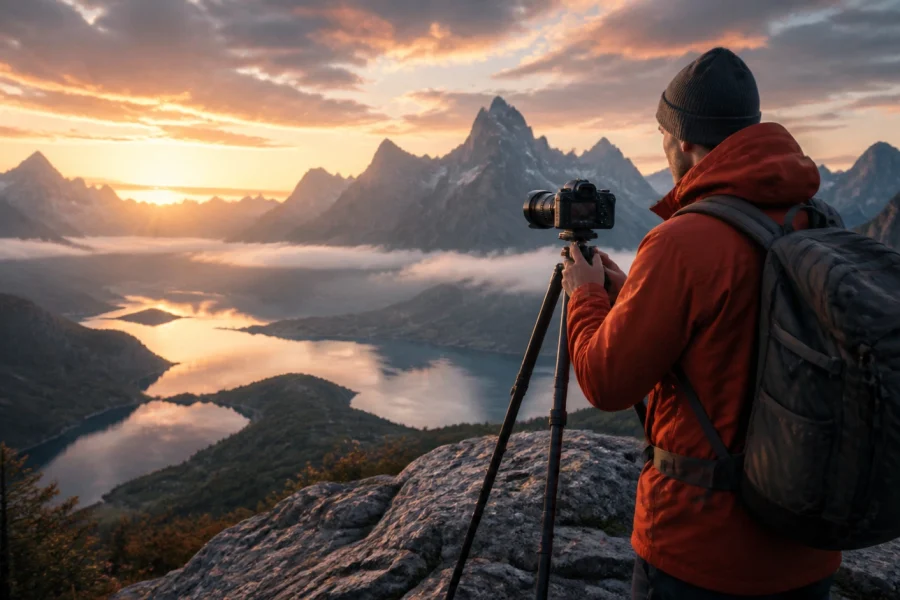
By consuming daily tutorials, you’re keeping your brain in "photo mode." You start to see the world differently. You stop looking at a tree and start looking at how the light hits the bark. You stop looking at a sunset and start analyzing the dynamic range.
Daily learning builds what I like to call "creative momentum." When you learn one small tip a day: maybe a trick for Sony A7R V settings for landscape photography: it sticks. By the end of the month, you’ve stacked 30 new skills. That’s how you go from "guy with a camera" to a photographer.

Mastering the Basics: How to Use Manual Mode Camera Settings
If you’re still shooting in "Auto," you’re letting a computer make the creative decisions for you. And look, computers are smart, but they don’t have a soul. They don't know that you want that motion blur in the waterfall or that you want the background to be a creamy, out-of-focus dream.
Learning how to use manual mode camera settings is the first major hurdle for every beginner. It’s the "rite of passage." Daily tutorials break this down into bite-sized pieces so it’s not overwhelming.
- Aperture: This is your depth of field. Do you want everything sharp, or just your subject?
- Shutter Speed: This controls motion. Do you want to freeze a bird in flight or blur the ocean waves?
- ISO: This is your sensor's sensitivity to light.
When you practice these daily, they become second nature. You won't have to think about it. You’ll just know that if you’re shooting real estate with a Nikon Zf, you need a specific aperture to keep the whole room in focus. You can find deep dives on these technical basics over at PhotoGuides.org, which is a fantastic resource for rounding out your knowledge.
Developing Your "Photographic Eye"
Technical skills are the foundation, but the "eye" is the house you build on top of it. Daily tutorials help you understand composition beyond just the "Rule of Thirds."
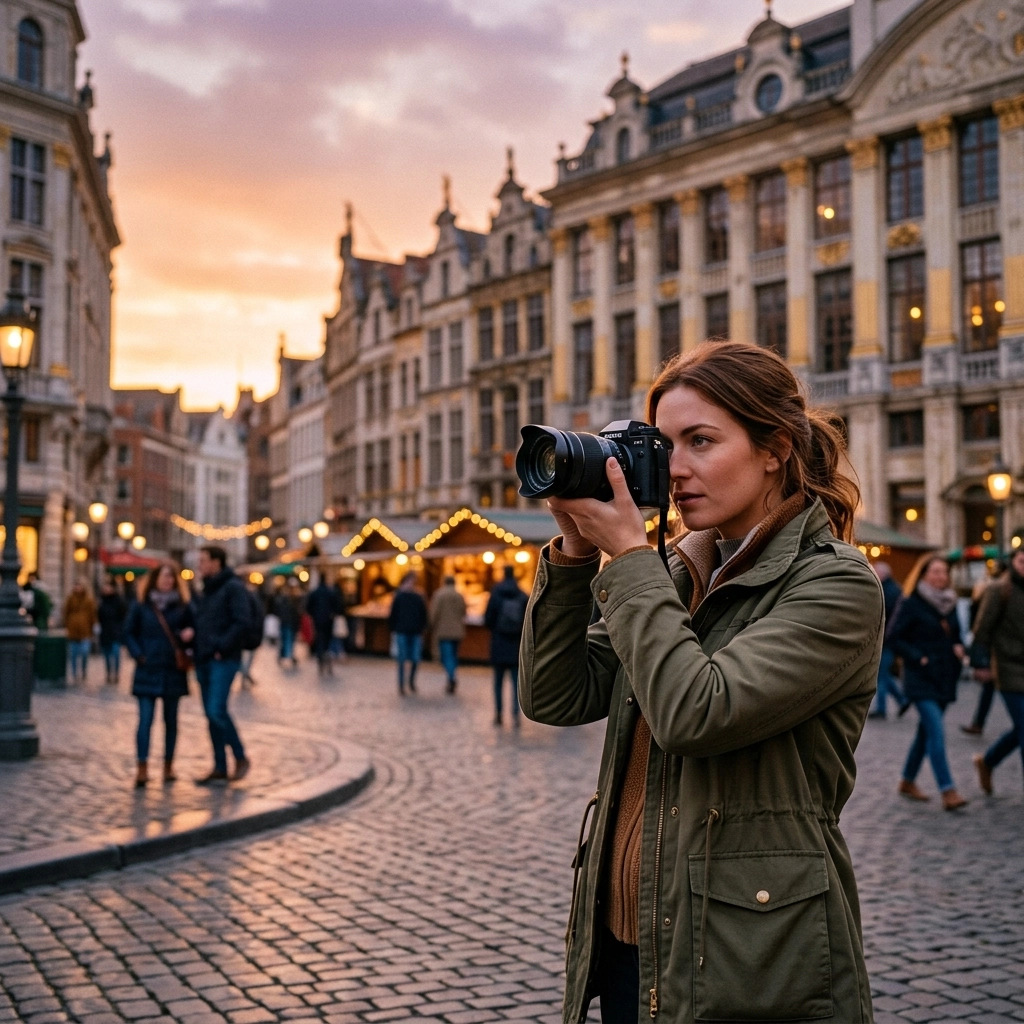
When you engage with daily content, you start seeing patterns, leading lines, and framing opportunities in mundane places. You might be sitting in your kitchen and suddenly realize the way the light is hitting your coffee mug would make a killer product shot.
Speaking of product shots, we have specific guides for that, like our breakdown of OM System OM-1 Mark II settings for product photography. Even if you don't own that specific camera, the principles of lighting and arrangement are universal.
The Digital Darkroom: Editing and Post-Processing
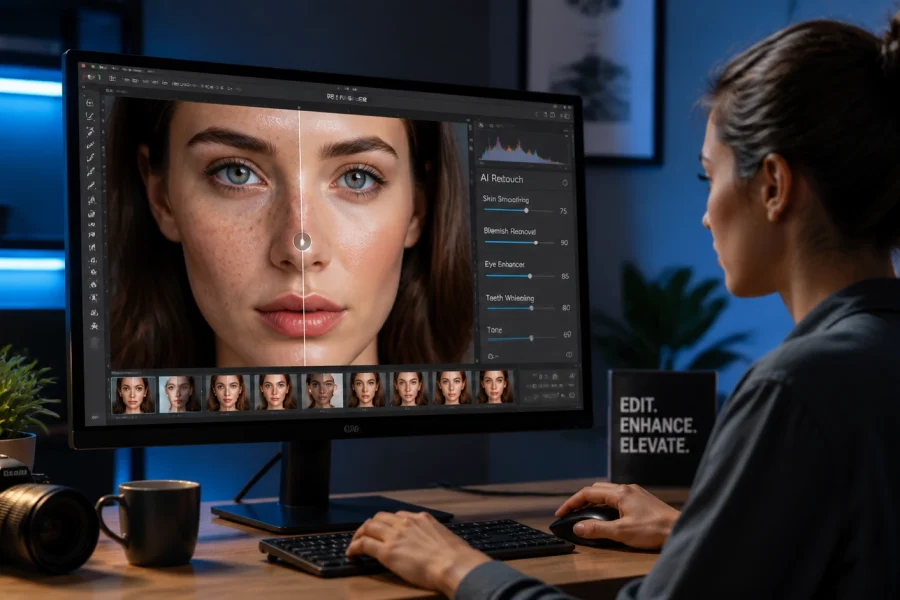
A photo isn't finished when you click the shutter. In the digital age, the "darkroom" is your computer. If you aren't editing your photos, you’re only doing half the job.
Daily editing tutorials can take you from "this looks okay" to "this looks like a magazine cover." We often talk about tools like Luminar, which uses AI to speed up the tedious parts of editing. Using Luminar allows you to focus on the creative side of things rather than spending three hours masking out a sky.
But there’s a balance. You don’t want your photos to look like a robot made them. That’s why we put together a guide on how to integrate AI into your photography workflow without it looking like a robot did it. Daily learning keeps you up to date on these fast-moving technologies so you don't get left behind.

Why Shut Your Aperture is Your New Home Base
Look, there’s a lot of noise on the internet. You can find a million videos on YouTube, but most of them are just "gear reviews" disguised as tutorials. At Shut Your Aperture, we are building the number one photography school online. Our goal isn't just to tell you what camera to buy (though we do have some great comparisons, like the Canon EOS R5 vs Sony A7R V).
Our goal is to teach you how to be a creator. We want to give you the tools to go out into the world and capture something that actually means something. Whether you’re into sports photography, wildlife, or wedding photography, we’ve got the specialized tutorials to get you there.
By visiting learn.shutyouraperture.com daily, you’re making an investment in yourself. You’re saying that your creativity matters.
The Gear Obsession vs. The Skill Acquisition
I’ll be the first to admit it: I love gear. There’s something about the click of a shutter or the feel of a high-quality lens that just feels right. But gear is a tool, not a solution.
If you give a master photographer a 10-year-old entry-level DSLR, they’re still going to take a better photo than a beginner with a $10,000 setup. Why? Because the master understands light, composition, and manual control.
Daily photography tutorials shift your focus from "what I need to buy" to "what I need to learn." It’s an empowering shift. Instead of feeling limited by your equipment, you start finding ways to push your equipment to its absolute limits. If you want to see what I mean, check out some of the work over at blog.edinchavez.com to see how professional techniques translate into real-world results.

Finding Your Niche Through Daily Exploration
One of the coolest things about daily learning is that it exposes you to niches you might never have considered. One day you’re learning about street photography, and the next you’re looking at top 10 landscape photography tips.
Maybe you thought you were only interested in portraits, but after a tutorial on OM System OM-1 Mark II settings for real estate photography, you realize you actually have a knack for interior shots. Daily tutorials give you the freedom to experiment without the pressure of a formal class.
Overcoming Creative Burnout
We all hit a wall eventually. You feel like you’ve taken the same photo a thousand times. You feel like you have nothing left to say with your camera.
This is where daily tutorials really shine. They act as a spark. When you're feeling uninspired, watching a pro explain their process can be just the kick in the pants you need. It might be a new way to use a flash, a different perspective on a common subject, or a new editing technique in Luminar.
The key is to never stop being a student. The moment you think you know everything is the moment your work starts to die. Keep that student mindset, keep hitting those tutorials, and keep pushing.
Real-World Application: From Tutorial to Field
The most important part of this whole process is taking what you learned in the tutorial and actually doing it. If you spend an hour learning how to use manual mode camera settings, go outside and shoot for ten minutes. Even if it's just your dog in the backyard or the flowers on your porch.
The bridge between theory and practice is where the magic happens. You’ll find that things that seemed complicated in the video: like balancing your ISO and shutter speed: suddenly make sense when you’re looking through the viewfinder.

Making it Stick
If you want to change the way you capture the world, you have to change the way you look at it. Daily photography tutorials provide the lens through which you can see those changes. They provide the structure, the inspiration, and the technical know-how to turn your vision into reality.
Don't wait for "someday." Someday is a graveyard for dreams. Start today. Pick one tutorial. Learn one thing. Then go out and shoot.
Whether you are mastering the Sony ZV-E10 II for sports or just trying to get a decent photo of your kids, the path is the same: Learn. Practice. Repeat.
Shut Your Aperture is here to walk that path with you. We’re constantly updating our content to make sure you have the best information at your fingertips. From deep-dive gear comparisons like Sony A7 IV vs Canon EOS R6 Mark II to niche settings for portrait photography, we’ve got you covered.
Go ahead: shut your aperture, open your mind, and let’s go make some art. For more inspiration and professional insights, don't forget to check out PhotoGuides.org and blog.edinchavez.com. Your journey to becoming a master photographer starts with a single click. Or in this case, a single daily tutorial.