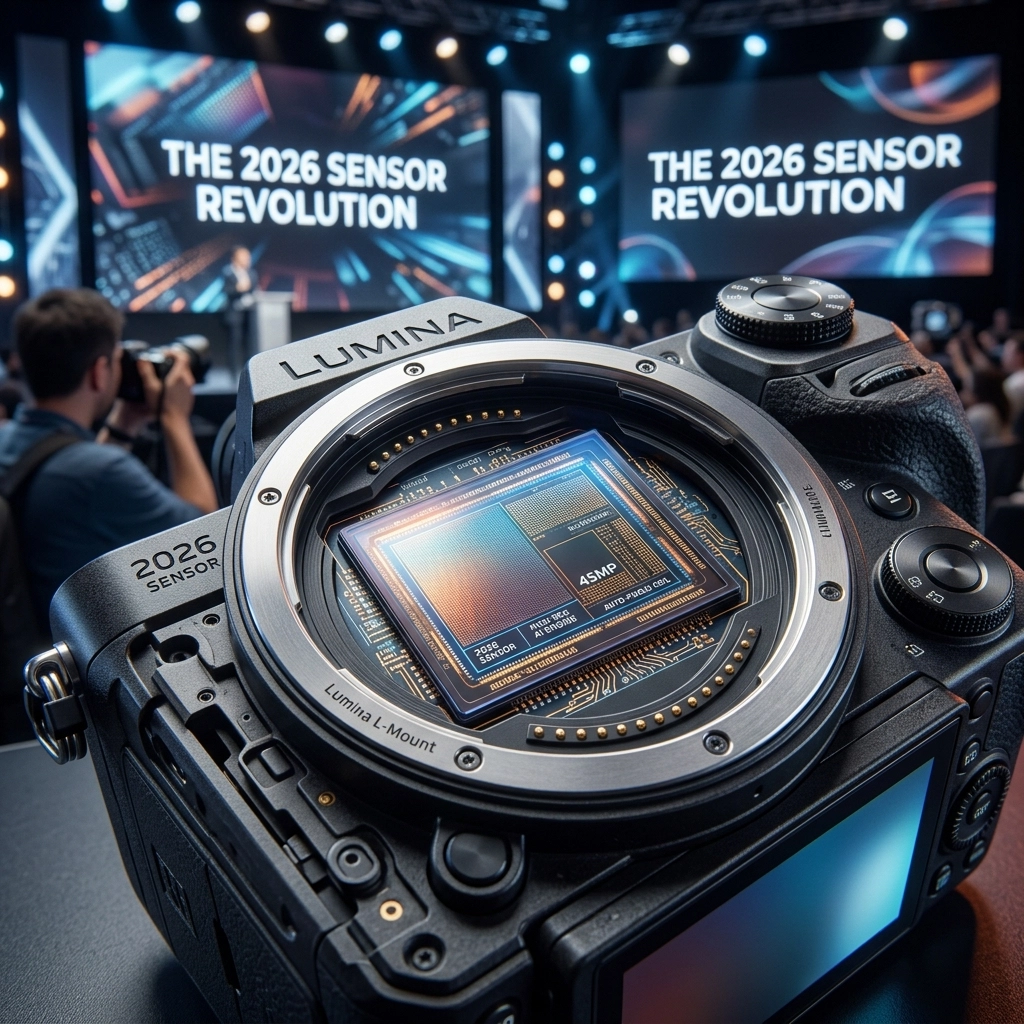
If you’ve spent any time scrolling through photography forums or hanging out at your local camera shop lately, you know the vibe. There’s a buzz in the air that we haven’t felt since the original mirrorless transition. It’s May 2026, and the gear world is currently melting down over the latest sensor announcements.
We aren't just talking about a few more megapixels or a slightly faster burst rate. We are talking about a fundamental shift in how light hits a sensor and how a camera "thinks." If you’ve been sitting on the sidelines with your trusty 2022-era body, thinking, "I’ll wait for the next big thing," well, the next big thing just showed up and it’s knocking the door down.
At Shut Your Aperture, we try to cut through the marketing fluff. You don’t need to know every single circuit path, but you do need to know why these 2026 sensors are going to make your life easier and your photos better. Let’s break down exactly what’s happening and why everyone is losing their minds.
The Death of the Rolling Shutter: The Global Shutter Goes Mainstream
The biggest headline of 2026 is undoubtedly the move toward global shutter technology in consumer-grade cameras. For years, we’ve dealt with the "rolling shutter" effect. You know the one, where a fast-moving golf club looks like a wet noodle or a bird’s wings get all distorted.
Rumors are swirling that Canon is finally ready to drop their global shutter sensor into the EOS R3 Mark II and potentially the R1 Mark II. Sony already gave us a taste of this, but 2026 is the year it becomes the industry standard for professional-tier bodies.
Why should you care? A global shutter reads the entire sensor at once. No more banding under weird LED lights. No more distorted action. It’s a game-changer for sports and wildlife photographers. If you’ve ever tried to capture a high-speed car and ended up with a leaning tower of Pisa effect, you’ll understand why this news is a big deal. For a deeper dive into how this tech is evolving, keep an eye on tonight’s photography news.

AI Isn't Just a Buzzword Anymore, It’s the Brain
In 2024, AI autofocus was cool. In 2026, it’s basically telepathic. The latest sensor news highlights a new generation of "On-Sensor AI." We are moving past simple face and eye detection.
The new sensors coming from Sony and Nikon are using dedicated AI processing layers directly stacked onto the sensor. This allows the camera to predict movement with scary accuracy. We’re talking about tracking the eye of a bee in mid-flight or maintaining focus on a quarterback through a sea of moving bodies without a single frame of hunting.
This maturity in AI integration means the "keeper rate" for professional photographers is hitting near 100%. If you aren't getting the shot in 2026, it’s probably not the camera’s fault. If you're feeling overwhelmed by the tech, don't worry, we’ve got you covered with our latest tips on today’s morning photography news.
The Retro Revolution: The Canon EOS RE-1 Rumors
While some people are chasing the fastest specs, a huge segment of the community is geeking out over the rumored Canon EOS RE-1. It’s the 50th anniversary of the legendary AE-1, and the word is that Canon is celebrating by putting a modern 32.5MP sensor (the same one expected in the R6 Mark III) into a body that looks exactly like the vintage classic.
This is why the 2026 sensor news is so interesting, it’s not just about power; it’s about soul. Photographers are tired of cameras that look like melted bars of soap. We want dials. We want tactile feedback. But we also want that sweet, sweet 2026 dynamic range.
A camera like the RE-1 would be the ultimate tool for something like street photography. Imagine having the aesthetic of a film legend with the low-light performance of a modern beast. That’s a winning combo.
Computational Photography: Stealing the Smartphone’s Best Tricks
For a long time, "real" photographers laughed at computational photography. "That’s just for iPhones," they’d say. Well, the 2026 sensor tech is officially bringing those tricks to full-frame glass.
The latest news regarding the Sony A7 V suggests a heavy emphasis on "Multi-Exposure Synthesis" built directly into the sensor's readout. Essentially, the camera can take multiple exposures in the blink of an eye and blend them into a single RAW file with dynamic range that was previously impossible.
Think about shooting a sunset where you have perfect detail in the deepest shadows and the brightest highlights without ever touching a tripod or a graduated ND filter. It’s making the "impossible shot" possible. If you want to see what high-end gear can do in the field, check out this Norway time-lapse adventure for some serious inspiration.
The Megapixel Arms Race: Do We Really Need 75MP?
Nikon is rumored to be testing new 75-megapixel sensors (likely sourced from Tower Jazz). Every time a new high-res sensor is announced, the same debate starts: "Who needs that many pixels?"
The answer in 2026 is: everyone who crops. With a 75MP sensor, you can shoot a wide landscape and crop down to a vertical portrait while still having enough resolution for a massive gallery print. It turns your 35mm prime into a 35-70mm virtual zoom.
However, more pixels usually mean more noise and larger files. That’s where the 2026 processing power comes in. These sensors are cleaner at ISO 6400 than the sensors of five years ago were at ISO 800. If you are a landscape junkie or a fine-art photographer looking to sell work on Edin Fine Art, these high-res sensors are your new best friend.
Processing the Future: Workflow in 2026
With all this new sensor data, your editing workflow has to keep up. These new RAW files are packed with more information than ever before. To really get the most out of these 2026 sensors, you need software that understands how to handle the nuances of AI-enhanced data and massive dynamic range.
This is where Luminar comes into play. The AI-driven tools in Luminar are designed to work with modern sensor output, helping you enhance those fine details that these 75MP sensors capture without making the image look over-processed or "crunchy."
If you are just starting out with a new 2026 body, or if you’re trying to squeeze more life out of your current gear, head over to learn.shutyouraperture.com for tutorials on mastering the latest tech.
Why Ecosystem Matters More Than Ever
When you look at the 2026 sensor news, you have to look at the "mount" behind the sensor. Choosing a camera today isn't just about the body; it's about the long-term viability of the system.
Sony’s E-mount is currently the leader in third-party lens support, which is a huge factor for hobbyists. Canon’s RF mount is closing the gap, especially with their focus on high-end glass. Nikon is leaning hard into the "heritage" vibe while maintaining professional performance.
Before you drop five figures on a new setup, do your homework. Check out PhotoGuides.org for unbiased technical breakdowns of how these systems compare in the real world. It’s better to spend time researching now than to regret your purchase six months down the line.
Inspiration From the Pros
Sometimes, the best way to understand why this tech matters is to see what the pros are doing with it. We’ve been following some incredible photographers lately who are pushing the boundaries of what these modern sensors can do.
Take a look at the work of Paul Zizka to see how high-dynamic-range sensors handle extreme mountain environments. Or check out Sebastien Blond for a masterclass in how modern autofocus can capture the perfect moment in portraiture. Even the cinematic work being done with the DJI Ronin is benefitting from the smaller, more powerful sensors being developed today.
Don't Forget the Basics
With all this talk about global shutters, stacked sensors, and AI tracking, it’s easy to forget that the person behind the camera still matters the most. You can have a 100MP sensor with 2000 focus points, but if your composition sucks, the photo is still going to suck.
We’ve seen incredible work shot on "ancient" tech. Just look at this series all shot on the Apple iPhone 6. It proves that a good eye beats a good sensor every single time. The goal of the 2026 sensor news shouldn't be to make us lazier photographers; it should be to remove the technical barriers that get in the way of our vision.
If you want to improve your actual skills rather than just your gear list, spend some time reading about the Soot Factory photo series or check out the Liquor Store series. These projects aren't about the tech; they are about the story.
The Bottom Line: Should You Upgrade?
So, should you pull the trigger on a 2026-era camera?
If your current camera is holding you back, meaning you’re missing focus, hitting the ceiling of your dynamic range, or dealing with annoying rolling shutter artifacts, then yes. The jump we are seeing in 2026 is a "generational" one. It’s not an incremental update.
However, if you're just feeling the "Gear Acquisition Syndrome" (we’ve all been there), maybe take a breath. Go out and shoot something different. Try some creative street photography or experiment with portraiture like Raymond Phang.
The 2026 mirrorless sensor news is exciting because it shows that the industry is still innovating. It shows that there are still ways to make the process of taking a photo more seamless and enjoyable. Whether you want the retro charm of a rumored Canon RE-1 or the raw power of a global shutter R1, it’s a great time to be a photographer.
Keep your eyes on the news, but keep your hands on your camera. The best sensor in the world is the one that's actually capturing a moment you care about.
If you want to stay ahead of the curve, make sure to check out blog.edinchavez.com for more personal takes on the industry and behind-the-scenes looks at the latest shoots. And as always, if you're looking for inspiration, our Photographer of the Week features are the perfect place to start.
The future of photography is here, and it’s looking incredibly sharp. Now get out there and shoot something!