If you’ve opened social media or checked your inbox today, you probably noticed the photography world is having a bit of a meltdown. No, it’s not just another "Canon vs. Nikon" debate that’s been recycling since 2004. We are currently living through one of the most transformative weeks in the history of digital imaging.
From AI that can create a "perfect" portrait without a single lens involved to the latest camera technology trends 2026 has brought to our doorstep, things are moving fast. If you aren't paying attention, you're going to get left behind in the dust of your own sensor spots.
At Shut Your Aperture, we live for this stuff. But we also know it’s a lot to digest. That’s why we’re breaking down exactly what happened this morning and why it actually matters for your photography business and your creative soul.
The AI Elephant in the Darkroom
Let’s address the massive, glowing, algorithmically-generated elephant in the room. AI is no longer just a buzzword used to sell software subscriptions; it’s fundamentally reshaping how we define a "photograph."
Just this morning, reports surfaced about the latest updates to PhotoAI and how generative engines are reaching a point where they can mimic specific lens flares and chromatic aberrations of vintage glass. It’s getting scary-good. You can now generate professional-grade portraits without ever picking up a camera.
But here’s the kicker: while some are panicking, the pros are pivoting. Software like Luminar has already shown us that AI doesn't have to replace the photographer, it can be the world’s best assistant. Using Luminar Neo for tasks like sky replacement or AI-driven skin retouching saves hours of tedious clicking, allowing you to focus on the actual art.
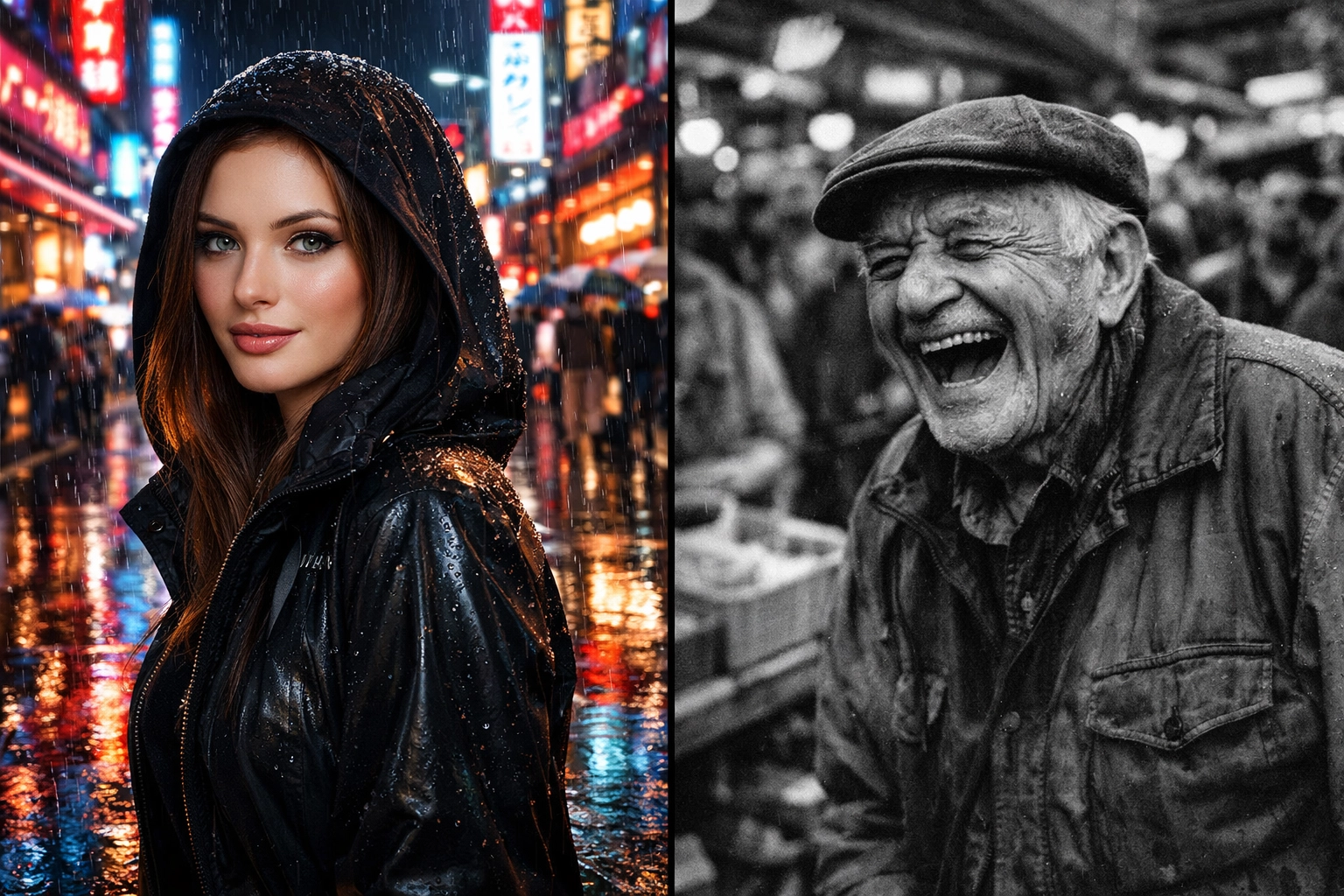
Alt text: Ultra-realistic comparison of AI-generated street photography versus authentic candid shots showing the subtle differences in human emotion.
The news today highlights that the "witness" is becoming more valuable than the "creator." As the internet becomes flooded with synthetic, perfect images, the value of a real, documented moment is skyrocketing. People want to know that you were there. If you’re looking to sharpen your skills in the "real world," check out our 25 creative street photography ideas you’ve never thought of to help you capture those authentic moments that AI just can't fake.
The 2026 Camera Releases: Is This the Peak of Mirrorless?
We’ve seen some massive leaks today regarding the upcoming flagship releases from the "Big Three." The latest camera technology trends in 2026 are focusing heavily on computational photography inside the body.
We are talking about sensors that don’t just capture light, but analyze the scene in real-time to predict subject movement based on thousands of hours of sports and wildlife footage. For those of us shooting weddings or high-speed action, this is a game-changer. The hit rate for tack-sharp eyes is approaching 100%.
But is it still "photography" if the camera does the heavy lifting?
The answer is yes, but the skill set is shifting. You still need to know how to frame a shot, how to talk to a subject, and how to find the light. If you’re feeling a bit overwhelmed by the technical side, take a step back and look at our ultimate guide to photography tutorials. It’s easy to get lost in the gear, but the fundamentals never change.
For a deeper dive into specific specs and comparisons of these new releases, you should definitely head over to ProShoot.io, where they break down the technical benchmarks in a way that actually makes sense.
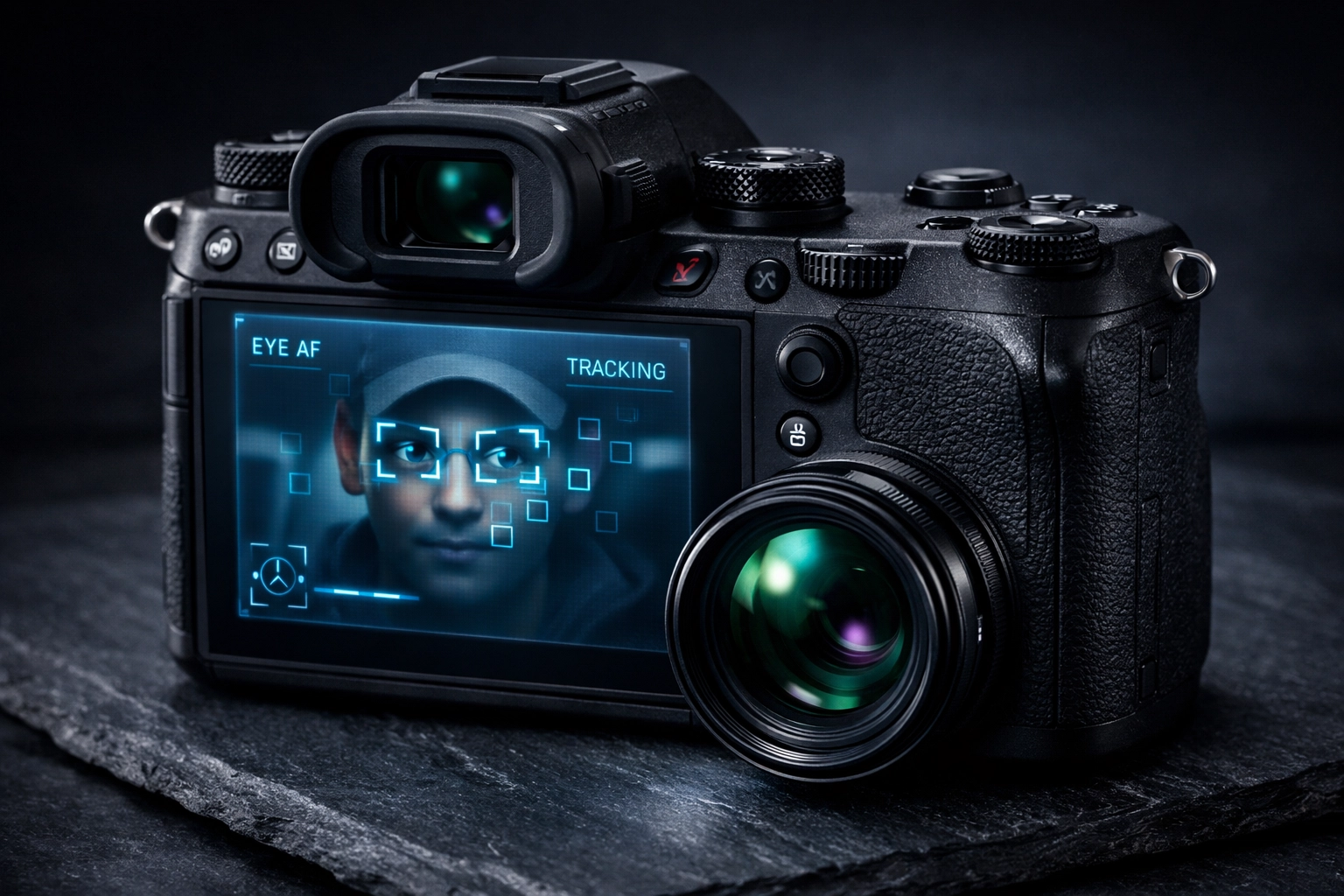
Alt text: High-end mirrorless camera with a futuristic AI-assisted holographic interface showing subject tracking and light analysis.
Smartphone Photography: Not Just for Your Lunch Anymore
Today’s news also dropped some bombs regarding the latest smartphone sensor updates. We are reaching a point where the gap between a high-end smartphone and a mid-range mirrorless camera is becoming a thin, blurry line.
In 2026, many professional photojournalists are opting for smartphones for "first-on-the-scene" reporting. The internal processing is so advanced now that low-light capabilities are rivaling full-frame sensors from just a few years ago.
This democratization of photography is a double-edged sword. Everyone is a photographer now, which means you have to work harder to stand out. It’s not enough to have a clear picture; you need a unique perspective. This is why mastering specific niches, like event coverage, is so important. If you’re curious about what you need to compete, our ultimate guide to event photography gear will keep you ahead of the curve.
Authenticity is the New Luxury
One of the biggest talking points in the industry today is the "Authenticity Movement." With the rise of AI and heavy-handed editing, there’s a growing backlash. Clients: especially in the wedding and portrait space: are starting to ask for "raw" or "unfiltered" looks. They want the grain, the slight motion blur, and the real skin textures.
This is a huge opportunity for photographers who focus on storytelling rather than perfection. If you want to dive into how to capture these epic, real-life scenes, you have to read the ultimate guide to landscape photography. It’s all about being in the right place at the right time and knowing how to handle the environment.
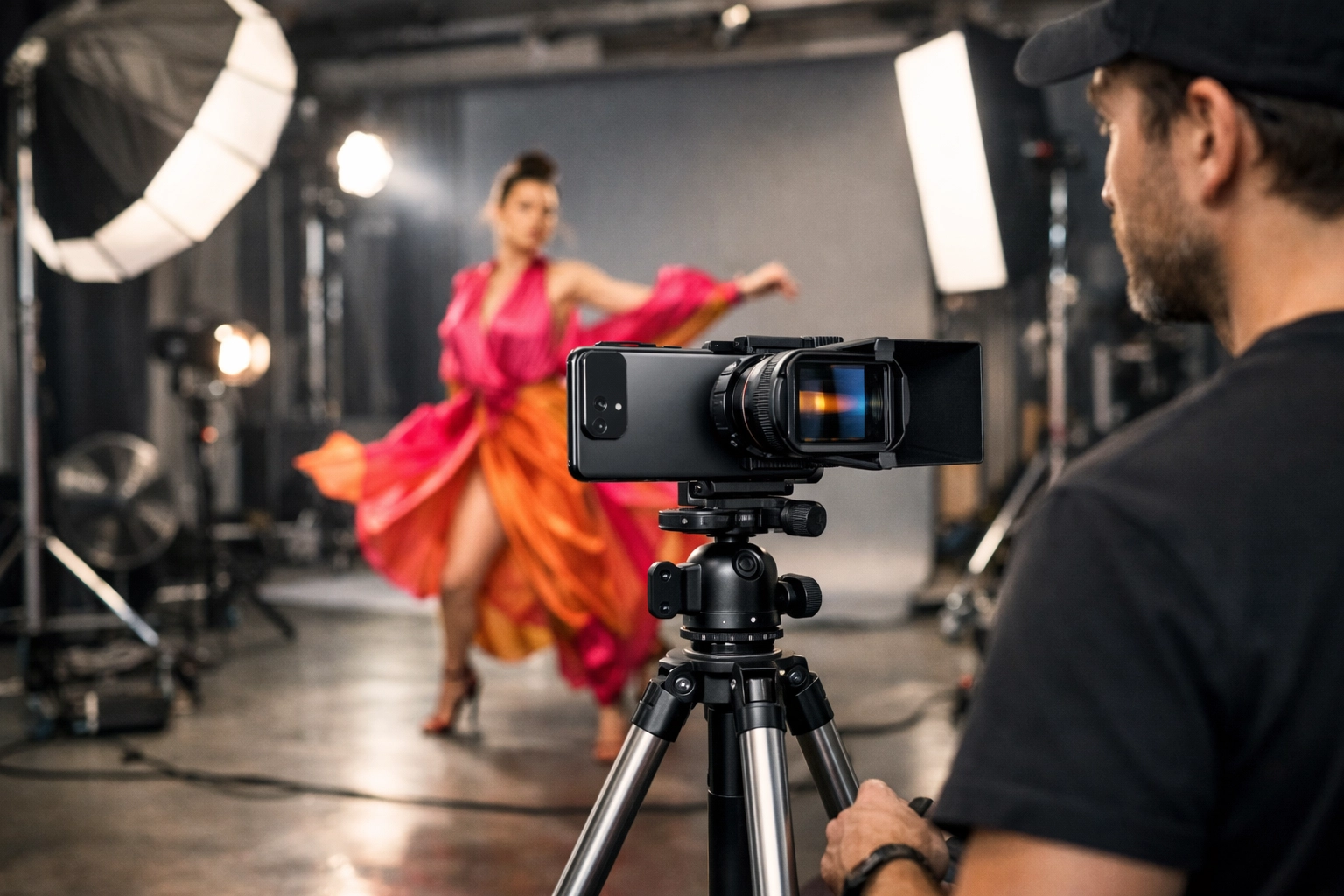
Alt text: Professional photographer using a smartphone with external lenses in a high-fashion studio setting to demonstrate mobile professional work.
Common Editing Mistakes (And How Today’s News Fixes Them)
With all the new software updates announced today, it’s a great time to audit your workflow. Most photographers are still making the same three or four mistakes that make their work look "amateur" despite having $5,000 cameras.
- Over-sharpening: AI sharpening is great, but don't let it make your subjects look like they’re made of plastic.
- Bad Sky Replacements: We’ve all seen them. A sunset sky with a midday foreground. Tools like Luminar are getting better at matching the lighting automatically, but you still need a critical eye.
- Ignoring the Histogram: In the rush to use "one-click" presets, many are losing detail in the highlights and shadows.
We actually have a full breakdown of the 7 mistakes you’re making with photo editing that you should check out. Fixing these will do more for your portfolio than any new camera release could.
The Industry Shift: From "Creator" to "Witness"
The photography industry is splitting into two distinct paths.
On one side, you have the "Creators": those who use AI, heavy editing, and composite techniques to build a world that doesn't exist. This is incredible for advertising, concept art, and high-fashion.
On the other side, you have the "Witnesses." These are the photographers capturing the world as it is. Street photographers, documentarians, and landscape artists.
Today’s news confirms that the "Witness" is becoming a premium brand. As synthetic images become free and instant, the "proof of presence" is what people will pay for. If you’re a portrait photographer, your job isn't just to take a pretty picture; it’s to capture a soul. Check out our ultimate guide to portrait photography techniques to learn how to connect with your subjects on a deeper level.
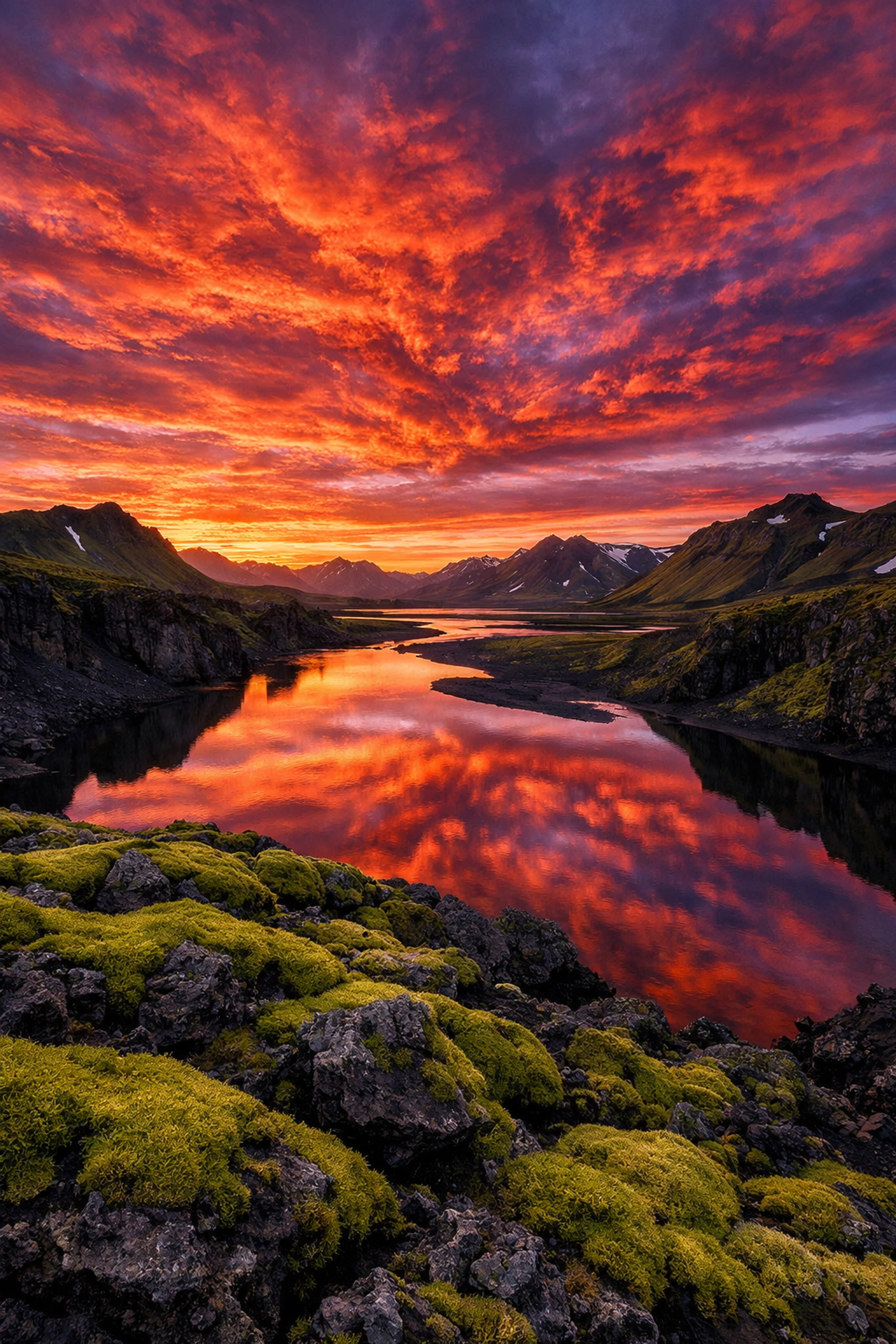
Alt text: Stunning landscape shot of a mountain range with dramatic clouds edited using AI sky replacement tools to look natural.
Why You Should Care About the "Daily Buzz"
It’s easy to dismiss industry news as just noise. "I have a camera, I have a lens, why do I care about a software update?"
You should care because the expectations of your clients are changing. If they see a commercial with perfect AI lighting, they’re going to wonder why your natural light portraits don't have that same "pop." If they hear about cameras that can track a bird’s eye through a forest, they’re going to expect you to never miss focus at their daughter’s graduation.
Staying informed isn’t about buying every new gadget. It’s about knowing what’s possible so you can adapt your style and your business model. For more insights on the business and the soul of photography, Edin Chavez often shares his personal takes over at blog.edinchavez.com.
What to Do Next?
The news is moving fast, but your growth shouldn't be frantic. Here’s a quick checklist based on today’s industry shifts:
- Experiment with AI, don't fear it. Download a trial of Luminar and see how it can speed up your workflow.
- Focus on your niche. Are you a "Creator" or a "Witness"? Pick a lane and master it.
- Audit your gear. Do you really need the 2026 flagship, or do you need to master the gear you have? Often, a new technique (like mastering night sky filters in Photoshop) is more valuable than a new body.
- Connect with the community. Keep reading, keep shooting, and keep sharing.
The world of photography is crazier than it’s ever been, but it’s also more exciting. We have tools that our predecessors would have killed for. Use them.
Stay tuned to Shut Your Aperture for the latest updates. We’re out here every day sorting through the hype to bring you what actually matters. Now, put down the phone (unless you’re shooting with it) and go take some photos. The world is waiting.