Categories: News, PHOTO SERIES, TUTORIALS, TRAVEL
Tags: News, PHOTO SERIES, TUTORIALS, TRAVEL
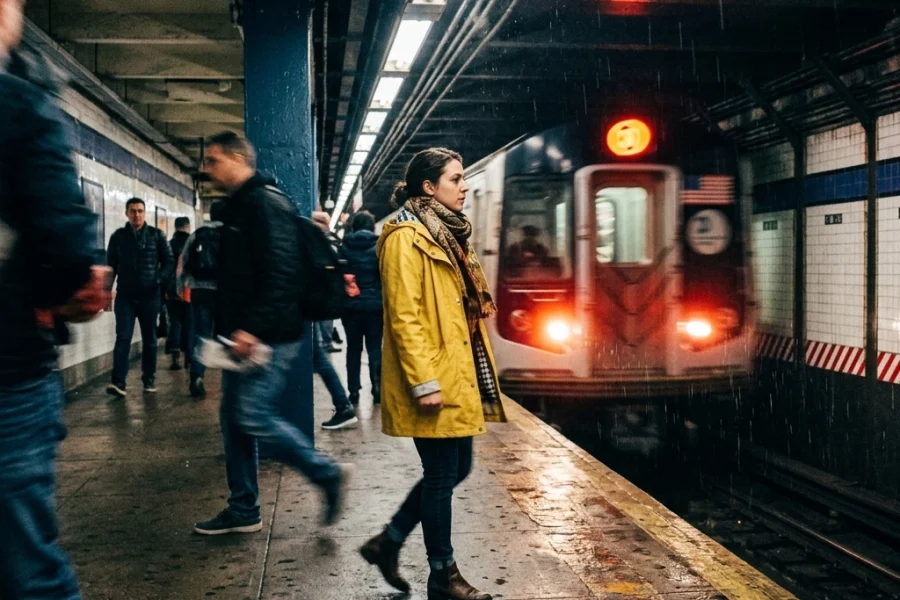
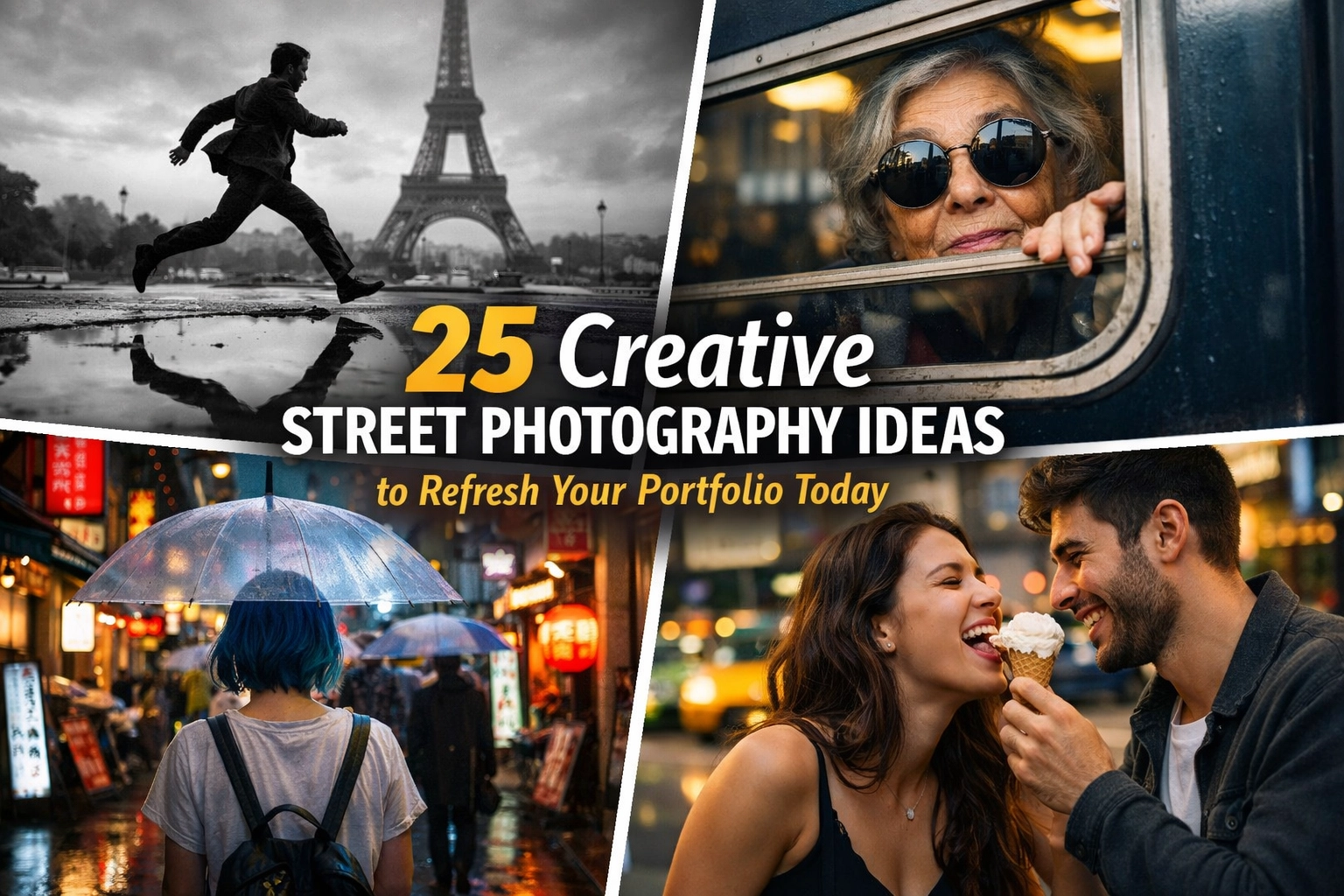
Let’s be honest: street photography is hard. It’s one of the few genres where you can walk ten miles, sweat through your shirt, and come home with exactly zero keepers. We’ve all been there. You’re standing on a busy corner, camera in hand, and everything feels… boring. You’ve seen the same "person walking past a wall" shot a thousand times. Your portfolio is starting to look like a collection of backs-of-heads and blurry pigeons.
If you’re feeling stuck, don't worry. Creative burnout is just a sign that you need a new mission. To get those creative juices flowing again, I’ve put together a list of 25 street photography ideas that will push you out of your comfort zone and help you see the city in a completely different light.
Whether you're using a high-end Leica or just your smartphone, these ideas are designed to help you stop looking and start seeing.
1. The Bravery Test: Street Portraits
Most street photographers are "snipers", they hide in the shadows and long-lens their subjects. Break that habit. Approach a stranger whose face tells a story and ask, "Hey, can I take your portrait?" It’s terrifying at first, but the results are far more intimate. You’ll find that most people are actually flattered. If they say no, just smile and move on.
2. Context is King: Environmental Portraits
Instead of a tight shot of a face, step back. Show where the person is. A baker covered in flour in their shop, or a mechanic surrounded by grease and gears. The environment tells half the story. If you're looking for unique spots to try this, check out our list of hidden gem locations for travel photography.
3. High Contrast: Silhouettes Against the Light
Wait for the "Golden Hour" when the sun is low. Position yourself so the sun is behind your subject. Underexpose your shot to turn the person into a black shape against a bright background. This works incredibly well with neon signs at night too.
4. Get Close: Macro Street Photography
Who says street photography has to be wide? Focus on the details. A weathered hand holding a cigarette, the texture of a worn-out leather jacket, or the way rain beads on a taxi window. These "micro-moments" add a tactile feel to your portfolio.
5. The Language of Hands
Hands are incredibly expressive. They show age, hard work, nervousness, or affection. Try spending an entire afternoon only photographing people’s hands. It’s a great way to tell a human story without ever showing a face.

6. Chase a Feeling: The Emotional Series
Pick one emotion, loneliness, joy, hurry, or boredom, and try to capture it across ten different images. This forces you to look past the surface of a scene and actually feel the vibe of the street. It’s a classic exercise used by the pros at Shut Your Aperture to sharpen their storytelling skills.
7. The Sequential Narrative
Street photography doesn't always have to be a single "decisive moment." Try to capture a beginning, middle, and end. Someone buying a newspaper, reading it on a bench, and then leaving it behind. It creates a mini-movie within your portfolio.
8. Human Connection
In an age where everyone is glued to their phones, genuine human interaction is a goldmine. Look for couples whispering, friends laughing, or a parent comforting a child. These moments are timeless and resonate with everyone.
9. Modern Realities: Current Issues
Street photography is often accidental history. Document the world as it is right now. Whether it’s political protests, the rise of new technology, or the way people navigate construction zones, these shots will be even more valuable fifty years from now.
10. The Dance of Light and Shadows
Light is your best friend, but shadows are your secret weapon. Look for "pools" of light on the sidewalk and wait for someone to walk through them. This high-contrast style is perfect for post-processing in Luminar, where you can really make those blacks pop and the highlights sing.
11. Reflections: The World in a Puddle
After a rainstorm, the street becomes a giant mirror. Get low, like, "don't mind the wet pants" low: and shoot the reflections in puddles. It adds a surreal, dreamlike quality to your work. You can find more tips on this in our guide to discovering ethereal landscapes for captivating shots.
12. Night Moves: Urban Silhouettes
When the sun goes down, the city changes. Use the light from shop windows or street lamps to create dramatic silhouettes. The high ISO noise can actually add a nice gritty texture to these shots, making them feel more "street."
13. Geometric Patterns
The city is made of shapes. Look for repeating patterns in windows, stairs, or railings. Incorporate a human element into these geometric scenes to provide a sense of scale and life.

14. A Bird’s Eye View
Find a bridge, a balcony, or a rooftop. Shooting from above flattens the perspective and turns the street into a graphic composition. People look like ants, and the shadows they cast become long, interesting shapes. If you're traveling, finding lesser-known vistas for enigmatic photos is the best way to get this perspective.
15. The Worm’s Eye View
Do the opposite of the previous tip. Put your camera on the ground and tilt it up. This makes buildings look towering and subjects look heroic. It’s a great way to make a mundane sidewalk look epic.
16. The "Fishing" Technique
Pick a great background: maybe some cool street art or a weirdly shaped doorway: and just stay there. Don't move. Wait for the right person to walk into your frame. It’s much more efficient than chasing subjects around.
17. Two-Wheeled Subjects: Bicycles
Bicycles are a staple of urban life. They have great lines and circles. Photograph them parked, being ridden, or even leaning against a wall. They add a sense of motion and classic city vibes to any shot.
18. City Critters: Local Animals
Don't ignore the non-humans. Street dogs, alley cats, or even the ubiquitous city pigeon can be great subjects. They often interact with the urban environment in ways humans don't, providing a fresh perspective.
19. Street Style: Fashion
You don't need a runway to shoot fashion. The street is the ultimate catwalk. Look for people with unique styles, bright colors, or vintage looks. This is a great way to practice your timing and composition with fast-moving subjects.
20. Textures and Decay
The city is constantly peeling, rusting, and breaking. Capture the texture of a rusted door or a wall covered in layers of torn posters. For more on this, read our article on using rare textures for tangible aesthetic photography. These shots work great as fillers in a photo book or gallery.

21. Modern Mobility
From electric scooters to skateboards and unicycles, people move through cities in weird ways. Capture the blur of a skateboarder or the focused face of someone on a Vespa. It’s all about the energy of the city.
22. Under Construction
Roadworks and scaffolding might seem like an eyesore, but for a photographer, they are full of lines, bright orange colors, and interesting "cages" for your subjects. Embrace the mess.
23. Juxtaposition: The Holy Grail
This is the hardest but most rewarding street photography idea. Look for two things that shouldn't go together but do. A businessman walking past a "No Entry" sign, or a person eating a burger in front of a fitness ad. It adds wit and intelligence to your portfolio. Check out some master examples over at blog.edinchavez.com.
24. Minimalism: Less is More
Try to take a photo with as few elements as possible. One person, one shadow, and a lot of empty space. This forces the viewer to focus entirely on your subject.
25. The Beauty of Blur: Slow Shutter Speeds
Turn your shutter speed down to 1/15th or 1/8th of a second. Let the world blur around a stationary subject, or pan your camera with a moving subject. It creates a sense of speed and chaos that perfectly captures the feeling of a busy city.

Putting It All Together
Refreshing your portfolio isn't about buying a new camera; it's about changing how you use the one you have. If you're feeling uninspired, pick just one of these ideas and commit to it for a week.
Once you’ve captured your raw shots, the real magic happens in the edit. I personally use Luminar to bring out the grit and soul of my street shots. It’s fast, simple, and handles high-contrast street scenes like a champ.
Street photography is a marathon, not a sprint. You’re going to fail a lot. You’re going to miss shots. You’re going to get weird looks. But when you finally nail that perfect juxtaposition or that haunting street portrait, it’s all worth it.
If you’re looking to take your professional game to the next level, I highly recommend checking out ProShoot.io for some top-tier industry insights, or visit EdinStudios.com to see how we handle commercial street-style projects.
For those who want to see these concepts in action through a fine art lens, EdinFineArt.com has some incredible galleries that push the boundaries of what street photography can be.
Now, grab your camera, get out there, and shut your aperture! The street is waiting. For more inspiration on where to head next, check out our guide on finding hidden gems for stunning travel photography.