Street photography is often misunderstood as just taking pictures of people walking down the sidewalk. But if you’ve ever spent an afternoon pacing the pavement only to come home with a memory card full of "boring" shots, you know it’s much harder than it looks. The secret isn't just about being in the right place at the right time; it’s about training your eyes to see the extraordinary in the mundane.
Whether you are a seasoned pro or just unboxing your first compact point-and-shoot, finding a fresh perspective is the only way to stand out in a world saturated with images. We want to move past the "guy walking past a wall" trope and dive into techniques that challenge your creativity.
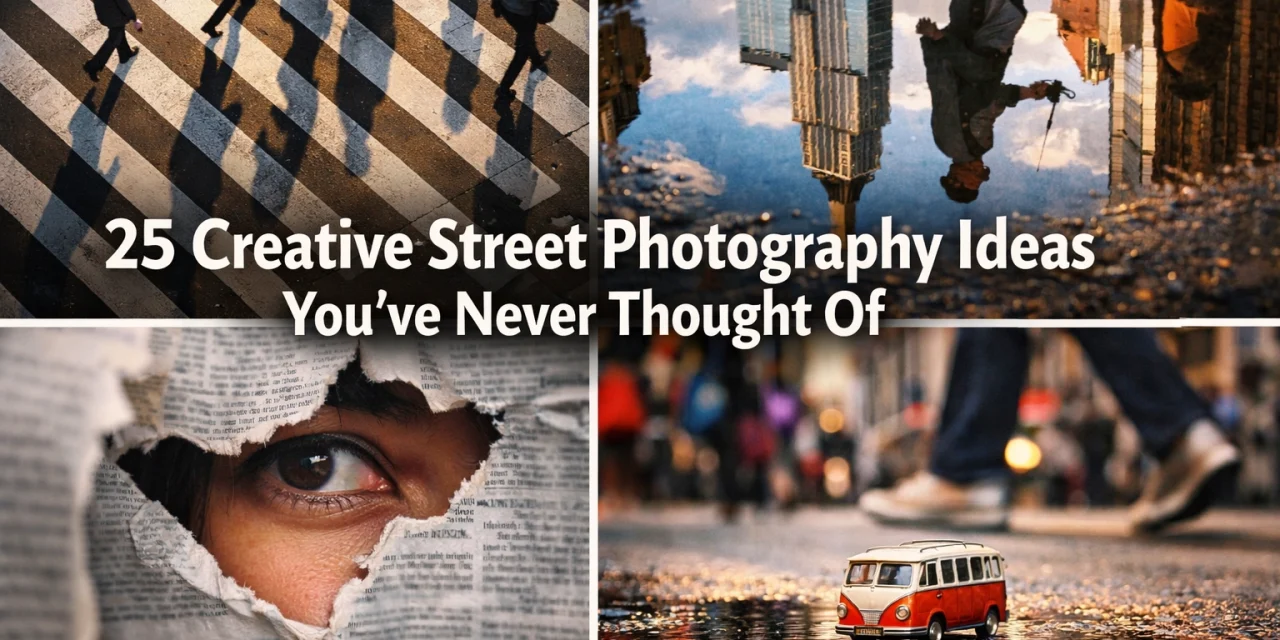
Here are 25 creative street photography ideas that will help you break out of your comfort zone and start capturing the urban landscape like never before.
Mastering Motion and Light
The city never stops moving, so why should your camera? Freezing a moment is great, but showing the passage of time can add a whole new layer of storytelling to your work.
1. Motion Blur with Cars
Nighttime is the best time to play with this. Instead of trying to get a sharp shot of a taxi, find a corner with heavy traffic and slow your shutter speed down. You’re looking for those streaks of red and white light that signify the pulse of the city. If you need a hand perfecting the colors of those light trails afterward, Luminar has some killer tools for enhancing neon glows and light paths without making them look fake.
2. Motion Blur Through Crowds
Step into a busy subway station or a crowded plaza. Keep your camera steady (or use a small tripod) and set a longer exposure. The stationary elements of the architecture will stay sharp, while the people become ghostly smears of color. This emphasizes the feeling of collective movement: the "rat race" vibe that defines many urban centers.
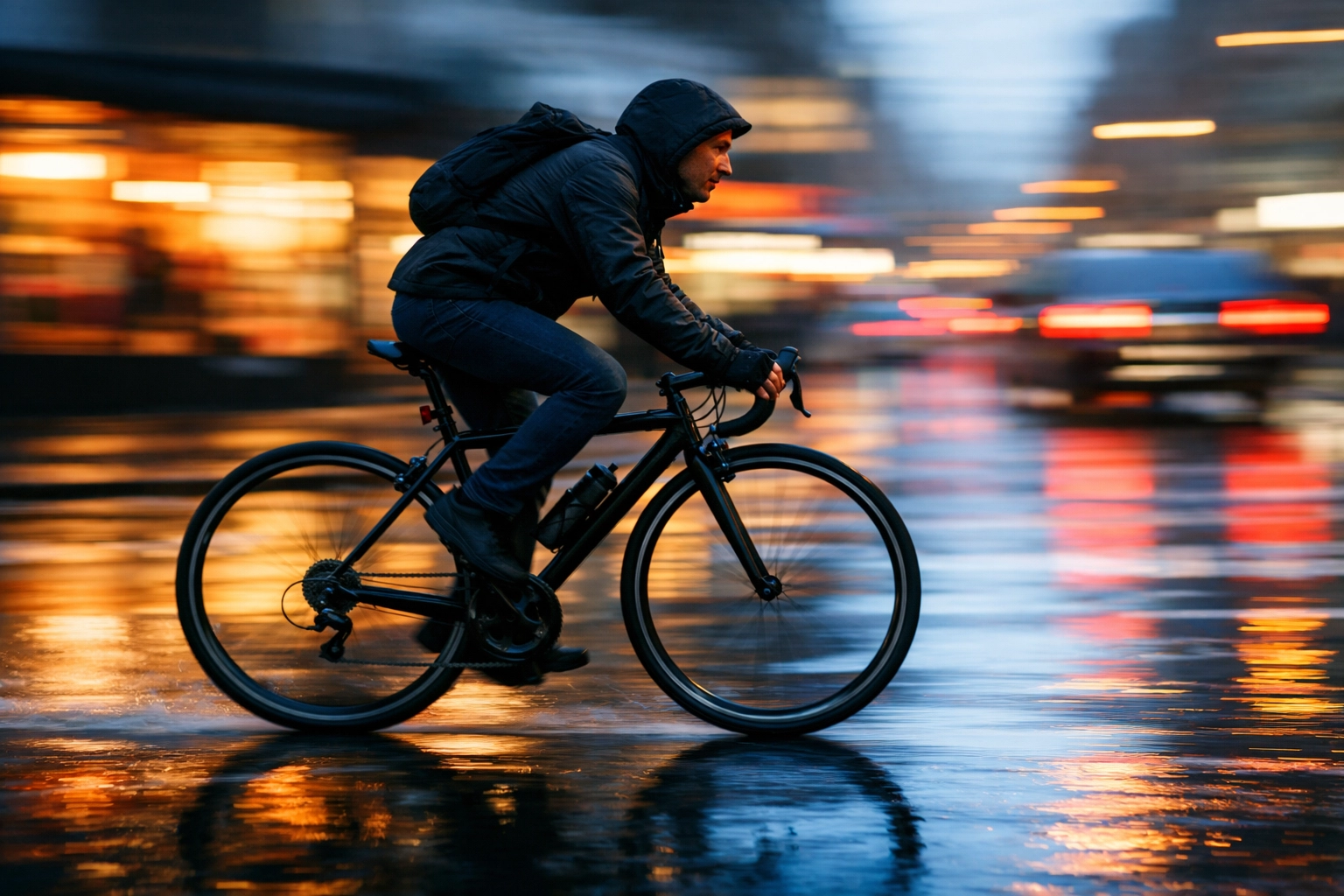
3. Motion Blur with Cyclists
Cyclists are faster than pedestrians but slower than cars, making them the perfect subject for panning. Follow the cyclist with your camera as they pass, matching their speed while the shutter is open. This exaggerates their speed and makes the background a streaky mess of texture, keeping the focus entirely on the rider.
4. Direct Flash in the Daytime
Most people think flash is only for dark rooms. In street photography, using a flash in broad daylight can create a gritty, high-contrast look that feels very "New York in the 70s." It fills in harsh shadows and makes your subject pop from the background in a way that feels intentional and edgy.
5. Neon Night Photography
Focus on the light itself rather than just what it’s illuminating. Look for the way neon signs reflect off wet pavement or windows. This is especially effective in nightlife districts. For more on this, check out our guide on how to unlock secrets to enchanting urban photography.
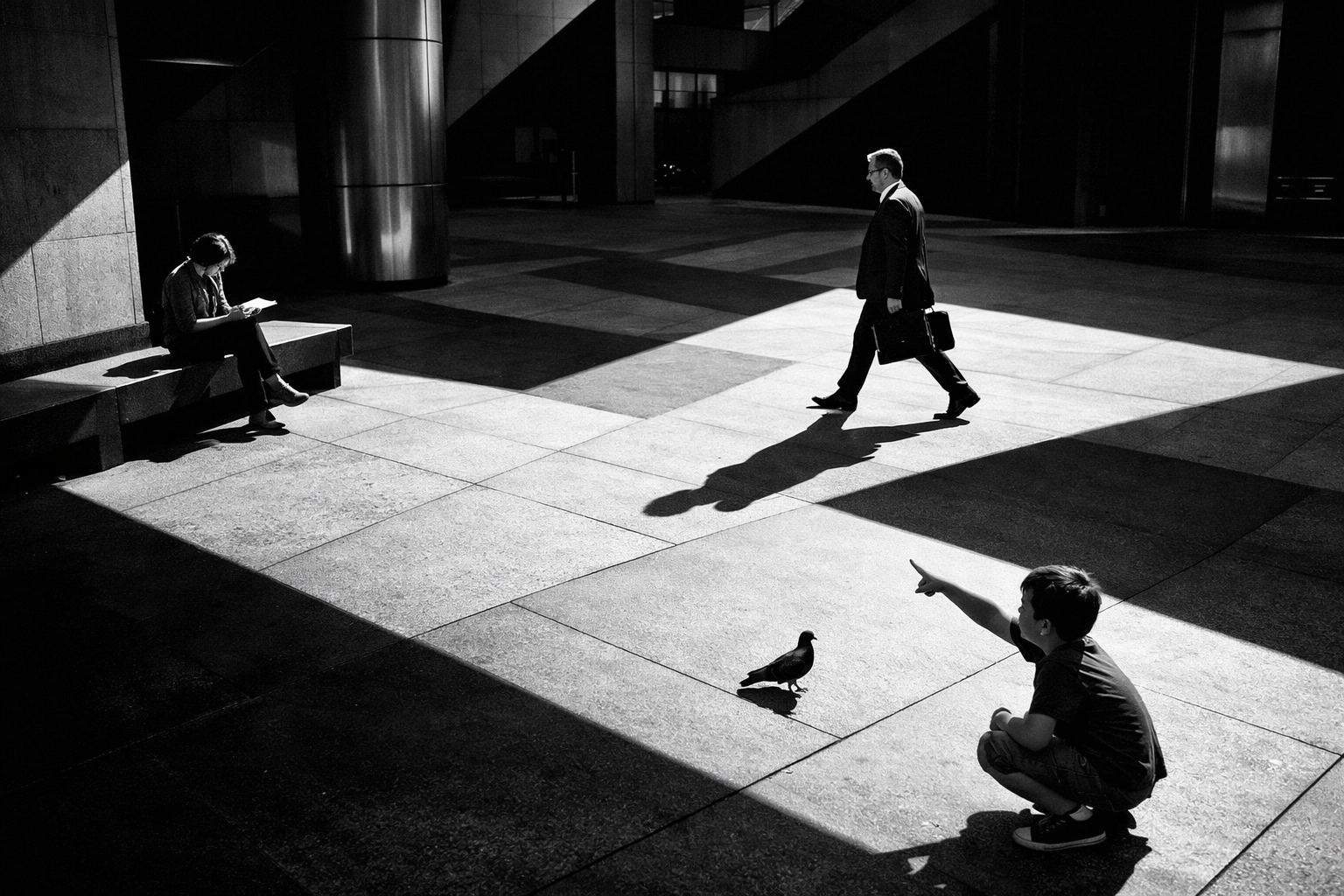
6. The Power of Black and White
Sometimes, color is a distraction. Strip it away to focus purely on light, shadow, and geometry. Street photography is where black and white truly shines because it simplifies the chaos of a busy city street.
Composition and Framing Secrets
Composition is the difference between a snapshot and a piece of art. It’s about how you lead the viewer’s eye through the frame.
7. The Obstruction Technique
Don't always look for a clear view. Try shooting through things. A dirty window, a chain-link fence, or even some foliage in a park can add depth and a sense of "voyeurism" to your shot. It makes the viewer feel like they are peeking into a private moment.
8. Embracing Negative Space
You don't need to fill the whole frame with "stuff." A tiny silhouette of a person against a massive, blank concrete wall can be incredibly powerful. This minimalist approach highlights your subject by giving them room to breathe. If you're looking for unique textures to use as backdrops, read up on using rare textures for tangible aesthetic photography.
9. Juxtaposition for Storytelling
Look for contrasts. An old man sitting under a billboard of a young model. A high-end luxury car parked next to a pile of trash. These "visual jokes" or social commentaries are the bread and butter of great street photography.
10. Extreme Angles
Stop shooting from eye level. Most people see the world from 5.5 feet up. Get down on the ground or find a rooftop. Shooting from a very low angle can make your subjects look heroic or looming, while a high angle can turn a busy street into an organized pattern of shapes.
11. Puddles and Reflections
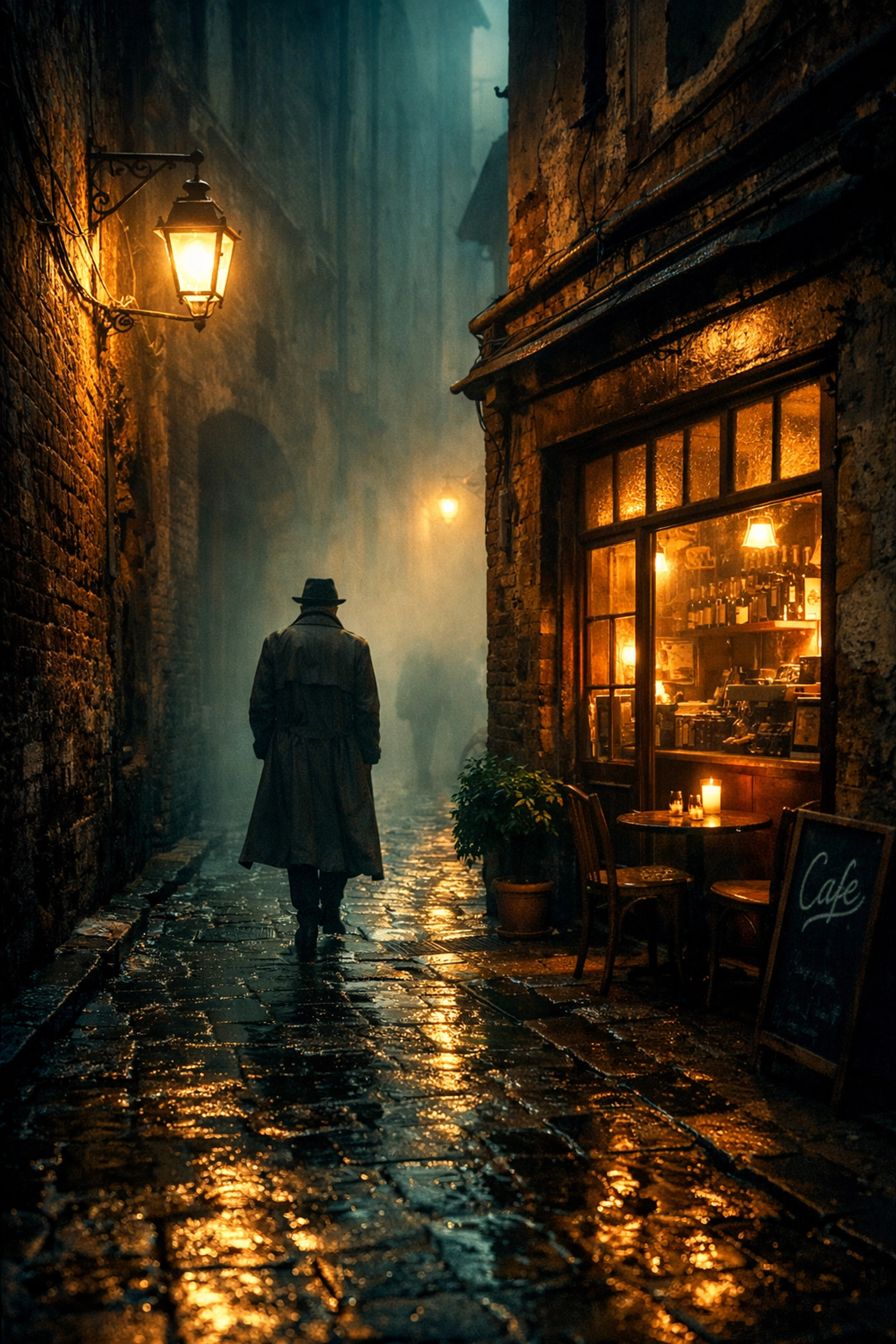
Rainy days are a gift. Puddles are natural mirrors. Instead of shooting the building directly, shoot its reflection in a puddle. It adds an ethereal, painterly quality to your work. For more tips on working with elements like this, see our article on water photography: capturing beauty in motion.
12. Frame within a Frame
Use the environment to create a "secondary frame." This could be an archway, a doorway, or even the space between two parked cars. It draws the eye directly to the subject and adds a sophisticated layer to your composition.
13. Triangular Composition
Our brains love triangles. If you can position three subjects or points of interest in a triangular shape within your frame, it creates a sense of balance and movement that feels satisfying to the viewer.
Shifting Subject and Perspective
Who you shoot is just as important as how you shoot them. Sometimes, the most interesting part of a person isn't their face.
14. Decapitate Your Subjects
Not literally, of course. Try framing your shots so the subject’s head is cut off. Focus on their hands, their shoes, or the way they carry a bag. This creates mystery. We don't know who they are, so we start to imagine their story.
15. The Glance Over the Shoulder
Wait for that split second when someone looks back. It could be someone looking for a bus or checking if they’re being followed. That look of realization or curiosity adds immediate tension to a photograph.
16. Hair Playing
Candid shots of people playing with their hair, fixing a ponytail, or a gust of wind blowing hair across a face can be very expressive. It’s a small, human gesture that feels intimate.
17. Shoot from the Hip
If you’re feeling shy about bringing the camera to your eye, try shooting from the hip. This involves holding the camera at waist level and clicking the shutter without looking through the viewfinder. It leads to very candid, unposed perspectives because people don't realize they're being photographed.
18. The Cut-Off Technique
Walk diagonally toward a subject and click as you pass by. This requires some guts and a wide-angle lens, but it results in a very immersive, "in your face" style of street photography that feels energetic and raw.
Location-Specific Creativity
The environment dictates the mood. A tunnel feels different than a beach, and your photography should reflect that.
19. Street Art as a Backdrop
Don't just take a photo of the graffiti: use it. Find a mural and wait for a person to walk by whose outfit or movement complements the art. You’re looking for a dialogue between the stationary art and the moving subject.
20. Street Tunnels and Underpasses
Tunnels provide amazing leading lines and dramatic lighting. Usually, there’s a bright "light at the end of the tunnel" that you can use to silhouette your subjects. It’s a classic look for a reason.
21. Street Performers
Musicians, magicians, and dancers are used to being watched. This makes them great subjects for practicing your motion blur or flash techniques. Try to capture the emotion in their performance rather than just a "record" of them standing there.
22. Nightlife Districts
The energy of a city changes after 10 PM. People are less guarded, the lights are more colorful, and the shadows are deeper. Photographing people entering or leaving clubs or standing under a neon sign at a diner can capture a side of the city that most people miss. For more on travel spots, visit PhotoGuides.org.
23. White Backdrop Subjects
Look for large, plain white or light-colored walls. When the sun hits them, they act like giant studio softboxes. If you position yourself so people walk past this wall, you can get high-key images that look like they were shot in a professional studio but are actually 100% candid.
24. Walking Toward Sunlight
Golden hour isn't just for landscapes. When the sun is low, have people walk toward it. You’ll get long, dramatic shadows and beautiful lens flare that adds a nostalgic, dreamy feel to your urban shots.
25. High-Traffic "Hidden" Gems
Don't just go to the tourist traps. Find the busy spots where locals hang out: the bus terminals, the small markets, or the local parks. These hidden gem locations for travel photography offer a more authentic look at the city’s soul.
Post-Processing Your Street Shots
Once you’ve captured your images, the work isn't done. Street photography often involves dealing with weird lighting and distracting background elements. This is where editing comes in. Using software like Luminar can help you quickly mask out distracting signs or enhance the texture of a concrete wall using their AI-driven tools.
Remember, the goal of editing in street photography isn't usually to make things look "perfect." It’s to emphasize the mood you felt when you were standing there. Sometimes that means adding a bit of grain to give it a film-like quality or crushing the blacks to make a silhouette more dramatic.
If you're looking for more inspiration on the artistic side of the craft, Edin Chavez often shares his personal street sessions on his personal blog, which is a great resource for seeing how these techniques look in practice.
Gear for Creative Street Photography
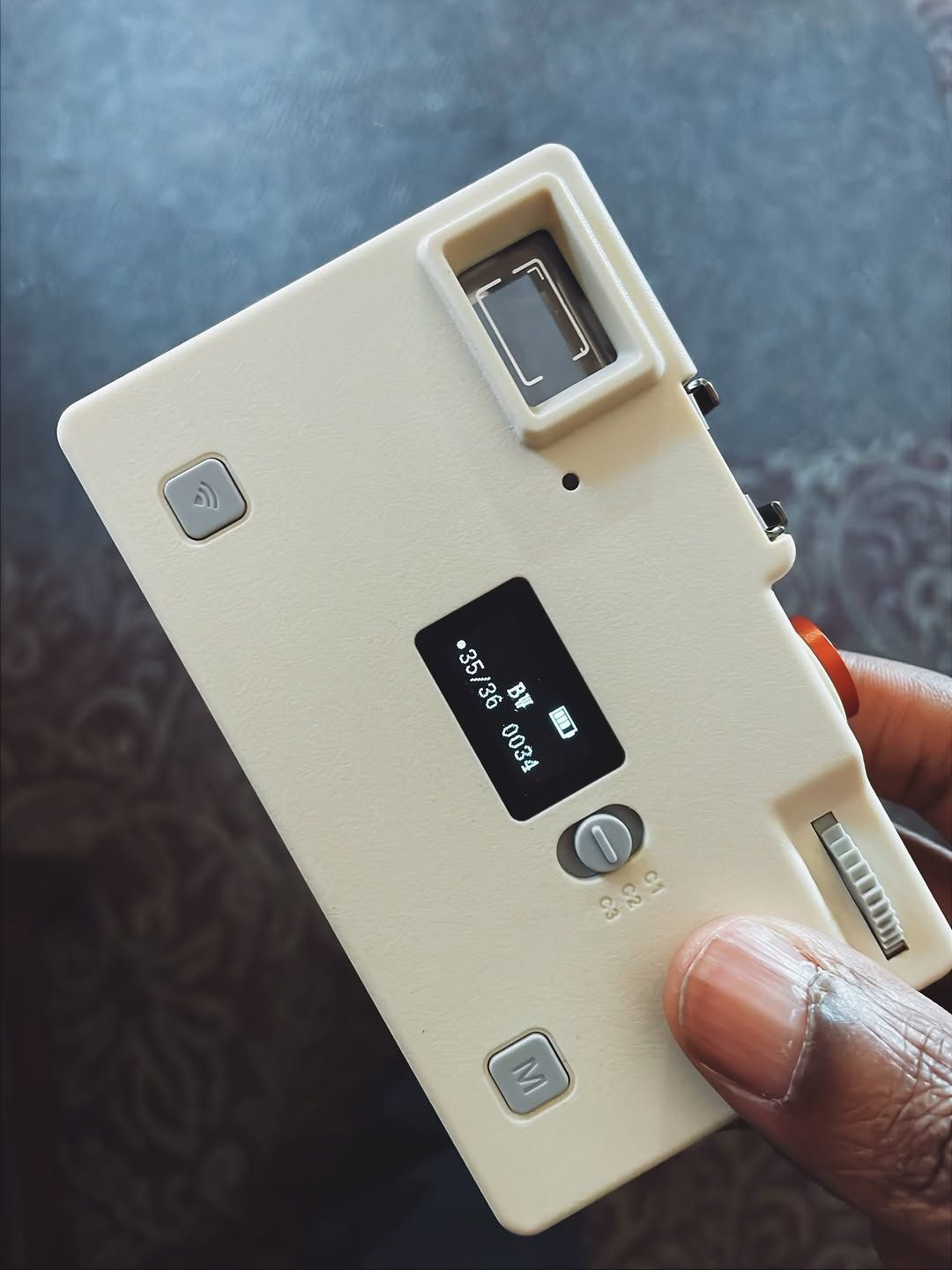
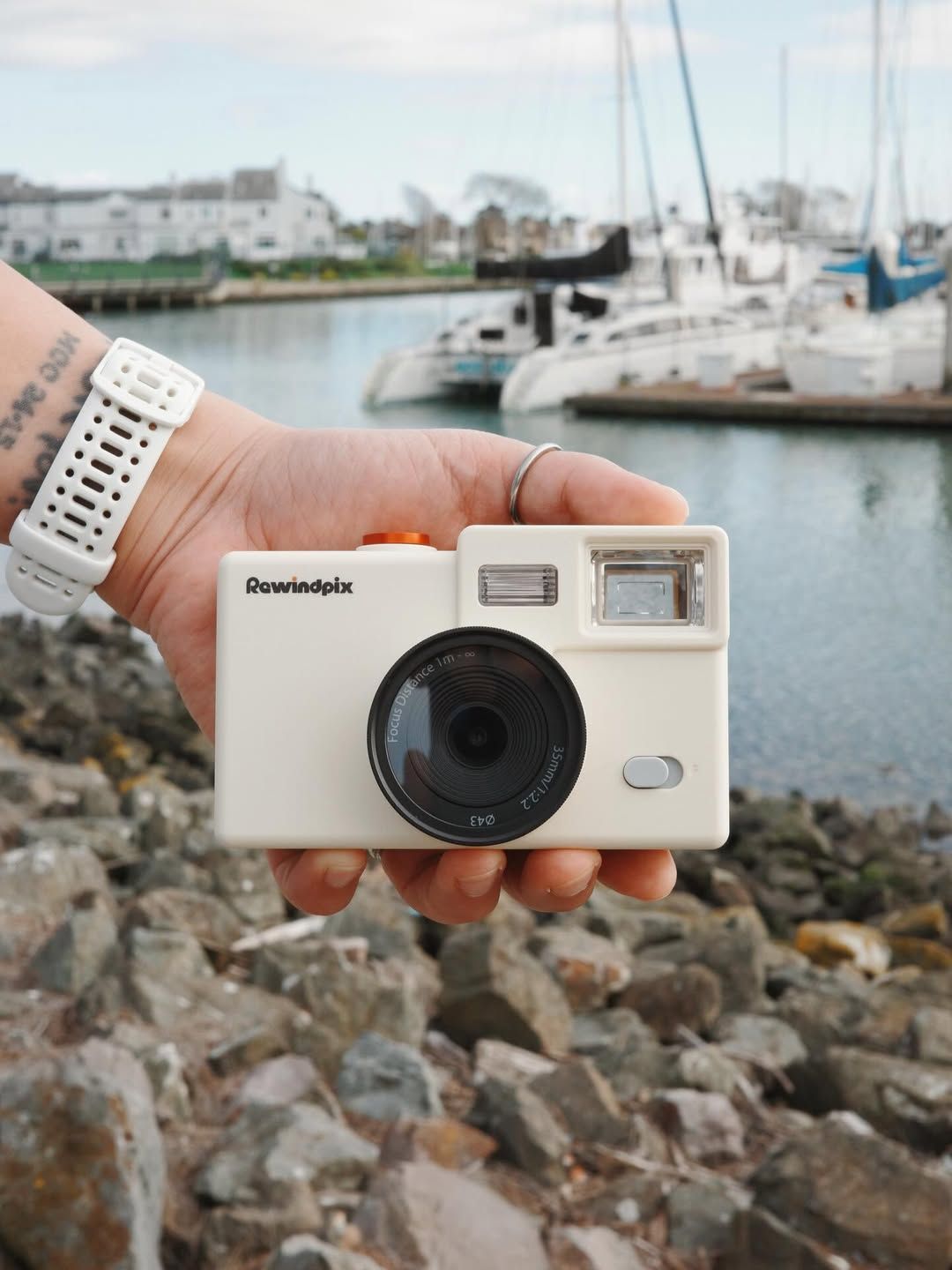
You don't need a $10,000 setup to be a great street photographer. In fact, a smaller camera is often better because it’s less intimidating to subjects. Whether you're using a DSLR, a mirrorless system, or even a specialized film-style digital camera, the best gear is the one you have with you.
For those looking to level up their technical skills or hire a professional to learn from, check out ProShoot.io for workshops and professional photography services. If you’re more into the fine art side of things, seeing how street elements translate into gallery-worthy pieces, take a look at Edin Fine Art.
Street photography is a marathon, not a sprint. You might walk ten miles and only get one shot you actually like. But that one shot: the one where the light, the subject, and the timing all align perfectly: is why we do it. So, grab your camera, hit the pavement, and try one of these 25 ideas today. The city is waiting.