Street photography is the ultimate test for any photographer. It’s fast, it’s unpredictable, and honestly, it can be a little intimidating. We’ve all been there: you grab your camera, head downtown, and suddenly realize you’re just taking the same photos as everyone else. A person walking past a wall. A bird on a bench. It gets old fast.
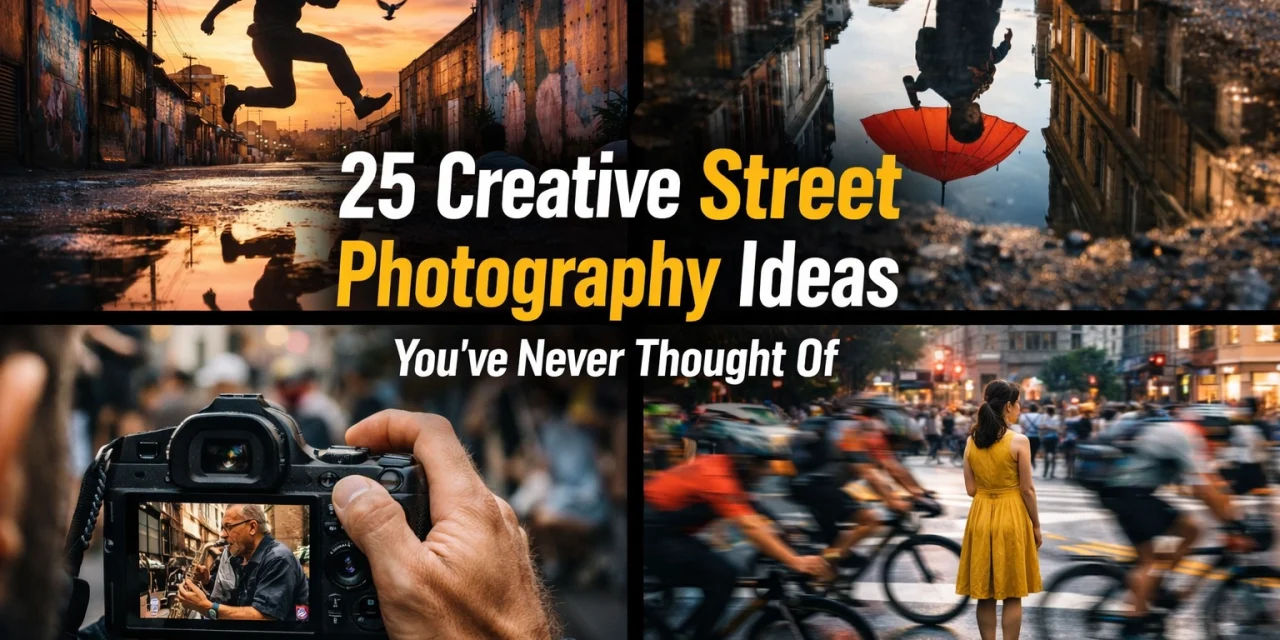
If you feel like you’ve hit a creative wall, don't worry. The "plateau" is just a sign that you’re ready for a new perspective. To help you break out of that funk, I’ve put together 25 creative street photography ideas that will push your boundaries and help you see the city in a completely different light.
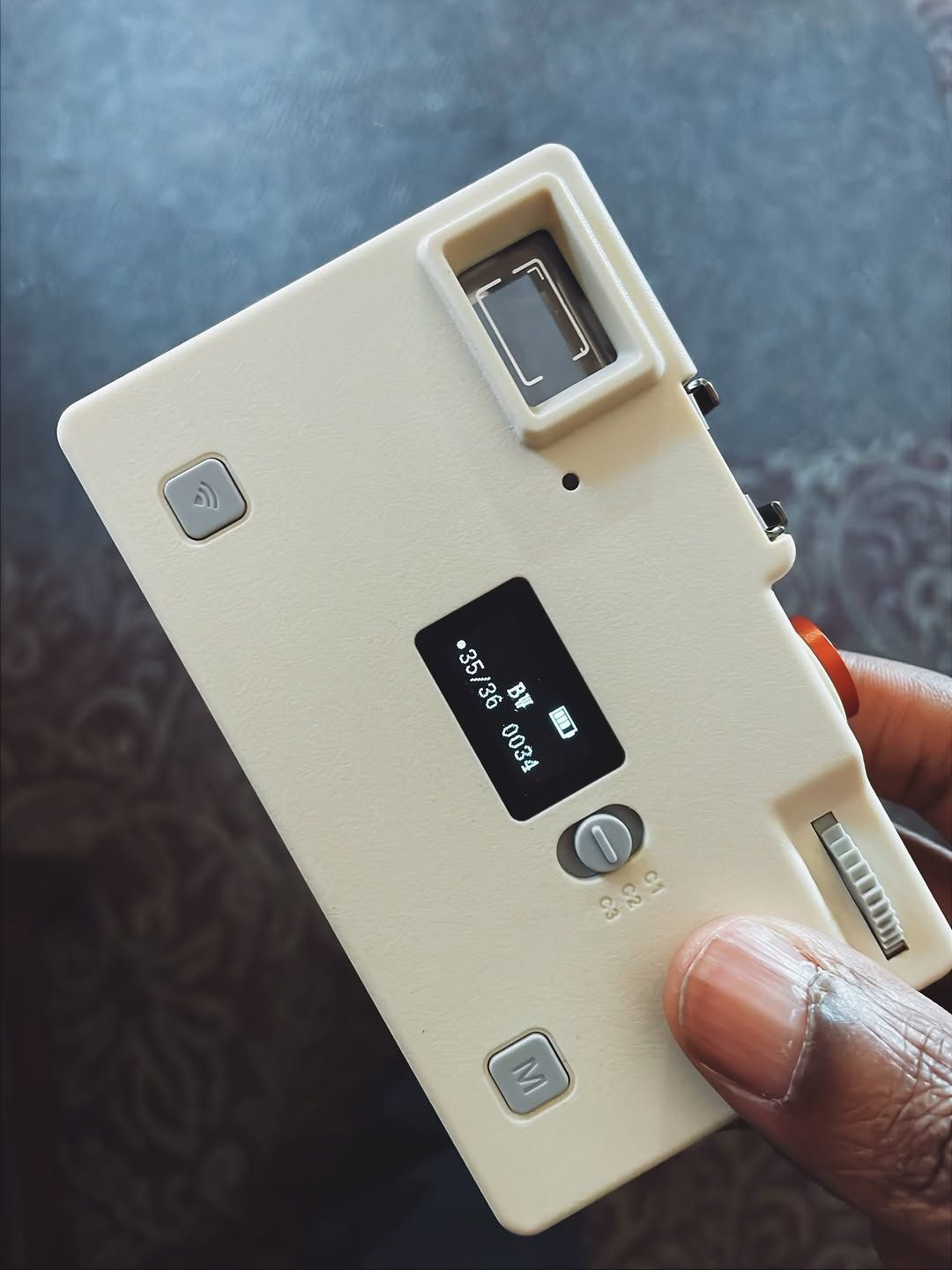
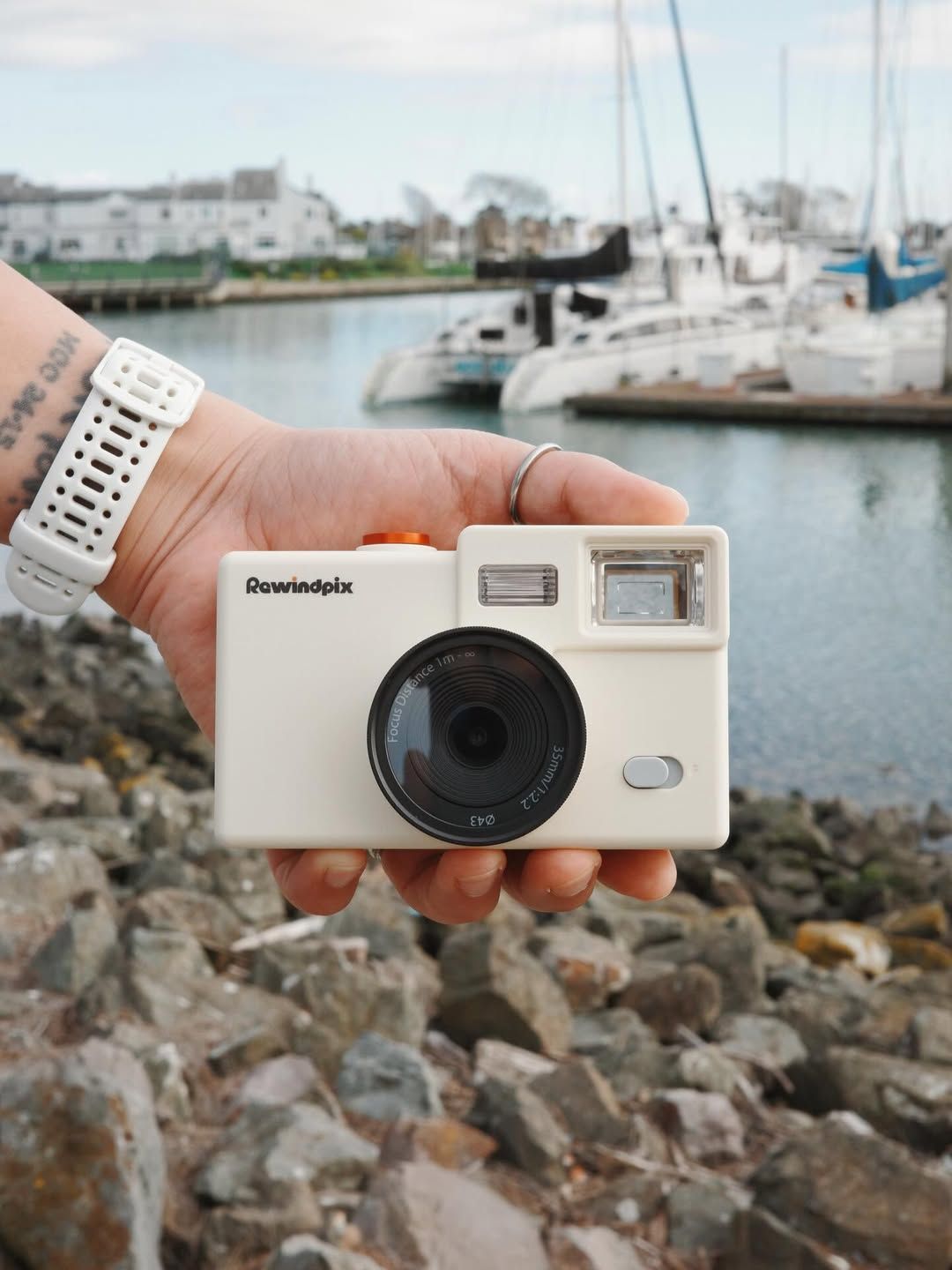
Whether you’re shooting with a high-end DSLR or a minimalistic retro camera, these ideas are designed to get you thinking outside the box.
1. Shoot Through Obstructions
Don’t always look for a clear line of sight. Sometimes, the most interesting stories are told through a "filter" of reality. Try shooting through fences, metal grates, or even thick foliage. This adds layers of depth and a sense of "voyeurism" to your images, making the viewer feel like they are peeking into a private moment.
2. Embrace Negative Space
We often feel the need to fill the frame with "stuff." Try the opposite. Find a massive, blank wall or a vast open plaza and wait for a single subject to enter. The minimalist vibe emphasizes the scale of the city and the isolation of the individual. It’s a powerful way to take better photos by simplifying the narrative.
3. The Art of Juxtaposition
This is street photography 101, but it’s hard to master. Look for contrasting elements. A billionaire walking past a homeless person, a "Fast Food" sign next to a gym, or a priest standing under a billboard for a horror movie. These visual tensions tell a story without saying a word.
4. Extreme Angles (Get Low or Get High)
Eye-level is boring. It’s how we see the world every single day. If you want your photos to stand out, change your altitude. Crouch down so low your camera is touching the pavement, or find a parking garage rooftop to look straight down. For more on how to nail these perspectives, check out these Steve McCurry composition tips.
5. Puddle Reflections (The "Upside Down")
After it rains, the city becomes a giant mirror. Use puddles to create perfectly balanced, symmetrical compositions. If you flip the photo vertically in post-processing: maybe using a tool like Luminar: it creates a surreal, dreamlike effect where the sky is on the bottom and the ground is on top.
6. Shop Window Reflections
Storefronts are a goldmine. Position your camera at an angle to the glass so you can capture both what’s inside the store and what’s happening on the street behind you. It creates a multi-layered image where two worlds collide in a single frame.
7. Frame Within a Frame
Use the environment to guide the viewer’s eye. Doorways, arches, and even the gap between two parked cars can act as a natural frame for your subject. This technique adds structure to the chaotic street environment.
8. Long Exposure Motion Blur
The city is always moving, so why try to freeze it? Use a slower shutter speed (1/15th or 1/8th of a second) to capture the blur of a passing cyclist or a rushing crowd. It conveys the "energy" of the urban environment better than a sharp shot ever could. For those looking to master the dark, learning how to take epic night photos is a game changer.
9. People Working
Candid street photography doesn't always have to be about people walking. People engaged in their craft: a chef in a window, a construction worker on a break, or a street sweeper: offer a glimpse into the mechanics of city life. Use a longer focal length to keep your distance and maintain the "candid" feel.
10. Architectural Motion Blur
This is a twist on the long exposure idea. Keep your camera on a tripod (or a steady ledge) to keep the buildings perfectly sharp while the people and cars around them turn into ghostly streaks. It emphasizes the permanence of the city against the fleeting nature of its inhabitants.
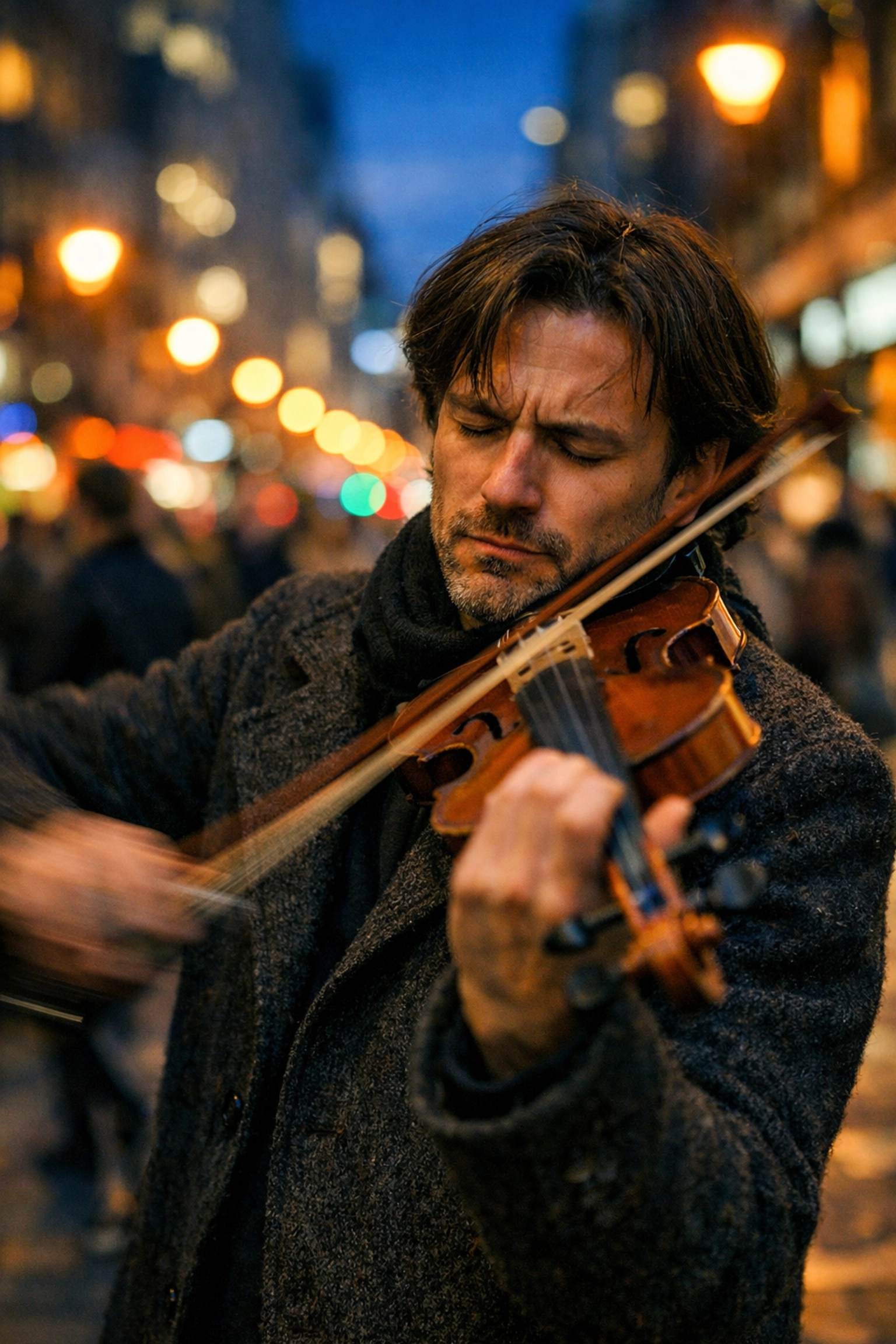
11. Street Performers (The Emotional Blur)
Musicians and dancers are fantastic subjects because they are used to being watched. Capture them with a bit of motion blur to show the movement of a bow across a violin or the spin of a breakdancer. It adds a layer of soul to the image.
12. Neon-Lit Street Art
At night, the city’s colors change. Find vibrant graffiti or street art and wait for the right light: maybe a neon sign or a passing car: to illuminate it. The mix of street art and artificial light creates a gritty, cinematic look.
13. Car Headlights as Light Sources
Forget the sun. Use the city's built-in lighting. Headlights and taillights can act as dramatic "rim lights" for pedestrians. If you time it right, you can get a silhouette of a person framed by the glow of a taxi.
14. Textures with Flash
Street photography isn't just about people; it's about the "skin" of the city. Use a flash to highlight the textures of peeling paint, rusty pipes, or fog-covered glass. The harsh light brings out details that the eye usually misses.
15. Fill-Flash Technique
During the "blue hour" or sunset, use a low-power flash to pop your subject out from the background. It fills in the shadows and adds a professional "look" to your street shots without overexposing the scene. This is a favorite technique for those learning the art of taking the perfect candid photos.
16. Daytime Flash in the Shadows
Walking through shaded streets on a sunny day? Use your flash. Most people aren't expecting a flash in broad daylight, so you can catch very raw, high-contrast reactions. It gives your photos a "fashion-meets-street" vibe.
17. Water Splashing
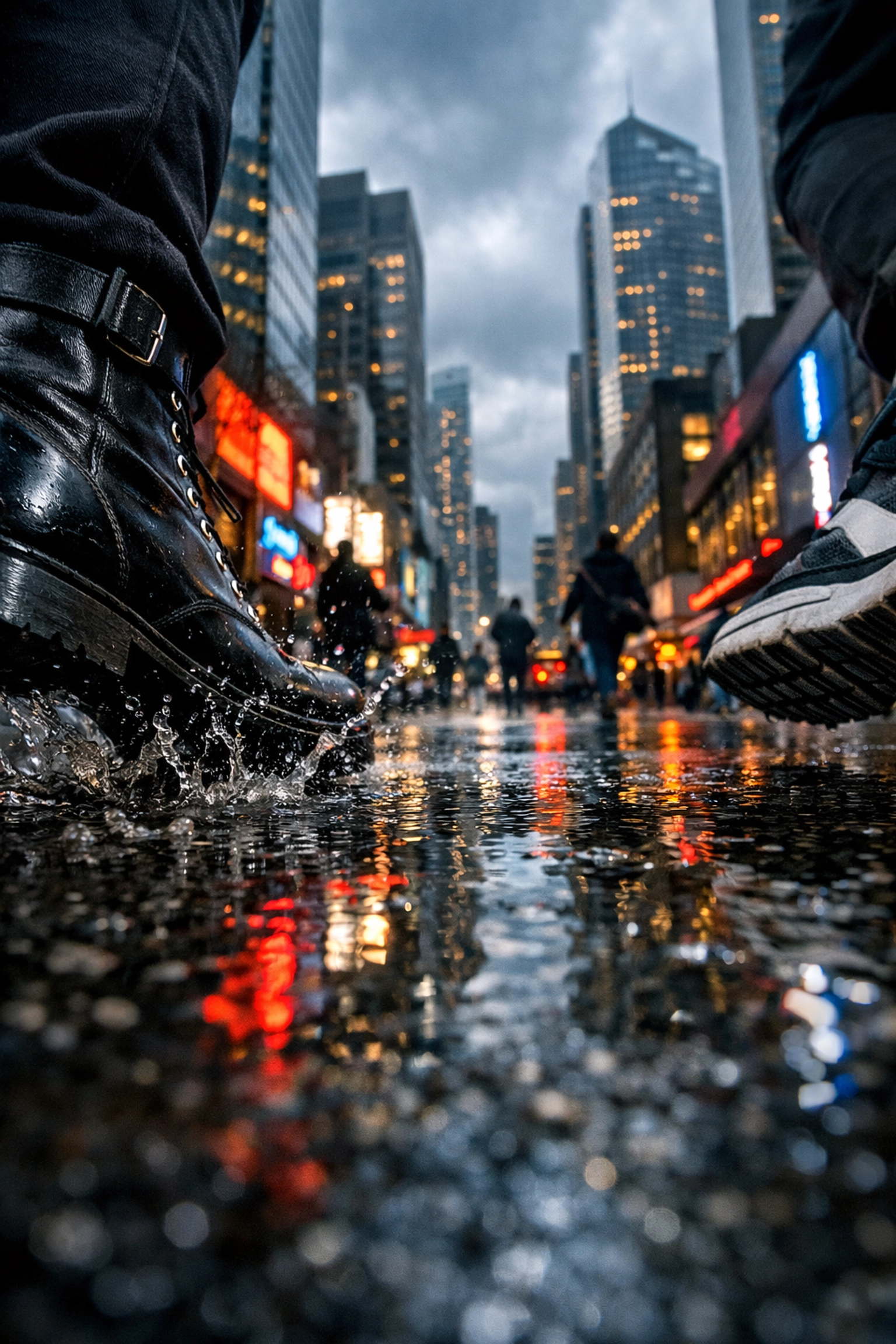
Don't just look for still puddles. Look for movement. A car driving through a puddle or a child jumping in one can create incredible high-speed action shots. You'll need a fast shutter speed for this one: think 1/1000th or higher.
18. Decapitate Your Subjects
Okay, not literally. This is a framing technique where you intentionally crop out the heads of your subjects. By focusing only on their shoes, their hands, or the way they hold a briefcase, you create a sense of mystery. Who are they? Where are they going? Let the viewer decide.
19. Triangular Compositions
Our brains love triangles. Look for three points of interest in your frame: maybe three people standing at different distances: and try to arrange them into a triangle. This creates a sense of balance and flow that keeps the eye moving around the image.
20. Handheld Flash (The Edgy Look)
Holding your flash in one hand and your camera in the other allows you to control the angle of the light. This is great for "gritty" street photography. It creates harsh, dramatic shadows that feel very "New York in the 70s."
21. The Cut-Off Technique
This one takes guts. Walk diagonally toward a subject and take a photo right as you pass them. It’s an aggressive style of photography that results in very intense, close-up candid shots. It’s not for everyone, but the results are undeniably powerful.
22. Uniquely Shaped Shadows
Sometimes the shadow is more interesting than the person casting it. Late in the afternoon, when the sun is low, shadows stretch and distort. Look for patterns created by fire escapes or bicycle wheels. You can find more inspiration for this kind of work on PhotoGuides.org.
23. Focus on Hand Gestures
Hands speak volumes. A nervous fidget, a pointed finger, or two people holding hands can tell a whole story. Try zooming in (or getting very close) to just the hands. It’s an intimate way to capture human emotion without the distraction of a face.
24. Photograph from Ground Level
Place your camera directly on the sidewalk. This perspective makes everything look "heroic" and massive. It’s also a great way to capture the "feet" of the city: the constant movement of shoes and tires. If you're using a camera with a flip-out screen, this is much easier on your back!
25. Color Blocking and Geometry
Look for big blocks of single colors. A red door, a blue wall, a yellow taxi. When you combine these with strong geometric shapes: circles, squares, leading lines: you move away from documentary photography and into the world of fine art. For a masterclass in this, look at the work of Edin Chavez.
Putting it All Together
Street photography is a journey, not a destination. You’re going to take a lot of bad photos before you get a "keeper." But that’s the beauty of it. Every time you step out the door, you have the chance to capture a moment that will never happen again.
When you get home and start reviewing your shots, don't be afraid to experiment with your editing. I find that a quick pass through Luminar helps to accentuate the grit and contrast that makes street photography so compelling.
If you’re looking to turn your hobby into a career, you might want to read up on how to become a freelance photographer. It’s a tough road, but there’s nothing quite like getting paid to see the world through a lens.
For more gear reviews and professional tips, head over to ProShoot.io or check out the latest Sony deals if you're looking to upgrade your street kit.
Now, grab your camera, hit the pavement, and stop overthinking it. The best shot of your life might be just around the next corner.