Switching that dial to "M" for the first time feels a bit like taking the training wheels off your bike while going down a steep hill. It’s a mix of pure adrenaline and the terrifying realization that you have no idea how to stop. Manual mode is often touted as the "holy grail" of photography: the moment you become a "real" photographer. But here’s the truth: manual mode is just a tool, and like any tool, if you use it wrong, you’re going to end up with a mess.
We’ve all been there. You spend ten minutes fiddling with your dials while your subject gets bored, and by the time you click the shutter, the light has changed, the bird has flown away, and your photo is either a white blob or a black rectangle.
At Shut Your Aperture, we believe photography should be fun, not a math exam. If you’ve been struggling to get the results you want while shooting manual, you’re likely falling into a few common traps. Let’s break down the seven biggest mistakes people make with manual mode and, more importantly, how to fix them so you can get back to creating.
1. ISO Paranoia (The Fear of "Noise")
For years, photography instructors pounded one rule into our heads: "Keep your ISO at 100." The idea was that any higher ISO would introduce "noise" or "grain," ruining your image. While that was true back in the days of early digital sensors (and film), modern cameras are beasts.
The mistake is being so afraid of noise that you sacrifice your shutter speed or aperture just to keep that ISO low. This leads to blurry photos because your shutter was too slow, or a shallow depth of field you didn't actually want.
The Fix: Don’t be afraid to push it. Modern mirrorless and DSLR cameras can handle ISO 1600, 3200, and often 6400 with very little noticeable quality loss. It is much better to have a sharp, slightly grainy photo than a clean, blurry one. If the noise does bother you, you can easily clean it up in post-processing using AI-powered tools like Luminar. Their noise reduction is essentially magic and saves those high-ISO shots in seconds.
2. Ignoring the Reciprocal Rule for Shutter Speed
You’ve got your aperture set perfectly for that beautiful bokeh, your ISO is reasonable, but your photos are still coming out "soft." You check your focus, and it seems fine. What gives? Most likely, your shutter speed is too slow for handheld shooting.
A common manual mode mistake is forgetting that our hands shake. Even if you think you’re as steady as a rock, you’re moving. The "Reciprocal Rule" is a simple guide: your shutter speed should be at least 1 divided by your focal length. If you’re shooting with a 50mm lens, don't drop below 1/50th of a second. If you’re on a 200mm zoom, you need at least 1/200th.
The Fix: Always keep an eye on that focal length. If you’re shooting in low light and need a slower shutter, it’s time to grab a tripod. If you're interested in mastering slow shutter speeds for creative effects, check out our long exposure techniques in water photography guide to see how to use motion to your advantage.
3. Blindly Trusting the Internal Light Meter
Your camera’s light meter is a genius, but it’s a genius with a very specific perspective: it wants everything to be 18% gray. When you look through your viewfinder in manual mode, you’ll see a little scale with a "0" in the middle. Many beginners think that "0" means the exposure is perfect.
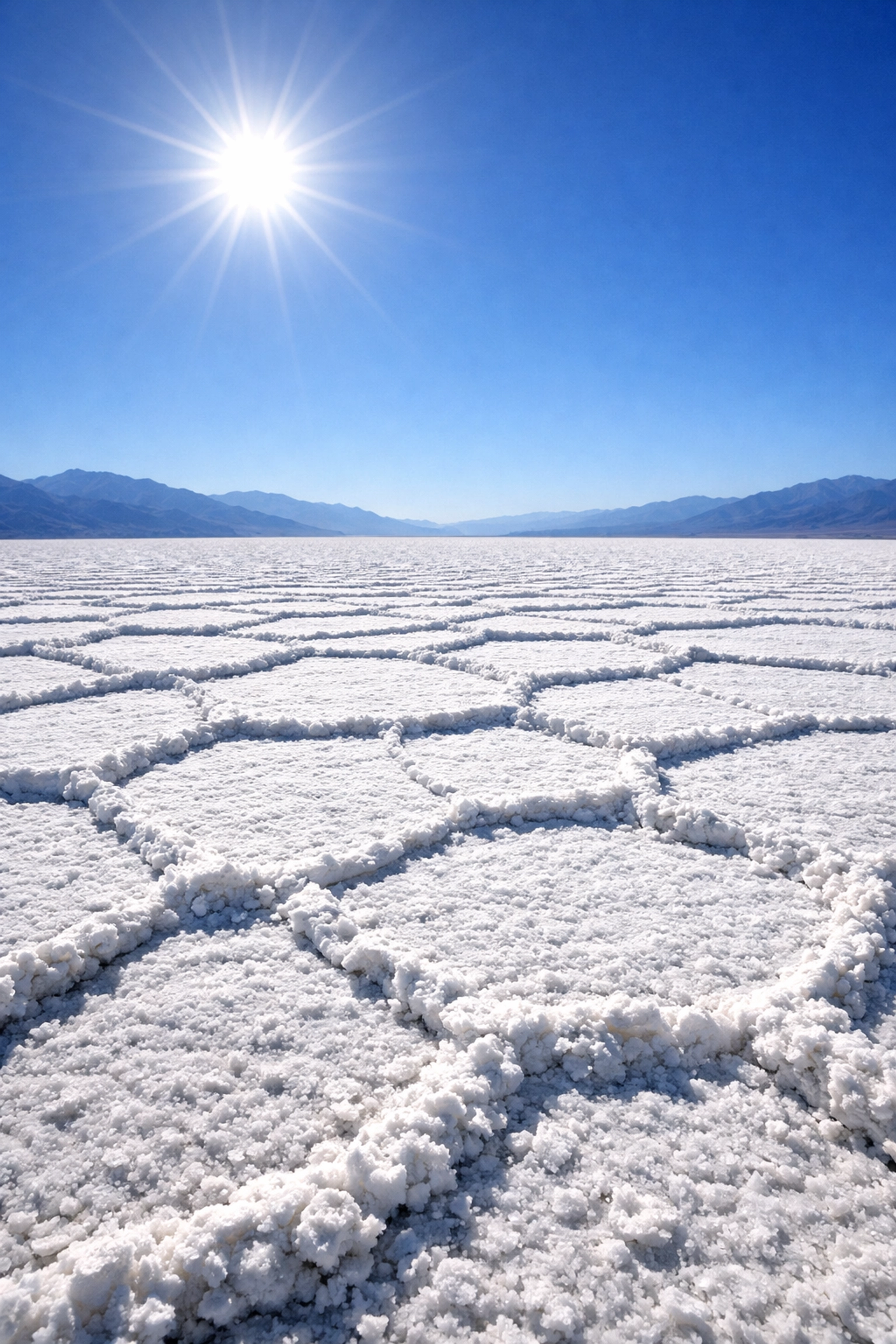
The problem? If you’re shooting a snowy landscape, the camera thinks all that white is "too bright" and will try to make it gray. If you’re shooting a black cat in a coal mine, it thinks it's "too dark" and will try to make it gray. This is why your snow looks muddy and your blacks look washed out.
The Fix: Use the meter as a starting point, not the law. Learn to read your histogram. The histogram is a graphical representation of the tones in your image. If the graph is all the way to the left, you’re losing detail in the shadows (underexposed). If it’s all the way to the right, you’re "clipping" your highlights (overexposed). For more on dialing this in, especially near the ocean, see our guide on mastering light and water for perfect shots.
4. Letting the Camera Pick the Focus Point
This isn't strictly a "manual exposure" mistake, but it's a mistake people make while trying to take full control of their camera. If you are in manual mode but leaving your AF (Auto Focus) area on "Auto," the camera is essentially guessing what you want to be sharp. Usually, it picks whatever is closest to the lens or whatever has the most contrast. This is how you end up with a perfectly sharp tree branch and a blurry face.
The Fix: Take control of your focus points. Switch to "Single Point AF" and use the joystick or d-pad on your camera to move that point exactly onto your subject's eye or the specific detail you want to highlight. Precision is the difference between a snapshot and a professional photograph. If you want to dive deeper into technical precision, PhotoGuides.org has some great deep dives on sensor mechanics.

5. Adjusting Every Setting for Every Single Shot
I see this all the time: a photographer takes a photo, looks at the screen, turns three dials, takes another, looks again, turns two more dials. If you are standing in the same spot, under the same sun, shooting the same subject, your light isn't changing. Why are your settings changing?
Constantly fiddling with your settings is the fastest way to miss the "decisive moment." You become so focused on the mechanics that you stop looking at the world.
The Fix: Set it and forget it (mostly). Find the exposure that works for the scene. Once you have it, leave it alone until the lighting conditions change. This allows you to focus on composition and timing. If you’re traveling and moving quickly between spots, like some of these hidden gem locations for travel photography, you'll appreciate the speed of a set-and-forget workflow.
6. Not Understanding the "Priority" of the Triangle
The exposure triangle consists of Aperture, Shutter Speed, and ISO. The mistake beginners make is treated them all as equal all the time. In reality, every shot should have a "priority" based on your creative intent.
- Aperture Priority: Do you want a blurry background (bokeh)? Start here.
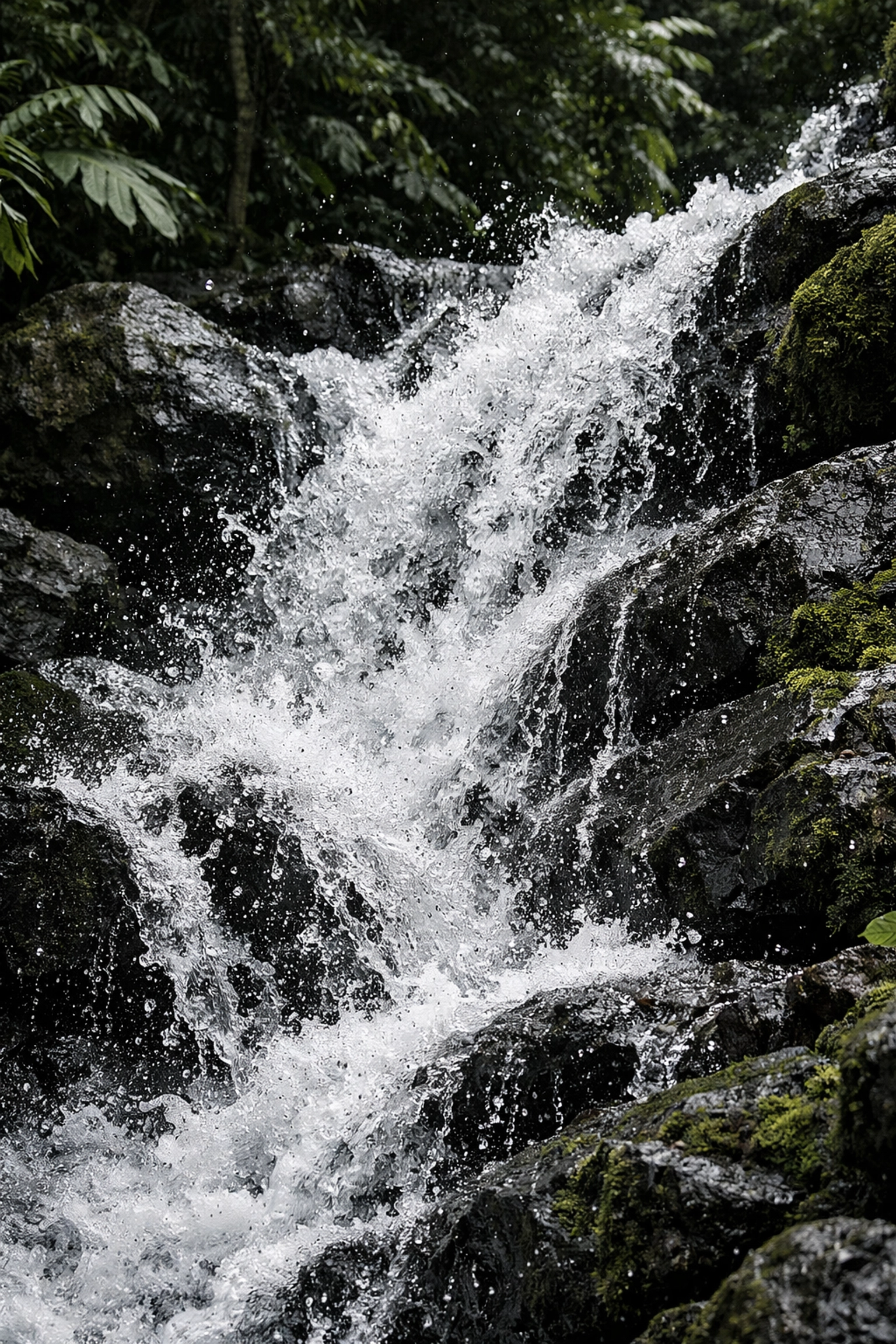
- Shutter Speed Priority: Are you trying to freeze a fast-moving car or create a silky waterfall? Start here.
- ISO: This is usually your "last resort" to get the exposure right once your Aperture and Shutter Speed are set for the look you want.
The Fix: Ask yourself, "What is the most important element of this photo?" If it’s the movement of water, set your shutter speed first. For more help with this specific scenario, check out the best camera settings for stunning water landscapes. Once your primary setting is locked, adjust the other two to balance the scale.
7. Thinking Manual Mode Automatically Makes a Better Image
This is the biggest mental hurdle. There is a common myth that shooting in manual mode makes you a better photographer. It doesn't. A poorly composed, boring photo is still a boring photo, even if you dialed in the settings manually.
Manual mode gives you control, but control is useless if you don't have a vision. Many photographers get so caught up in the technical perfection of the exposure triangle that they forget about the "soul" of the image: the composition, the light, and the story.
The Fix: Don’t let the settings distract you from the art. Use manual mode when you need it: when the light is tricky, when you want a specific creative effect, or when you’re doing studio work. But don't be afraid to use Aperture Priority (Av or A) if the light is changing fast and you need to focus on the subject. For more inspiration on the artistic side of things, Edin Chavez shares some incredible insights over at blog.edinchavez.com.
How to Practice Without Pulling Your Hair Out
If you’re feeling overwhelmed, the best way to master manual mode isn't to go out and try to shoot a wedding. It’s to practice in a "low stakes" environment.
Go to your backyard or a local park. Find a flower or a rock: something that doesn't move. Set your camera to manual and try to get the "perfect" exposure. Then, purposely overexpose it by two stops. Then underexpose it. Look at how the histogram changes.
If you want to see how these manual settings apply to more complex environments, check out our guide on finding hidden gems for stunning travel photography. It’s one thing to shoot in your backyard; it’s another to do it while navigating a new city.
The Gear Factor
Sometimes, the struggle isn't you: it's the gear. If you’re trying to shoot fast action with a kit lens that has a variable aperture (like f/3.5-5.6), manual mode can be a nightmare because your exposure changes every time you zoom in.
Investing in a "constant aperture" lens or a fast prime (like a 35mm or 50mm f/1.8) makes manual mode much more predictable and fun. You can find gear recommendations and professional insights over at ProShoot.io and see high-end results of proper gear usage at EdinFineArt.com.
Wrapping Up
Manual mode is a journey, not a destination. You’re going to mess up. You’re going to have photos that are way too bright and others that are way too dark. That’s okay. Every mistake is a data point that helps you understand light better.
The goal isn't to be a human calculator; it's to get the camera to see the world exactly how you see it. Whether you're trying to unlock secrets to enchanting urban photography or just taking photos of your kids in the backyard, manual mode gives you the keys to the kingdom.
Just remember:
- Don't fear the ISO.
- Watch your shutter speed (Reciprocal Rule!).
- The light meter is a guide, not a god.
- Pick your own focus points.
- Stop over-adjusting.
- Know your priority setting.
- Focus on composition first.
And if you do end up with a bit of noise or a slightly off exposure, don't sweat it. Throw it into Luminar, fix it in post, and move on to the next shot. The more you shoot, the more these "manual" decisions will become second nature.
Keep shooting, keep failing, and eventually, you'll find that you aren't even thinking about the dials anymore: you're just making art. For more tips on improving your workflow and seeing the world through a better lens, keep an eye on EdinStudios.com for the latest in professional production.