
It’s crucial to understand that the liminal spaces of travel—those in-between moments that often feel transient—hold unique storytelling potential. As you wander through unfamiliar places, your lens becomes a tool to document not just the destinations, but the fleeting experiences that define your journey. This post will guide you in recognizing these elusive spaces and offer practical tips to effectively capture their essence, enhancing both your photography skills and your travel narratives.
The Essence of Liminal Spaces in Travel
Liminal spaces embody the profound beauty of transition—those fleeting moments that connect vastly different experiences during travel. They offer a unique opportunity to reflect, pause, and appreciate the subtleties of your journey. Each layover at an airport, each quiet moment on a train, and each vacant alley that lights up under the evening sun represent the intersection of what was and what is yet to come. Capturing these spaces invites you to examine deeper into your travel narrative and appreciate the richness that resides in the gaps.
Defining Liminal Spaces: More Than Just Intermissions
Liminal spaces extend beyond mere intermissions in travel, serving as transformative stages where experiences unfold. They encapsulate both physical and emotional transitions, manifesting in venues often overlooked—the space between boarding and take-off, or the quiet landscape outside a window. Understanding this complexity allows you to recognize how these spaces shape your journey and evoke rich storytelling opportunities that exist beyond conventional destinations.
The Allure of Transience: Moments That Evoke Emotion
Transience in travel breeds an array of emotions, capturing the ephemerality of experiences that often slip through your fingers. Whether it’s the chill of a breeze at dawn, the flutter of a passing conversation, or the sudden clarity of solitude in a bustling café, these fleeting moments resonate deeply. They forge connections to places and feelings that linger long after you’ve departed, lingering in memory and imagery, crying out to be captured.
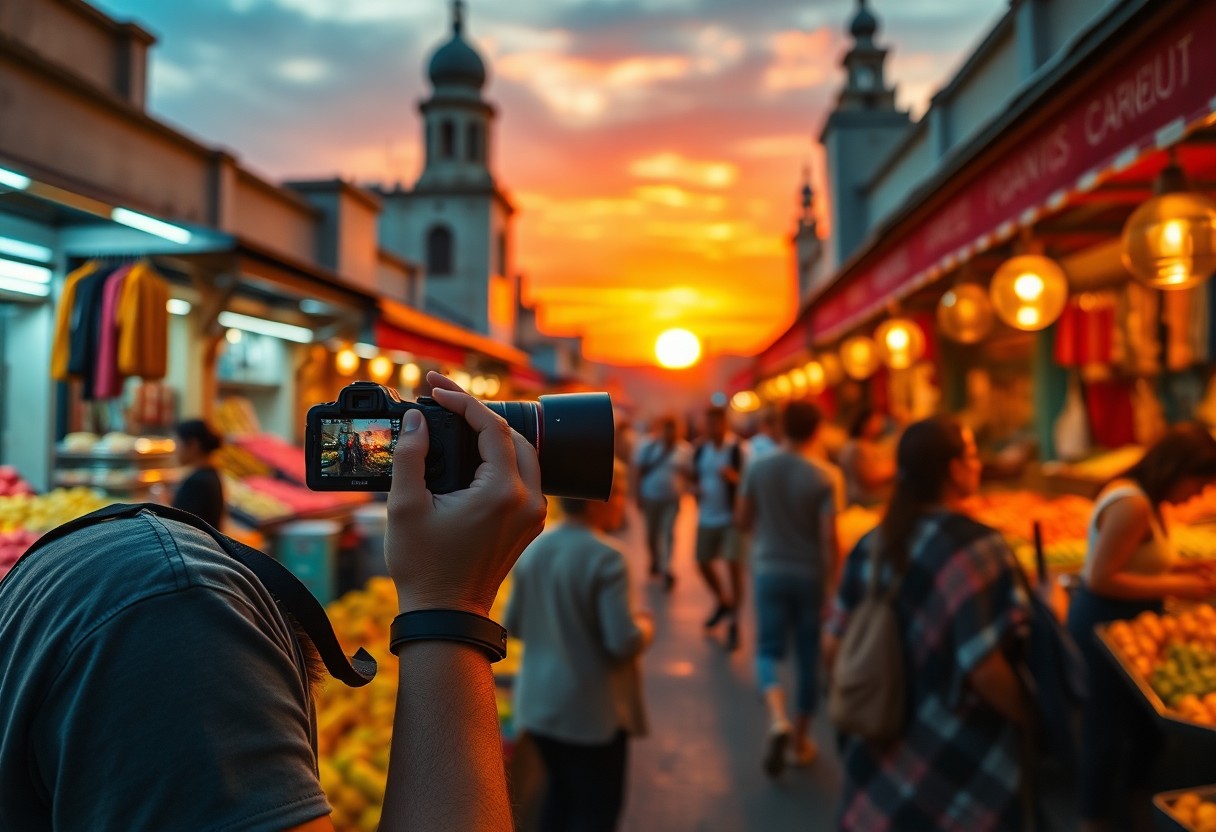
In these transient moments, photography becomes a powerful tool. The light softens in the golden hour, casting long shadows that hint at stories untold. Unexpected encounters, like a traveler sharing stories of their adventures, weave a thread of humanity into your experience. Each frame you capture during these instances carries weight, echoing the emotions felt in that moment—wanderlust, nostalgia, or even fleeting joy. The allure of transience lies in the ability to transform the ordinary into the extraordinary, urging you to listen to the stories these images tell and the emotions they evoke long after your travels have ended.
Crafting Your Vision: Techniques for Capturing Raw Authenticity
Capturing the essence of liminal spaces requires a thoughtful approach that intertwines technical skill with an intuitive understanding of your surroundings. Authentic moments often occur in unpredictable settings and fleeting opportunities, necessitating a keen eye and an open mindset. Embrace spontaneity by being ready to photograph those unguarded interactions and raw emotions that reveal the human experience in transit. Your ability to immerse yourself in the scene while staying attuned to visual composition can transform an ordinary moment into a striking narrative through your lens.
Gear Essentials: Choosing the Right Tools for the Journey
Selecting the right gear is foundational for achieving your vision. A versatile camera is paramount; whether it’s a DSLR or a compact mirrorless model, look for one that accommodates various shooting conditions. Lenses play a crucial role too—consider a fast prime lens for low-light environments and a wide-angle for expansive scenes. Don’t overlook accessories like a sturdy tripod and filters, which can enhance your images. Whatever you choose, ensure that your gear allows you to move freely, enabling you to capture those unexpected moments seamlessly.
Compositional Strategies: Framing the In-Between Moments
Effective composition can significantly elevate your travel photography, particularly in capturing liminal spaces. Utilize techniques such as the rule of thirds to create balance and dynamic scenes, while also experimenting with leading lines that draw viewers into the heart of your composition. Embrace negative space to emphasize subjects and evoke feelings of solitude or contemplation. Don’t shy away from using partial framing to suggest motion and enhance the atmosphere, thereby inviting your audience to interpret the narrative behind the image. Consider the way light interacts with your scene; golden hour can dramatically alter mood and perception, providing that dreamlike quality so often found in travel photography.
Evocative Storytelling: Creating Narratives with Your Images
Imagery is a powerful tool for storytelling, enabling you to convey tales that resonate with viewers long after they’ve seen your photos. Every snapshot holds the potential to encapsulate a moment or a feeling, inviting your audience into the journey you experienced. By curating a collection of images that weave together a cohesive narrative, you can transform a mundane scene into a mesmerizing story that speaks volumes, connecting with the emotions and experiences of those who engage with your work.
Contextualizing Locations: Adding Depth to Your Shots
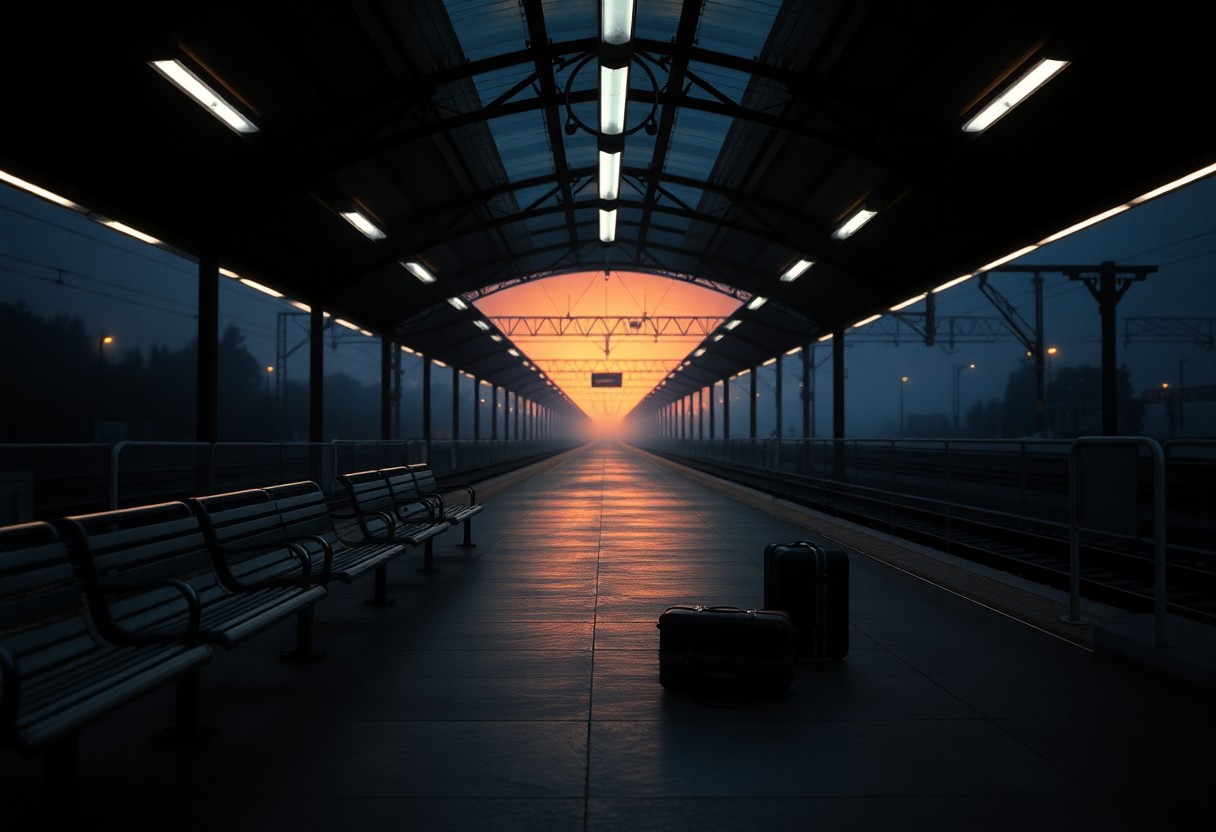
Incorporating the essence of your surroundings enhances the story behind your images. By providing background information, like the cultural, historical, or personal significance of a location, you deepen the viewer’s understanding and connection to the image. For instance, capturing the quiet solitude of an abandoned train station becomes richer when you share the story of its historical relevance or the emotional weight of your own experience there. This context gives your photos a greater impact and invites viewers to imagine the stories that unfold beyond the frame.
The Power of Emotion: Conveying Feelings Through Imagery
Emotions can be captured through subtle details and raw moments within a setting. When you focus on expressions, interactions, or even solitary moments of reflection, you create images that evoke a visceral response. Think of a sun-kissed face of a child playing at sunset or an elderly couple sharing a laugh; these fleeting instances communicate a wealth of emotions that transport the viewer into that specific moment. The goal is not just to take pictures, but to convey a myriad of feelings that resonate authentically with your audience, allowing them to relive the experience through your lens.
In these emotional captures, consider the elements of light, texture, and composition that can amplify feelings. Shadows can evoke melancholy, while vibrant colors might convey joy. For example, a photograph of a bustling marketplace can reflect excitement and energy if framed with enthusiastic interactions. Conversely, capturing a long-forgotten street in muted tones can generate feelings of nostalgia. By blending your artistic instincts with intentional emotional expression, you can transform simple images into profound storytelling tools that leave a lasting impact on those who view them.
The Role of Light and Atmosphere: Manipulating Conditions for Effect
The interplay of light and atmosphere can dramatically shape the character of your travel photography. By being attuned to changing conditions, you can enhance the emotional resonance of your images. Strive to create a sense of mood that mirrors the feelings evoked during your travels, whether it’s the tranquility of a serene sunrise or the gritty dynamism of a rain-soaked street scene.
Natural Light: Harnessing the Magic of Golden Hour
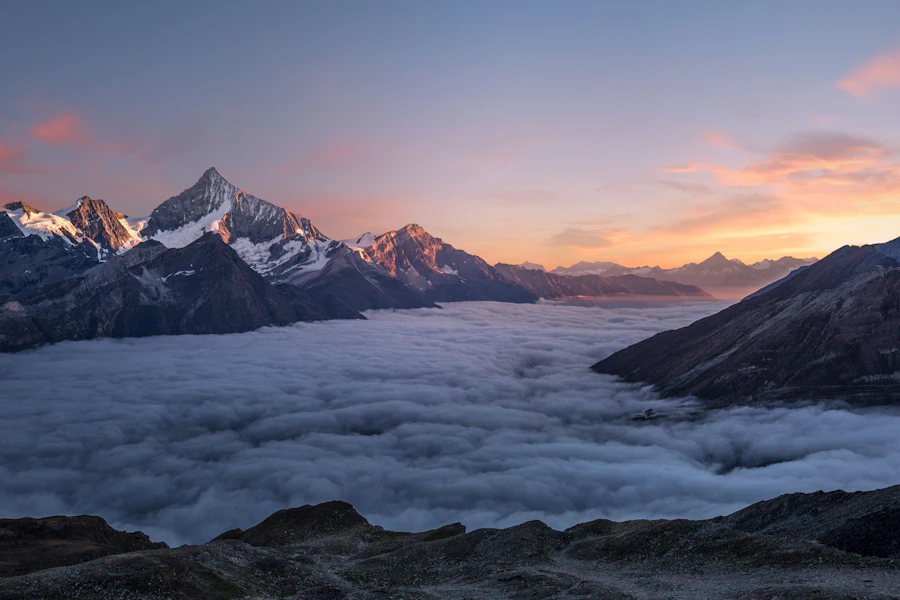
Golden hour, the time shortly after sunrise or before sunset, bathes your surroundings in a warm, soft glow. This natural light not only flatters your subjects but also adds depth and dimension. Capturing scenes during this period allows you to evoke feelings of nostalgia and wonder, enhancing the emotional impact of your photographs.
Weather Elements: Using Conditions to Enhance Moods
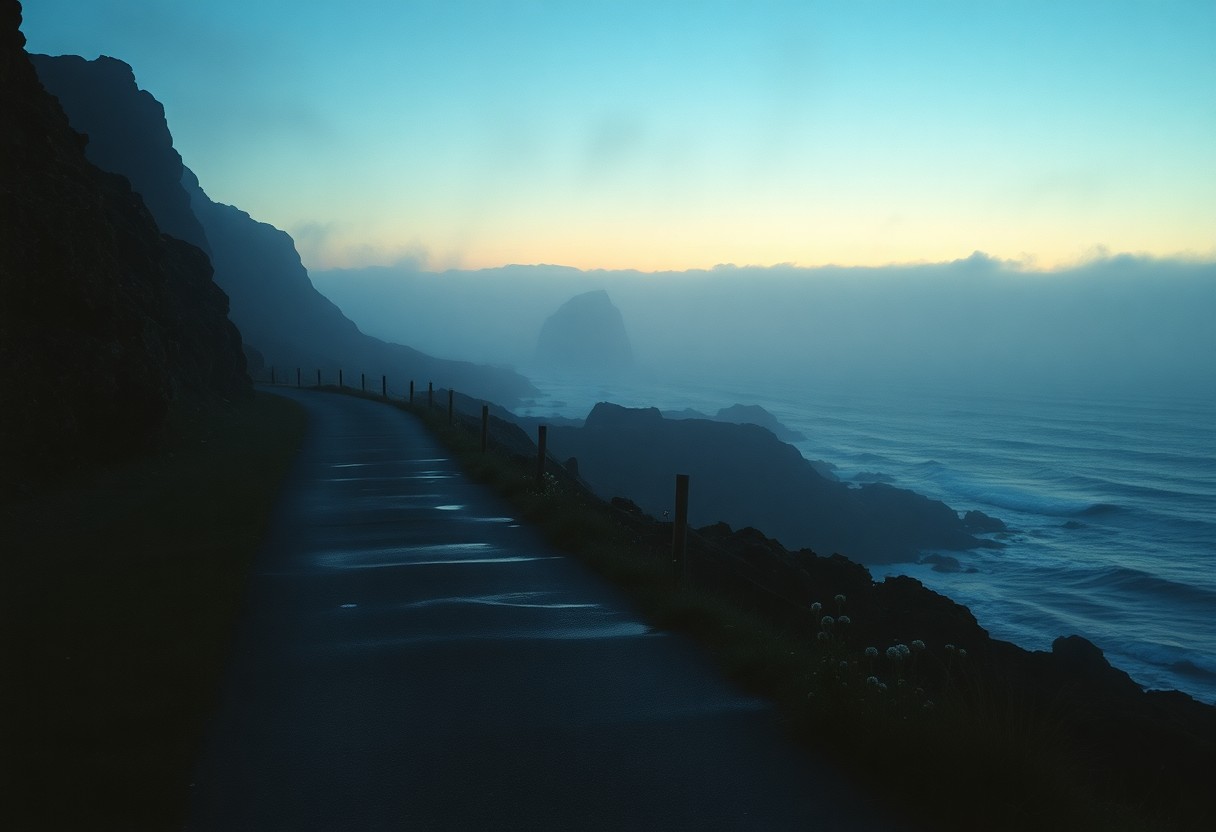
Weather plays a pivotal role in shaping the atmosphere of your images. Sunlight, clouds, rain, and fog can each evoke distinct feelings and tell unique stories. Embracing the elements allows you to capture the transient beauty of a scene, transforming everyday moments into evocative narratives.
Consider how a dramatic storm can infuse urgency and tension into a landscape, while delicate mist might lend a sense of mystery and calm. A rainy day can turn the texture of city streets into a reflective canvas, drawing out the vibrancy of neon lights. Conversely, sunlight filtering through leaves in a forest can create a dreamlike quality, inviting viewers into an enchanting realm. By paying attention to weather conditions, you can craft images that resonate deeply, reflecting both the literal and metaphorical layers of your travel experiences.
From Audience to Impact: Sharing Your Vision Effectively
Your photography holds the power to evoke emotions and inspire action, especially when carefully shared. Consider the platforms where your audience congregates, tailoring your message to resonate with them. Whether through stunning visuals, captivating captions, or thoughtful storytelling, each post can serve as a bridge connecting your unique perspective to a broader community. By understanding your audience’s preferences and actively engaging with their feedback, you can transform casual viewers into dedicated followers who advocate for your vision.
Social Media Strategies: How to Present Your Work
Selecting the right social media platform is key to showcasing your travel photography effectively. Instagram remains a visual-centric choice, allowing you to post high-quality images accompanied by engaging captions that share your experiences. YouTube provides a stage for vlogs that explore deeper into the emotional narratives behind your photos. Experiment with different formats like carousel posts or stories to keep your audience engaged, and don’t hesitate to employ hashtags to broaden your reach and attract people who share your passion for travel.
Engaging the Viewer: Building Connection Through Visual Stories
Establishing an emotional connection with your audience can dramatically amplify the impact of your visual storytelling. Every photo you take contains a narrative, and sharing the context behind it allows viewers to step into your shoes. For example, when posting an image of a serene landscape, describe the feelings you had while standing there—the chill in the air, the sounds of nature, or the memories triggered by that moment. This approach turns a simple photo into a relatable experience, inviting your audience to join you on the journey.
Telling the story behind your visuals not only enhances a viewer’s appreciation but can also ignite conversations around shared experiences. Think of your images as catalysts for dialogue—ask open-ended questions about your audience’s interpretations or feelings related to the scene. This interaction fosters a community around your work, encouraging followers to feel more invested in your journey whether through likes, comments, or shares. Highlight the cultural nuances and personal insights that make your travels unique, allowing individuals from various backgrounds to see themselves reflected in your stories.
Final Words
Taking this into account, you can effectively capture the liminal spaces of travel by embracing the transitional moments between destinations. Focus on the overlooked details: the quiet corners of bustling airports, the fleeting shadows cast during golden hour, or the serene stillness of an empty train station. Use your lens to tell a story by framing these in-between moments, allowing viewers to connect with the essence of travel. As you refine your perspective, you’ll uncover the beauty within these transient spaces, elevating your photography to evoke deeper emotional responses.