Earning consistent income from travel photography requires more than luck: you must master authentic storytelling, refine your visual and editing voice, and apply ethical field practices so you protect subjects and sensitive locations. Build a reliable workflow, grow your audience, and diversify income streams through licensing, prints, workshops, and online content. With focused discipline and professional habits you can create compelling work that sells while safeguarding people and places.

Key Takeaways:
- Define an authentic visual voice and niche; prioritize storytelling and context in every shot.
- Master exposure, composition, and a consistent editing style or preset to build recognizable work.
- Curate a focused portfolio and optimize images with filenames, captions, and keywords for discoverability.
- Use engaging captions and behind-the-scenes content to grow audience trust and repeat engagement.
- Diversify revenue: stock licensing, prints, client shoots, affiliate links, presets, workshops, and online courses.
- Establish efficient workflows for shooting, editing, publishing, and repurposing content to scale output.
- Proactively network and pitch to brands, tourism boards, and publications; protect rights with contracts and clear licensing terms.
How to Develop Your Authentic Travel Photography Skills
Focus your progress with targeted drills: set a 30-minute daily exercise (portrait, landscape, motion) and a 3-week project to document one place in 50 frames. You should prioritize technical fluency-shoot RAW, learn your camera’s histogram, and back up files immediately. Apply feedback by reviewing 10 images per session and iterating on composition or exposure to see measurable improvement within weeks.
Essential Photography Techniques
Start by mastering the exposure triangle: use aperture (f/1.8-f/16) to control depth, shutter speed (1/4000s->1s) for motion, and ISO (100-3200) for noise trade-offs. You should practice bracketing (±1-3 EV) for high dynamic range scenes and use a tripod for exposures longer than 1/60s. Prioritize lens choice-24-70mm for versatility, 35mm for street, 70-200mm for candid compression-and keep a polarizer for reflections.
Understanding Composition and Light
Use compositional grids like the rule of thirds, leading lines, and negative space to tell a story; place subjects off-center and frame with foreground elements for depth. Seek the golden hour (≈30-60 minutes) or the blue hour (10-40 minutes) for softer color and contrast, and check the histogram to avoid blown highlights. You should learn spot metering for backlit subjects and to expose for highlights when dynamic range is tight.
When testing light, shoot the same scene at different settings: try f/2.8 at 1/250s and f/11 at 1/30s to compare depth and motion; use ISO100 for maximum detail. If you photograph waterfalls, use a 6-stop ND filter to reach a 1s exposure at ISO100, f/8 for silk effects. Always bracket one frame exposed for highlights and one for shadows so you can recover details in RAW-this practice prevents lost data in high-contrast situations.

Tips for Capturing Genuine Travel Moments
Use subtle actions to get candid shots: shoot during golden hour (first hour after sunrise, last before sunset), favor a 35-50mm prime for natural perspective, and set shutter to 1/250-1/500s for handheld movement; spend 3-5 minutes chatting before you shoot to ease tension and reveal real expressions. Avoid busy tourist traps and dangerous areas after dark; ask simple consent when needed. This improves your authentic travel photography and helps you earn online with marketable images.
- authentic travel photography: prioritize story over perfection
- local culture: learn 10-15 basic phrases before you arrive
- rapport: offer to show a preview to build trust
- earn online: tag and caption images for searchable value
Embracing Local Culture
Spend at least an hour in a market or community hub to observe routines, sample street food, and follow dress norms; learn 10-15 basic phrases and the local greeting to lower barriers. Attend festivals when invited and avoid photographing rituals without permission, using a long lens if required. Respectful immersion yields layered visuals-textures, gestures, and context-that make your images sellable and shareable.
Building Rapport with Subjects
Approach with a relaxed smile, open body language, and a quick intro in the local language; offer to show a preview on your camera within 30-60 seconds, which often leads to permission. Use names, ask one clear question, and always prioritize consent and respect to avoid conflict.
Start with a short script: greet, give a one-sentence purpose, ask “May I photograph you?”, then offer a preview or a small printed/digital image as thanks. Showing a preview frequently converts a nod into a 3-5 minute interaction that yields richer expressions; if someone hesitates, step back and try a different angle or subject. Keep interactions safe by avoiding flash in sacred spaces and never press after a refusal.
Factors Influencing Your Travel Photography Success
Light, composition, distribution channels and your workflow determine whether images become portfolio highlights or passive files; a shot shared at peak engagement can land licensing deals or affiliate clicks. Practical choices like shooting RAW, using a reliable backup strategy and captioning with searchable terms boost revenue. Markets reward consistency: publishing 3-4 strong images weekly grows visibility faster than sporadic uploads. This focus on process, platform and timing maximizes returns from travel photography.
- Light (golden hour, blue hour)
- Gear (full-frame vs APS-C, lenses)
- Planning (PhotoPills, tide charts, weather)
- Distribution (SEO, marketplaces, social)
Choosing the Right Gear
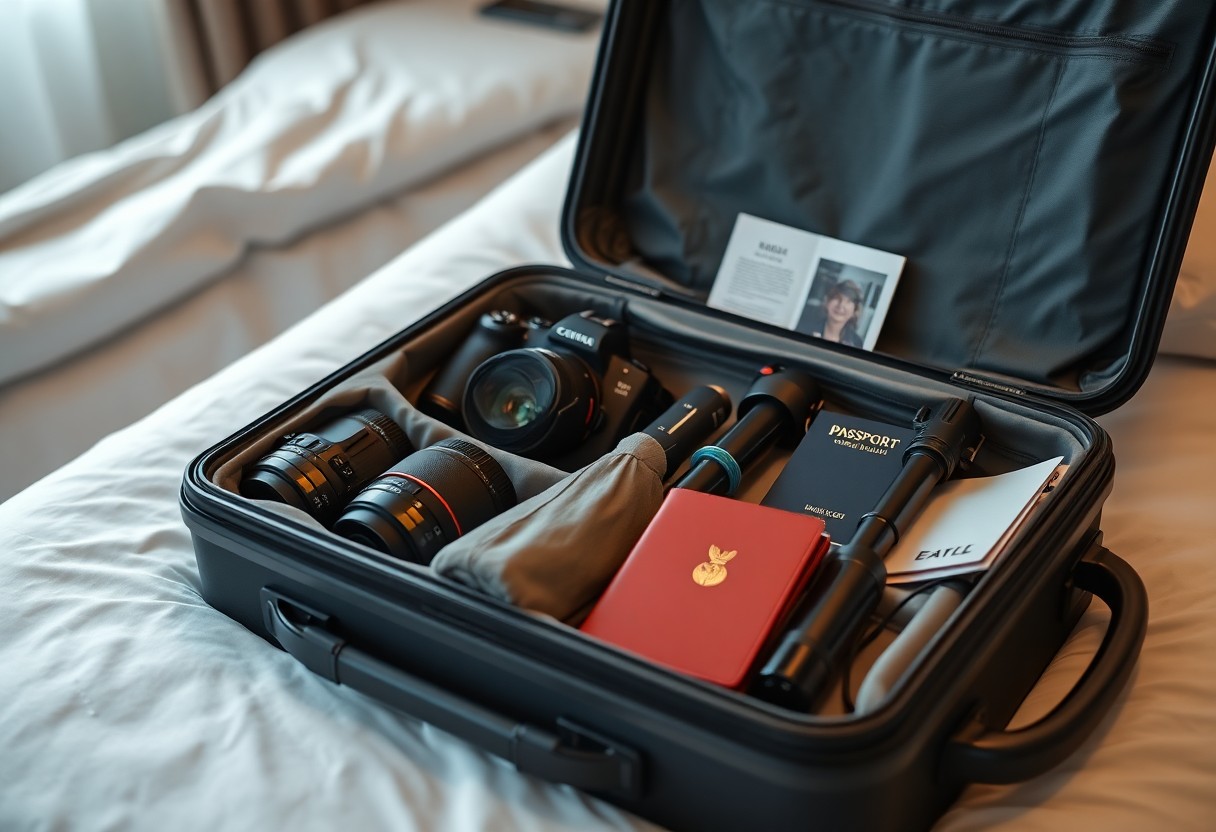
You should balance weight and versatility: a full-frame body with a 24-70mm f/2.8 covers most scenes, while a light 50mm f/1.8 or 35mm prime gives punchy low-light shots; an APS-C kit can save weight if you hike. Always shoot RAW, carry two batteries and at least one spare 64GB card, and pack a compact tripod under 1.5 kg for long exposures and timelapses.
Planning and Timing Your Shots
You must use tools: PhotoPills or Sun Surveyor to map sun azimuth and elevation, consult tide charts for coastal framing, and check Windy or Meteoblue for wind and cloud cover; target the golden hour (~60 minutes around sunrise/sunset) and the blue hour (20-40 minutes) for distinctive color and soft light.
For example, shooting the Milky Way requires a new moon window and dark skies-plan between April and September in many northern latitudes, use a 14-24mm lens at 15-25s, f/2.8 and ISO 1600-6400. Cityscapes benefit from arriving 30-45 minutes before sunrise to set compositions and capture reflections with calm winds under 10 km/h. For long-exposure seascapes, a 10-stop ND yields multi-minute exposures; verify tide times to avoid getting trapped on rocks. Use concrete timings and tools to convert weather and lunar data into shootable windows so you can reliably produce saleable images.

How to Edit and Showcase Your Travel Photos
You should cull to the top 20% of shots, edit RAW files for maximum latitude, and apply lens corrections and selective adjustments to preserve texture. Use presets to speed workflow but tweak white balance and exposure per image; export web images at 2048 px long edge and prepare 300 dpi TIFFs or JPEGs (3000-6000 px) for prints. Publish themed galleries on your portfolio, Instagram, 500px or Adobe Portfolio with concise captions and SEO-rich location tags.
Basic Editing Techniques
You’ll start with exposure, shadows and highlights-try +0.3 to +1.0 EV exposure tweaks, shadows +30-70 to reveal detail, and highlights −40 to −100 to recover skies. Add contrast +5-20, clarity +5-15 for midtone punch, and apply sharpening Amount 25-60 with Radius ~0.8-1.2; use noise reduction Luminance 10-30 when needed. Crop to 3:2 for landscapes or 4:5 for Instagram, and avoid over-sharpening or boosted saturation that destroys skin and sky tones.
Creating a Personal Style
You should define 3 adjectives (e.g., warm, intimate, cinematic), limit your color palette to 2-3 recurring tones, and build a signature preset that you apply to ~70-80% of images. Keep a consistent crop ratio and preferred lighting (golden hour, blue hour, or diffused overcast). Study other creators for reference, but ensure your edits tell the same visual story across platforms to strengthen recognition.
To refine that style, analyze your best 50 images and note common elements (color temp, contrast, subject framing). Create 1-2 presets, then batch-test them on 100 images and keep the treatment that performs best; aim for at least 70% consistency in your portfolio. Run simple A/B tests on 20-50 posts to compare engagement, iterate presets every 3 months, and export standardized sizes for web and print to maintain quality across sales channels.

How to Build an Online Presence for Your Photography
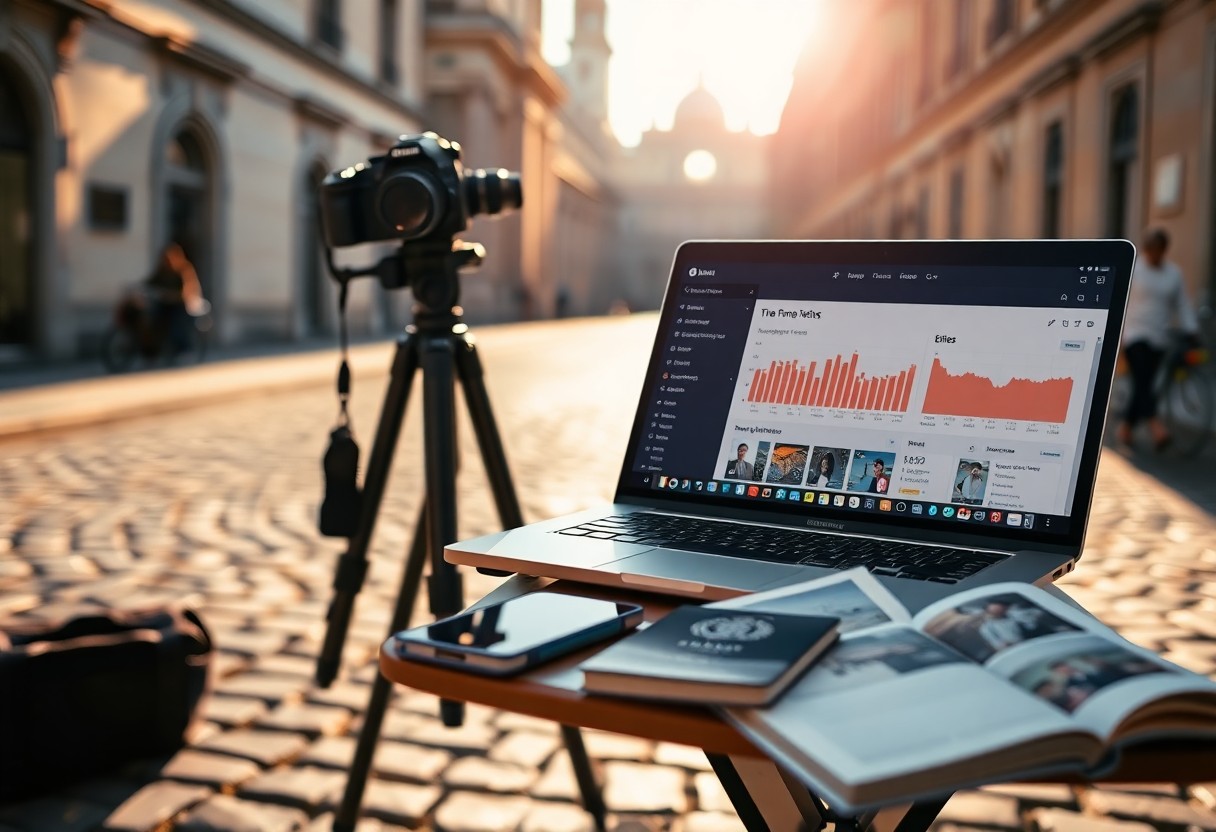
You should anchor your presence with a fast, mobile-first website (aim for page load ≤2s), clear portfolio of 3-5 hero images per genre, and an email signup offering a lead magnet. Use SEO basics: descriptive filenames, alt text, and long-tail keywords like “authentic travel portrait Bali” to win niche search. Track traffic with Google Analytics and set monthly goals (e.g., +10% sessions). Avoid fragmented profiles-centralize links with a branded landing page and verify your site with Google Search Console.
Social Media Strategies
Focus platforms where your audience spends time-Instagram for visuals, TikTok/YouTube Shorts for discovery, Pinterest for evergreen traffic. Post 3-5 grid posts and 2-5 stories weekly, plus 2 short-form videos; reels often deliver 2-3x the reach of static posts. Use 5-15 targeted hashtags and geotags, A/B test captions, and track post-level analytics. Partner with micro-influencers (5k-50k) for authentic reach, and never buy followers since that kills engagement and can trigger platform penalties.
Engaging with Your Audience
Reply to comments and DMs within 24 hours, ask specific questions in captions to provoke replies, and run weekly story polls to keep interaction steady-aim for an Instagram engagement rate >1% as a baseline. Feature user-generated content and tag contributors to build trust. Prioritize consistent micro-interactions (10-50 meaningful replies per week) because higher engagement directly correlates with bookings and referral growth; ignoring messages damages reputation quickly.
Convert interactions into bookings by using a simple funnel: capture leads via a link-in-bio signup, send an automated welcome email within 24 hours, offer a time-limited mini-session or prep guide, then follow up 3-7 days later. Track conversion rates (signups→inquiries→bookings) and iterate templates-A/B test subject lines and CTAs to lift open rates above 20% and bookings per lead over time.
Tips for Monetizing Your Travel Photography
Balance short and passive income by combining print sales, stock licensing, and paid partnerships; for example, list limited-edition prints on Etsy or Fine Art America at $50-$300, submit high-ROI images to Shutterstock or Getty (downloads often pay $0.25-$45 per license), and pitch brands for sponsored content that can range from $500-$10,000. Protect usage rights with clear contracts and always collect model/property releases for commercial work.
- Selling prints – limited editions, framing, archival paper
- Licensing – stock sites, direct licenses, rights-managed
- Collaborating with brands and influencers – deliverables, rates, usage
- Workshops & courses – local tours, online masterclasses
Selling Prints and Licensing Images
Use tiered pricing: offer open-edition prints at $50-$100, limited editions at $150-$300, and framed options higher; list on platforms like Etsy and Fine Art America, or sell directly via your site to keep ~60-80% of revenue, and ensure all commercial sales include signed receipts and provenance to boost value.
Collaborating with Brands and Influencers
Pitch concise campaigns that specify deliverables (number of images, usage duration, territories); package rates by usage-social-only posts, web rights, and full commercial buys-and back proposals with metrics like reach, engagement rate, and past campaign ROI to command better fees.
Thou should build a one-page media kit that lists audience demographics, a portfolio of campaign case studies (e.g., a recent beach resort campaign that drove +18% bookings), clear pricing tiers, and a sample contract; avoid granting exclusive or perpetual rights without significant premium because that can block future earnings, and always track campaign KPIs so you can negotiate higher rates next time.

Conclusion
With this in mind, you can apply the proven how-to formula to shape authentic travel photography that sells: hone your visual storytelling, build a consistent workflow, optimize your portfolio for niche audiences, and leverage multiple online income streams like licensing, courses, and affiliate partnerships. Stay disciplined in practice and promotion, and you’ll convert genuine moments into sustainable earnings while maintaining creative integrity.
FAQ
Q: What is the step-by-step formula for creating authentic travel photographs that sell?
A: Start with research: learn local stories, customs, and visual motifs. Prioritize light and emotion-shoot at golden/blue hours and capture interactions, gestures, or candid faces to convey place. Use a small, reliable kit to stay mobile; favor prime lenses for character and low-light performance. Compose deliberately: foreground, subject, background, and a human element to anchor scale and narrative. Create series, not isolated shots, so buyers can use images together for editorial or commercial projects. Edit minimally to preserve mood, add captions with location/context, and include usage rights when pitching.
Q: How do I build a portfolio that attracts editors, brands, and buyers online?
A: Curate a tight, themed portfolio-30-50 images grouped by location or story-showing range (landscape, portrait, detail, lifestyle). Present captions that explain who, what, where, why and usage possibilities. Host the portfolio on a fast, SEO-optimized website with clear licensing and contact info; include a downloadable one-sheet for clients. Maintain an Instagram grid and a dedicated archive on platforms used by buyers (e.g., Adobe Stock, Alamy) with consistent metadata and keywords. Refresh quarterly and A/B test which series lead to inquiries.
Q: What proven revenue streams should travel photographers pursue online?
A: Diversify: sell rights-managed and royalty-free images to stock agencies, license direct to brands and publishers, offer prints and limited-edition runs, create travel photo guides or preset packs, run paid workshops or photo tours, and monetize platforms via Patreon or paid newsletters. Pitch travel brands and tourism boards with tailored story angles and usage terms. Use affiliate links in gear or travel content and consider sponsored content for social channels. Track income by stream and focus efforts on the highest-margin channels while maintaining editorial integrity to preserve long-term earning potential.
Q: How can I grow an engaged audience without sacrificing authenticity?
A: Publish consistently and tell the story behind images-context, challenges, and the people photographed. Use short-form video and behind-the-scenes clips to show process and ethics. Engage with communities: reply to comments, collaborate with local creatives, and credit subjects and guides. Build an email list for direct connection and exclusive offerings. Use analytics to identify what resonates, but prioritize honest storytelling over chasing trends so your audience trusts and values your work.
Q: What business and workflow practices maximize income while keeping your work authentic and sustainable?
A: Standardize a workflow: ingest, backup, rate, keyword, edit with presets, and export variants for web/print. Keep model and property releases organized and use clear contracts for licensing. Price with tiered options (editorial, commercial, exclusive) and include usage duration and territory in agreements. Automate sales where possible (shop, license portal), outsource admin and retouching when profitable, and reinvest earnings into travel research and equipment. Monitor performance metrics, set quarterly income goals by stream, and protect creative integrity by setting boundaries on shoots and partnerships.