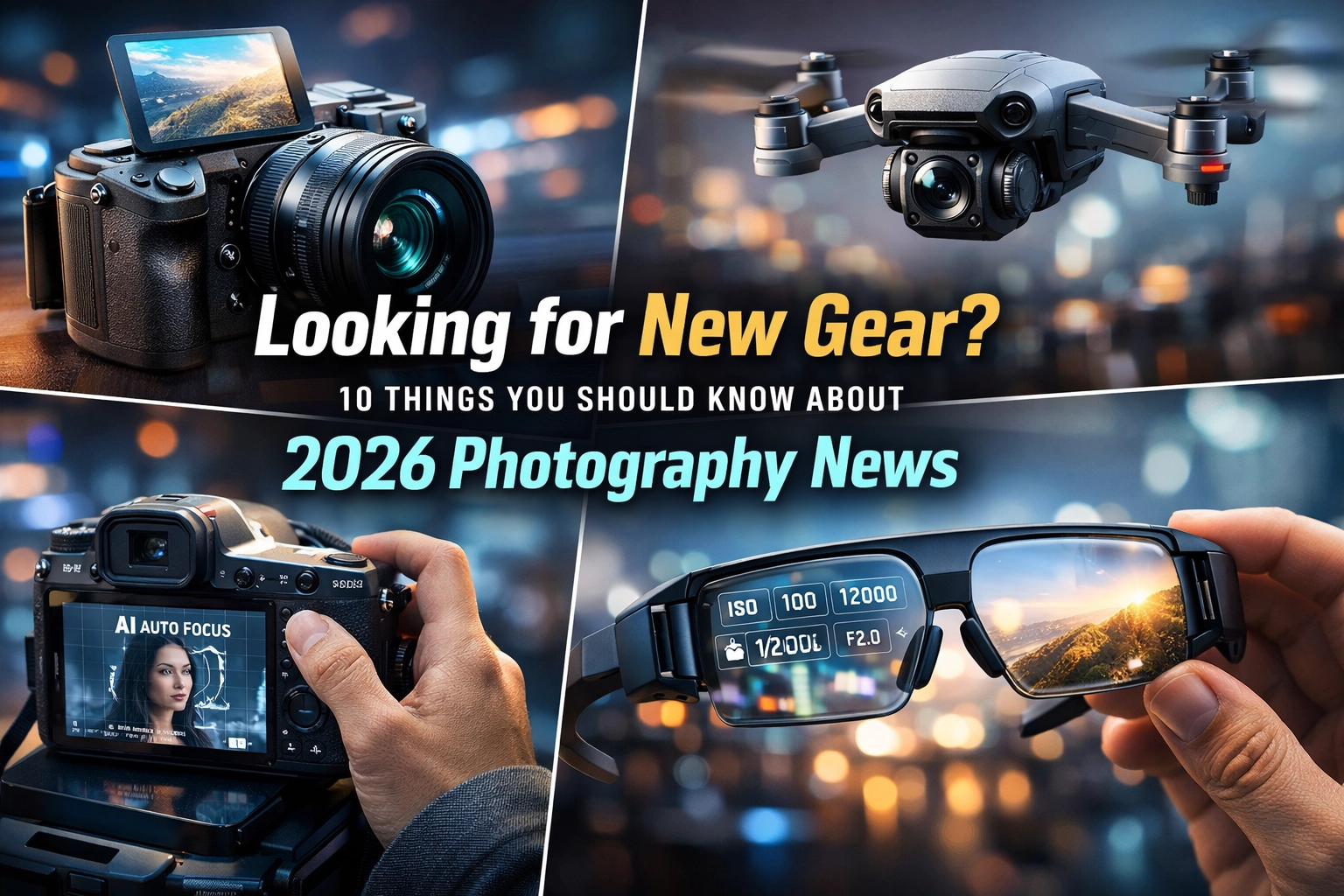
It is March 2026, and if you have been paying any attention to the camera industry lately, your head is probably spinning. It feels like every other week there is a "groundbreaking" announcement that promises to change the way we take photos forever. But let’s be real: not every new bell and whistle is worth your hard-earned cash.
Whether you are a seasoned pro or someone just looking to level up from a smartphone, navigating the 2026 gear landscape is a bit of a minefield. We have moved past the era of massive megapixel jumps every six months. Today, the game is all about refinement, artificial intelligence, and making the camera get out of the way of your creativity.
At Shut Your Aperture, we live for this stuff. We have been digging through the specs, testing the prototypes, and keeping an eye on what the big players like Sony, Canon, and Nikon are doing. Before you pull the trigger on a new body or lens, here are 10 things you absolutely need to know about photography news in 2026.
1. Flagships are About Refinement, Not Revolution
If you were expecting the Sony A7 VI or the Nikon Z9 II to be unrecognizable from their predecessors, you might be surprised. The "big" news for 2026 is that flagship cameras have reached a point of extreme maturity. Instead of reinventing the wheel, manufacturers are focusing on incremental improvements that actually matter for professional workflows.
We are seeing faster sensor readouts to virtually eliminate rolling shutter: meaning you can finally use your electronic shutter for fast-moving sports without your subjects looking like they were melted in a microwave. The Sony A7 VI, for example, is rumored to push into the 80+ megapixel territory. While that sounds like overkill, it is a dream for landscape photographers who want to print big or commercial shooters who need to crop in. If you're wondering if you even need that much power, check out our breakdown on whether new camera gear really matters in 2026.
2. Content Creators Finally Have Their Own "Standard"
For years, vloggers and TikTok creators had to "make do" with cameras designed for stills. Not anymore. 2026 has seen the release of gear that is purpose-built for the solo shooter.
The Sony ZV-E10 II and the Panasonic LUMIX G100 aren't just small; they are smart. They feature tally lights that you can actually see, microphones that track your voice as you move around the frame, and internal stabilization that makes it look like you’re using a gimbal even when you’re just walking and talking. If you are more interested in the "why" behind the shot than the "how," these tools are becoming the industry standard. For more on the art of the shot, PhotoGuides.org has some great resources on visual storytelling.
3. Action Cameras are Entering a Professional Tier
Gone are the days when action cameras were just for "shaky-cam" footage of your mountain bike ride. The latest releases, like the DJI Action 6 Pro, are introducing variable apertures. This is a game-changer. It means you can control your depth of field and exposure without relying solely on ND filters or shutter speed.
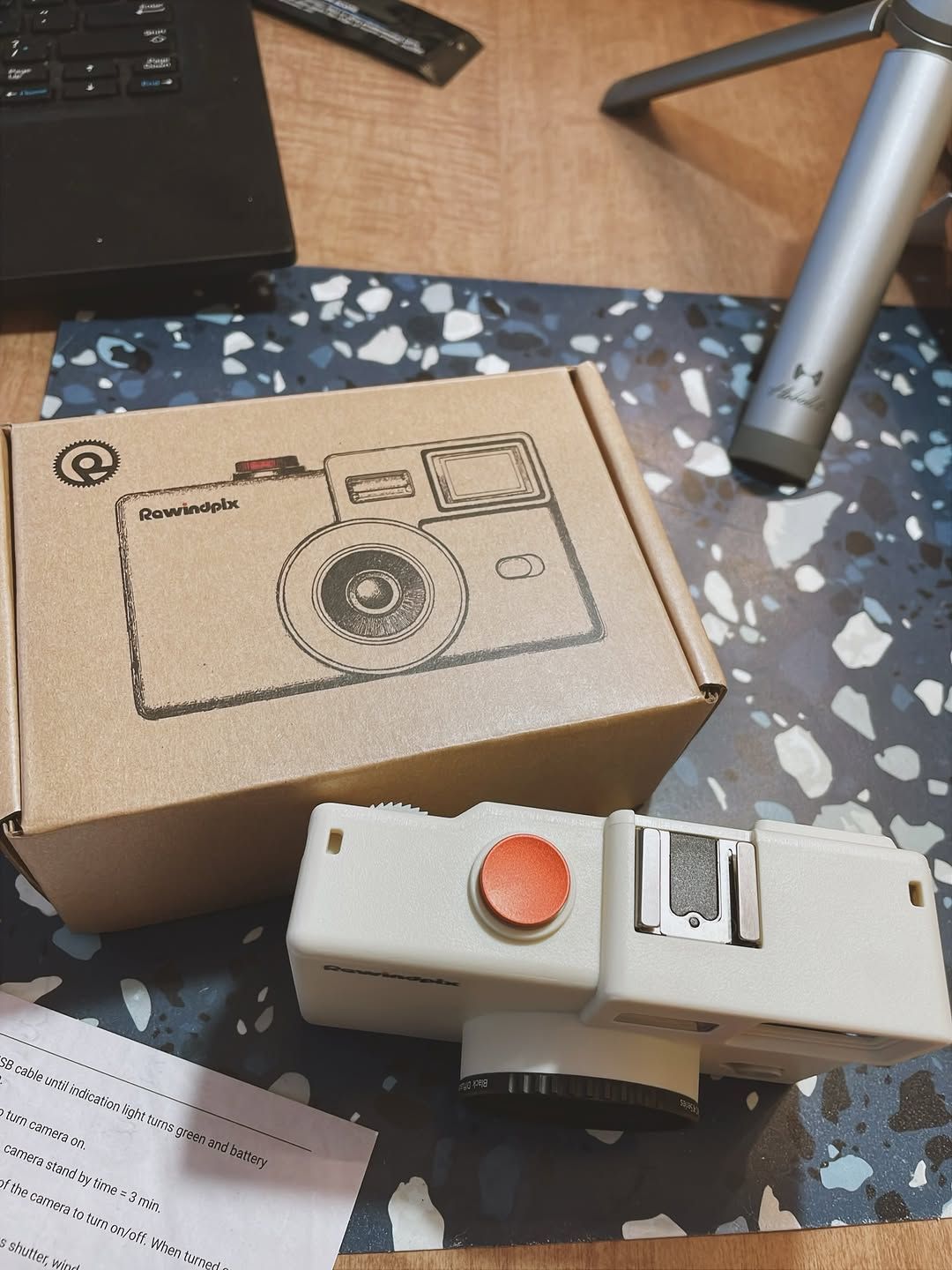
Meanwhile, GoPro is pushing the limits with the Max2 360, bringing 8K video to the palm of your hand. When you have that much resolution, you can "punch in" to a standard frame during post-processing and still have crystal-clear 4K footage. It’s essentially like having a multi-camera setup in a single, tiny box.
4. 360-Degree Video and POV Content are Getting Serious
Speaking of 360, it’s no longer just a gimmick for VR headsets. Professional editors are using 360-degree footage to create dynamic "impossible" camera movements in standard videos. The Insta360 X5 is leading the charge here with enhanced low-light tech that actually works.
POV (Point of View) content is also exploding. Wearable cameras like the Insta360 Go Ultra are becoming so small and lightweight that you can clip them to your shirt and forget they are there. For creators looking to provide a "behind the scenes" look at their process, this gear is essential. Whether you are shooting a wedding or a mountain peak, giving your audience your exact perspective is a powerful tool for storytelling in photography.
5. Full-Frame Hybrid Systems are the New Baseline
If you call yourself a "photographer" but you don't do video, or a "videographer" but you don't do stills, you are a dying breed. In 2026, the hybrid professional is the target demographic.
The Canon EOS R6 Mark III and the Nikon Z6 III are the perfect examples. They offer high-resolution 7K video and advanced autofocus that can track a bird's eye through a thicket of branches. These cameras are robust enough for a professional gig but light enough for a day hike. If you are struggling to decide which system to jump into, we have a guide on how to choose the best mirrorless camera for 2026.
6. APS-C is Still the Secret Weapon for Wildlife and Sports
Everyone talks about full-frame, but APS-C (crop sensor) cameras are having a massive resurgence in 2026. Why? Because the "reach" is unbeatable. If you are shooting wildlife or sports, that 1.5x or 1.6x crop factor turns a 400mm lens into a 600mm or 640mm equivalent without the massive weight and price tag of a full-frame super-telephoto.
The Canon EOS R7 Mark II is a beast in this category. It’s fast, the autofocus is sticky, and the body is weather-sealed. For many travel and outdoor photographers, the smaller footprint of an APS-C system is actually a benefit, not a compromise. Just make sure you aren't making these 7 mistakes with landscape photography regardless of which sensor size you choose.
7. Compact Design Meets Pro Specs
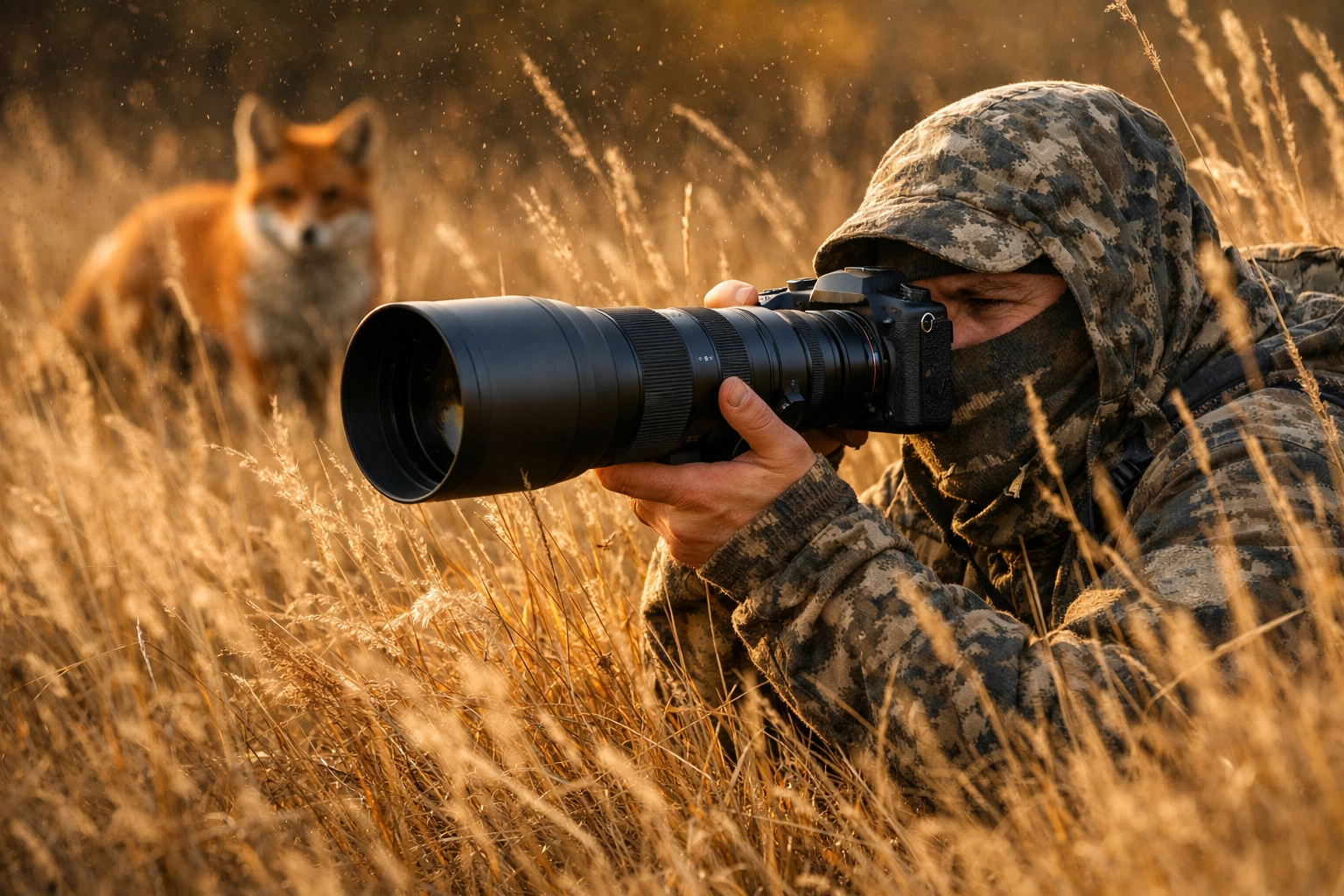
There is a huge trend toward "minimalist" gear that doesn't sacrifice quality. Fujifilm has mastered this with the X-T5, offering that tactile, old-school feel with cutting-edge internals. We are also seeing a rise in "boutique" style digital cameras that focus on the essentials.
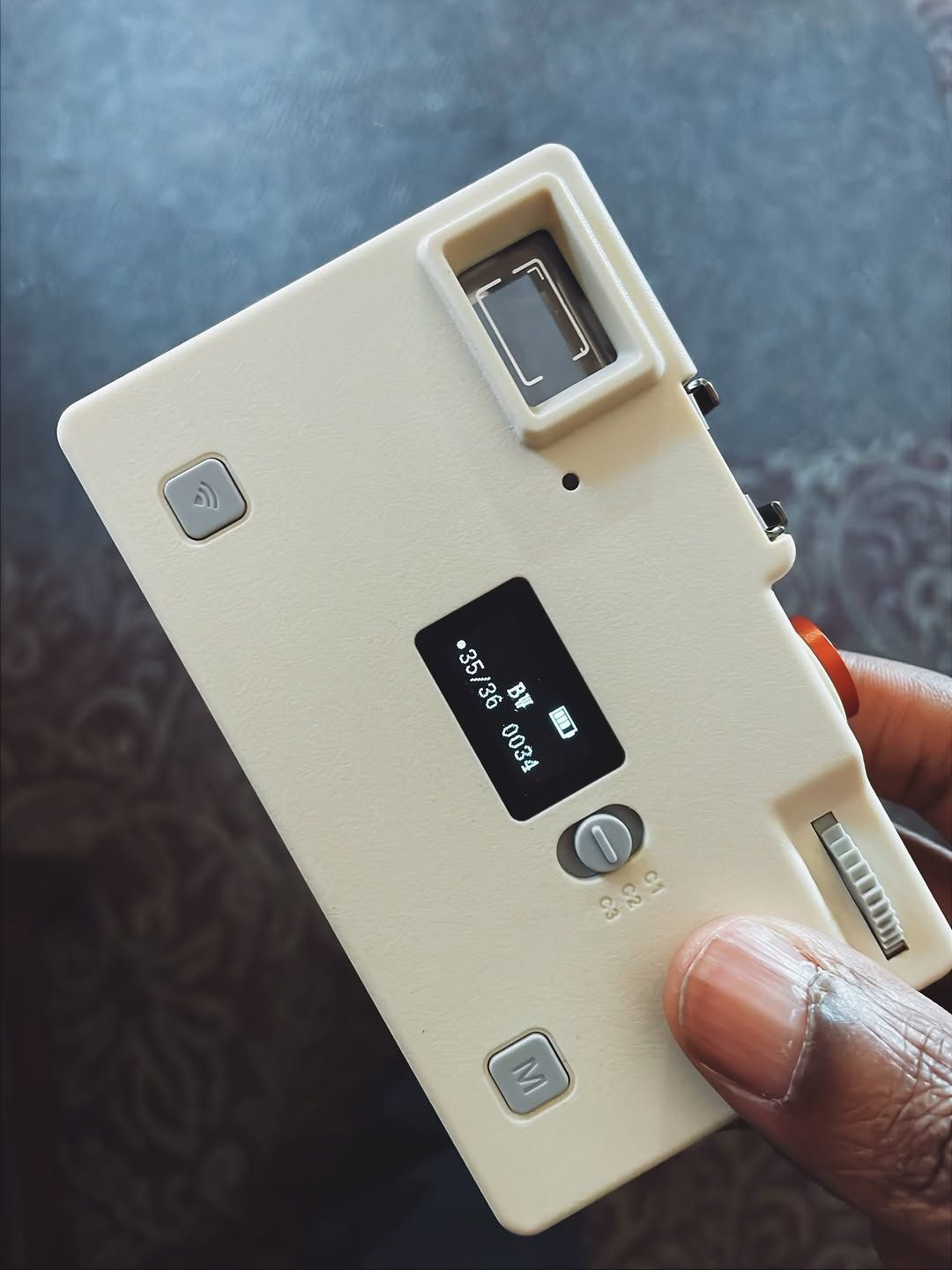
These cameras are perfect for street photography or daily carry. They encourage you to slow down and think about your composition rather than just spraying and praying. If you want to dive deeper into the technical side of making images pop, www.proshoot.io has some fantastic deep dives on lighting and technique.
8. Low-Light Performance is the New Resolution War
For a long time, brands fought over who could have the most megapixels. In 2026, the battle has shifted to who can see in the dark. We are seeing new sensor designs that prioritize thermal management, allowing for cleaner high-ISO shots and longer video recording times without overheating.
This is massive for industries like real estate photography, where you often have to deal with uneven lighting and dark corners. If you're interested in how lighting impacts high-end markets, you might find the discussion on the role of luminosity in real estate photography pretty enlightening.
9. Audio and Accessories are Catching Up
Camera companies finally realized that "video" is 50% audio. Panasonic recently introduced on-camera mics with 32-bit float recording. If you aren't familiar with 32-bit float, it’s basically "RAW for audio." You can’t really clip the signal; even if someone screams into the mic, you can bring the levels back down in post with zero distortion.
We are also seeing "smart" accessories like the OM System Photo Pocket: a wearable pouch that actually makes sense for outdoor shooters. Innovation isn't just happening in the sensors; it's happening in the stuff that makes our lives easier on the trail.
10. AI is Built-In, Not Just an Add-On
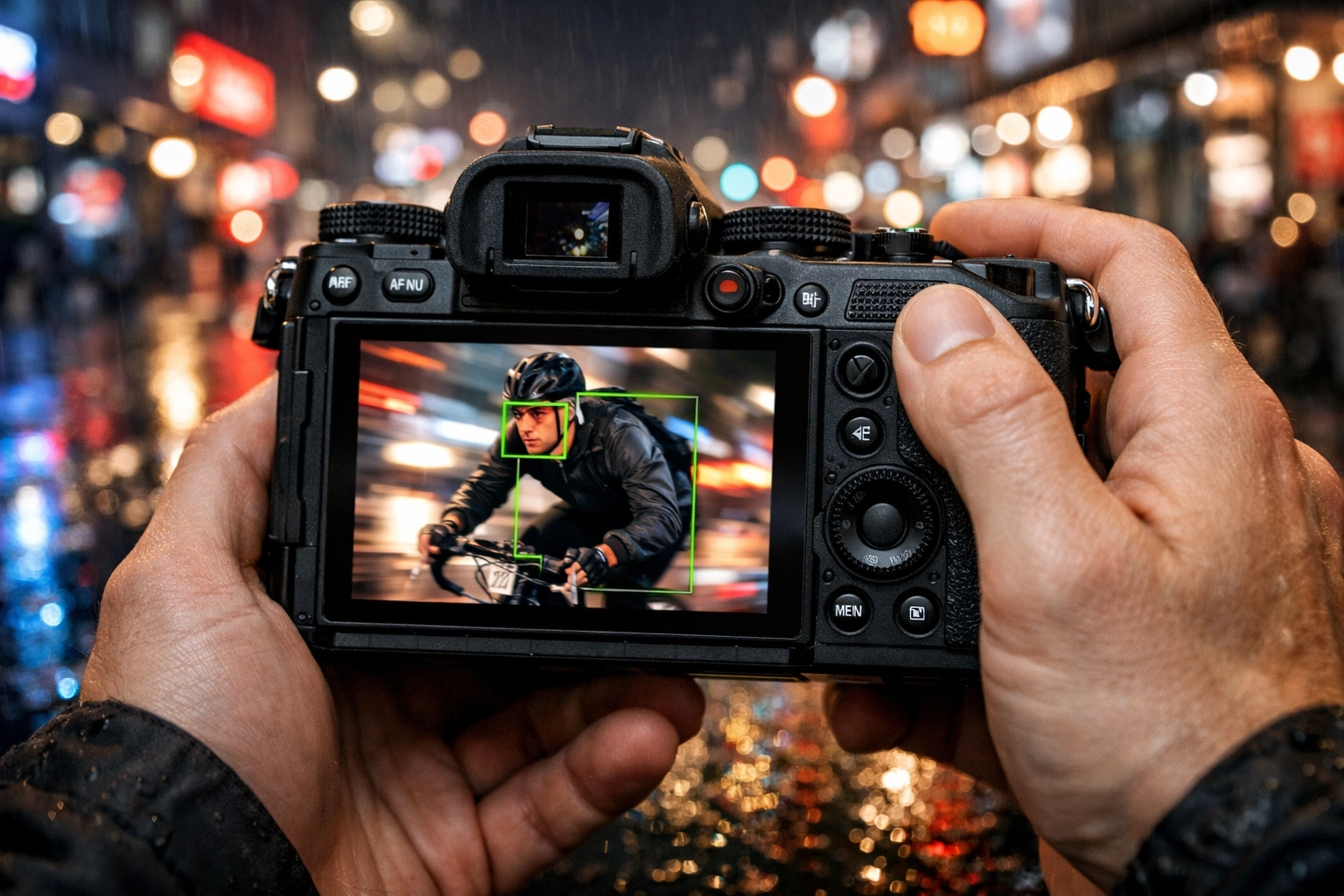
In 2026, "AI" isn't just a buzzword on a box; it’s deeply integrated into the hardware. We are talking about subject recognition that can distinguish between a train, a plane, and a golden retriever.
But where AI is really shining is in the post-processing workflow. Modern cameras are starting to bake in "pre-edits" that make your files look great the second they hit your computer. Of course, for those of us who want total control, tools like Luminar are still the go-to for taking a raw file and turning it into art. Whether you're trying to emulate the legendary look of Peter Lik’s landscape photography or just cleaning up a family portrait, AI-assisted editing is saving us hours of tedious work.
Making the Choice: Do You Really Need It?
So, should you run out and upgrade? It depends. If your current camera is more than four or five years old, the jump in autofocus reliability alone is probably worth the investment. Missing a shot because your camera hunted for focus is a terrible feeling.
However, if you have a top-tier body from 2023 or 2024, you might be better off investing in glass or even a trip to a new location to find fresh inspiration. Sometimes a new perspective is more valuable than a new sensor. If you need some inspiration on where to go, Edin Chavez’s personal blog at blog.edinchavez.com usually has some incredible travel stories and gear thoughts.
Final Thoughts on the 2026 Gear Scene
The photography world in 2026 is less about "more" and more about "better." We have enough pixels. We have enough frame rates. Now, we are getting the tools that help us tell better stories, work faster, and enjoy the process more.
If you are looking to master your craft, check out our 10 essential tips for mastering photography. And if you're into the fine art side of things, don't miss www.edinfineart.com for a look at what’s possible when you push your gear to the limit.
Keep shooting, keep experimenting, and don't let the gear specs get in the way of your vision. After all, the best camera is the one you actually have with you: and in 2026, that camera is more powerful than ever. For more professional photography services and studio insights, you can always visit www.edinstudios.com.
The gear news is exciting, but remember: the person behind the viewfinder is still the most important part of the equation. Stay curious!