Let’s be honest: almost nobody wakes up in the morning and thinks, "I can’t wait to have a massive camera lens pointed at my face for an hour." For most of us, getting a corporate headshot feels somewhere between a trip to the dentist and filing taxes. But here is the reality, in 2026, your headshot is your digital handshake. It’s the first thing a recruiter, a potential client, or a future business partner sees.
If your current LinkedIn photo is a cropped version of you at a wedding with a glass of champagne blurred out of the frame, we need to talk. Whether you’re a CEO or a freelancer just starting out, mastering professional corporate headshot tips is the difference between looking like a pro and looking like an amateur who got lucky with a smartphone filter.
At Shut Your Aperture, we’ve seen it all. We’ve seen the "deer in the headlights" look and the "I’m trying too hard to look like Steve Jobs" vibe. This guide is designed to strip away the stress and give you the exact blueprint to nail your next session.
Why Your Headshot Actually Matters
Before we dive into the "how," let’s talk about the "why." A professional headshot isn't just a vanity project. It’s about building trust. Research shows that people form an impression of your trustworthiness within milliseconds of seeing your face.
If you want to see what top-tier results look like, you should check out the galleries at Perfect Corporate Headshots. They understand that a great photo isn't just about high resolution; it's about capturing a personality that fits your industry. For more general advice on elevating your visual game, our top photography tips are a great place to start.
The Art of the Pose: How to Not Look Stiff
The biggest fear people have is looking "fake" or "stiff." The secret? Your body language speaks louder than your outfit. Here are the core posing techniques that the pros use to make anyone look like a natural leader.
1. The "Lean and Engage"
Never stand perfectly upright and flat against a wall. It makes you look like you’re in a police lineup. Instead, lean slightly toward the camera from the waist. This mimics the body language of someone who is interested in a conversation. It’s a subtle move that signals approachability.
2. Angle Your Shoulders
Facing the camera dead-on makes your shoulders look incredibly wide and can make you appear "blocky." Turn one shoulder slightly away from the lens. For men, this creates a strong V-taper. For women, it creates a more dynamic, slim profile. Once your body is angled, turn your head back toward the lens. This creates "energy" in the photo that a straight-on shot lacks.
3. Mastering the "Turtle"
This feels ridiculous while you’re doing it, but it’s the gold standard for professional corporate headshot tips. To define your jawline and get rid of a double chin, push your forehead toward the camera and tip your chin down just a fraction. This stretches the skin on your neck and separates your face from your body in the 2D plane of the camera. It’s the easiest way to lose five pounds instantly on camera.
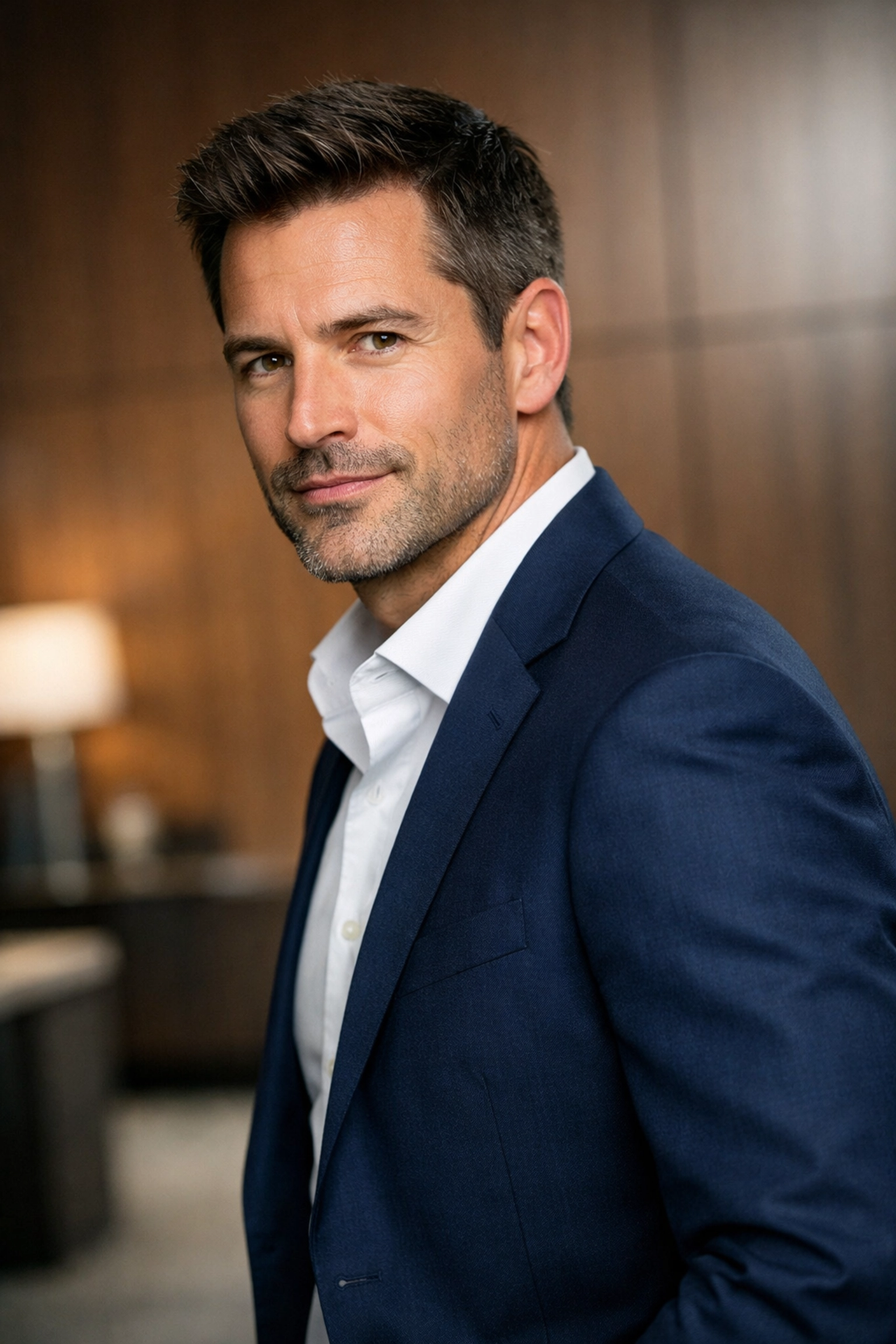
Alt Text: A professional man demonstrating the angled shoulder pose and a defined jawline for a corporate portrait.
Wardrobe Strategy: Dressing for Your Brand
Your clothes shouldn't be the star of the show; they should be the frame for your face. When people ask how to prepare for a headshot session, the outfit is usually their first concern.
Industry-Specific Choices
- Finance, Law, and Traditional Corporate: Stick to the classics. Dark suits (navy, charcoal, or black) with a crisp white or light blue shirt. A tie is usually still the standard here.
- Tech, Creative, and Marketing: You have more breathing room. A nice blazer over a high-quality T-shirt or a stylish sweater works wonders. Bold colors can actually help you stand out in a sea of gray suits.
- Startups: Authenticity is key. If you never wear a suit to work, don't wear one for your headshot. A clean, well-fitted polo or a casual button-down is better than looking like you borrowed your dad's blazer.
Colors and Patterns to Avoid
Avoid busy patterns like tiny pinstripes or houndstooth. These can cause a "moiré effect" on digital screens, where the pattern seems to vibrate or swirl, it’s a nightmare for viewers. Also, skip the graphic tees or huge logos. You want people looking at your eyes, not trying to read what’s on your shirt.
If you’re wondering what gear is being used to capture these textures, take a look at our review of professional photography cameras.
Facial Expressions: The "Smize" and Beyond
A "cheese" smile is the enemy of a good headshot. It looks forced and usually makes your eyes look squinty and tired.
The Eyes Have It
Confidence comes from the eyes. If you look closely at top executives, they don't have wide, staring eyes. They have a slight narrowing of the lower eyelids. This is often called "squinching." It makes you look focused and competent. Wide eyes, on the other hand, signal fear or uncertainty.
The Mouth
You don't always have to show teeth. A "closed-mouth" smile can look very sophisticated and powerful. If you do go for the full smile, make sure it reaches your eyes. Think of something genuinely funny or have a conversation with the photographer to break the ice.

Alt Text: A close-up of a professional woman with a confident facial expression and natural lighting.
Best Lighting for Executive Portraits
Lighting is what separates a DIY selfie from a high-end corporate portrait. The best lighting for executive portraits is usually soft and directional.
- Softboxes and Umbrellas: These create a "wrap-around" light that fills in wrinkles and softens the skin.
- Rembrandt Lighting: This is a classic technique where one side of the face is lit, and a small triangle of light appears on the opposite cheek. It adds depth, character, and a sense of authority.
- Natural Light: If you’re shooting outdoors or near a large window, ensure the light isn't "harsh." Mid-day sun creates "raccoon eyes" (dark shadows under the eyes). Overcast days or "Golden Hour" are much better.
For those interested in the technical side of how light interacts with different sensors, our camera comparison insights offer a deeper dive into the tech.
Skin Prep and Makeup
You want to look like the best version of yourself, not a different person entirely.
- Hydrate: Drink plenty of water the week leading up to the shoot. Your skin will look plumper and clearer.
- Avoid New Treatments: Don't get a chemical peel or a new facial the day before. You don't want to show up with an allergic reaction or redness.
- Makeup: Keep it matte. High-definition cameras pick up every bit of shine. Avoid heavy glitters or overly glossy lips. A liquid base is usually better than a heavy powder, which can look "cakey" under studio lights.
- Hair: Get your hair cut about a week before the session. This gives it time to settle into a natural look.
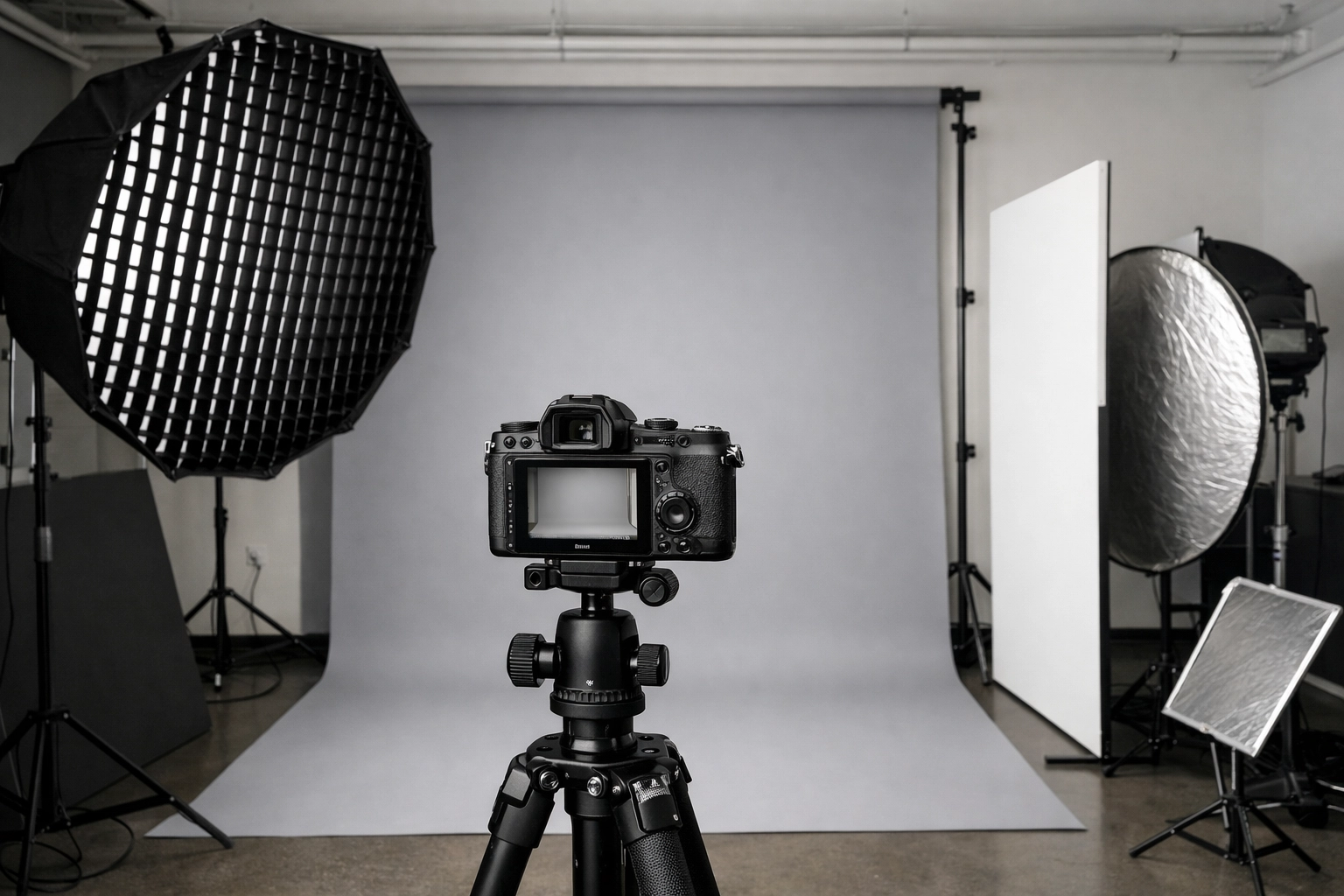
Alt Text: A professional camera setup in a studio prepared for an executive headshot session.
The Technical Setup: Backgrounds
The background should never be an afterthought. At Perfect Corporate Headshots, they often suggest a clean white or light gray background. Why? Because it’s timeless. It works on every website and doesn't clash with your brand colors.
However, "environmental" headshots, where you are in an office or an urban setting, are becoming more popular for leaders who want to show they are "in the field." If you go this route, ensure the background is blurred (a shallow depth of field) so you remain the focal point. You can learn more about achieving this look in our guide on choosing the best camera.
Post-Processing: The Final Touch
Even the best photo needs a little love in post-production. This isn't about making you look like a plastic doll; it's about removing temporary distractions like a stray hair or a blemish that decided to appear that morning.
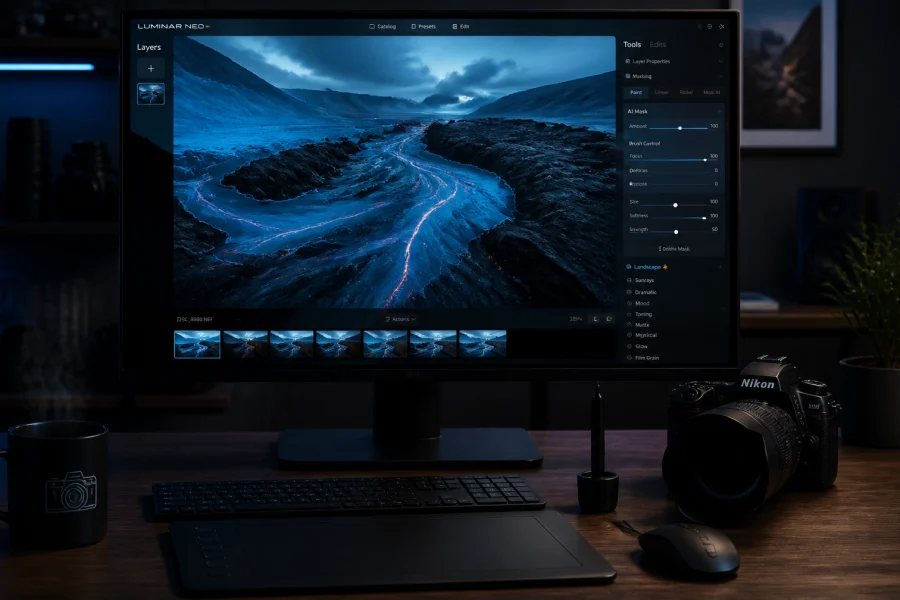
We highly recommend using software like Luminar for editing. It uses AI to handle skin retouching naturally, keeping your skin texture intact while evening out the tones. If you’re just starting with editing, check out some Edin Studios photography reviews to see how professionals handle the workflow.
Summary Checklist: How to Prepare for a Headshot Session
To make things easy, here is your one-week countdown:
- 7 Days Out: Book your photographer, choose your outfits, and get a haircut. Check out Shut Your Aperture for more inspiration on styles.
- 3 Days Out: Iron your clothes. Ensure there are no stains or missing buttons. Practice your "turtle" pose in the mirror (yes, really).
- 1 Day Out: Get a good night's sleep. Avoid salty foods that might make your face look puffy in the morning.
- The Big Day: Arrive 10 minutes early. Bring a small grooming kit (comb, lip balm, blotting papers). Trust your photographer!
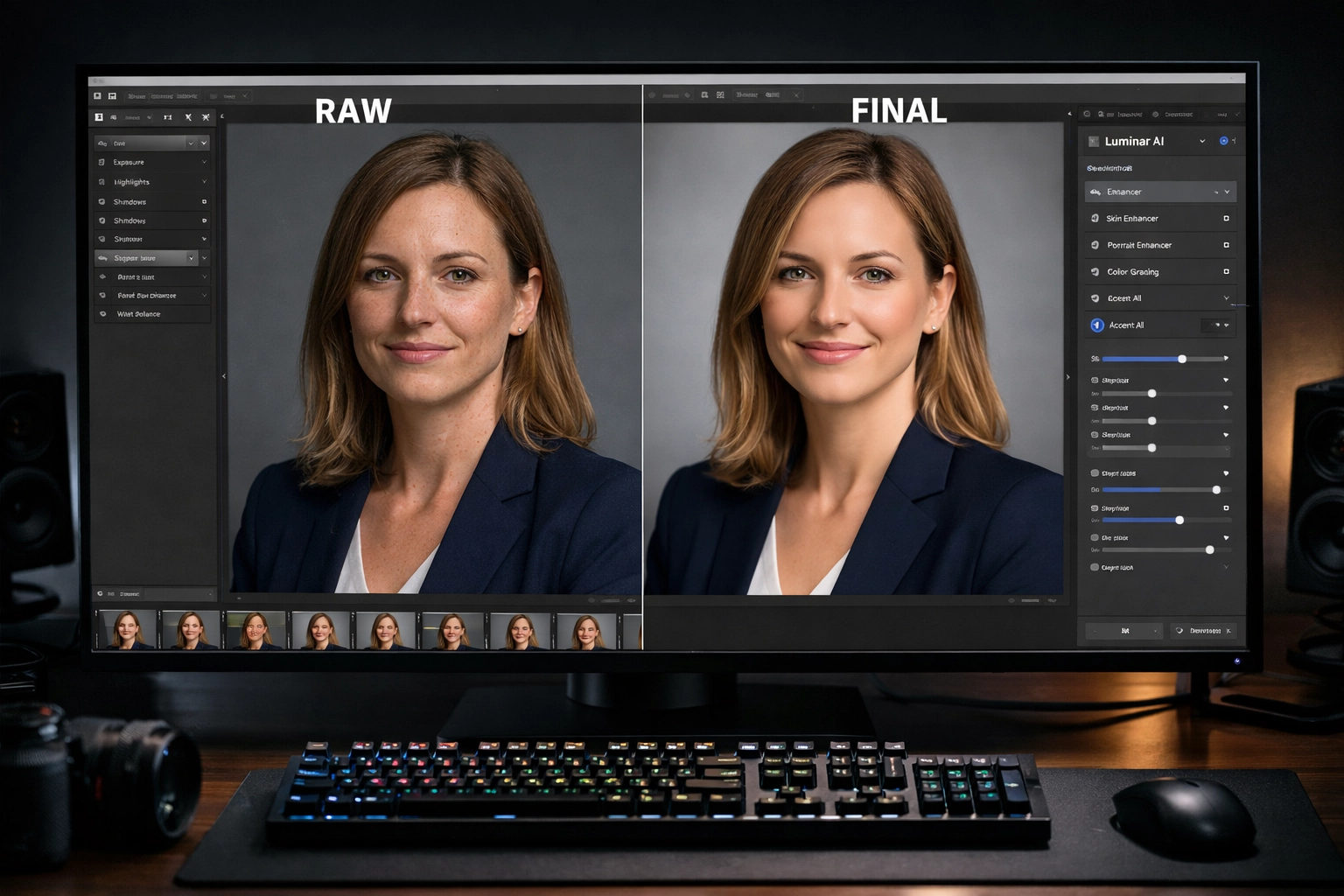
Alt Text: A split-screen comparison showing a raw headshot vs. a professionally edited corporate portrait.
Why Consistency is King
If you are a business owner, your team’s headshots should look like they belong to the same company. Using different photographers with different styles creates a disjointed brand image. This is why many companies use services like Perfect Corporate Headshots to ensure a uniform look across the entire executive board.
If you’re looking to take your own professional photos or perhaps start a vlogging channel for your brand, you might want to see our list of the best vlogging cameras or the best mirrorless cameras on the market today.
Final Thoughts
A corporate headshot is an investment in your career. It’s often the first thing people see when they search your name, and in a world where everyone is Googling everyone, you can't afford to have a bad one.
By focusing on these professional corporate headshot tips: from the "turtle" pose to the right wardrobe and the best lighting: you’re not just getting a new profile picture. You’re building a visual identity that commands respect.
If you want to dive deeper into the world of photography or need advice on the essential camera accessories for 2024, we’ve got you covered. For more high-end inspiration, you can always visit Edin Fine Art or read more from Edin’s personal insights at blog.edinchavez.com.
Now, go out there, chin forward, shoulders angled, and kill that session! And if you need a professional to handle the heavy lifting, you know where to go: ProShoot.io is a fantastic resource for connecting with top-tier talent.
Remember, the camera doesn't see what you see in the mirror; it sees what the light allows it to see. Use that to your advantage. For more tips on maintaining your gear so it's always ready for the next shoot, check out our camera maintenance guide.
Skylum’s Aperty is purpose-built for portrait retouching with AI skin, eye and detail enhancement. Luminar Neo’s Portrait AI complements it for full-body and editorial work. Tagged as affiliate per FTC.